
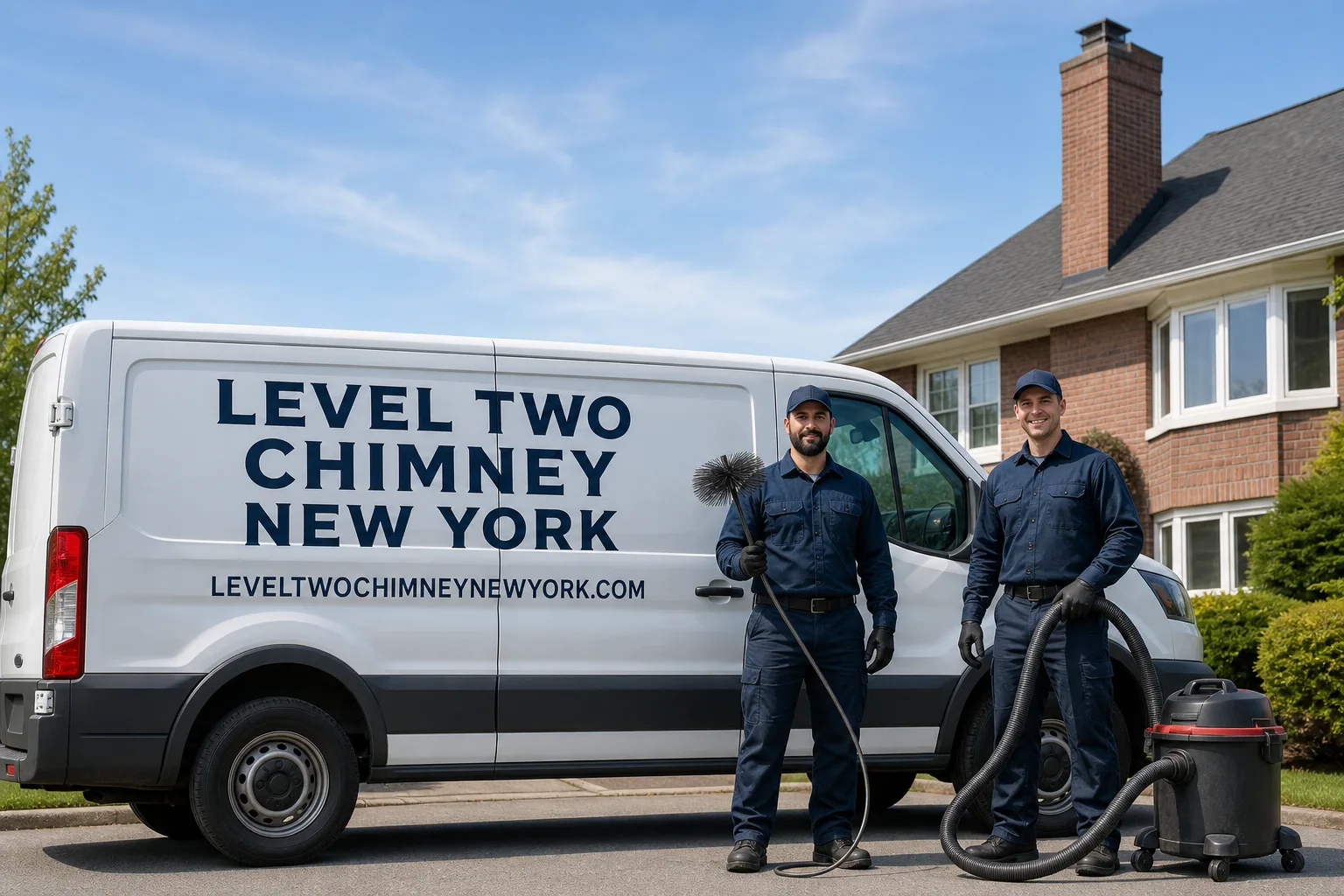
Level 1 sweep and inspection to the NFPA 211 annual standard - flue, crown, cap, and flashing checked and photographed
Chimney sweep logs do not sweep chimneys. They loosen some creosote - which then falls where a brush and vacuum still have to collect it.
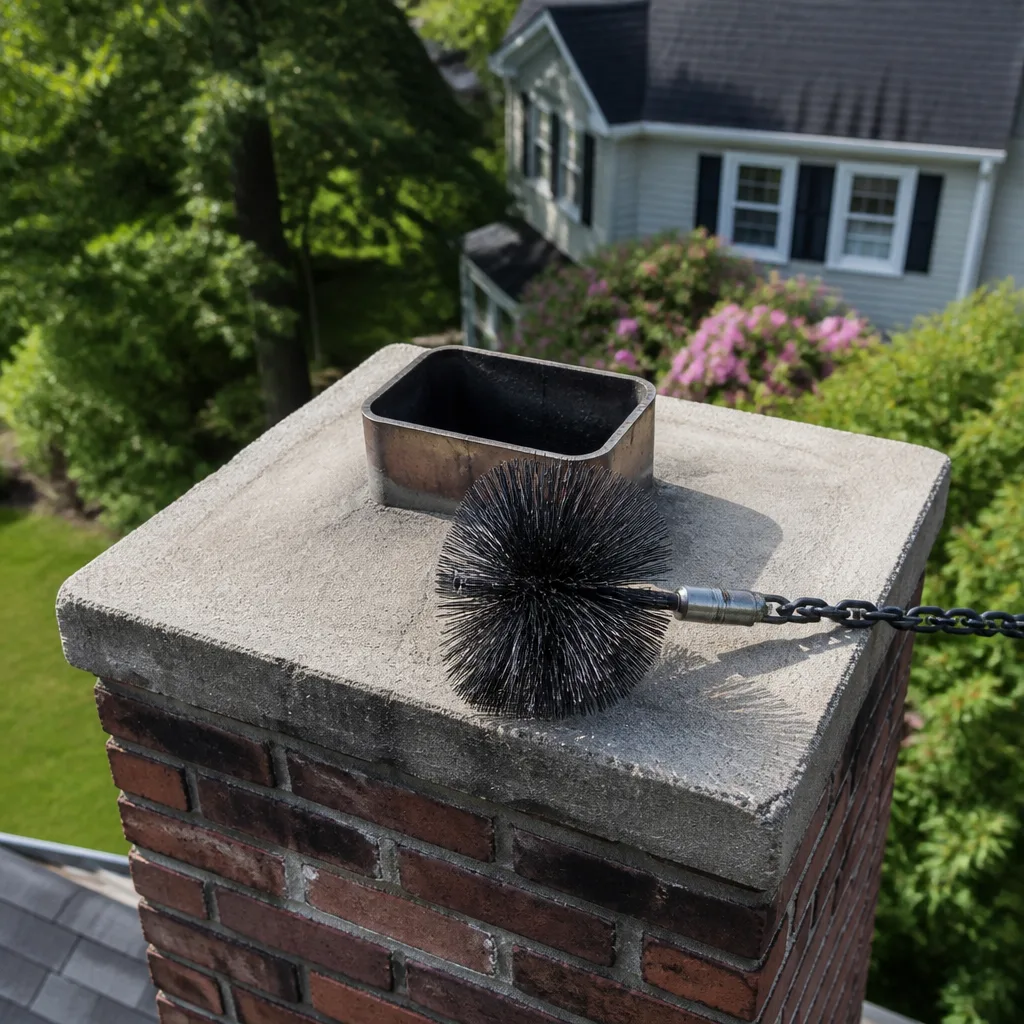
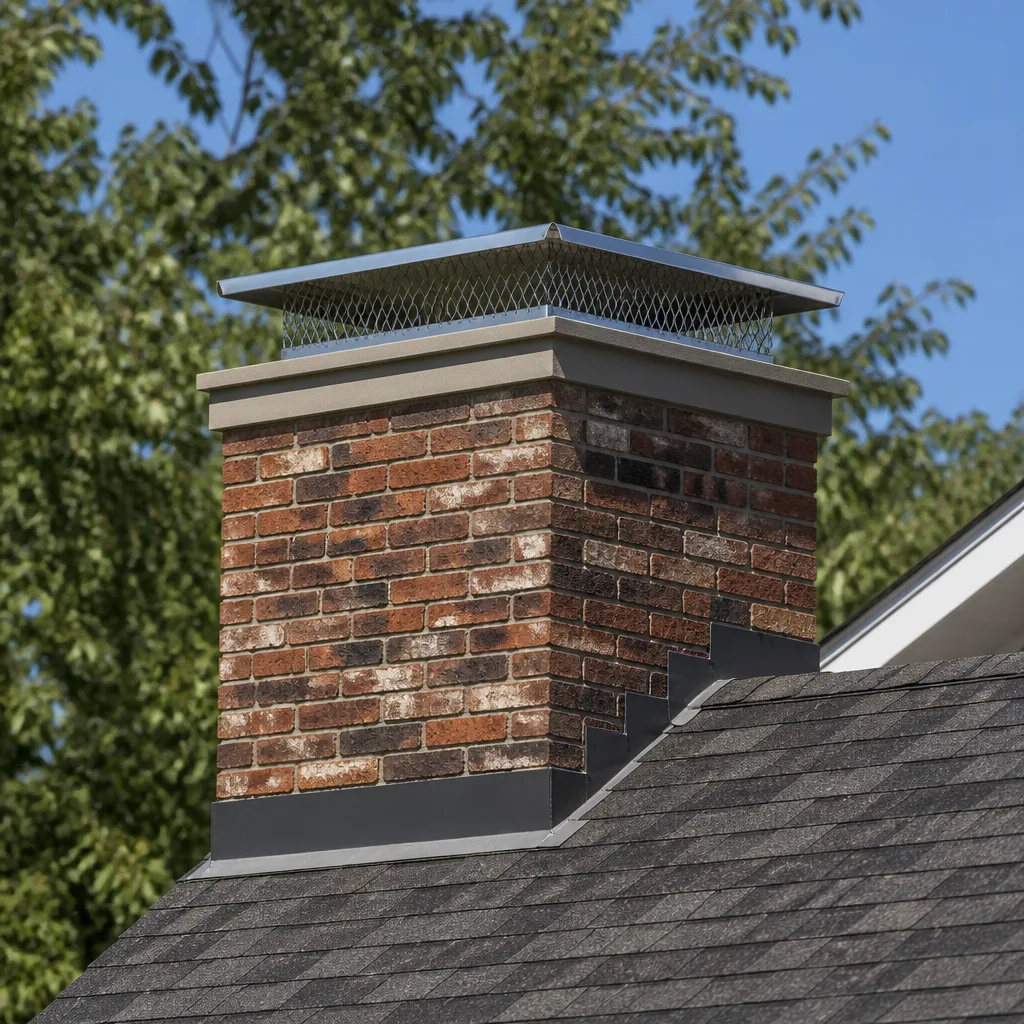
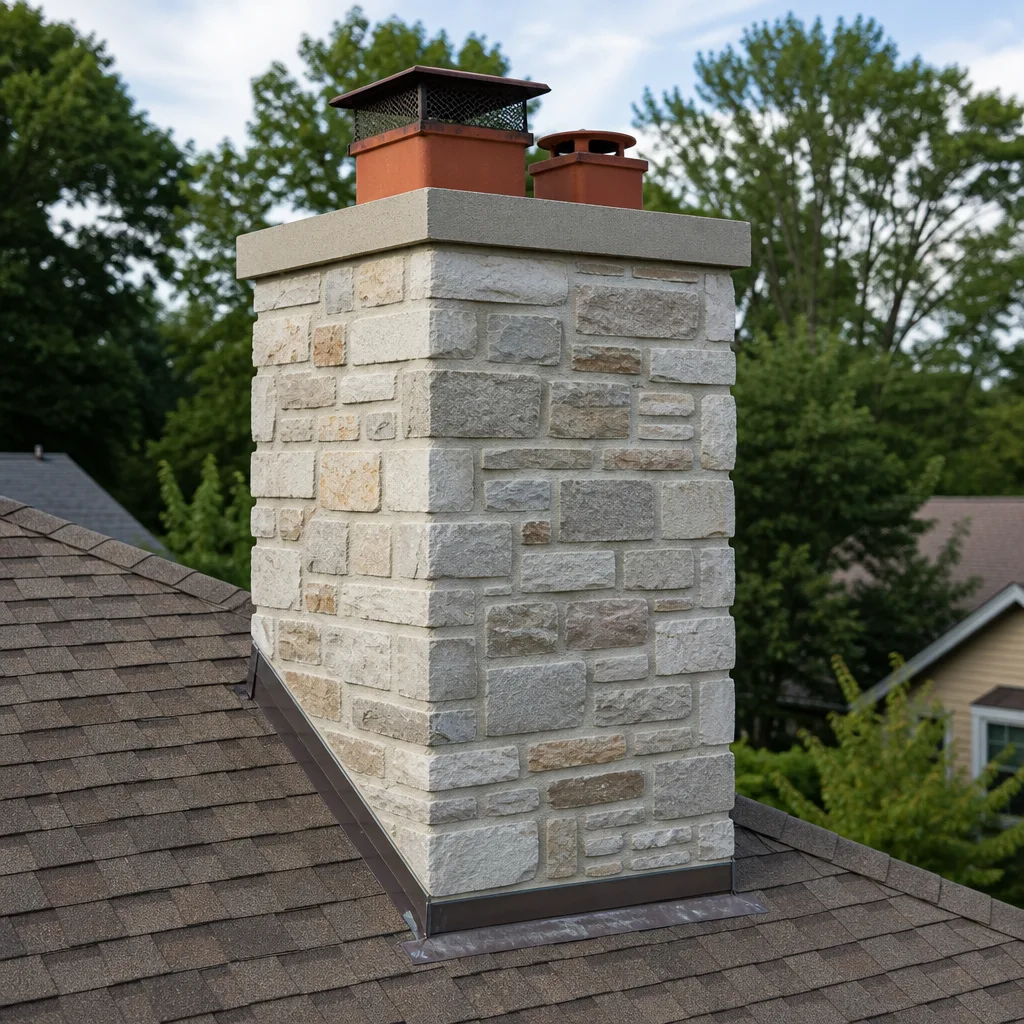
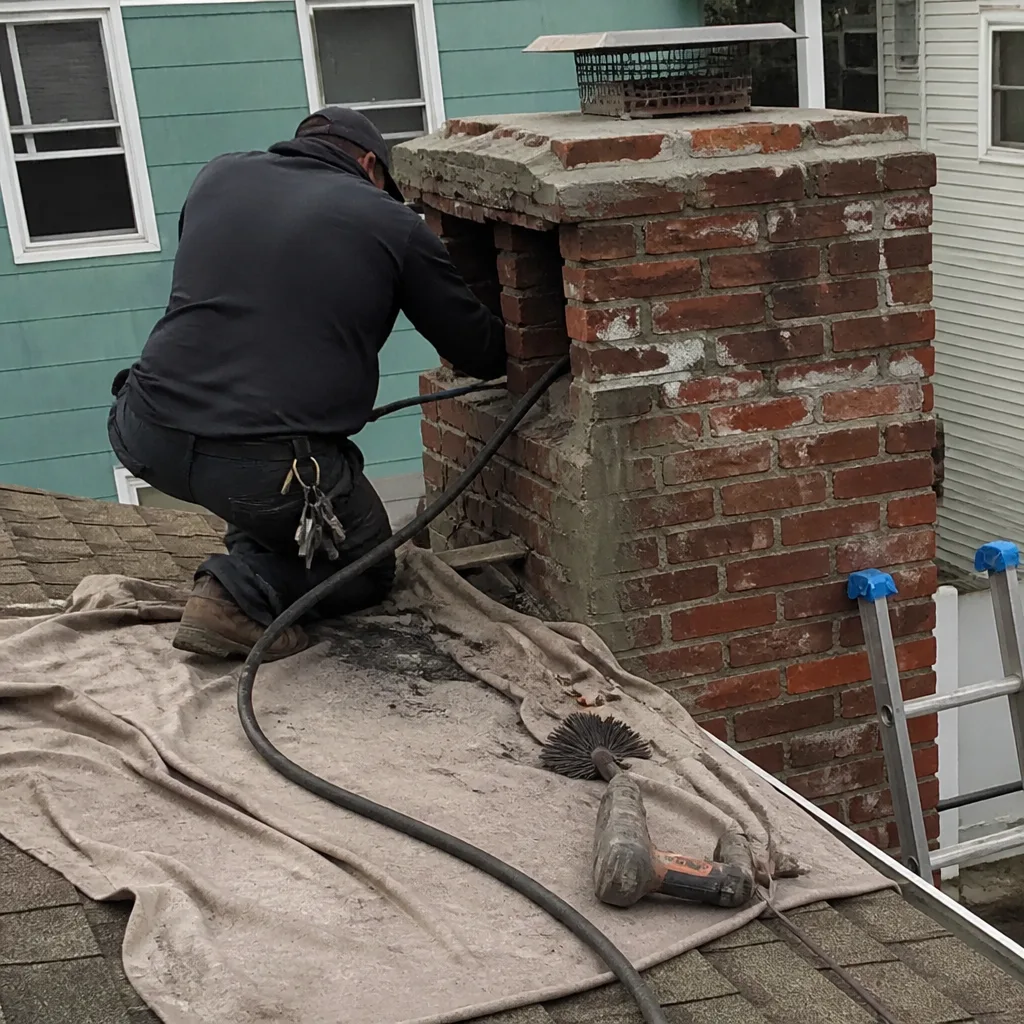 Before
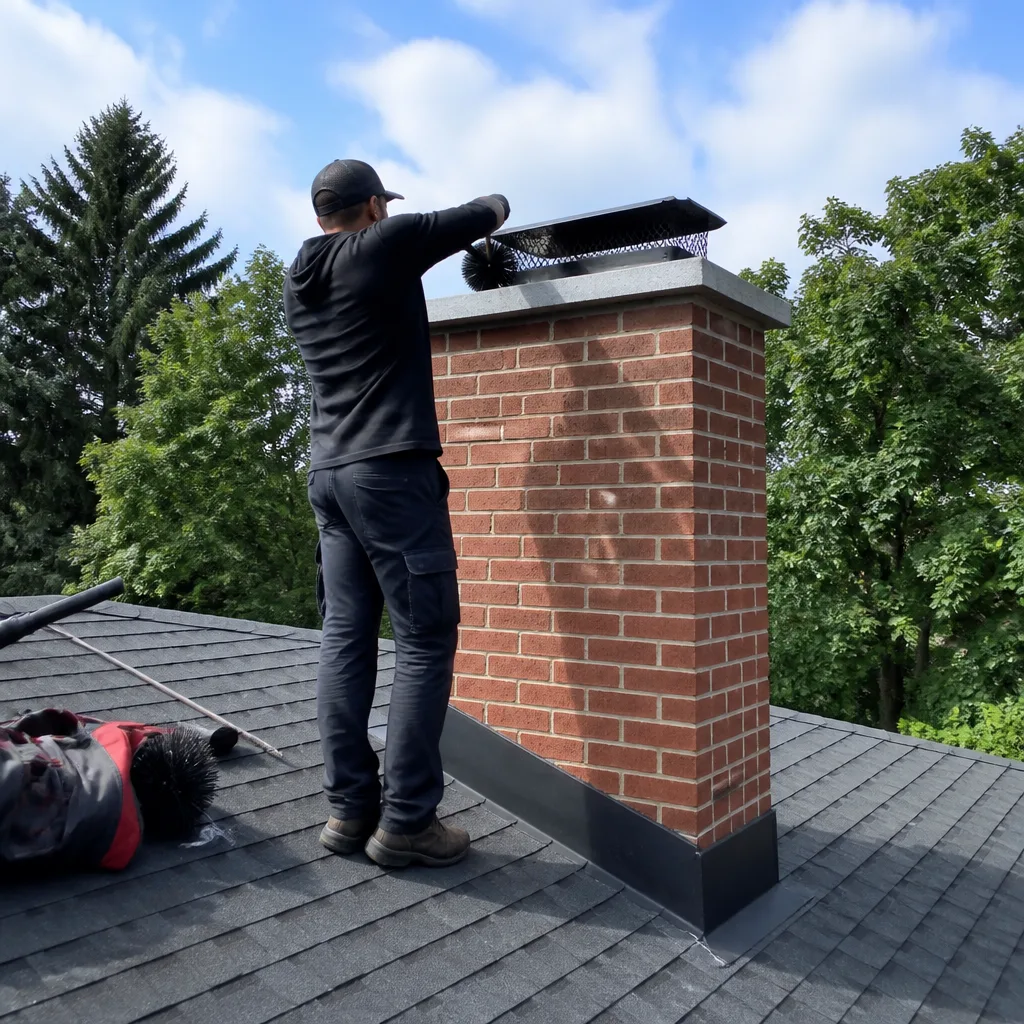 After
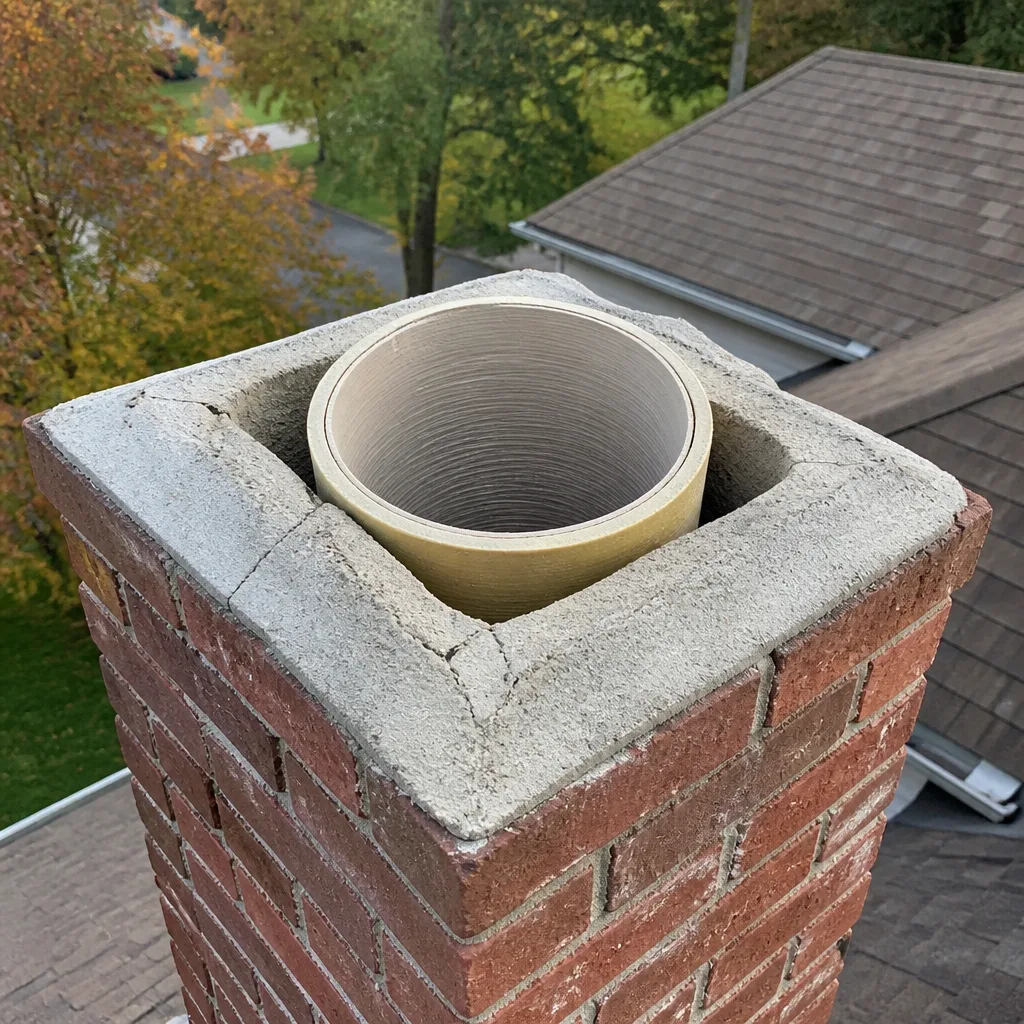
After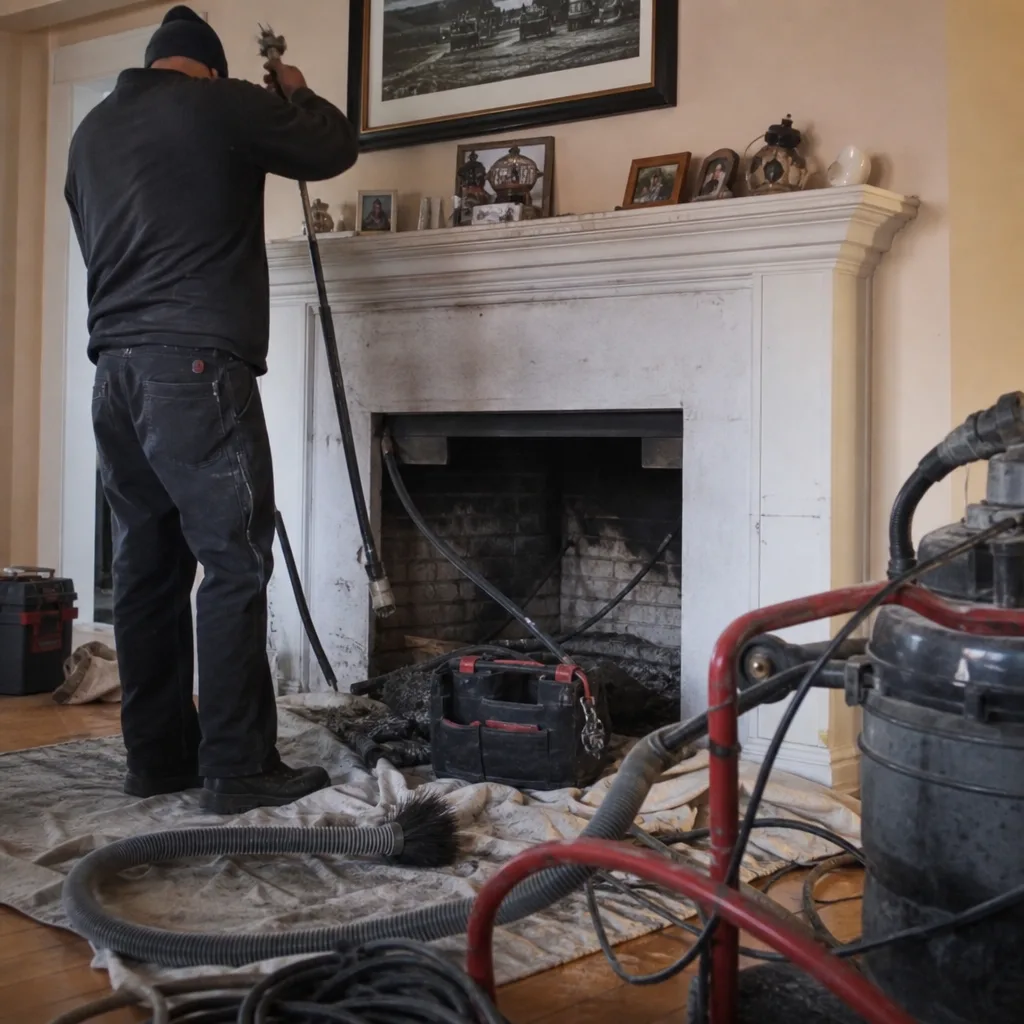 Before
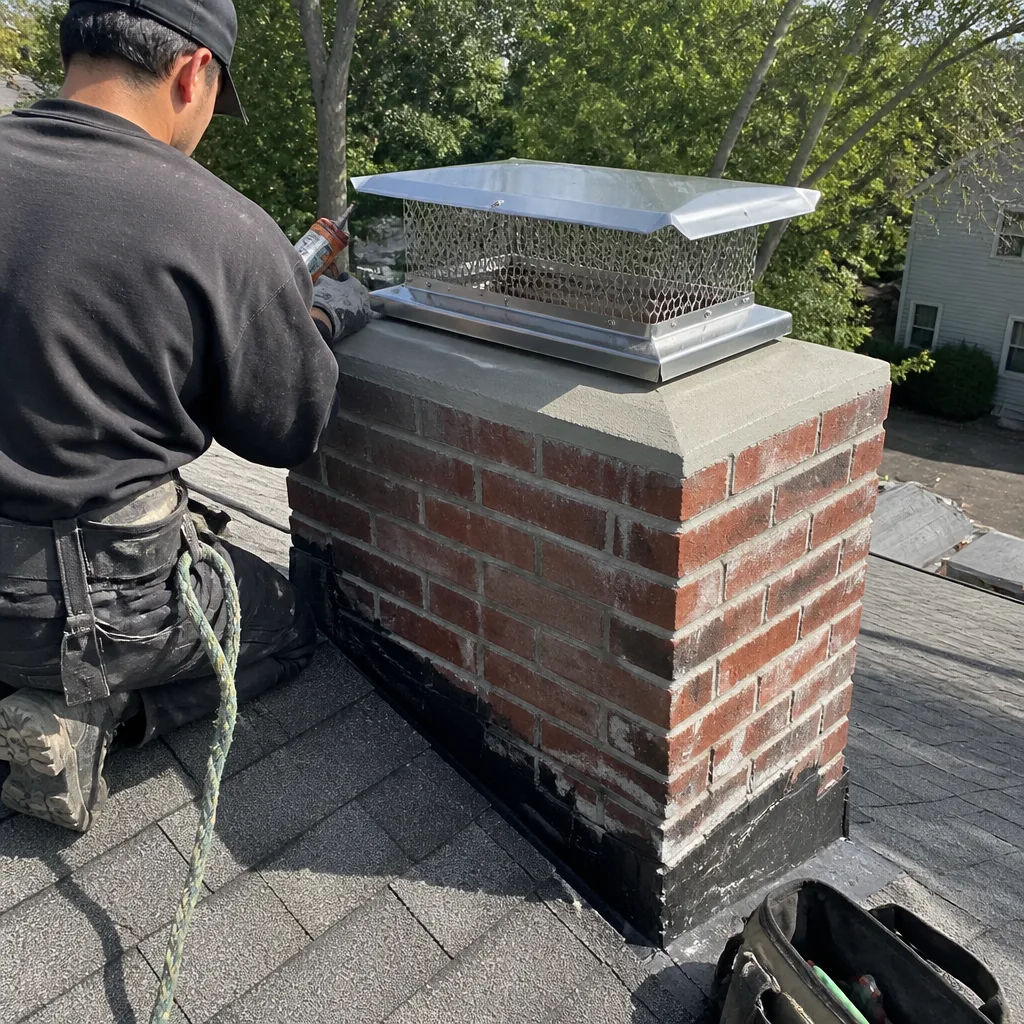 After
After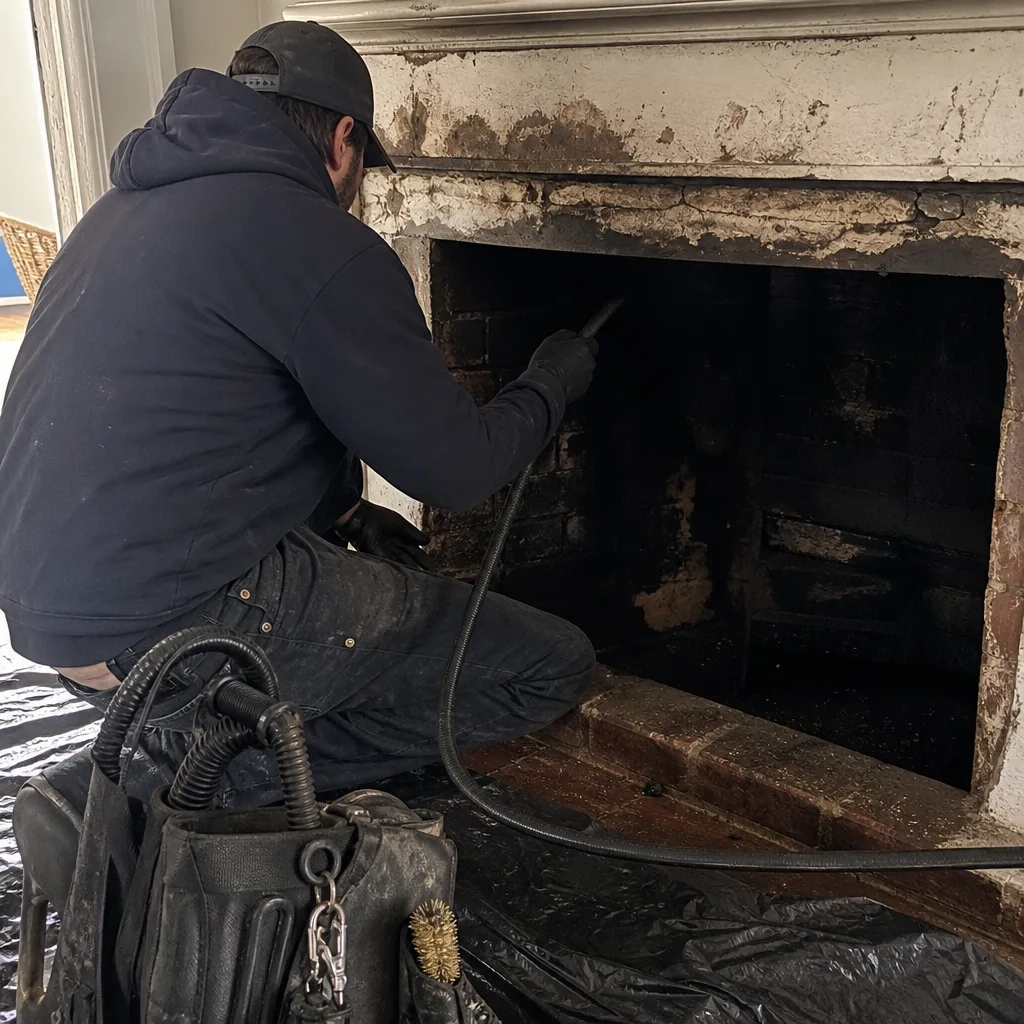 Before
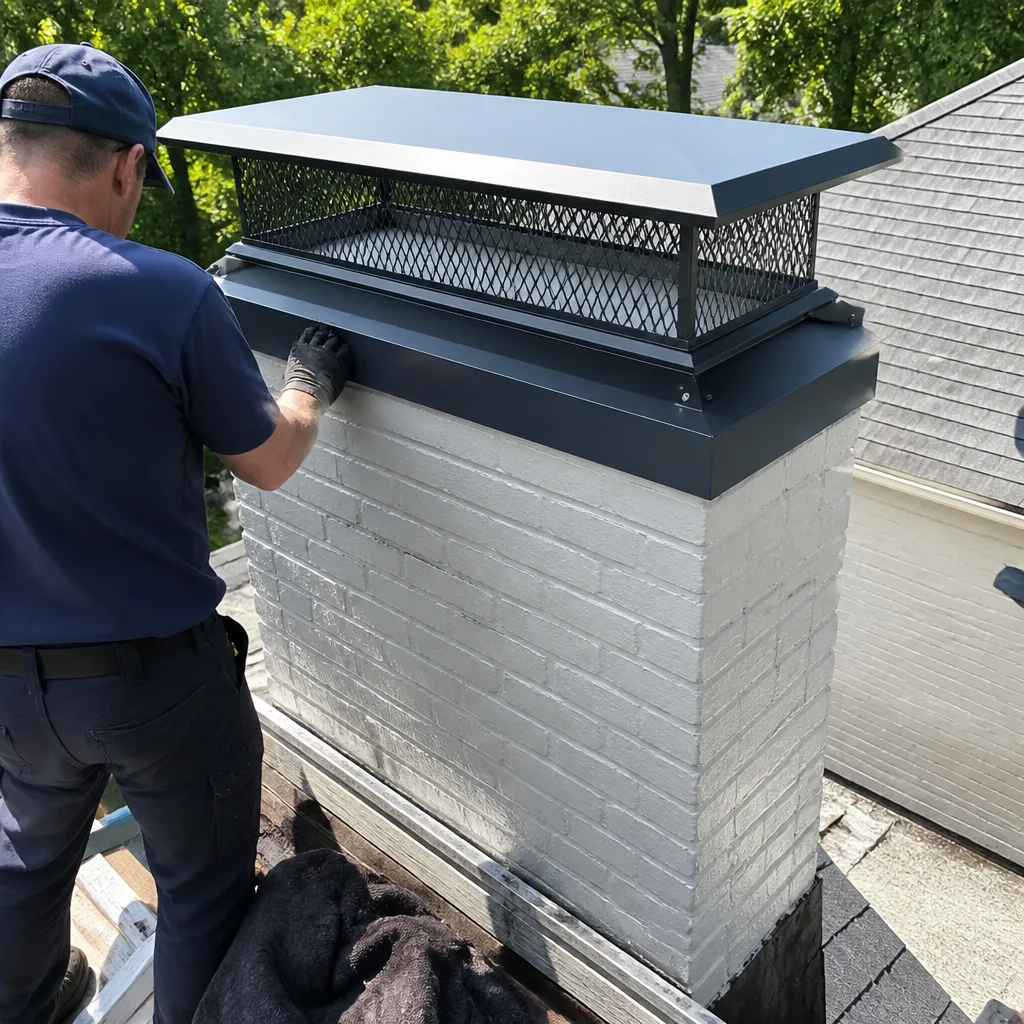 After
AfterFast, Reliable Chimney Repair Across Financial District
Chimney repair in Financial District almost always starts the same way: a camera goes down the flue of a building that was never meant to have a fireplace in the first place. Most residential units here sit in converted office towers and early-20th-century commercial buildings where the chimneys were engineered for coal-fired central heating, not wood smoke. That means the questions we ask on day one in the Financial District are different from the questions we’d ask in Bed-Stuy or Flatbush. We start with what the flue was originally built for, what the salt air has done to it since, and whether the Landmarks Preservation Commission needs to sign off before anything changes. If you’re dealing with a smoking fireplace, a leaking crown, spalling brick, or flashing that’s given up after a few harbor winters, call (551) 213-5548 and we’ll put a written price in front of you before any work starts.
Why Level Two Chimney New York Is Financial District’s Preferred Chimney Repair Company
We’ve done the job that most sweep companies in Manhattan won’t touch. The Financial District isn’t brownstone Brooklyn. It’s pre-war skyscrapers, landmarked facades, rooftop terminations that sit 30 stories above the street, and flue systems that predate residential fire codes by decades. Our Chimney Repair team knows what that means for scope, permitting, and price before we ever send a truck to Wall Street or South William Street.
Every visit starts with an NFPA 211 Level 2 camera-scan inspection. That’s not an upsell here. It’s non-negotiable, because the flues in converted FiDi towers hide things that a flashlight from the roofline will never show. We’ve pulled the camera back up on original terra-cotta liners that were spalling into the smoke chamber after 80 years of salt spray off Upper New York Bay. We’ve found third-degree creosote glazing fused to coal-era flue walls that were never sized for wood smoke. Clause 4 of the Haven Standard requires a documented photo record on every job, which means you see exactly what we see. No “trust us” moments. No vague talk about “liner condition” without the images to back it up.
When you book with us, a named technician is assigned to your job, their license number is on the page, and you get a text when they’re on the way. And when the work’s done, you get a written scope, a written warranty, and the photo archive from the inspection. Corrine Halstead runs our New York operation and holds every job to the same standard: if it’s not done right, we make it right. That’s the 365-Day Done Right Promise, and it’s stamped on every job we do in Financial District.
Our Chimney Repair Services in Financial District
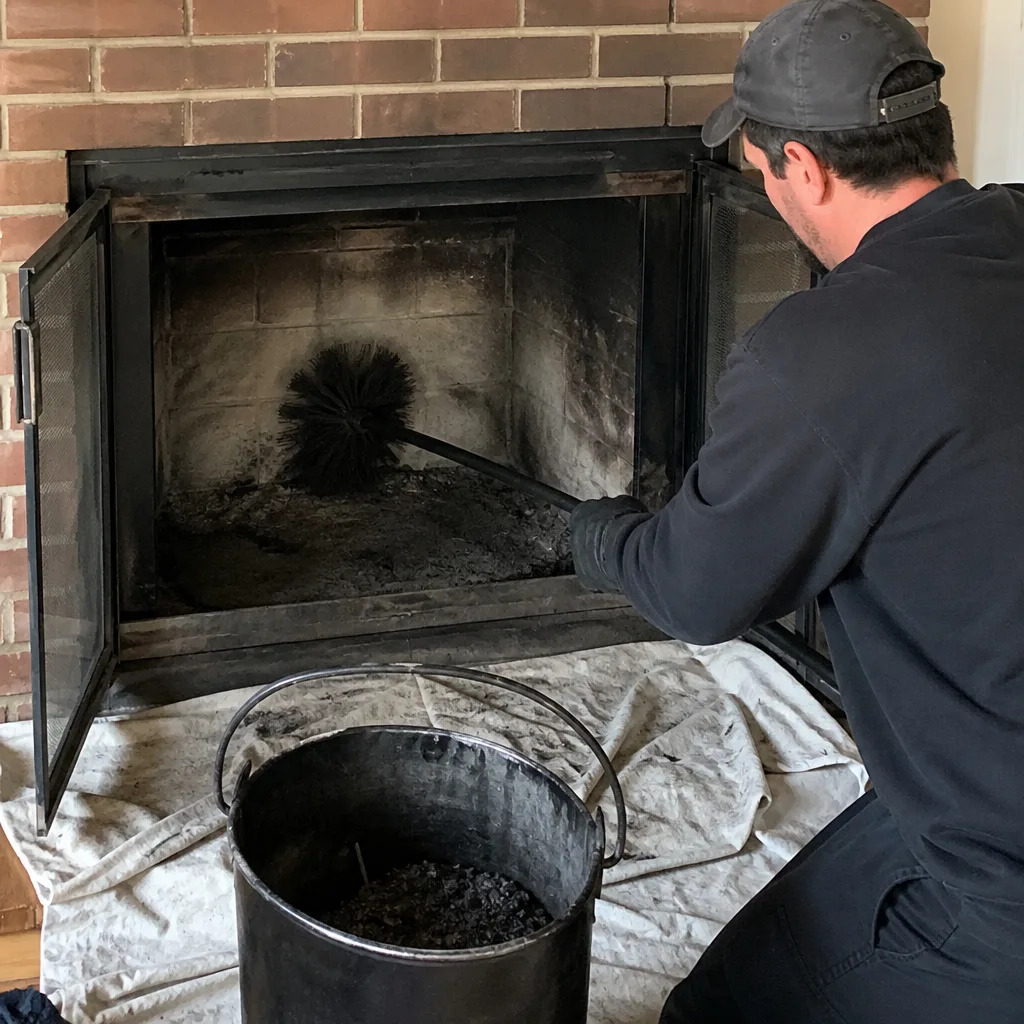
Mortar Repointing
Repointing in the Financial District is a different trade than it is almost anywhere else in the city. The mortar joints on converted pre-war towers near Broad Street and Exchange Place take a beating from harbor winds and freeze-thaw cycles that inland Manhattan never sees. Water gets into the joint, freezes, expands, and the joint fails. Once that happens, moisture migrates behind the flue liner and into the converted condo units below. We repoint with mortar matched to the original composition and, where required, hold to Landmarks Preservation Commission standards for like-for-like masonry repairs. In the Financial District, typical repointing runs $1,400 to $3,800 depending on access height, the condition of the surrounding brick, and how much scaffolding the roofline requires.
Spalling Brick Repair
Spalling is what happens when salt water, harbor wind, and freezing temperatures work their way into the face of a brick and pop it off in sheets. We see it most often on rooftop chimney stacks near the water side of the district, the ones facing the Hudson and Upper New York Bay. Left alone, spalling bricks lose structural integrity and the crown starts to lean. That’s a safety problem, not just a cosmetic one. We cut out the damaged brick, match it to the existing masonry, and rebuild the plane of the stack. Financial District spalling repair typically runs $900 to $2,700 per section, and we’ll tell you in writing if the damage can wait a season or if it needs to happen now. Nothing gets recommended without the camera evidence to show you why.
Chimney Waterproofing
Waterproofing is the unsung hero in a district surrounded by open water on three sides. We apply vapor-permeable sealants, not the paint-on silicone products that trap moisture inside the masonry and accelerate spalling. For a landmarked tower chimney in the Financial District, waterproofing after a repoint typically runs $700 to $1,500 depending on stack height and surface area. It’s the cheapest prevention you’ll ever buy against a liner replacement that can run five figures in this market.
Flashing Repair
Most flashing on FiDi rooftops is galvanized steel, and galvanized steel has a short life on a rooftop that gets hit with salt spray every time the wind shifts off the harbor. We see flashing corroded through at the corners within three to five seasons of installation. When flashing fails, water finds the gap between the chimney and the roof deck, and that’s when you start seeing stains on the ceiling of the penthouse unit below. We remove the old flashing, fabricate new pieces in stainless, and seal the termination properly. Flashing repair in Financial District runs $850 to $2,200 depending on the termination shape and whether we’re working on a flat roof or a pitched one.
What happens when you call
- 1
A real person answersNo phone trees - you reach a local pro.
- 2
You get an upfront price rangeHonest numbers before anyone is dispatched.
- 3
A background-checked tech heads outLicensed & insured, dispatched right away.
- 4
You approve before work beginsNothing starts until you say go.
BeforeAfterTrusted Brands We Service in Financial District
When we install a new liner in a Financial District high-rise, we’re typically sleeving with a DuraFlex stainless system because it holds up to the salt-air conditions better than any aluminum alternative. For smoke chamber parging and crown seal work, we use HeatShield and Gelco products, which we’ve found to be the most reliable in the high-moisture coastal environment down here. We don’t stock every brand. We stock the ones that survive a FiDi winter, because a warranty doesn’t mean much if the material can’t take the environment. For cap replacements, we’re using Olympia Chimney stainless components on rooftop terminations where galvanized would corrode in two seasons.
Common Chimney Repair Problems We See in Financial District Homes
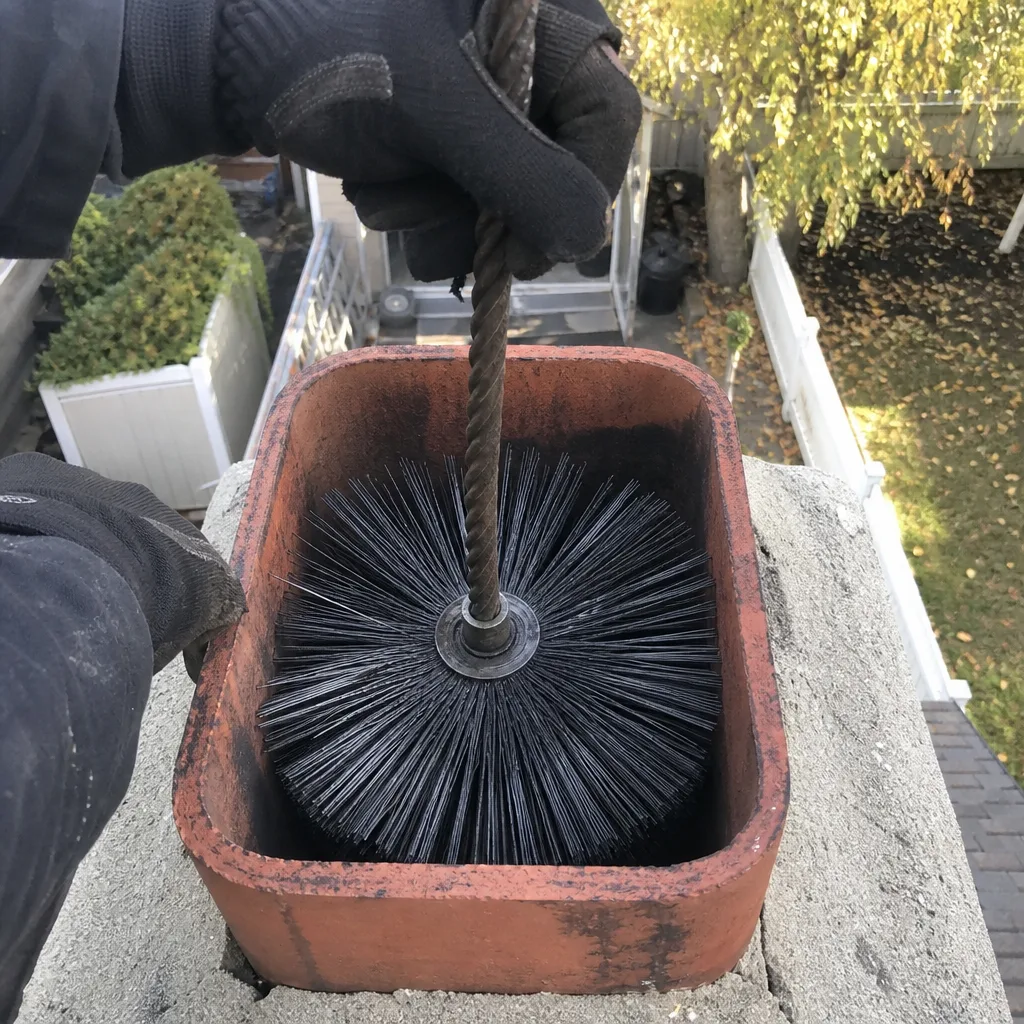
- Downdrafts that force smoke back into the apartment. The Financial District sits at the tip of Manhattan with water on three sides. On a windy day, air currents whip around the towers and slam down open chimney terminations. A properly sized cap with the right draft characteristics fixes this, but you need a technician who understands wind behavior around high-rise buildings, not just a cap bolted onto the flue.
- Galvanized caps and flashing rusted through. Salt spray off the harbor eats galvanized steel fast. If your cap looks rust-colored or has pinholes, it’s already failing. Stainless replacement is the only fix that makes sense this close to the water.
- Third-degree creosote glazing on coal-era flue walls. Old flues sized for coal were never designed for the cooler, stickier smoke of a residential wood fire. The glazing binds to the clay tile surface and requires mechanical removal. In some buildings, the liner has to be replaced entirely before a fireplace can pass a Level 2 inspection.
- Historic masonry crowns cracked at the mortar joints. Freeze-thaw cycles accelerated by harbor winds open tiny cracks in the crown cap. Water finds those cracks, migrates down through the brick, and eventually shows up as spalling or a leaking ceiling. We fix the crown before the damage reaches the unit below.
Pricing for Chimney Repair in Financial District, NY
We Also Serve Cities Near Financial District
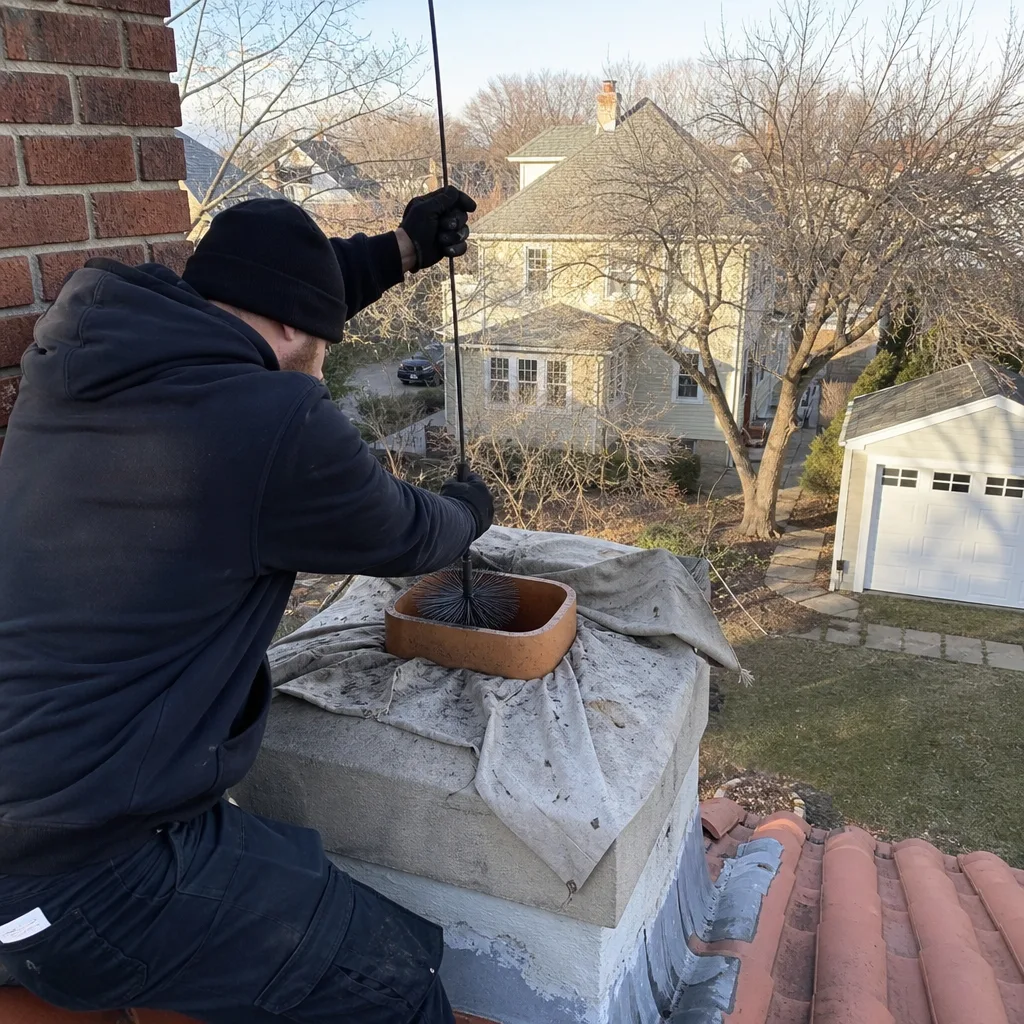
If you’re outside the Financial District but still in the New York area, we run crews across the city and the outer boroughs. We handle Chimney Repair in Financial District daily and serve nearby neighborhoods including Bedford-Stuyvesant, Flatbush, Bushwick, and the rest of Manhattan. Same written-price guarantee, same camera-scan documentation, same 365-Day Done Right Promise.
Serving Financial District, NY - Our Local Coverage Area
We’re based in the Financial District area and know this community well. Use the map below to see our service coverage - if you’re nearby, we can almost certainly help.
FAQs - Chimney Repair in Financial District
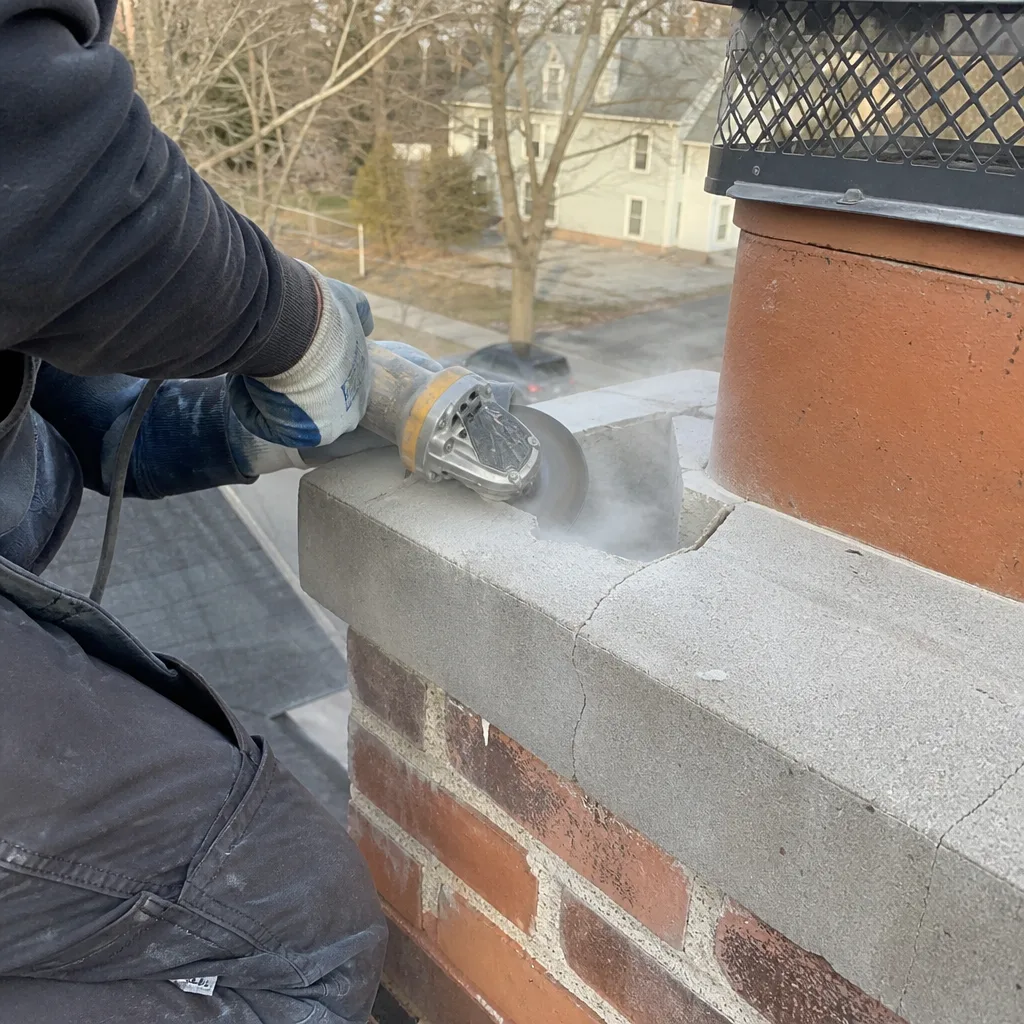
Do I need Landmarks Preservation Commission approval to repoint a chimney on a FiDi pre-war building?
Yes, in most cases. The Financial District contains a high concentration of landmarked buildings, especially along Wall Street, Broad Street, and the pre-war towers between Broadway and the East River. Any exterior masonry repair, including repointing, cap replacement, and flashing work on a landmarked building, requires LPC sign-off before work begins. We coordinate that permit process for you. It adds time to the schedule, but we’ve done it enough times to know exactly what the Commission wants to see in the application and the repair specification. Call (551) 213-5548 and we’ll tell you in the first conversation whether your building is in a landmarked zone and what the permitting path looks like.
How does salt air from the harbor affect my chimney crown and flashing?
Salt air from the harbor corrodes metal components far faster than normal atmospheric exposure. Galvanized steel flashing on a FiDi rooftop can fail in three to five seasons, where the same flashing inland might last 12 to 15 years. The salt also accelerates the freeze-thaw damage cycle in masonry crowns, because salt water penetrates the mortar joints more readily than fresh water and crystallizes inside the pores when it dries. We recommend stainless steel for all metal components within a few blocks of the water and a vapor-permeable sealant on the crown. Those two choices alone are likely to double the lifespan of your chimney exterior. For an exact scope and written price, call (551) 213-5548.
The building was an office tower with a coal flue-can I safely burn wood in my converted fireplace?
Not automatically, and this is the most important question in the Financial District that almost nobody asks. Coal-era flues were sized for the high-temperature, low-volume smoke of a central coal boiler, not the cooler, stickier, higher-volume smoke of a residential wood fire. In many converted towers, the original flue liner is either the wrong size, the wrong material, or has degraded to the point where it can’t safely vent a wood-burning fireplace. We need a Level 2 camera inspection to determine what’s actually inside the flue before anyone lights a fire. In some buildings, a full re-lining with a stainless system is required. In others, the fireplace can’t be used at all without a structural change to the flue path. We’ll tell you the truth, with photos, and we’ll put it in writing. Call (551) 213-5548 to schedule the inspection.
Why does my rooftop chimney keep smoking back into the apartment on windy days?
Because your termination is sitting on top of a 30-story tower at the southern tip of Manhattan, surrounded by open water, and the wind here doesn’t behave like it does over a three-story brownstone. Harbor winds hitting the district’s skyscrapers create turbulent downdrafts that overwhelm chimneys without properly engineered caps and draft inducers. The fix is usually a correctly sized cap with the right aerodynamic profile, but it requires measuring the flue, understanding the wind load on that specific building, and sometimes adding a draft-assist device. We’ve solved this problem on landmarked towers near Wall Street and high-rise conversions along Water Street. Call (551) 213-5548 for a diagnosis and a written price.
How often should a FiDi high-rise chimney be inspected compared to one inland?
At least twice as often. The National Fire Protection Association recommends annual inspection for any chimney in use, but most inland homeowners get away with an inspection every one to two years. In the Financial District, the combination of salt-air exposure, extreme wind loads, and flue systems that were never designed for residential use means we recommend a camera-scan inspection every 12 months without exception. If you burn wood regularly in a converted office tower, we recommend every 6 months. The cost of an annual inspection is a fraction of what a failed liner or a collapsed crown costs to repair. Schedule yours at (551) 213-5548 and you’ll have a photo record on file that tracks changes in the flue from one year to the next.
Written by Corrine Halstead, Owner at Level Two Chimney New York, serving the Financial District with written-price chimney repair and Level 2 camera inspections.