
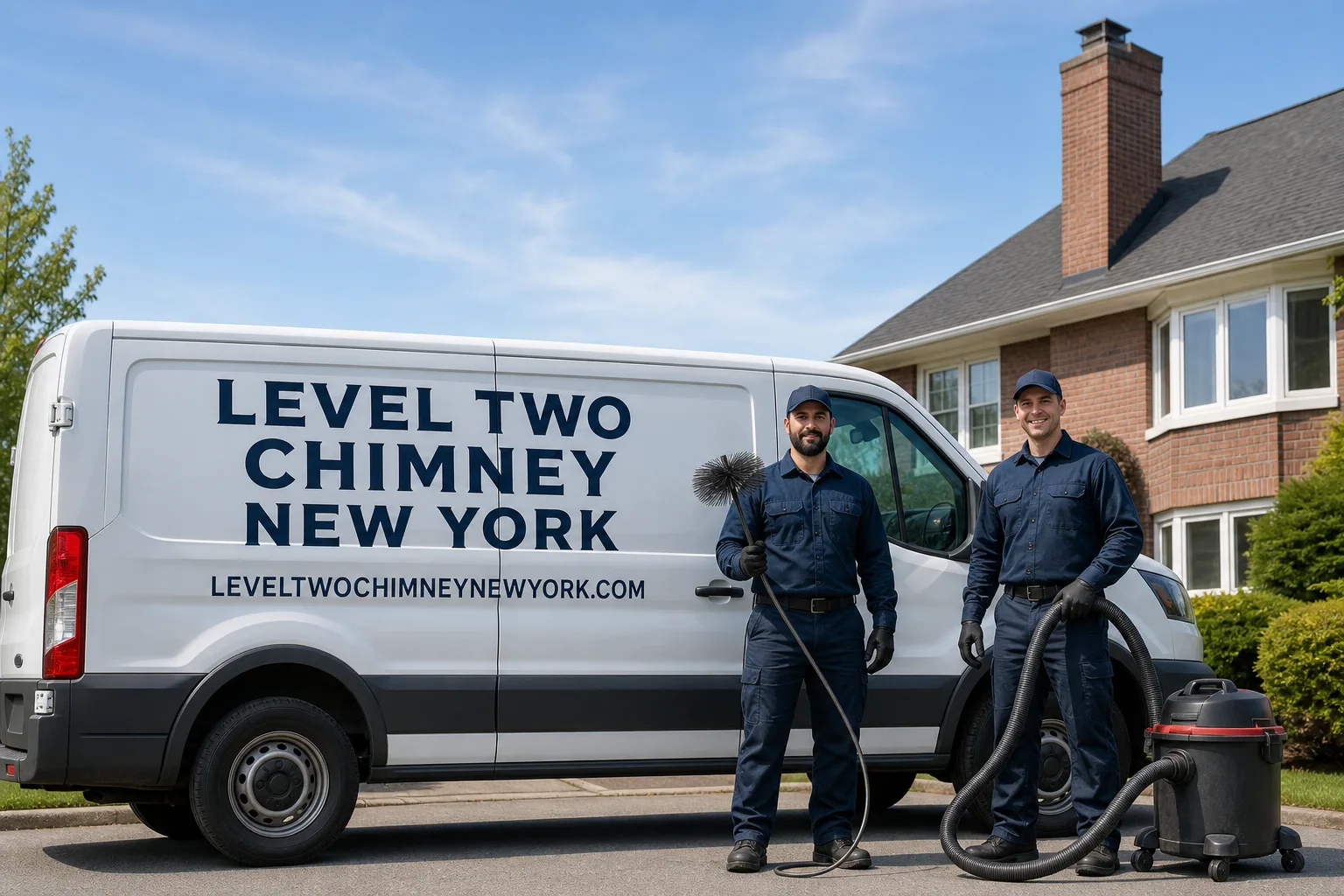
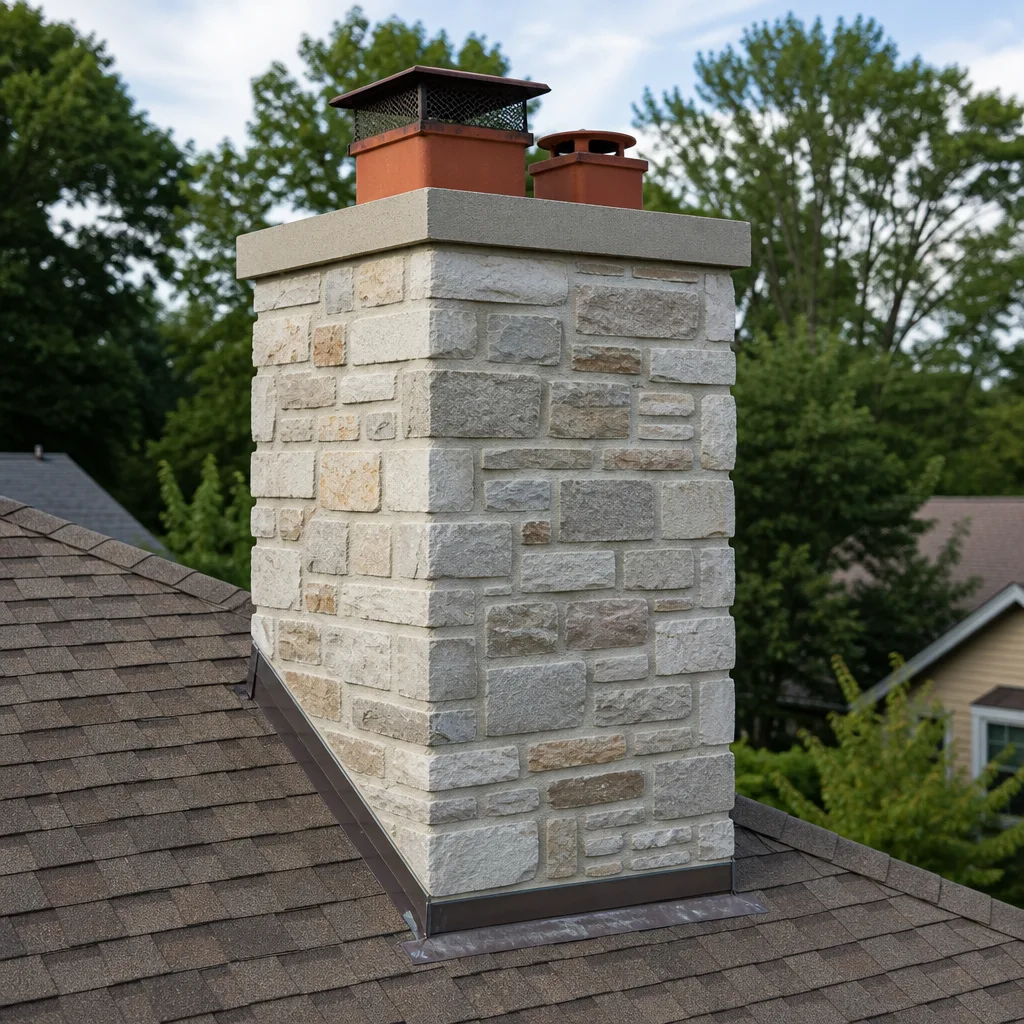
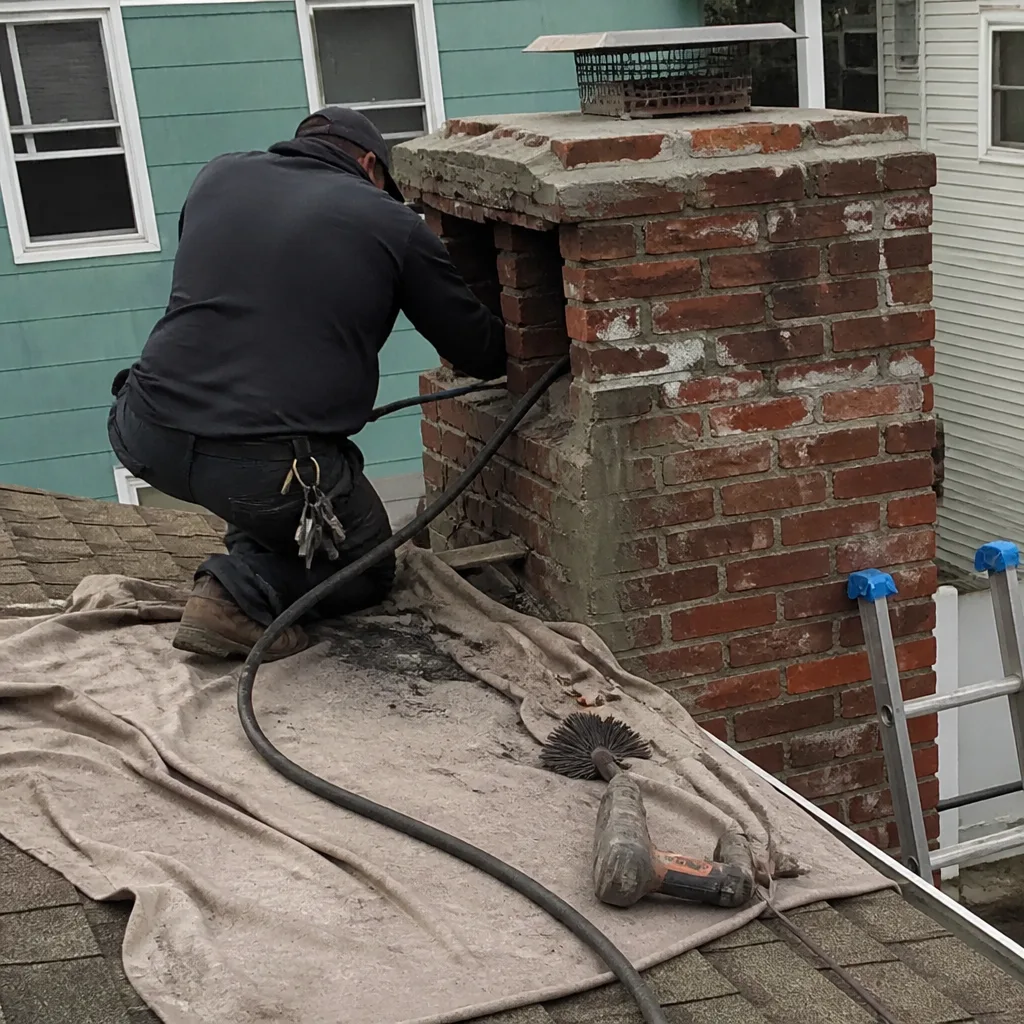
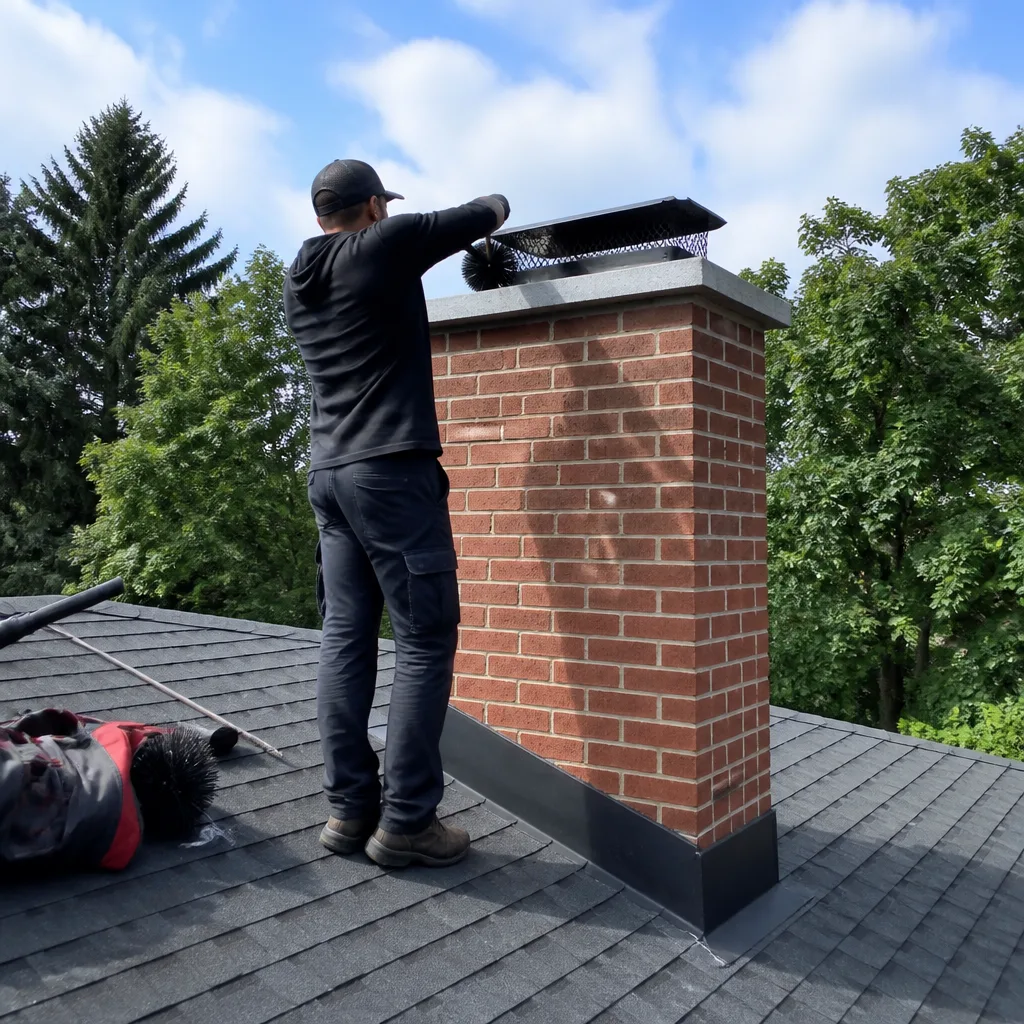
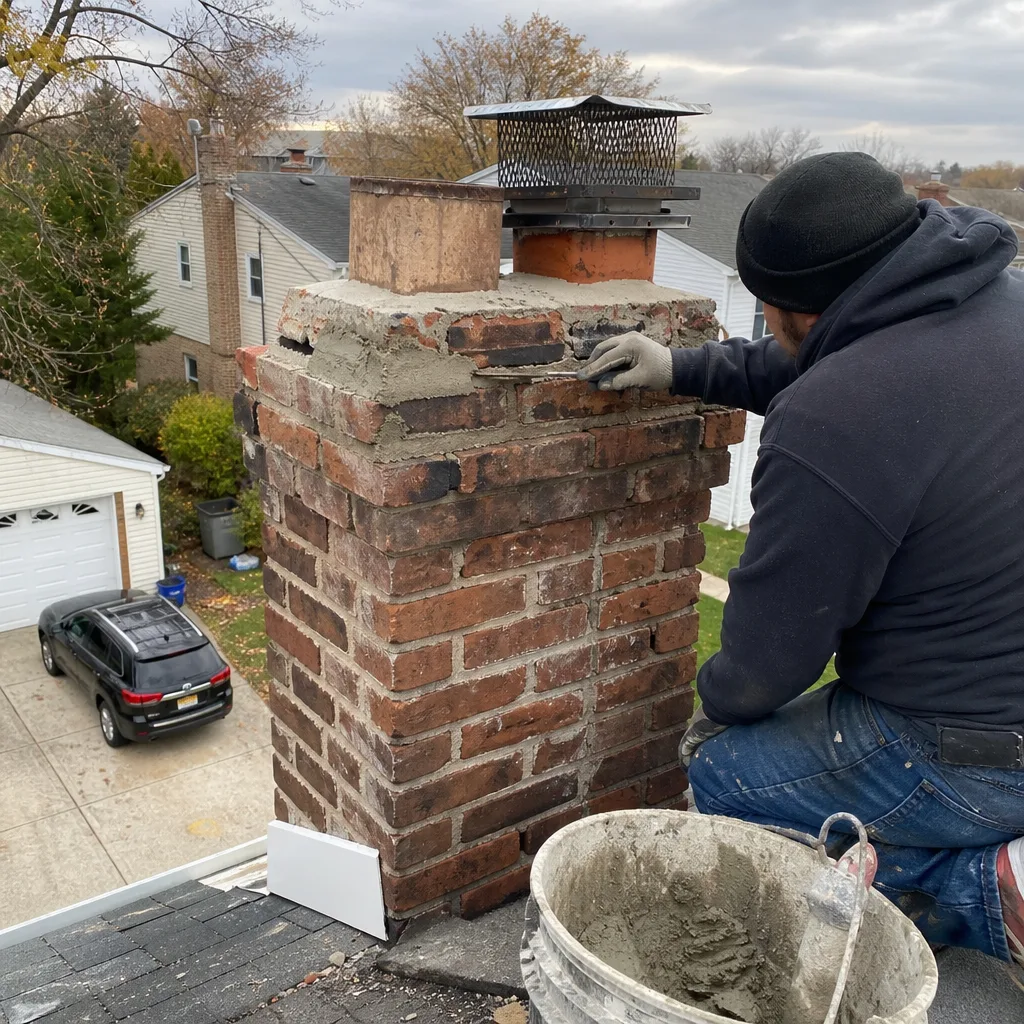
Level 1 sweep and inspection to the NFPA 211 annual standard - flue, crown, cap, and flashing checked and photographed
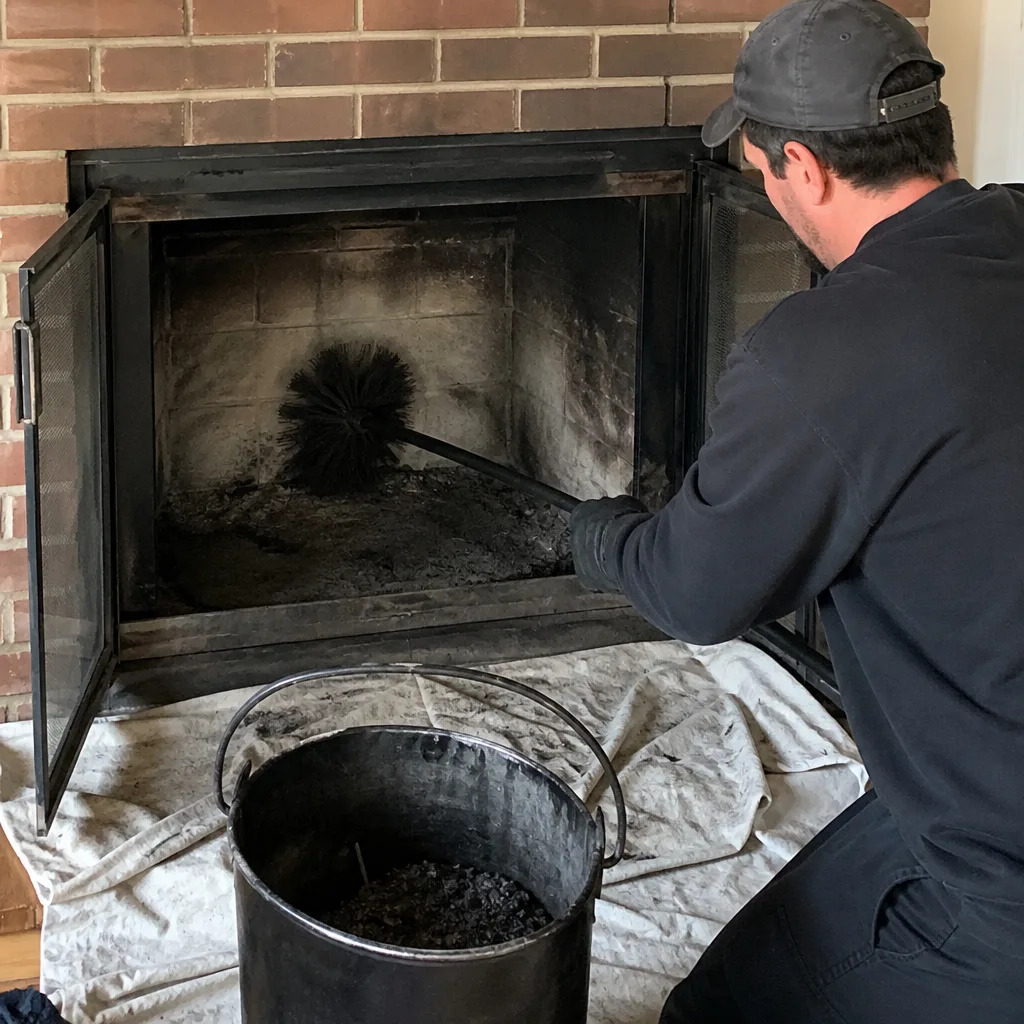
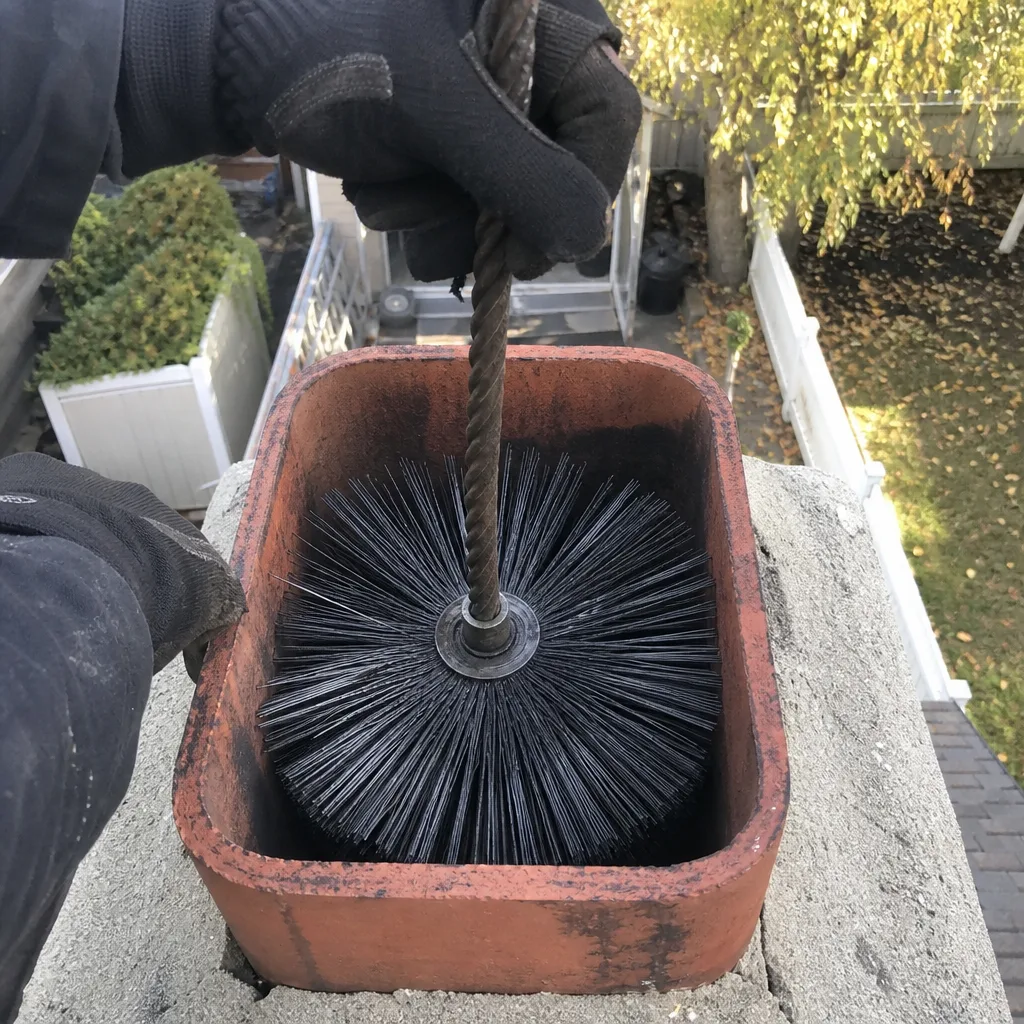
Chimney sweep logs do not sweep chimneys. They loosen some creosote - which then falls where a brush and vacuum still have to collect it.
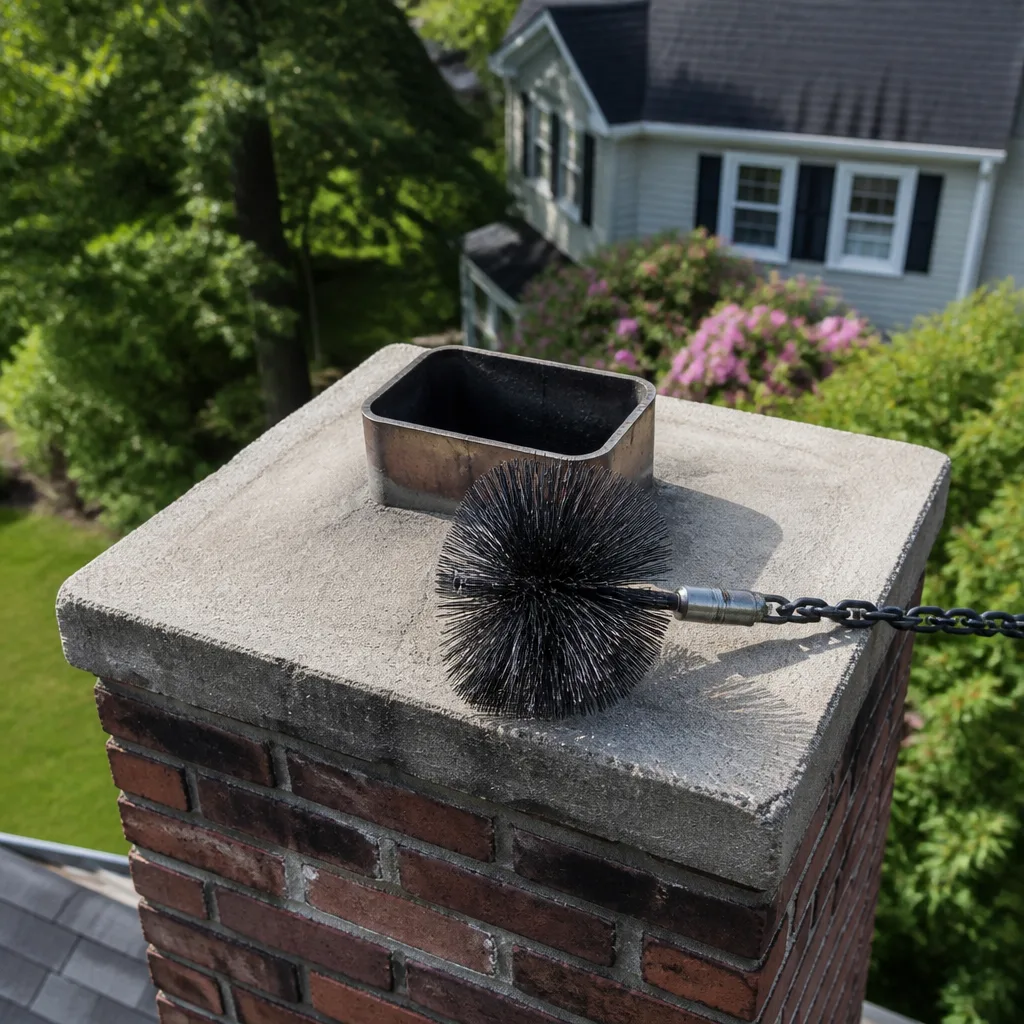
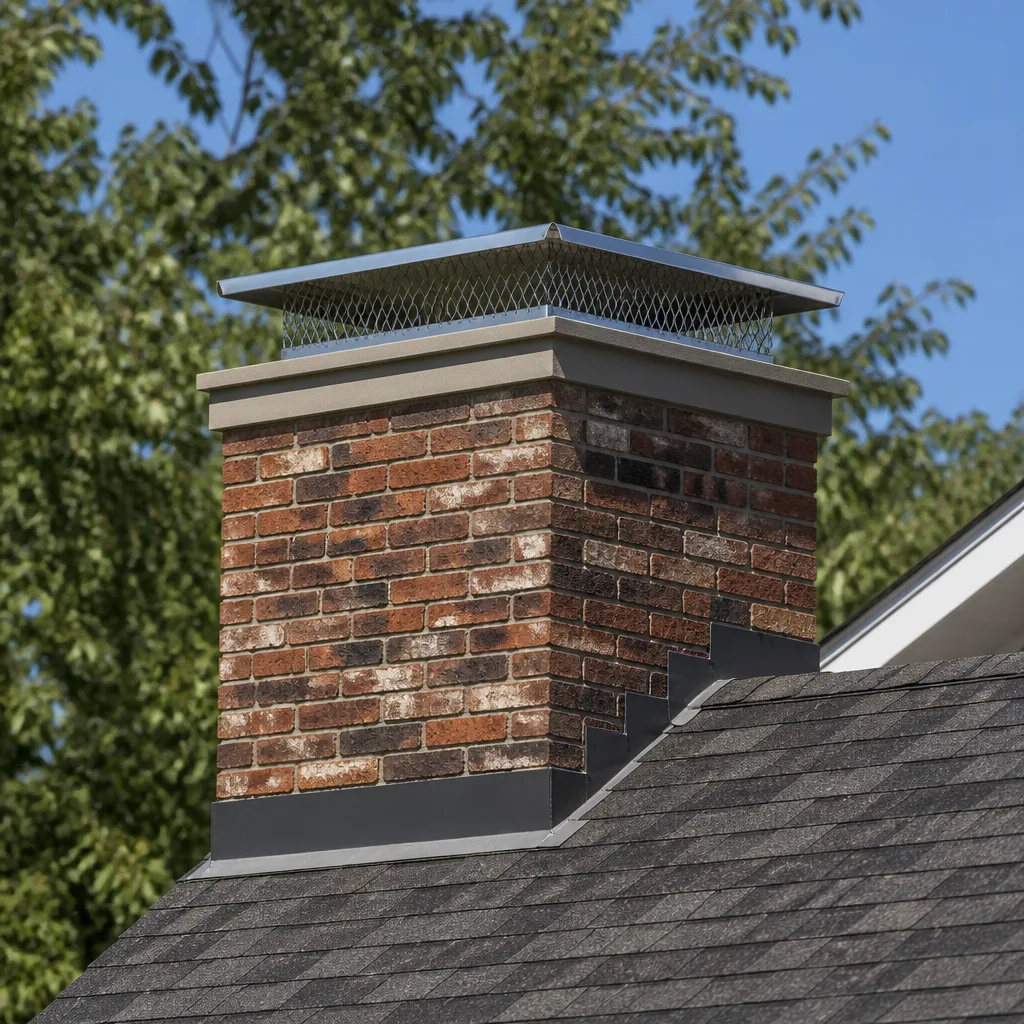
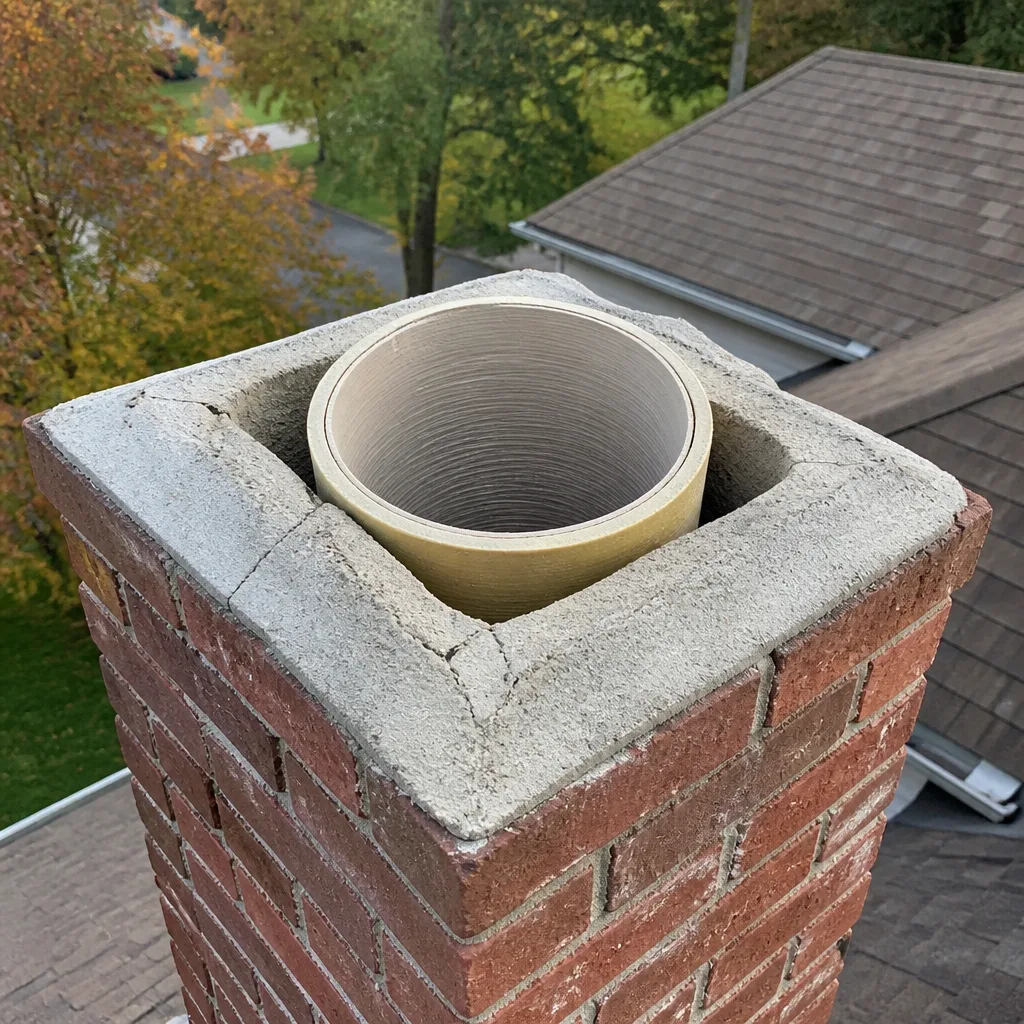
 Before
 After
After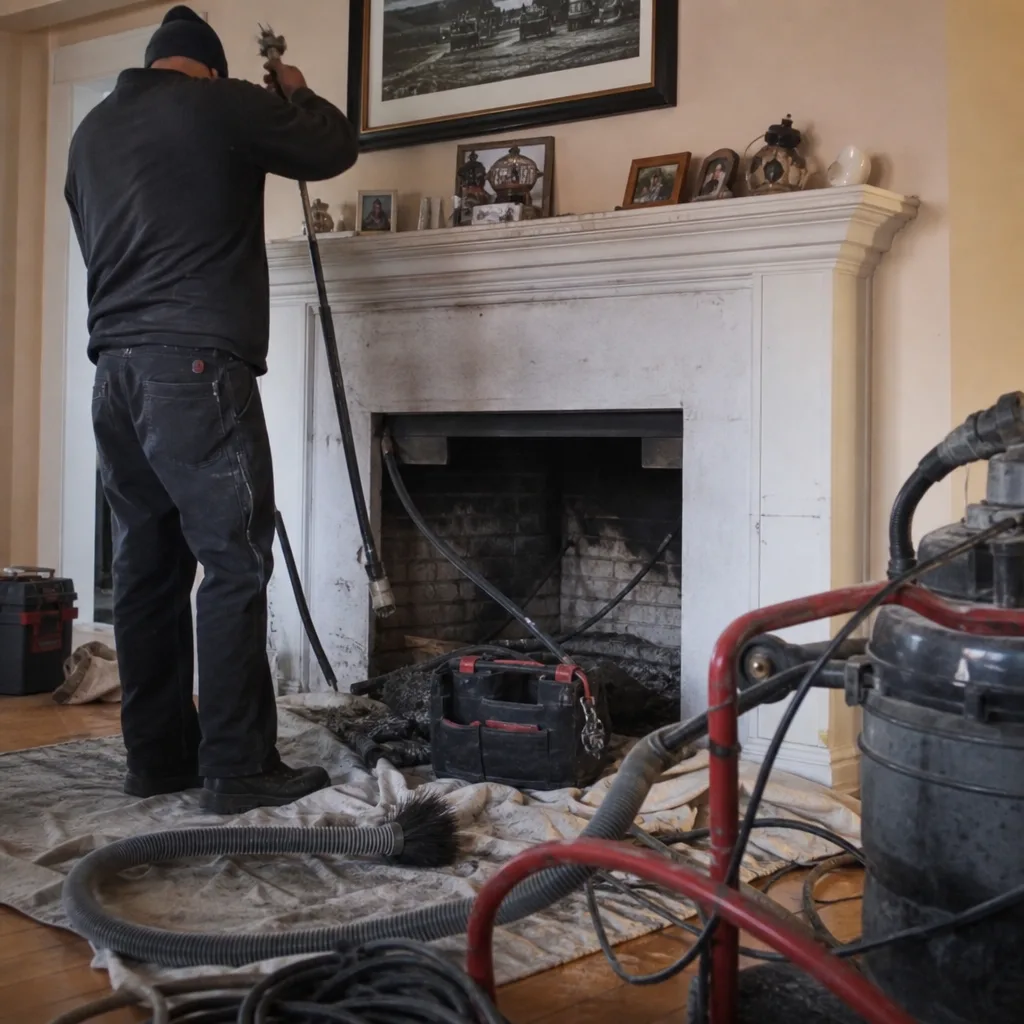 Before
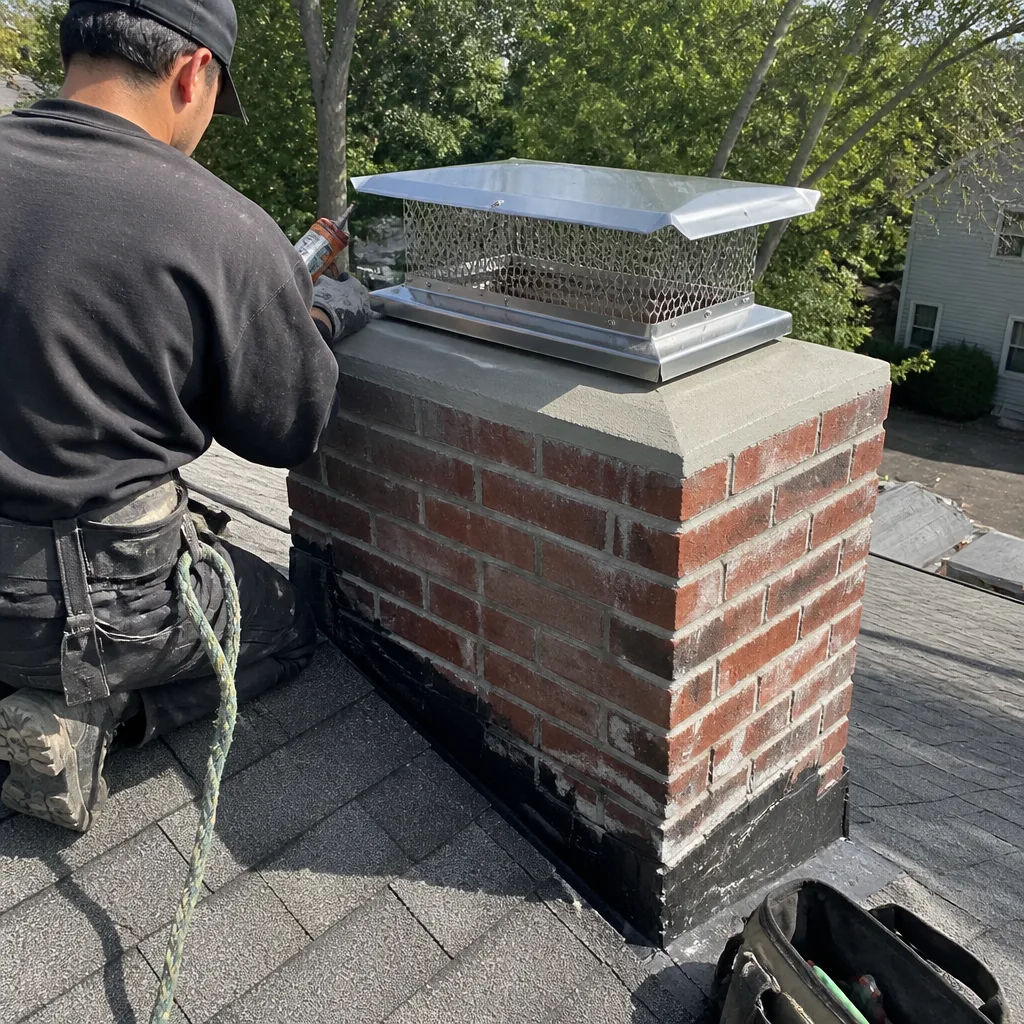 After
After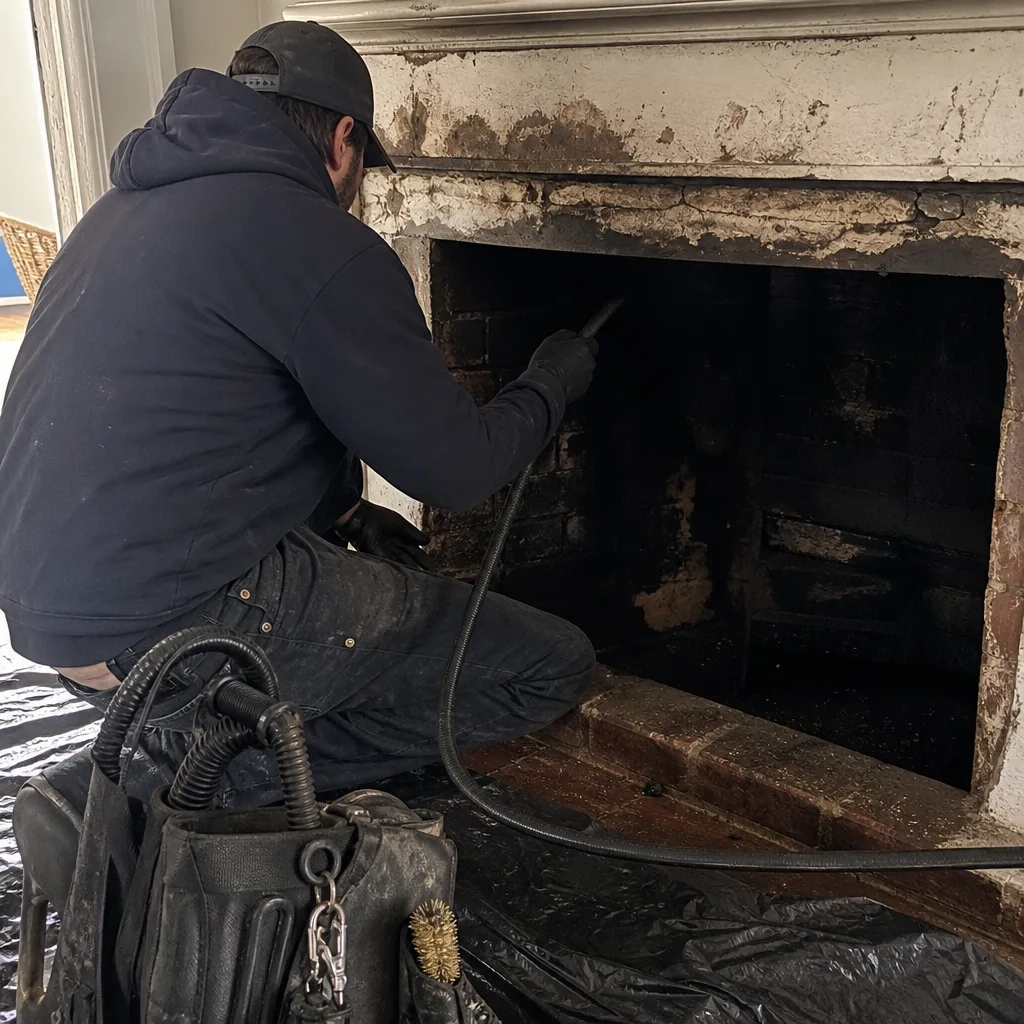 Before
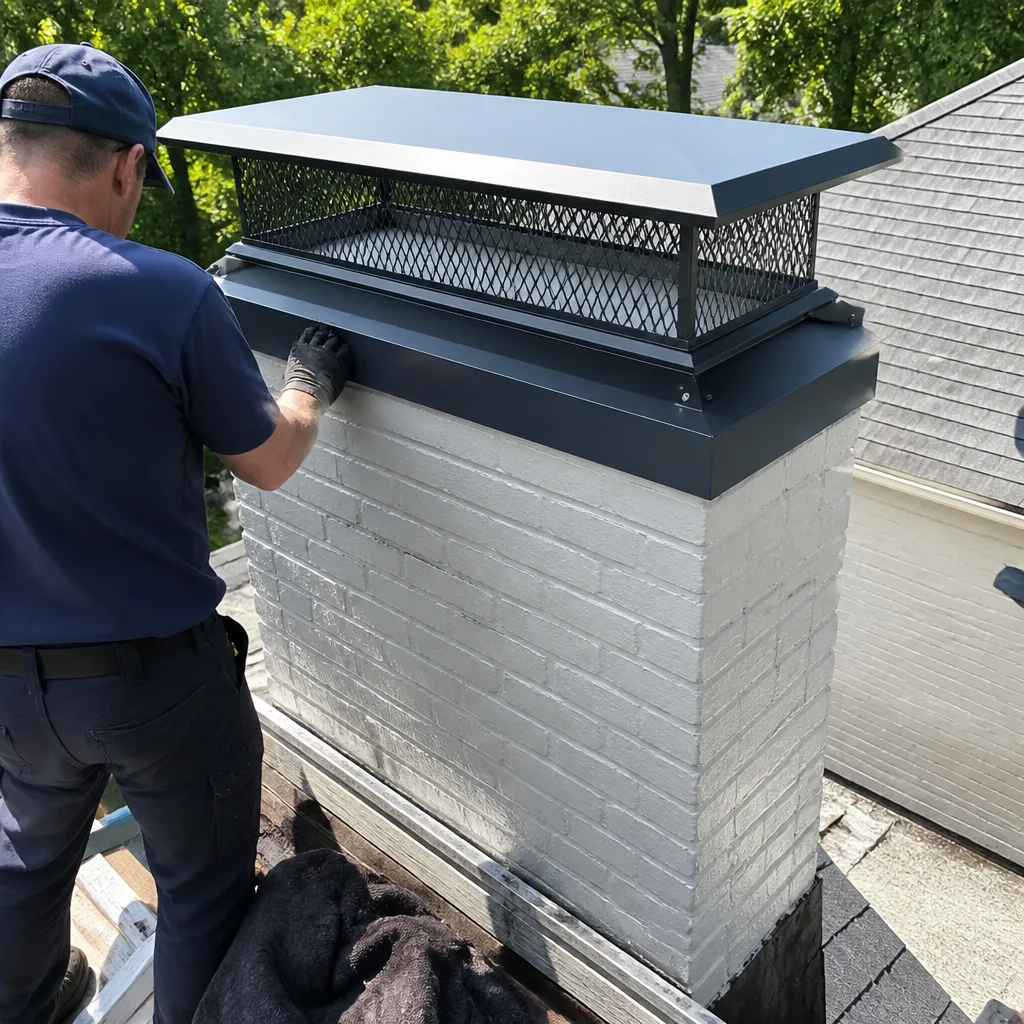 After
AfterFast, Reliable Fireplace Services Across Midtown Manhattan
Most fireplace problems in Midtown Manhattan are not what they first appear to be. A fireplace that smokes on windy days, a gas insert that sets off a carbon monoxide detector, or water staining on a ceiling three floors below the roof all trace back to the same source: a shared pre-war flue that was built for wood and converted for gas decades ago. Our Fireplace Services team works on these vertical shaft systems every week, coordinating with building superintendents, pulling DOB permits for rooftop access when required, and documenting every finding with camera footage before recommending any repair. If you own or manage a unit in Midtown Manhattan and your fireplace has not been inspected in the past year, call (551) 213-5548 and we will schedule a Level 2 inspection with a written price before any work begins.
What happens when you call
- 1
A real person answersNo phone trees - you reach a local pro.
- 2
You get an upfront price rangeHonest numbers before anyone is dispatched.
- 3
A background-checked tech heads outLicensed & insured, dispatched right away.
- 4
You approve before work beginsNothing starts until you say go.
Why Level Two Chimney New York Is Midtown Manhattan’s Preferred Fireplace Services Company
Midtown Manhattan is not a market where a sweep can drive a pickup truck to the curb and run a brush up a standard residential flue. Nearly every chimney we service here is a vertical shaft inside a pre-war high-rise, serving ten to twenty stacked fireplaces from the roof down. That means every job requires coordination with a building super or property manager, confirmed rooftop access, and in many cases DOB permit compliance. Our crews have worked on the residential and mixed-use towers between 42nd and 59th Streets long enough to know which buildings have original clay-tile liners, which converted to gas in the 1960s, and which have FISP inspection flags already on file. We answer calls with a live person, 24 hours a day, and when a named technician is assigned to your unit, you get a text when they are on the way.
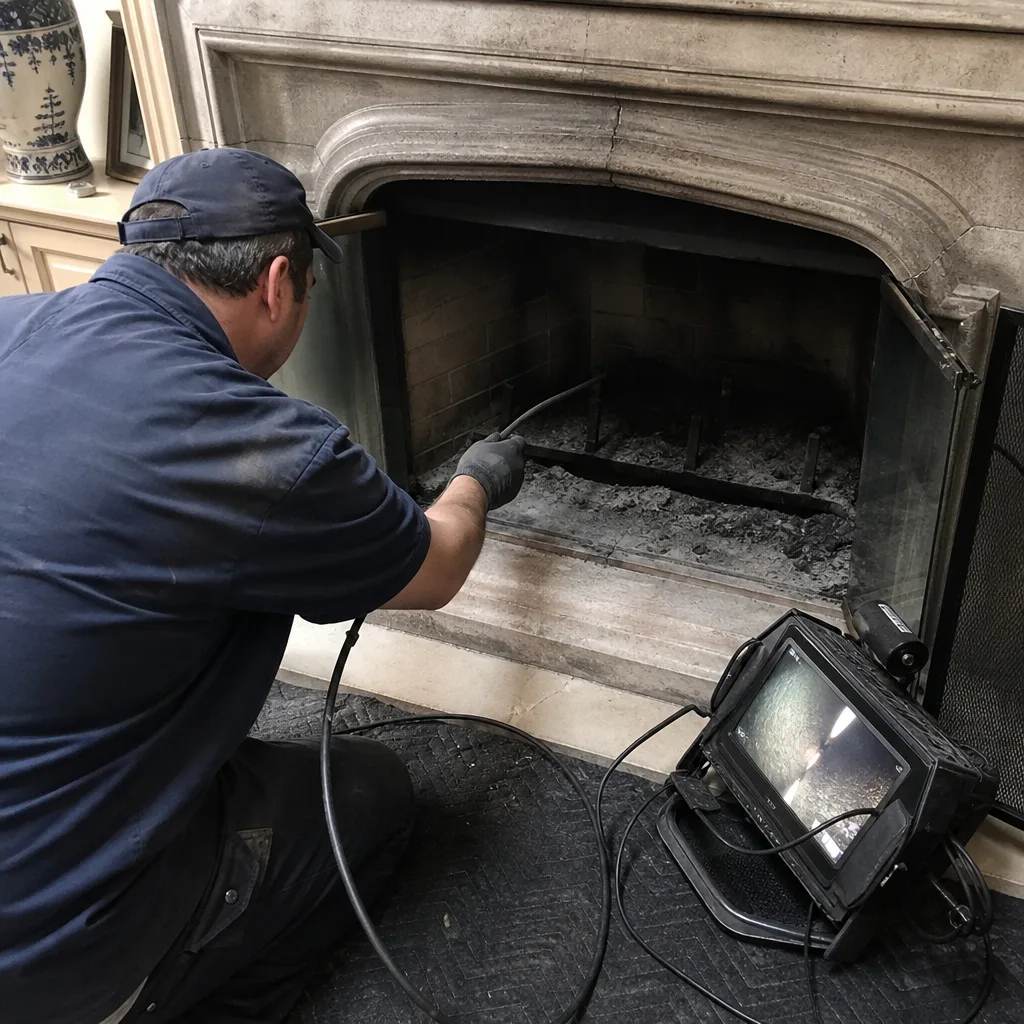
Every visit includes a camera-scan inspection under NFPA 211 Level 2 standards. That practice has been our default since 2009, and it became Clause 4 of the Haven Standard: a documented photo record on every job, included as standard. We are independently owned and operated under the Haven Standard, led by Corrine Halstead, and every technician is background-checked and uniformed. We do not do flashlight inspections and we do not recommend a liner replacement, damper rebuild, or firebox repair unless the camera footage shows the problem and we can show it to you. That is the entire point of the way we work.
Our Fireplace Services in Midtown Manhattan
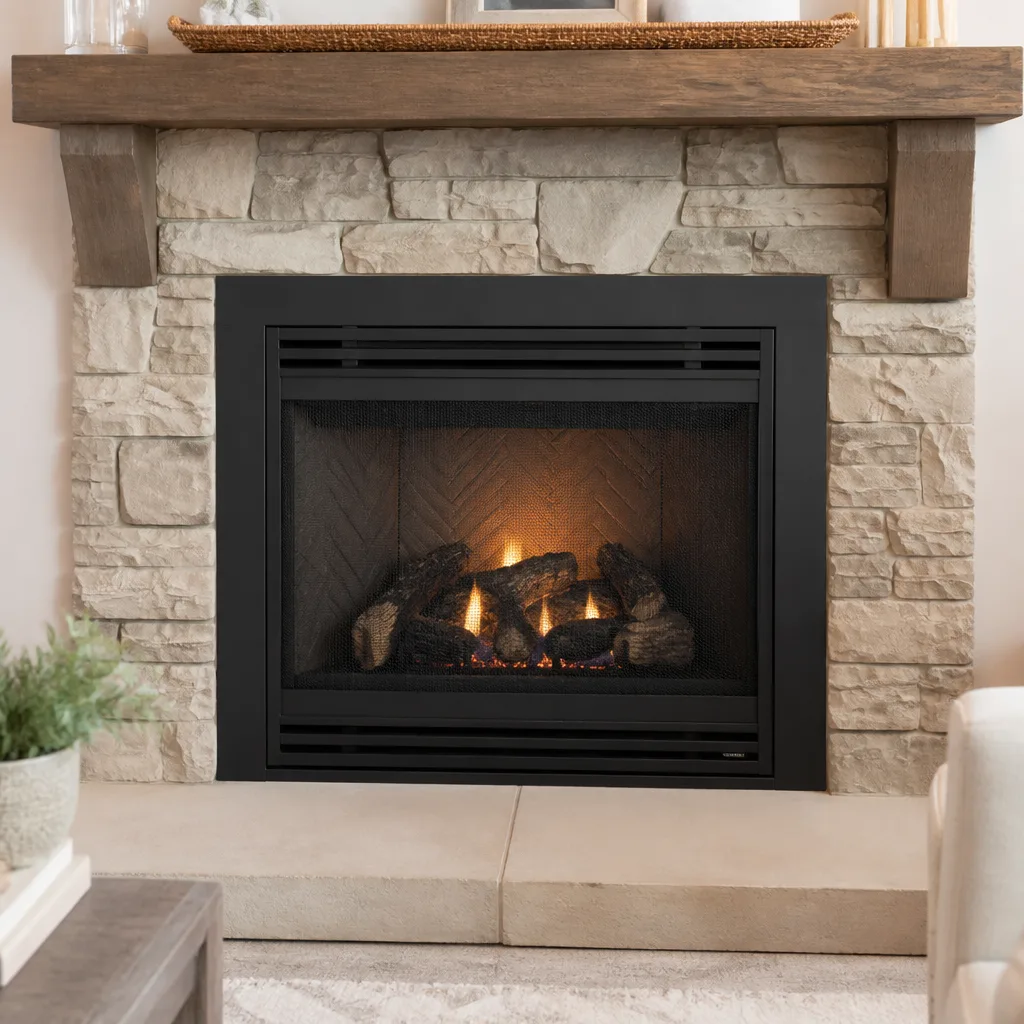
Gas Fireplace Service
Most gas fireplaces in Midtown Manhattan are conversions, not original installations. A wood-burning fireplace in a 1920s co-op on West 57th Street or a rental tower near Grand Central was likely converted to gas log sets or inserts in the 1960s and 1970s. The gas line may be fine, but the flue it vents into is often the original unlined or clay-tile shaft. That configuration fails current NYC DOB gas venting code and creates carbon monoxide risk. We service gas fireplaces with the venting system as the primary focus, not an afterthought. When we find a gas appliance venting into a deteriorated clay-tile shaft, we document it with camera footage and quote a DuraFlex stainless steel liner sized correctly for the appliance.
Wood Burning Fireplace
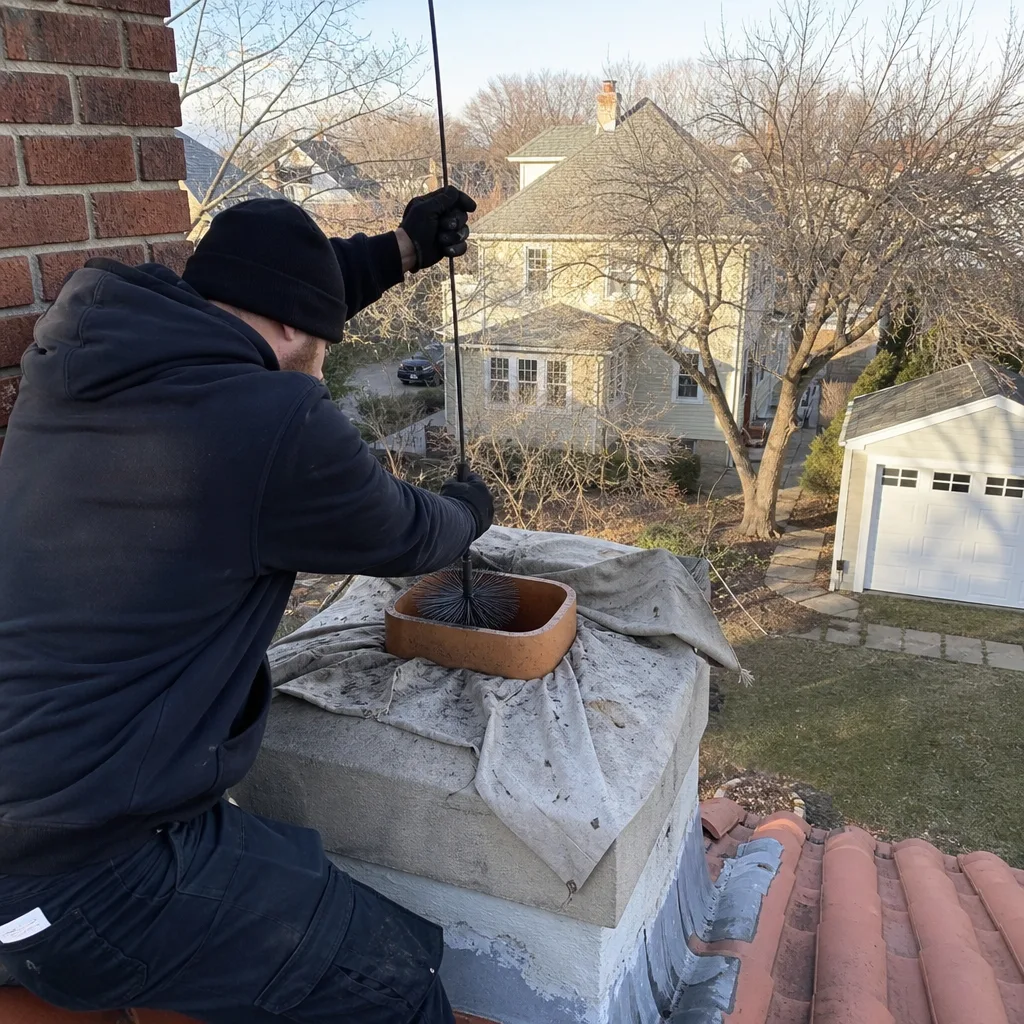
A functioning wood-burning fireplace in Midtown Manhattan is increasingly rare, but they still exist in some pre-war co-ops and townhouse conversions. The issues we see are the same ones that have existed since these buildings went up: spalling terracotta flue tiles, failed mortar joints between sections, and downdrafting caused by the urban canyon of skyscrapers that now overshadows chimneys built when Midtown was four stories tall. A wood fireplace that has not had a camera inspection in years needs one before any fire is lit. Creosote accumulation in a shared flue is a building-wide concern, not a single-unit concern, because a chimney fire in a common shaft affects every unit stacked above and below.
Fireplace Insert
Fireplace inserts in Midtown Manhattan pre-war buildings present a specific sizing problem. The original firebox was built for an open wood fire with a particular flue volume. Installing a modern insert changes the draft dynamics, and if the liner was not properly sized at the time of installation, the result is poor combustion, soot buildup, and potential carbon monoxide backdrafting into the unit. We inspect inserts by pulling the surround and running the camera up the actual flue path, not just the firebox. That is the only way to verify the liner is continuous from the appliance outlet to the roof termination. When we recommend a reline for an insert, we quote it in writing with the specific liner diameter and material, and we source through HeatShield, Gelco, or DuraFlex depending on the application.
Damper Repair
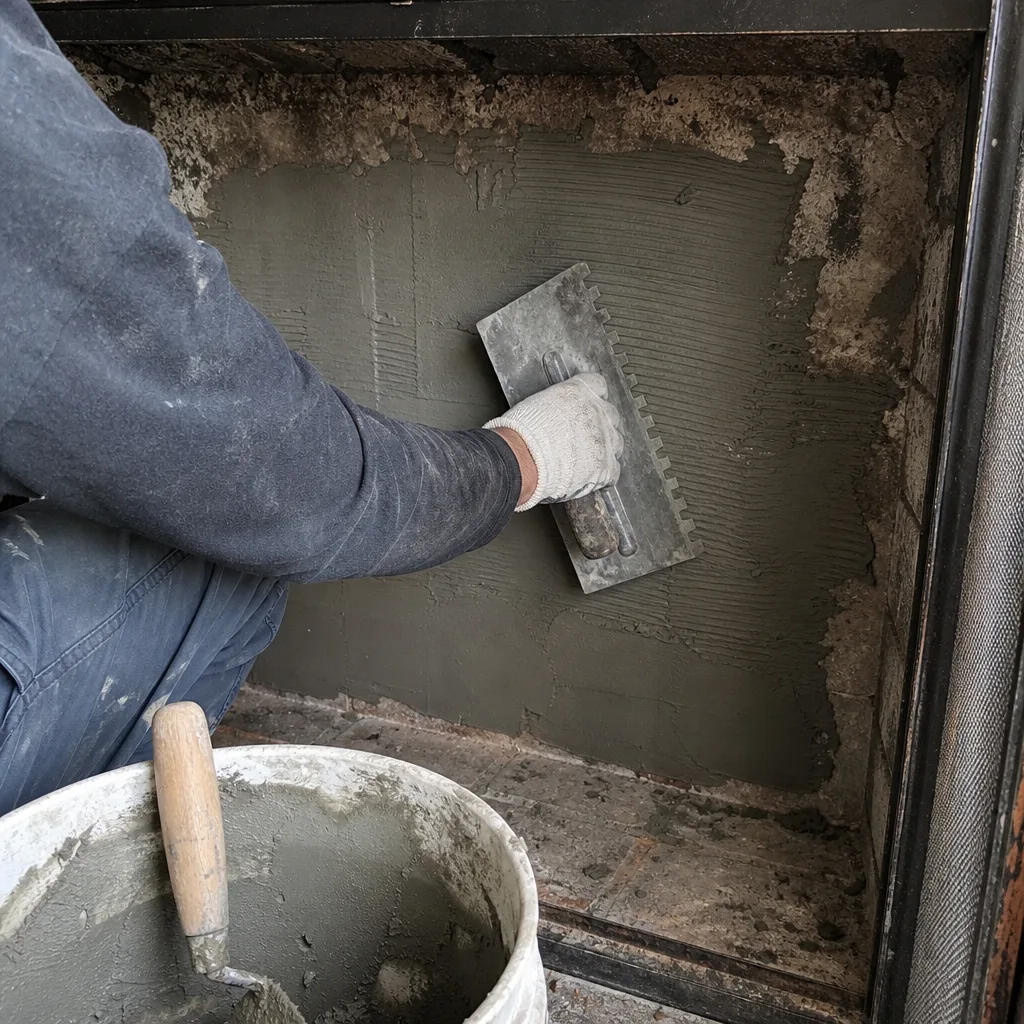
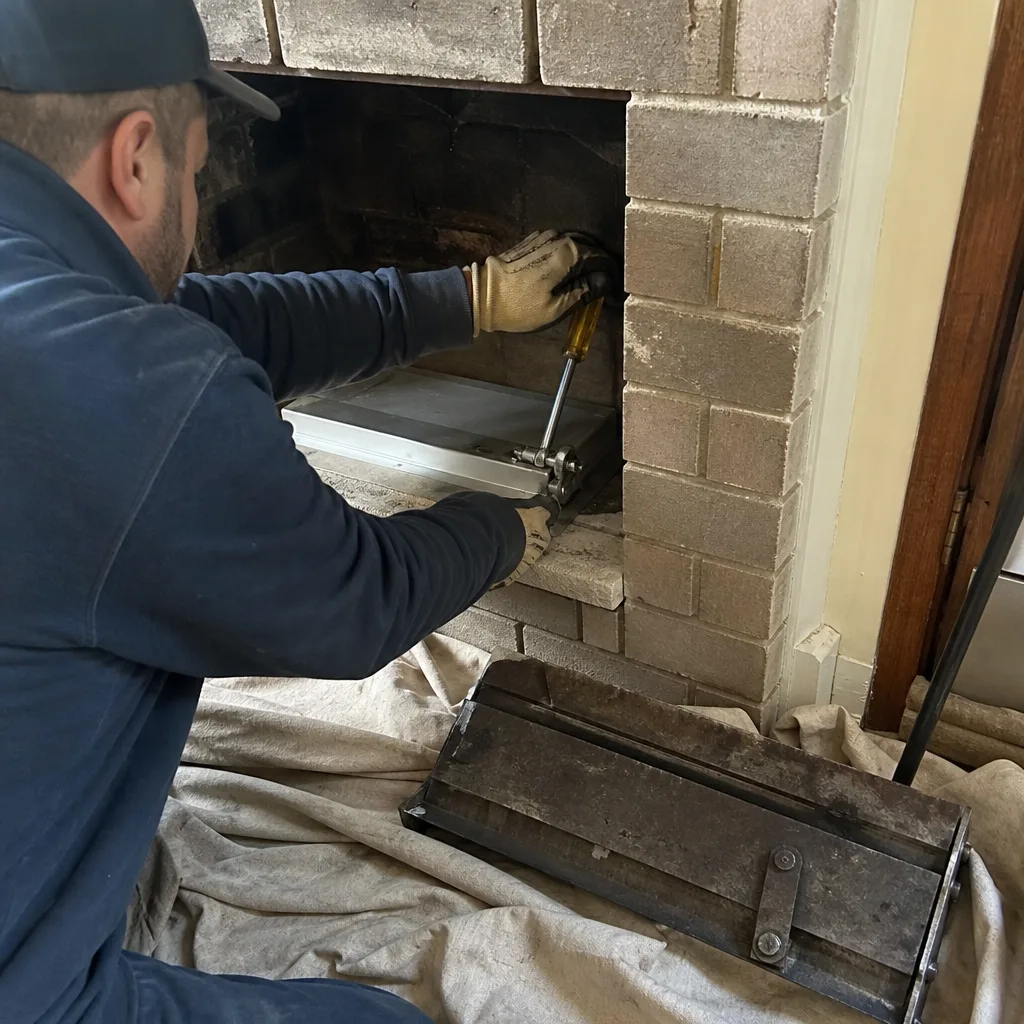
Dampers in Midtown Manhattan fireplaces fail in predictable ways. The original cast-iron throat dampers from the 1920s and 1930s rust through, warp from heat, or the pivot pins shear off. When a damper no longer seals, the unit loses conditioned air up the flue in summer and lets cold air down in winter. In a high-rise with stack effect, a failed damper on the 14th floor pulls air from the entire column below. We replace throat dampers, install top-sealing dampers where the original design allows, and repair damper frames when the masonry around them has shifted. Every damper repair is quoted in writing before work starts, and we include a photo record of the completed repair under Haven Standard Clause 4.
 BeforeAfter
Trusted Brands We Service in Midtown Manhattan
We stock and install components from DuraFlex, HeatShield, and Gelco, chosen because they hold up in the specific conditions Midtown flues create: shared vertical shafts, gas appliance exhaust, and freeze-thaw exposure at the roof line. When a Midtown building needs a stainless steel liner, we quote the specific brand and gauge in writing, not a vague “liner replacement.” Parts availability matters here, because a building super cannot have a fireplace out of service for two weeks while a part ships from a warehouse. We keep common components on hand for the pre-war buildings we service regularly, which means faster turnaround for damper replacements, liner sections, and crown repair materials.
Common Fireplace Services Problems We See in Midtown Manhattan Homes
- Converted gas fireplaces venting into unlined or deteriorated clay-tile shafts. This is the failure mode we flag most often in pre-war Midtown towers. A fireplace converted to gas in the 1960s looks fine from the living room, but the flue above it is the same clay tile installed in 1928. It fails NYC DOB gas venting code and creates carbon monoxide risk for every unit in the stack.
- Downdrafting caused by skyscraper shadows. A chimney built on a 15-story building in 1915 was the tallest thing on the block. Today that same chimney sits in the wind shadow of a 40-story tower across the street. The turbulent downdraft pushes smoke back into units on lower floors. A brush cleaning cannot fix this. The fix is a draft assessment, which we do with the camera and a smoke test, not guesswork.
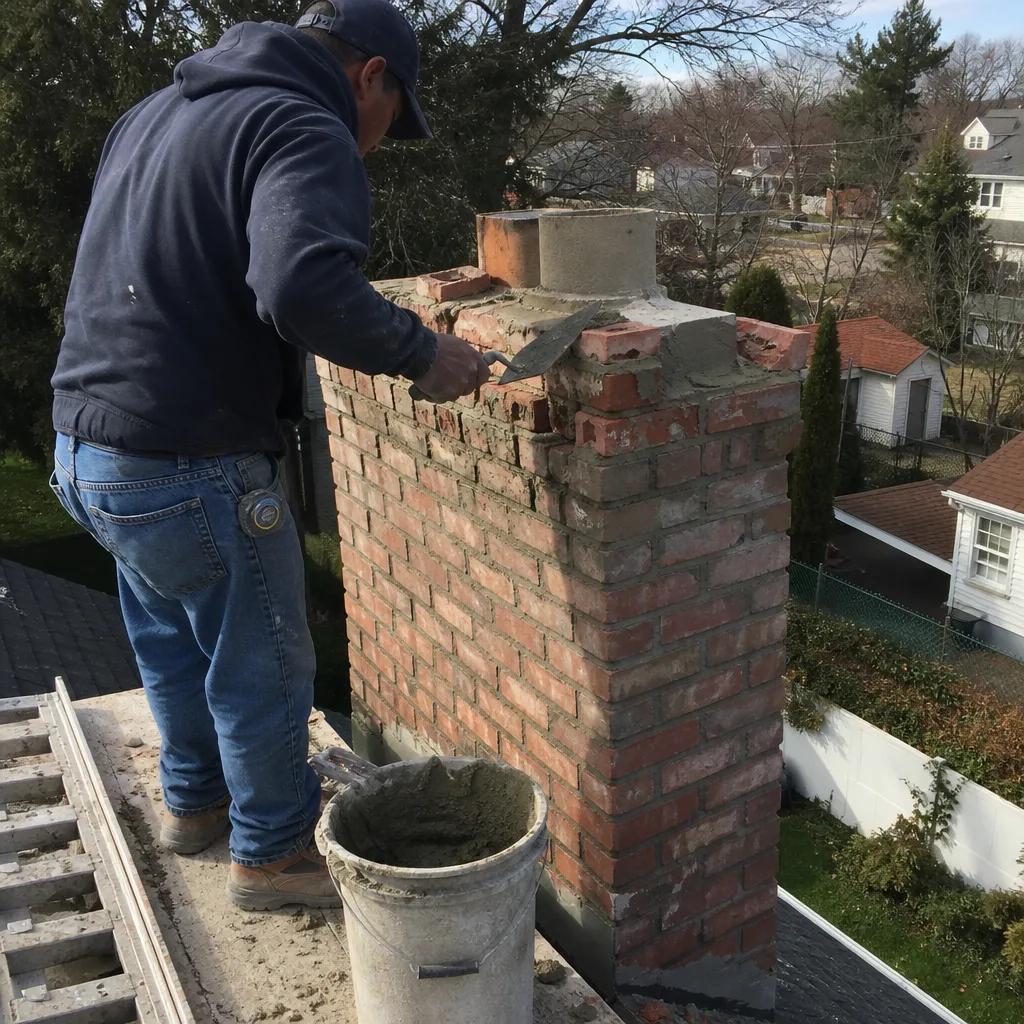
- Flashing failures misdiagnosed as firebox issues. Water staining on a 4th-floor ceiling below a 16th-floor chimney is almost always a flashing or crown failure at the roof penetration, not a problem inside the firebox. We trace the entire flue path on camera to identify where water is actually entering, because repairing the wrong thing does not stop the leak.
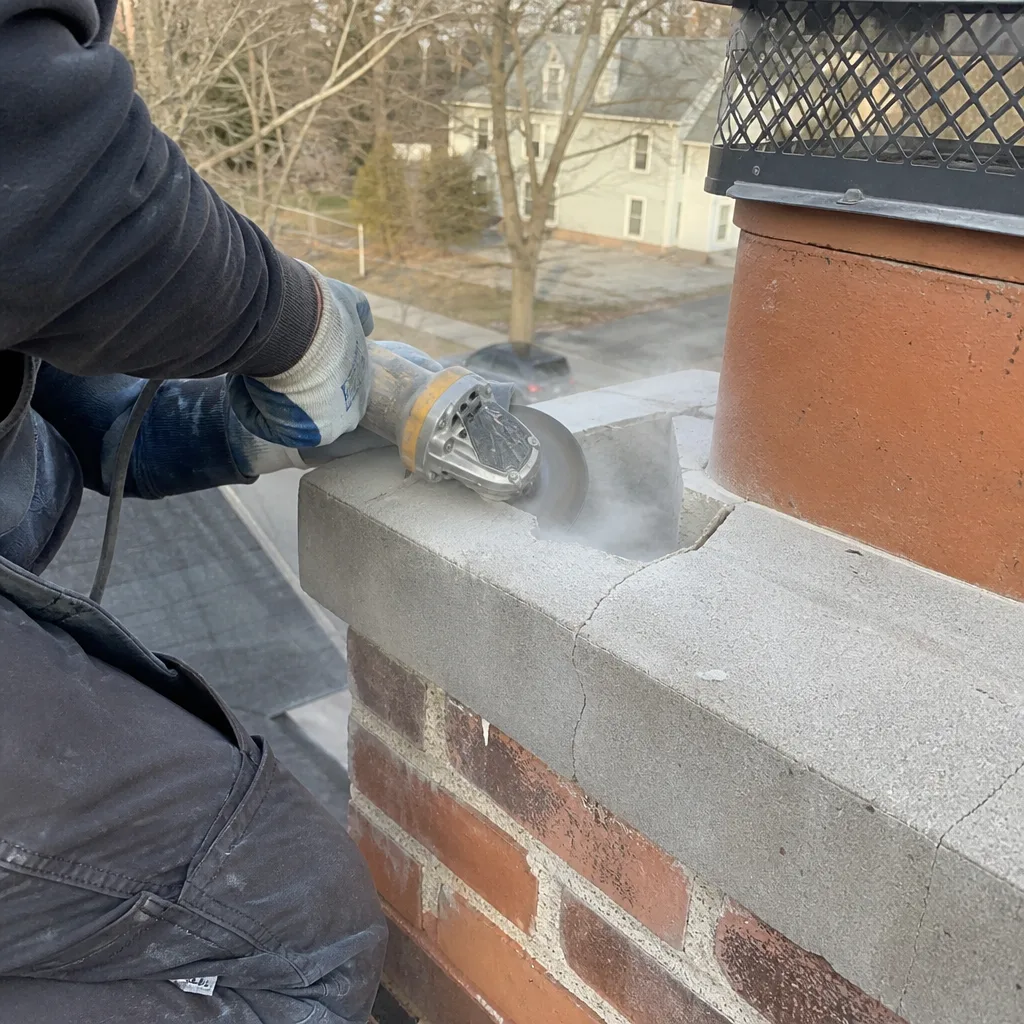
- Missing or failed chimney caps on shared flues. A missing cap on a Midtown high-rise flue lets rain, snow, and pigeons into the shaft. The rust and debris end up in every fireplace connected to that flue. Caps are inexpensive compared to the water damage they prevent, and we inspect them on every roof-level chimney access we do.
Pricing for Fireplace Services in Midtown Manhattan, NY
A Level 2 camera inspection of a fireplace in Midtown Manhattan typically runs $249 to $399, depending on whether we need roof access with DOB permit coordination or can inspect from the unit and the roof separately. Gas fireplace service, including cleaning the burner, checking the gas line, and inspecting the venting, usually runs $189 to $349. Damper repair or replacement ranges from $225 for a simple throat damper repair to $650-$900 for a top-sealing damper installed at the roof line. A stainless steel liner for a gas fireplace in a Midtown pre-war building typically runs $2,800 to $5,500, depending on the flue height and whether we are coordinating through a building super or directly with the owner. Firebox repair, including parging and refractory replacement, falls in the $450 to $1,200 range. Every quote is written before work starts, no exceptions. Call (551) 213-5548 and we will give you the exact number for your unit, in writing, before anyone touches a tool.
We Also Serve Cities Near Midtown Manhattan
Our crews serve Fireplace Services in Midtown Manhattan and the surrounding borough neighborhoods. If you are in New York, Bedford-Stuyvesant, Flatbush, or Bushwick, we can schedule an inspection with the same camera-scan standard and written-price requirement. Midtown remains our densest service area, but the Level 2 inspection protocol travels with us to every job in the metro.
Serving Midtown Manhattan, NY - Our Local Coverage Area
We’re based in the Midtown Manhattan area and know this community well. Use the map below to see our service coverage - if you’re nearby, we can almost certainly help.
FAQs - Fireplace Services in Midtown Manhattan
We access the flue from two points: the individual unit’s firebox and the roof termination. The camera is run from the roof down or from the unit up, depending on the flue configuration and roof access. We coordinate with the building super or property manager for roof access, and we schedule the inspection so no other units need to be entered. In buildings with shared flues, we only need access to the one unit being inspected plus the roof.
No, that is not normal and it is not safe. A carbon monoxide smell from a converted gas fireplace in a Midtown pre-war building almost always means the gas is venting into a deteriorated or unlined clay-tile flue that was never designed for gas appliance exhaust. The fix is a properly sized stainless steel liner, installed to current NYC DOB code. Call (551) 213-5548 and we will document the flue condition on camera and give you a written quote for the correction.
That is a draft problem caused by the urban canyon effect. Your chimney was built when surrounding buildings were shorter, and the newer skyscrapers around it now create turbulent wind that pushes smoke back down the flue. The direction of the wind determines whether that turbulence hits your chimney. The fix requires a draft assessment, which we do with a camera inspection and smoke test, not a brush cleaning. The price for the assessment and the fix depends on what we find, and we quote it in writing before work starts.
We can inspect the firebox and the unit-level portion of the flue without the super, but a complete Level 2 inspection requires roof access. In most Midtown co-ops and rentals, roof access requires super or property manager coordination, and many buildings require DOB permit documentation for any roof work. We handle that coordination for you. If you want an inspection and you are not sure of your building’s roof access rules, call us and we will tell you exactly what your building requires.
A brush cleaning removes soot and creosote from the flue. A Level 2 inspection is a camera-scan of the entire flue system, inside and out, under NFPA 211 standards. The brush cleaning tells you the flue is clean. The Level 2 inspection tells you whether the flue liner is cracked, whether the mortar joints are spalling, whether the damper is functional, and whether the flue is safe to use at all. In Midtown pre-war buildings, the Level 2 inspection is the only way to answer those questions. We include it on every visit, because recommending any repair without seeing the flue on camera is guessing.
Contact Level Two Chimney New York for Fireplace Services in Midtown Manhattan
If you own or manage a unit in Midtown Manhattan and your fireplace has any history of a smoke smell, a carbon monoxide alarm, water staining, or just has not been inspected since you bought the place, call us. We will send a background-checked, uniformed technician, do the camera-scan inspection, and give you a written price for any work the camera shows is needed. If you have a written estimate from another company, bring it to us for a free second opinion. The number is (551) 213-5548, and a live person answers 24 hours a day. No voicemail, no web form, no waiting for a callback.
Written by Corrine Halstead, Owner at Level Two Chimney New York.
Fireplace Services in Nearby Areas