
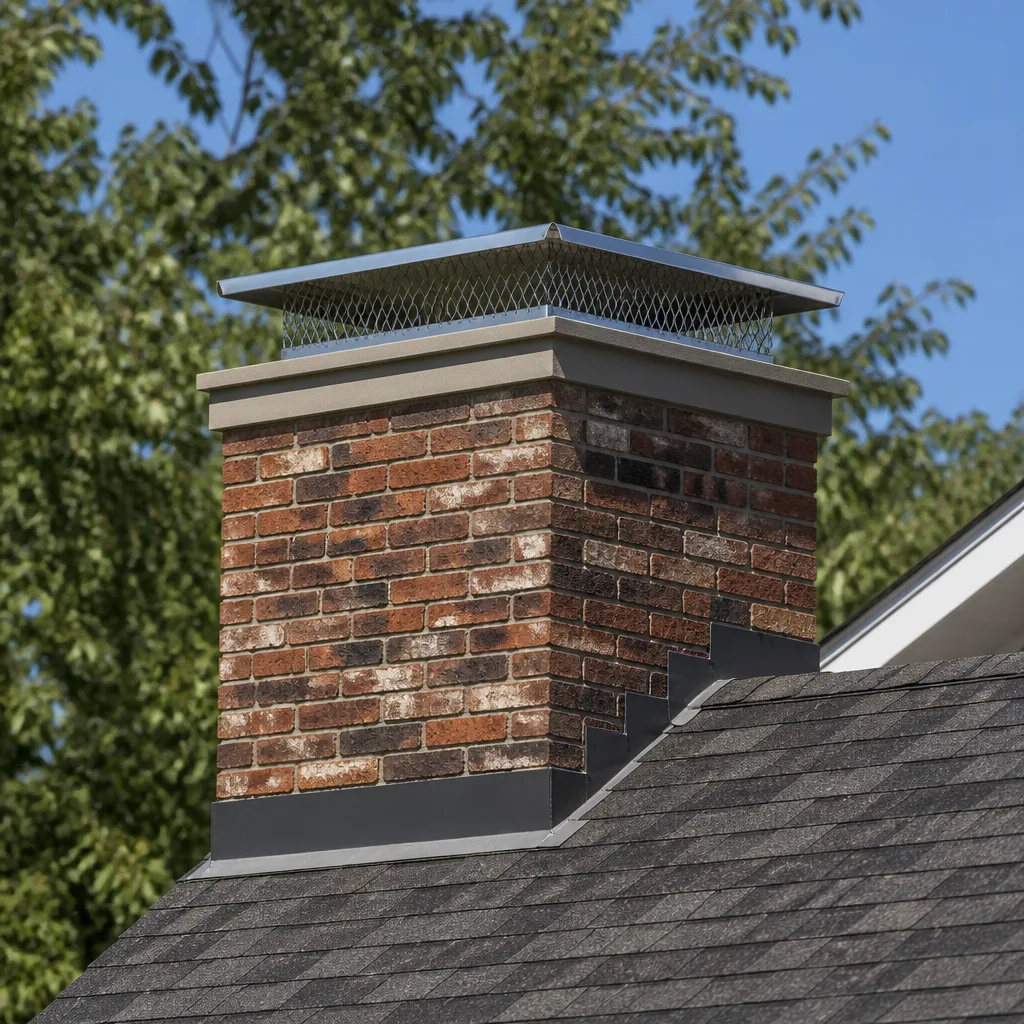
Level 1 sweep and inspection to the NFPA 211 annual standard - flue, crown, cap, and flashing checked and photographed
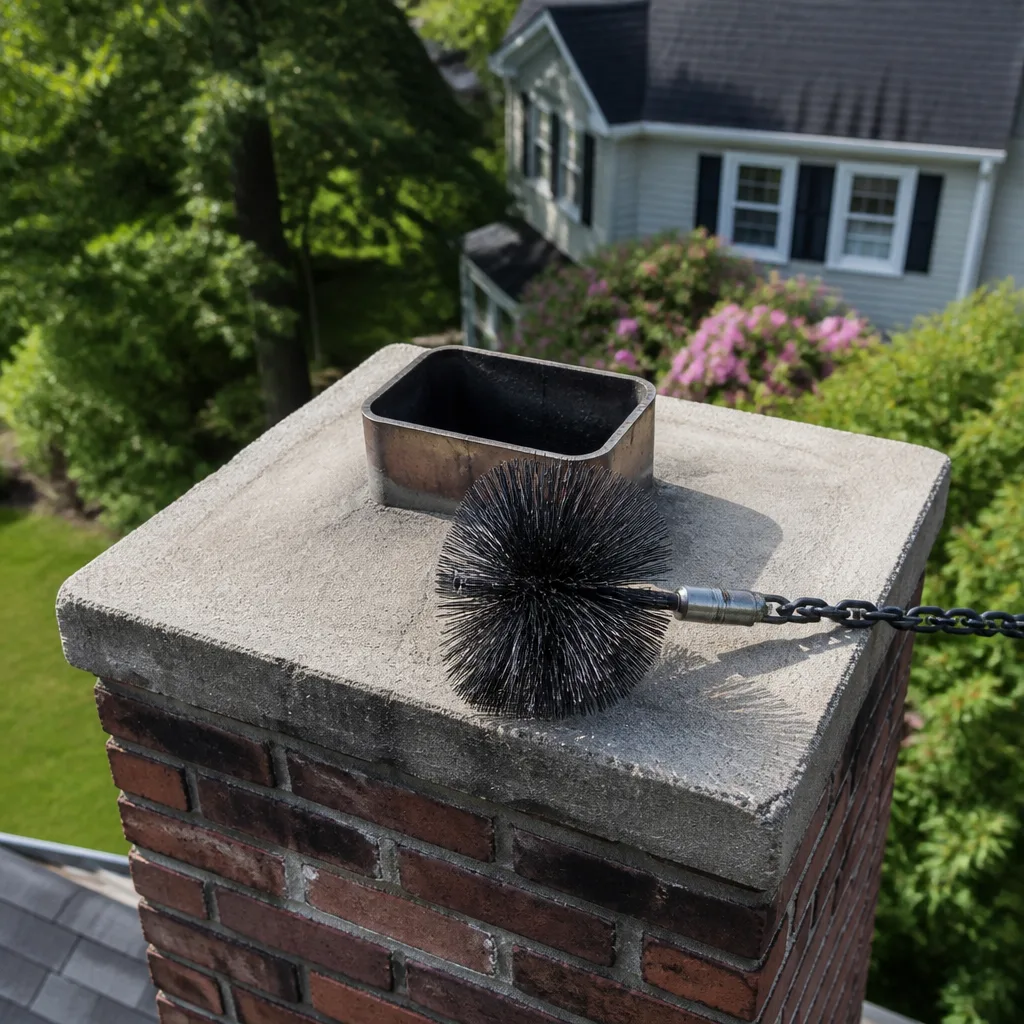
Chimney sweep logs do not sweep chimneys. They loosen some creosote - which then falls where a brush and vacuum still have to collect it.
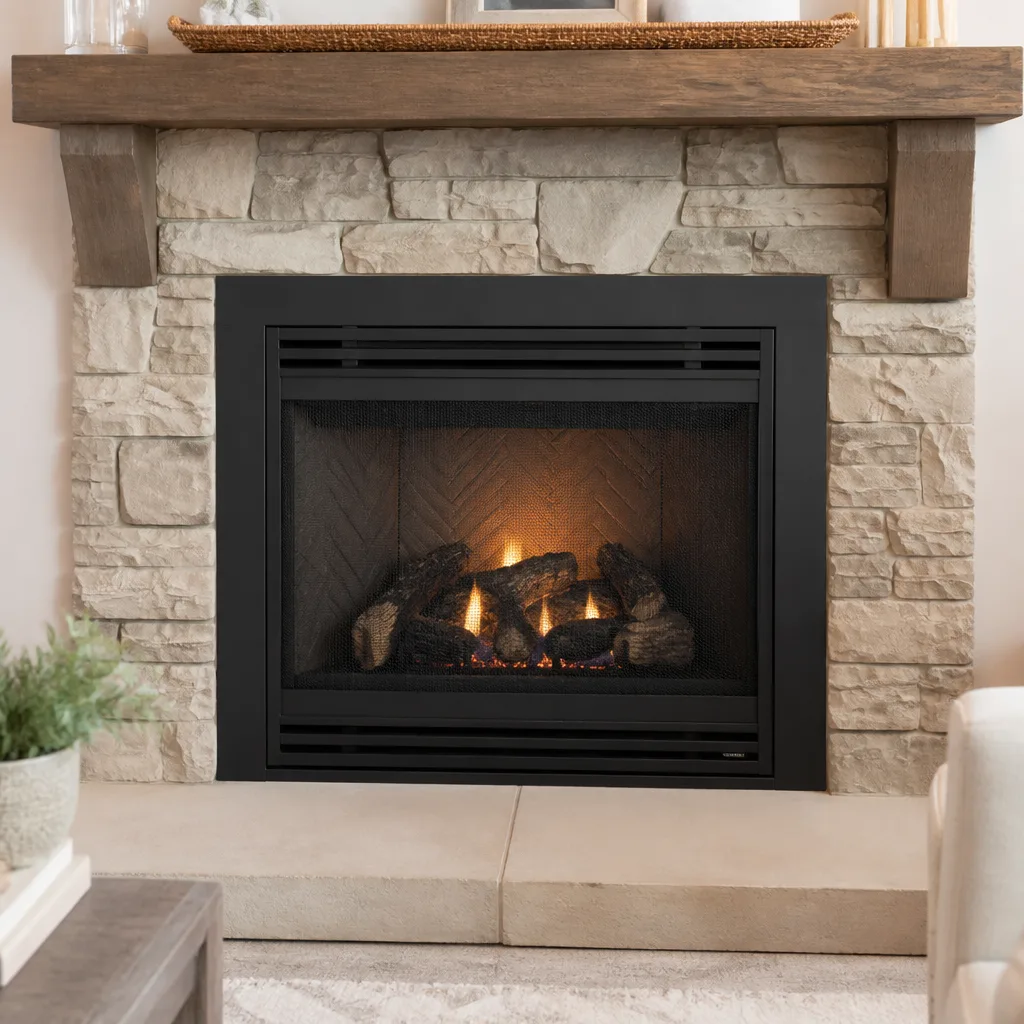
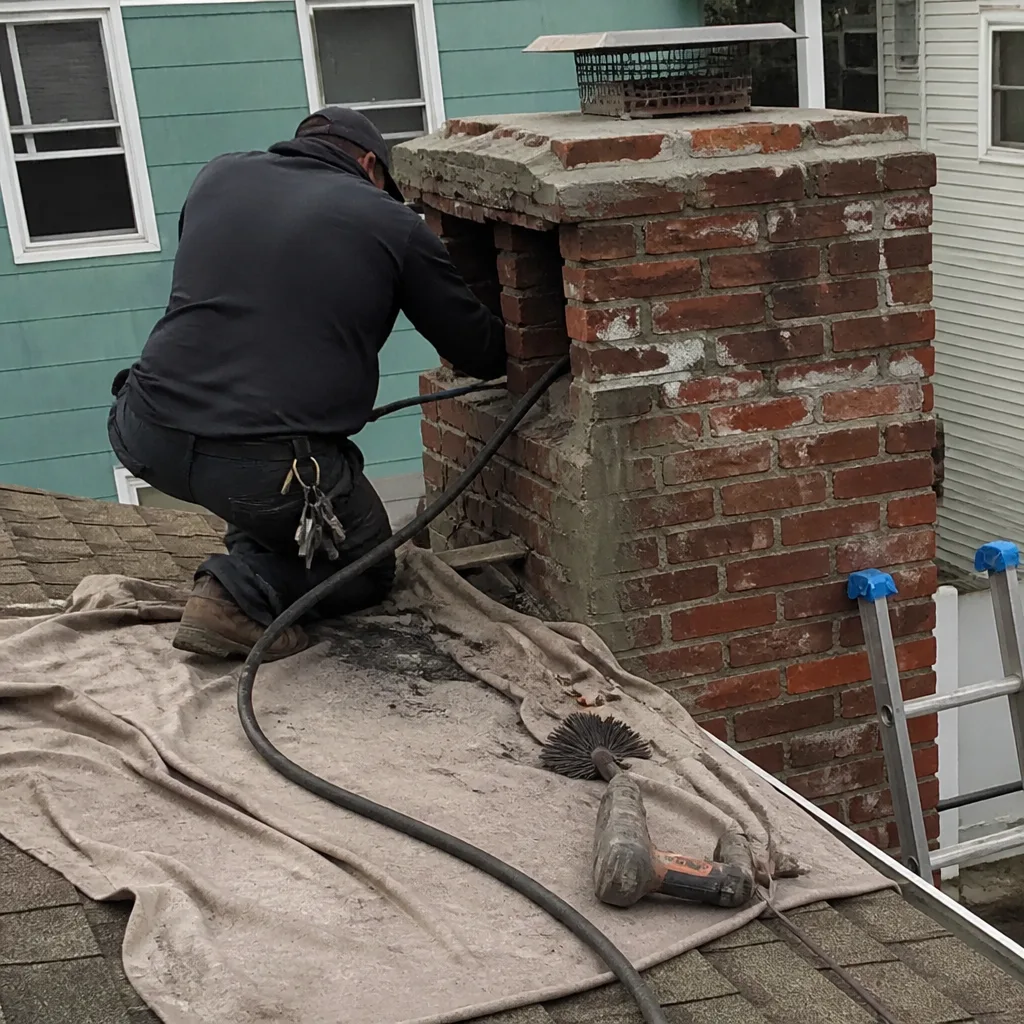 Before
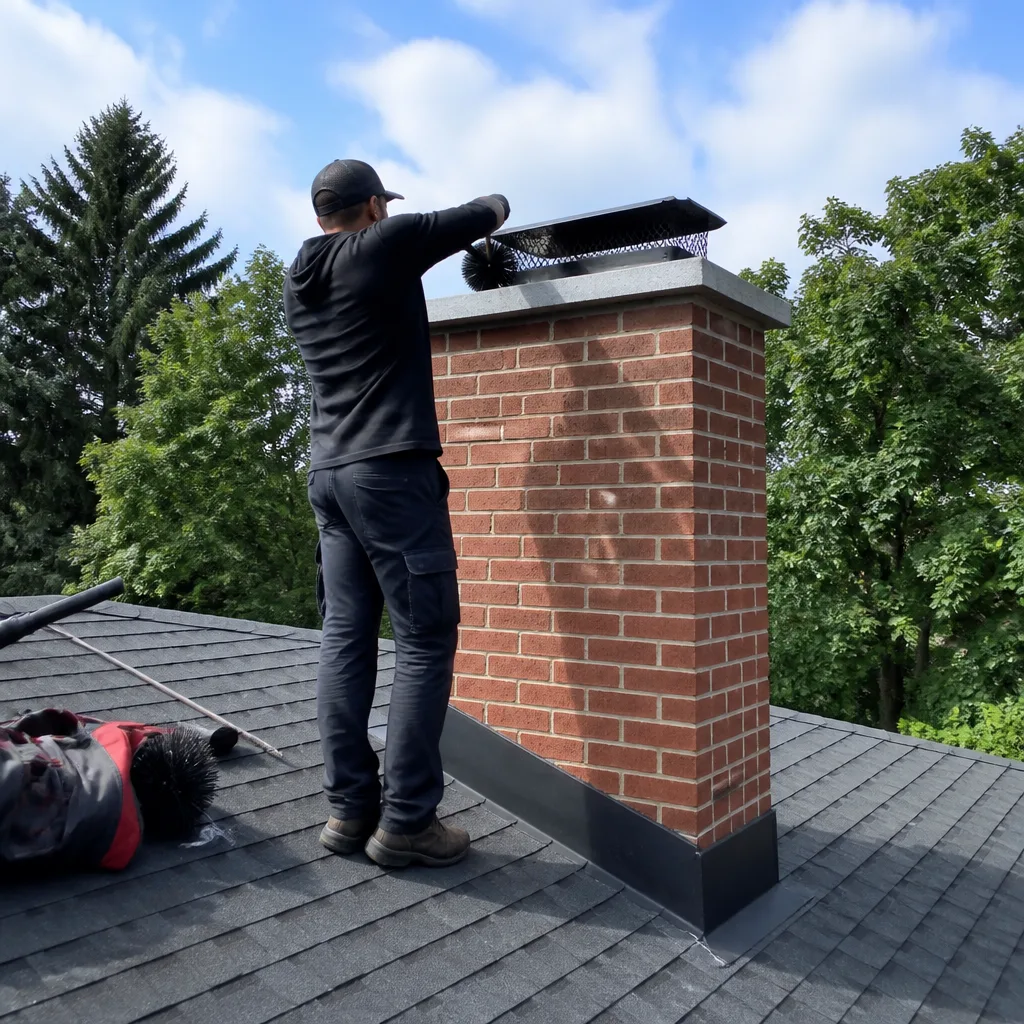 After
After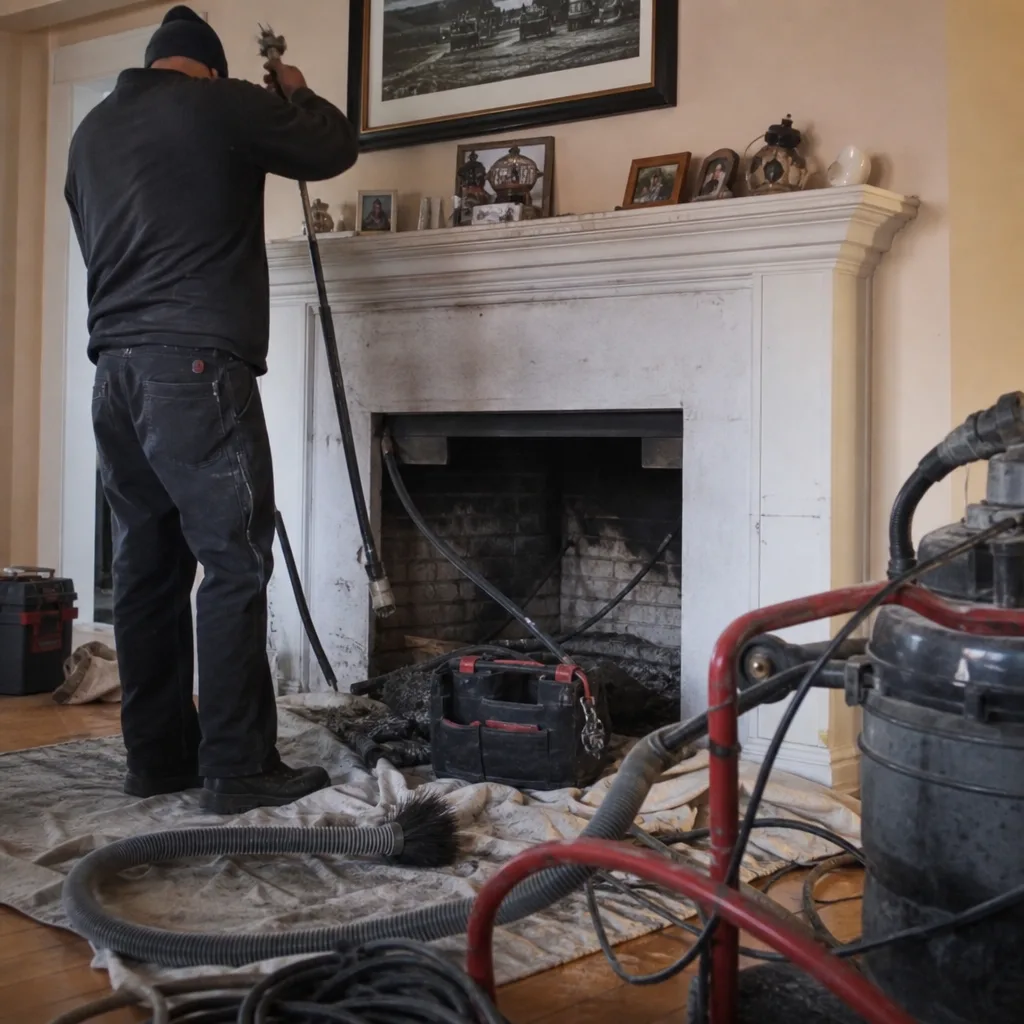 Before
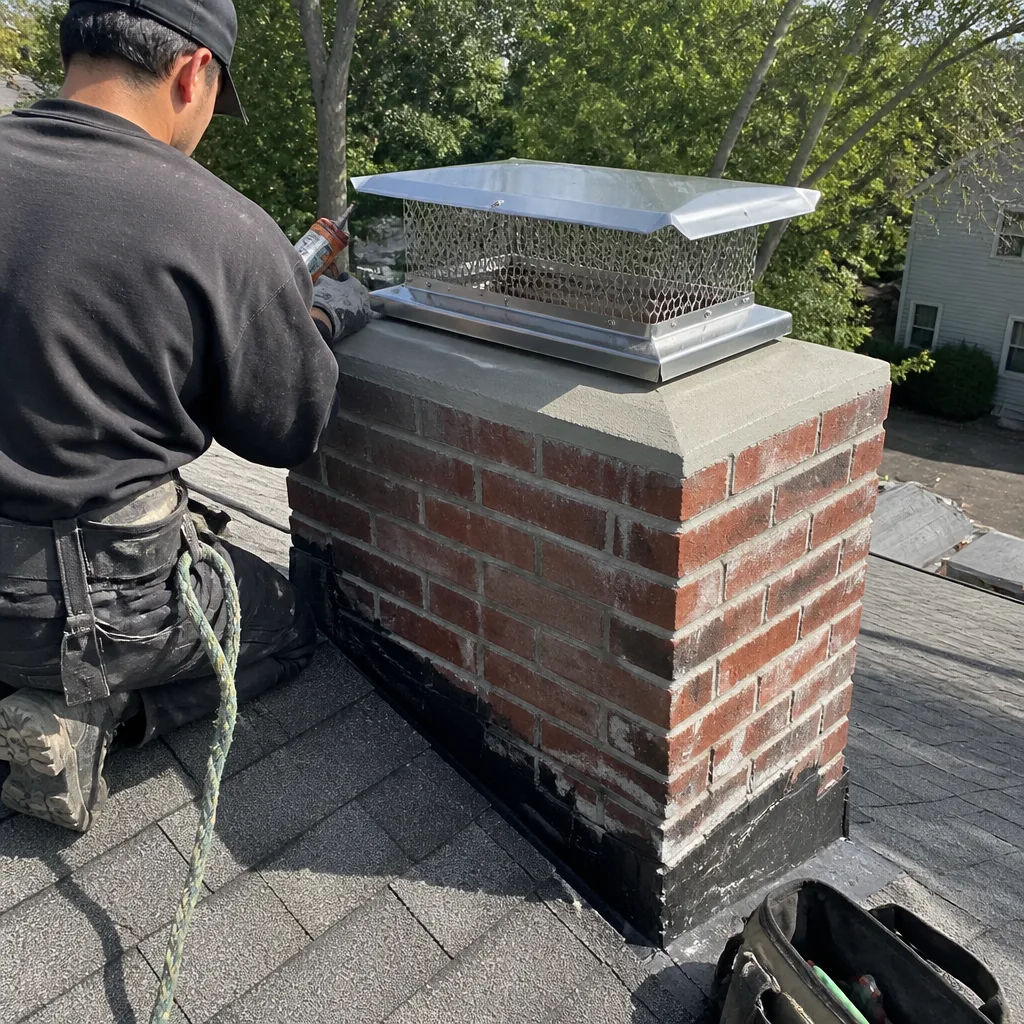 After
After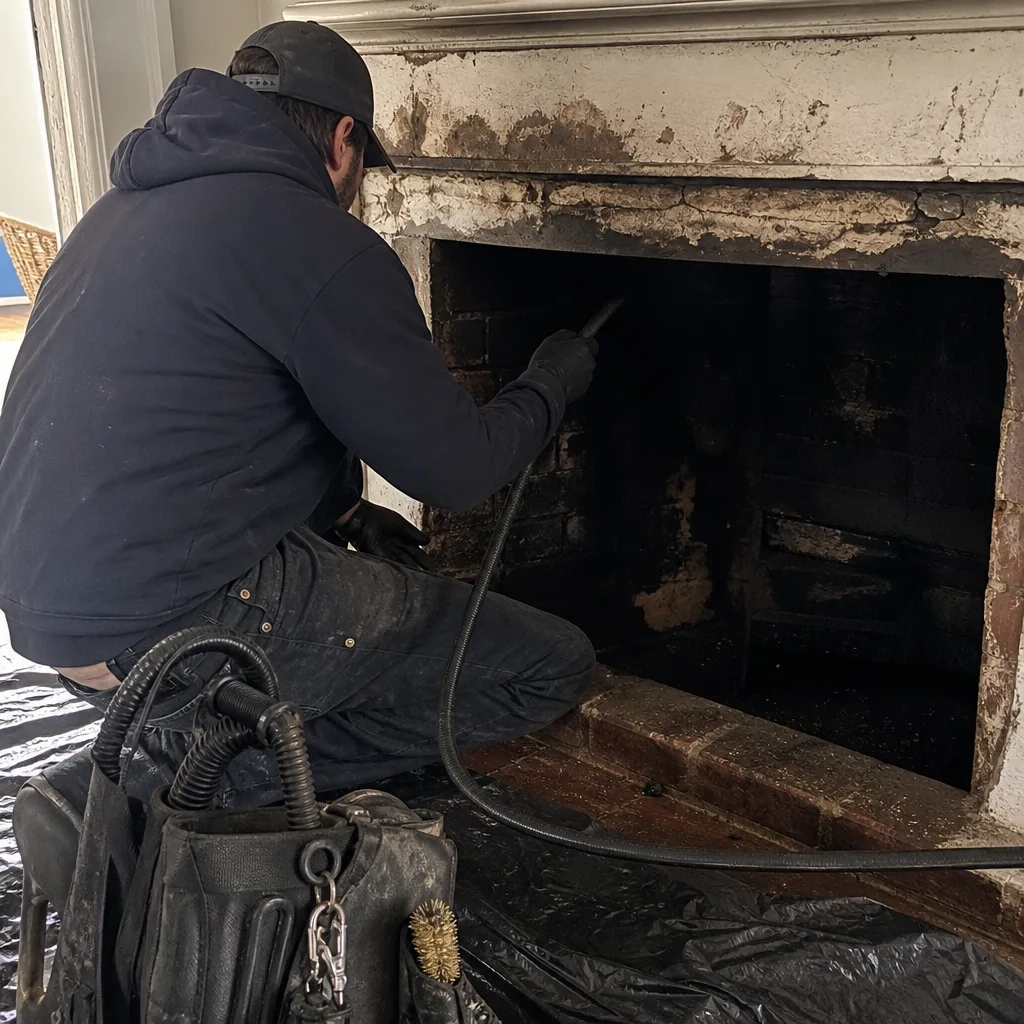 Before
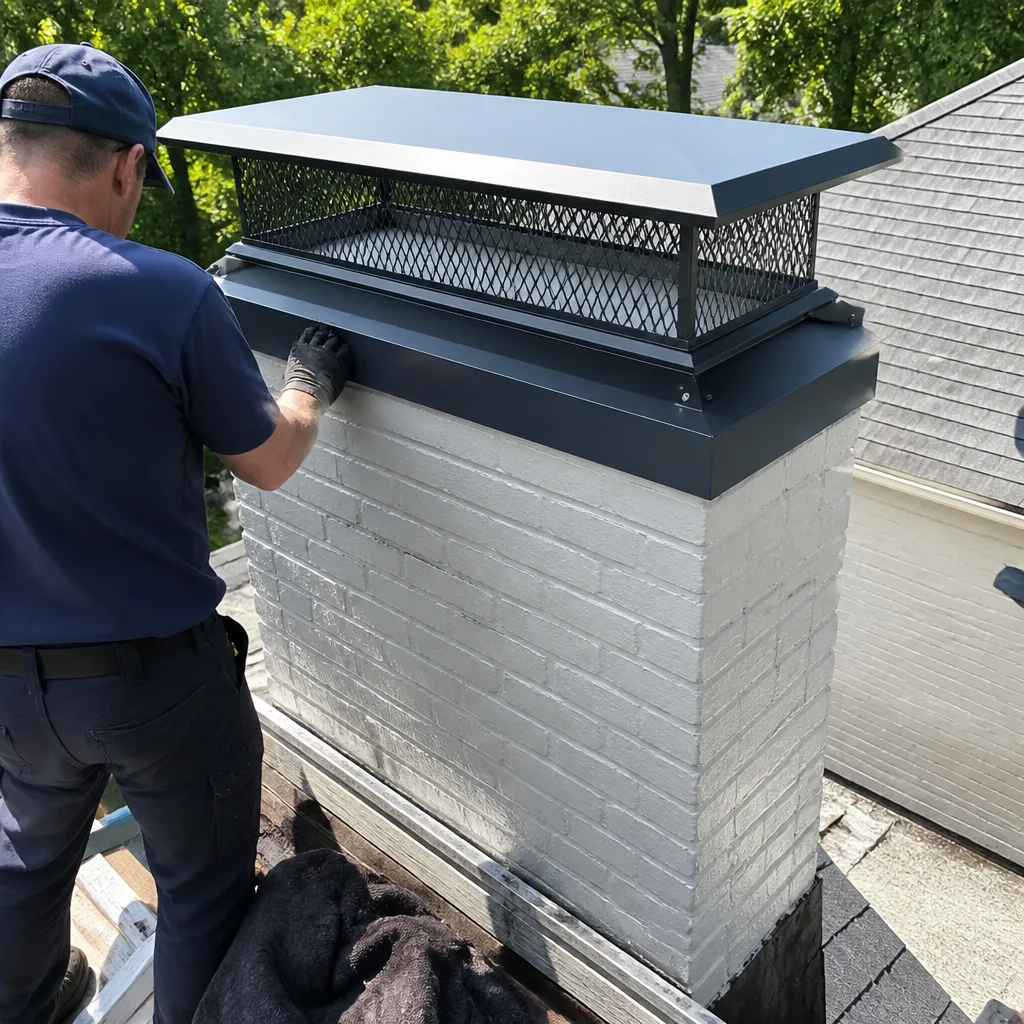 After
AfterWhy New York Homeowners Choose HeatShield Chimney Cleaning
We provide independent Heatshield repair in New York, including chimney cleaning and resurfacing service across the city, from Brooklyn brownstones to upper Manhattan co-ops. We’re not a HeatShield dealer or authorized installer. We’re a chimney company that has worked on hundreds of HeatShield-lined flues across the five boroughs, and we know exactly how these systems fail in New York’s specific conditions: tight urban flues, historic masonry, decades of oil-heat soot, and strict FDNY and DOB inspection requirements. The short version: if your HeatShield liner is cracked, spalling, or leaking flue gases, we can fix it with genuine Cerfractory and Eco-Sil materials, with a written price before any work starts. Call (551) 213-5548 and Corrine Halstead or one of our techs will talk you through it.
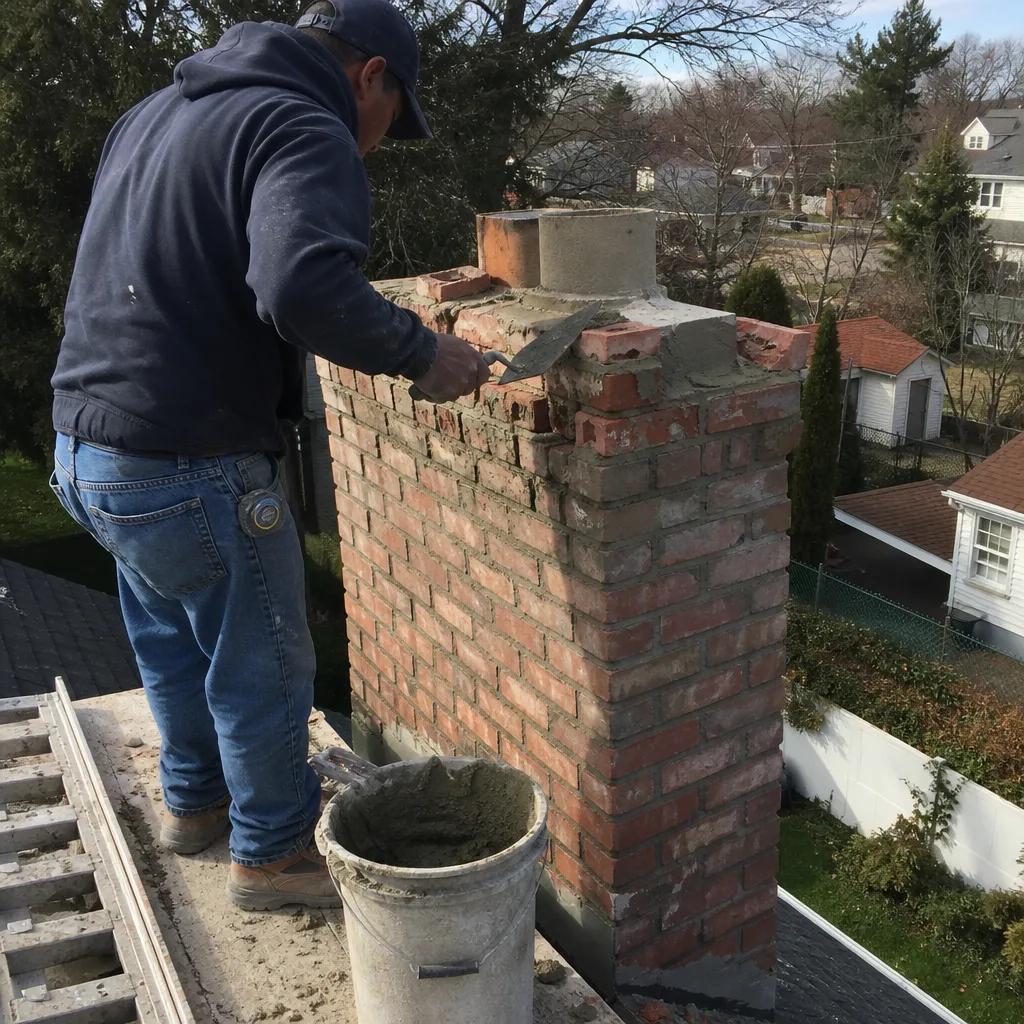
Most New York homeowners with a HeatShield system have one of three situations. Either the coating was applied years ago and is now failing, the flue was recently resurfaced and something looks wrong, or a Level 2 inspection flagged the liner and they need to know what’s next. All three are fixable. None require replacing the whole chimney. But they do require someone who understands Cerfractory’s expansion properties, Eco-Sil’s limits with acidic gas condensate, and the Joint Repair System’s role in stabilizing cracked clay tile liners before recoating. That’s the work we do every week in New York.
Why Trust Level Two Chimney New York for Your HeatShield Chimney Cleaning?
Corrine Halstead grew up in the Bronx and spent the better part of two decades cleaning and inspecting chimneys across New York City, including a stretch of older brownstones near Prospect Park in Brooklyn that kept her camera busy for years. She learned the technical side of the trade through the building trades and construction technology program at Bronx Community College, which gave her a foundation she still leans on when reading a flue liner or writing up a repair estimate. Under her direction, every tech who touches a HeatShield system has been trained on the four product lines: Cerfractory Flue Sealant, Joint Repair System, Resurfacing System, and Eco-Sil. That means we know what a properly applied coating looks like, what a failing one looks like on a camera screen, and what it takes to fix it without making the problem worse.
Since 2009, we’ve completed more than 38,000 our Chimney Cleaning & Sweep services and inspections in New York. Every single one included a written price before work started and a documented photo record when it was done. That’s Clause 4 of the Haven Standard, the inspection and service protocol we’ve operated under since our founding. When we inspect a HeatShield flue, you get camera footage, still photos, a written scope, and a written price. Not a verbal quote. Not a “you probably need” conversation. The record is what protects you, and it’s what lets us stand behind the work with our 365-Day Done Right Promise: if it’s not done right, we make it right.
We’re independent. HeatShield does not authorize us, endorse us, or warranty our work. What we bring instead is fifteen-plus years of hands-on experience with their materials in New York’s masonry chimneys, and the freedom to tell you when a HeatShield repair is smart and when a full liner replacement is the only honest answer. That independence matters. A manufacturer’s protocol assumes idealized conditions. A four-flue brownstone stack on a narrow lot in HeatShield Chimney Cleaning in Bedford-Stuyvesant, NY is not idealized.
Common HeatShield Chimney Cleaning Problems We Fix in New York
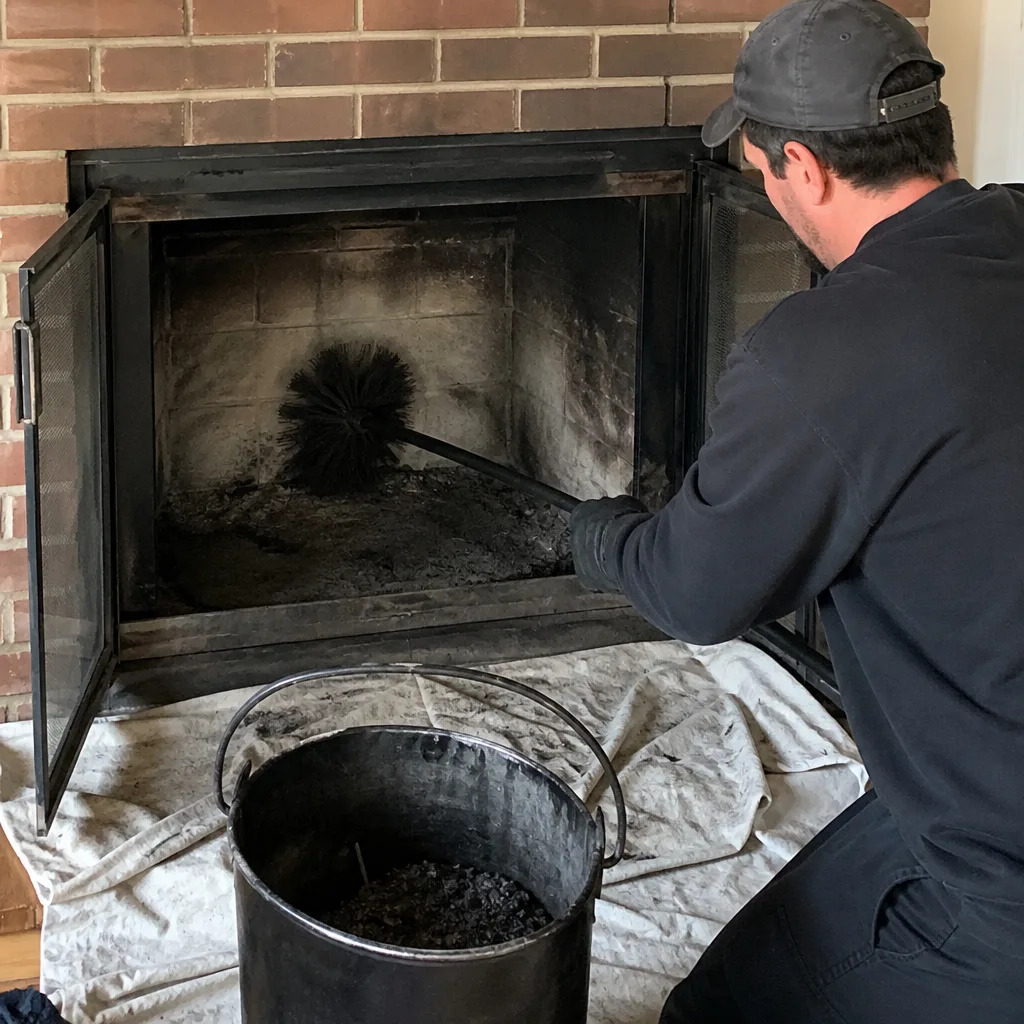
- Cracked or spalled Cerfractory coating from thermal shock. HeatShield Cerfractory Flue Sealant expands and contracts with the flue. In New York, where winter temperatures swing from single digits to fifty degrees in a week and fireplaces run for months, that cycle is brutal. We regularly see Cerfractory that has cracked in hairline patterns or begun flaking away from the clay tile beneath it. The fix is removing loose material, stabilizing the surface with Joint Repair System, and recoating. Patching over unstable material just fails again in two years.
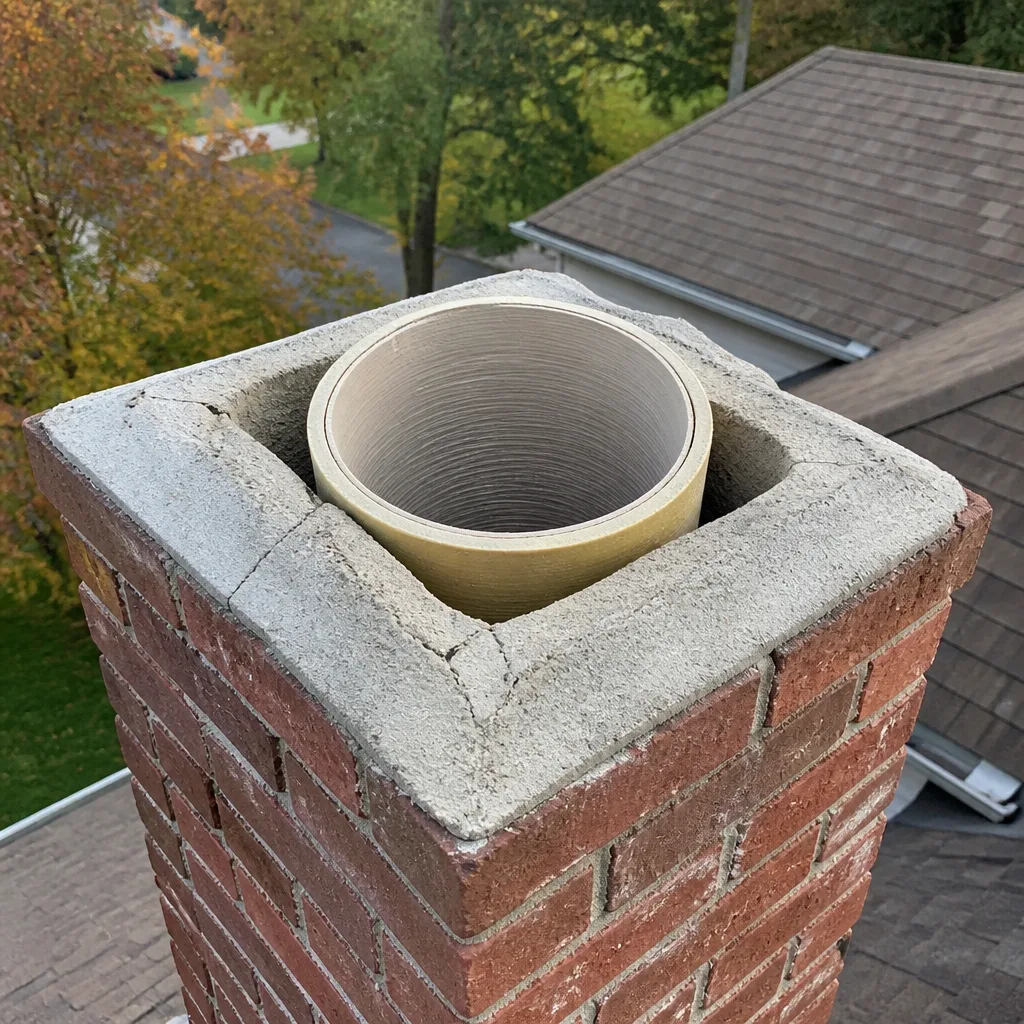
- Deteriorated Joint Repair System joints leaking flue gases. The Joint Repair System is designed to seal the gaps between clay tile sections. But when the original tile has shifted, or when previous repairs were applied over soot instead of clean masonry, the joints open up and combustion gases leak into the chimney chase or adjoining flues. We find this most often in pre-1940 tenement and brownstone stacks where original terra-cotta liners were never properly mortared. The camera tells the story. Once we’ve scoped the flue, we can see exactly which joints have failed and whether they can be re-sealed or the section needs resurfacing.
- Eco-Sil sealant breakdown from acidic condensate in gas flues. Eco-Sil is the HeatShield product designed for gas appliance flues, but it’s not indestructible. High-efficiency gas boilers and water heaters produce acidic condensate that eats at sealant over time, especially in New York apartment buildings where central boilers run nonstop from November through April. We see Eco-Sil that has become brittle, discolored, or pulled away from the flue wall. The right fix is mechanical cleaning, surface prep, and reapplication, not just slapping more sealant over compromised material.
- Improperly applied Resurfacing System leading to delamination. HeatShield Resurfacing System requires a clean, rough surface for proper adhesion. When a contractor skips the cleaning step or applies the coating too thick in one pass, the material delaminates, peeling away in sheets. We’ve pulled sections of failed resurfacing out of New York flues where you could see the original soot layer still intact beneath the coating. That’s an application failure, not a material failure. Correcting it means removing the failed coating completely, mechanical cleaning, and starting over.
- Creosote accumulation on textured Cerfractory surfaces. Cerfractory cures to a slightly textured surface, which does two things: it gives flue gases a good surface to bond to, and it gives creosote a good surface to bond to. In New York homes burning wood regularly, Class II and Class III creosote can build up faster on a Cerfractory-coated flue than on a smooth stainless liner. That’s why annual cleaning is not optional here, especially if you burn pine or unseasoned wood. We remove the creosote mechanically, then inspect the coating for heat damage before anything else.
BeforeAfterHeatShield Parts & Our Repair-vs-Replace Approach
We use genuine HeatShield Cerfractory and Eco-Sil materials for every repair and resurfacing job. No aftermarket equivalents, no contractor-grade substitutes. Here’s why: Cerfractory is engineered with a specific expansion coefficient to match clay tile liners. A generic refractory cement or sealant will not move with the flue the same way, and in New York’s freeze-thaw environment, that mismatch leads to cracking within a season or two. The extra cost of genuine material is negligible compared to the cost of doing the job twice.
We don’t stock HeatShield materials at a warehouse in New York. No independent chimney company does. What we do is order directly from our supplier network, which sources through Haven’s buying program from the same distributors that supply HeatShield, DuraFlex, Gelco, Olympia, Famco, and Copperfield. That keeps customer pricing honest and means we can typically have materials on site within a few business days. For emergency situations where a flue has to be offline, we’ll coordinate that timeline with you upfront, in writing.
Repair versus full replacement is a judgment call we make with the camera on. If the underlying clay tile is structurally intact and the Cerfractory coating is failing in patches, resurfacing is the right call. If the tile itself is cracked through, shifted, or collapsed, or if previous patchwork has left the flue surface unstable, we’ll tell you to replace the liner outright. Patchwork on a structurally failed flue in New York lasts about two years, sometimes less with coastal moisture and heavy use. We’d rather give you the honest number once than sell you a repair that buys eighteen months. Call (551) 213-5548 if you have inspection photos and want a straight read on what they show.
Our HeatShield Service Process - Step by Step
- 1
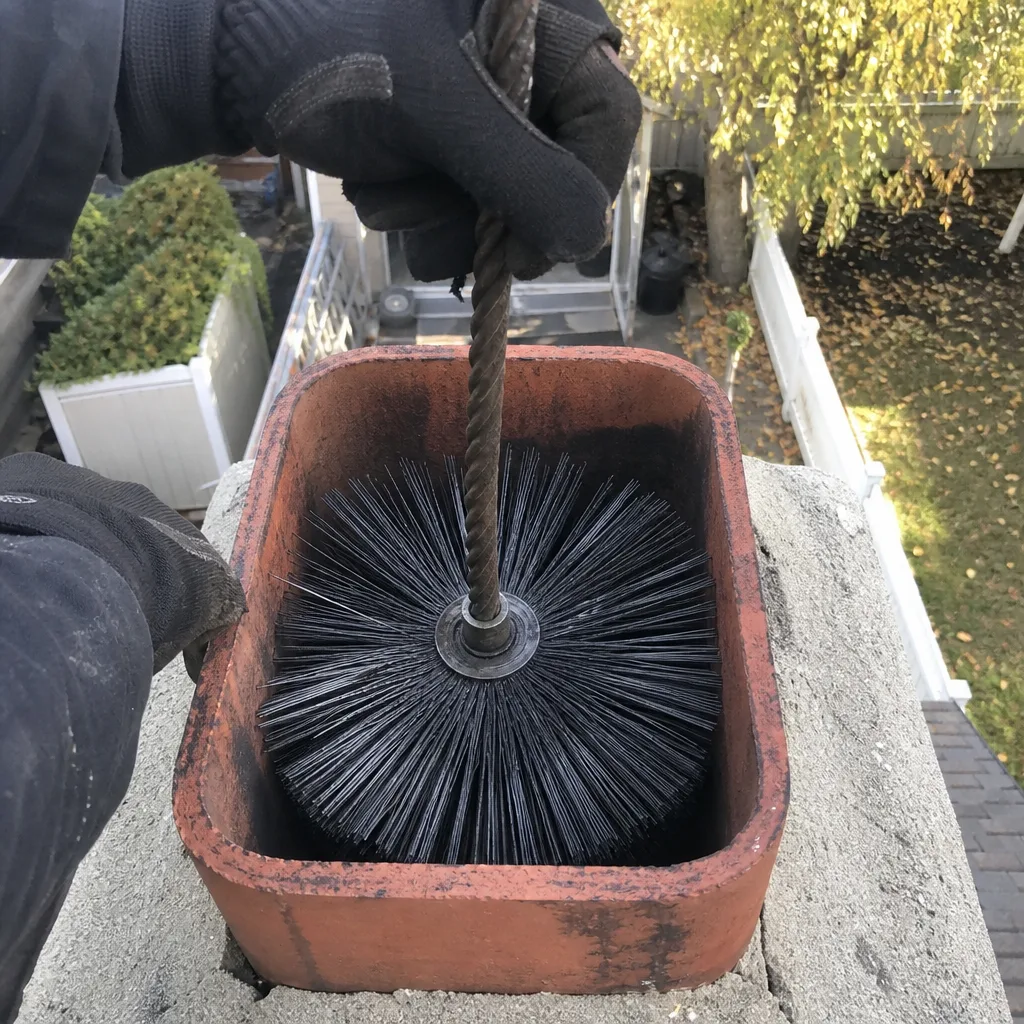
Level 2 camera inspection. We run the camera down the entire flue length, documenting the condition of the HeatShield coating, joint seals, and underlying clay tile. You receive the footage and still photos. If the flue hasn’t been swept recently, we’ll clean it first so the coating is visible and the inspection is accurate.
- 2
Written scope and price. Before any repair material is ordered or any tool goes up the chimney, you get a written scope of work and a written price. This covers exactly what we found, what we’ll do, what materials we’ll use (genuine Cerfractory, Eco-Sil, or Joint Repair System), and what the finished condition will be. Clause 1 of the Haven Standard: have it in writing.
- 3
Repair or resurfacing. Loose or failed coating is removed, the flue surface is mechanically cleaned, and the appropriate HeatShield system is applied in proper curing passes. For joint failures, we stabilize first. For full resurfacing, we apply in layers, never one thick coat.
- 4
Post-work camera scan and documentation. After the material cures, we run the camera again. You get a before-and-after record: photos, footage, and a written summary of what changed. This is Clause 4 of the Haven Standard, and we’ve done it on every job since 2009.
- 5
365-Day Done Right Promise. If something isn’t right, if the coating fails or the joint opens or the flue still leaks, we come back and make it right. That’s the warranty. It’s written, not implied.
HeatShield Products We Service & Install in New York
We work on every HeatShield product line currently in use in New York chimneys. That includes Cerfractory Flue Sealant, the original and most common HeatShield coating, used to seal and smooth clay tile flues. The Joint Repair System, applied to stabilize and seal gaps between degraded tile sections. The full Resurfacing System, used when a flue needs complete internal recoating rather than spot repair. And Eco-Sil, formulated specifically for gas appliance flues, including the converted natural gas boilers that New York’s Clean Heat program has been pushing through older buildings since 2011. If you’re not sure which system is in your flue, the camera will usually tell us. The color, texture, and application pattern vary between products, and our techs can identify them on sight most of the time.
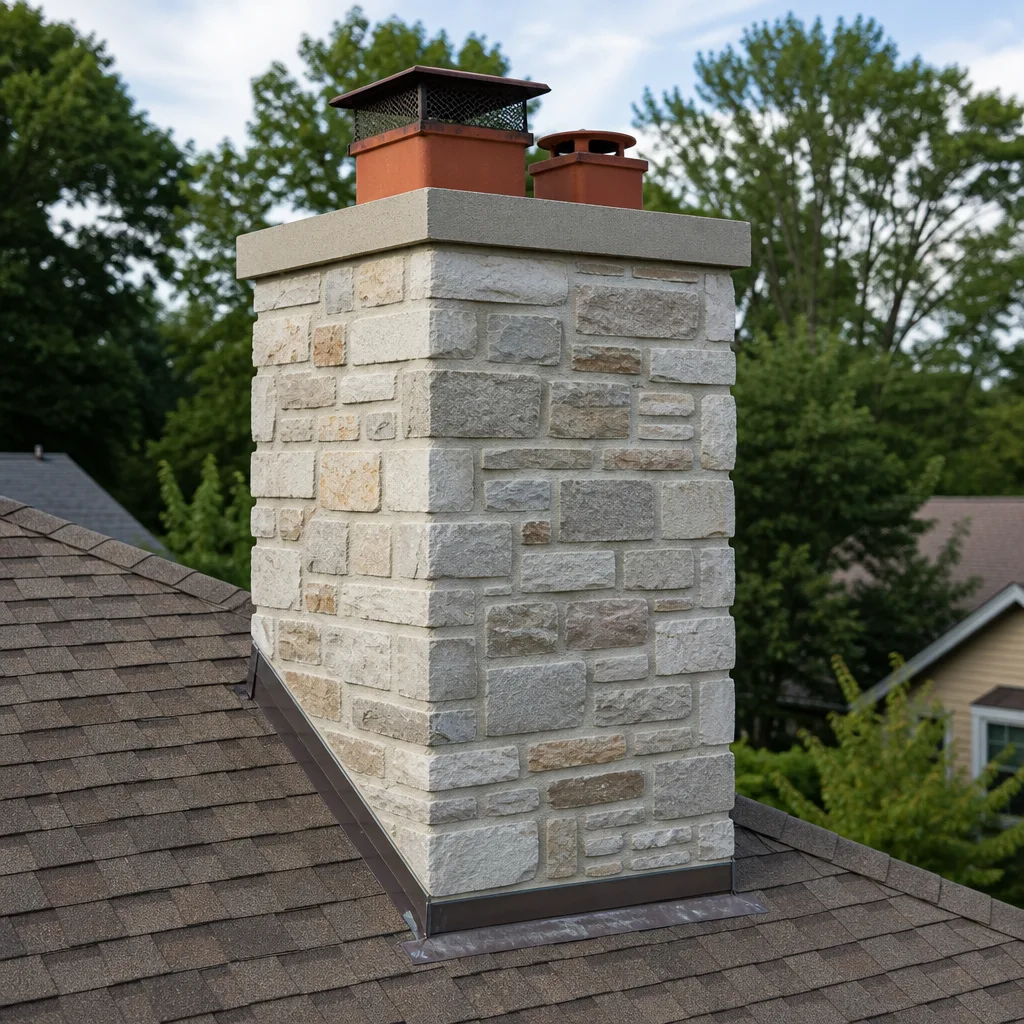
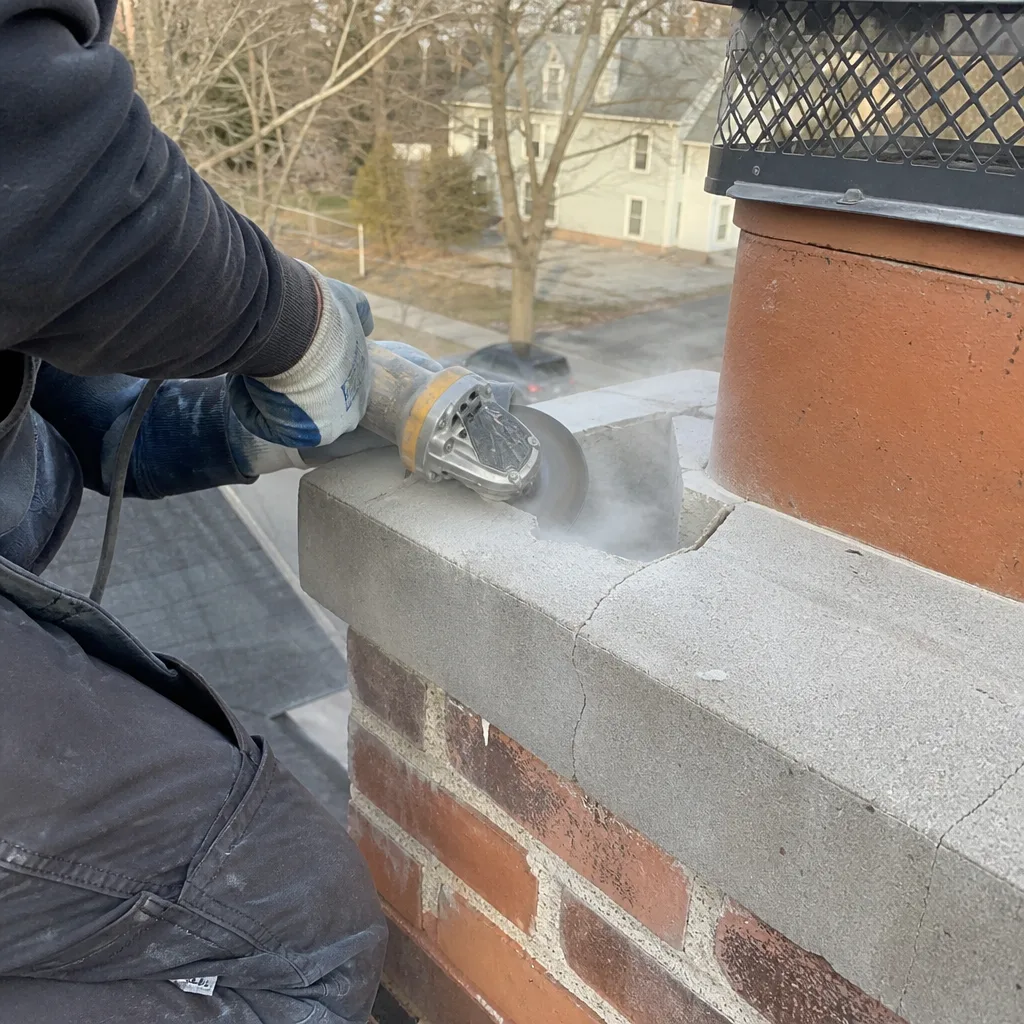
We also handle the chimney work that surrounds HeatShield service: flashing repair at the roofline, crown repair and replacement, and cap installation. A resurfaced flue does not fix a cracked crown or rusted flashing, and in New York, wind-driven rain from nor’easters finds every opening. The flue is one system. The stack is the other. Both need to be right.
We Also Service These Brands
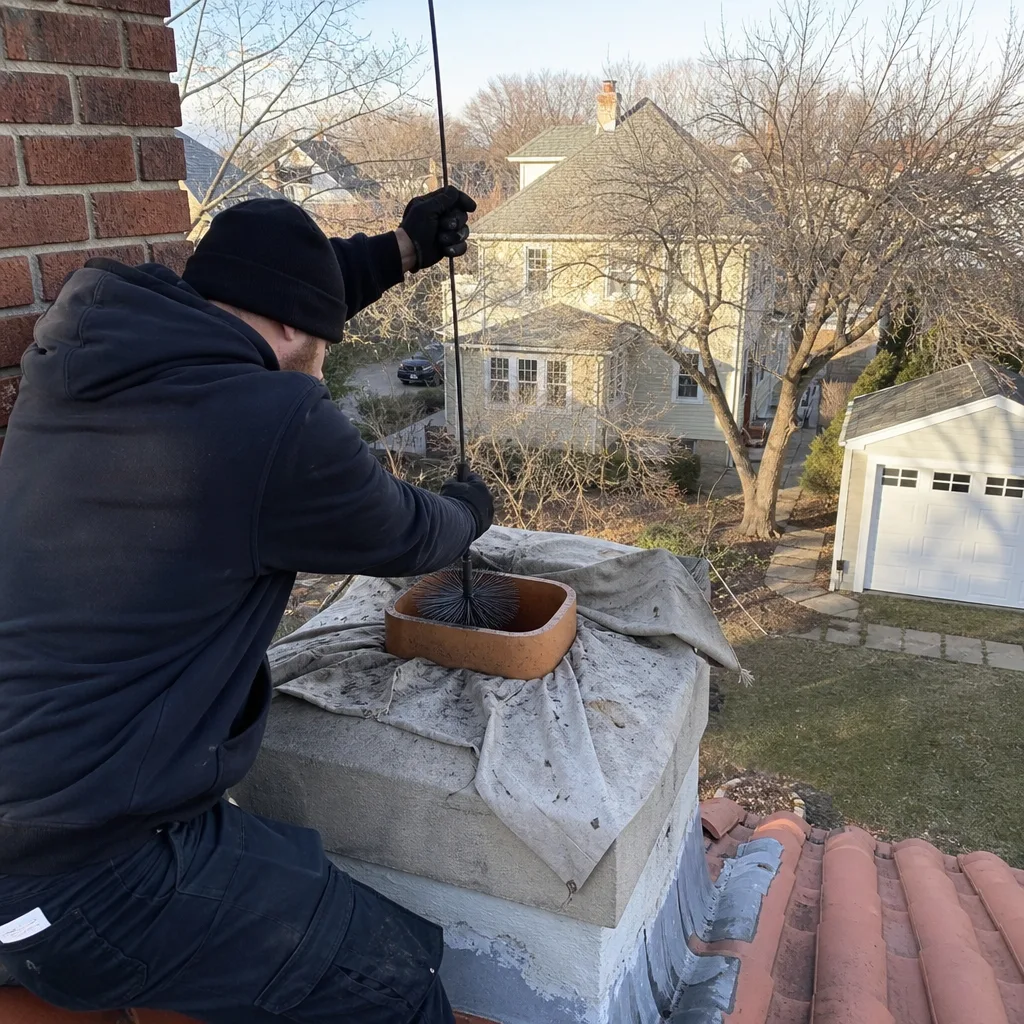
HeatShield is one brand we know well, but it’s not the only one. We install and service stainless steel liners from DuraFlex and Gelco, along with Olympia, Famco, and Copperfield products, sourced through the same supplier network. If a full liner replacement is the right call for your New York chimney, you’ll get brand options and an honest recommendation based on your fuel type, usage, and flue configuration.
FAQs - HeatShield Chimney Cleaning Service in New York
No. We are an independent HeatShield service provider, not an authorized dealer or warranty station. What that means for you: we’re not bound by manufacturer protocols when they don’t match what the camera shows, and we can tell you honestly when a repair doesn’t make sense. We use genuine HeatShield materials, but our judgment is our own.
Genuine HeatShield Cerfractory and Eco-Sil materials, always. We don’t substitute aftermarket refractory cements or generic sealants. HeatShield products are formulated for specific expansion and adhesion requirements in clay tile flues, and in New York’s thermal cycling, the wrong material fails fast.
Most single-flue cleanings and inspections take half a day on site. A full resurfacing job typically runs two to three days, including curing time between coats. In co-op or condo buildings with multiple flues, we schedule by the stack, and we coordinate access with building management or the board. Written pricing covers the full scope before we begin.
All of them. Cerfractory Flue Sealant, Joint Repair System, Resurfacing System, and Eco-Sil. If your HeatShield was applied in the last twenty years, it’s one of these four systems, and we’ve worked on all of them across New York.
HeatShield warranties are issued by the manufacturer and typically cover the material, not the installation or subsequent service. As an independent provider, our work doesn’t automatically void a manufacturer warranty, but we can’t speak for HeatShield’s warranty department on your specific case. What we provide is our own 365-Day Done Right Promise, in writing, on every job.
A standard chimney sweep and Level 2 camera inspection in New York runs $250 to $550 for a single flue, depending on height, access, and creosote condition. Resurfacing with Cerfractory typically lands between $2,500 and $6,500 per flue depending on flue length, current liner condition, and how much failed material has to be removed first. Eco-Sil application for gas flues is usually less. Every quote is written, line-itemed, and delivered before you approve anything. Call (551) 213-5548 for an exact price on your chimney. Estimates are free.
Yes, and that’s the most common application we see in New York. HeatShield Cerfractory is designed specifically to coat and seal existing clay tile liners. The tile has to be structurally sound first. If the tile is cracked through or shifted, resurfacing won’t solve the underlying problem and we’ll recommend full liner replacement instead.
For a single flue in a standard multi-family building, the actual resurfacing work is usually one to two days, plus curing time between coats. What adds time in New York apartment buildings is logistics: access through the roof hatch, coordinating with building staff, and scheduling around other contractors. We plan for that, and the written scope includes the full timeline before we start.
No, and this is one of the most common misunderstandings we hear in New York. HeatShield addresses the inside of the flue. Tuckpointing addresses the exterior brick mortar joints. Crown repair addresses the concrete cap at the top of the stack. If your chimney has spalling brick, eroded mortar, or a cracked crown, those need separate masonry work. A flue can be perfectly resurfaced and still leak water through the stack. The camera doesn’t lie, and neither does a water stain on your ceiling.
Yes, that’s exactly what Eco-Sil is formulated for. It’s the HeatShield product designed for gas flues, and it resists acidic condensate better than standard Cerfractory. But the surface prep matters. If the old sealant has failed and the flue wall is etched or softened, that material has to be mechanically removed before Eco-Sil is applied. Otherwise you’re sealing over a failing surface, and the new coat will follow the old one.
In New York, annual cleaning and inspection, same as any actively used flue. The difference is that a HeatShield coating makes the flue easier to clean when it’s intact, and more expensive to fix when it’s not. We recommend a camera scan with every cleaning so we can catch coating failures before they become flue gas leaks. If you’re in Brooklyn, ask about HeatShield Chimney Cleaning in Flatbush, NY availability. If you burn wood, especially in a brownstone fireplace, don’t skip a year. Creosote buildup on Cerfractory happens faster than on stainless, and New York winters mean months of continuous use.
Book Your HeatShield Service in New York, NY
Call Level Two Chimney New York at (551) 213-5548. Corrine Halstead and the team will walk you through what you’re seeing, what it likely means, and what it costs, in writing, before you commit to anything. We serve all five boroughs, with a live person answering the phone 24/7.
Written by Corrine Halstead, Owner at Level Two Chimney New York, serving New York City since 2009.