
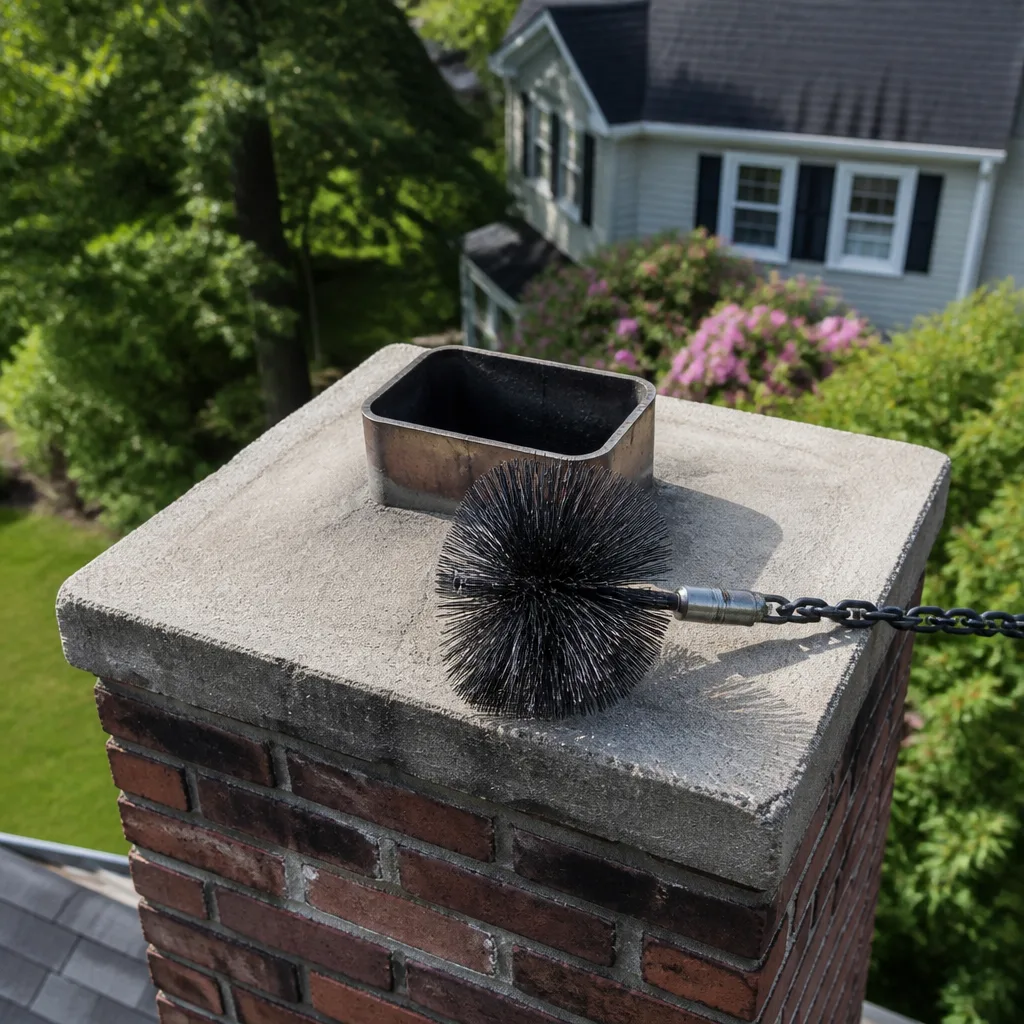
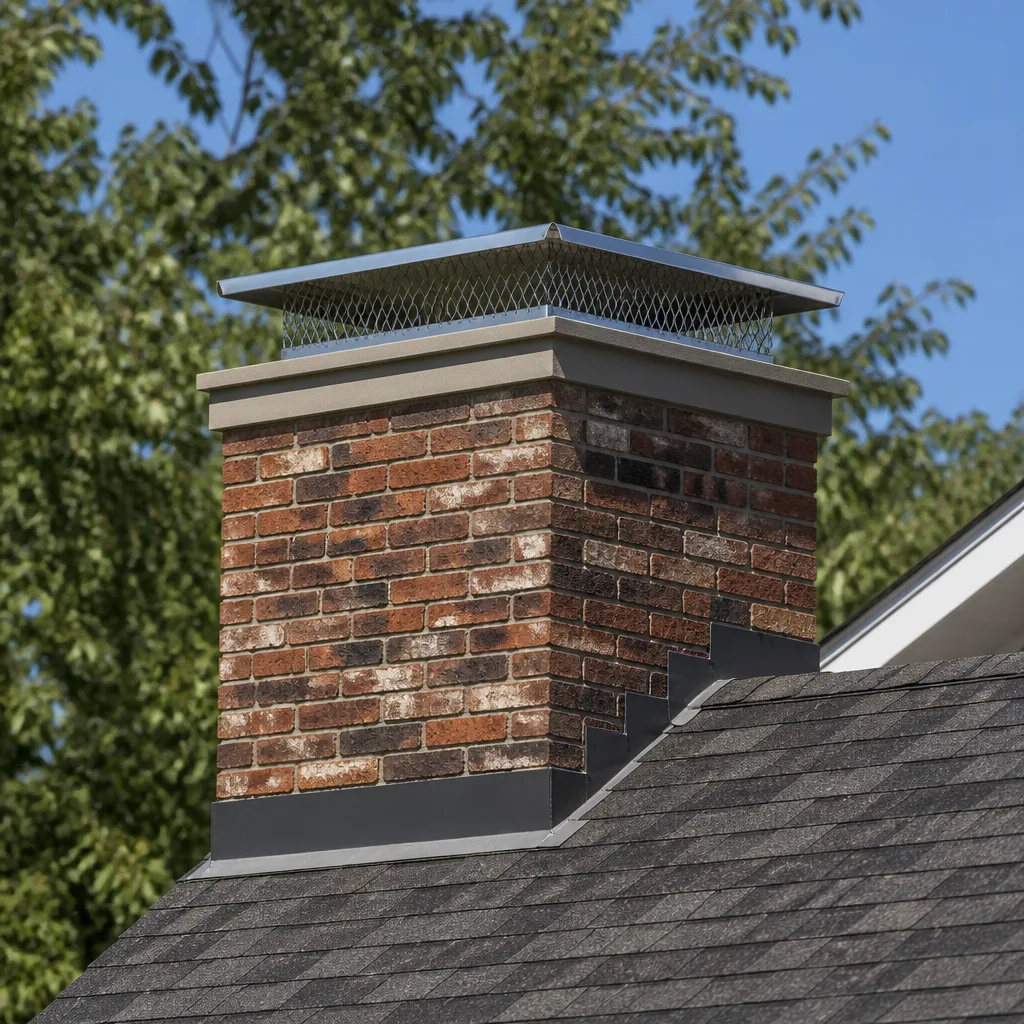
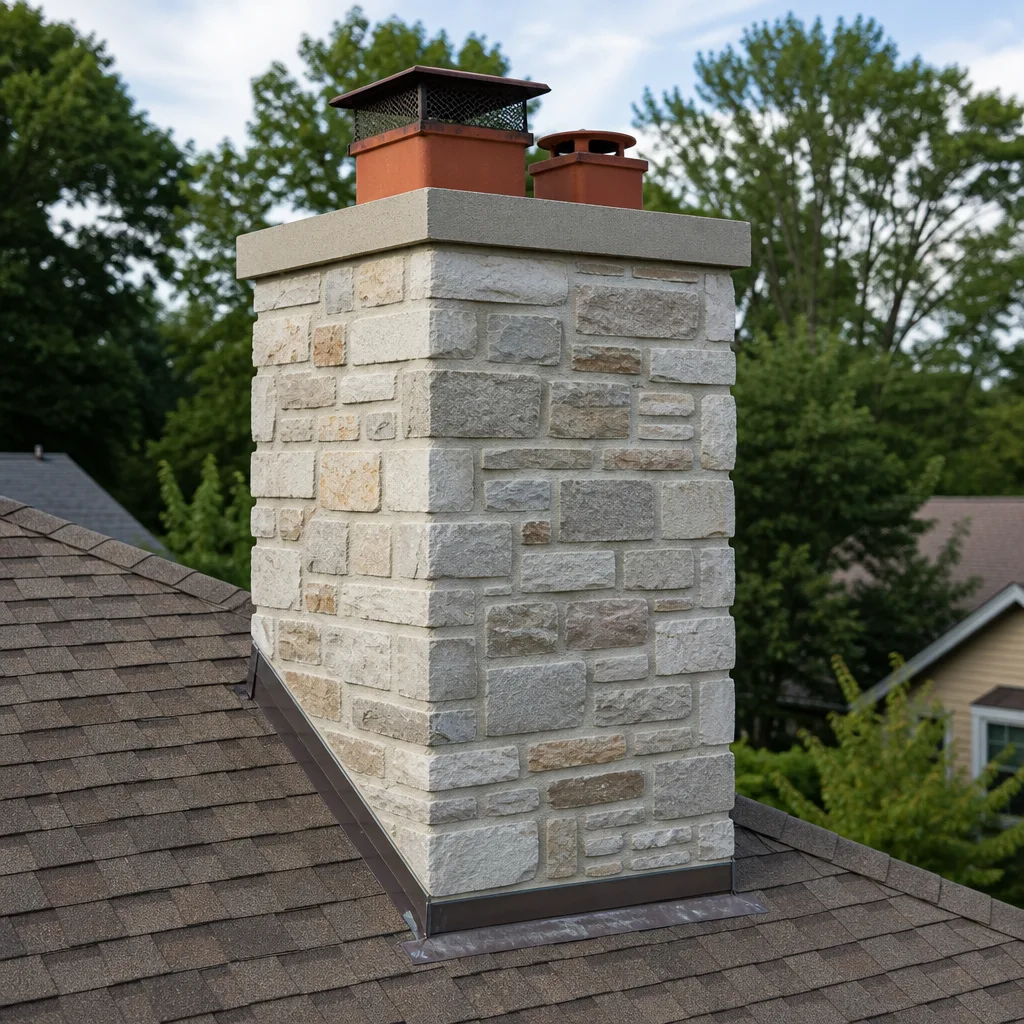
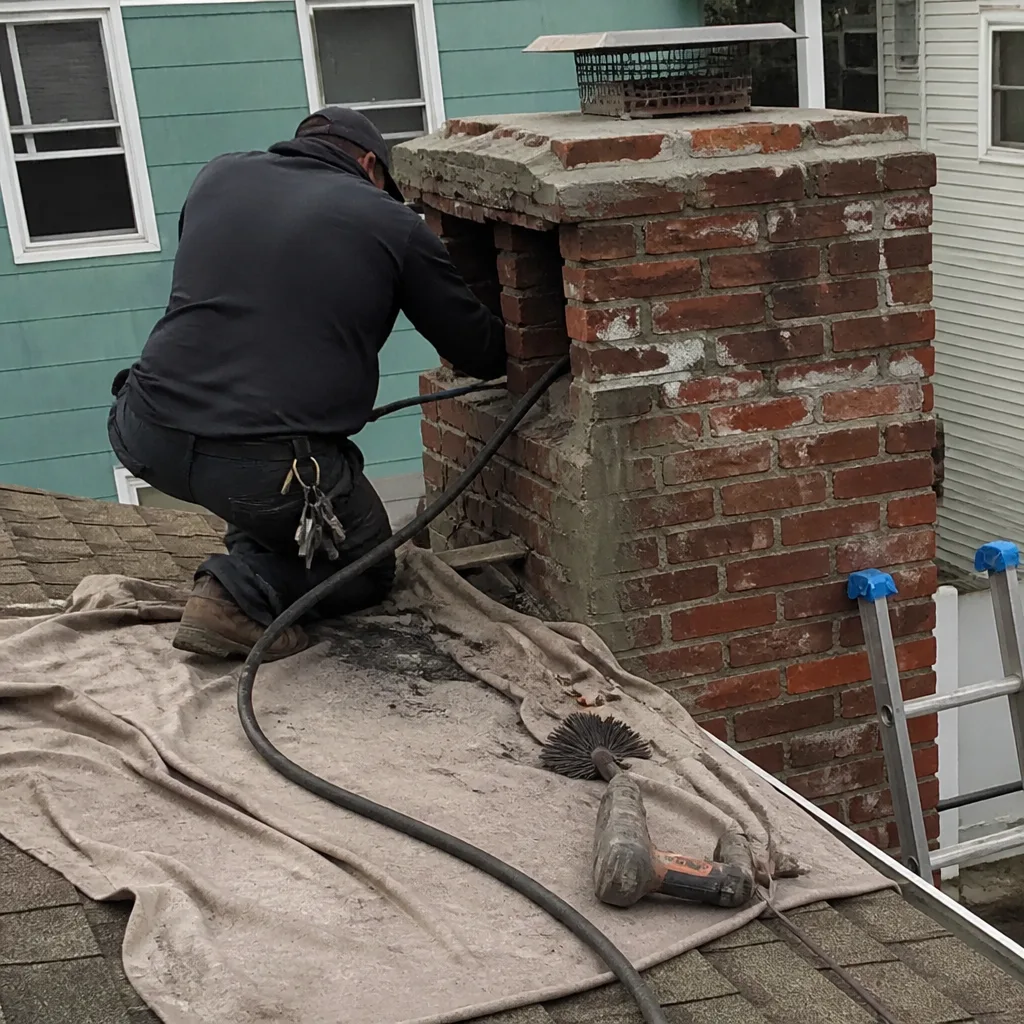
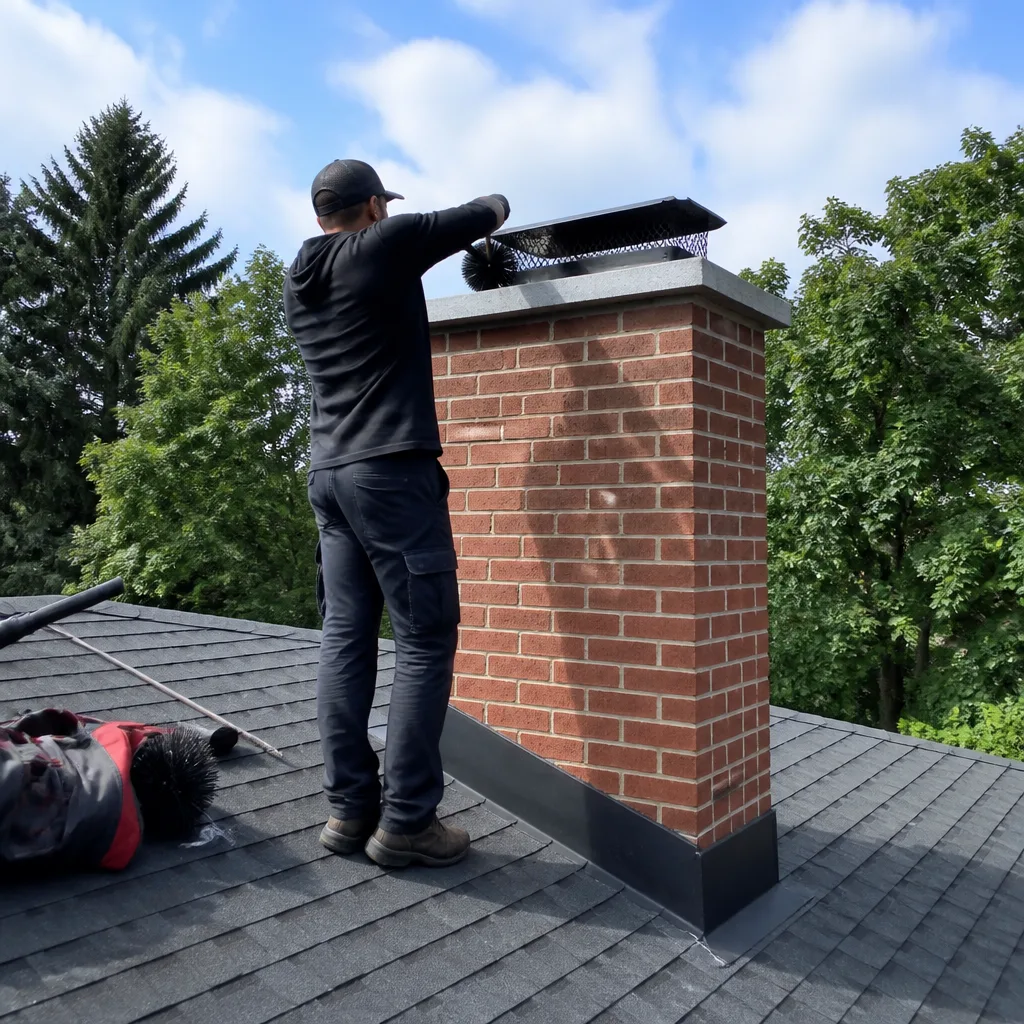
Level 1 sweep and inspection to the NFPA 211 annual standard - flue, crown, cap, and flashing checked and photographed
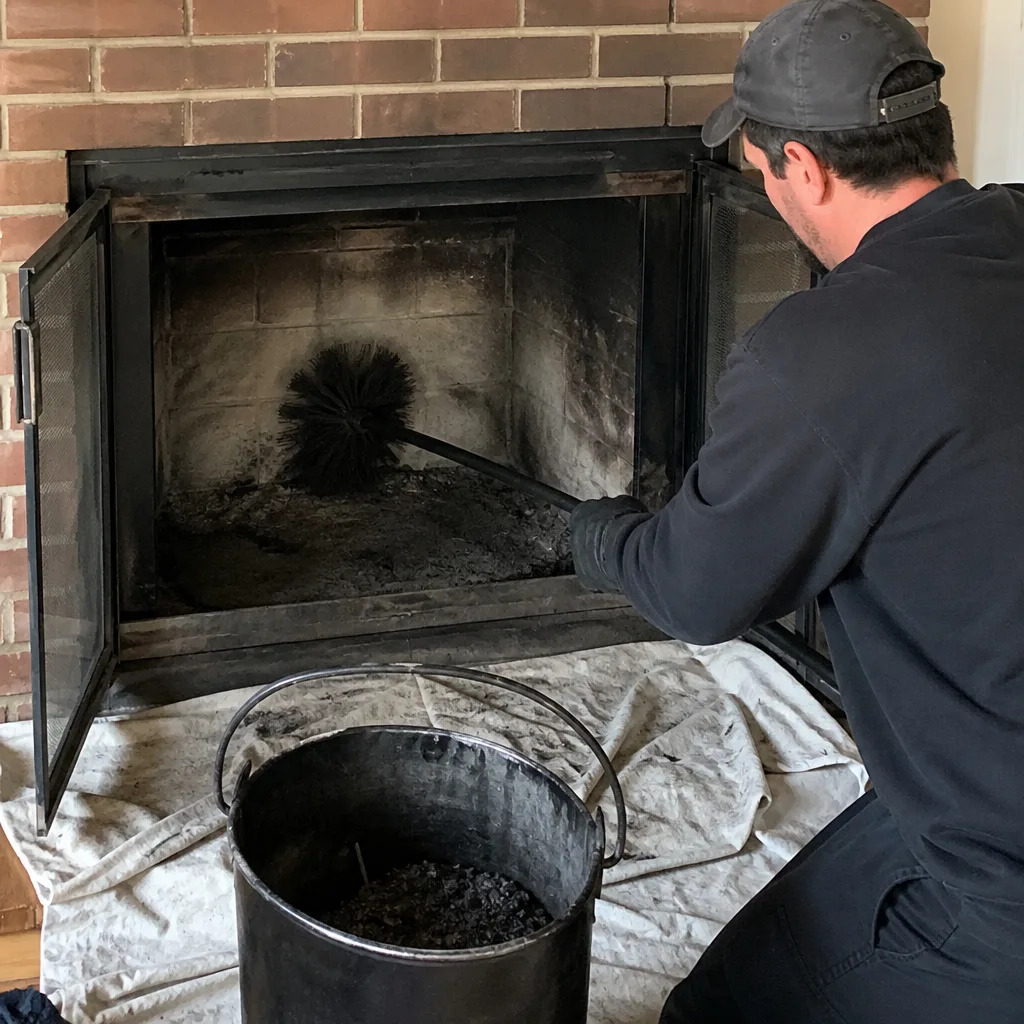
Chimney sweep logs do not sweep chimneys. They loosen some creosote - which then falls where a brush and vacuum still have to collect it.
 Before
 After
After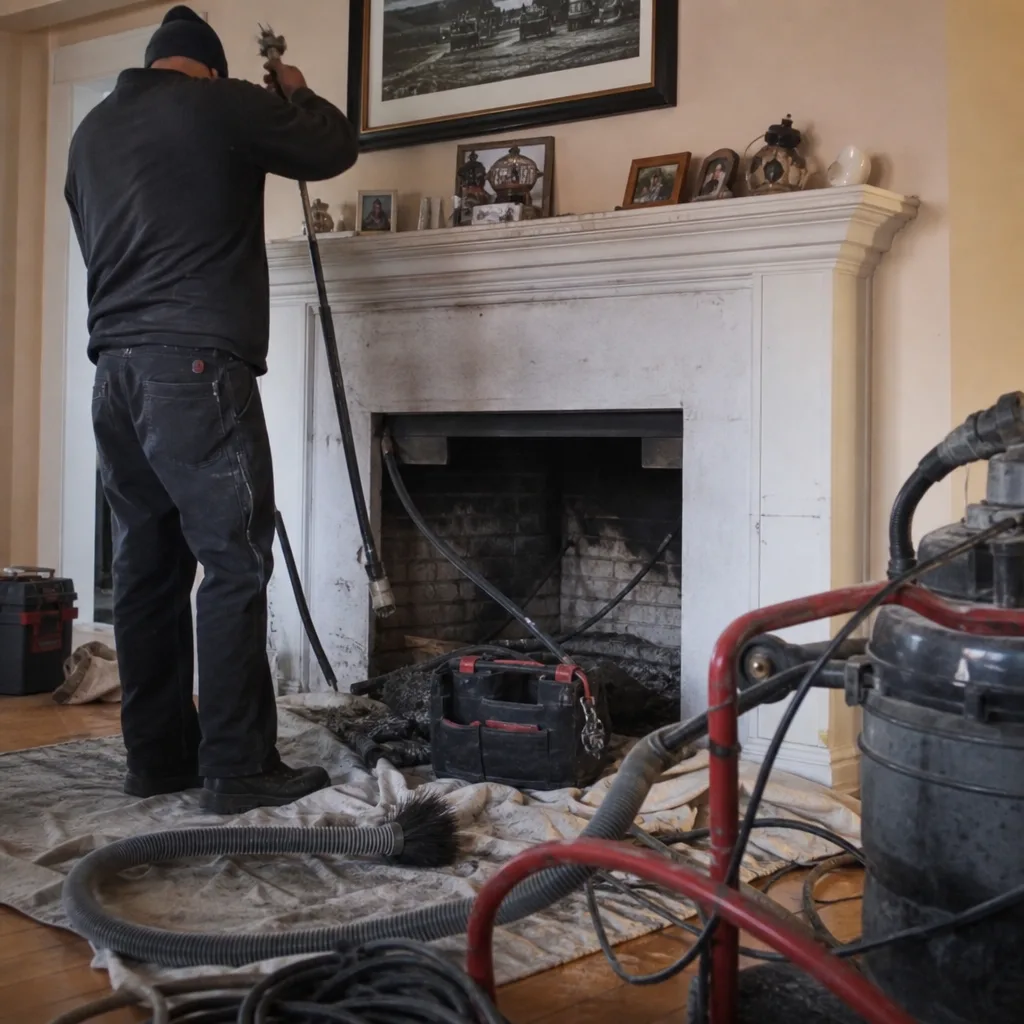 Before
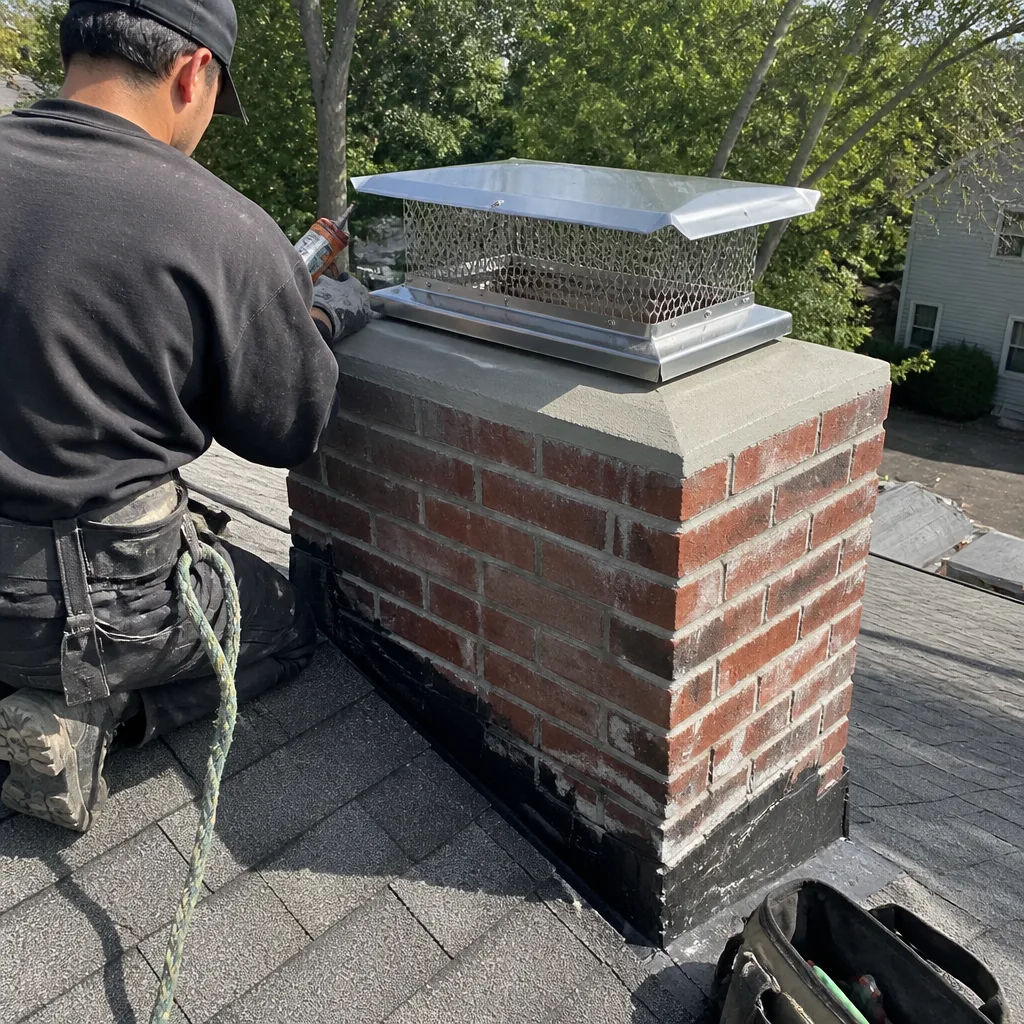 After
After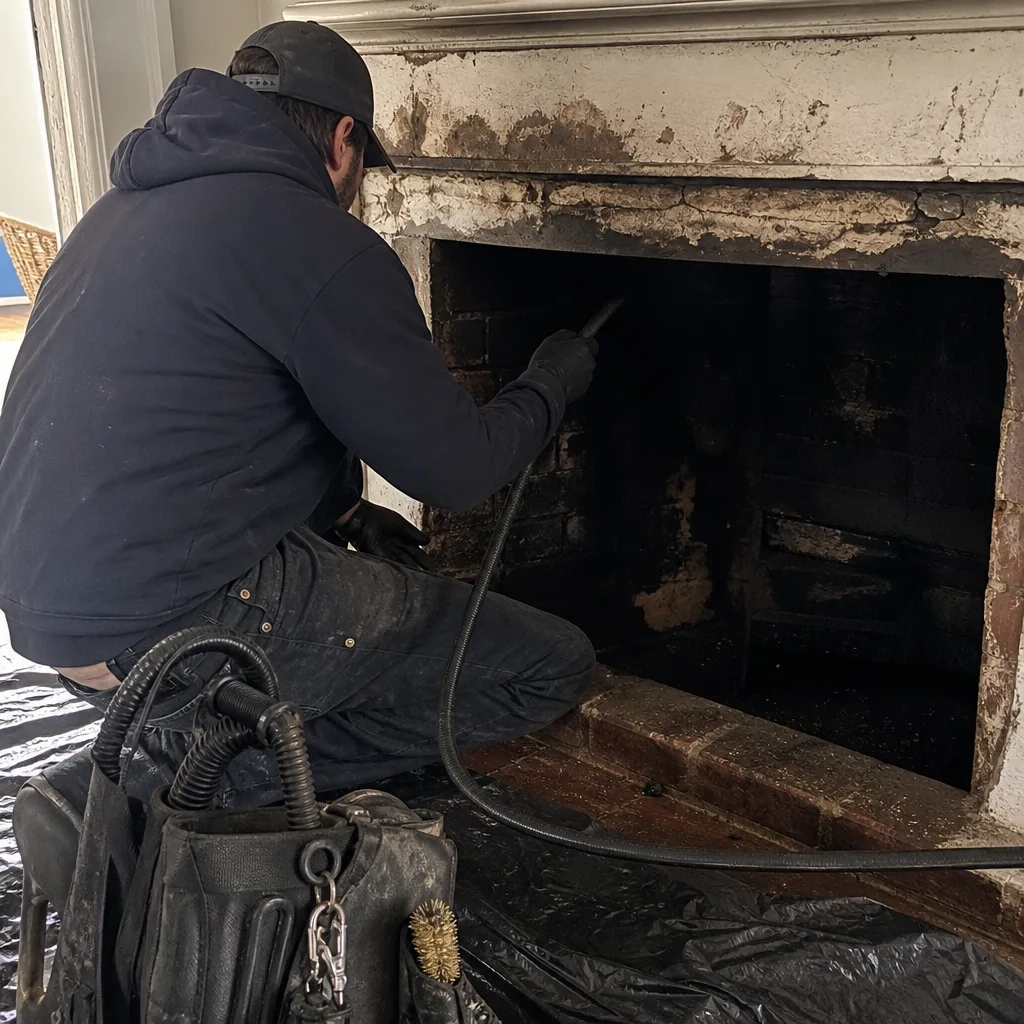 Before
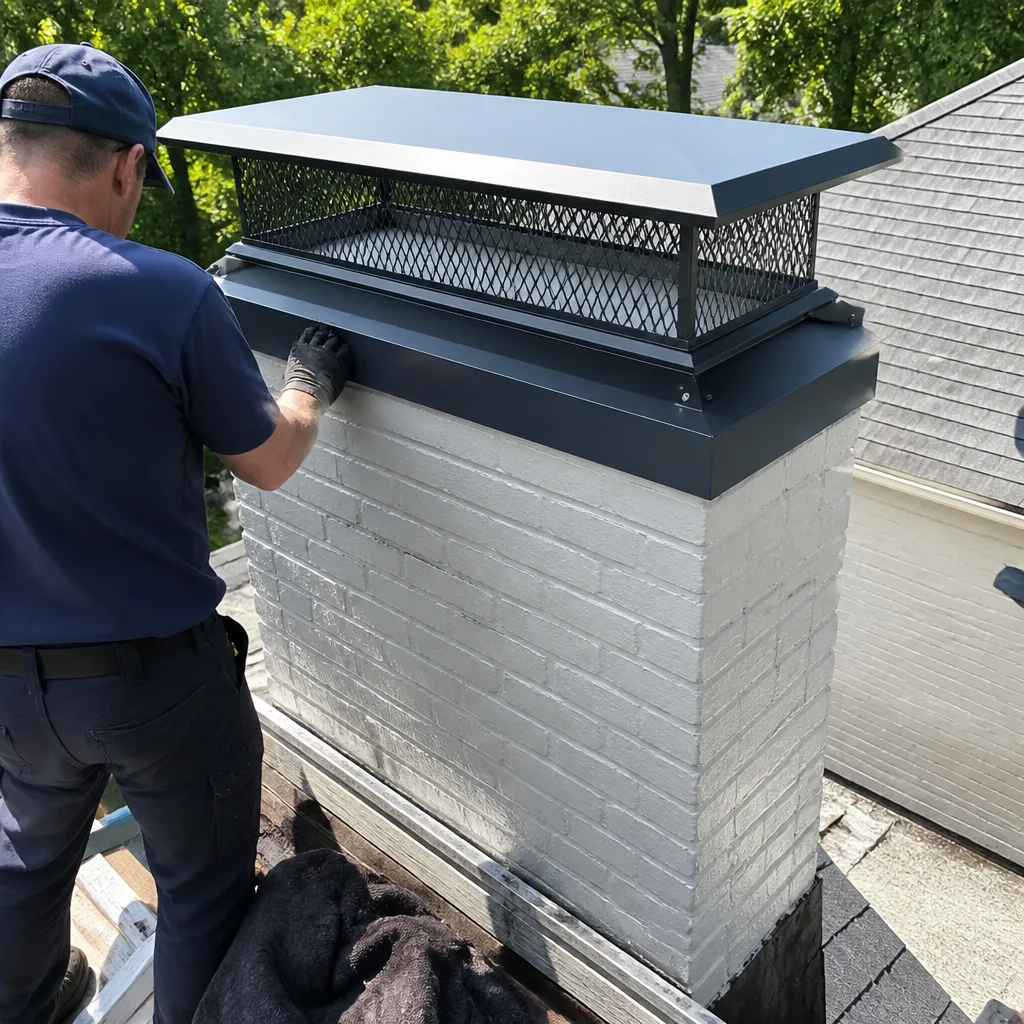 After
AfterDuraFlex Flue Liner Replacement: The New York Owner’s Guide
We stock and install DuraFlex-compatible flue liner replacement components across New York, with typical installed prices running $1,850 to $3,200 depending on flue height, diameter, and access. We keep the most common DuraFlex 316L alloy liner sections, connectors, and top plates on our trucks, so a straightforward swap is often done the same day we inspect. Most New York owners discover the problem when a camera scan shows a separation at a connector or a crack that was invisible from the roofline.
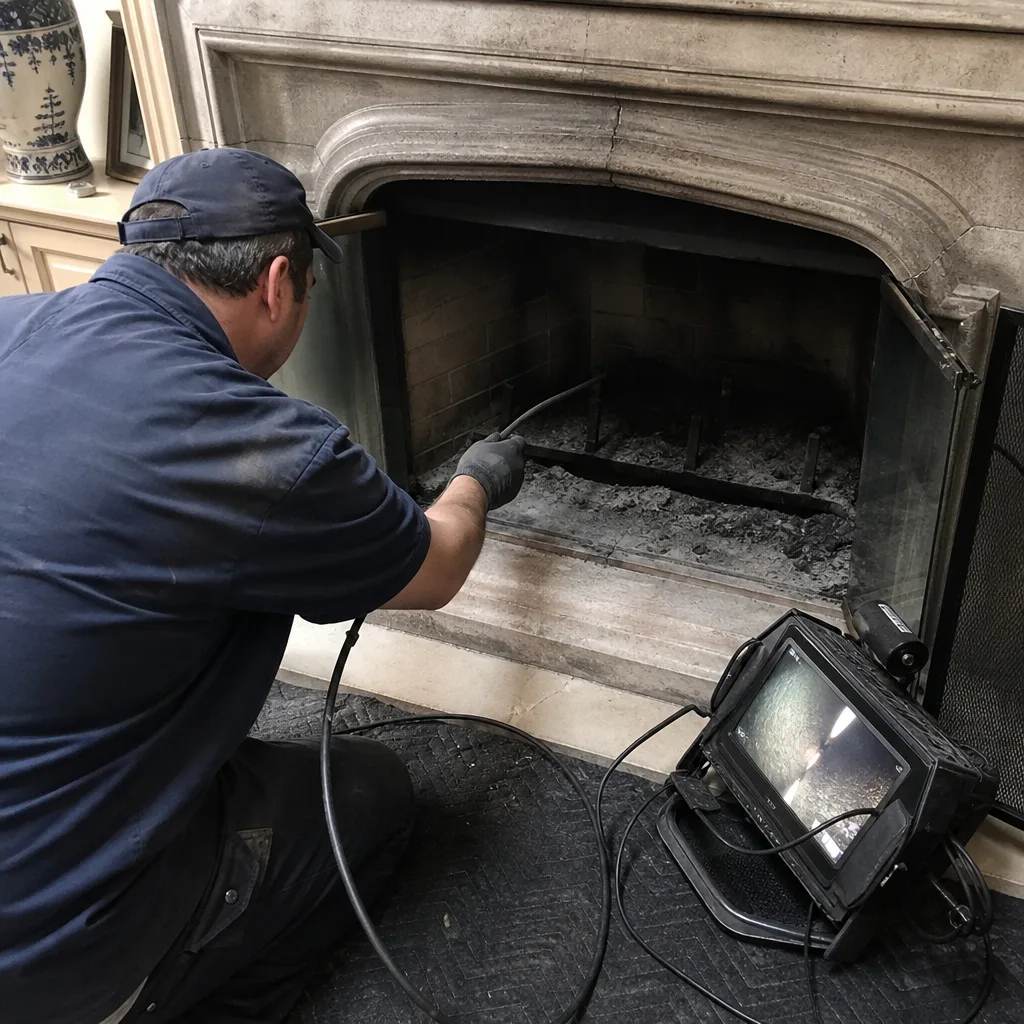
You’ll usually hear the failure before you see it. A rattling flue liner in wind, a whiff of smoke in a room that never used to happen, or a boiler that’s suddenly throwing draft codes. Sometimes it’s the chimney sweep who finds it during a routine Level 2 inspection: a seam that’s opened up, a liner section that’s collapsed into the smoke chamber, or corrosion that’s eaten through from years of burning wet wood. We do not sell DuraFlex liners to homeowners for self-install, and we’re not a DuraFlex distributor. We’re an independent New York chimney service company that works with DuraFlex-compatible liner systems daily.
Which DuraFlex Models This Applies To
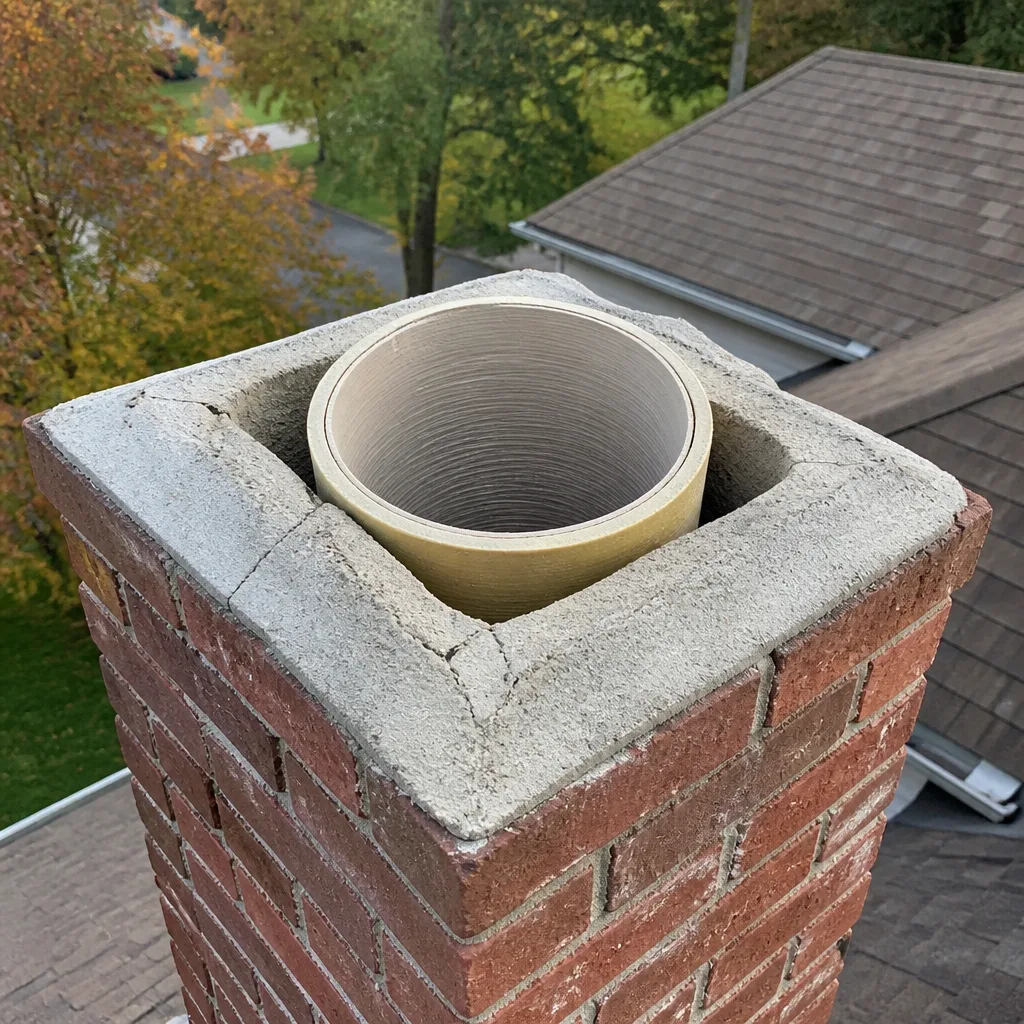
DuraFlex makes two main liner families, and the replacement path depends on which one you have. The 316L alloy smooth-wall liner is used most often for gas appliances and fireplaces, and the corrugated 316L or AL29-4C series handles high-efficiency furnaces and boilers. Within each family, diameters run from 4 to 12 inches, and the connector length, top plate, rain cap, and appliance connector have to be matched to the exact liner diameter and wall profile.
The fastest way to confirm compatibility is to look at the liner tag at the top of the flue or on the appliance connector. If that tag is gone, which happens often after a few New York winters, we confirm with a set of calipers and a camera pass. Not all “stainless” liners are the same alloy, and a 316L DuraFlex section won’t weld properly to a thinner 430-grade liner from another maker. Aftermarket DuraFlex-pattern components are available from a handful of manufacturers, and we stock what we’ve found to be the most consistent options. OEM DuraFlex parts are best when the existing liner is less than eight years old and only one section failed. If the liner is older or has multiple failing areas, replacing the full run is usually cheaper than patching piecemeal.
Signs Your DuraFlex Flue Liner Replacement Is Failing
- Rattling or metallic ticking from the chimney when wind picks up. This usually means a connector has separated and the liner is moving inside the flue. The liner should sit tensioned; when it rattles, something has come loose.
- Smoke or a faint gas smell in rooms near the fireplace or boiler. That’s backdrafting or leakage through a breach in the liner wall, and it’s a sign the liner isn’t carrying combustion gases out the way it should. Treat it as an active defect.
- White or brown staining on the interior chimney wall near the appliance. Condensation and combustion byproducts leaking through a compromised liner leave a visible residue. It often shows up in the basement near the boiler or behind a fireplace surround on the first floor.
- Rust flakes or metallic debris at the cleanout door. A failing liner sheds material. We find small piles of corroded metal at the base of the flue more often than people expect, and it’s a reliable early marker.
- Appliance efficiency or draft complaints. A boiler or furnace that’s short-cycling, a fireplace that’s smoky even after the flue is open, or a persistent smell of combustion gases are usually mechanical draft problems, not seasonal weather.
BeforeAfterReplacement Cost & What’s Included
In New York, a DuraFlex flue liner replacement installed generally runs $1,850 to $3,200 for a typical 15 to 35-foot flue, with the final number depending on flue diameter, roof access, whether we’re replacing the rain cap and top plate, and how much of the old liner has to be pulled before the new one goes in. Two-story New York rowhouses and brownstones, where roof access means ladders and sometimes a rooftop hatch, land at the upper end. Single-story homes in Staten Island or Queens with straightforward roof access come in lower.
Every estimate we give is written and includes the liner material, connector, top plate, labor, and the camera-scan verification we run after the install. We hand you a written price before any work starts, with the scope listed line by line, per Haven Standard Clause 1. The installed work is covered by the 365-Day Done Right Promise, and the liner itself carries the manufacturer’s warranty, which we register in your name.
DIY or Call Us?
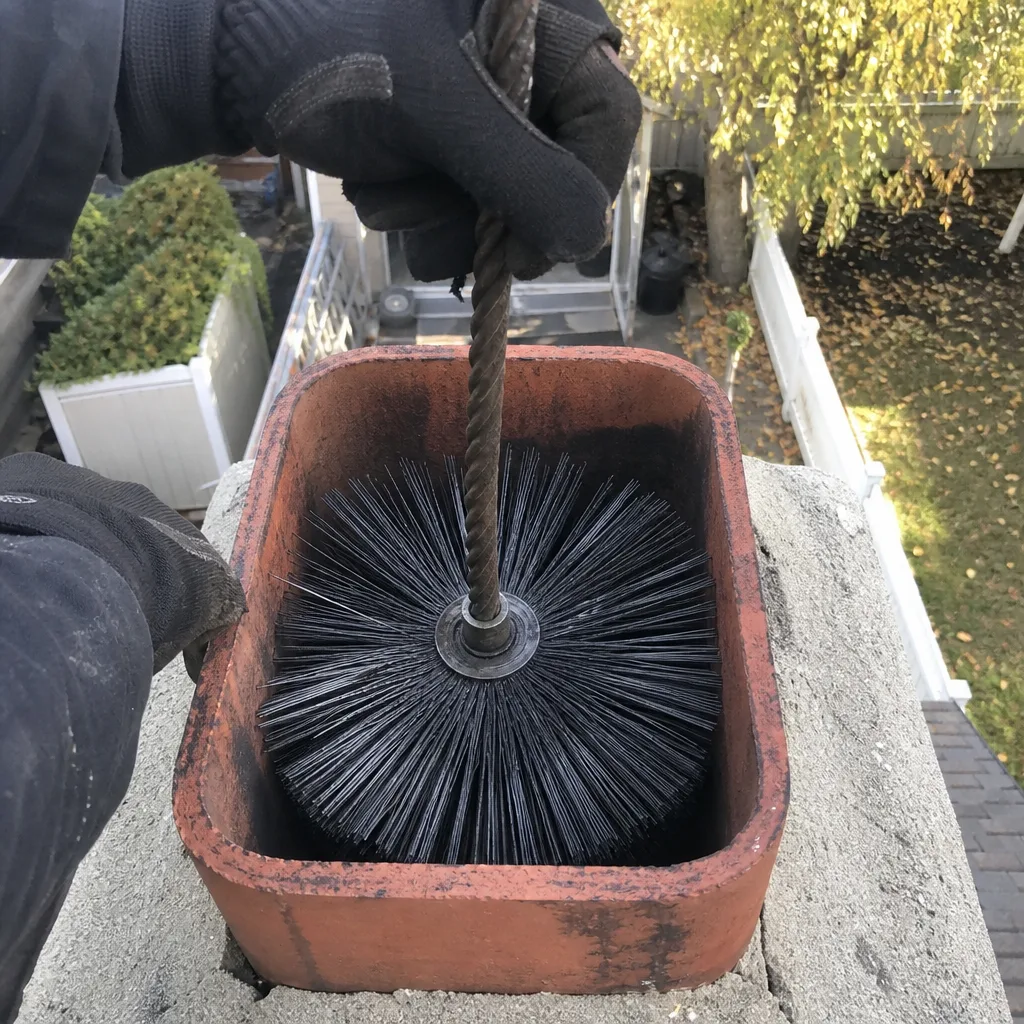
You can safely check one thing without getting on a ladder: look at the cleanout door at the base of the chimney and see if there’s metallic debris or rust. That’s your early warning. If you see debris, or if you’ve noticed rattling or smoke smell, the liner needs a camera inspection, not a hands-on repair.
Flue liner replacement means working on the roof or from the top of the flue feeding a flexible liner down through a masonry chimney. That’s not a weekend project. A liner that binds halfway down, a connector that separates during install, or a wrong-alloy match turns an afternoon into a hazard. This is one of those jobs where the camera doesn’t argue with you, and neither does the price sheet. We’ll show you what’s wrong on the screen and give you a written number before you decide anything. Call (551) 213-5548 if you suspect a liner failure or want a second opinion on an estimate another New York contractor gave you.
FAQs
A properly installed DuraFlex 316L liner in a New York chimney typically lasts 15 to 25 years, but gas appliance liners can fail in 10 to 12 when the appliance is oversized for the flue or condensation sits in the liner. The liner’s actual condition matters more than its age, which is why we document every inspection with camera footage. If you’re at year 12 or 14 and seeing rust at the cleanout, don’t wait for a full failure. Call (551) 213-5548 and we’ll put a camera down the flue and tell you what’s actually there.
A single failed connector or a short damaged section can sometimes be repaired, especially if the liner is recent and the rest of the run is clean. What can’t be repaired is corrosion that has eaten through multiple sections or a liner that has separated in enough places that the whole run has lost tension. We’ll show you the camera footage before recommending either path, and we won’t recommend a replacement when a repair is enough. If you have a written quote from another New York company, bring it in and we’ll give you a free second opinion.
A straightforward DuraFlex flue liner replacement in New York takes 3 to 5 hours, including removing the old liner, pulling the new one, securing the top plate and cap, and doing the camera verification. Two-story flues, difficult roof access, or a collapsed liner that has to be pulled in pieces can push that to a full day. We’ll give you a time estimate in writing when we quote the job.
We stock the most common DuraFlex 316L liner diameters, connectors, top plates, and rain caps on the truck, and we can source uncommon sizes and the AL29-4C high-efficiency series within one to two business days through our materials network. We also work with HeatShield and Gelco components when a partial repair is a better fit than a full replacement. Call (551) 213-5548 and we’ll tell you what we have, what we can get, and what it costs.
Written by Corrine Halstead, Owner, Level Two Chimney New York at Level Two Chimney New York, serving New York and nearby areas.