
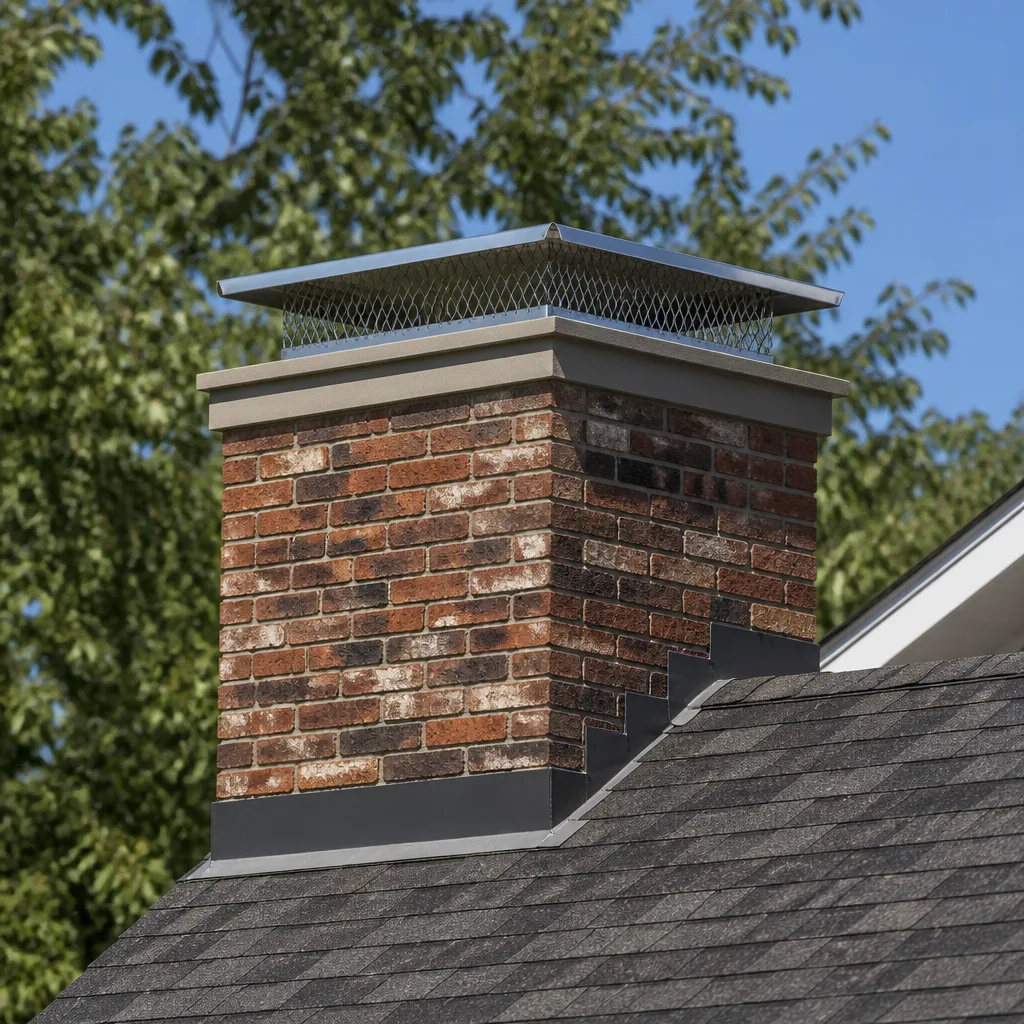
Level 1 sweep and inspection to the NFPA 211 annual standard - flue, crown, cap, and flashing checked and photographed
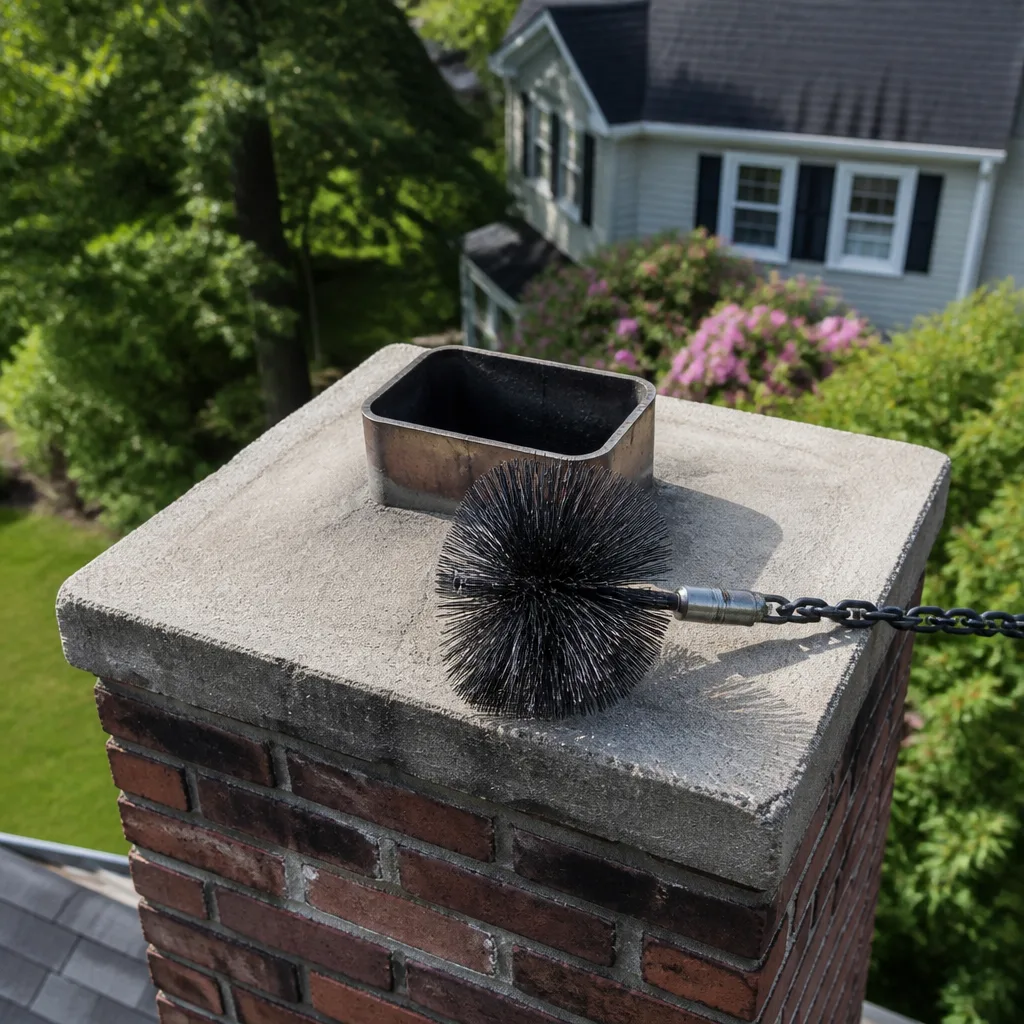
Chimney sweep logs do not sweep chimneys. They loosen some creosote - which then falls where a brush and vacuum still have to collect it.
 Before
 After
After Before
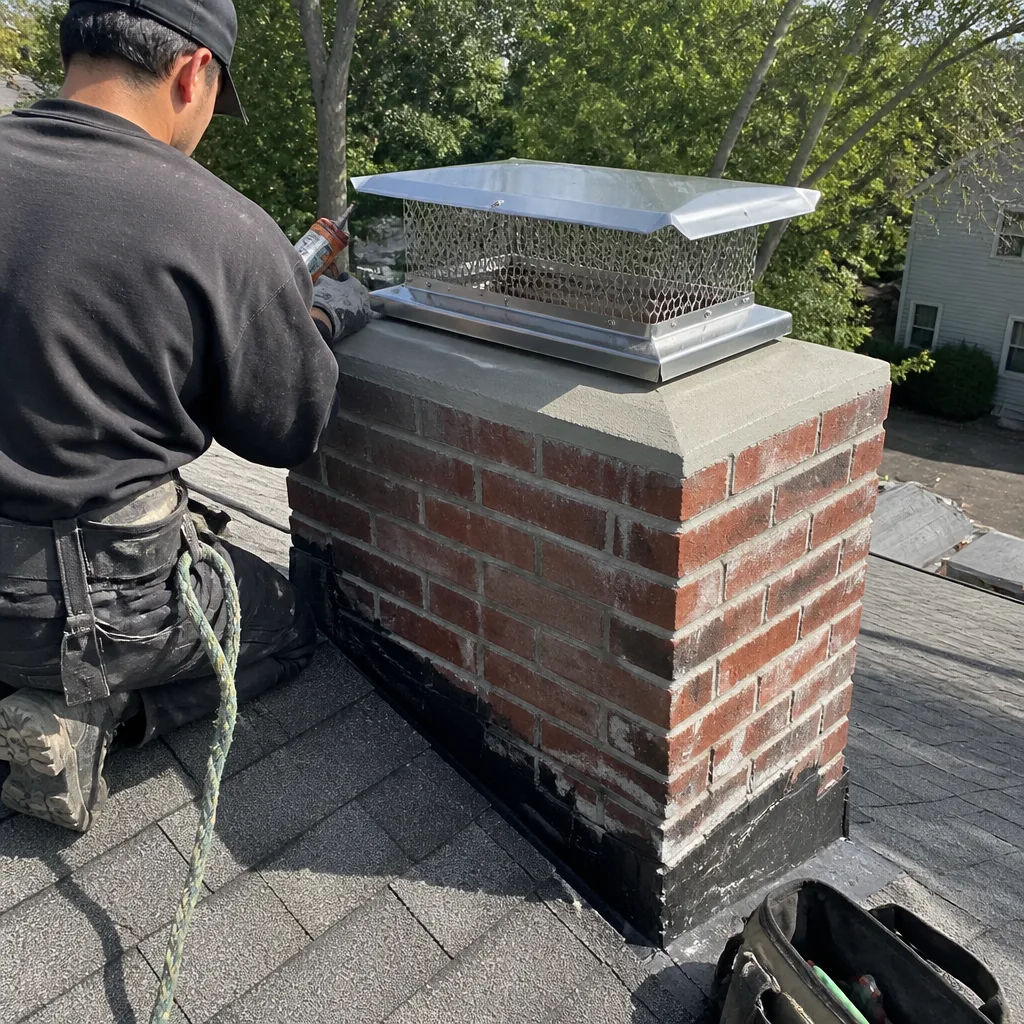 After
After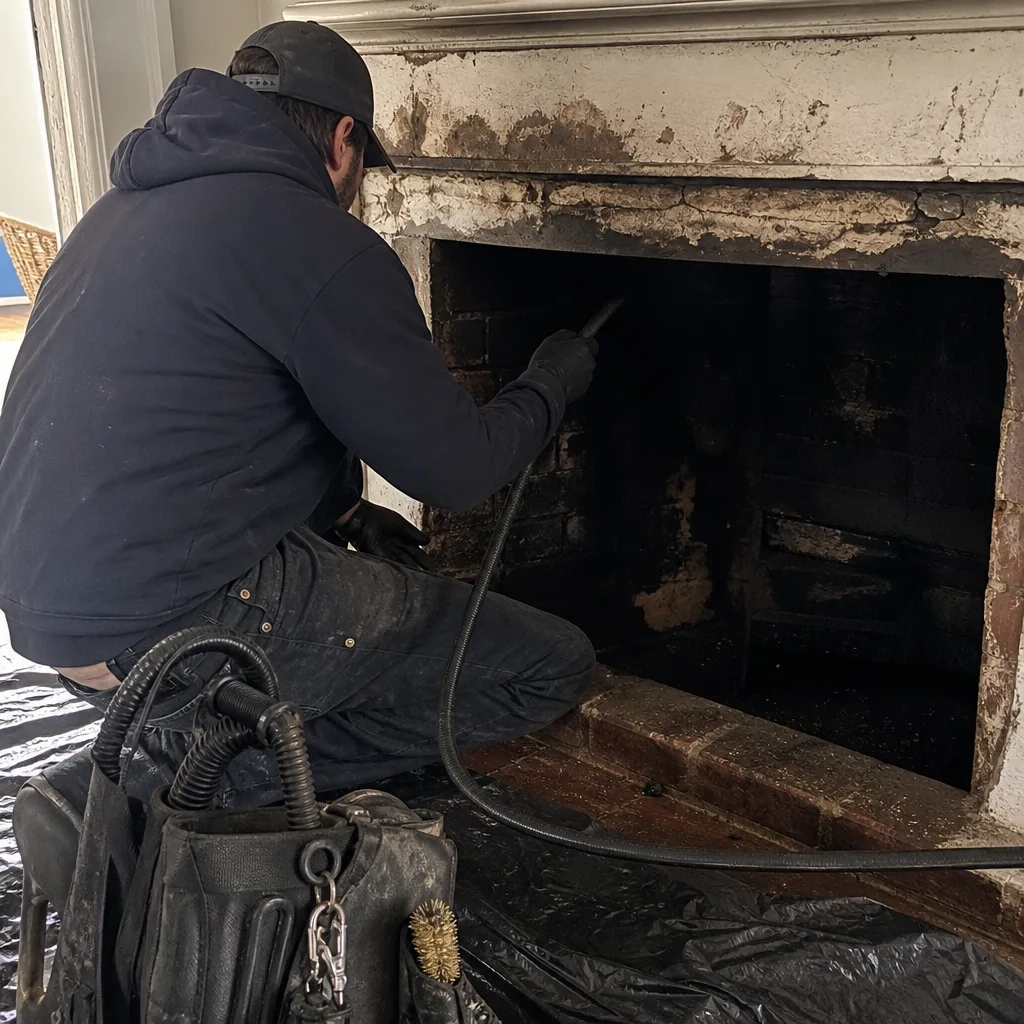 Before
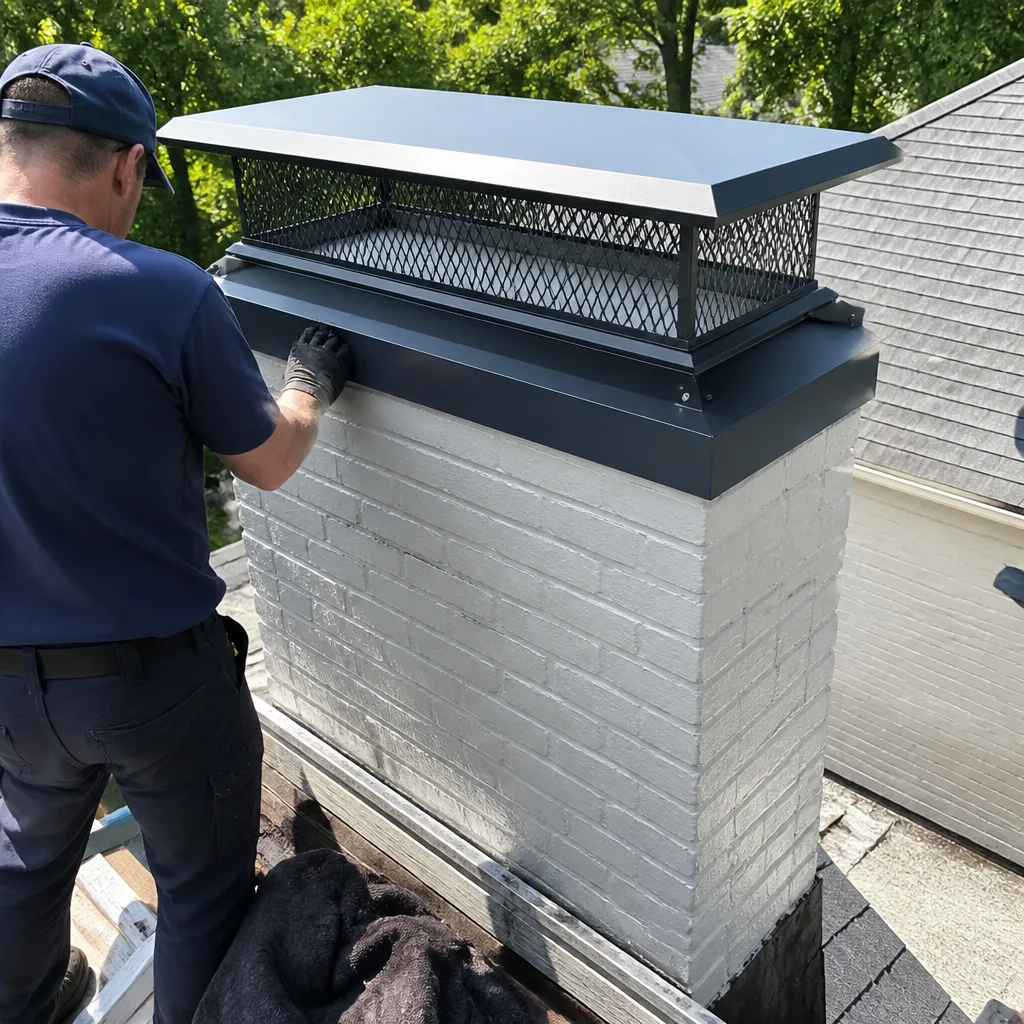 After
AfterHeatShield Chimney Liner & Rebuild in New York: What to Know First
HeatShield chimney liner repair and rebuild in New York typically runs $1,800 to $6,500 depending on whether we’re resurfacing a single flue or rebuilding the top section of the chimney, and most jobs are completed in one to two days once materials are on hand. We’re an independent HeatShield service provider, not a factory-authorized shop, which means we make parts decisions based on what the camera shows us, not what a manufacturer’s program tells us to sell. If you own a home in New York with a HeatShield liner that’s spalling, cracked, or pulling away from the flue wall, call (551) 213-5548 and we’ll get a camera down the flue, show you the footage, and hand you a written price before any work starts.
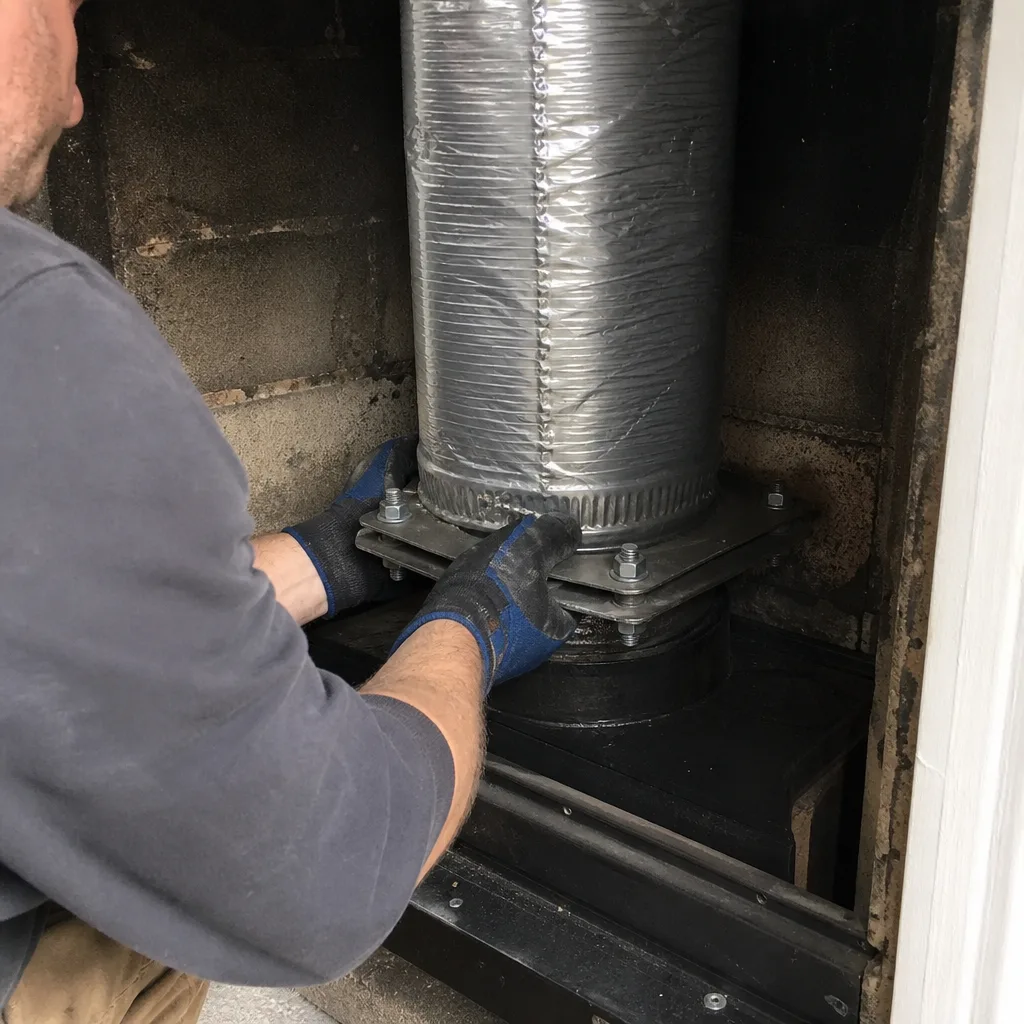
This page is for homeowners who already know their liner was treated with HeatShield or suspect it based on a previous inspection report. If you’re not sure what’s in your flue, start with that call, we’ll tell you what we find.
How HeatShield Products Fail - and How We Fix Them
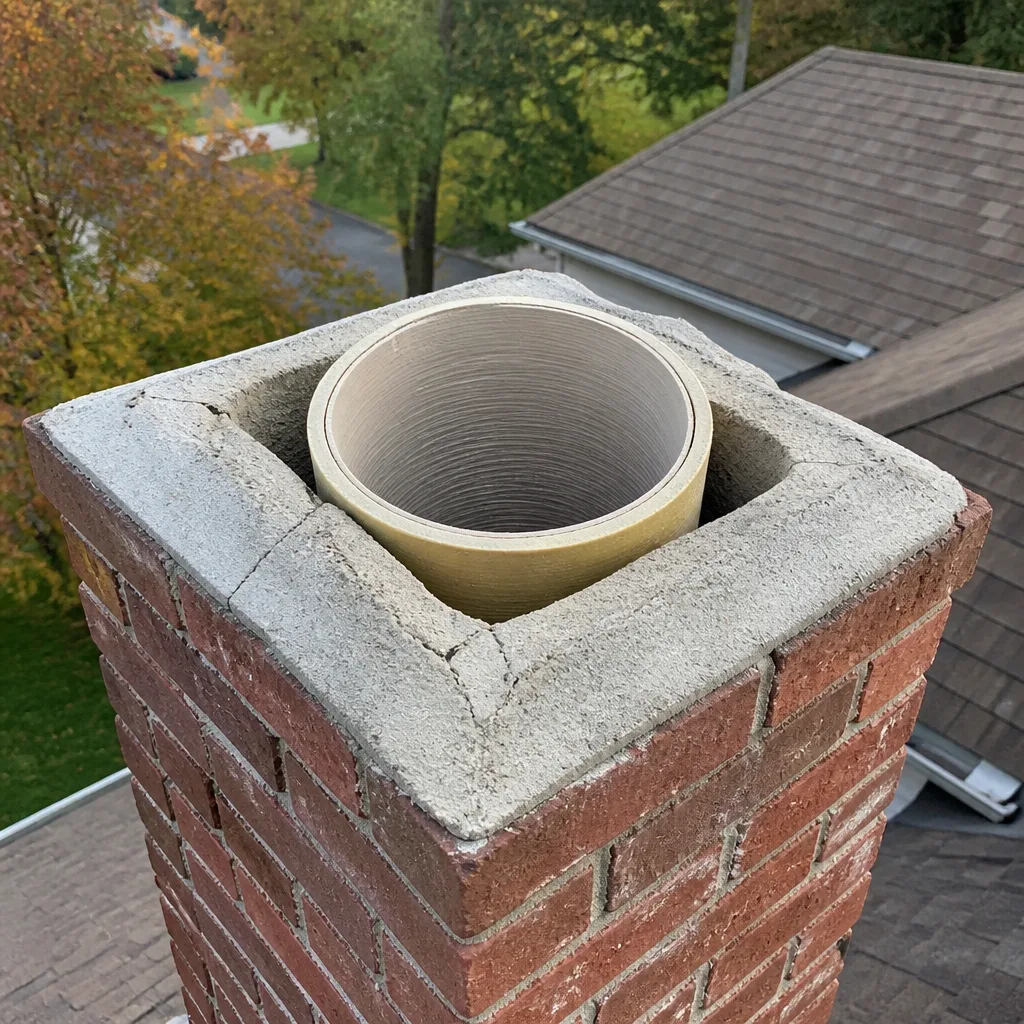
HeatShield is a cerfractory flue sealant, a cementitious material applied to the inside of an existing clay tile liner rather than a standalone liner system. In New York, where freeze-thaw cycles run from November through March, the material’s bond to the clay tile is the first thing to go. Here’s what we see on HeatShield jobs across the five boroughs and into Westchester and Nassau:
- Bond separation at the mortar joints. The HeatShield material adheres well to clean clay tile but poorly to old, crumbling mortar. When the mortar between tiles erodes, the HeatShield surface loses its anchor and begins to flake. We fix this by removing loose material, rebuilding the joint with a high-temp refractory mortar, and reapplying the sealant so it has a continuous surface to bond to.
- Spalling in the smoke chamber. HeatShield’s Smoketite and related products are rated for the flue, and when we see the material applied down into the smoke chamber, it often delaminates there first. The smoke chamber runs hotter and has more turbulent airflow than the flue above it. Our fix is to strip the failed material, parge the chamber properly, and leave the flue liner to do its job.
- Hairline cracking from thermal shock. A HeatShield liner that looked fine after a mild fall will sometimes show vertical cracks after a January cold snap followed by a hot fire. The ceramic material expands and contracts at a different rate than the clay tile behind it. When we see this, we don’t patch over it, we camera-scan the full run to determine whether the tile itself is still sound before deciding between a resurfacing pass or a liner replacement.
- Water infiltration at the crown. This is the most common HeatShield failure we diagnose in New York, and it has nothing to do with the material itself. A cracked crown lets water run down between the clay tile and the HeatShield surface, and freeze-thaw does the rest. We rebuild the crown with a proper overhang and drip edge, then address the liner.
- Flaking from improper original application. HeatShield requires the flue to be thoroughly cleaned and dried before application. When the original installer skipped that step, the material starts peeling within two or three seasons. We can tell this from the camera footage, flaking in sheets rather than cracking. The fix is a full resurfacing, this time done after a proper cleaning and drying cycle.
Corrine Halstead has been reading HeatShield failures on camera for years, including a stretch of brownstones near Prospect Park where water was getting behind the liner material on nearly every chimney she inspected. The pattern was always the same: crown failure above, delamination below.
Our HeatShield Chimney Liner & Rebuild Process
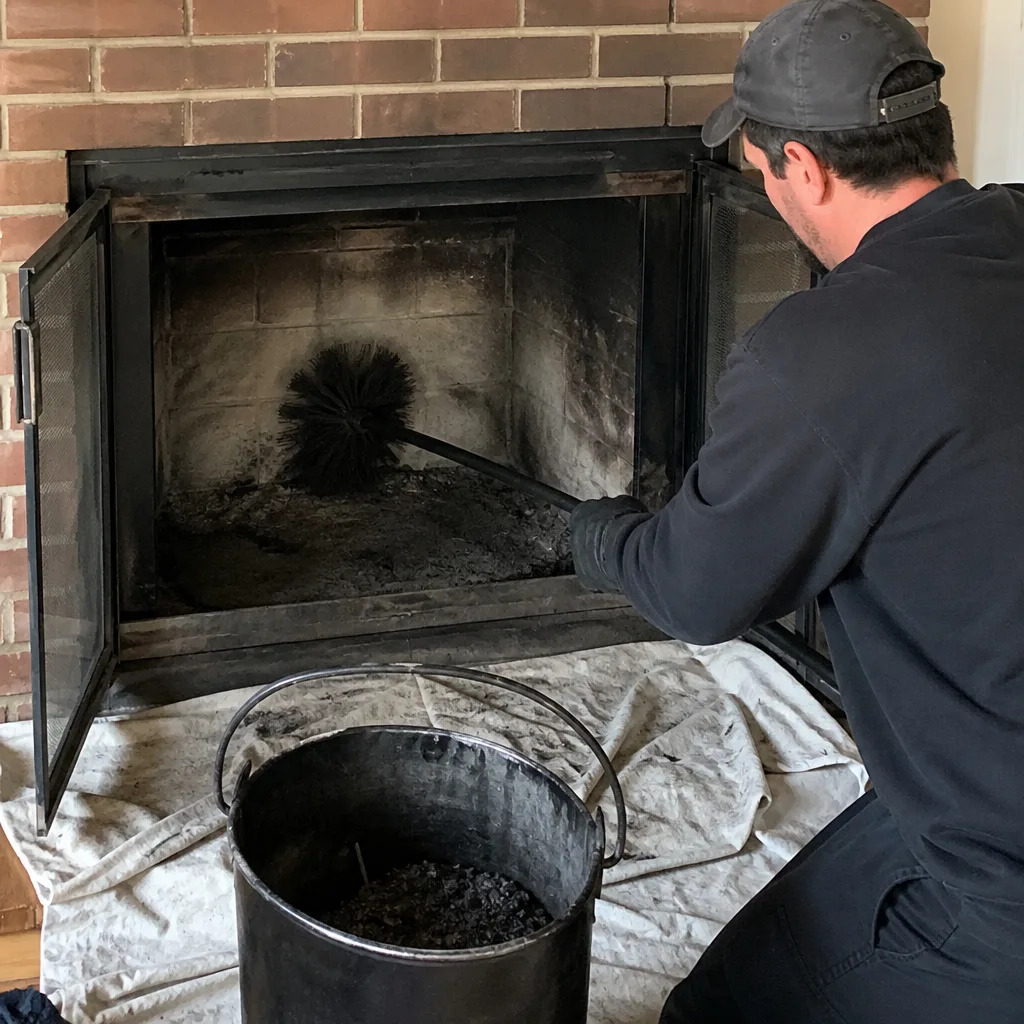
Every HeatShield job in New York follows the same sequence, and you’ll see documentation at each step:
- 1
Camera inspection first. We run a camera down the full flue and record the footage. You’ll see exactly what we see, whether that’s flaking HeatShield, cracked tile, or a clean liner that doesn’t need work yet.
- 2
Written scope and price. We write up what the flue needs, the materials we’ll use, and a fixed dollar amount. You approve it before we order anything.
- 3
Parts decision. For a HeatShield resurfacing, we use HeatShield’s cerfractory material. If the underlying tile has failed, we’ll tell you plainly and quote a stainless liner from DuraFlex or Gelco instead, because no resurfacing product can fix a structurally compromised clay tile.
- 4
Prep and repair. We clean the flue, remove loose material, rebuild any failed mortar joints or the crown if needed, and then apply the HeatShield material in the required temperature window.
- 5
Post-work camera verification. We run the camera again after the material cures and show you the finished surface. You get the before-and-after footage and a written warranty.
- 6
Written record. Every HeatShield job closes with a photo record under Clause 4 of the Haven Standard, the same standard we’ve worked to since 2009.
BeforeAfterWhat HeatShield Chimney Liner & Rebuild Costs in New York
Here’s what we quote for common HeatShield scenarios in New York, and these are real ranges we’ve written for jobs across the city:
- Single-flue HeatShield resurfacing: $1,800 to $3,200, depending on flue height and access.
- HeatShield removal and stainless liner replacement: $3,500 to $5,800, including the liner, top plate, and cap.
- Crown rebuild plus HeatShield repair: $2,800 to $4,500 when the crown failure is what caused the liner damage.
- Full chimney rebuild with new liner: $6,500 to $12,000 or more, and we’ll tell you if a rebuild is overkill, we don’t sell masonry work the chimney doesn’t need.
What moves the price is flue height, roof access, how much loose material needs to come out, and whether the crown is involved. Call (551) 213-5548 for a written estimate. It’s free, and you keep the camera footage either way.
Why New York Homeowners Call Level Two Chimney New York for HeatShield Work
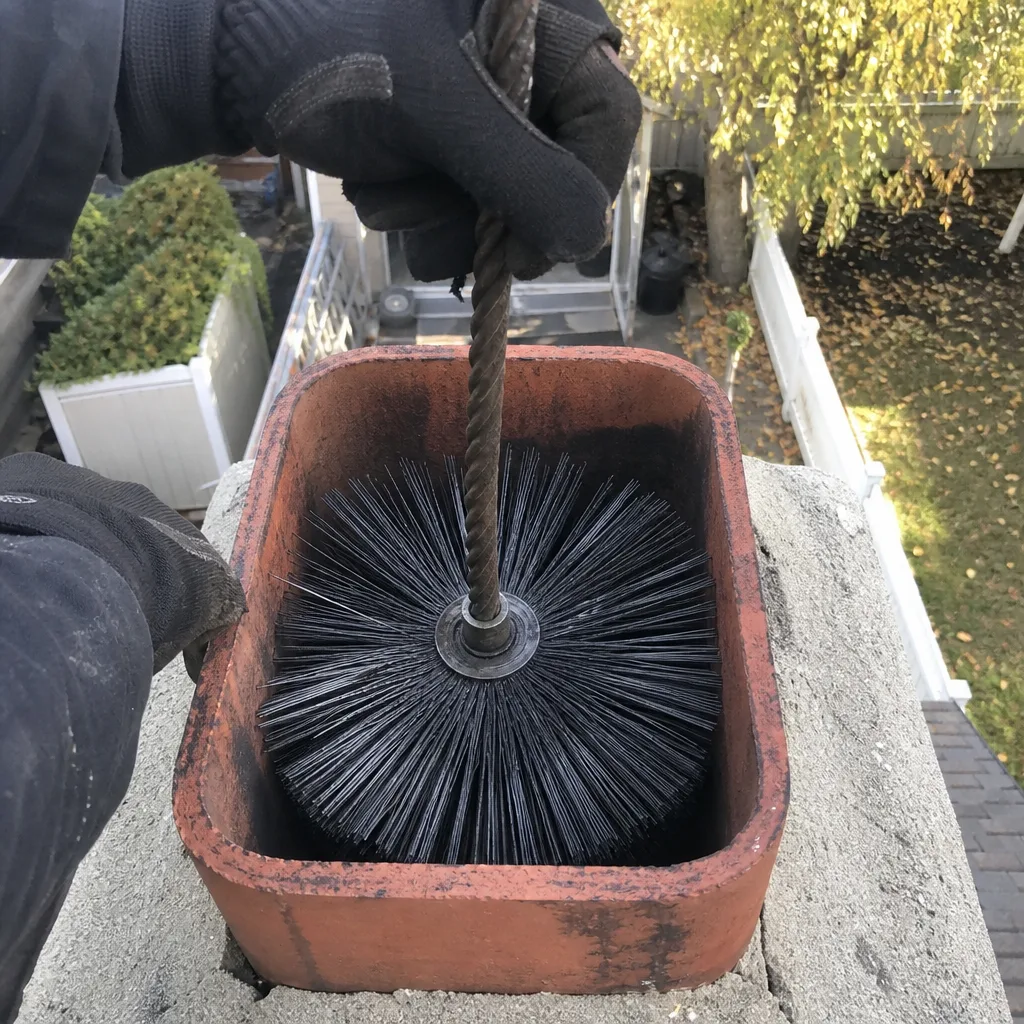
Most companies that touch a HeatShield liner in New York don’t carry a camera, or they charge extra for the scan. We’ve made a camera-scan inspection standard on every visit since 2009, which means you’ll see the flaking or the bond separation before you spend a dollar on repairs. Our techs work on HeatShield jobs regularly and also install DuraFlex and Gelco stainless liners, so when a resurfacing won’t hold, we’ll quote you the alternative instead of a third resurfacing attempt. Every job gets a written price, written scope, and written warranty before work starts, per Clause 1 of the Haven Standard. If it’s not done right within 365 days, we make it right. The camera doesn’t argue with you, and neither does the price sheet.
FAQs
The HeatShield warranty is typically a limited product warranty from the original installer, and in most New York homes we inspect, that installer is long gone. We’re an independent HeatShield service provider and don’t process warranty claims for the manufacturer, but we’ll give you written documentation of the existing condition so you can pursue it if you have the original paperwork. Call (551) 213-5548 and we’ll tell you what the camera shows before you spend time chasing a warranty.
It depends on what’s underneath. If the flaking material is the only problem and the clay tile behind it is still sound, a resurfacing pass usually works. If the tile itself is cracked or shifted, no HeatShield material will hold, and we’ll recommend a stainless liner from DuraFlex or Gelco instead. We’ll show you the camera footage so you can see the difference yourself.
In New York’s freeze-thaw climate, a properly applied HeatShield resurfacing over sound tile typically lasts 10 to 15 years. The crown above it is usually the deciding factor, if water keeps getting in, the liner fails early. That’s why we always inspect and quote the crown on any HeatShield job.
We schedule camera inspections across New York within a few days in most cases, and repairs are typically completed within one to two weeks once you’ve approved the written scope. Call (551) 213-5548 for the next available inspection slot.
Yes. We work with HeatShield, DuraFlex, and Gelco products, and we’ll recommend whichever one is right for the condition of your flue, not whichever one we have on the truck. The camera decides, and the written price follows.
If you own a home in New York with a HeatShield liner that’s showing age, call (551) 213-5548. We’ll schedule a camera inspection, show you what’s actually happening in the flue, and give you a written estimate that tells you exactly what the fix costs before any work begins.
Written by Corrine Halstead, Owner, Level Two Chimney New York at Level Two Chimney New York, serving New York and nearby areas.