
Level 1 sweep and inspection to the NFPA 211 annual standard - flue, crown, cap, and flashing checked and photographed
Chimney sweep logs do not sweep chimneys. They loosen some creosote - which then falls where a brush and vacuum still have to collect it.
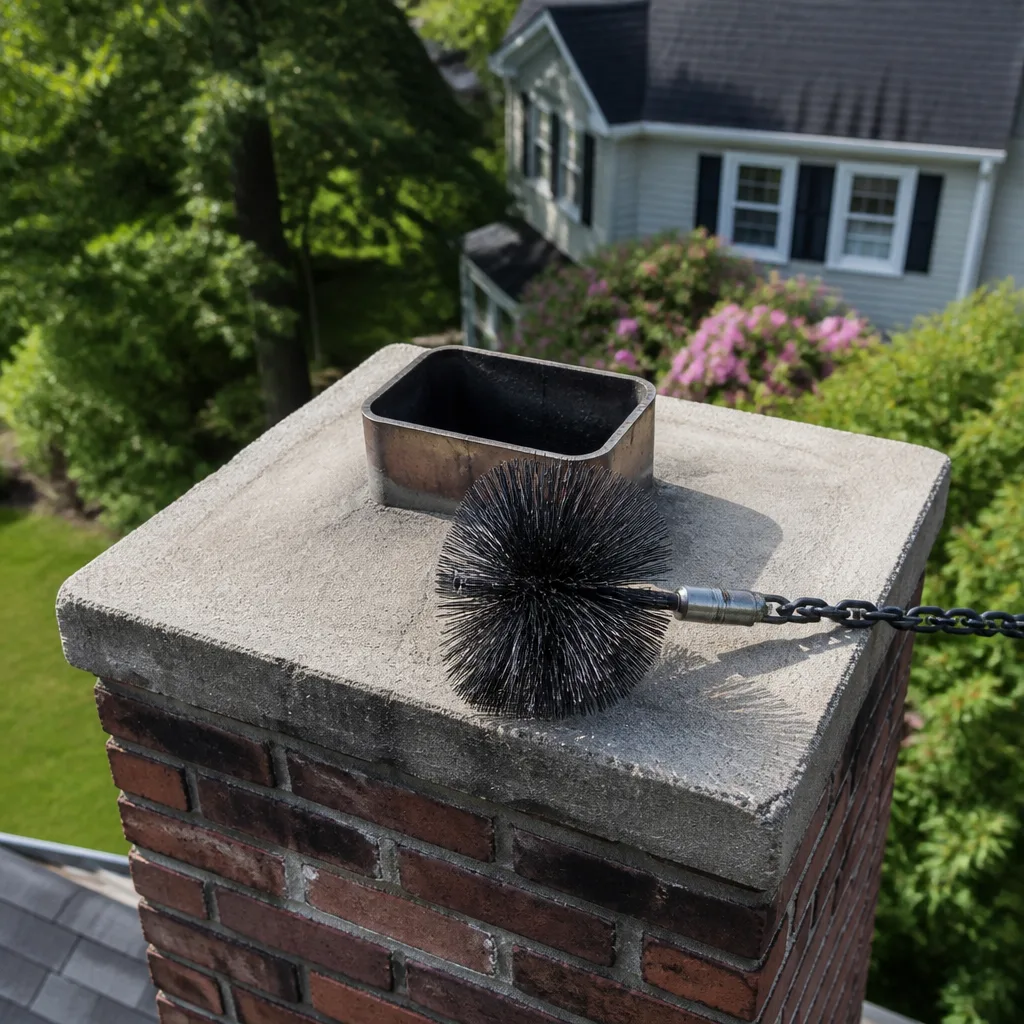
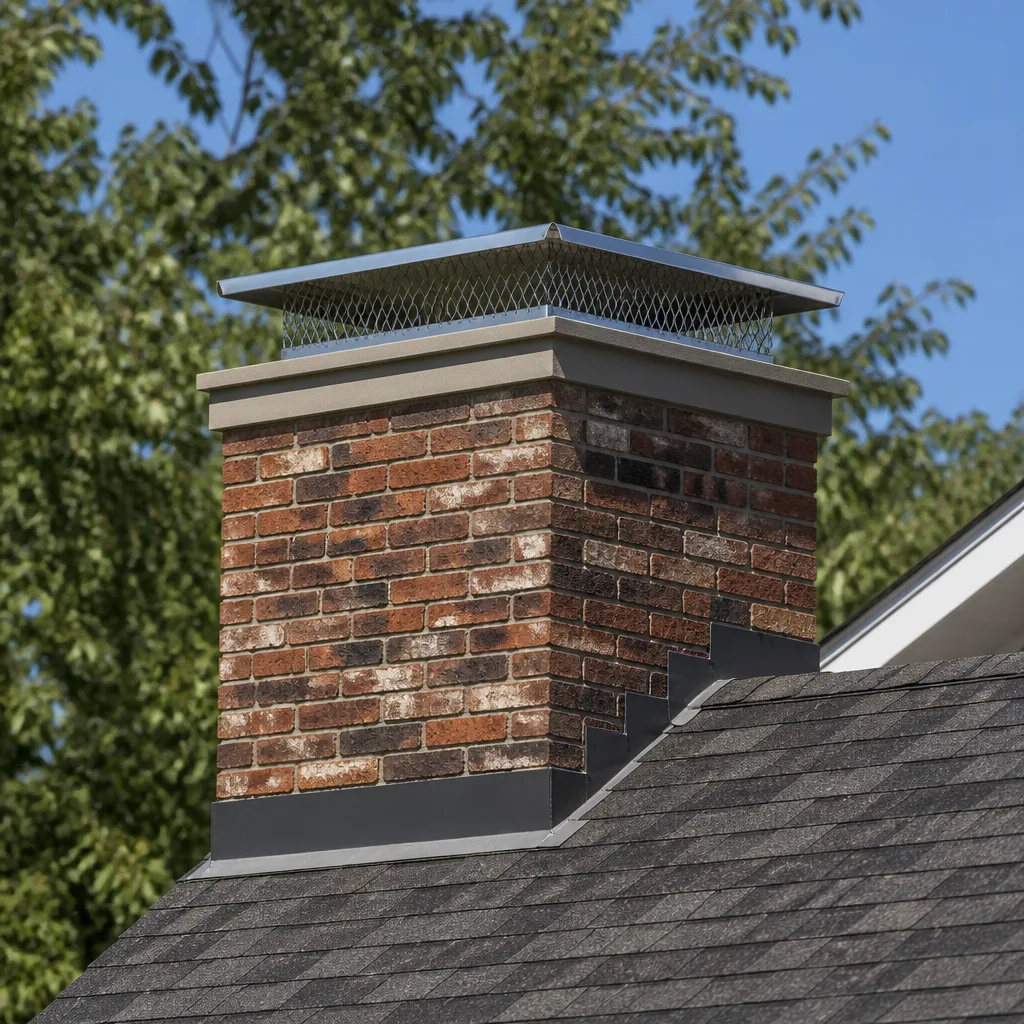
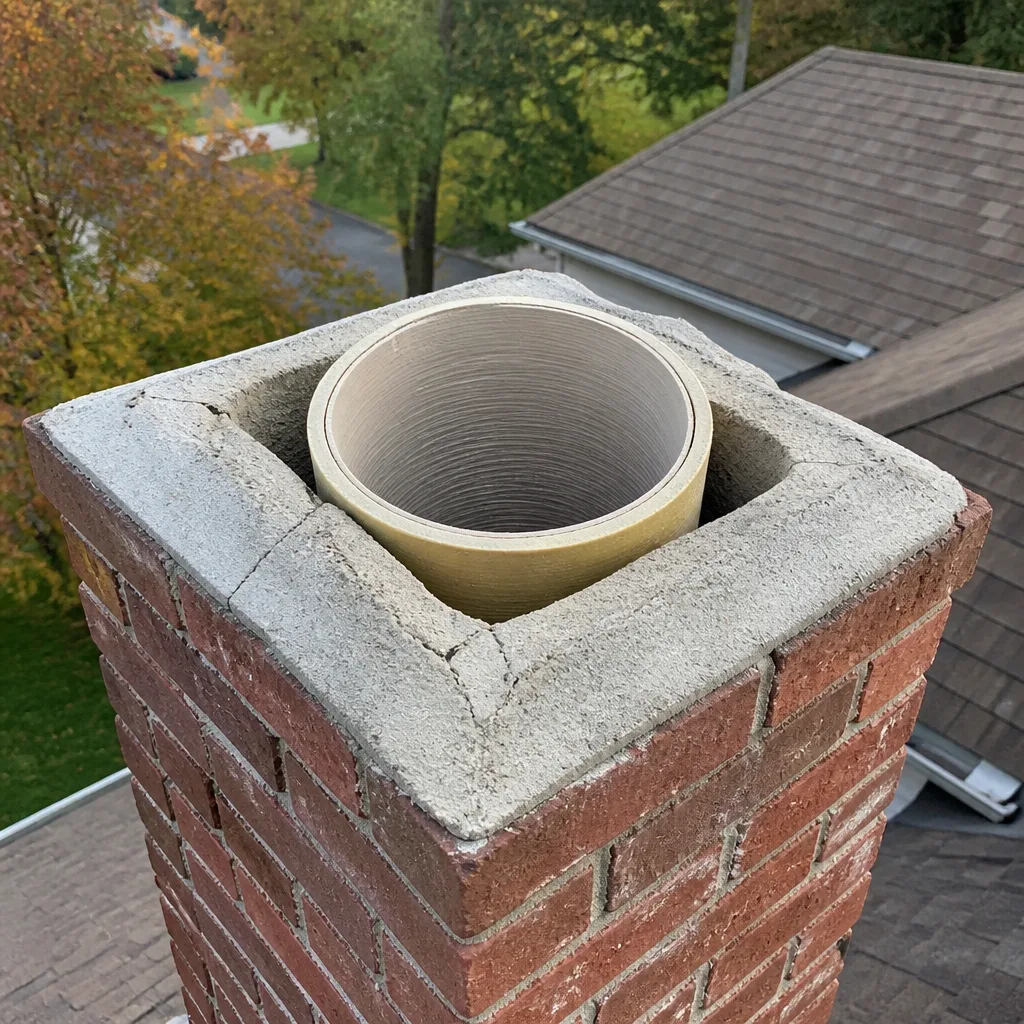
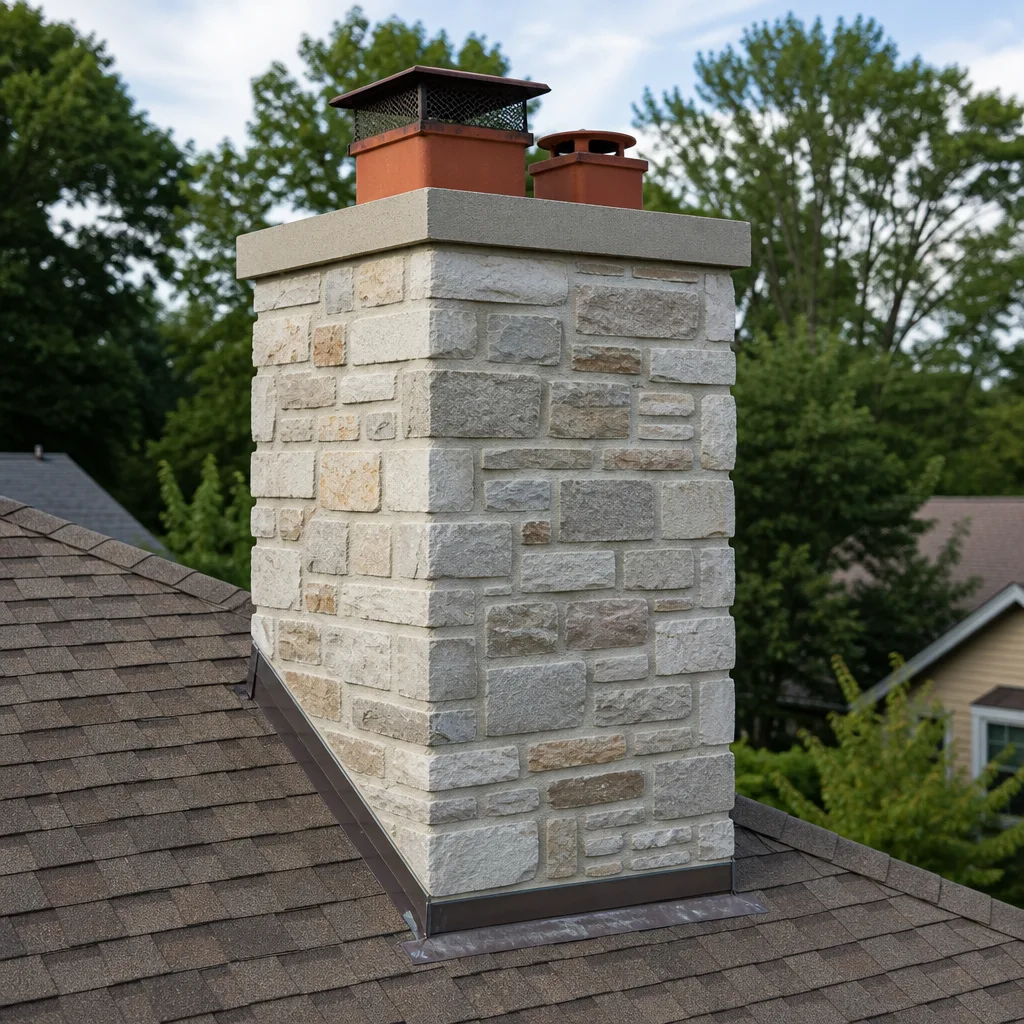
 Before
 After
After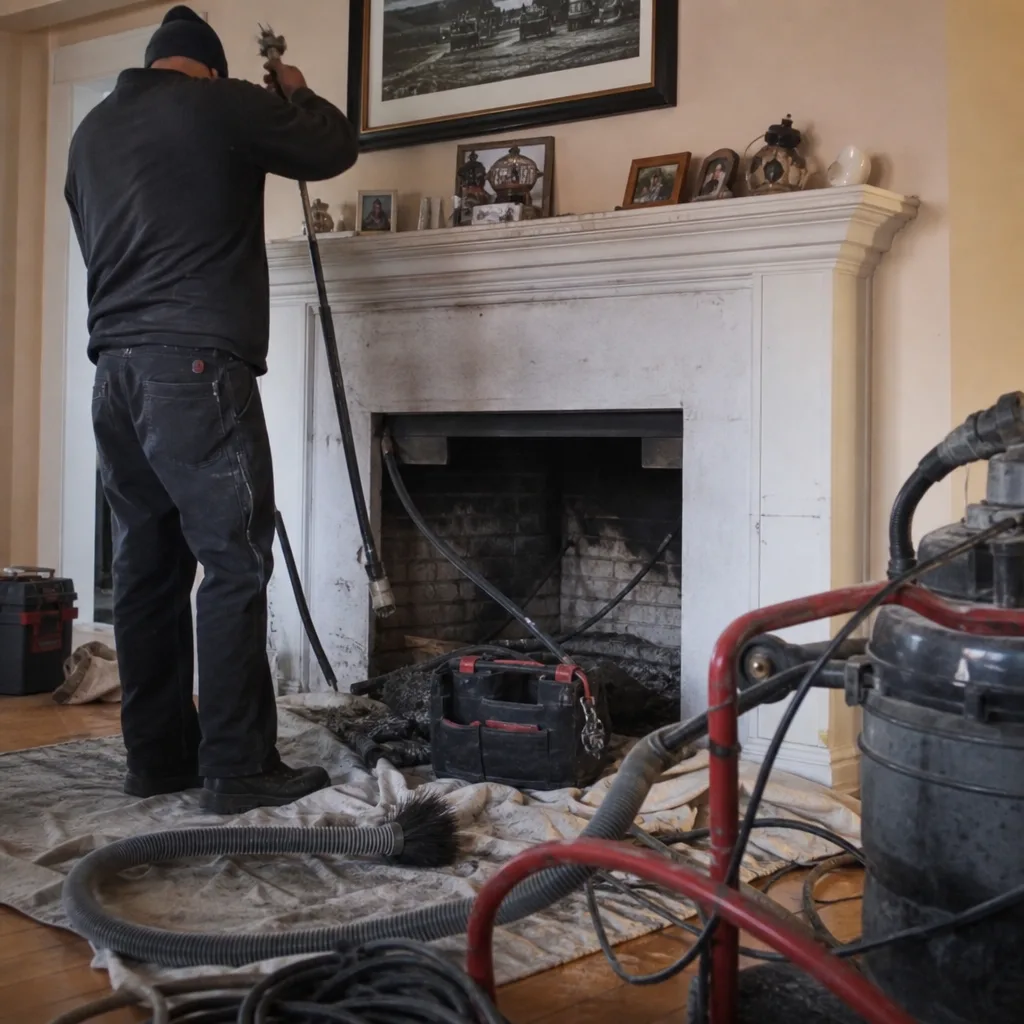 Before
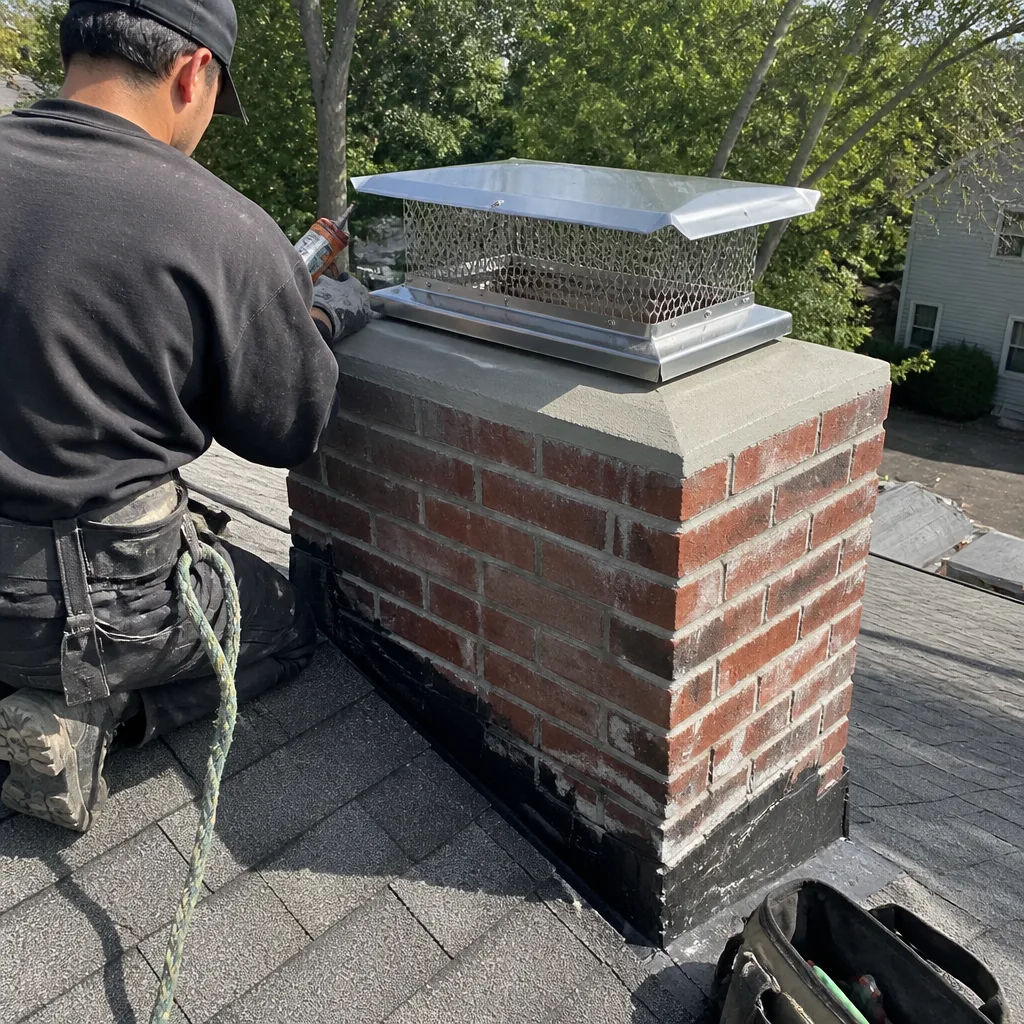 After
After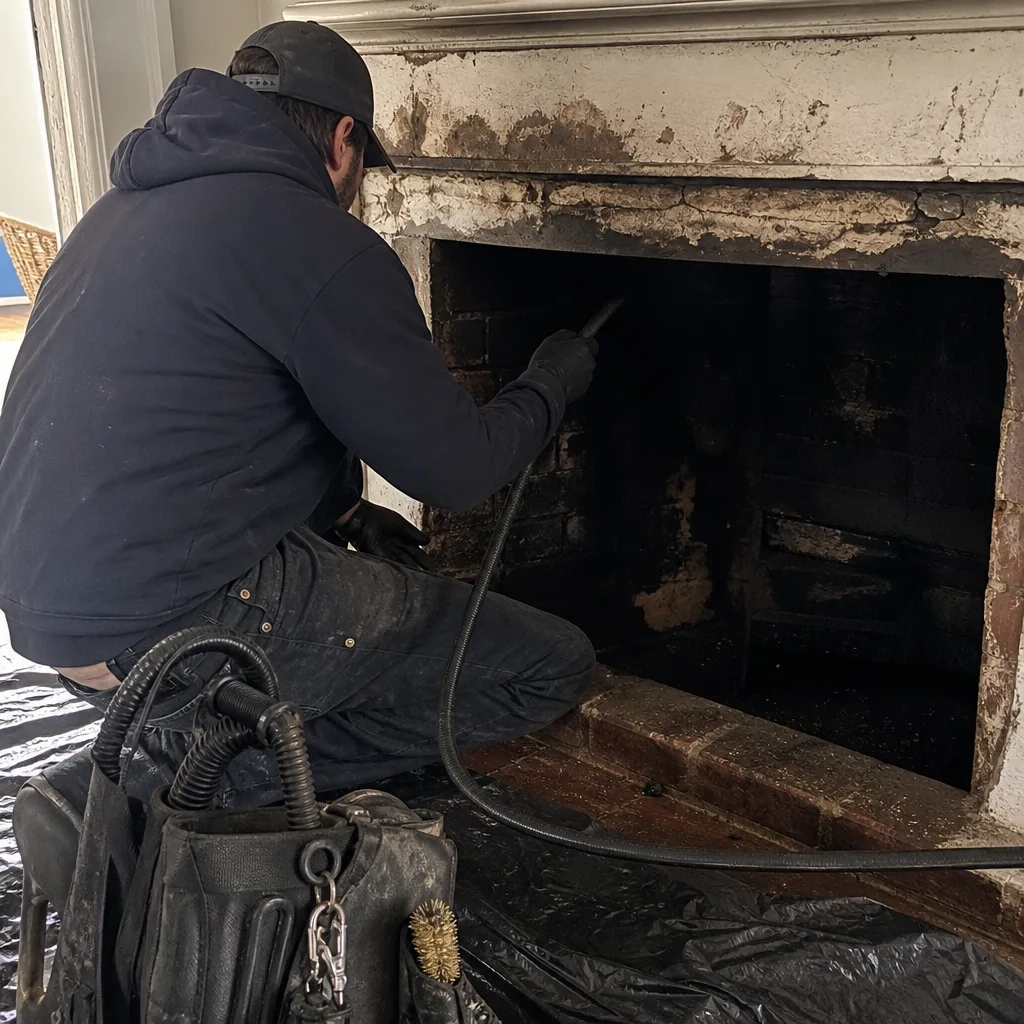 Before
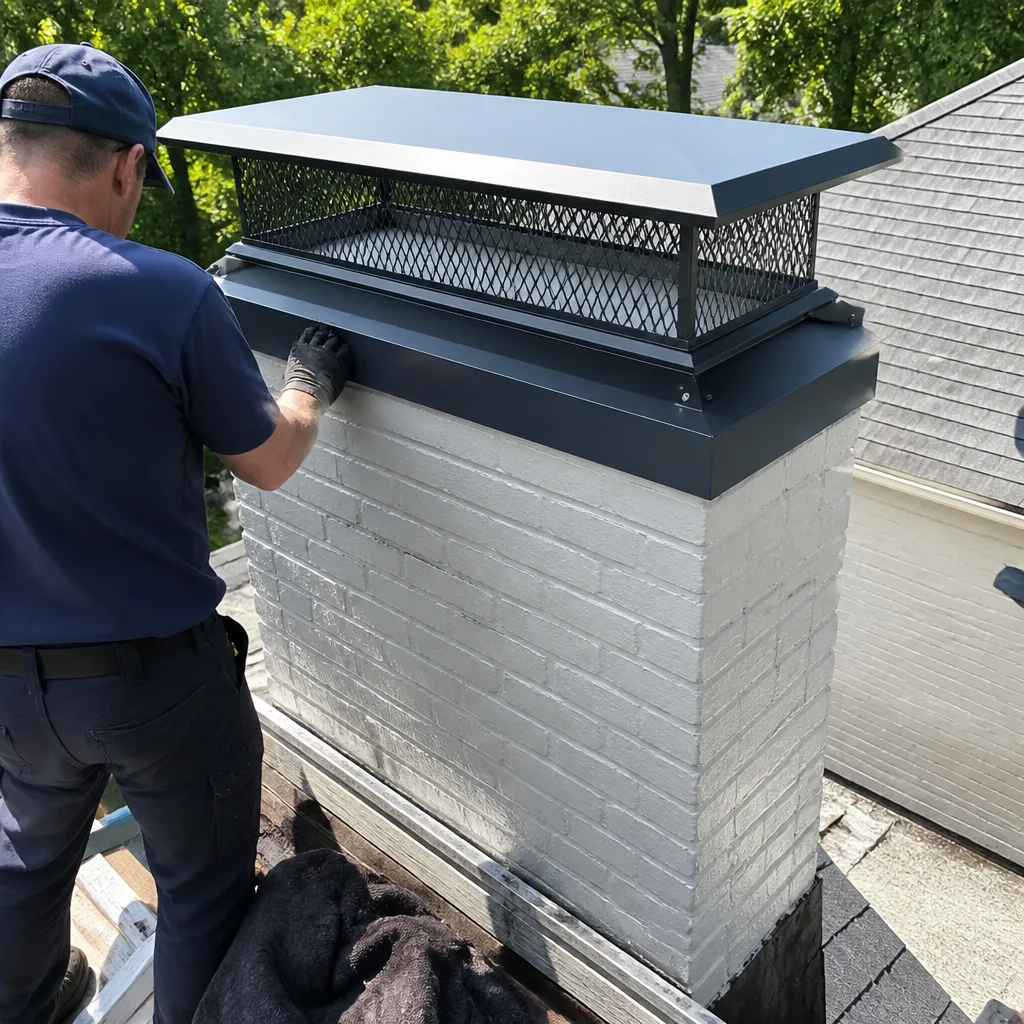 After
AfterOlympia Chimney Chimney Cap Installation: The New York Owner’s Guide
We stock and install Olympia Chimney-compatible chimney caps across New York, with most replacements running $425-$780 installed depending on flue size, roof access, and whether the existing cap base can be reused. Most jobs are completed in a single visit, and we carry common Olympia Chimney cap sizes on the truck. The way owners usually find us: a rusted cap sitting askew after a storm, or water stains spreading across the ceiling near the chimney chase.
You’re not imagining it. A failed cap lets rain straight into the flue, and in New York weather, that means freeze-thaw cycles working on your liner and masonry through winter. Olympia Chimney makes solid products, but the cap is the part that takes the beating from sun, salt air, pigeon droppings, and whatever the nor’easter drags across your roof. When it goes, the rest of the system follows.
Which Olympia Chimney Models This Applies To
Olympia Chimney caps are sized by flue dimensions, not by a model number stamped on the unit. That’s the first thing to know. If you have an Olympia Chimney stainless liner or a prefab fireplace system with an Olympia termination, the cap is selected to match the inside and outside diameter of your flue tile or liner, plus the crown footprint if you’re using a full-coverage model.
Here’s the compatibility gotcha we run into constantly in New York: Olympia Chimney caps come in both slip-in and bolt-on styles. Slip-in caps fit inside round stainless liners, usually 5.5″, 6″, 7″, or 8″ IDs. Bolt-on caps sit on top of clay tile flues using corner clamps or leg screws. If you order the wrong style because it “looked right online,” it won’t seat, and the first gust of wind will send it off the roof. We measure before we order, every time.
We recommend OEM Olympia Chimney caps when we’re matching an existing Olympia liner or termination, because the mesh gauge, screen sizing, and lid pitch are built to their spec. For standard clay tile flues, a quality Famco or Copperfield equivalent often does the same job for $40-$70 less. We’ll show you both and let you decide.
Signs Your Olympia Chimney Chimney Cap Installation Is Failing
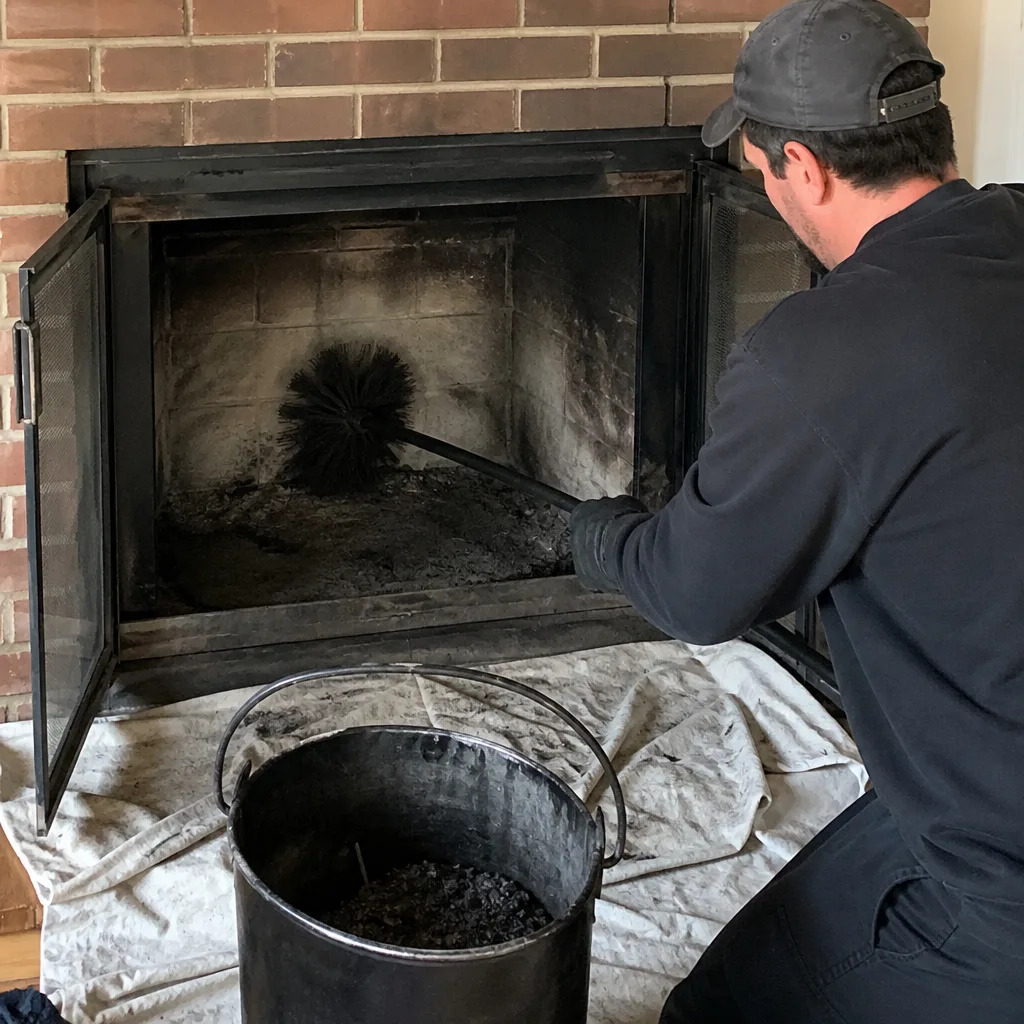
- Rust staining on the cap or screws. This means the galvanized or stainless fasteners are giving out. Once the screws go, the cap works loose and starts riding up and down on the flue in the wind, chipping the tile or crimping the liner edge.
- Water in the firebox after rain. Almost always the cap, not the flashing. If you see water pooled in the firebox or damp ash after a storm, the cap’s lid is perforated or it’s shifted enough to let rain drive straight down the flue. With Olympia Chimney slip-in caps, this often means the screen mesh has corroded into the liner and the whole assembly has sunk.
- Debris, twigs, or bird activity at the chimney top. A compromised mesh invites nesting. We pull an uncomfortable number of pigeon and starling nests out of New York flues every spring. Droppings are acidic and eat through cap coatings fast.
- Whistling or rattling during wind. A loose cap is loud, and it’s the warning before the failure. The noise is the clamp or bolt backing out. Ignore it, and you’ll find the cap in the garden or on the neighbor’s roof.
- Visible gaps between the cap and the flue tile. If you can see daylight between the cap skirt and the tile from ground level or a safe roof vantage, it was sized wrong or has shifted. That gap is a water inlet and a spark escape route.
BeforeAfterReplacement Cost & What’s Included
In New York, expect to pay between $425 and $780 for a complete Olympia Chimney cap replacement with installation. The range depends on three things: flue size (smaller 6″ caps run less; multi-flue or custom crown-mount covers run more), roof access (a flat brownstone roof is easier than a steep slate pitch with no ladder tie-off), and whether we’re reusing the existing base or cutting out corroded screws and mounting new hardware.
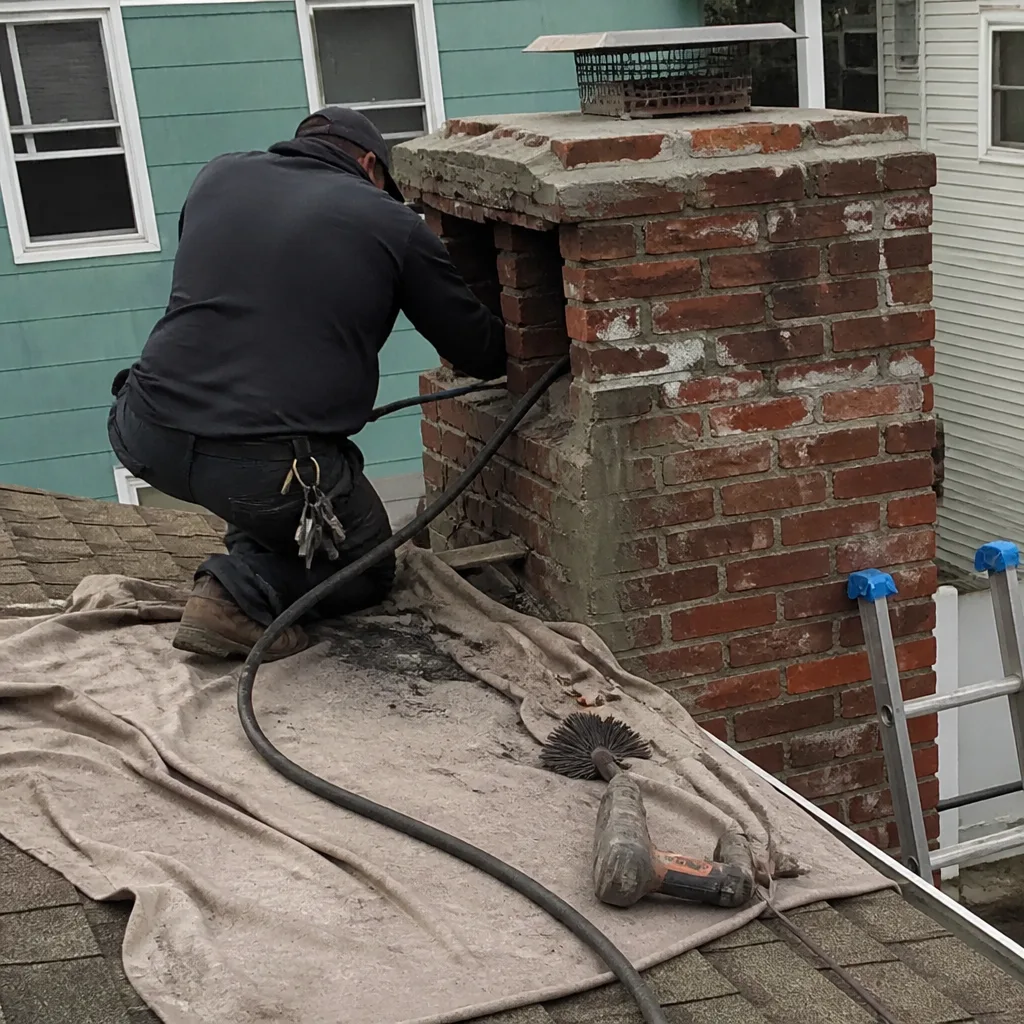
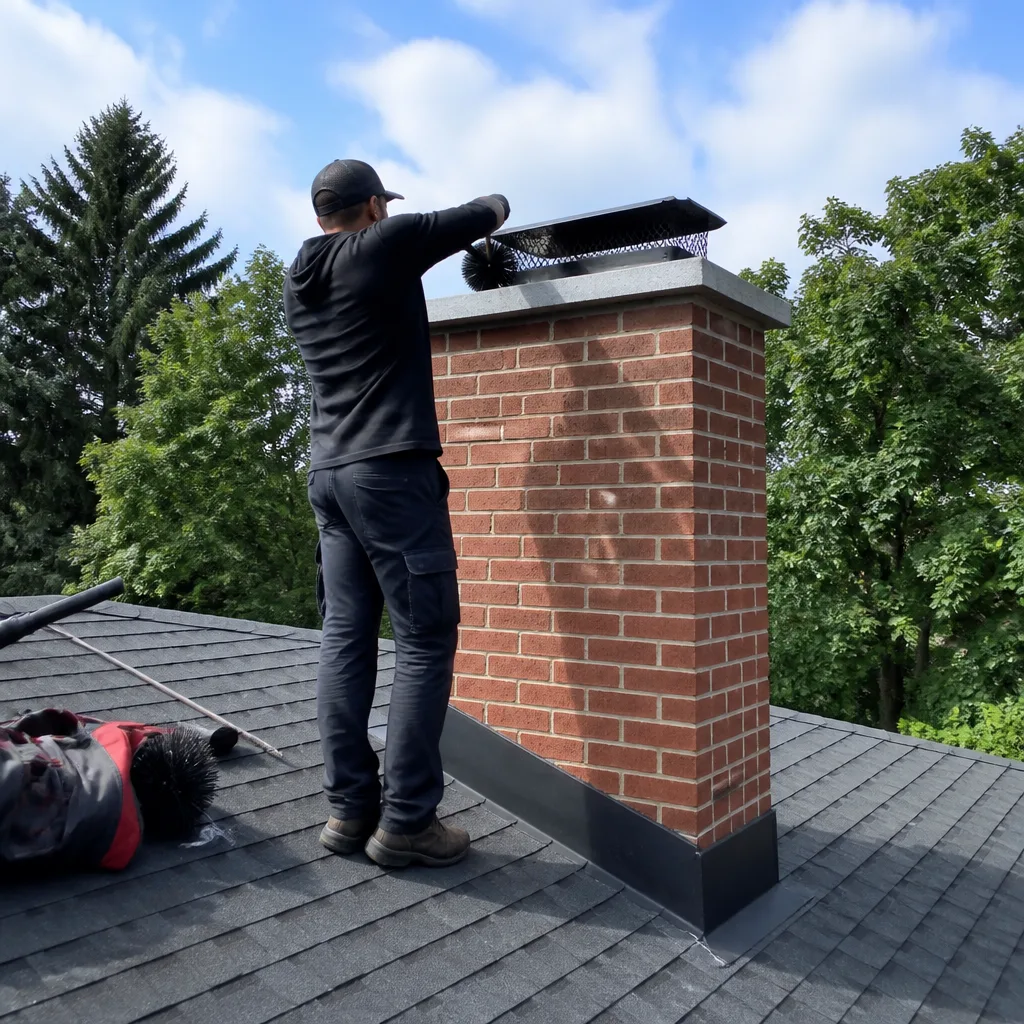
That price includes the cap itself, all mounting hardware, the install, and a documented photo record of the finished work covering the crown, the cap seating, and the mesh condition from above. But before any cap goes on, we inspect the crown and the top section of the flue to see whether the cap failure already caused damage underneath. That inspection is part of every visit, and it’s what tells us if you need a $500 cap or a $500 cap plus crown patch.
We write the price before we start. You’ll see the cap cost and labor broken out separately, and you’ll know exactly what cap model we’re installing. No surprises, no “while we’re up there” additions. What we find is what we quote.
DIY or Call Us?
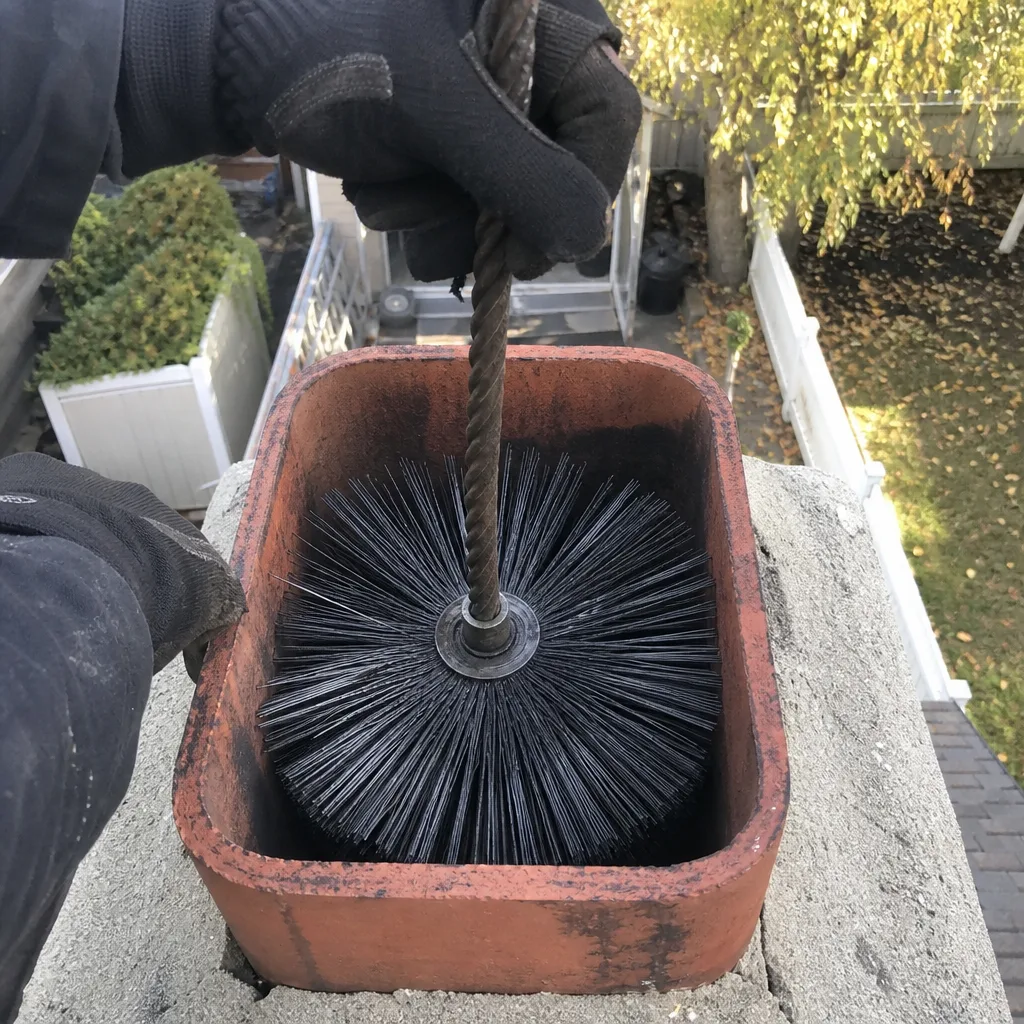
If your roof is walkable and you can safely access the chimney, you can verify the cap size by measuring the flue tile’s outside dimensions and noting whether it’s a round liner or square tile. That’s useful information to have before you call. We respect an owner who’s done the homework.
But installing a cap properly means being on the roof, working at height, often on a pitch, with tools. In New York, that’s a sloped brownstone roof or a high parapet wall as often as it’s a flat deck. Falls from roof work are the most common serious injury we see in this trade, and a cap that’s not seated and fastened correctly is a projectile in the next storm. If you’re not sure about the roof access or you’re working with a stainless liner that requires crimping, call us. We’re at (551) 213-5548, and we’ll give you a straight answer about what’s actually needed.
Corrine Halstead grew up in the Bronx and has spent the better part of two decades on New York rooftops. One thing she’s learned: the camera doesn’t argue with you, and neither does the price sheet. We’ll show you the cap condition, the damage underneath if there is any, and a written price before a single tool comes out of the bag.
FAQs
In New York weather, expect 8 to 12 years from an Olympia Chimney stainless cap, less if you’re near the water where salt air accelerates corrosion, and less still if the cap is galvanized rather than stainless. Coastal neighborhoods like Rockaway and City Island run through galvanized caps in 5 to 7 years. If your cap is over a decade old and showing rust, plan the replacement before winter. Call (551) 213-5548 for an exact quote once we see the existing setup.
Usually not in a way that makes financial sense. The mesh screen can sometimes be restitched if the frame is sound, but a rusted lid, broken legs, or corroded slip-in body needs replacement. Welding a cap back together costs more than the new part, and the welds become the next failure point. We’ll tell you plainly if a repair is viable, but in most cases the cap is replaced.
Most Olympia Chimney cap installs take 45 to 90 minutes on the roof, plus inspection time. We inspect the crown and flue top while we’re up there, and you get the photo record when we’re done. The whole visit, from ladder up to ladder down, runs about two hours in typical New York conditions.
We stock common Olympia Chimney slip-in sizes (6″ and 7″ round) and standard square-tile bolt-on caps on the truck, along with Famco and Copperfield equivalents. Odd sizes, oval flues, or custom crown-mount caps get ordered before the visit. We pull the measurements on a first look, then schedule the install for a single trip. You always know the price before the cap ships.
It matters when you’re matching an existing liner or termination. An Olympia Chimney slip-in cap is machined to seat correctly in an Olympia liner, and the screen mesh is sized to keep out the birds and debris that specific liner’s airflow expects. A generic cap that doesn’t seat properly can restrict draft or whistle. For a standard clay tile flue, a good Famco or Copperfield cap from our inventory does the job well at a lower price. We’ll show you the difference and let you choose with the facts in front of you.
Written by Corrine Halstead, Owner, Level Two Chimney New York at Level Two Chimney New York, serving New York and nearby areas.