
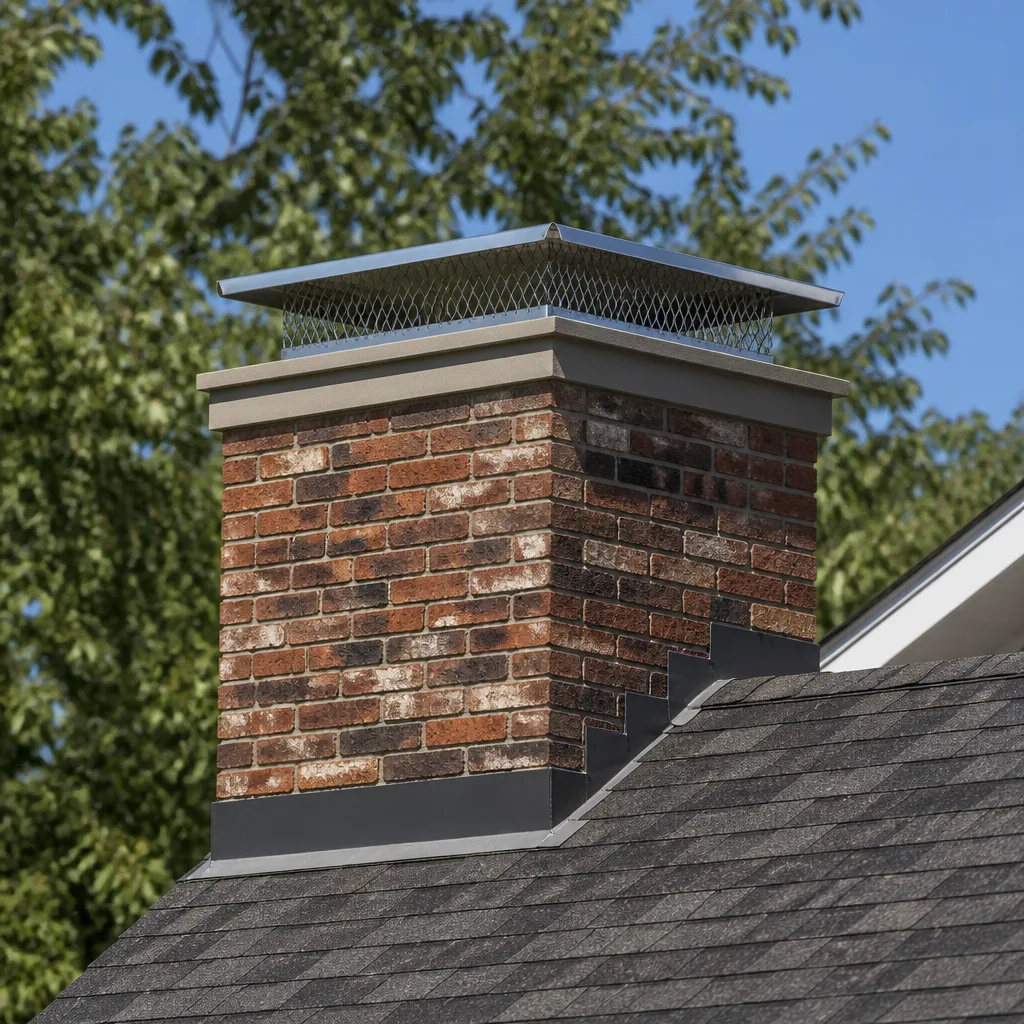
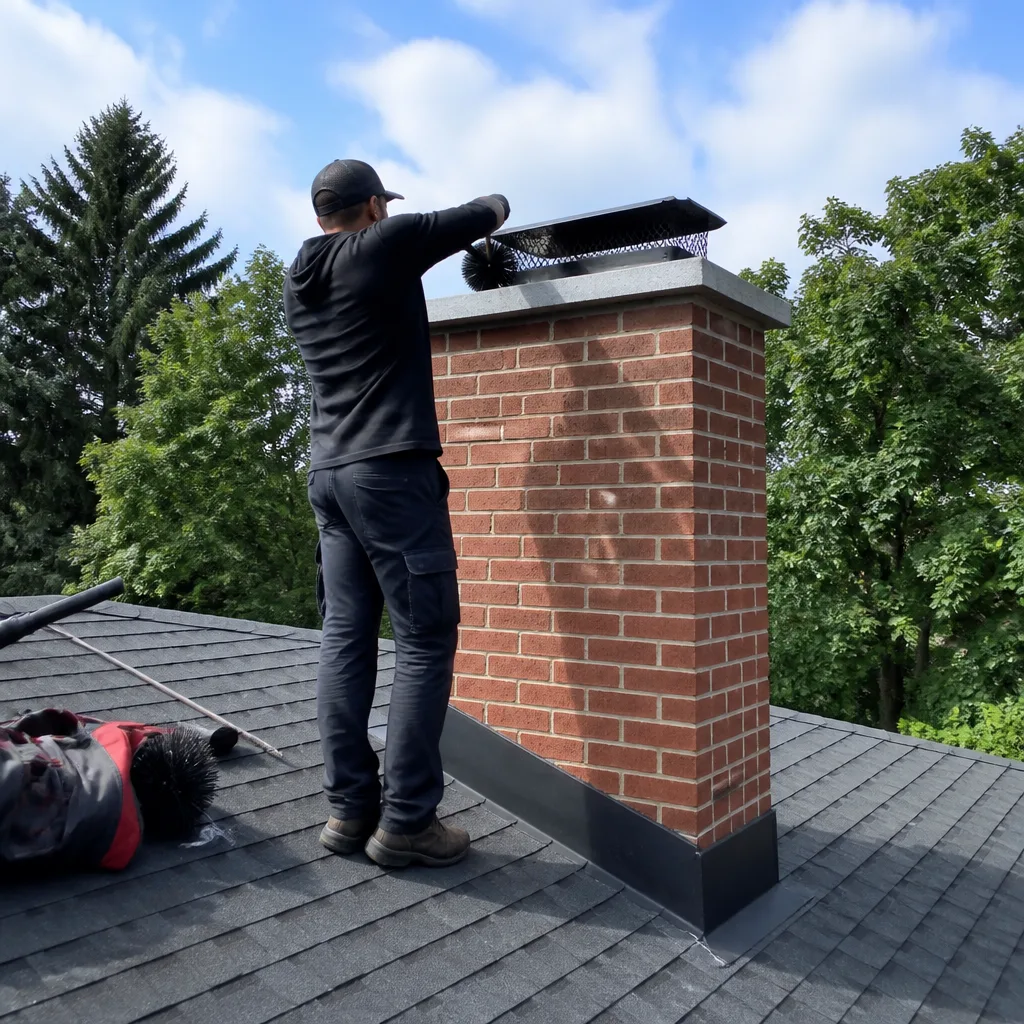
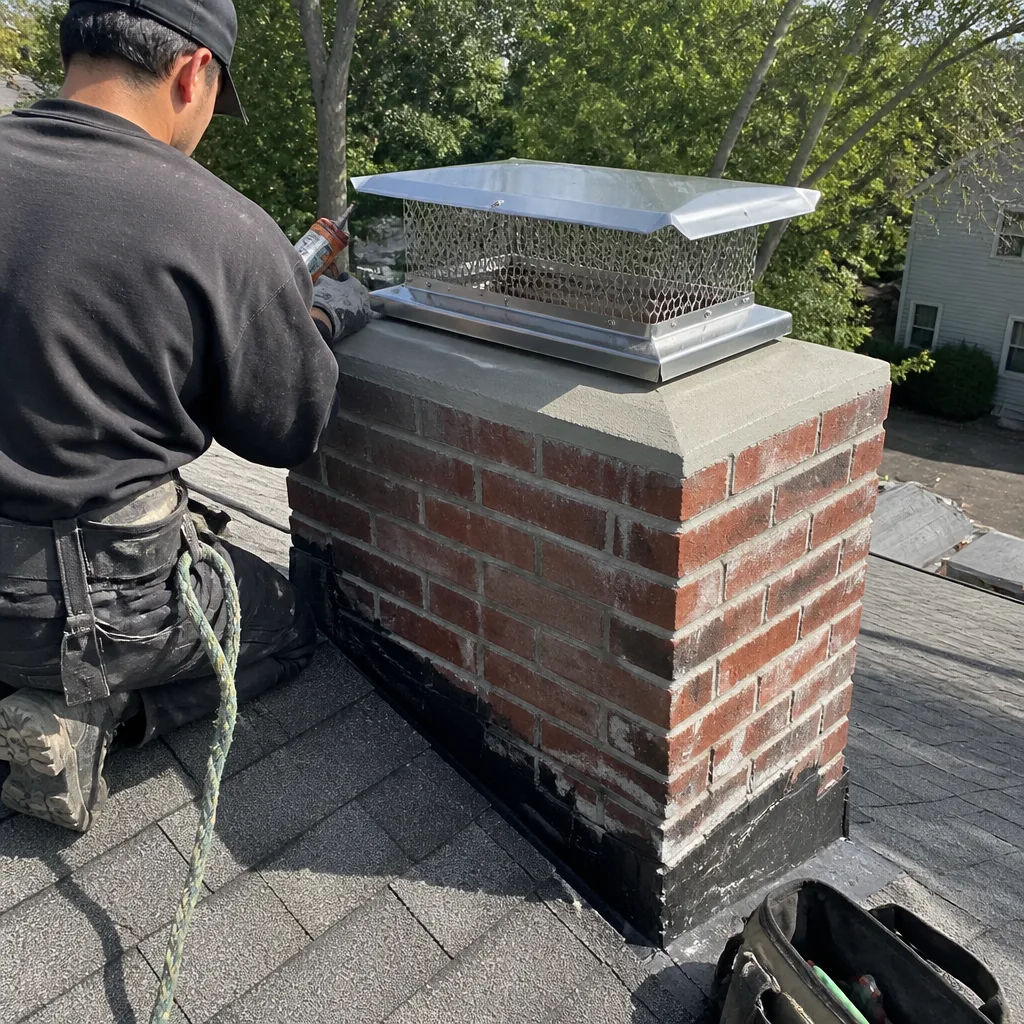
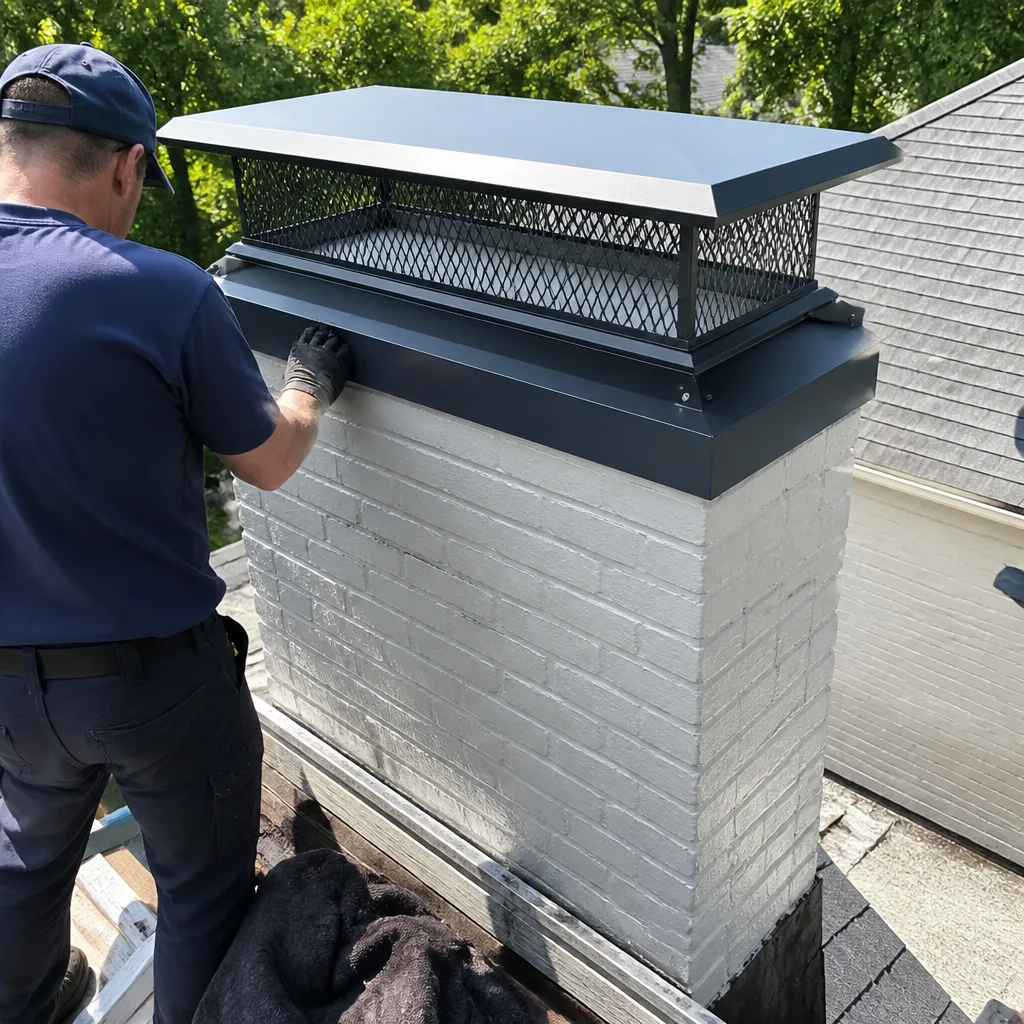
Level 1 sweep and inspection to the NFPA 211 annual standard - flue, crown, cap, and flashing checked and photographed
Chimney sweep logs do not sweep chimneys. They loosen some creosote - which then falls where a brush and vacuum still have to collect it.
 Before
 After
After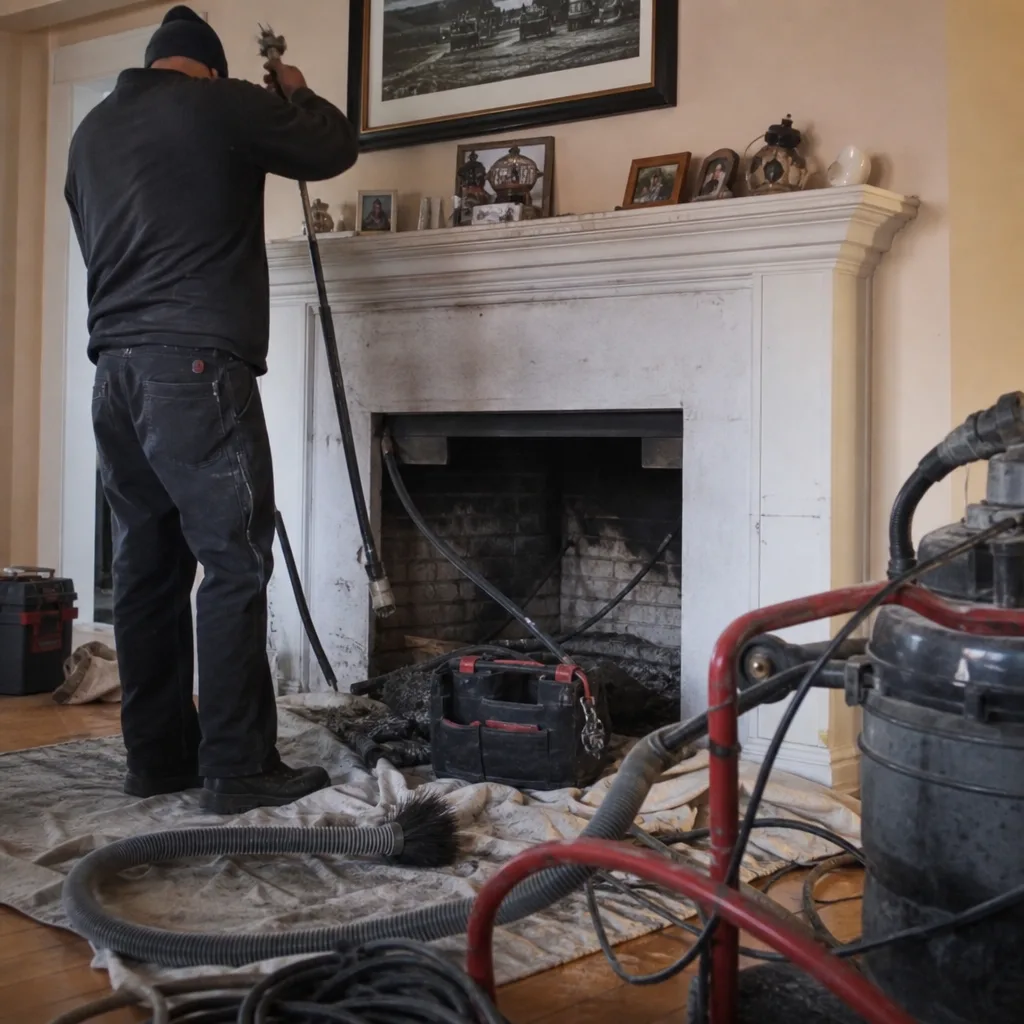 Before
 After
After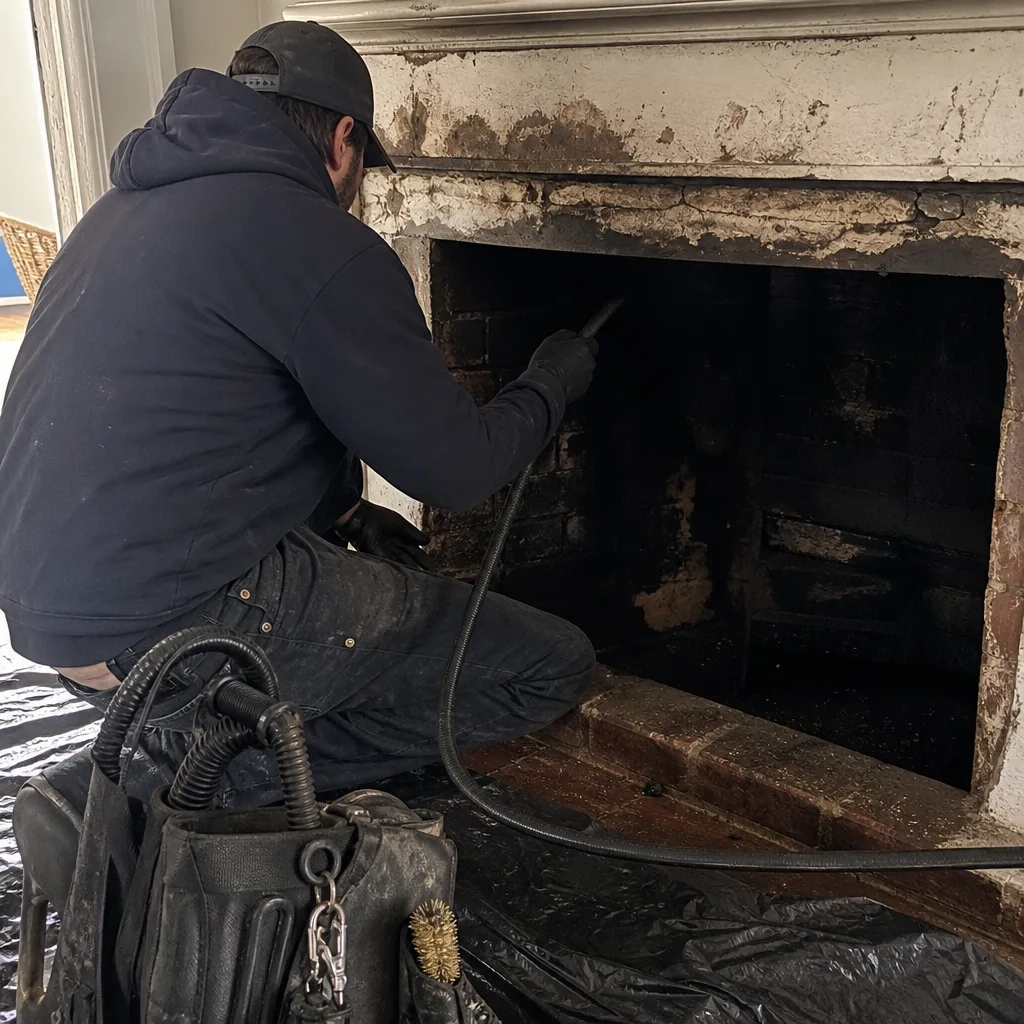 Before
 After
AfterSoot Removal in New York, NY
Our How Much Does Chimney Cleaning & Sweep Cost? (2026 Price Guide) - New York, NY shows soot removal in New York typically runs $149 to $349, depending on how much soot has built up, how accessible your flue is, and whether the smoke chamber or firebox walls need attention beyond the standard flue sweep. Most appointments are completed in one visit, with a written price delivered before anyone touches the chimney.
Soot is the fine black powder that settles inside your flue liner, smoke chamber, and firebox every time you burn wood or gas. Unlike Class II or Class III creosote – the tar-like or glazed deposits that require more aggressive treatment – soot is Stage I buildup: carbon-rich, dry, and removable with the right rotary brush system and HEPA-filtered vacuum equipment. Left alone, it narrows the flue, blocks draft, and eventually hardens into the creosote stages that cost three to four times more to clear.
At Level Two Chimney New York, soot removal is part of every standard chimney cleaning visit – documented with a camera scan of the flue liner before and after, written up in a price that’s handed to you before work begins, and backed by our 365-Day Done Right Promise. If you’re seeing black residue around the firebox opening, noticing smoke backing into the room, or just haven’t had the chimney serviced since you moved in, call us at (551) 213-5548 and we’ll schedule a visit that includes a full NFPA 211 Level 2-standard inspection alongside the cleaning. Our Chimney Cleaning & Sweep in New York page covers the full scope of what that inspection includes.
When You Need Soot Removal
- Black dust or powder around the firebox opening. If you’re wiping soot off the hearth, the mantel, or nearby walls, the flue’s draft efficiency is already compromised – soot is escaping instead of rising out through the top.
- Smoke backing into the room during a fire. In New York’s older brownstones and prewar co-ops, flues were sized for coal or low-output wood stoves. Soot accumulation narrows that already-tight diameter and turns a minor draft issue into a visible smoke problem.
- A dusty or stale smell when the fireplace isn’t in use. Soot absorbs moisture from New York’s humid summers. By September, a coated flue often smells like a wet ashtray even with the damper closed.
- It’s been more than 12 months since the last sweep. The National Fire Protection Association (NFPA 211) recommends annual inspection and cleaning for any fireplace in active use. A single cord of wood can deposit enough soot to warrant cleaning before the next season.
- You’ve just bought the home. Many buyers in neighborhoods like Prospect Heights, Astoria, and Riverdale inherit chimneys that haven’t been serviced in years. A camera scan and soot removal before your first fire is the fastest way to know what you’re actually dealing with.
- Your gas fireplace insert is leaving residue. Gas appliances produce far less soot than wood, but sulfur deposits and fine particulate still coat the liner over time. If the burner or glass door is discoloring, the flue has buildup worth clearing.
Our Soot Removal Process
- Written scope and price before we start. Under Haven Standard Clause 1 – what we call “Have it in writing” – you get a written price, written scope, and written warranty before the first brush goes into the flue. No estimates delivered after the tech is already set up in your living room.
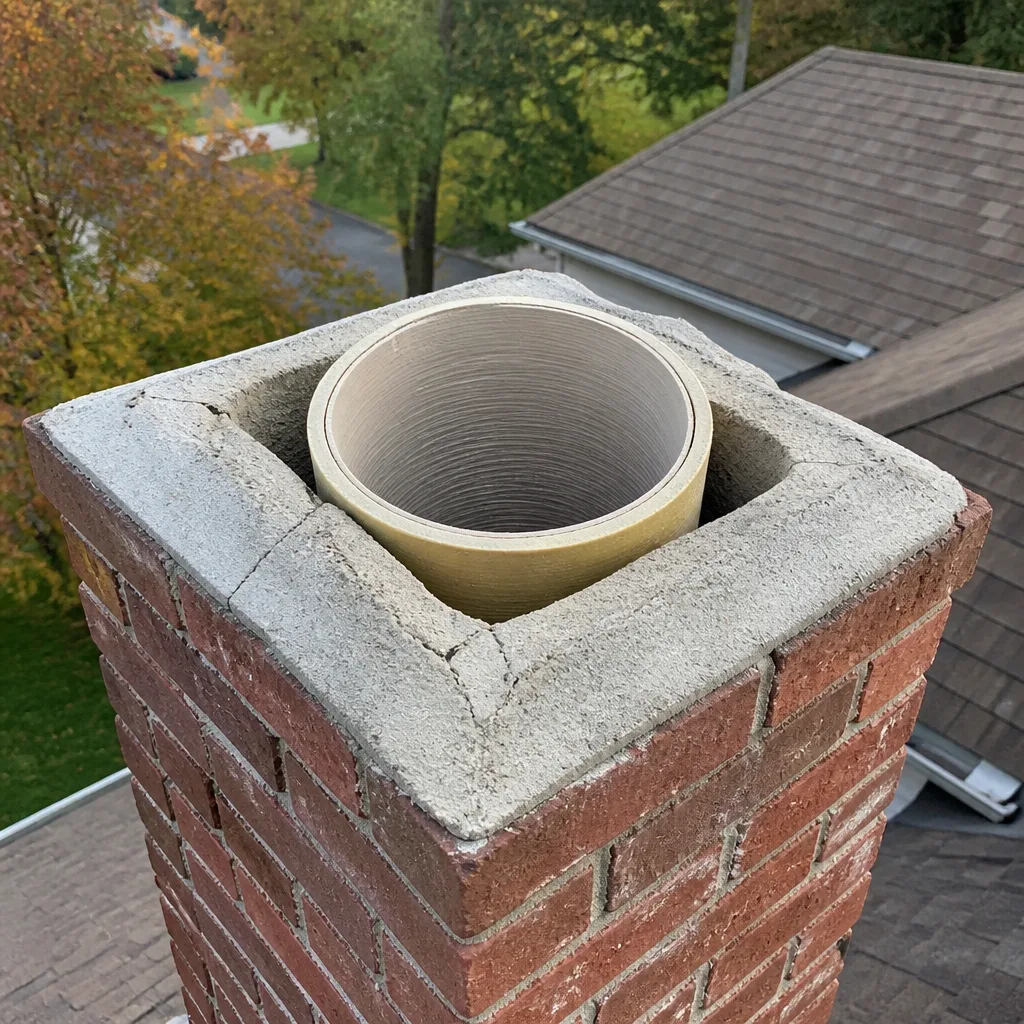
- Pre-cleaning camera scan of the flue liner. We drop a camera down the flue first. This tells us exactly how much soot is present, whether there’s any Class II creosote we need to address differently, and whether the liner itself has cracks or spalling that the cleaning might expose. In New York’s older housing stock – particularly prewar terra-cotta liners common in Washington Heights and Carroll Gardens – pre-scan is not optional. This is the inspection practice that has been standard at Level Two since 2009 and is now documented as Clause 4 of the Haven Standard.
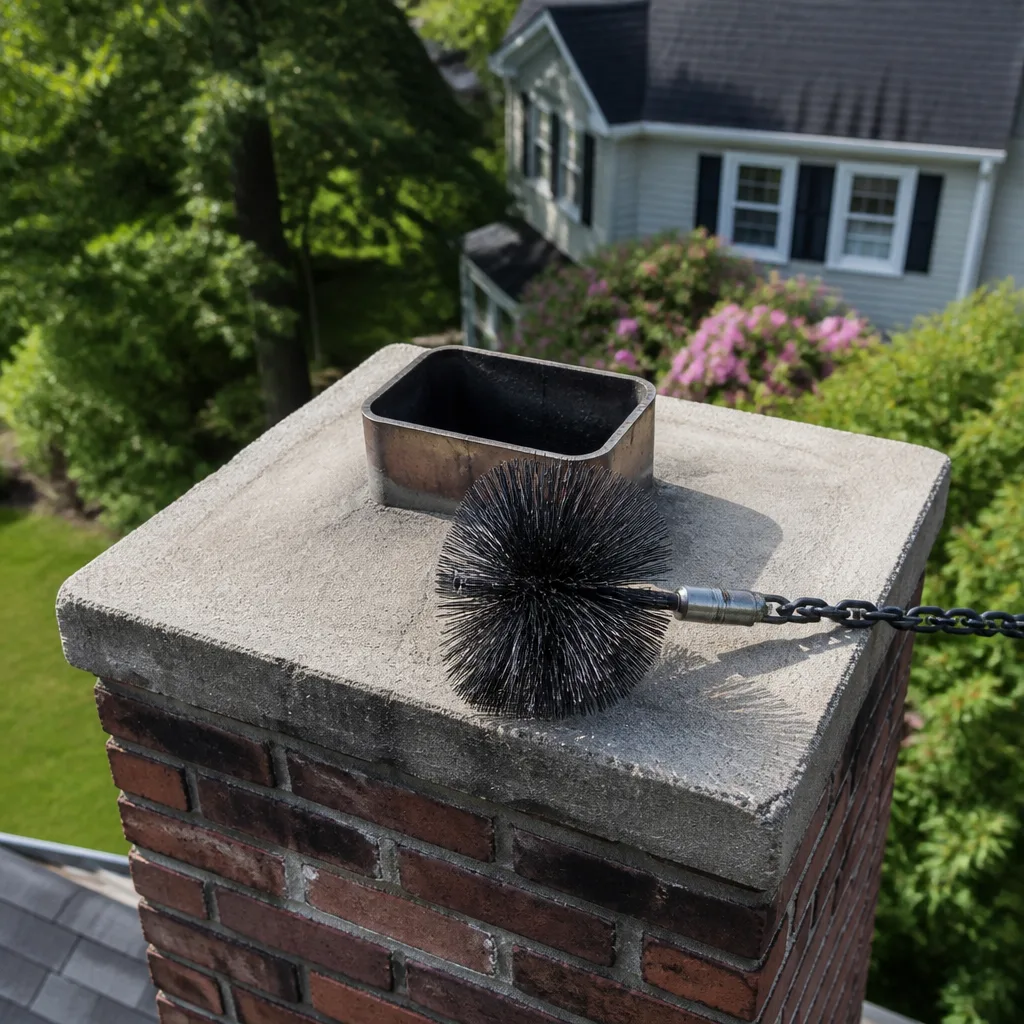
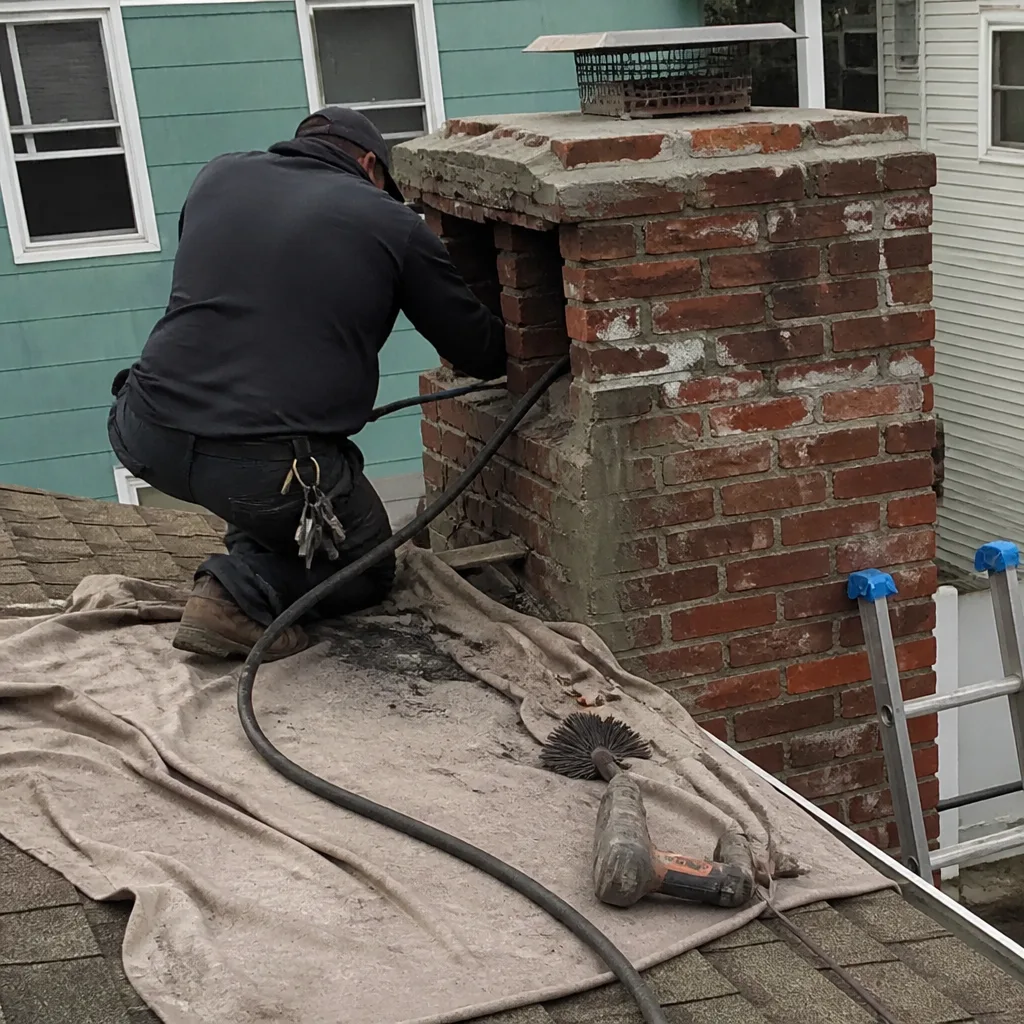
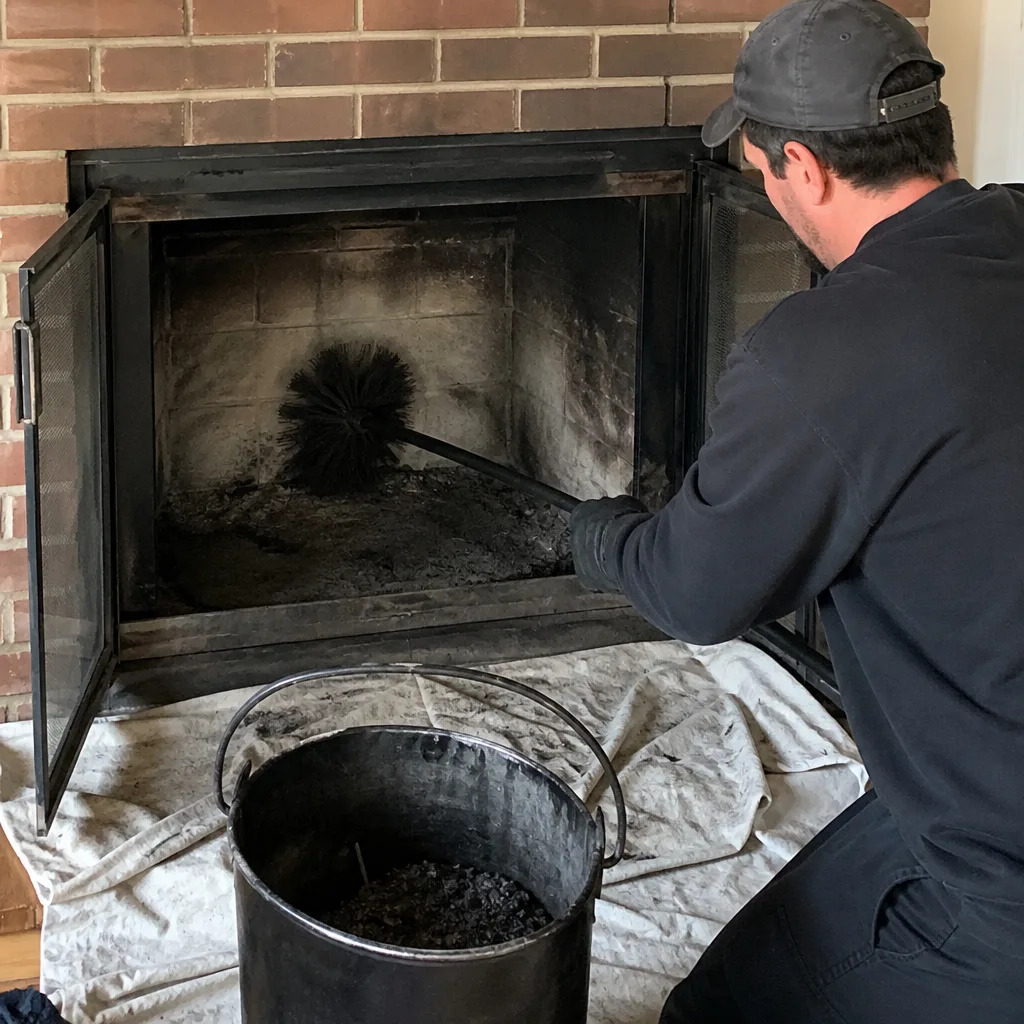
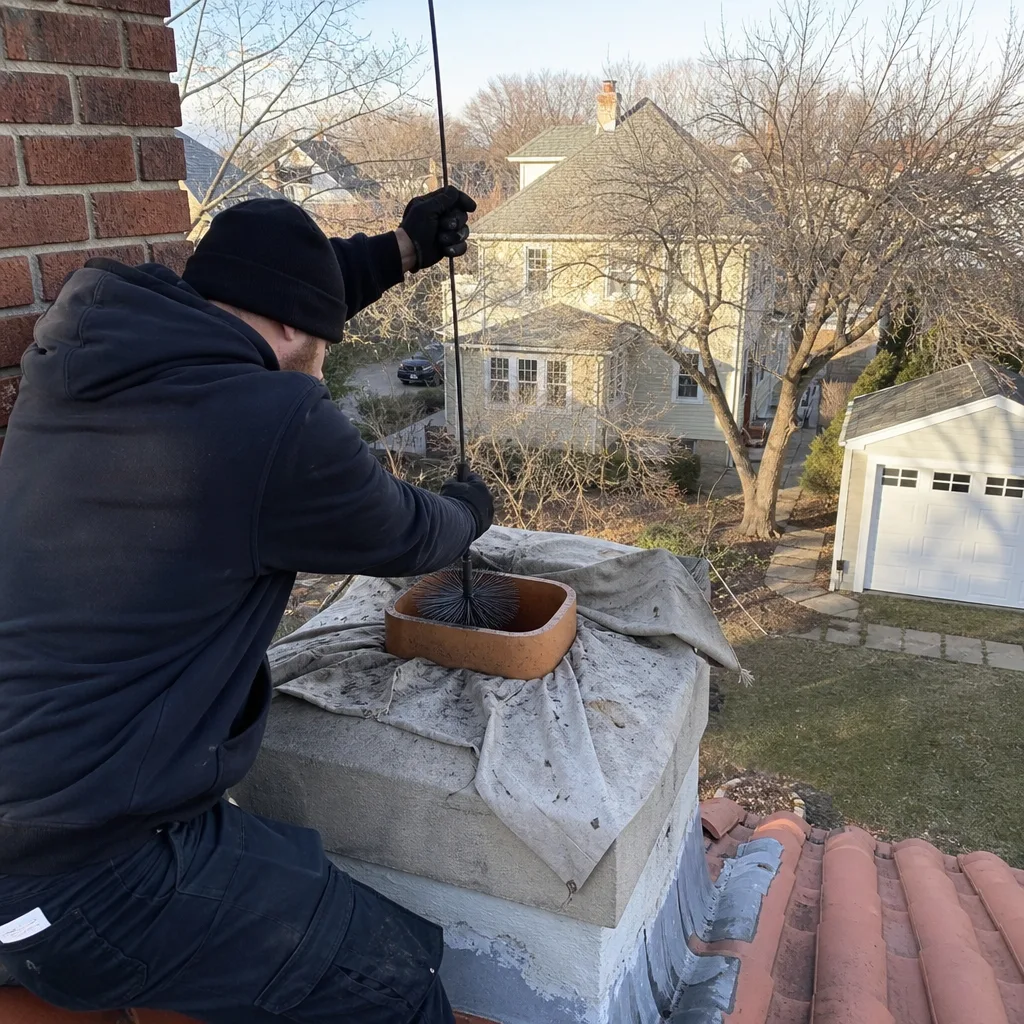
- Rotary brush sweep of the full flue column. Our technicians use industry-standard rotary rod systems with brush heads sized to your flue’s exact dimensions – rectangular, round, or oval – pulling soot deposits down through the liner. A HEPA-filtered, negative-pressure vacuum runs simultaneously from the firebox opening, so carbon dust stays in the equipment, not in your apartment or living room. We source brushes and rod systems through Olympia Chimney and Copperfield supply lines.
- Smoke chamber and firebox cleaning. The smoke chamber – the tapered section above the damper that funnels exhaust into the flue – collects soot faster than the rest of the system because of turbulence at that transition point. We clean the smoke chamber walls, the smoke shelf, and the firebox interior as part of the standard soot removal visit, not as an add-on.
- Post-cleaning camera confirmation. After the sweep, the camera goes back down. You see the before and after images side by side. If the liner condition has changed what we quoted – say, a crack that was hidden under soot buildup – we tell you what we found, what it means, and what it would cost to address before we do anything further.
- Documented photo record handed to you on the day. Every visit ends with a written summary: photos of the flue condition, notes on any findings, the scope completed, and confirmation that the 365-Day Done Right Promise applies to the work. This is your permanent record – useful for homeowner’s insurance, co-op board requests, or the next time someone asks when the chimney was last serviced.
BeforeAfterSoot Removal Pricing in New York
Soot removal in New York runs $149 to $349 for a standard single-flue system when the buildup is Stage I soot and the liner is accessible from below. Here’s what moves the price within that range:
- Flue height and configuration: A five-story brownstone in Park Slope has a significantly taller flue column than a two-story house in Staten Island. More column means more rod sections, more time, and a higher labor component.
- Smoke chamber condition: If the smoke chamber has significant soot parge – a thick, hardened coating on the corbeled masonry – that’s additional labor. Smoke chamber restoration using a product like HeatShield Cerfractory Foam is quoted separately if needed.
- Number of flues: Some New York homes, particularly older Bronx two-families and Queens colonials, have two or three flue openings serving separate fireplaces or an old furnace connection. Each additional flue is quoted individually.
- Creosote stage: If the camera reveals Class II or Class III creosote deposits beneath the soot layer, that changes the work and the price. We tell you what we found before we charge you for anything beyond the standard sweep.
A written price is on the table before any work starts – every time, on every job, without exception. Bring us a competitor’s written estimate and we’ll give you a free second opinion on it. Call (551) 213-5548 and a live person will answer.
What Makes Soot Different from Creosote
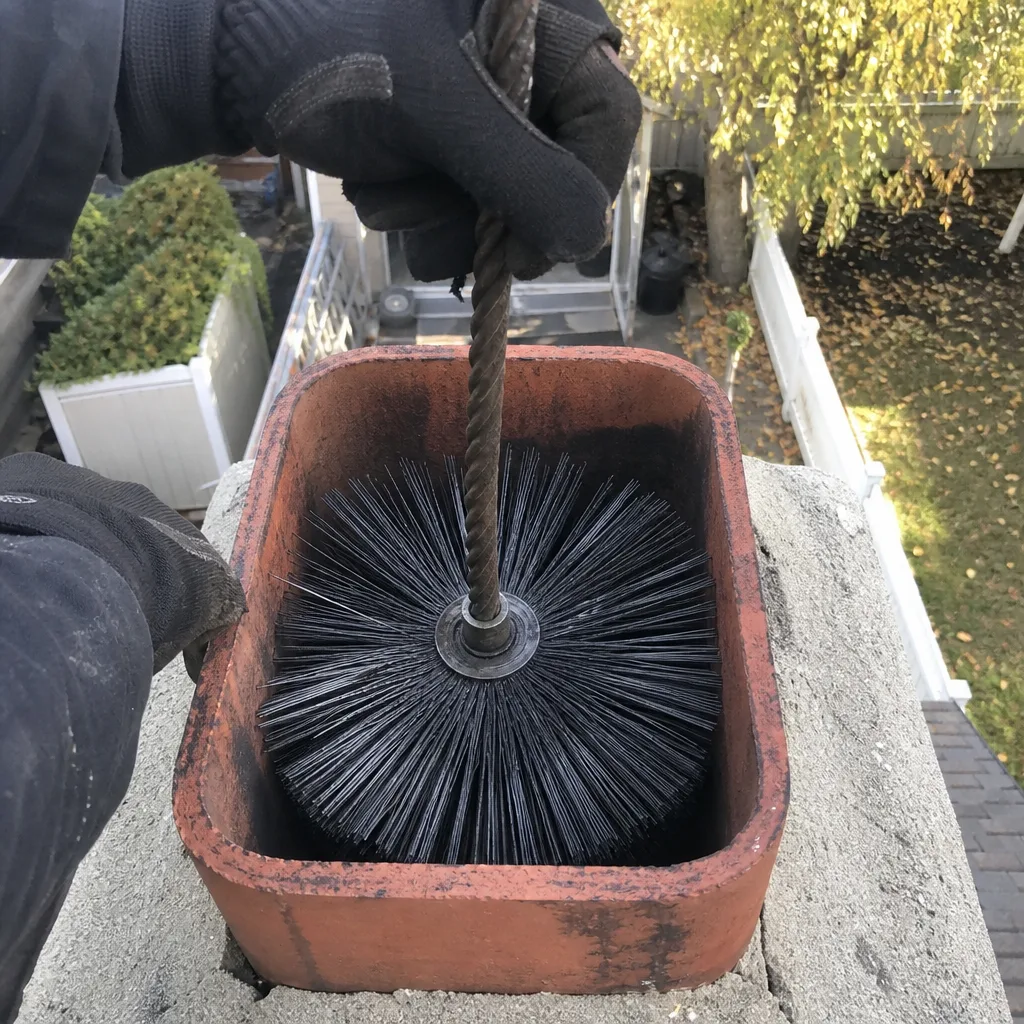
These two terms are sometimes used interchangeably, but they describe different stages of the same problem – and the distinction matters for both safety and cost.
Soot is Stage I buildup: fine, dry, powdery carbon that settles on flue walls during normal combustion. It brushes off with standard equipment and is removed in a routine sweep. Class II creosote is the next stage – a tar-like, flaky deposit that forms when flue gases condense before fully escaping. It’s harder to remove and often requires chemical treatment. Class III creosote, sometimes called glazed creosote, is a dense, shiny deposit that has carbonized over multiple burn seasons. It’s the stage that requires professional-grade chemical application and is a significant fire hazard – the National Fire Protection Association treats it as a critical risk condition.
In New York’s co-ops and condos, where fireplaces may sit unused for years before a new owner starts burning wood again, we regularly find soot and Class II creosote layered together in the upper portion of the flue. The camera scan tells us which is which before we quote anything.
Soot and New York’s Housing Stock
New York’s chimney systems are not all the same. A prewar co-op in the Upper West Side might have a 90-year-old terra-cotta liner with mortar joints that have been flexing through decades of freeze-thaw cycles. A 1960s Tudor in Bayside might have a poured concrete flue with a tight bend that traps soot at the offset. A brownstone in Bed-Stuy might have had its chimney converted from coal-burning to wood-burning without a liner retrofit.
We’ve worked through all of these configurations across more than 38,000 chimney inspections and cleanings since 2009. The camera scan isn’t a formality for us – it’s the only way to know what kind of liner you have, where the soot is concentrated, and whether there’s something behind it that a brush alone won’t solve. That practice started at Level Two in 2009 and became Clause 4 of the Haven Standard for exactly this reason.
FAQs – Soot Removal
How much does soot removal cost in New York?
Soot removal in New York typically costs $149 to $349 for a single flue with standard Stage I buildup. The price moves based on flue height, the condition of the smoke chamber, and whether the camera scan reveals Class II or Class III creosote beneath the soot layer. You get a written price before any work starts – no post-visit invoices for work that was already done. Call (551) 213-5548 for an exact written quote; estimates are free.
Is soot removal the same as a chimney sweep?
Soot removal is included in our Chimney Cleaning & Sweep services – the two aren’t separate services. A standard Level Two sweep covers the flue liner, smoke chamber, and firebox, removes Stage I soot with rotary brush equipment and HEPA vacuum containment, and includes a camera scan before and after. If the inspection turns up Class II or Class III creosote, that’s documented and quoted separately before we address it.
How do I know if my chimney has soot buildup or something worse?
The clearest signs of soot buildup are fine black powder around the firebox opening, a smoky smell when the fireplace is cold, and reduced draft when you’re burning. Class II creosote tends to look flaky or tar-like rather than powdery, and Class III has a shiny, glazed appearance. The honest answer is that you can’t always distinguish them from below – the camera scan is what gives you a definitive read. In older New York buildings, where multiple combustion products have cycled through the same flue over decades, layering is common and the camera is the only reliable diagnostic tool.
How often should soot be removed from a chimney in New York?
NFPA 211 recommends Annual Sweep inspection and cleaning for any fireplace in active use. For a New York fireplace burning two to four cords per season, annual removal is the right interval. If you’re burning less – or if you’ve got a gas insert that runs occasionally – every other year may be sufficient, but that’s a determination we make after the camera scan, not before. A fireplace that sat unused for two or three years, which is common in buildings where units turn over frequently, often needs cleaning before the new owner’s first fire regardless of the calendar.
The Documentation You Walk Away With
After every soot removal visit at Level Two Chimney New York, you receive:
- Before-and-after camera images of the flue liner, saved and labeled by date
- Written notes on liner condition, smoke chamber condition, and any findings from the camera scan
- Confirmation of the work scope completed and the materials used
- Written confirmation that the 365-Day Done Right Promise applies to the visit
- A record you can submit to your homeowner’s insurer, co-op board, or the next buyer of your home
This isn’t an optional add-on. Clause 4 of the Haven Standard requires a documented photo record on every job. It’s been standard practice since 2009 and applies to every Level Two visit, including a straightforward soot removal on a single-flue brownstone.
Schedule Soot Removal in New York
If you’re seeing soot around the firebox, smelling it in the room, or simply haven’t had the chimney documented since you moved in, search Chimney Cleaning & Sweep Near Me in New York, NY to schedule a visit – camera, written price, and cleaning in one appointment. Corrine Halstead and the Level Two Chimney New York team are available by phone 24 hours a day, 7 days a week. A live person answers; you won’t reach a voicemail or a web form. Call (551) 213-5548 to schedule or to ask a question before you book. Written price before we start, photo record when we’re done, 365-Day Done Right Promise on the work. That’s the standard – not the upsell.
Written by Corrine Halstead, Owner at Level Two Chimney New York, serving New York.