
Level 1 sweep and inspection to the NFPA 211 annual standard - flue, crown, cap, and flashing checked and photographed
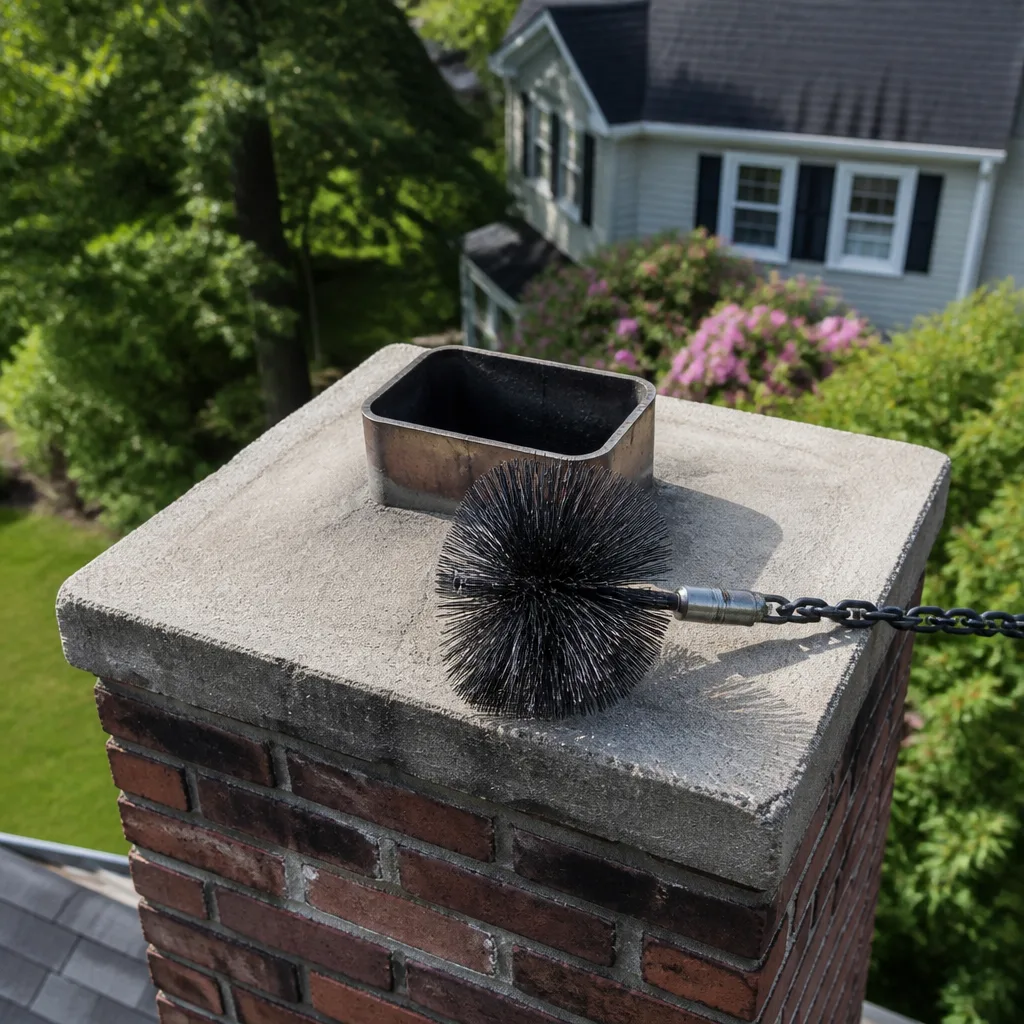
Chimney sweep logs do not sweep chimneys. They loosen some creosote - which then falls where a brush and vacuum still have to collect it.
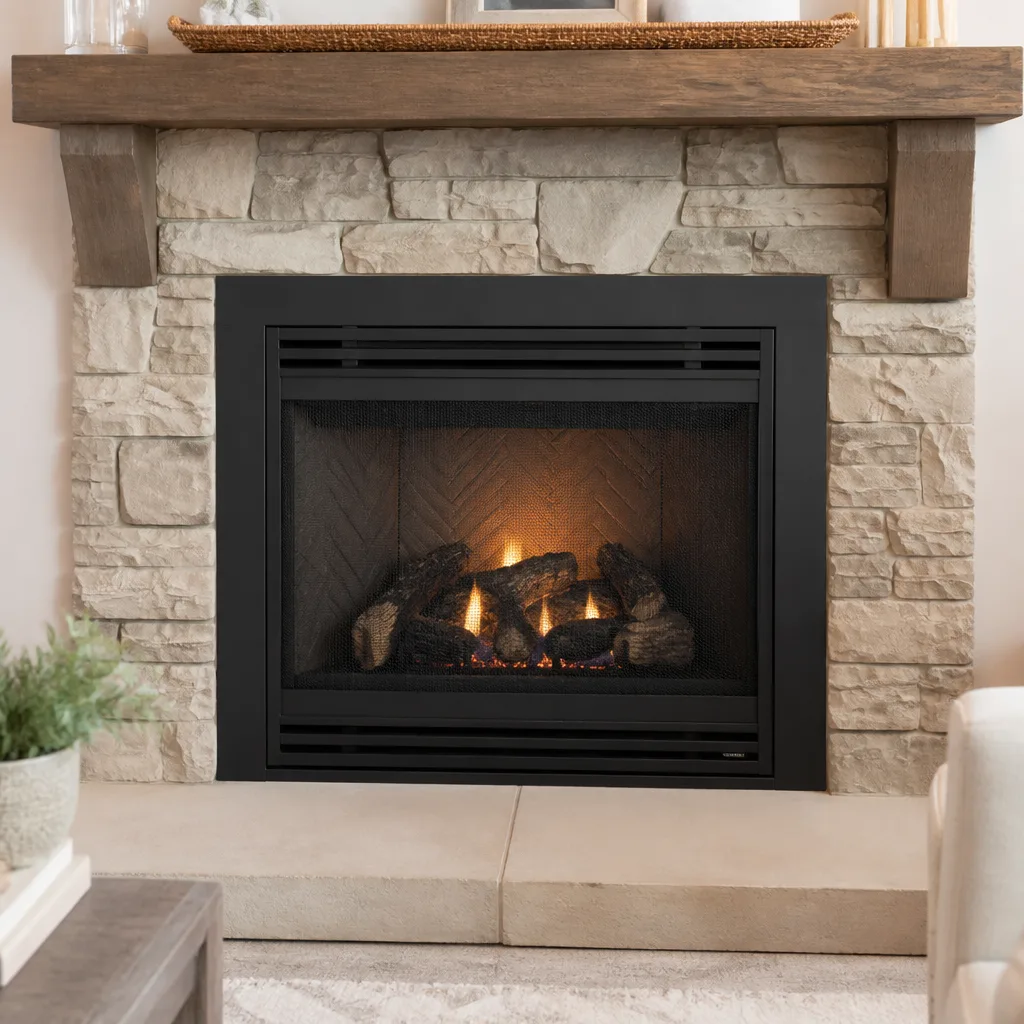
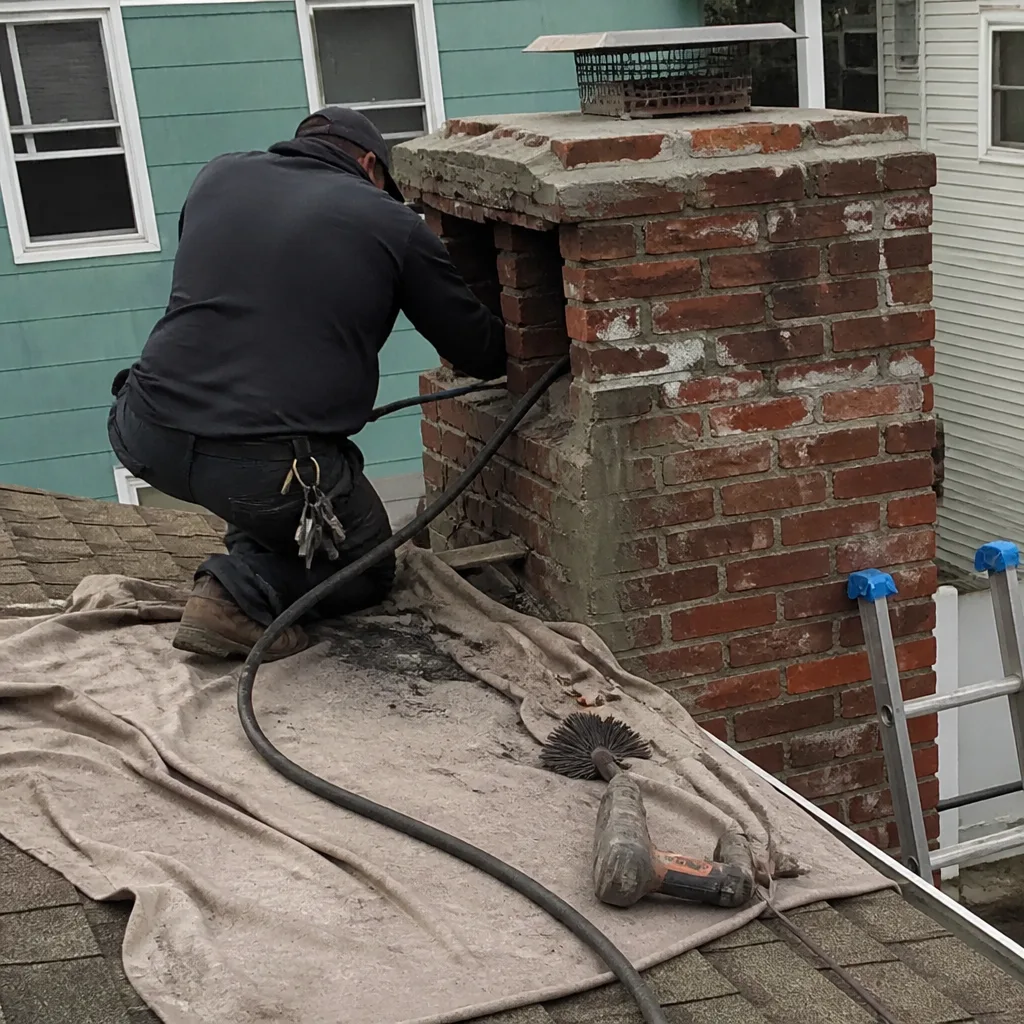 Before
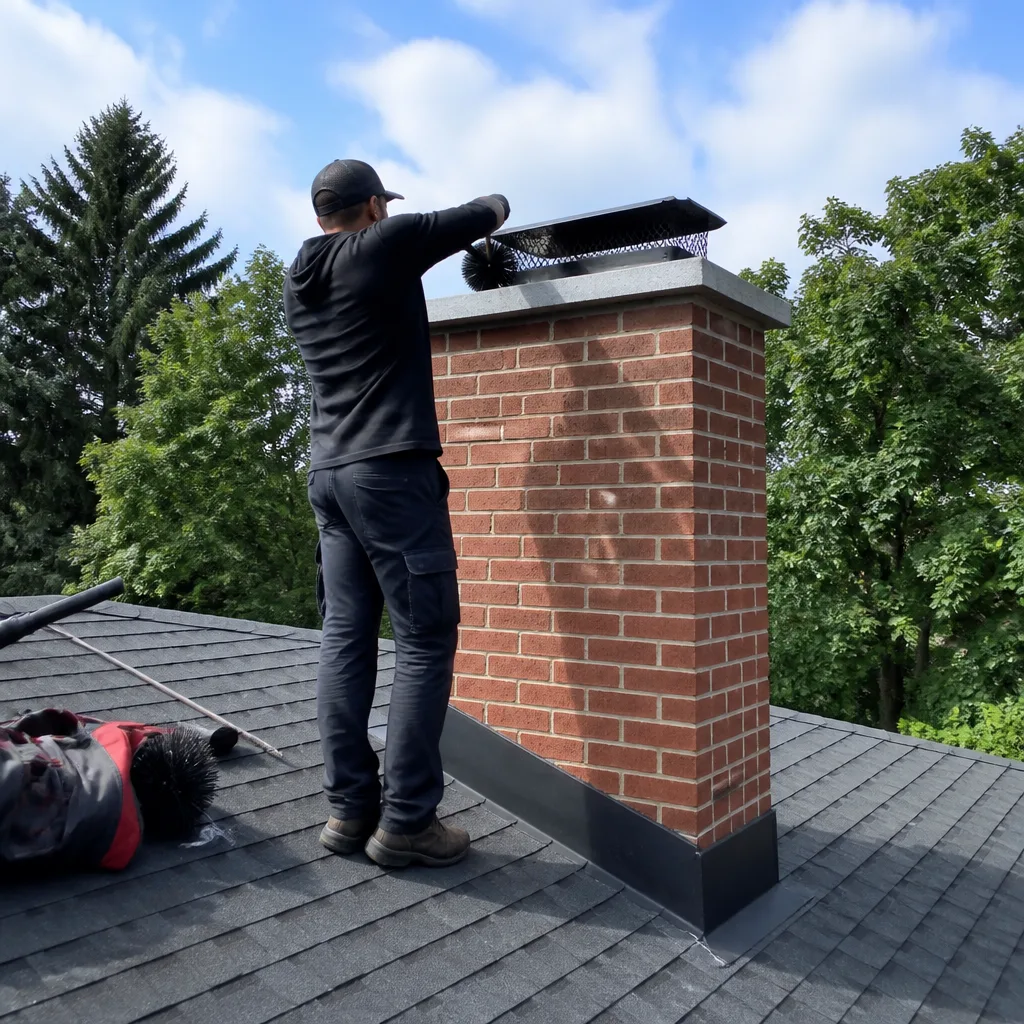 After
After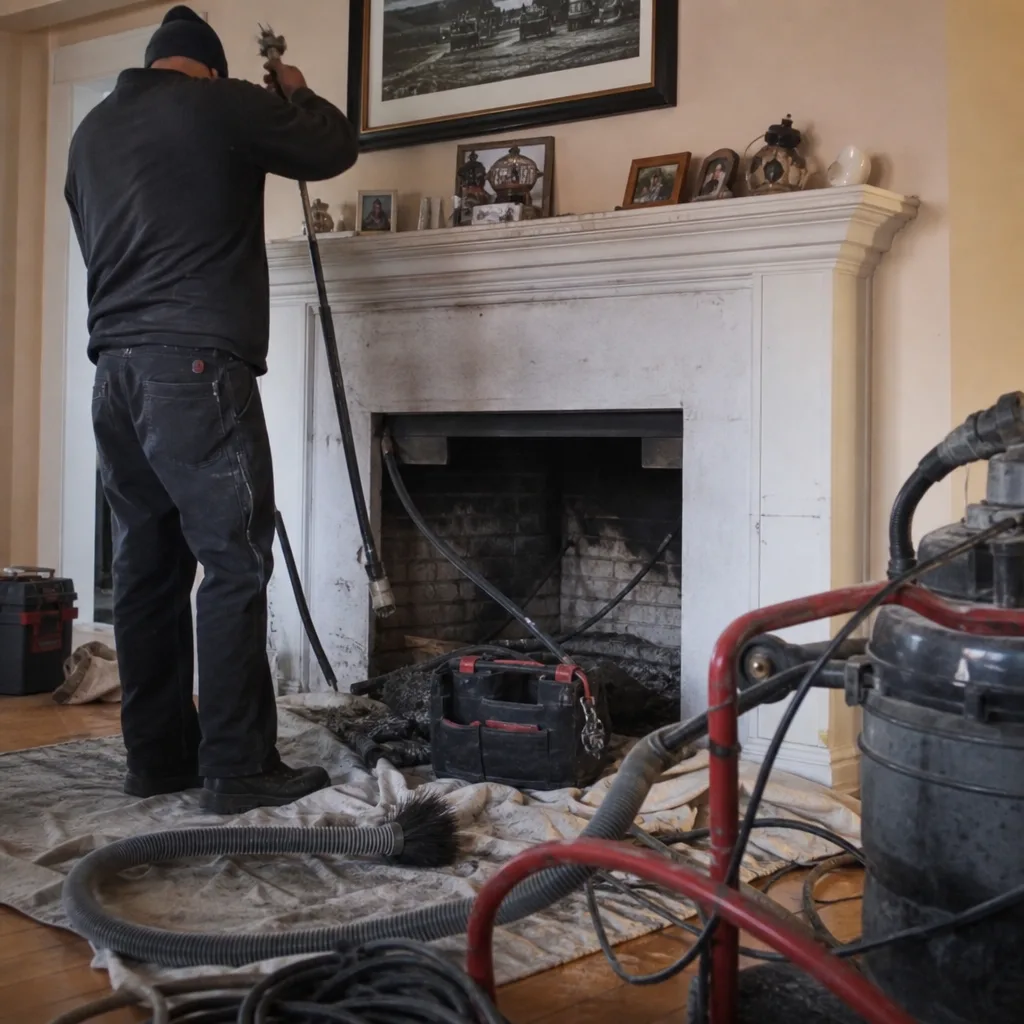 Before
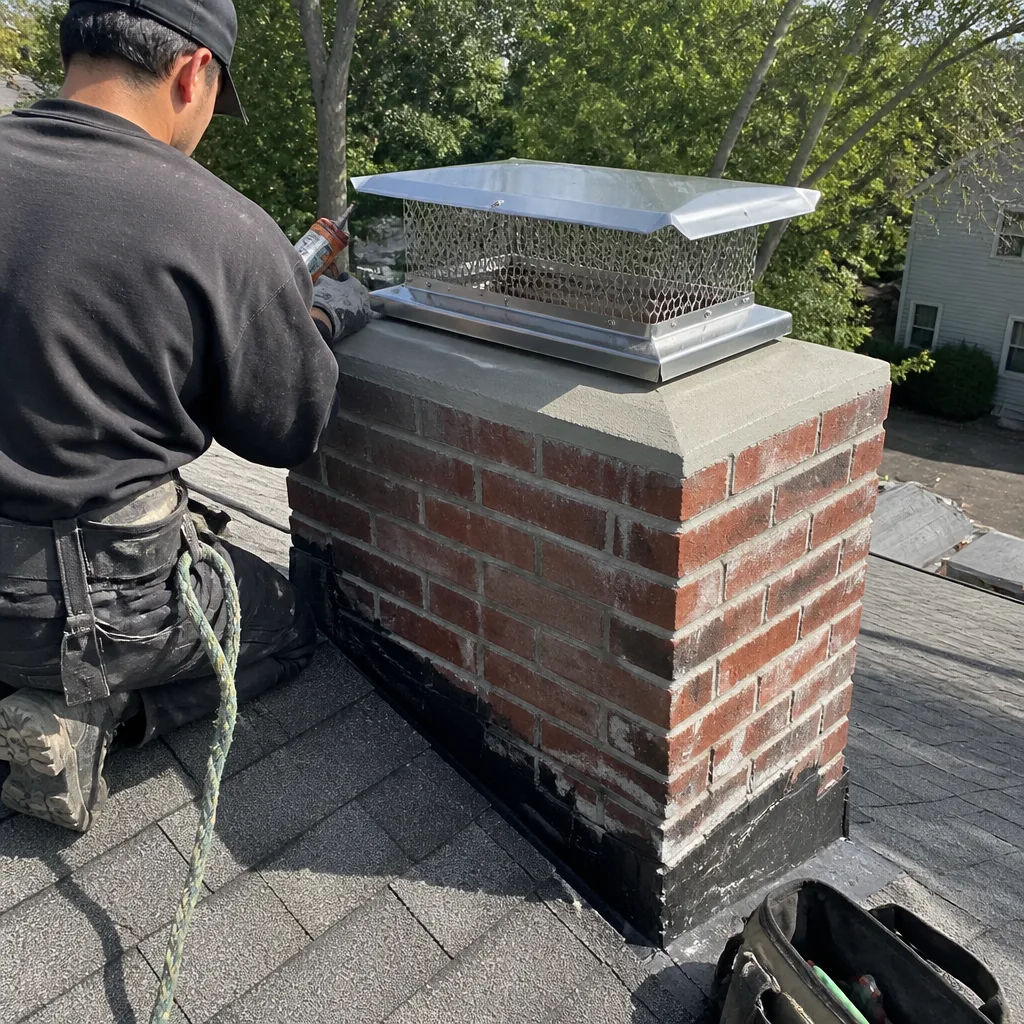 After
After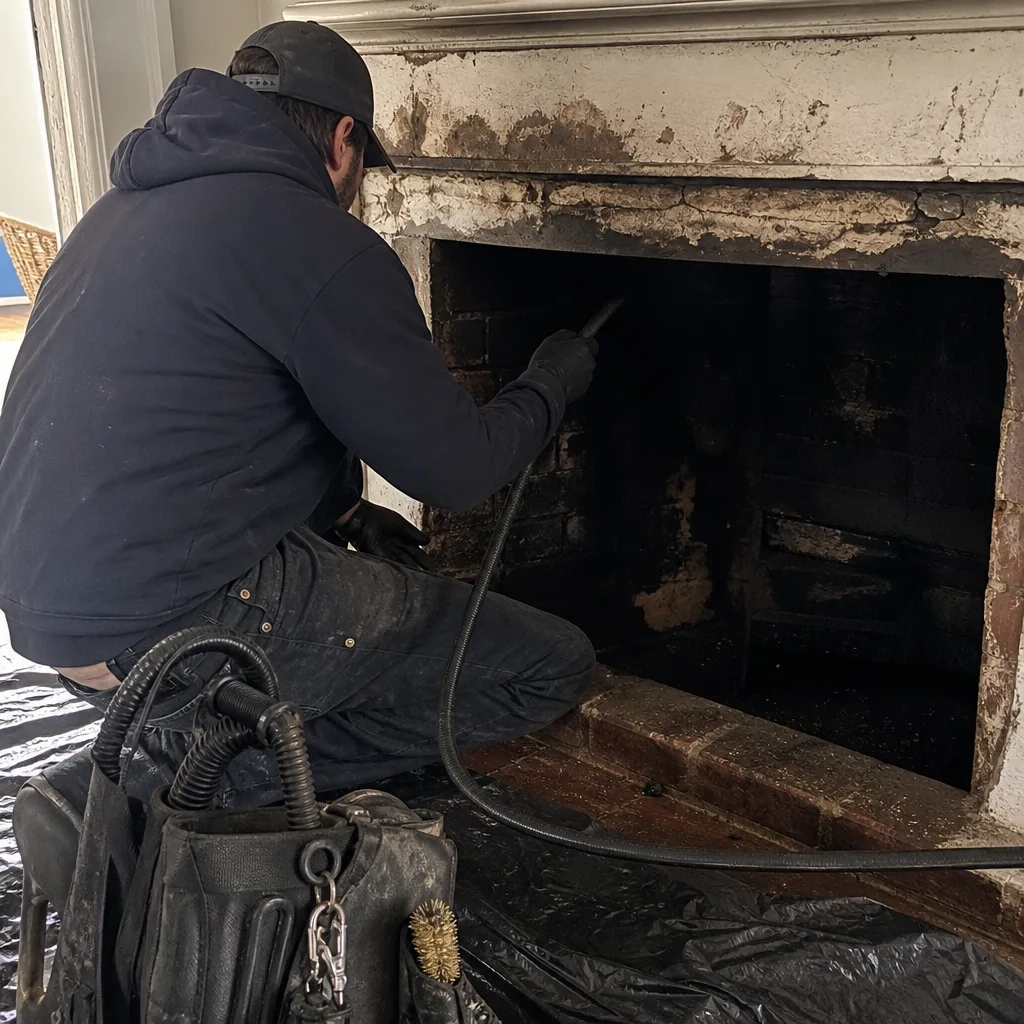 Before
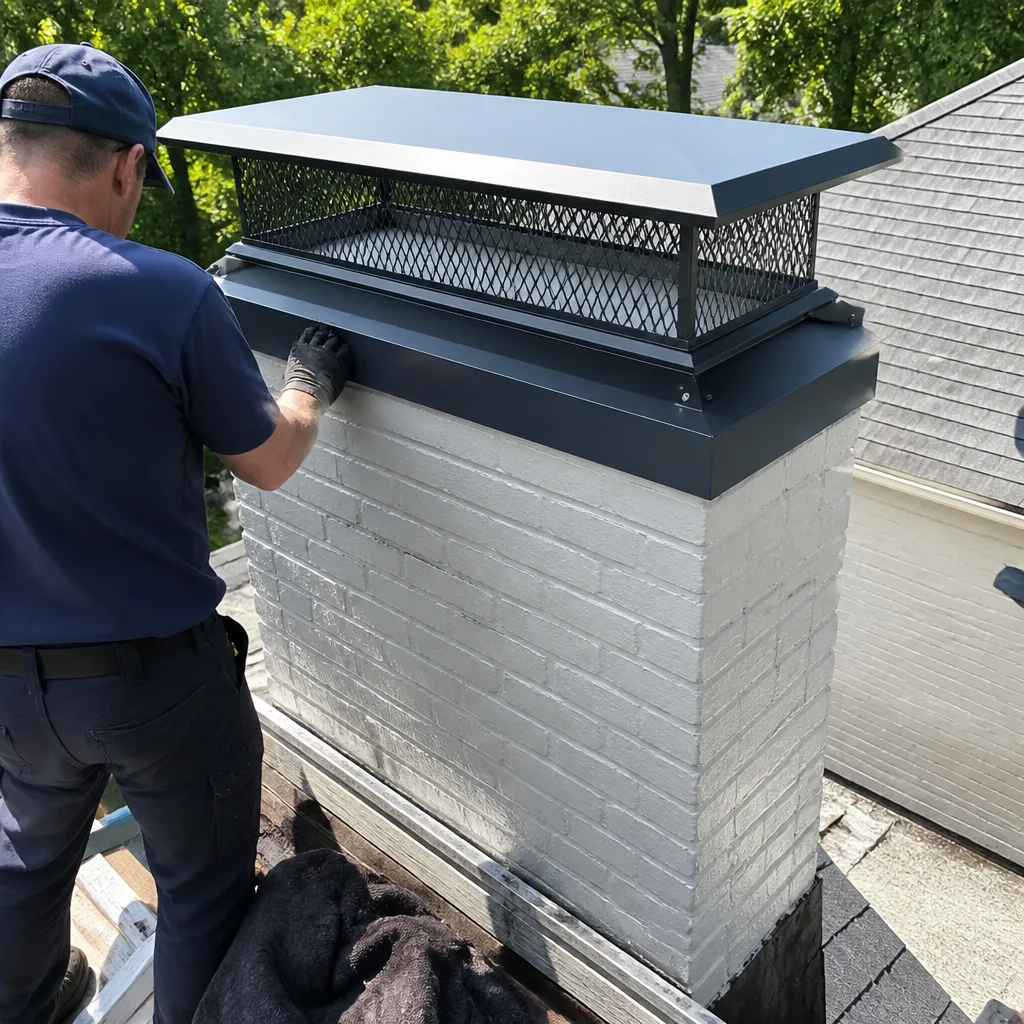 After
AfterCopperfield Flue Liner Replacement: The New York Owner’s Guide
If you have a Copperfield flue liner that’s cracked, warped, or rusted through, we stock Copperfield-compatible replacement liners in the common New York sizes and can usually have the swap done in a single visit. An installed Copperfield flue liner replacement in New York typically runs $2,400 to $4,800 depending on the liner length, diameter, and whether your flue needs prep work before the new liner goes in. Most homeowners discover the problem two ways: a chimney sweep flags it during a routine cleaning, or the furnace starts venting oddly and a technician traces it back to the liner. Either way, the fix is the same, and the parts are in our New York warehouse, not sitting on back order.
Which Copperfield Models This Applies To
Copperfield manufactures a handful of stainless steel flue liner lines, and the compatibility question matters more than most homeowners realize. The replacement liner has to match your flue tile dimensions, your appliance’s BTU output, and the type of fuel you burn. Here’s the breakdown:
- Copperfield Smooth Wall liners: These come in 4, 5, 6, and 8 inch diameters, and they’re typically used for gas and oil furnaces. If your liner has any flex to it, it’s likely not this line.
- Copperfield Flex liners: The 316L alloy version handles gas and oil. The 316Ti version is rated for solid fuel. This distinction matters a lot; a gas-only liner installed on a wood-burning fireplace will fail inside a decade, and we see this mismatch regularly in pre-war New York buildings where an old gas conversion was done decades ago.
- Copperfield hybrids: These are smooth-wall upper sections with a flexible lower section, designed for chimneys that have offset flues or hard-to-access sections near the smoke chamber.
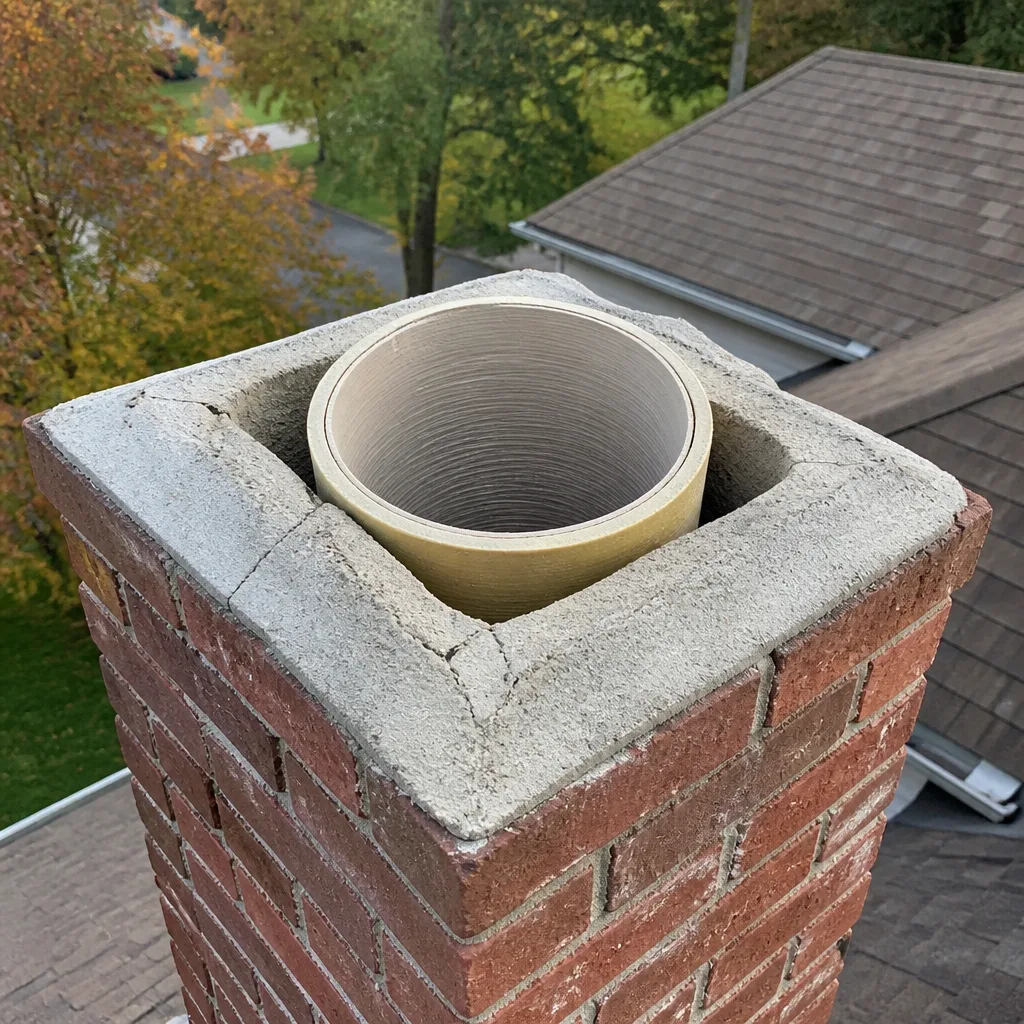
How to identify your liner: the Copperfield stamp is usually etched near the top section where the liner exits the flue. If you can’t see the stamp, measure the inside diameter with a tape measure across the opening. A 6-inch furnace flue liner will measure exactly 6 inches inside. If there’s no visible liner and you have an older unlined chimney, that’s a different code issue, and we’ll flag it during inspection. One thing to know before you buy: Copperfield’s warranty covers the liner, not the labor to replace it. That’s true of every stainless liner brand, but it means the installed price matters more than the part price. We’re an independent service provider, not a Copperfield dealer, so we price parts at the same wholesale cost we pay through Haven’s buying network and we show that number on the written quote.
Signs Your Copperfield Flue Liner Replacement Is Failing
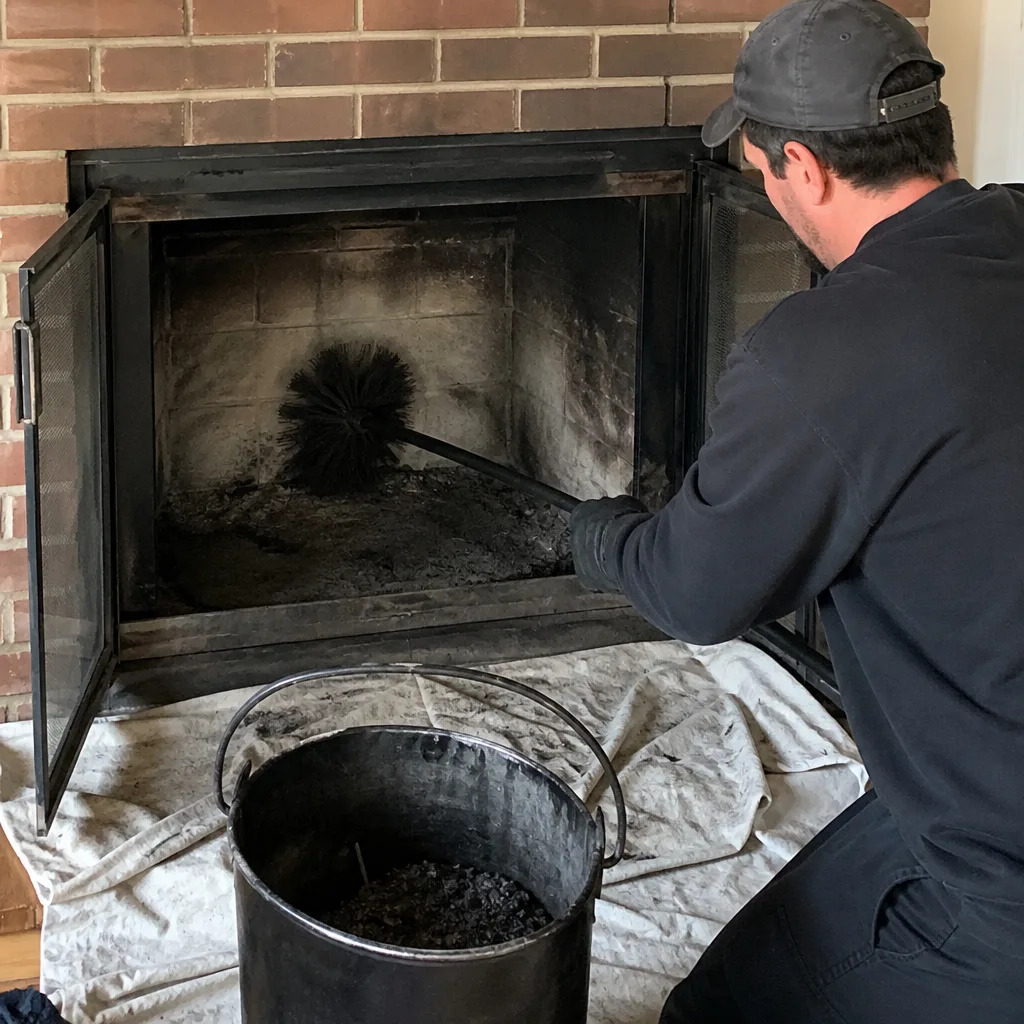
Liner failures don’t announce themselves, but they leave evidence. These are the five things we find most often in New York before a liner is condemned:
- Rust streaks inside the flue or on the furnace damper: Condensation is eating through the liner from the inside. This is the classic mode of failure for gas and oil liners in New York’s humidity swings, when warm exhaust hits cold masonry and produces acidic condensation year after year.
- Flakes of metal collecting at the base of the flue: The liner is delaminating from heat cycling. If you can see metallic debris at the cleanout door, the damage is usually more advanced than a camera inspection of just the top would show.
- A draft you can feel or smell: Fireplace smell in summer, furnace exhaust smell in winter, or a smoke-stained mantel all mean exhaust is backing into the home instead of leaving through the flue. The liner has likely developed a gap or split.
- Heating bills creeping up: A compromised liner lets heat escape up the chimney, and your furnace compensates by running longer cycles. It’s the quietest sign and the easiest to blame on the weather instead of the flue.
- Visible cracks at the crown or brick spalling near the top: Water is entering the system, and in New York’s freeze-thaw cycles that water becomes ice, expands, and fractures whatever is clamping the liner in place. The liner rarely stays intact once the surrounding masonry fails.
BeforeAfterReplacement Cost & What’s Included
For a typical New York single-family chimney with a 6 inch liner run under 35 feet, you’re looking at $2,400 to $3,200 installed. Add a foot or two for taller brownstones and the number moves to $3,500 to $4,800. That installed price includes the liner, the termination cap if you need one, firestop and flashing as required, and full removal of the old liner. Every quote is written, line by line, before any work starts, and the number we write down is the number you pay, period. That’s Clause 1 of the Haven Standard, and we’ve done it on all 38,000+ jobs since 2009. The work is backed by the 365-Day Done Right Promise: if the install isn’t right, we make it right at no charge. If you have a written estimate from another company, bring it and we’ll do a free second opinion on it.
DIY or Call Us?
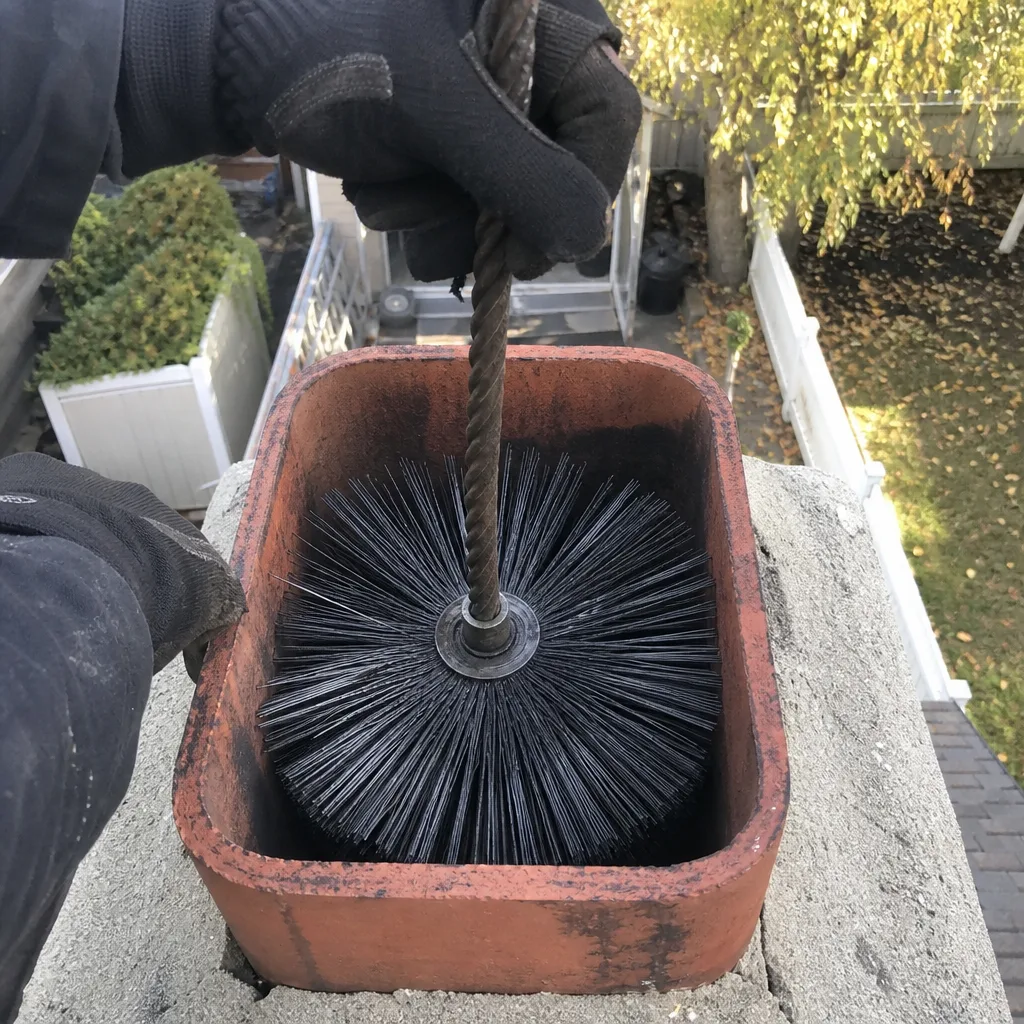
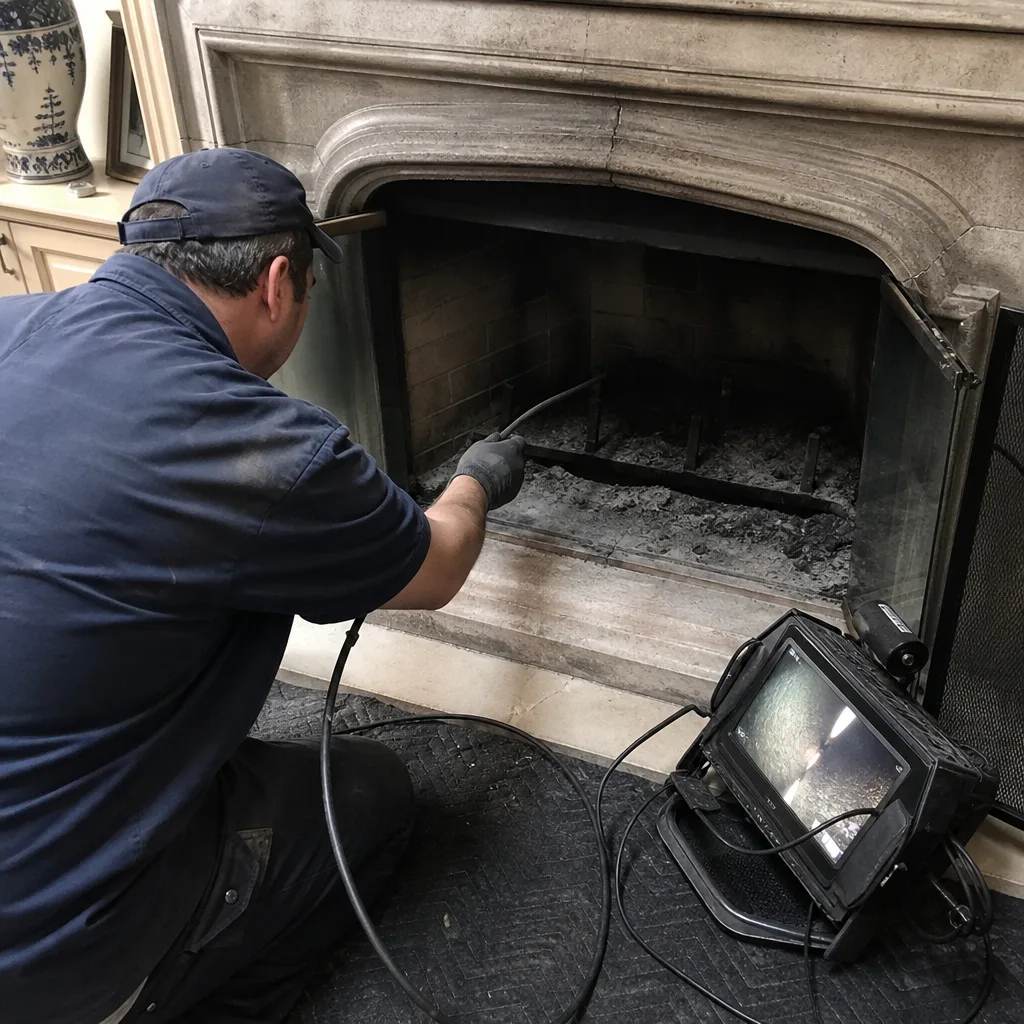
If you want to check for yourself whether the liner is failing, start with a flashlight at the cleanout door and look for rust flakes or metal debris. That’s safe, takes ten minutes, and tells you what questions to ask. But removing and replacing a flue liner means working on a roof, handling heavy gauge stainless steel, and creating a proper seal at the top cap so water doesn’t get behind the liner. It also means matching the liner material to your exact fuel type, because a mistake with gas venting can put carbon monoxide into the home. Corrine Halstead will tell you straight up: the camera doesn’t argue with you, and neither does the price sheet. We’d rather show you a photo of your existing liner and the condition it’s in before anyone touches a ladder. If you’re anywhere in New York, call (551) 213-5548 and we’ll send someone out with a camera.
FAQs
In New York’s climate, a properly installed Copperfield 316Ti liner on a wood-burning fireplace lasts 15 to 25 years. Gas and oil liners run 20 to 40 years if the condensation is managed with a properly sized liner and a cap. The lifespan drops dramatically if the liner is the wrong alloy for the fuel, which we see often in older New York buildings that switched from oil to gas decades ago without re-lining.
We do not patch stainless steel liners, and neither does Copperfield. A small crack is stress visible on one side; the alloy is compromised. The only repair that makes structural sense is replacing the liner section, which costs nearly as much as a full re-line and leaves you with two seams instead of zero. Call (551) 213-5548 for an exact quote; our estimates are free and written.
Most Copperfield liner replacements in New York are done in one visit, roughly four to six hours, depending on access and the old liner’s condition. We arrive with the liner sizes we expect to need, and a camera inspection is done before any work begins to confirm measurements.
We stock Copperfield-compatible liners in 4, 5, 6, and 8 inch diameters at our New York warehouse. We also carry equivalent parts from DuraFlex, HeatShield, and Gelco, but if you specify Copperfield, that’s what goes in. The liner is on the truck when we arrive, not a week later.
Written by Corrine Halstead, Owner, Level Two Chimney New York at Level Two Chimney New York, serving New York and nearby areas.