
Level 1 sweep and inspection to the NFPA 211 annual standard - flue, crown, cap, and flashing checked and photographed
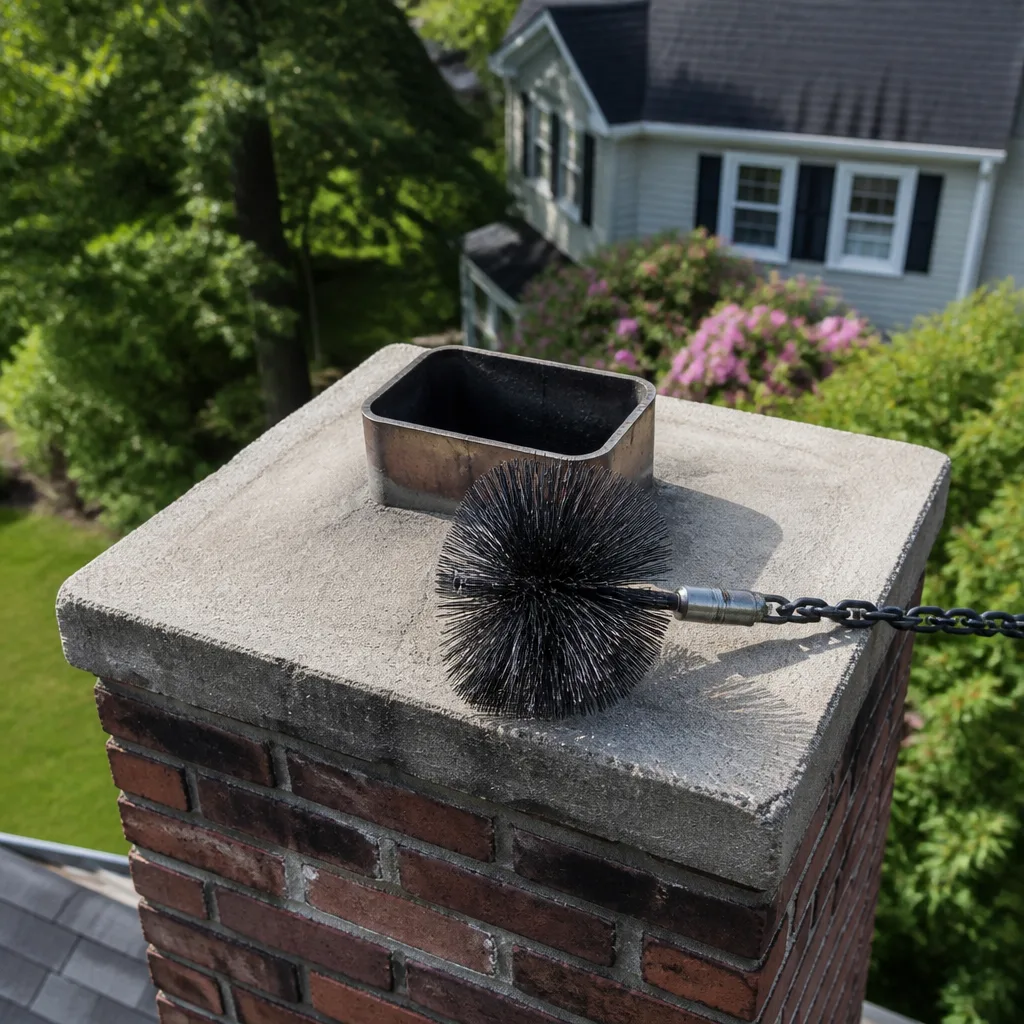
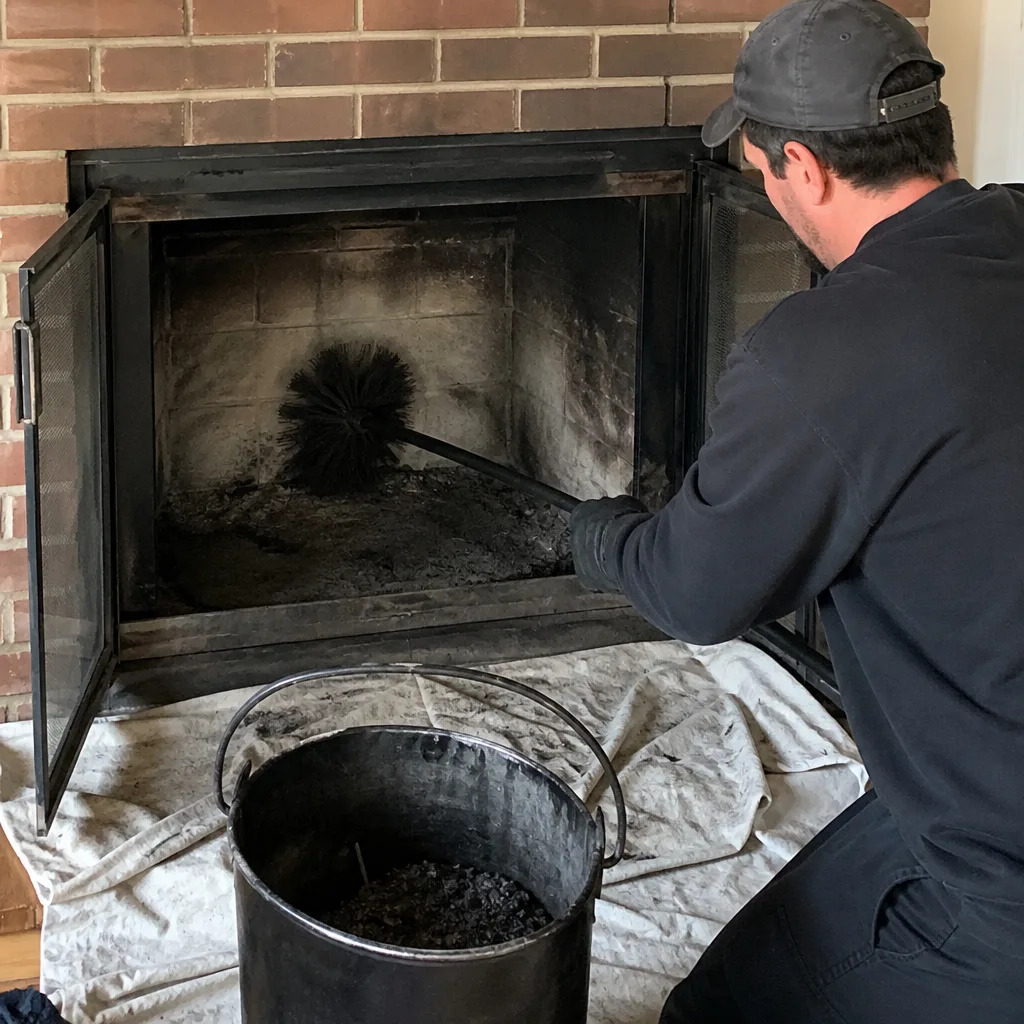
Chimney sweep logs do not sweep chimneys. They loosen some creosote - which then falls where a brush and vacuum still have to collect it.
 Before
 After
After Before
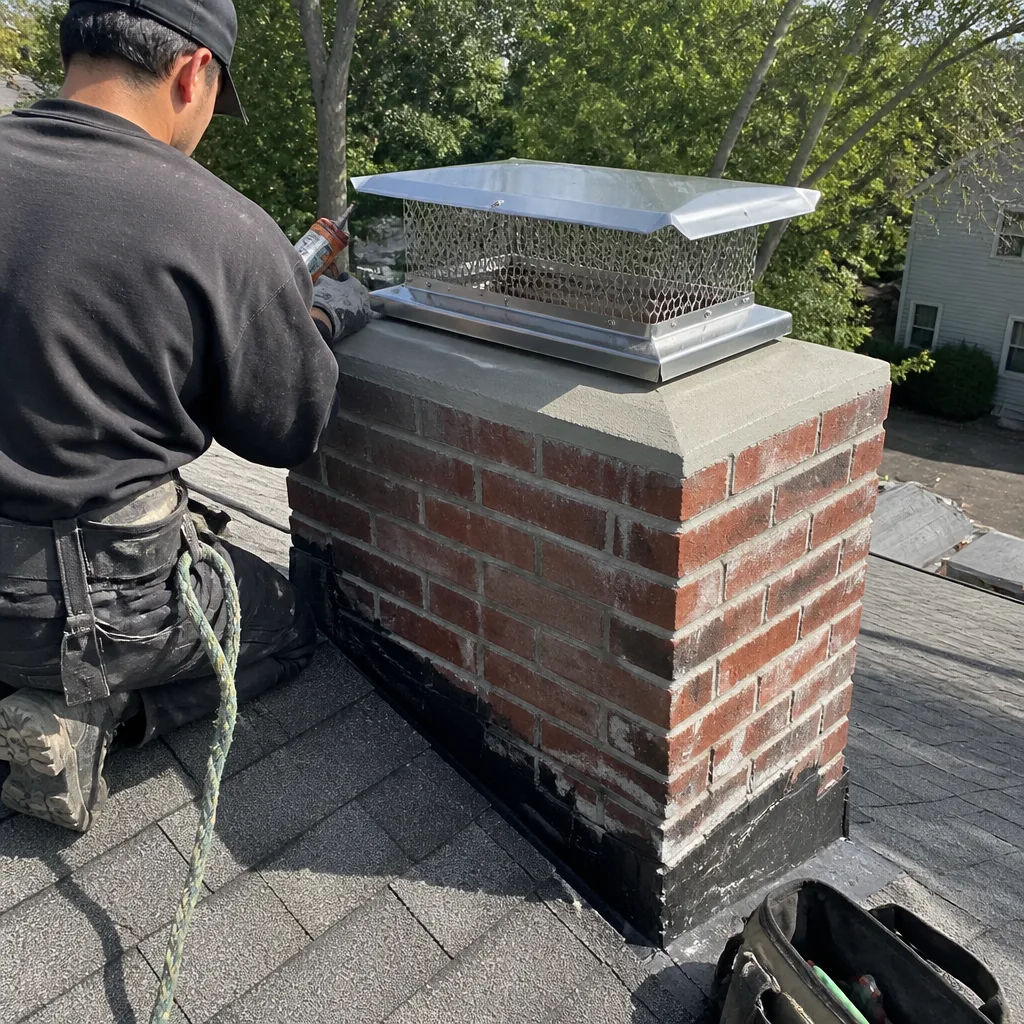 After
After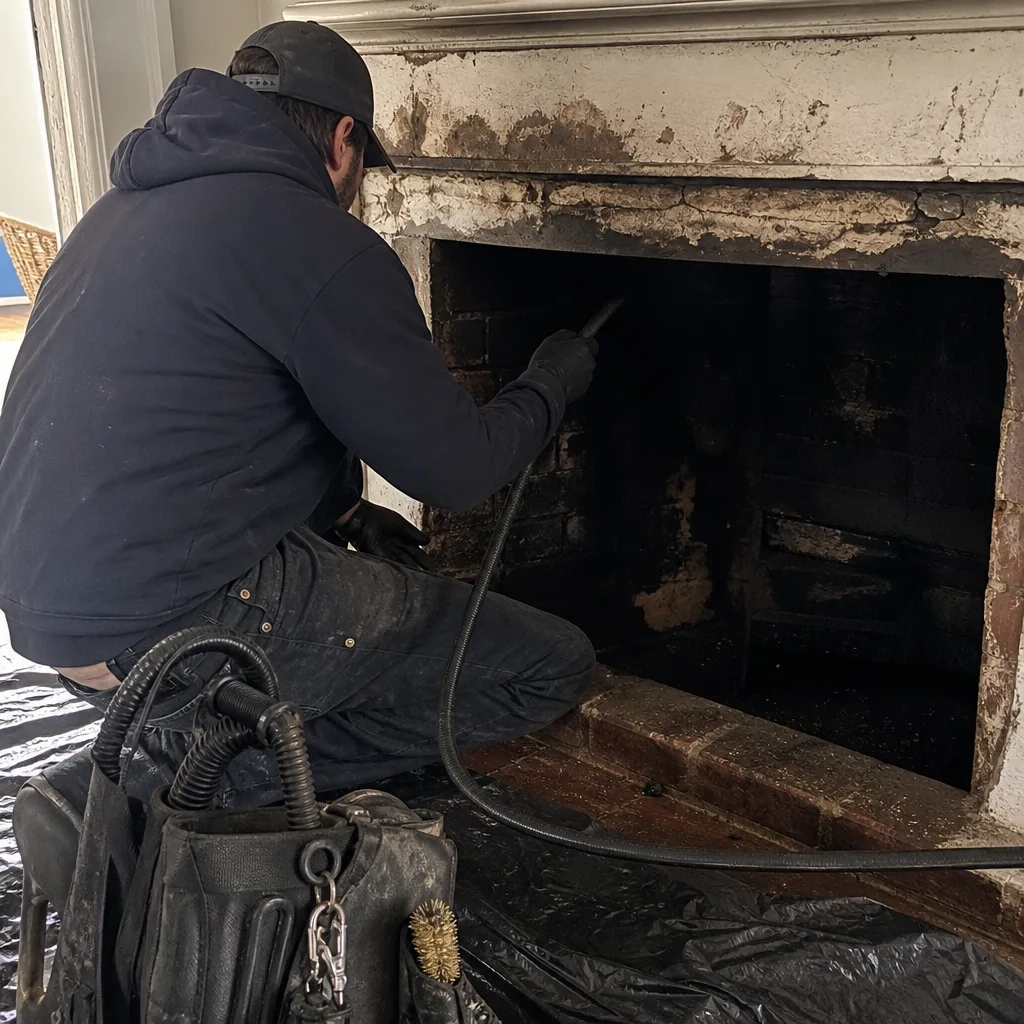 Before
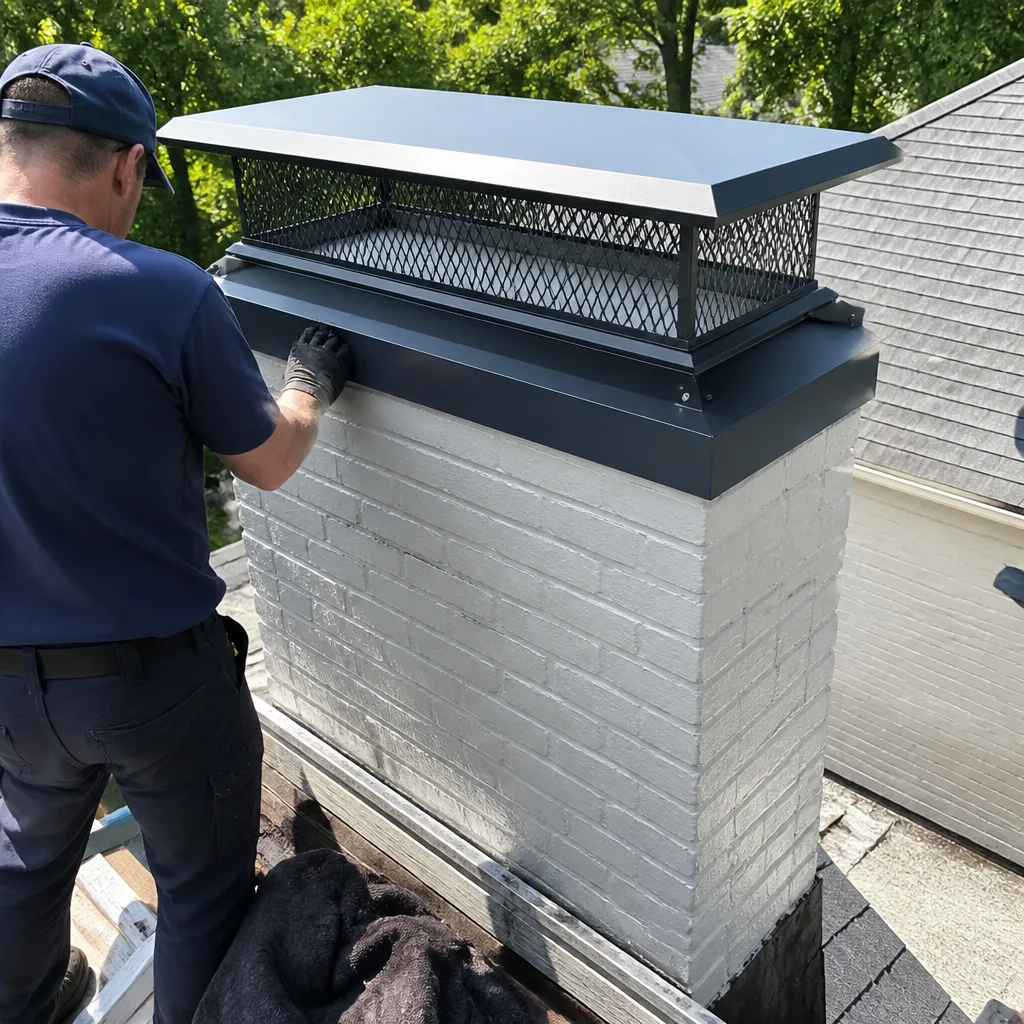 After
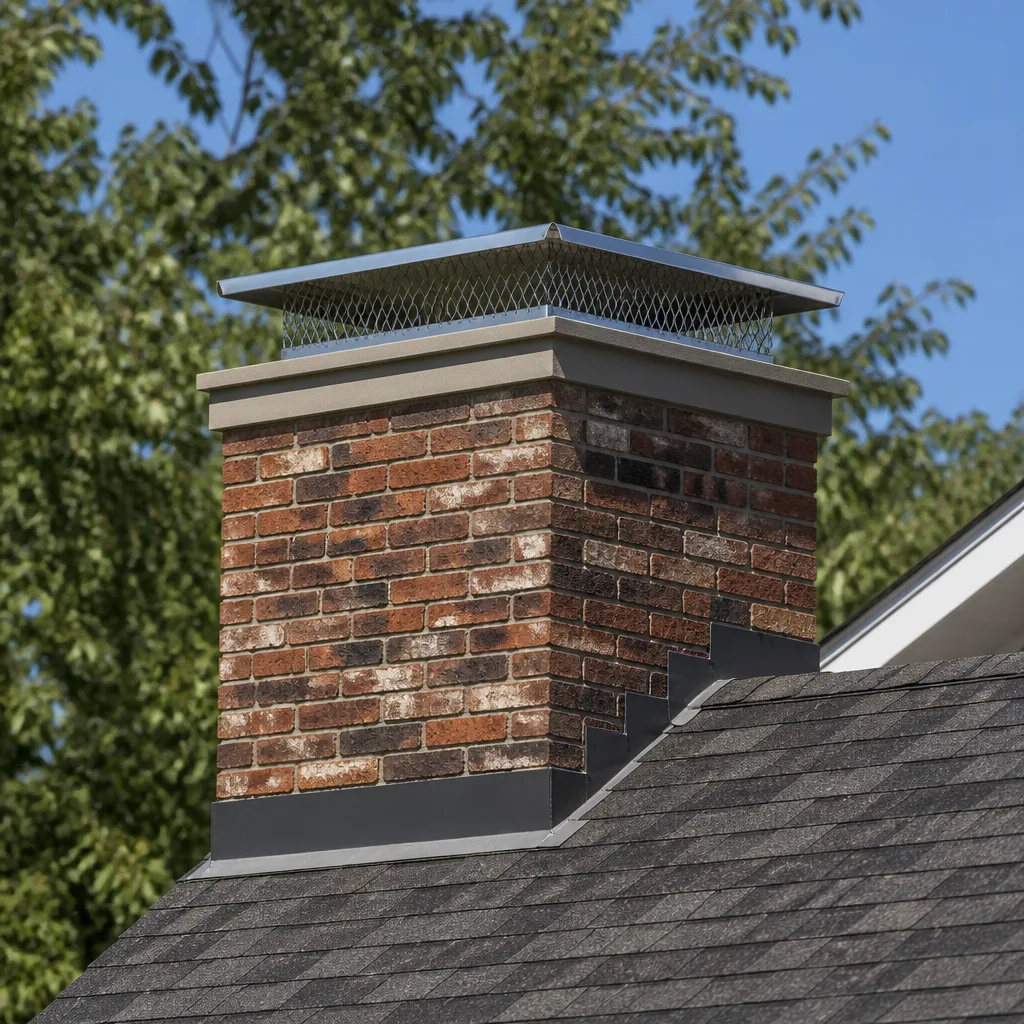
AfterDuraFlex Chimney Cap Installation: The New York Owner’s Guide
We install DuraFlex chimney caps in New York City and the surrounding boroughs, with most residential installations running between $420 and $780 depending on your flue size and roof access. We keep common DuraFlex cap sizes on our trucks, so in many cases the swap happens same-visit once we’ve confirmed measurements. The way most owners find out their cap has failed is the same way we do: rust staining on the crown, a cap that’s shifted off-center after a storm, or water showing up in the firebox after rain. Sometimes it’s a call we make after the camera comes back from a routine sweep and we see daylight where the cap’s mesh used to be.
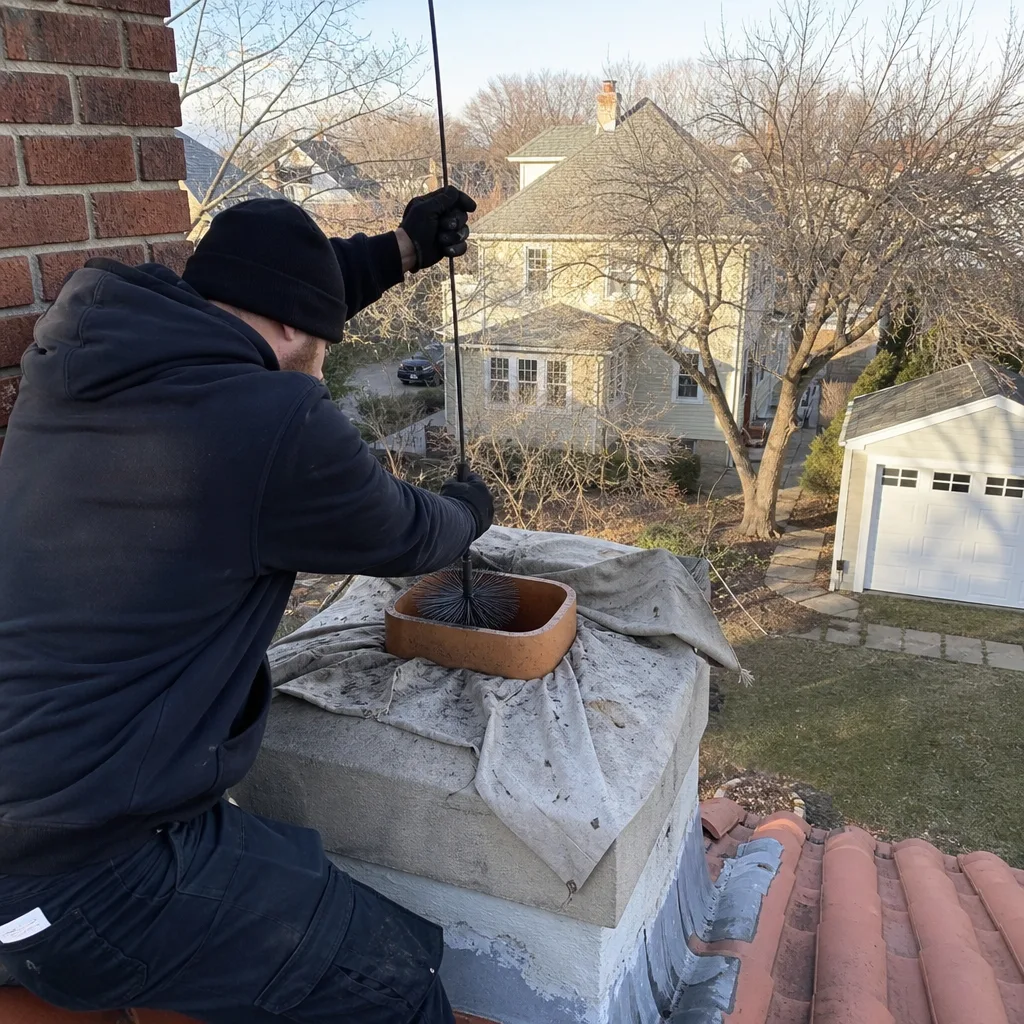
Key Takeaways
- DuraFlex caps are sized to the liner’s inside diameter, not the flue tile, which causes more misfit installs than any other single error we see in New York.
- Written price before any work starts, every time, no exceptions. You’ll see the line item for the cap, the labor, and the warranty before we touch the roof.
- We’re an independent service provider, not affiliated with DuraFlex. We stock genuine DuraFlex caps plus quality equivalents from Olympia Chimney and Gelco for cases where the OEM part has been discontinued.
Which DuraFlex Models This Applies To
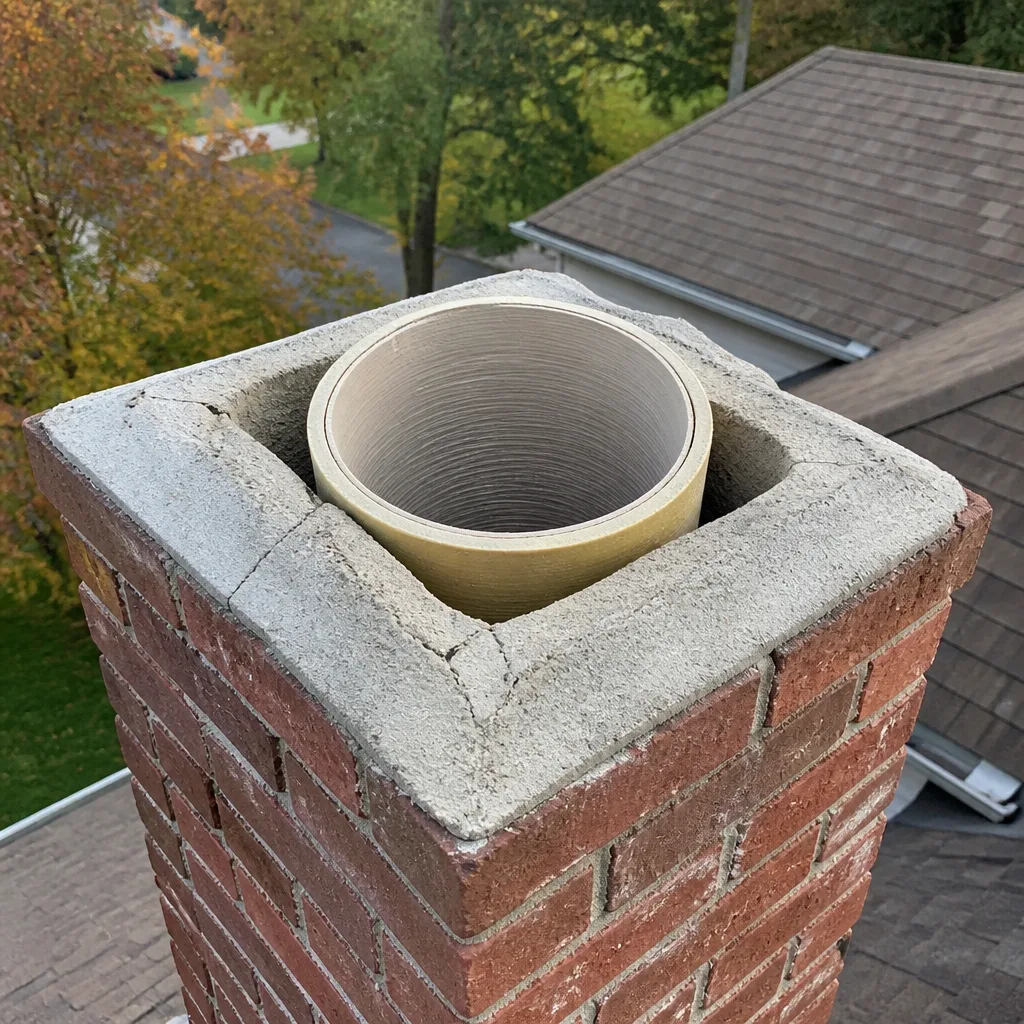
DuraFlex makes caps for their stainless steel chimney liner systems, and the part number matters less than two measurements: the liner’s inside diameter and whether you have a smooth-wall or corrugated liner. The most common residential sizes in New York are 6-inch and 8-inch inside diameter, but we also carry 5.5-inch and 7-inch caps for the older DuraFlex runs that popped up in 1990s-era townhouse retrofits across Brooklyn and Queens.
Here’s the compatibility gotcha we see weekly: a DuraFlex cap that fits a 6-inch rigid liner will not seat properly on a 6-inch corrugated liner without an adapter. If a previous installer jammed it on anyway, you’ll get a slow leak at the seam and the cap will work loose within a couple of seasons. We verify liner type with the camera before selecting the part, not after we’re on the roof with a box in hand.
On OEM versus aftermarket: DuraFlex caps are well-made, but they’re also one of the most commonly discontinued parts we deal with. When a specific DuraFlex cap size is no longer available or is backordered eight weeks out, we’ll recommend a Gelco or Olympia equivalent and show you the spec sheet side-by-side. We won’t substitute a part without handing you the comparative data first. That’s the whole point of Clause 1: written price, written scope, written warranty, before anyone starts.
BeforeAfterSigns Your DuraFlex Chimney Cap Installation Is Failing
- Water in the firebox after rain, but no water in the flue. This is the classic cap failure signature. The cap’s hood or mesh has failed while the liner itself is still sound. The camera shows clean liner walls and water pooling at the base, which points up top.
- Rust staining on the crown or cap base. Stainless caps shouldn’t rust, but the mounting hardware can, especially in a coastal-adjacent city like New York where salt air and freeze-thaw cycles work on screws and brackets every winter. Once the hardware goes, the cap shifts.
- The cap sits off-center or rattles in high wind. A loose cap is a cap that’s abrading its own mounting legs. The next nor’easter finishes the job. We flag this on sweep visits before it becomes a water intrusion claim.
- Mesh is missing, torn, or clogged with nest material. The mesh is what keeps animals out while maintaining draft. Once it’s compromised, you’ve got a chimney that’s open for business to squirrels, starlings, and in some New York neighborhoods, raccoons.
- You can hear rain hitting the damper or firebox floor during storms. That’s not normal chimney noise. It means water is getting past the cap and the flue path is fully open. Time to get the camera up there.
Replacement Cost & What’s Included
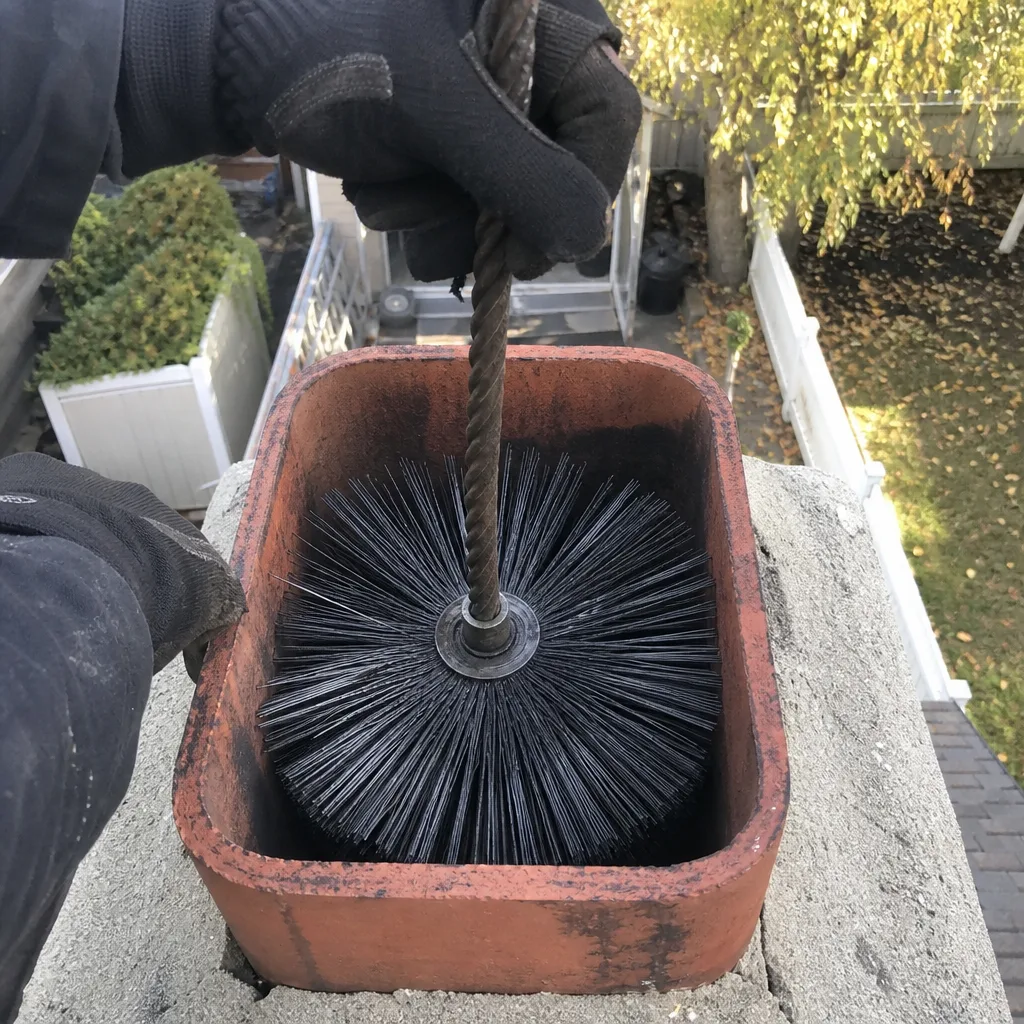
In New York, a DuraFlex chimney cap installation from us runs $420 to $780, with the cap itself typically accounting for $150 to $320 of that range and the remainder being labor, fasteners, sealant, and roof access. The variables are honest ones: single-story versus second-story roof access, whether the existing cap’s mounting hardware needs to be cut out or grinds free, and whether we need a ladder or a chimney bracket to reach the termination safely.
| Scope | Typical Installed Range |
|---|---|
| Single-flue DuraFlex cap, one-story access | $420 - $510 |
| Single-flue DuraFlex cap, two-story or steep access | $530 - $650 |
| Multi-flue cap or custom bracket work | $650 - $780 |
Every installation includes a camera scan before and after, a photo of the installed cap from the roof and from below, a written warranty on the work, and our 365-Day Done Right Promise: if it’s not done right, we make it right. You’ll know the exact number before we start. That’s been true since 2009, and it’s why we’ve put written documentation behind more than 38,000 chimney jobs across this city.
DIY or Call Us?
There are things you can check safely from the ground. Look at the cap from across the street with binoculars. Is it centered? Is the mesh intact? That’s useful information for us on the phone. But pulling a cap off a live chimney is a different job. Caps on New York row houses and brownstones live on roofs with real consequences: parapet walls, skylights, steep pitches, and in winter, a layer of ice you won’t see until you’re on top of it. A fall from even a two-story roof is a life-changing event. We send uniformed, background-checked technicians with proper fall protection and roof brackets. If the cap needs to be measured, matched, and bolted down, let us do it while you keep both feet on the sidewalk.
Call (551) 213-5548 and we’ll put a live person on the line, take your address and flue details, and get a written estimate to you before anyone climbs a ladder.
FAQs
A stainless DuraFlex cap in New York’s freeze-thaw climate typically lasts 8 to 15 years, with coastal exposure in neighborhoods like Sheepshead Bay or the Rockaways shaving the lifespan down closer to 7 to 10 years. The cap body usually outlives the mounting hardware, which means a lot of “failed” caps are actually failed brackets we can replace without swapping the cap itself. Call (551) 213-5548 and we’ll confirm it with the camera.
Yes, if the failure is limited to the mounting hardware or the mesh and the hood is still structurally sound, we can repair the cap in place for roughly half the cost of a full replacement. If the hood is dented, rusted through, or the mesh framing is compromised, replacement is the honest call. You’ll get written evidence either way before you spend a dollar.
Most single-flue DuraFlex cap installations take 60 to 90 minutes from roof setup to cleanup, including the before-and-after camera scan. Multi-flue jobs or custom bracket work can run longer. We’ll give you the time window on the call and text you when the technician is on the way.
We stock the most common 6-inch and 8-inch DuraFlex-compatible caps on our trucks, along with Gelco and Olympia equivalents for discontinued sizes. If your cap requires a specialized size we don’t have on board, we’ll order it and schedule the install before we leave your home, which means one truck roll instead of two. The camera doesn’t argue with you, and neither does the price sheet.
If you’re seeing water, rust, or a cap that’s moved off center, call us at (551) 213-5548 for a free estimate. We’ll put a written price in your hand, show you the problem with our camera, and install the right cap the right way. Corrine Halstead and the team at Level Two Chimney New York have been doing exactly that across New York since 2009.
Written by Corrine Halstead, Owner, Level Two Chimney New York at Level Two Chimney New York, serving New York and nearby areas.