
Level 1 sweep and inspection to the NFPA 211 annual standard - flue, crown, cap, and flashing checked and photographed
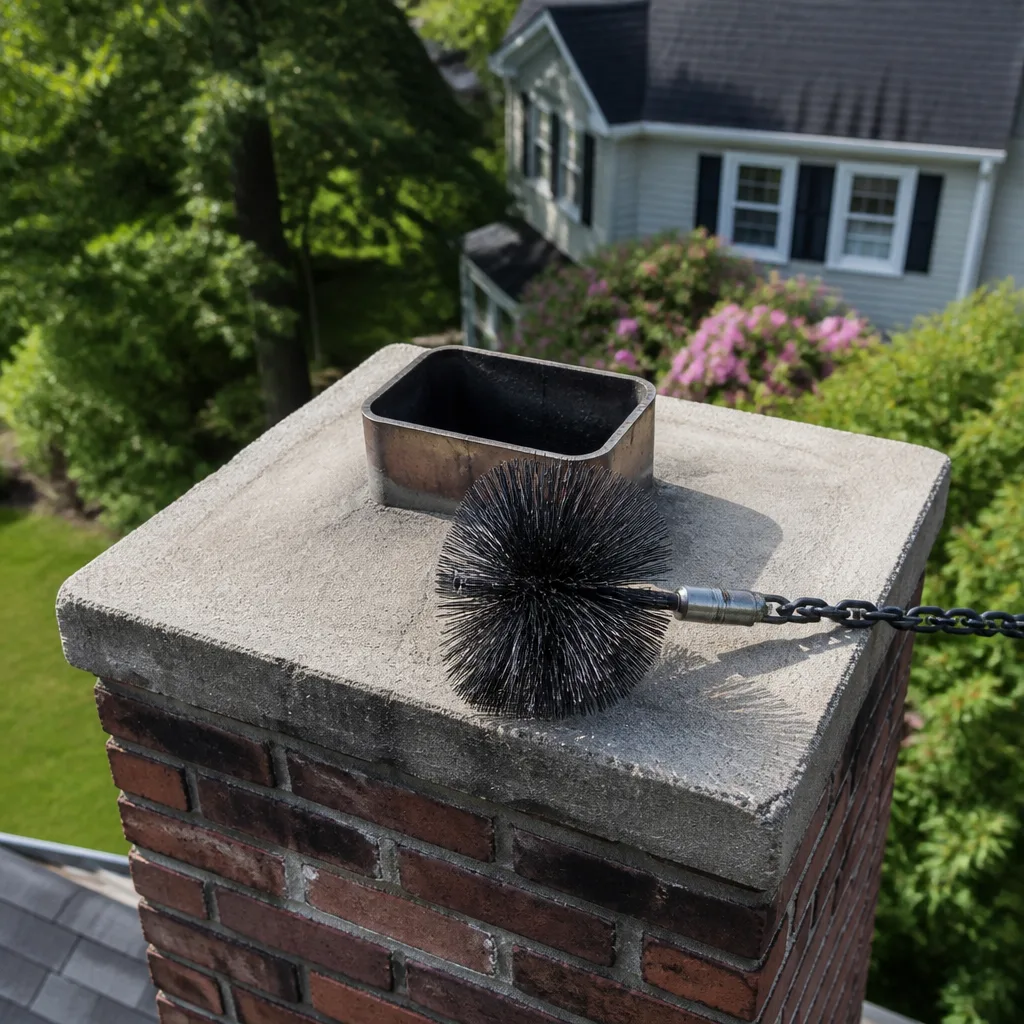
Chimney sweep logs do not sweep chimneys. They loosen some creosote - which then falls where a brush and vacuum still have to collect it.
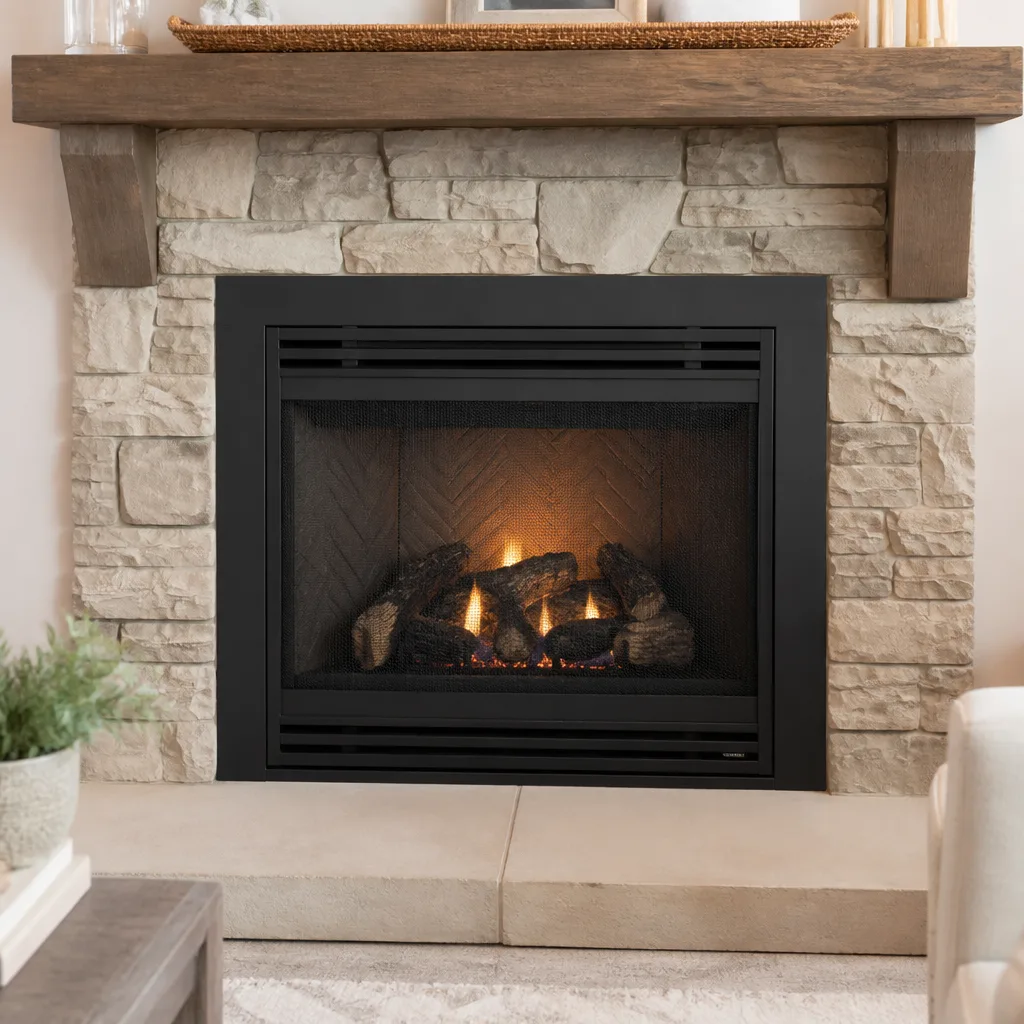
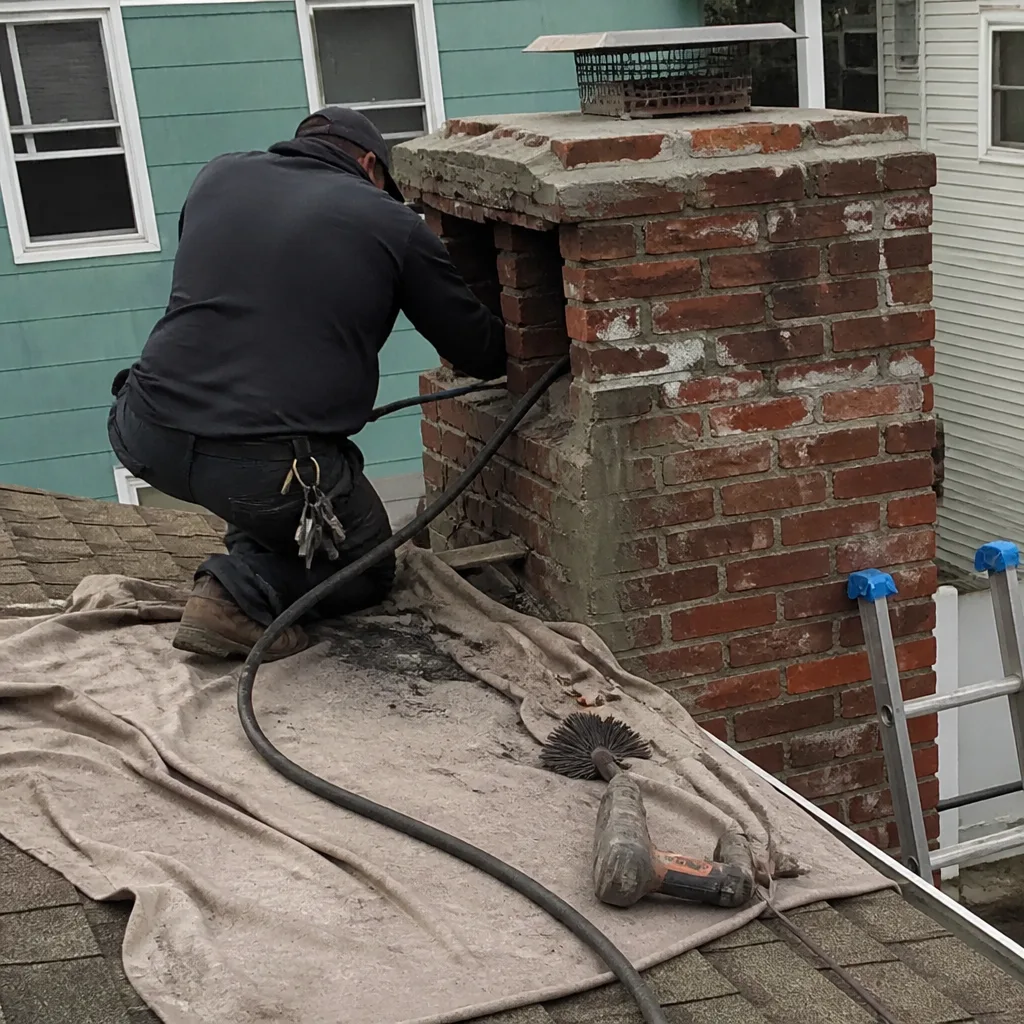 Before
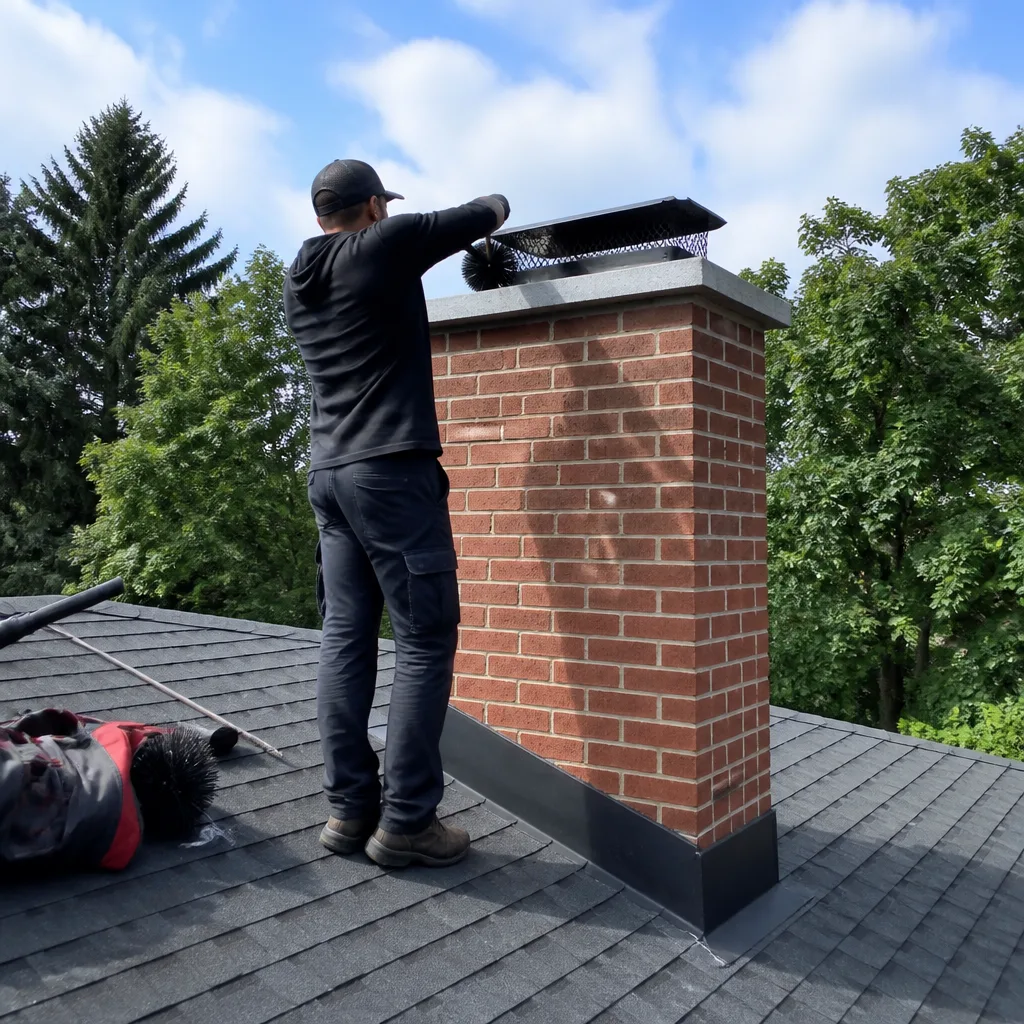 After
After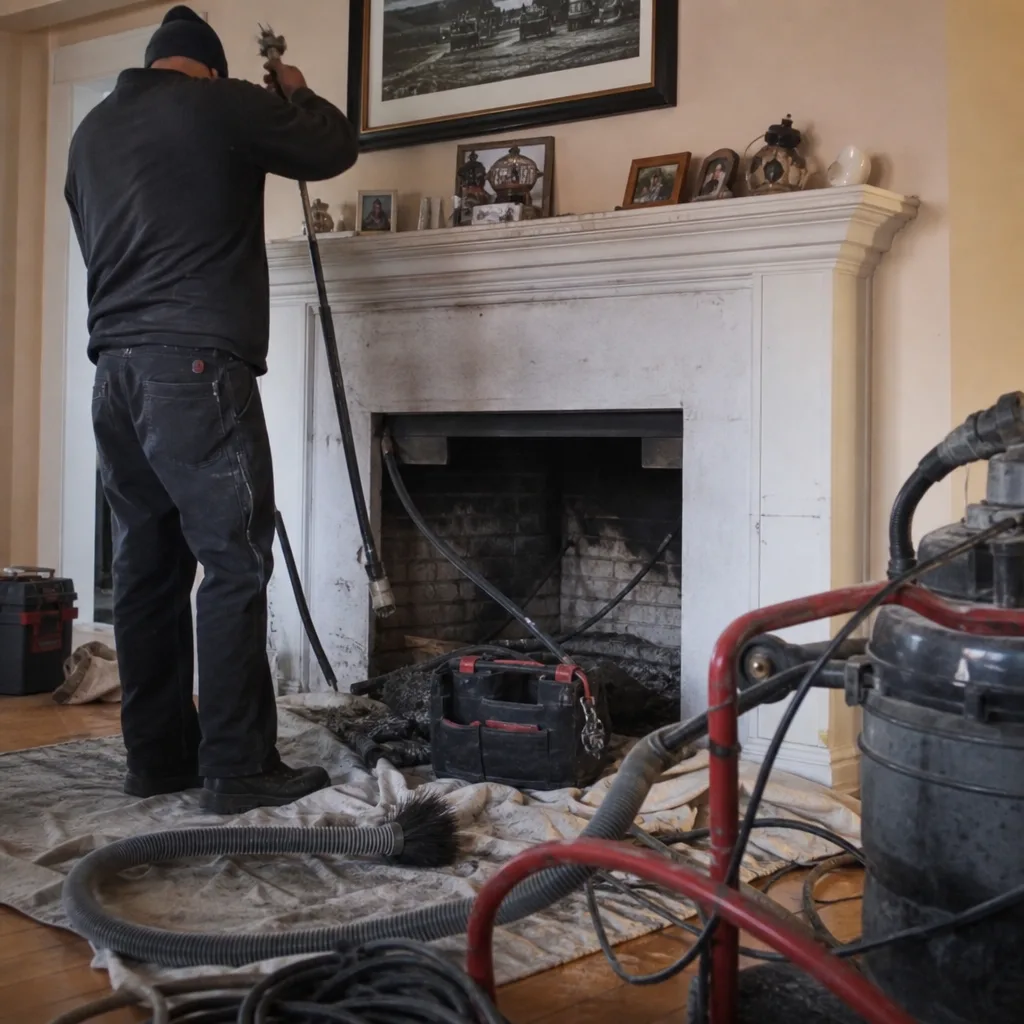 Before
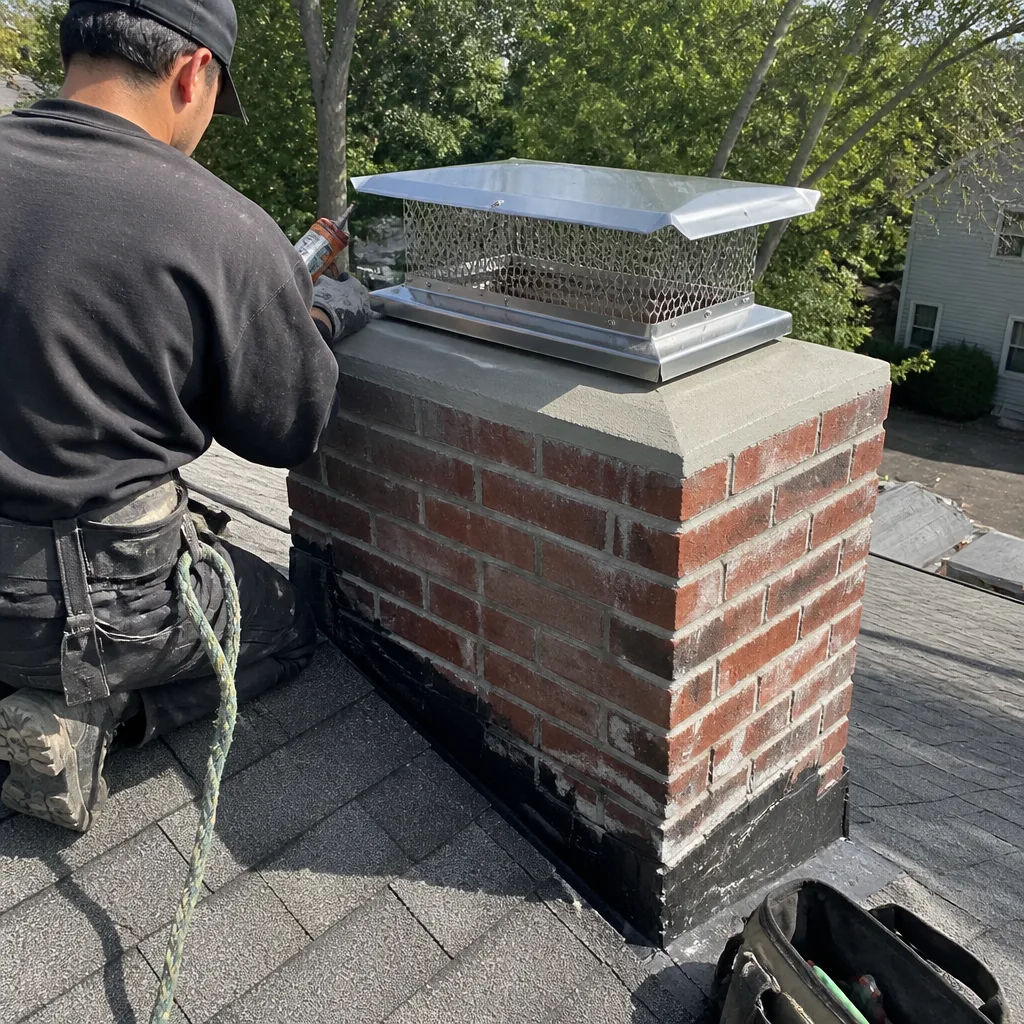 After
After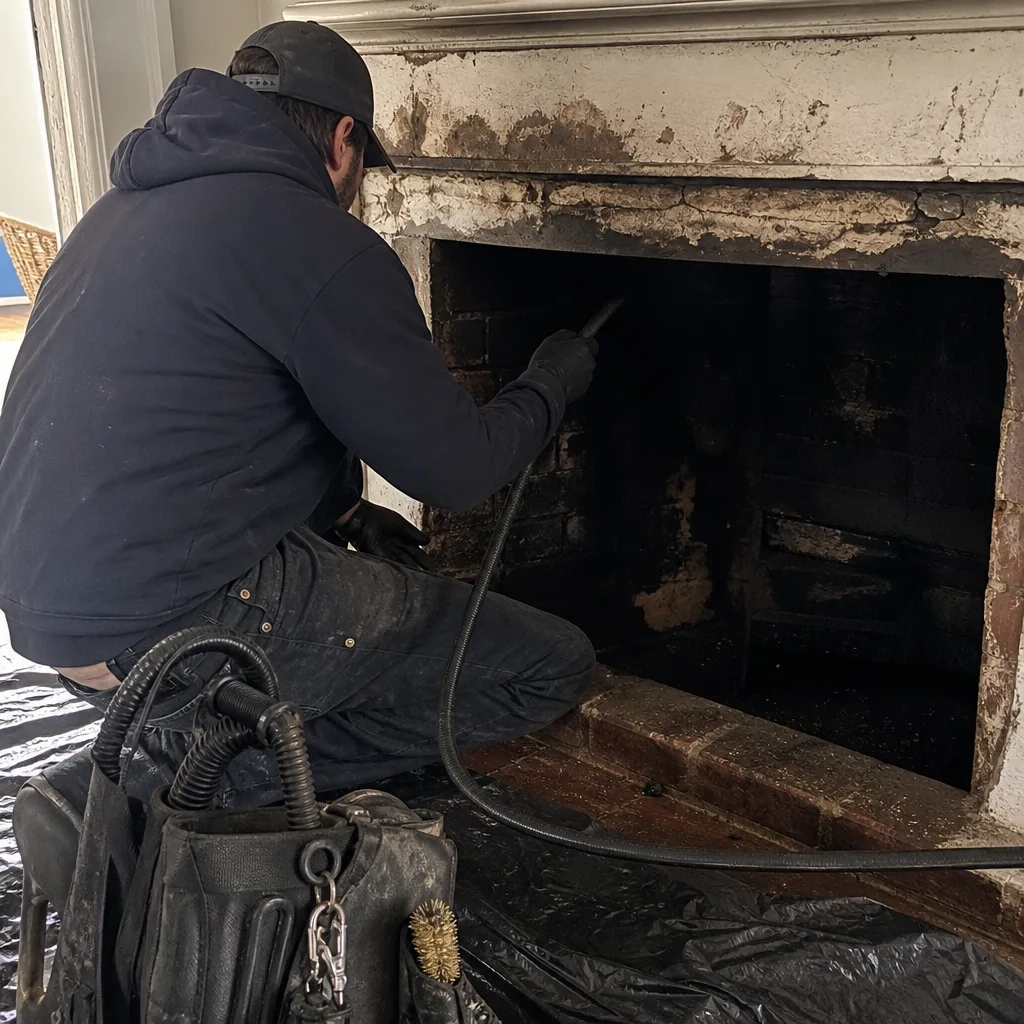 Before
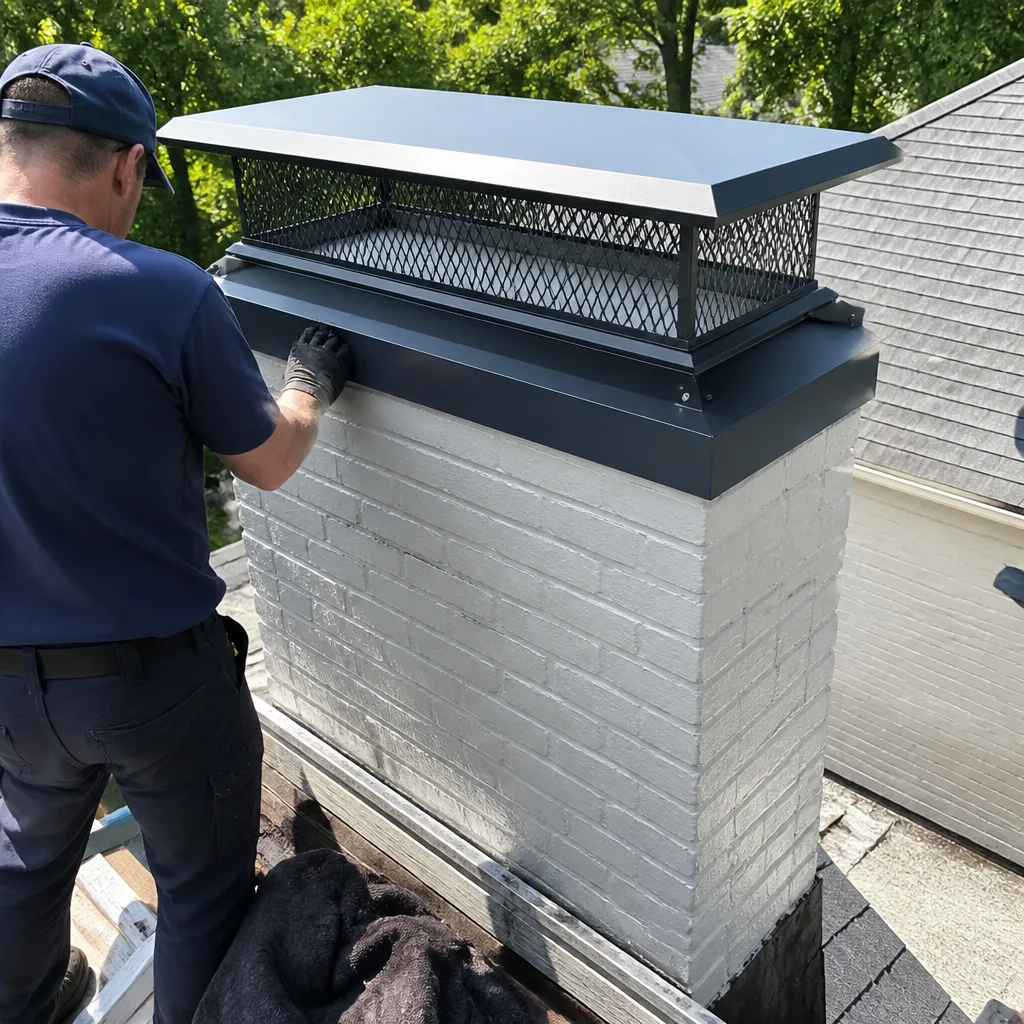 After
AfterWhy New York Homeowners Choose DuraFlex Chimney Cleaning
We provide independent Duraflex repair in New York, including chimney cleaning, inspection, and repair service across the five boroughs, from prewar brownstone flues in Park Slope to high-rise boiler vents in Midtown. We are not affiliated with or authorized by DuraFlex. What we are is a chimney company that has pulled, cleaned, inspected, and reinstalled more DuraFlex liners in New York than most crews see in a decade, and we quote every job in writing before work starts. Call (551) 213-5548 for a free estimate on DuraFlex service in New York, NY.
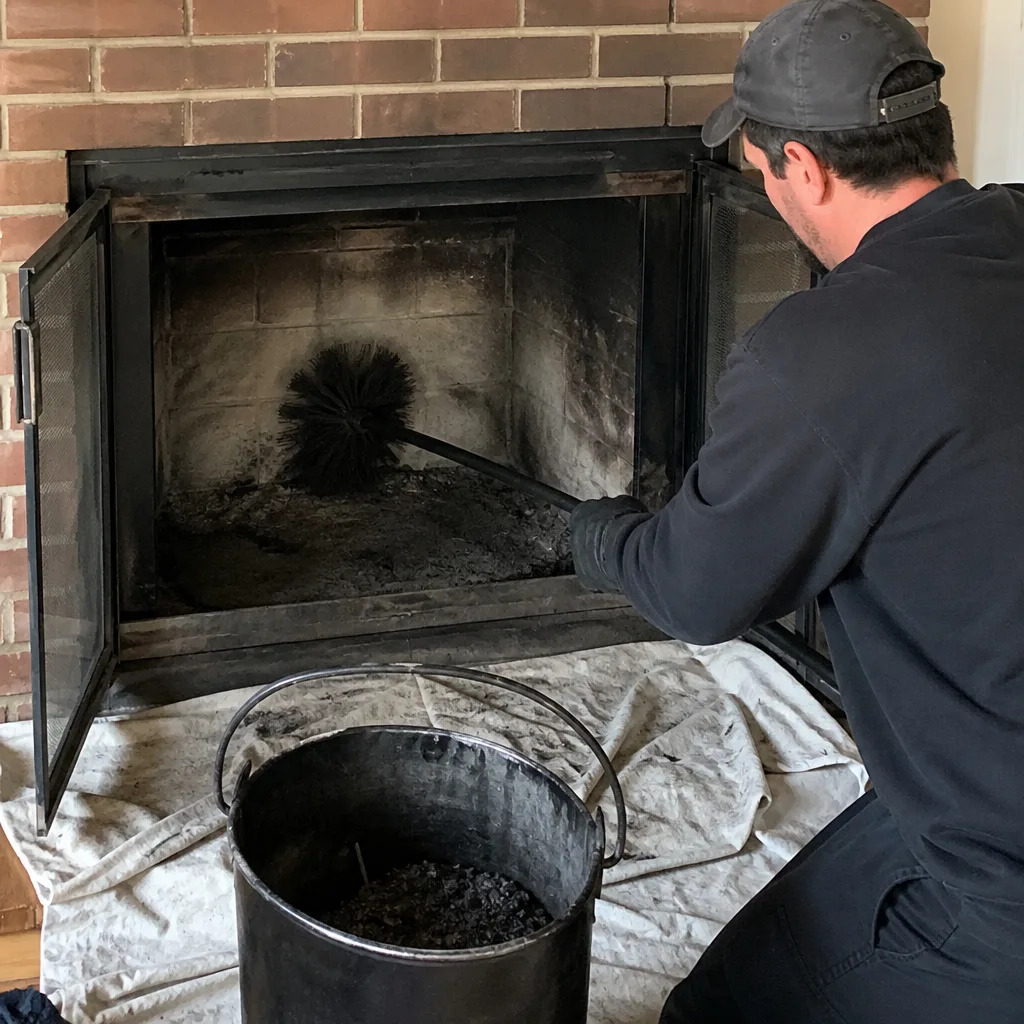
DuraFlex liners live a different life in New York than they do almost anywhere else in the country. Coastal humidity, salt air off the harbor, hundred-year-old masonry that shifts with every freeze-thaw cycle, and rooftop wind loads off the East River all stress a stainless liner in ways the manufacturer’s generic installation guide never mentions. We know those failure modes because we see them every week in New York. If you own a DuraFlex liner here, this page tells you what actually goes wrong, what it costs to fix, and what documentation you should walk away with.
Why Trust Level Two Chimney New York for Your DuraFlex Chimney Cleaning?
Our crews work on DuraFlex liners across every borough of New York City, and most of our techs can identify a liner’s alloy and series from a camera image before they ever touch it. That familiarity matters when you’re deciding whether a pinhole means patch or replace. DuraFlex builds four main liner families that show up in New York chimneys: the AL 316L alloy for wood and coal, the Pro 316L with its heavier wall, the SW smooth-wall for reduced creosote adhesion, and the 304L for gas appliances. Each one fails differently in New York conditions, and each one needs a specific cleaning approach. A rotary whip that’s fine on a Pro 316L can gall the thinner wall of a 304L if the tech runs it too hot.
Corrine Halstead, who runs Level Two Chimney New York, grew up in the Bronx and spent the better part of two decades Chimney Cleaning & Sweep work across New York City, including a stretch of older brownstones near Prospect Park in Brooklyn that kept her camera busy for years. She learned the technical side of the trade through the building trades and construction technology program at Bronx Community College, which is where she learned to read a flue liner the way a mechanic reads a spark plug. “The camera doesn’t argue with you, and neither does the price sheet.” That principle drives everything we do on DuraFlex systems in New York: show the problem, quote the fix in writing, and document what we did.
Every DuraFlex job we run in New York includes a camera-scan inspection (NFPA 211 Level 2) and a documented photo record. That has been our standard since 2009. It became Clause 4 of the Haven Standard, and it’s never been an upsell. We also deliver a written price and written scope before anyone starts work, which is Clause 1. No tech standing in your doorway with a clipboard and a number he made up on the spot. The price is on paper, in dollars, before a single tool comes off the truck.
Common DuraFlex Chimney Cleaning Problems We Fix in New York
These are the issues we see repeatedly on DuraFlex liners in New York. Not generic chimney problems. DuraFlex-specific failure modes that show up in this city’s housing stock and climate, including DuraFlex Chimney Cleaning in Bedford-Stuyvesant, NY.
- Pinhole corrosion at overlapping seams on AL 316L liners serving mid-efficiency gas units. New York’s humid air mixes with acidic flue condensate inside the liner, and the corrosion concentrates at the seam overlaps where moisture hangs. We find these with a pressure test, and the fix is usually a section replacement, not a patch.
- Creosote glaze hardened into glassy scale on DuraFlex AL corrugations. This happens after years of burning unseasoned hardwood in open fireplaces. The ridges and valleys of a corrugated liner trap creosote, and once it glazes, a standard brush won’t touch it. We use chemical treatment followed by a rotary whip sized for the liner profile.
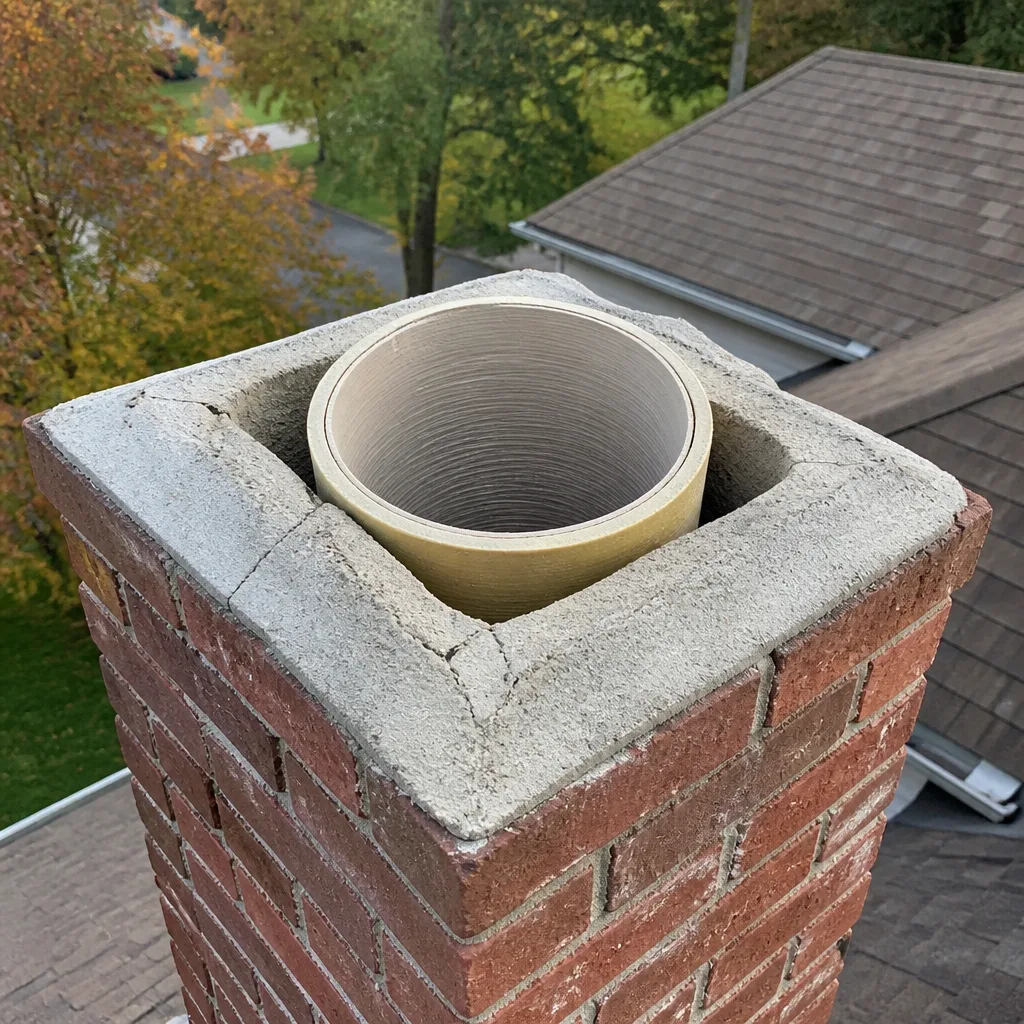
- Liner distortion and annular-space settlement when the original terra-cotta flue shifts. In New York’s pre-1940 brownstones and tenements, the masonry moves. When the original clay flue settles or cracks, it can kink a flexible DuraFlex run inside the chase. A kinked liner is a draft restriction and a creosote trap. We locate these on camera and either straighten or replace the affected section.
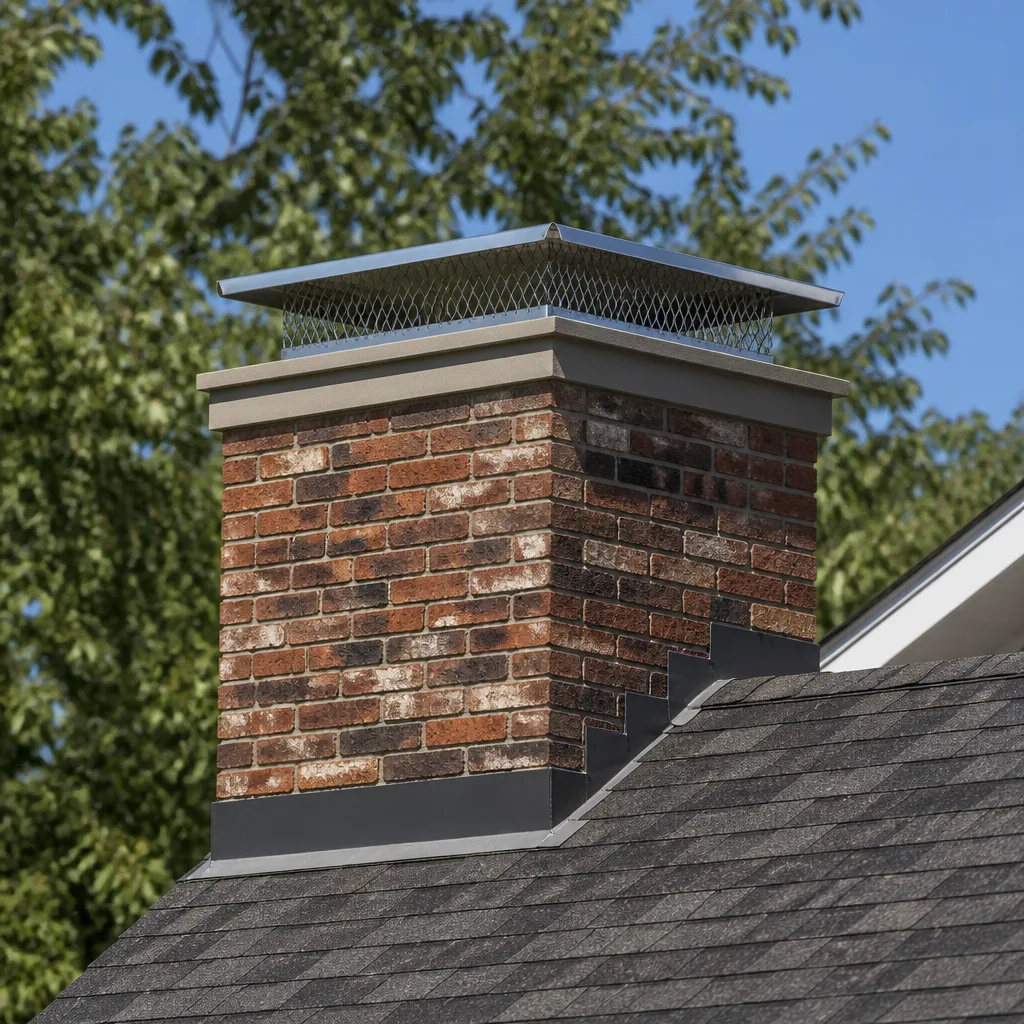
- Improper termination-cap fitment letting rainwater track down the inner wall. New York nor’easters drive rain sideways. If the rain cap or storm collar was installed wrong, or left off entirely, water works its way down the top three feet of the liner and accelerates pitting. We see this constantly in Brooklyn and lower Manhattan.
- Flue-gas bypass at the crown where knock-off sheet metal parts were substituted for genuine DuraFlex components. The AL29-4C profile is specific. Aftermarket parts that don’t match it leave gaps, and those gaps leak flue gas into the masonry or the living space. We replace them with genuine DuraFlex top plates, rain caps, and connector boots.
BeforeAfterDuraFlex Parts & Our Repair-vs-Replace Approach
We recommend genuine DuraFlex components for critical sealing and fitting parts: the top plate, the rain cap, and the connector boots. Knock-off sheet metal doesn’t match the AL29-4C alloy profile, and the result is usually flue-gas bypass at the crown or accelerated corrosion at the connection points. For masonry work around the liner, such as crown repair or flashing, we source local grade-A materials that comply with NYC fire code. The liner is one system. The masonry around it is another. Both matter.
When we evaluate a DuraFlex liner, we look for structural integrity, not just surface condition. A liner can look clean on camera and still fail a pressure test if thermal fatigue has opened the seams. We only rebuild instead of reline when the existing DuraFlex has lost structural integrity from thermal fatigue or mechanical damage. Otherwise, we reline with a new DuraFlex section and document the whole job with photos. A repair that gets documented is a repair you can verify. Call (551) 213-5548 to talk through what your liner actually needs.
Our DuraFlex Service Process - Step by Step
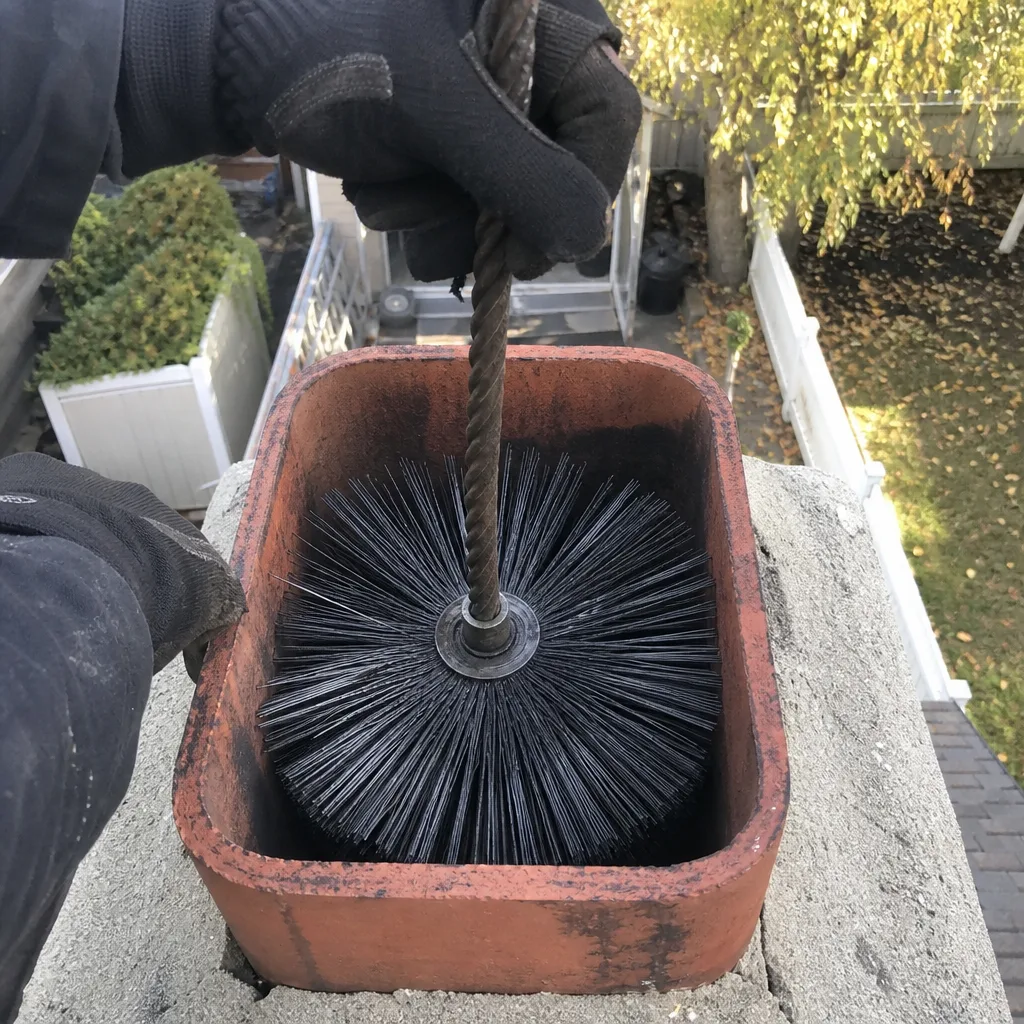
- 1
Diagnosis. We run a camera down the DuraFlex liner and record the full length. We check for seam corrosion, creosote class, kinks, cap fitment, and crown condition. You get the photos, not just a verbal summary.
- 2
Written quote. Before any work starts, we hand over a written price, written scope, and written warranty. If we recommend a repair you don’t see in the camera images, question it. We expect you to.
- 3
Repair or install. We use genuine DuraFlex parts for sealing and fitting components. For masonry work, we use NYC fire code-compliant local materials. Work is done by background-checked, uniformed techs whose license information is on the page.
- 4
Test. We pressure-test the liner and run a final camera scan. You see the results before we pack up.
- 5
Warranty and record. You get a documented photo record of every step under Haven Standard Clause 4. If it’s not done right, we make it right under the 365-Day Done Right Promise.
DuraFlex Products We Service & Install in New York
We service and install the full DuraFlex liner range in New York: the AL 316L stainless steel chimney liner for wood and coal, the Pro 316L with its heavier gauge for demanding installations, the SW smooth-wall liner where creosote adhesion is a known issue, and the 304L liner for gas appliances. We stock common DuraFlex components locally in New York for fast turnaround: top plates, rain caps, storm collars, connector boots, and section lengths in the most common diameters. Less common parts come straight from our supplier network, and we’ll tell you upfront how long that takes. We also service and install HeatShield and Gelco systems for New York homes where those products are a better fit.
We Also Service These Brands
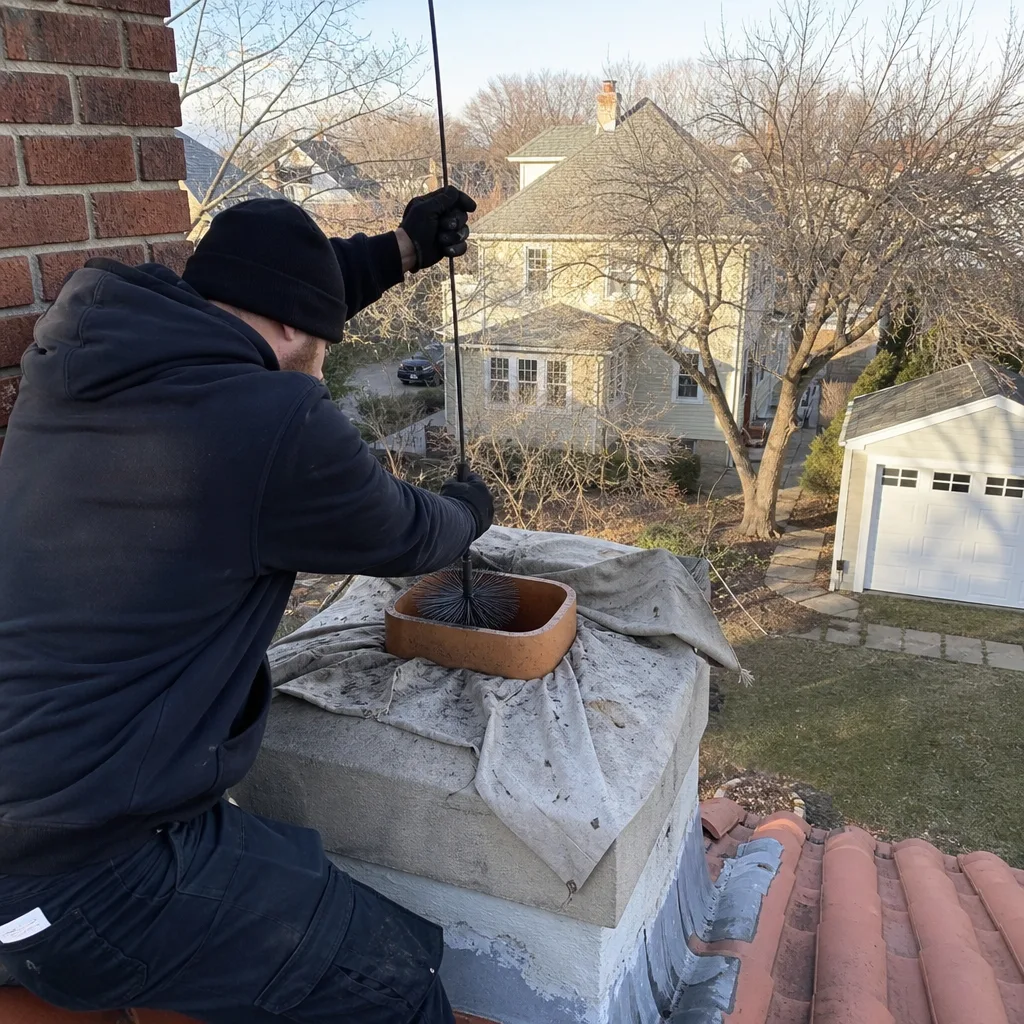
DuraFlex is one of several liner systems we work on in New York. We also install and service HeatShield cerfractory flue sealant systems and Gelco chimney caps and liners. Multi-brand experience means we recommend the right product for the flue, not the product we happen to have a spiff on that month.
FAQs - DuraFlex Chimney Cleaning Service in New York
No. We are an independent DuraFlex service provider. We are not authorized by, affiliated with, or sponsored by DuraFlex. What that means in practice: we have no incentive to push a DuraFlex-branded fix when a different repair makes more sense, and we have no manufacturer script to follow when we’re talking to you about what your liner actually needs.
Yes, for all critical sealing and fitting components including top plates, rain caps, storm collars, and connector boots. These parts have to match the DuraFlex AL29-4C alloy profile, and aftermarket sheet metal doesn’t. For masonry work around the liner, we source NYC fire code-compliant local materials.
A standard DuraFlex cleaning and Level 2 camera inspection takes two to four hours for a single liner in a typical New York brownstone or co-op. If we’re replacing a section of liner or rebuilding a crown, you’re usually looking at one to two days. Multi-flue building work in co-ops and prewar buildings scales from there, and property managers get a written schedule before we start. Call (551) 213-5548 for a timeline specific to your building.
We service the DuraFlex AL 316L, Pro 316L, SW smooth-wall, and 304L gas liners. If you have documentation showing a different DuraFlex series or an older installation, bring it to the inspection. We can usually identify the liner from a camera image alone, but the original paperwork helps us confirm the alloy, diameter, and installation date.
Routine cleaning and inspection by an independent company does not void a DuraFlex manufacturer warranty, provided the work is done correctly and doesn’t damage the liner. We use cleaning methods appropriate to the liner series and condition. Where the manufacturer requires specific parts or procedures for warranty compliance, we follow them. If a repair falls under the manufacturer’s warranty, we’ll tell you and point you to the claim process. If it doesn’t, we’ll show you the photos so you understand why.
DuraFlex chimney cleaning in New York typically runs $225 to $425 for a single flue with a Level 2 camera inspection, depending on liner length, creosote class, and access conditions in your building. Section replacement on a damaged AL or Pro 316L liner starts around $600 and goes up based on the length and material. Full relining of a New York brownstone flue typically falls between $3,000 and $7,000, including removal of the old liner if needed. Every quote is written, in dollars, before work starts. Call (551) 213-5548 for an exact price on your flue. Estimates are free.
It depends on the liner series and condition. We use rotary whips on Pro 316L and SW liners when the creosote is heavy or glazed, because the heavier wall and smooth profile can take the mechanical action. On AL 316L and 304L liners with thinner walls or older installations, we use poly brushes or a softer rotary head at lower speed. Running an aggressive whip on a thin-wall 304L can gall the inner surface and create a new creosote adhesion point. “Sized for the liner” is not a slogan. It’s the difference between a clean flue and a damaged one.
Look at the appliance’s required flue diameter in the installation manual, then check the liner’s actual inside diameter. For most New York fireplaces, the liner should be within a half-inch of the appliance outlet diameter. An oversized liner cools the flue gases too much, which increases creosote condensation and reduces draft. An undersized liner restricts draft and can push smoke back into the room. We measure and verify during every Level 2 inspection, and the measurement goes into your written report with the photos.
Wind-induced vibration on a DuraFlex liner usually means the liner isn’t properly secured inside the chase, or the termination cap is acting as a reed. In New York, rooftop wind loads off the rivers and the harbor hit exposed chimney stacks at odd angles, and a liner that isn’t tensioned or insulated properly can oscillate. The hum you hear is the liner vibrating against the masonry or against itself in the annular space. We fix it by re-securing the liner, checking the insulation blanket, and often installing a higher-wind-rated cap.
Pine burns hot and fast, and it produces more creosote per cord than hardwoods, especially if it’s not fully seasoned. Occasional pine in a DuraFlex AL 316L liner is fine if you’re burning dry wood and getting the firebox hot enough to push the flue gases up and out. Long-term pine burning without regular cleaning will accelerate creosote accumulation on the corrugations, and glazed creosote on a corrugated liner is harder to remove than on a smooth-wall. In New York, where firewood often comes from local suppliers with questionable seasoning, we recommend hardwood for routine burning and a Level 2 camera check at least once a year.
Because a camera image shows surface condition, not seam integrity. A DuraFlex liner can look clean and smooth on camera while small gaps or pinholes at the overlapping seams are leaking flue gas under pressure. Pressure testing closes off the liner and measures whether it holds. In New York’s humid, salt-air environment, seam corrosion can start on the inside of the seam where a visual inspection will miss it for years. That’s why we pressure-test as part of the Level 2 inspection when the liner’s age or the appliance’s efficiency rating suggests seam risk.
Book Your DuraFlex Service in New York, NY
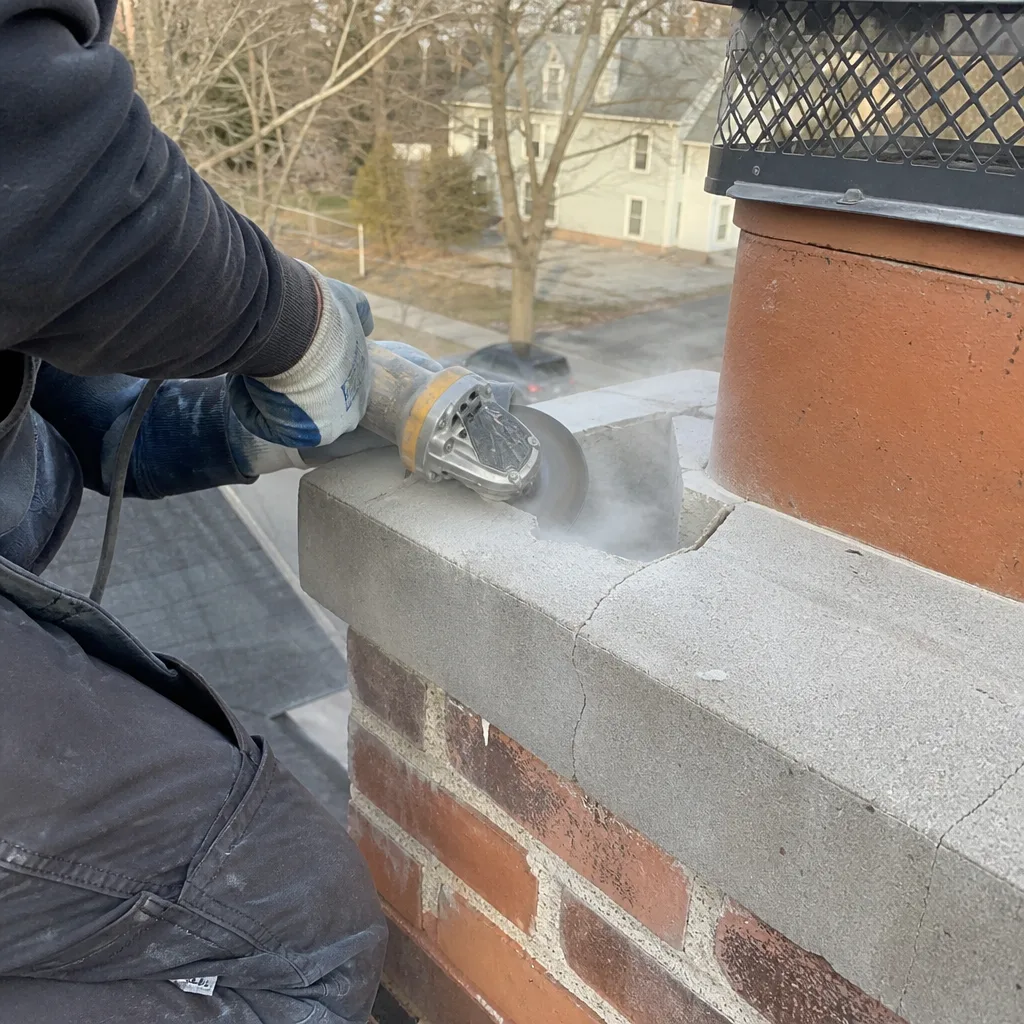
Last week our tech pulled a DuraFlex AL liner from a Carroll Gardens brownstone that had a Level 2 inspection scheduled, similar to DuraFlex Chimney Cleaning in Flatbush, NY. The homeowner complained of a smoky smell after rain, and the original top plate was installed without a storm collar, letting water wick down the liner’s corrugations. We cleaned the creosote, installed a proper DuraFlex rain cap and storm collar, and coated the exposed crown. No more damp odor, and a fully passable camera scan on file.
If you own a DuraFlex liner in New York, call (551) 213-5548 for a free estimate. We’ll put the price in writing before we start, document every step with photos, and stand behind the work for 365 days. Corrine Halstead and the Level Two Chimney New York team are ready when you are.
Written by Corrine Halstead, Owner at Level Two Chimney New York, serving New York City since 2009.