
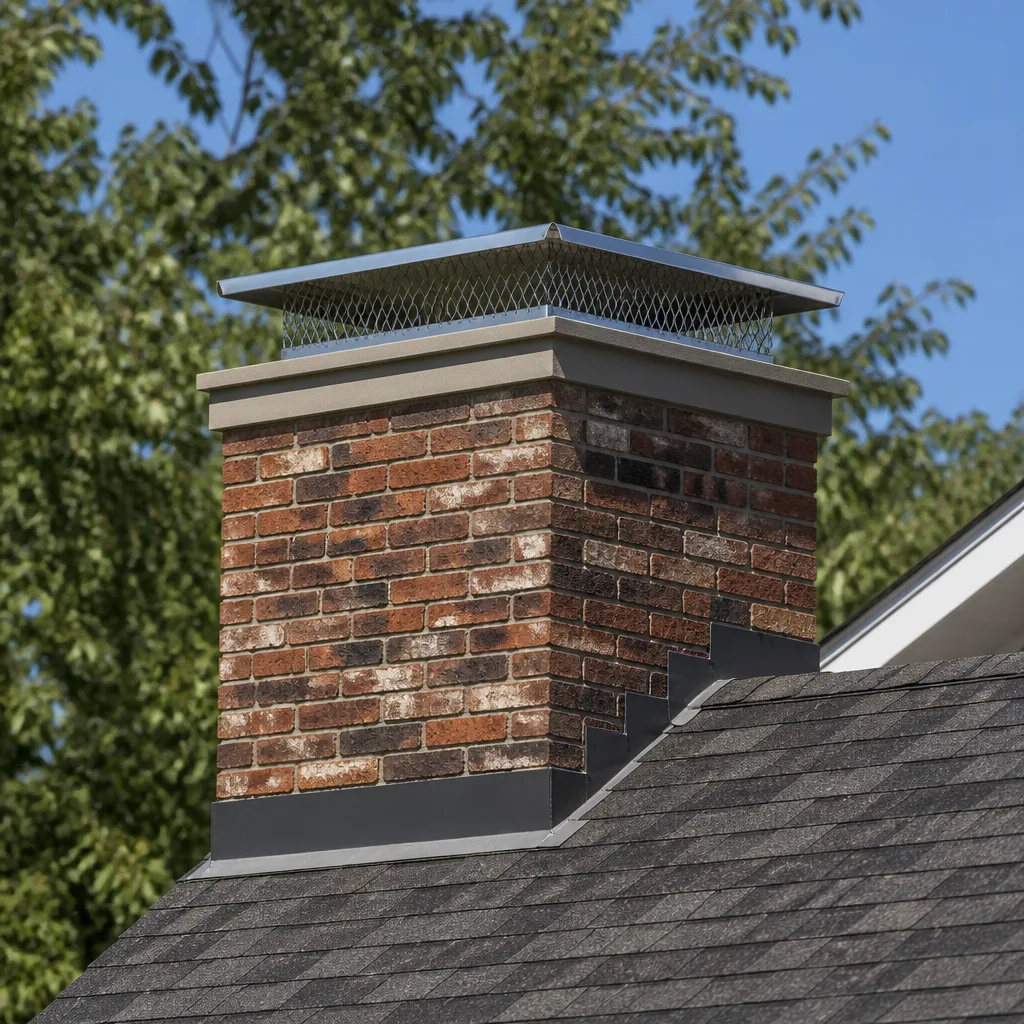
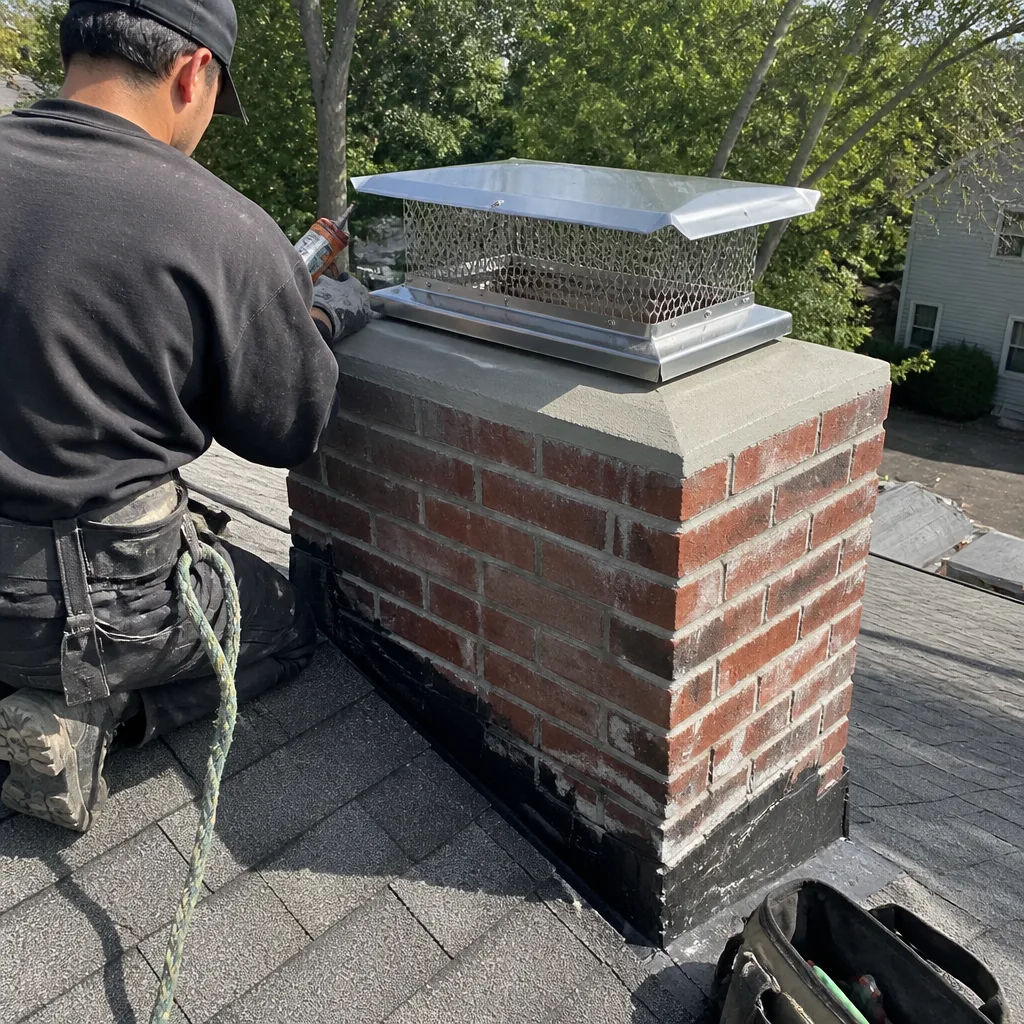
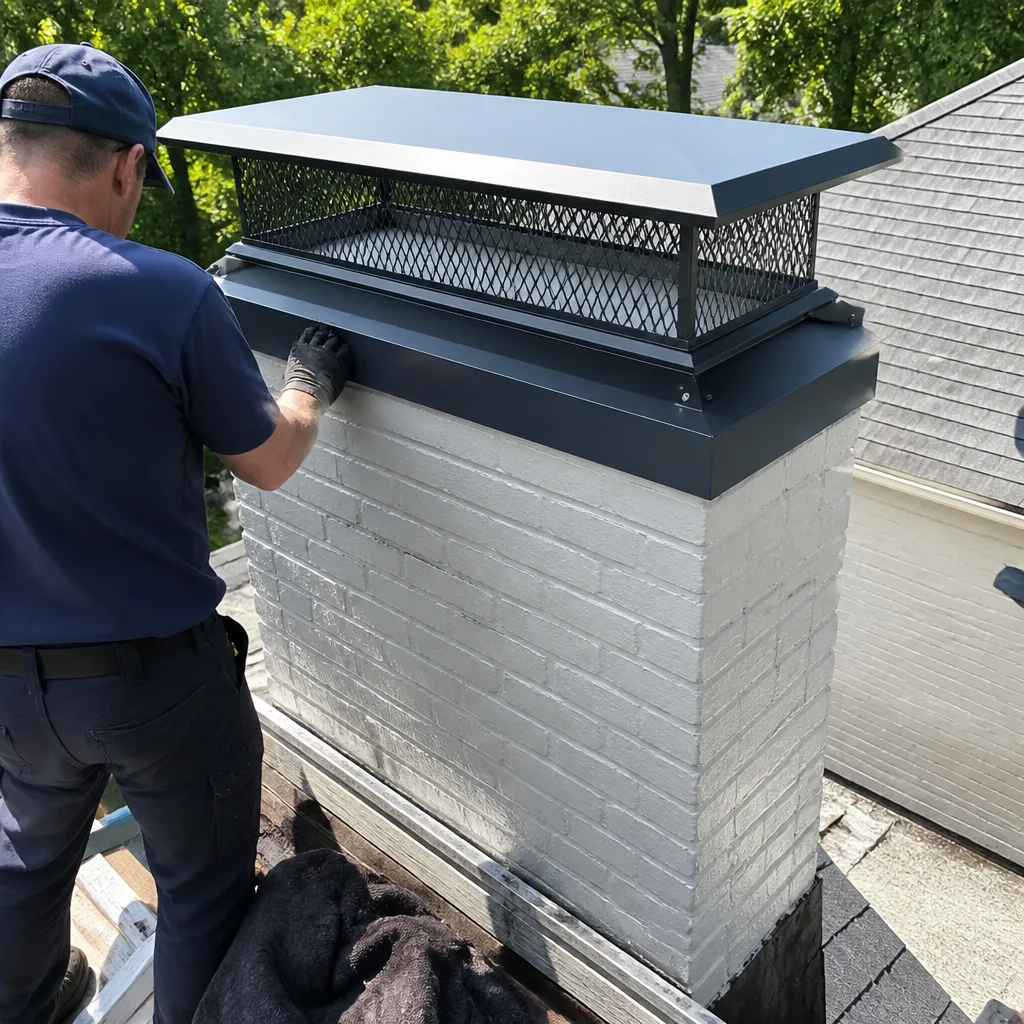
Level 1 sweep and inspection to the NFPA 211 annual standard - flue, crown, cap, and flashing checked and photographed
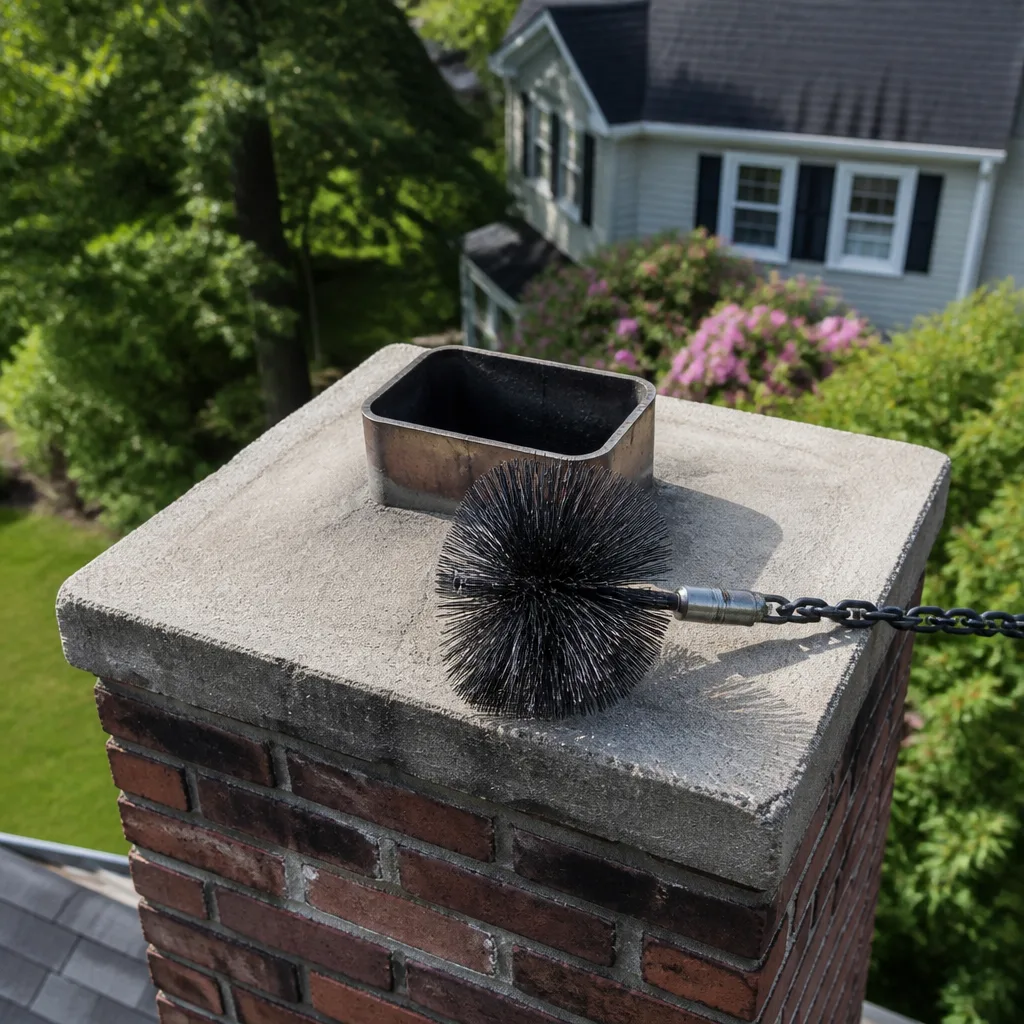
Chimney sweep logs do not sweep chimneys. They loosen some creosote - which then falls where a brush and vacuum still have to collect it.
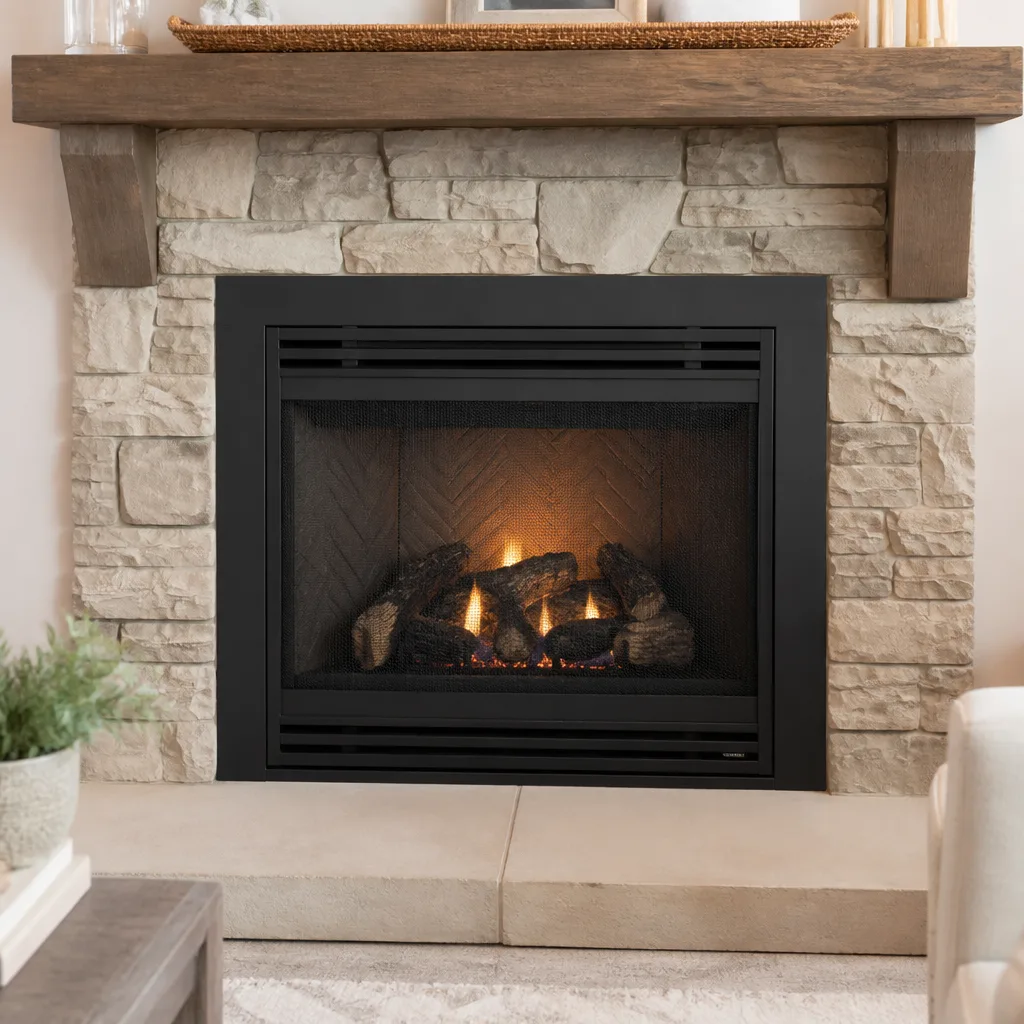
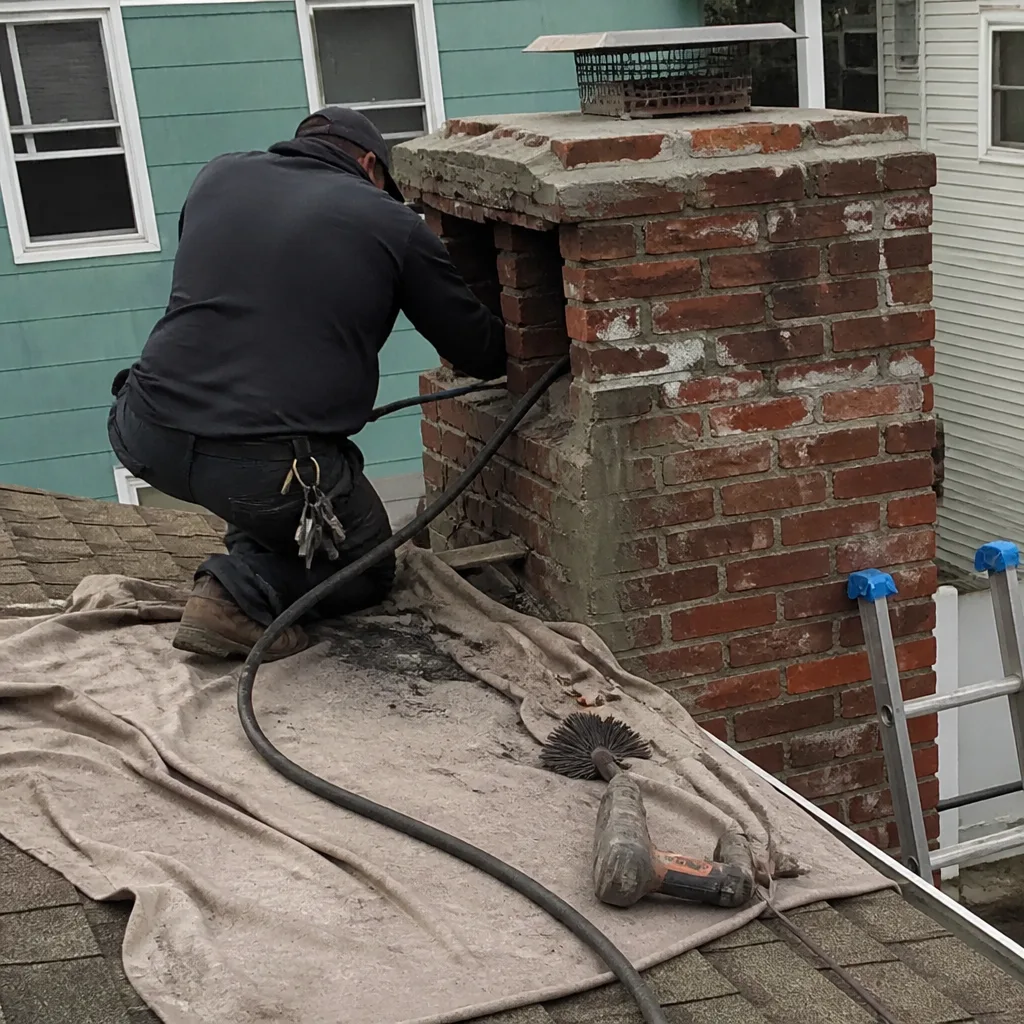 Before
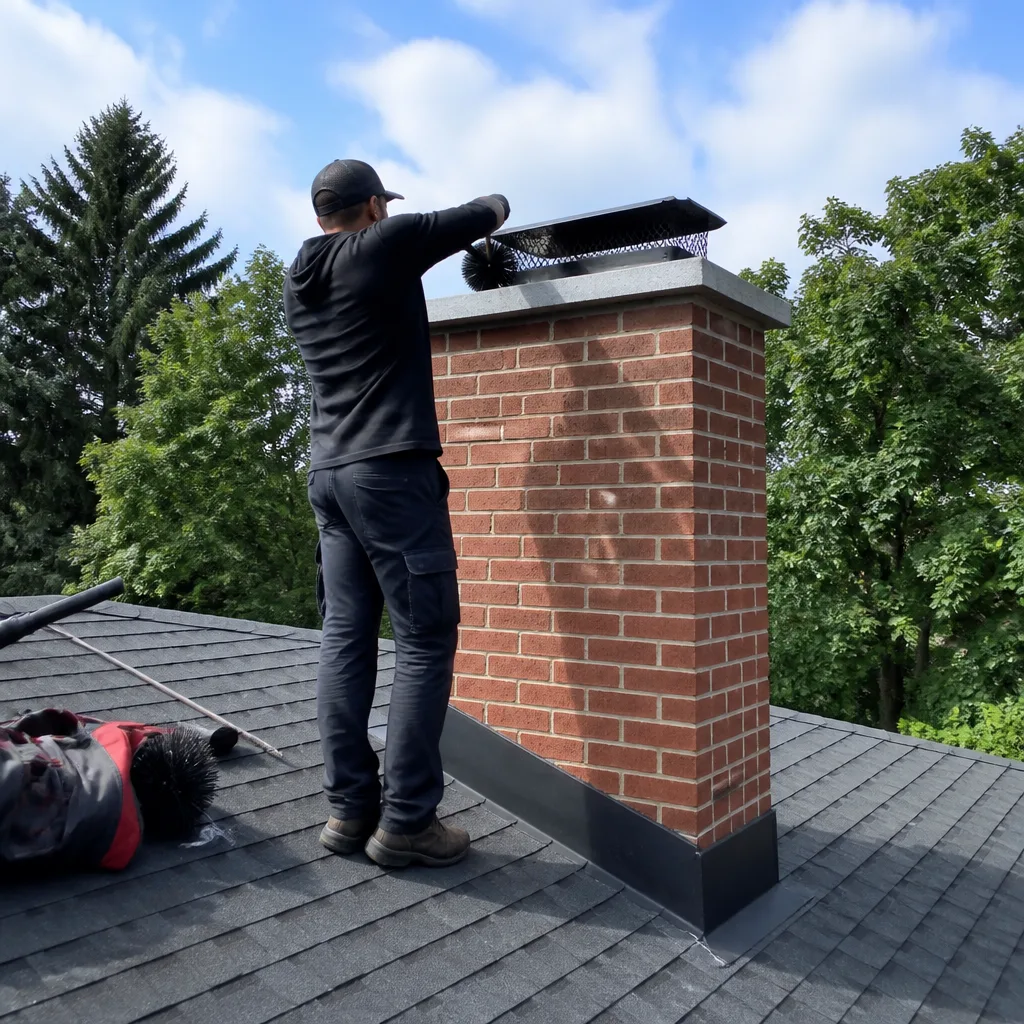 After
After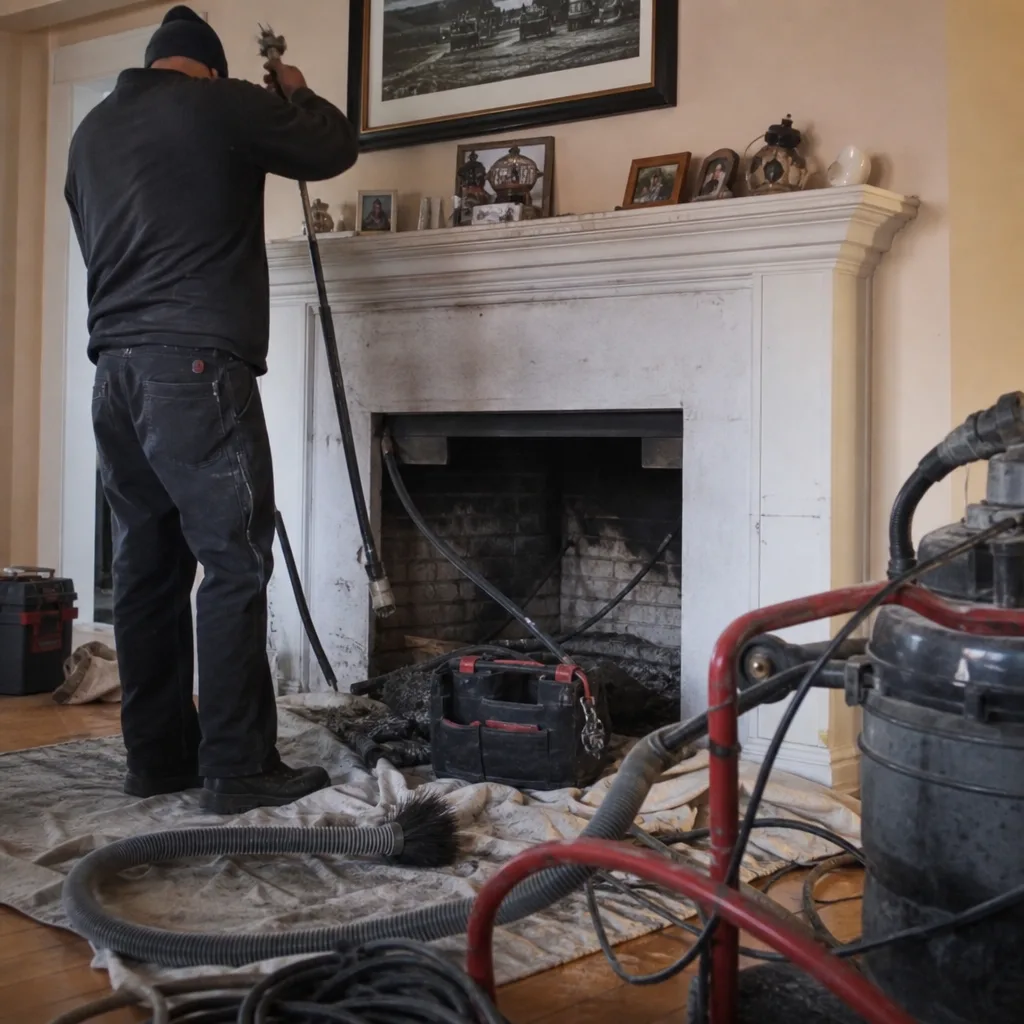 Before
 After
After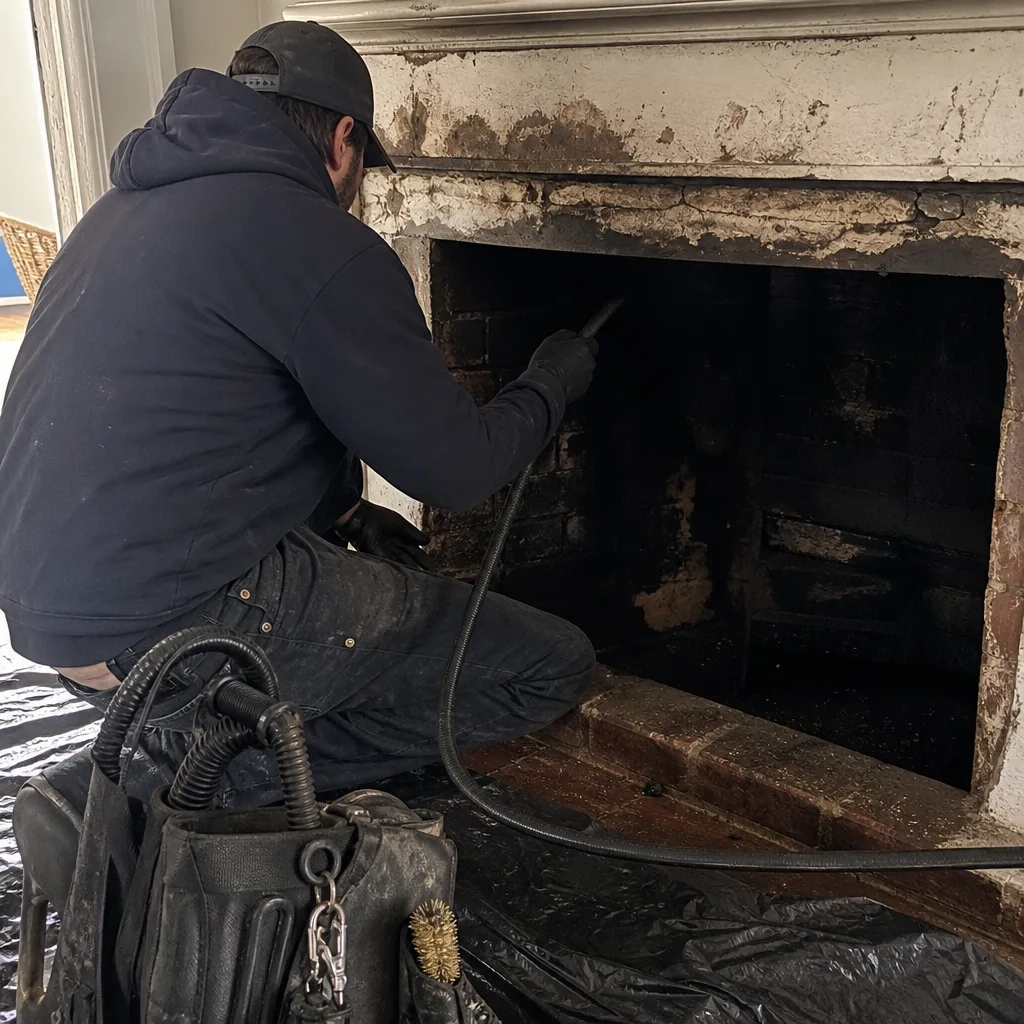 Before
 After
AfterHeatShield Damper Repair: The New York Owner’s Guide
We stock and install HeatShield-compatible damper repair components across New York, with most repairs on this part running from $350 to $675 installed depending on the damper size and what shape the surrounding mortar is in. Most New York homes we service are booked within 3 to 5 business days, with faster work available when a failed damper is pulling smoke into the living room. The usual discovery story goes like this: a homeowner notices a draft that won’t stop, checks the fireplace, and finds the damper plate stuck open, warped, or rattling loose on its track.
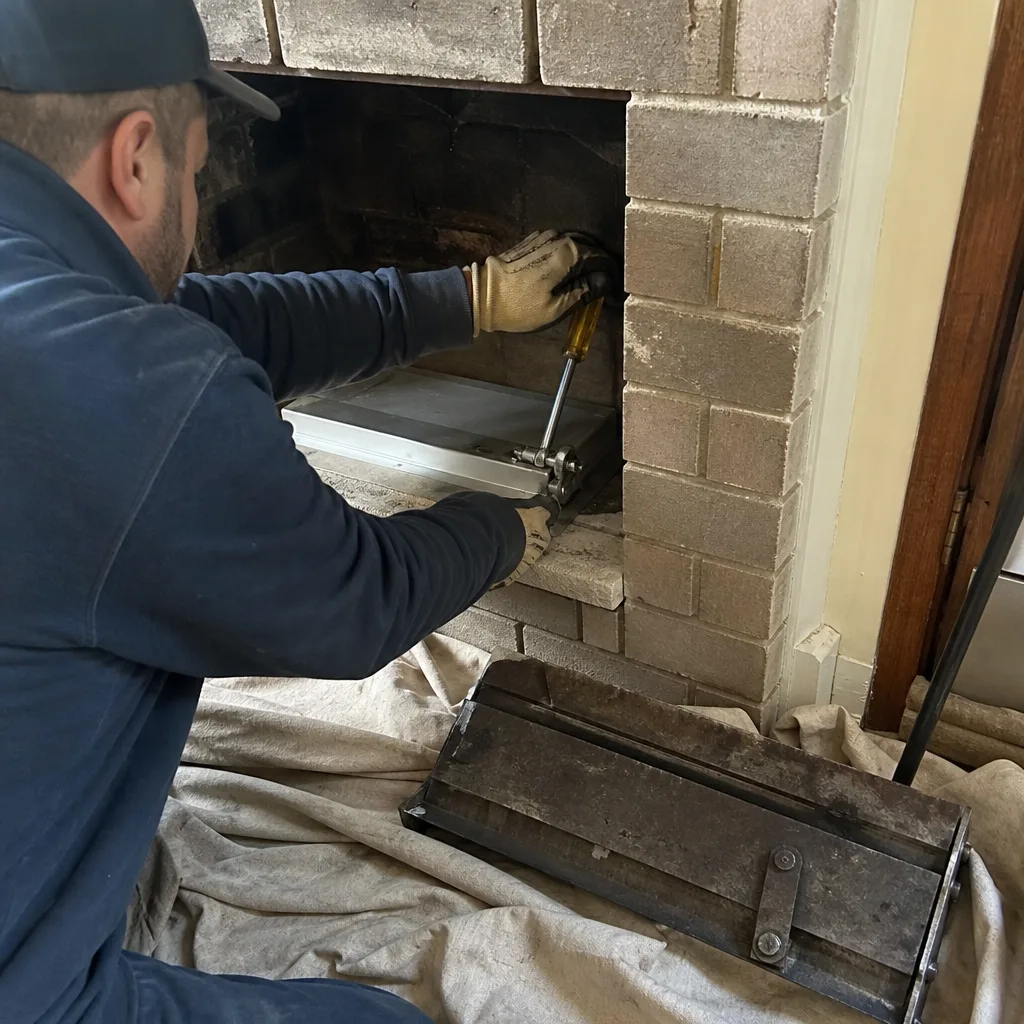
HeatShield dampers share the same weak point across every model line we see in New York: the hinge pins and the cast-iron frame ears that hold them. The plate itself rarely fails first. When the hinge seizes or the frame ear cracks, the damper stops seating flat, and that’s when the draft, the cold air, and in some cases the backdrafting begins. Corrine Halstead has pulled enough of these out of prewar flues to tell you what’s next without guessing: the part gets measured, the condition gets named, and the price gets written down before any work starts.
Which HeatShield Models This Applies To
HeatShield built three damper series that show up consistently in New York chimneys: the standard cast-iron top-sealing damper (the HSC-TS line), the throat-mounted damper for masonry fireplaces (the HSC-TM line), and the rectangular plate damper used in shallower flues. The compatibility gotcha we run into most often is this: the HSC-TS and HSC-TM plates are not interchangeable, even when the firebox opening measures the same. The mounting frame is the difference, not the plate dimension.
To identify yours, look at the damper frame. The TS line has a spring-loaded lid that seals at the flue top and a cable running down to a bracket at the fireplace opening. The TM line pivots on side mounts just above the smoke shelf. If the label is gone, measure the flue opening with a tape measure and check the hinge configuration: top-sealing dampers close flat against a gasket; throat-mount dampers pivot on horizontal pins. For HeatShield specifically, we recommend OEM plates and frames rather than aftermarket equivalents. HeatShield’s cast tolerances are tight, and universal-fit plates we’ve tried from other suppliers leave gaps at the edges that defeat the seal. We source HeatShield components directly through Haven’s buying network to keep that price honest, and we also stock compatible parts for DuraFlex and Gelco systems when a flue mixes component brands.
Signs Your HeatShield Damper Repair Is Failing
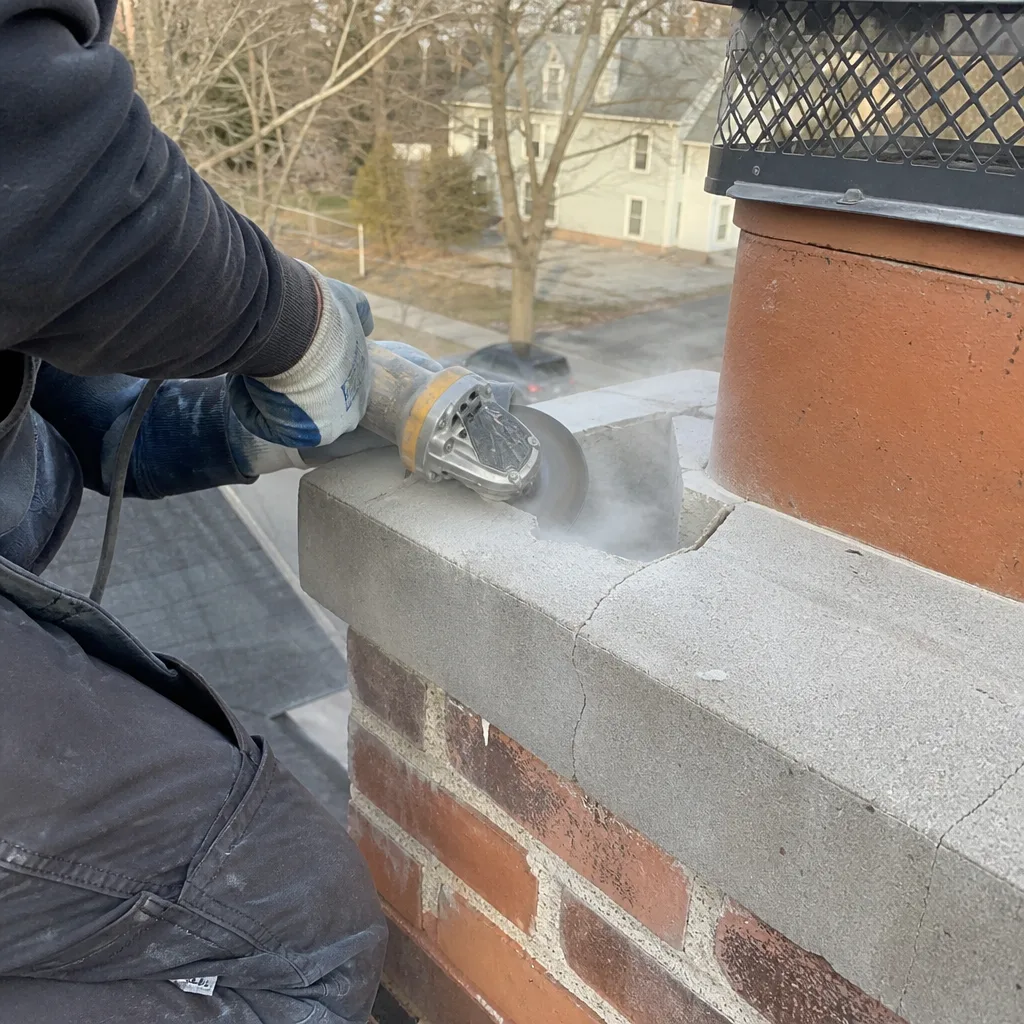
- A cold draft even when the damper is closed. This means the plate isn’t seating flat against the gasket or the frame is warped just enough to leave a gap. A quarter-inch gap on a New York winter day moves enough air to notice from across the room.
- The damper handle or cable feels stiff, gritty, or won’t move at all. The cable on top-sealing HeatShield models runs through a guide tube that corrodes over time, especially in humid flues. Forced movement snaps the cable at the bracket.
- Smoke rolls back into the room on startup. A damper that won’t open fully chokes the flue, and a damper that opens but then sags shut mid-fire does the same thing ten minutes later. The hinge is the first suspect.
- A metallic rattle or clank during wind gusts. Loose hinge pins let the plate chatter against the frame. This is the earliest audible warning on New York rooftops where wind loads are heavier than the damper was ever rated for.
- Visible rust flakes or a cracked frame ear around the hinge point. Cast iron doesn’t fail cleanly; it shows hairline cracks at stress points first. If you can see a crack at the hinge ear, the repair timeline is now, not next season.
BeforeAfterReplacement Cost & What’s Included
In New York, a HeatShield damper repair runs $350 to $675 installed at Level Two Chimney New York, with the spread driven by damper series, plate size, and whether the mounting frame needs resetting in fresh mortar. A basic top-sealing plate swap with a clean frame usually lands at the lower end; a throat-mount damper with a cracked frame ear and deteriorated mortar bed runs toward the top.
That price covers the HeatShield-compatible component, removal of the failed part, frame inspection and cleanup, installation, and a full function test. You get a written price before work starts, a documented photo record of the old part, the new part in place, and the closure test on completion. The work is backed by the 365-Day Done Right Promise under the Haven Standard. If the damper doesn’t seat or the draft comes back within a year, we make it right.
DIY or Call Us?
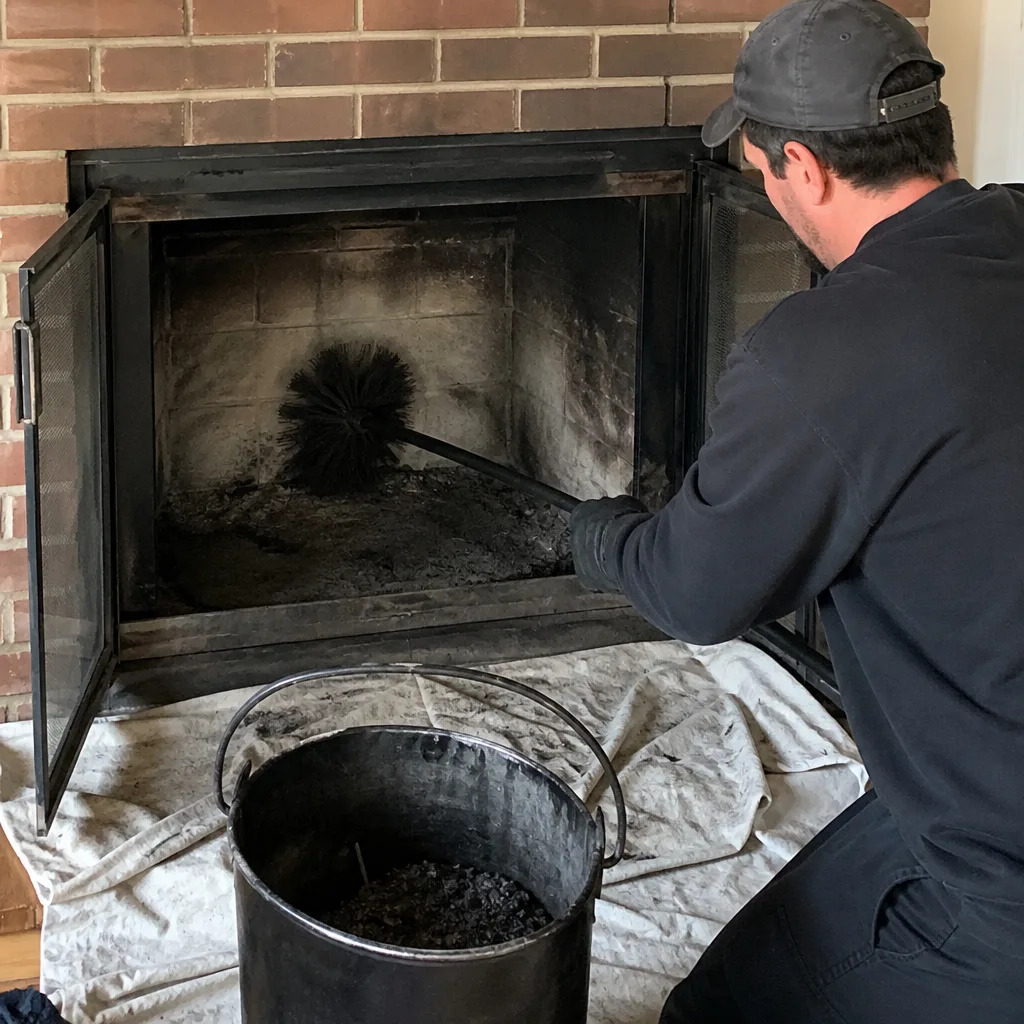
Here’s the honest split. What you can safely do: look at the damper plate with a flashlight, note whether the handle moves freely, and check for visible cracks or rust. That’s useful information to have when you call. What you shouldn’t do: remove a damper assembly yourself. Top-sealing dampers sit at the flue opening, which means ladder work at height on a New York roof, and the cable is under spring tension. A cable that releases under load does damage to fingers and framing alike. Throat-mount dampers are set in mortar inside a cramped smoke chamber where a dropped tool becomes a stuck tool fast.
This is a part where a trained chimney technician earns the labor charge. If you can’t seat the damper and the draft won’t stop, call (551) 213-5548 for a written estimate. We’ll name the part, give you the number, and show you the photo before anything gets unbolted.
FAQs
Ten to fifteen years is the real-world lifespan in New York, with the hinge pins and cast-iron frame ears being the first components to fail. Coastal-influence humidity and freeze-thaw cycles around the flue opening accelerate wear, which is why we see brow stone and prewar chimneys eating dampers faster than newer construction.
Sometimes yes, and we’ll tell you plainly when that’s the case. A stiff cable or a loose pivot pin can often be repaired; a cracked plate or frame ear cannot. The decision comes from what the camera and a close look at the casting show, and the photo record you get includes exactly what we saw. Call (551) 213-5548 and we’ll put that on paper for you.
Most HeatShield damper repairs take two to three hours on site, including frame inspection, old-part removal, installation, and the function test. If the mounting frame needs re-mortaring, add an hour and a day of cure time before the first fire.
We stock the most common HeatShield plate sizes and hinge kits on the truck, and we have direct supplier access for everything else through Haven’s buying network. For unusual flue dimensions, expect a three to five day parts window. You’ll know which situation applies to you before we leave the first visit.
Level Two Chimney New York is an independent service provider; we are not affiliated with or endorsed by HeatShield. We buy their components because the castings hold up and the tolerances don’t lie. The camera doesn’t argue with you, and neither does the price sheet.
If you’ve got a HeatShield damper that’s failing, call (551) 213-5548. We’ll measure it, name the problem, and hand you a written price before any work starts. Free estimates, documented photo record on every visit, and a 365-day promise on the work.
Written by Corrine Halstead, Owner, Level Two Chimney New York at Level Two Chimney New York, serving New York and nearby areas.