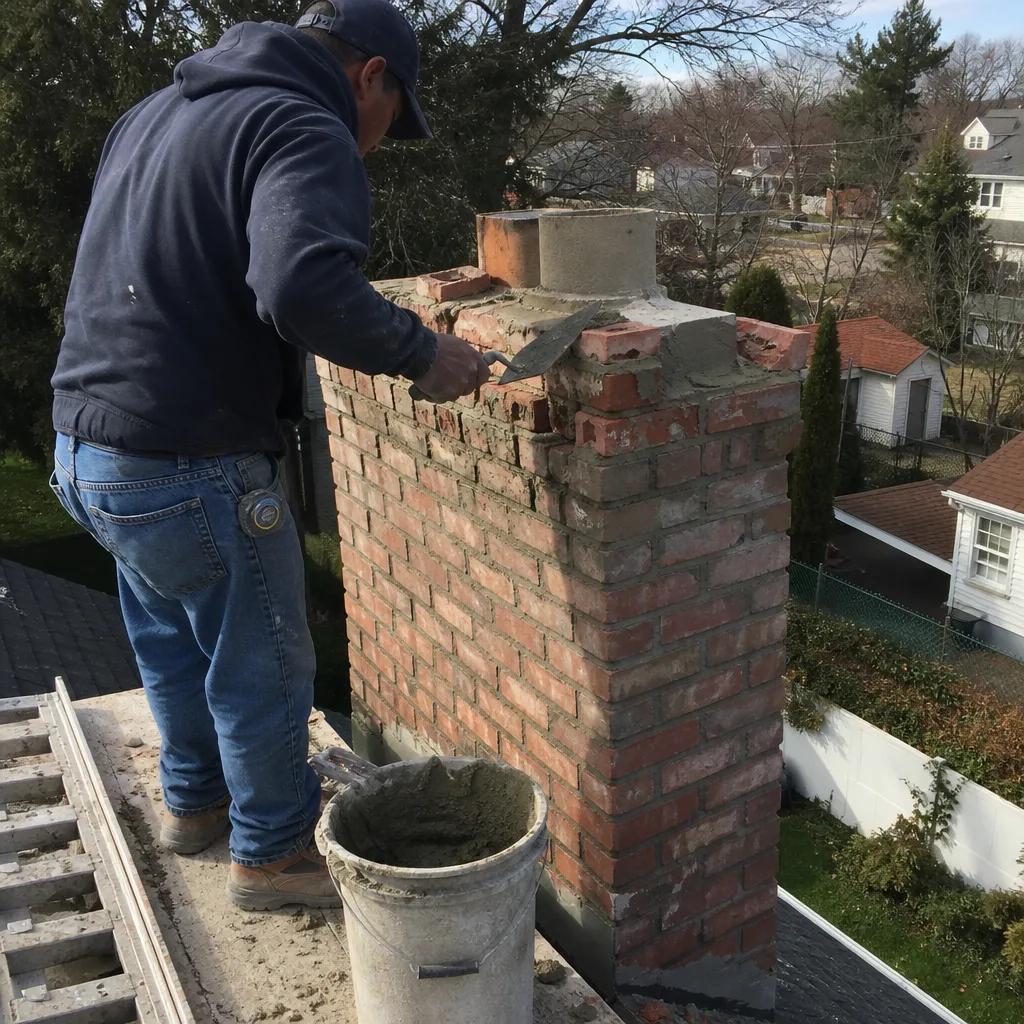
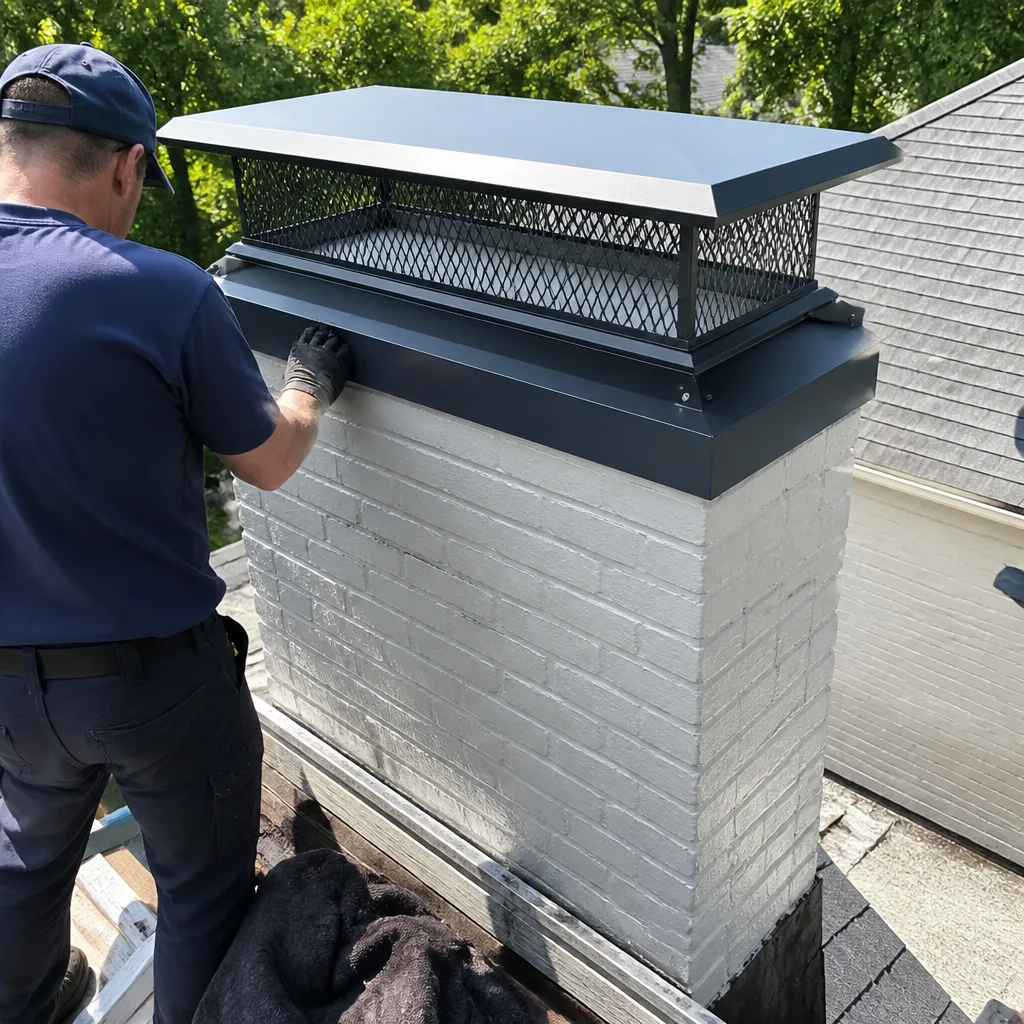
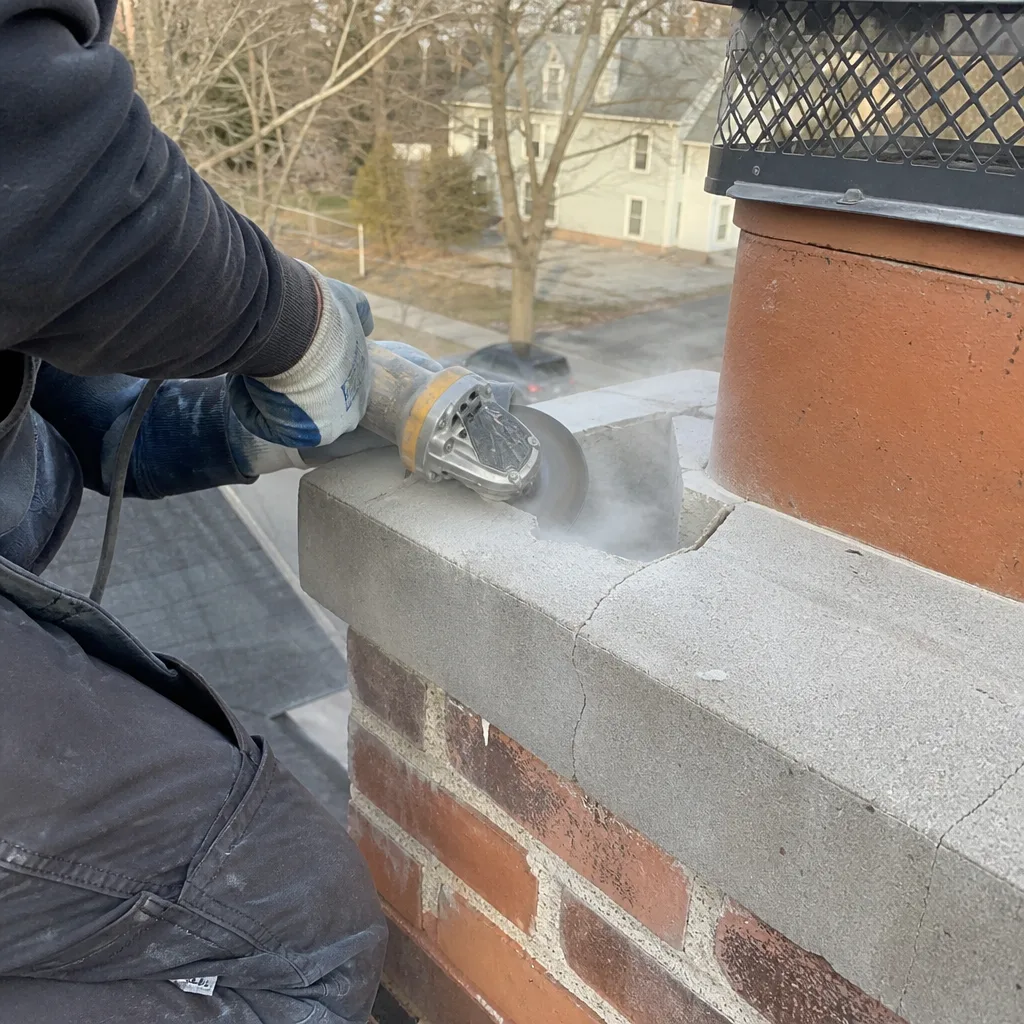
Level 1 sweep and inspection to the NFPA 211 annual standard - flue, crown, cap, and flashing checked and photographed
Chimney sweep logs do not sweep chimneys. They loosen some creosote - which then falls where a brush and vacuum still have to collect it.
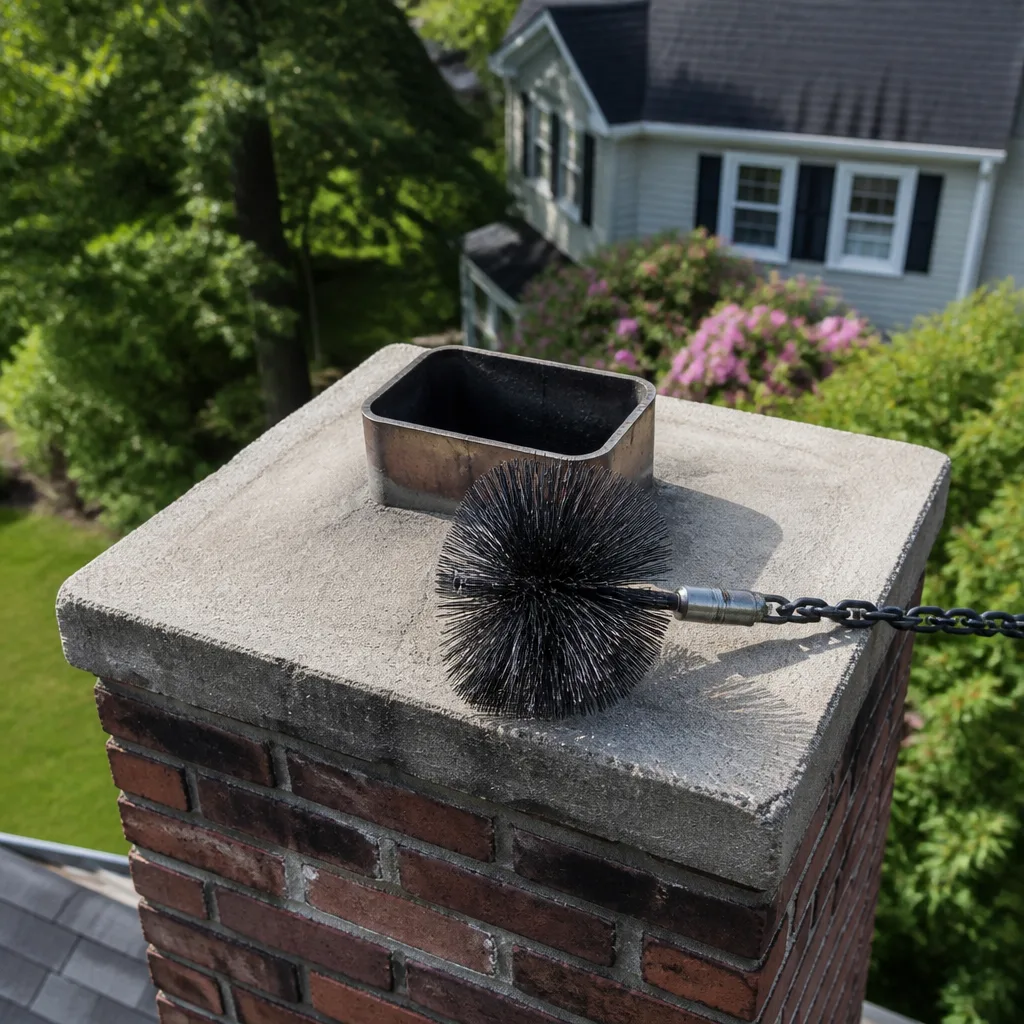
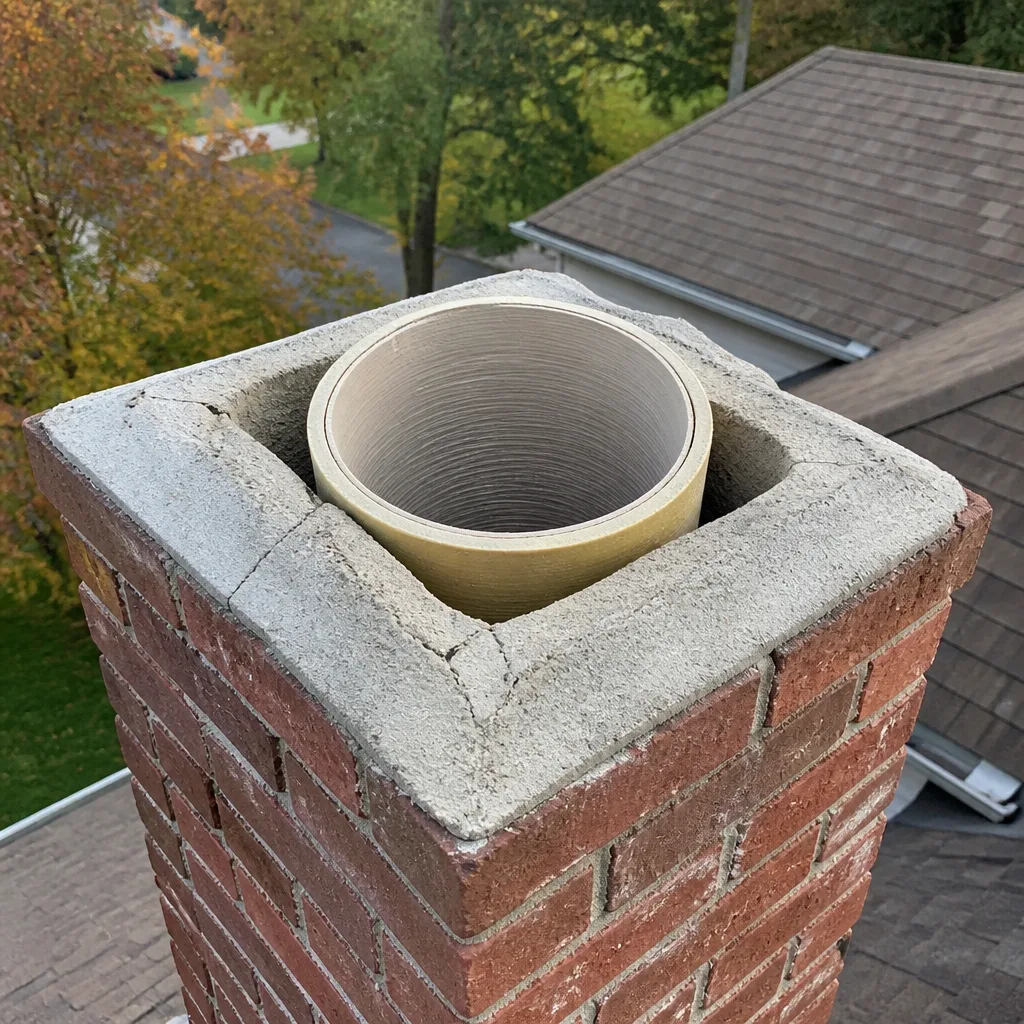
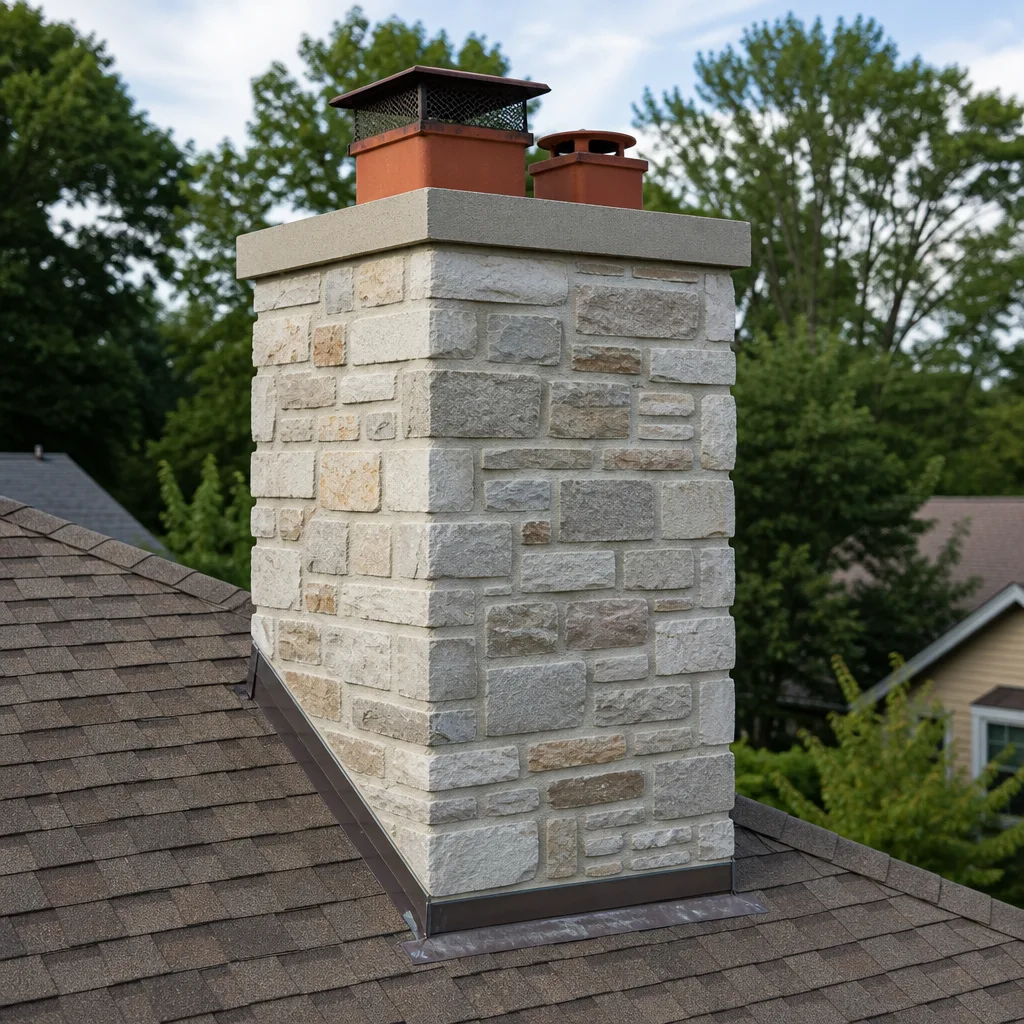
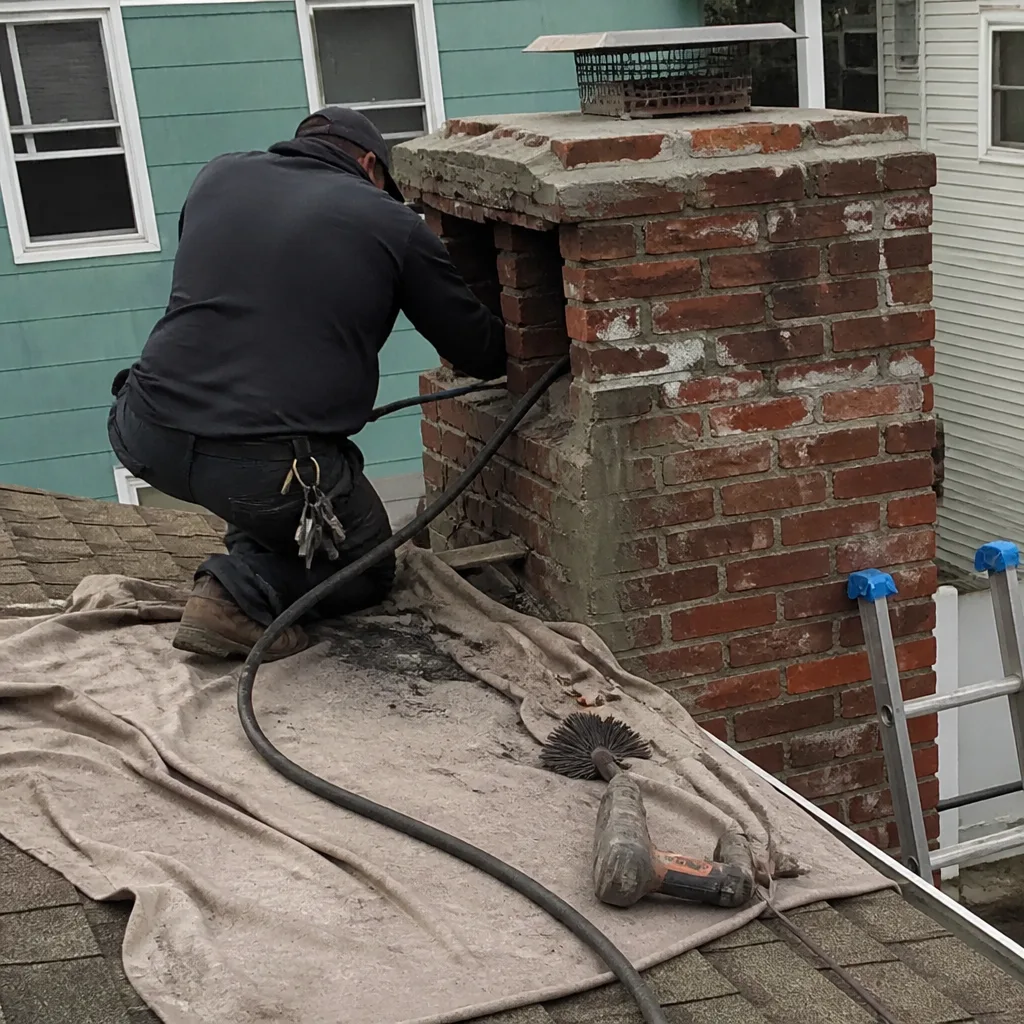 Before
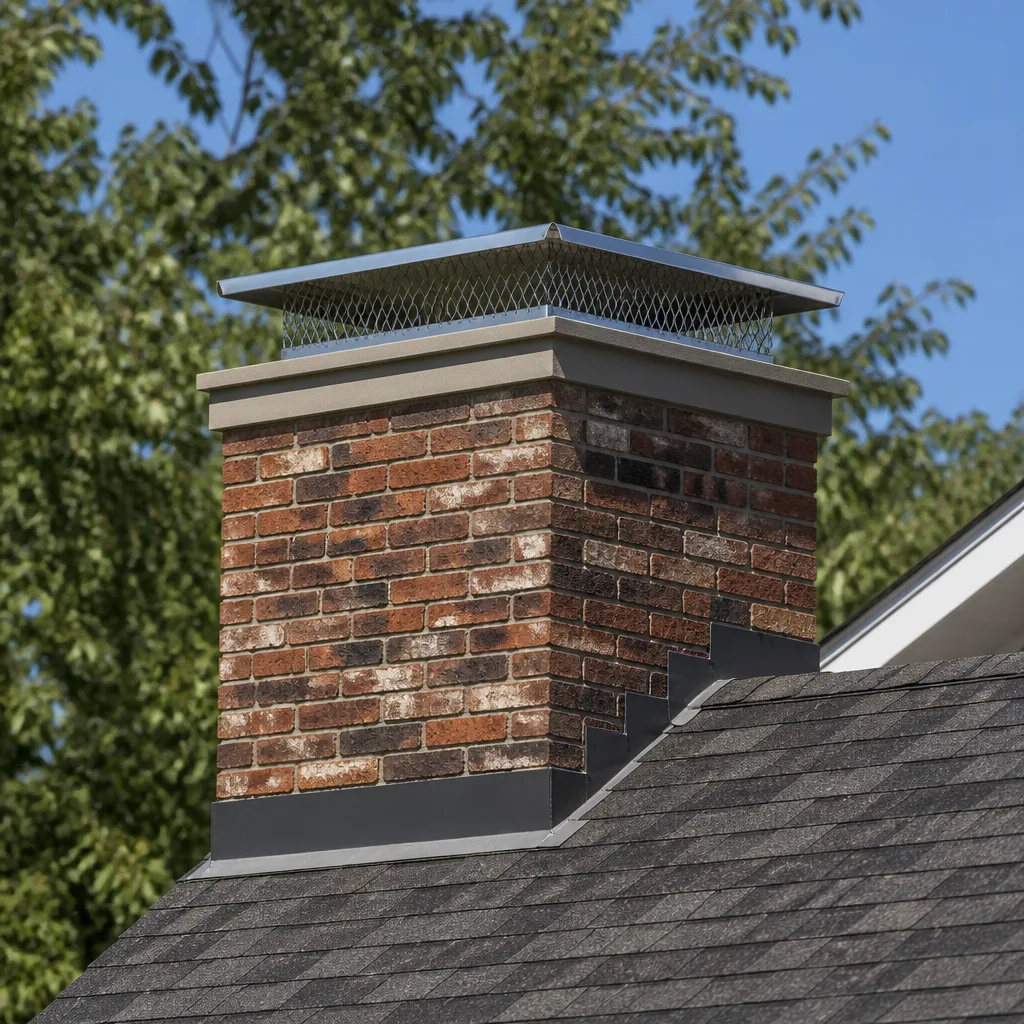
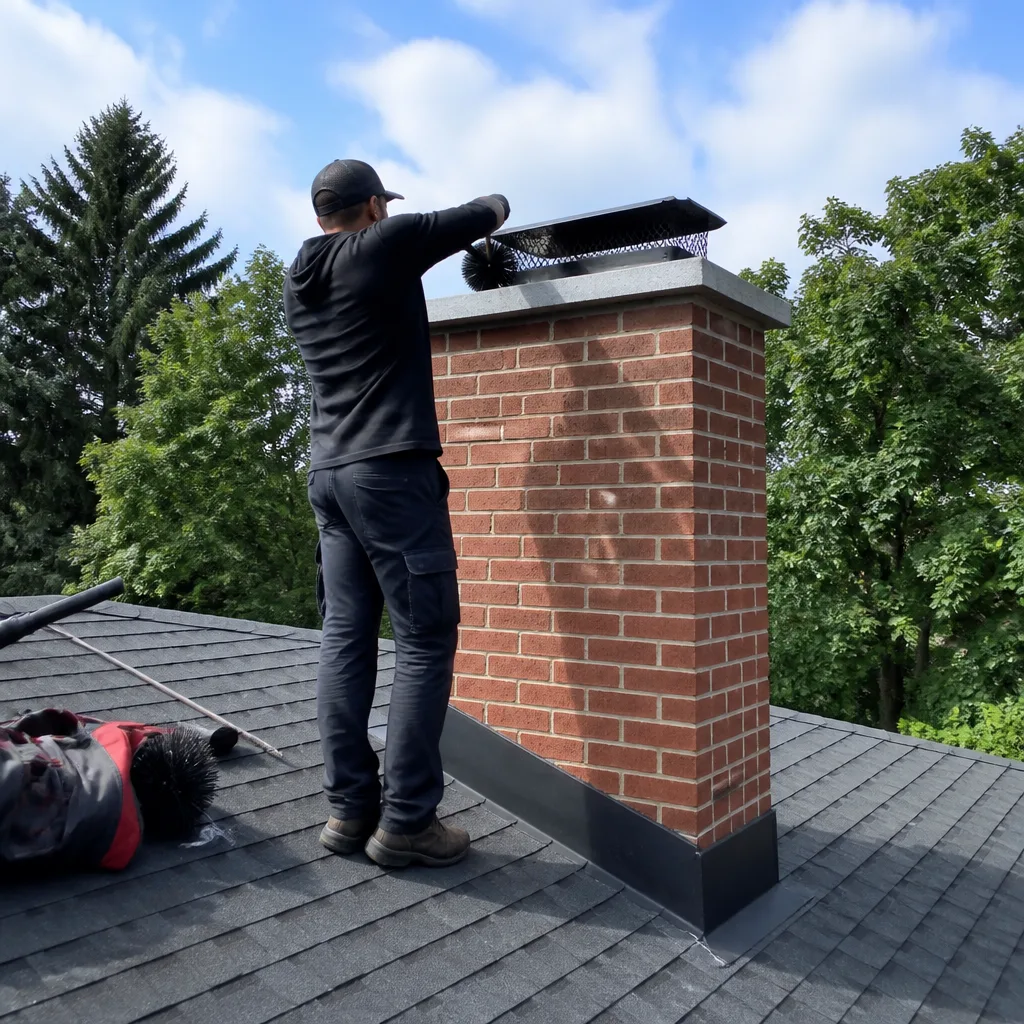 After
After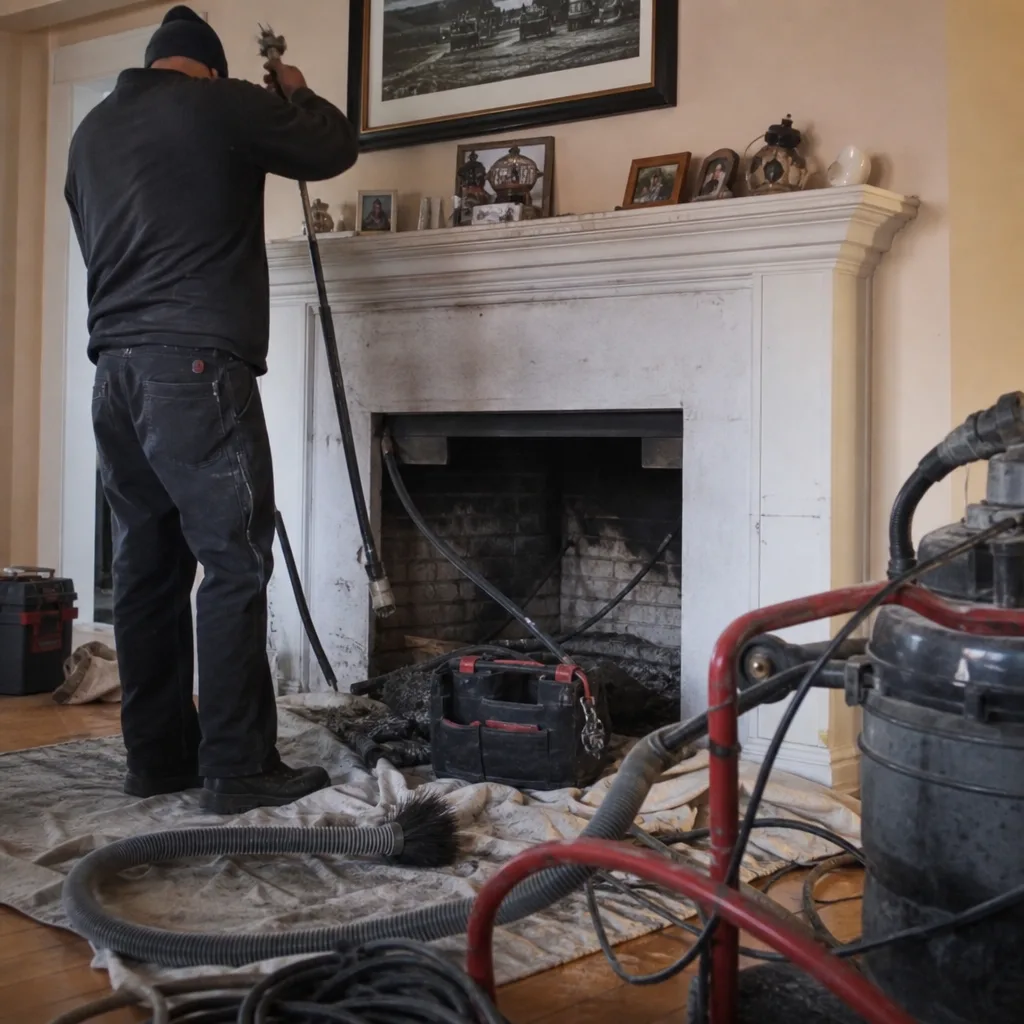 Before
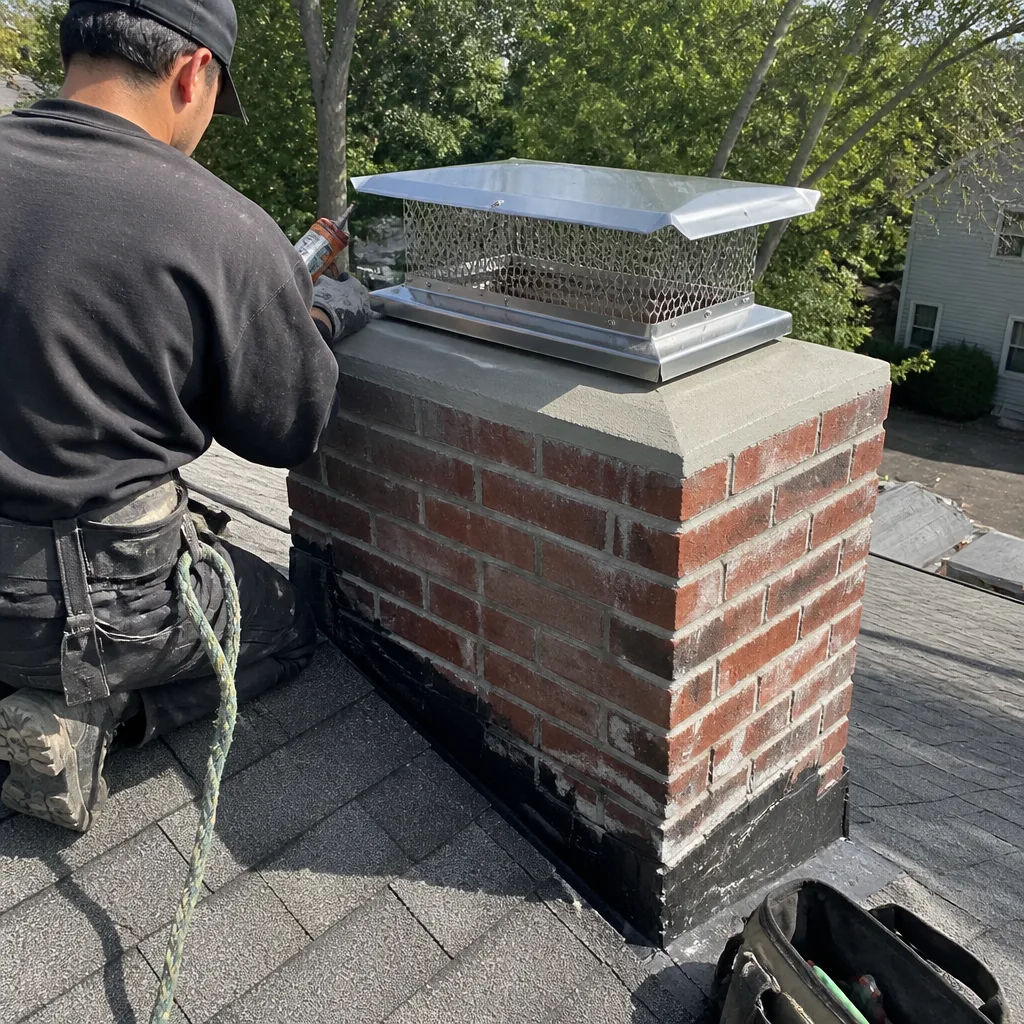 After
After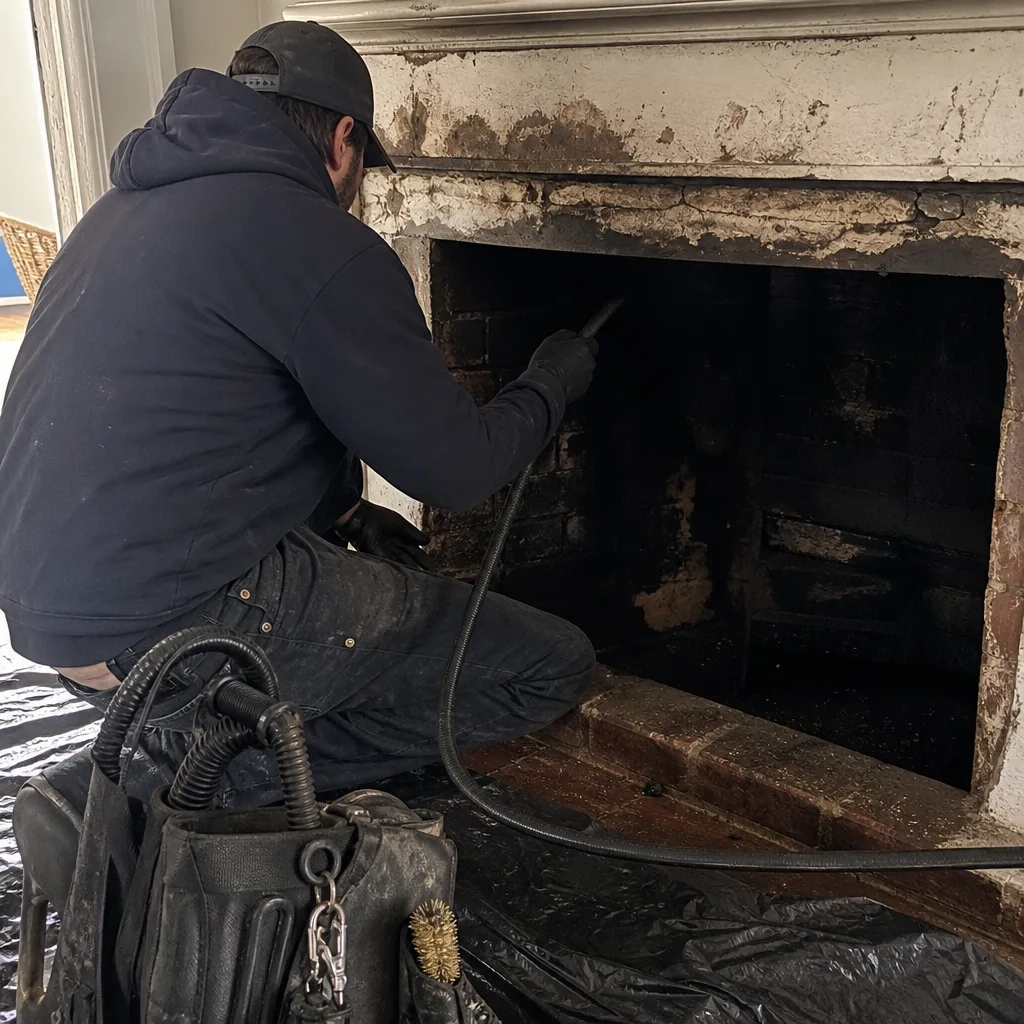 Before
 After
AfterFast, Reliable Chimney Cleaning & Sweep Across New York
A chimney sweep in New York typically runs $189 to $429 for a standard open-flue cleaning, while a Level 2 camera inspection adds $150 to $275 depending on flue count and roof access. Most jobs in Manhattan brownstones, Brooklyn co-ops, and Queens brick townhouses take 60 to 90 minutes once our tech is on the roof. We know the buildings here, from five-story walk-ups in Maspeth to pre-war co-ops along Riverside Drive, and our crews are scheduled out of our New York City office. Call (551) 213-5548 and you’ll get a live person, a written price before we ring the bell, and a photo record when the job’s done.
Why Level Two Chimney New York Is New York’s Preferred Chimney Cleaning & Sweep Company
Since 2009, Level Two Chimney Co. has completed more than 38,000 chimney inspections and cleanings under a single standard: the Haven Standard. In New York, that means our Chimney Cleaning & Sweep team has worked inside co-op stacks governed by boards, FDNY deficiency notices, and Local Law 11 facade reports. We don’t show up with a flashlight and call it an inspection. Clause 4 of the Haven Standard requires a camera scan down every flue and a documented photo record on every visit, a practice we put in place years before insurers or city agencies asked for it. Corrine Halstead, who leads our New York operations, insists on one thing above all: the customer sees what we see before they spend a dollar.
New York customers don’t ask us to be the cheapest. They ask us to be provable. And we are. Every job gets a written scope, a written price, and a written warranty, delivered before work starts. If it’s not done right, the 365-Day Done Right Promise means we make it right. We answer the phone around the clock, and the tech assigned to your job arrives in uniform, background-checked, with their license number on the page and a text sent when they’re on the way.
Our Chimney Cleaning & Sweep Services in New York
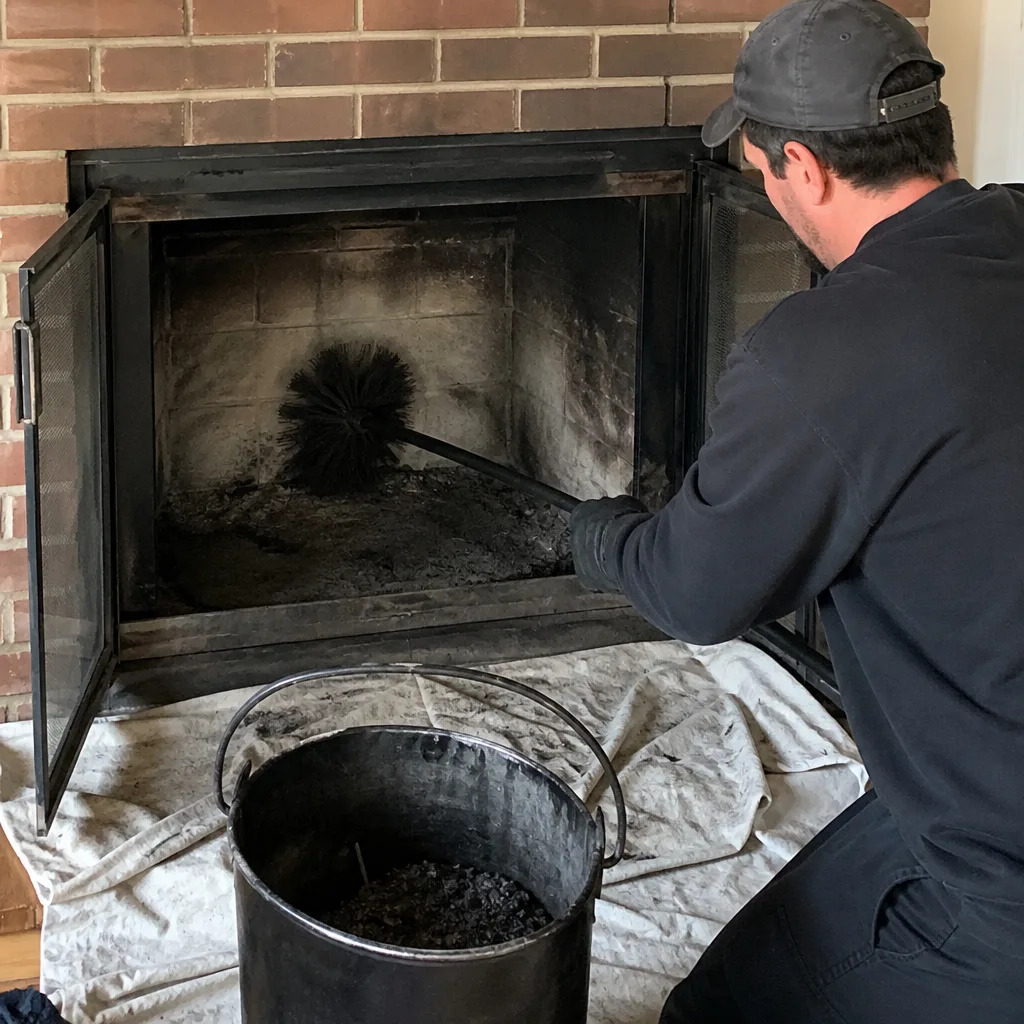
Level 1 Inspection
A Level 1 inspection is the baseline check for a chimney that’s been in continuous use and hasn’t changed. We examine the readily accessible portions of the flue, the firebox, the damper, and the exterior stack. In New York, a Level 1 is often what a seller orders before closing on a brownstone in Harlem or a co-op unit in Forest Hills, and it’s included with every standard sweep. The report includes photos and a written condition summary, not a vague “looks fine.”
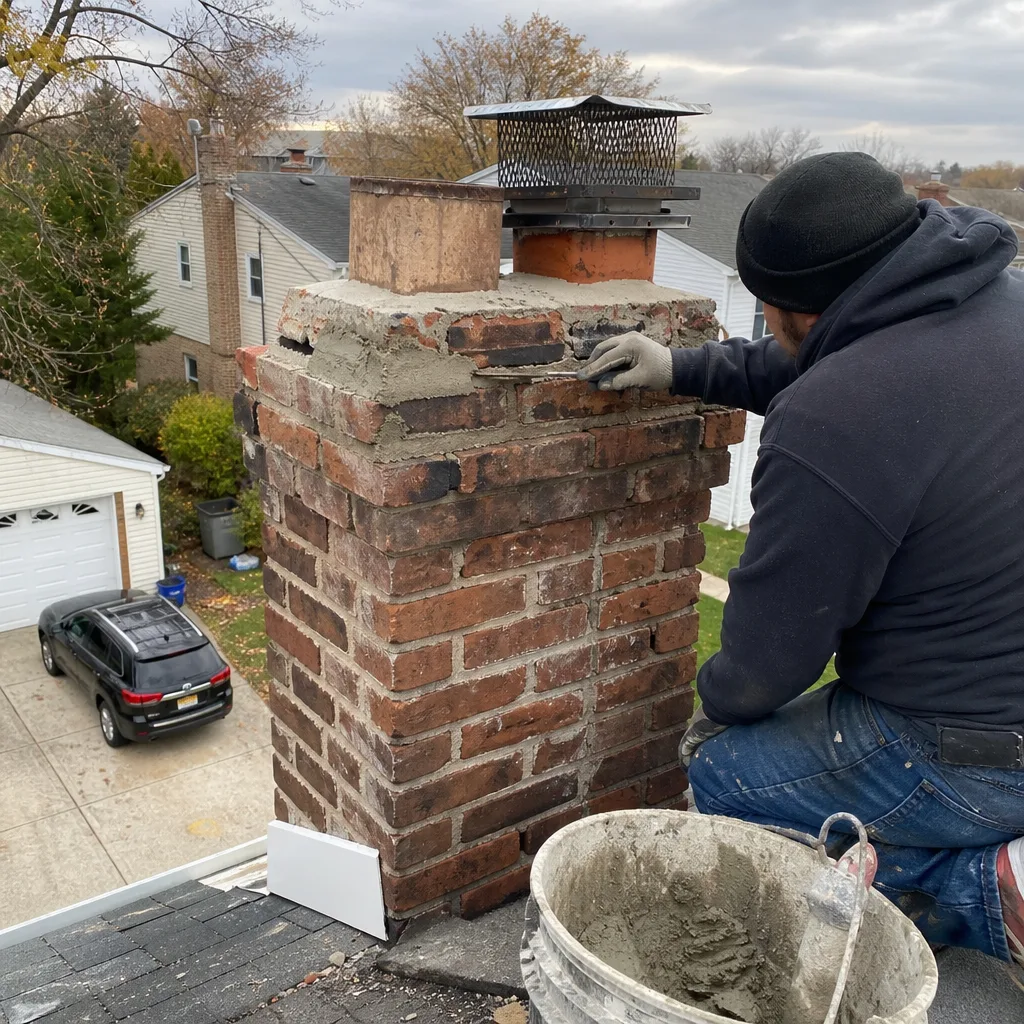
Level 2 Inspection
A Level 2 inspection is the NFPA 211 standard that puts a camera down the full length of the flue. We recommend it after any fuel conversion, any chimney fire, any sale of the property, or any earthquake or weather event that could have shifted the masonry. Given New York’s nor’easter cycles and the Clean Heat conversions still underway in pre-war buildings, a Level 2 is the inspection we most often specify for co-op boards and property managers. The camera shows exactly what’s inside: crumbling terra-cotta joints, hidden voids, third-degree creosote glaze. You get the footage.
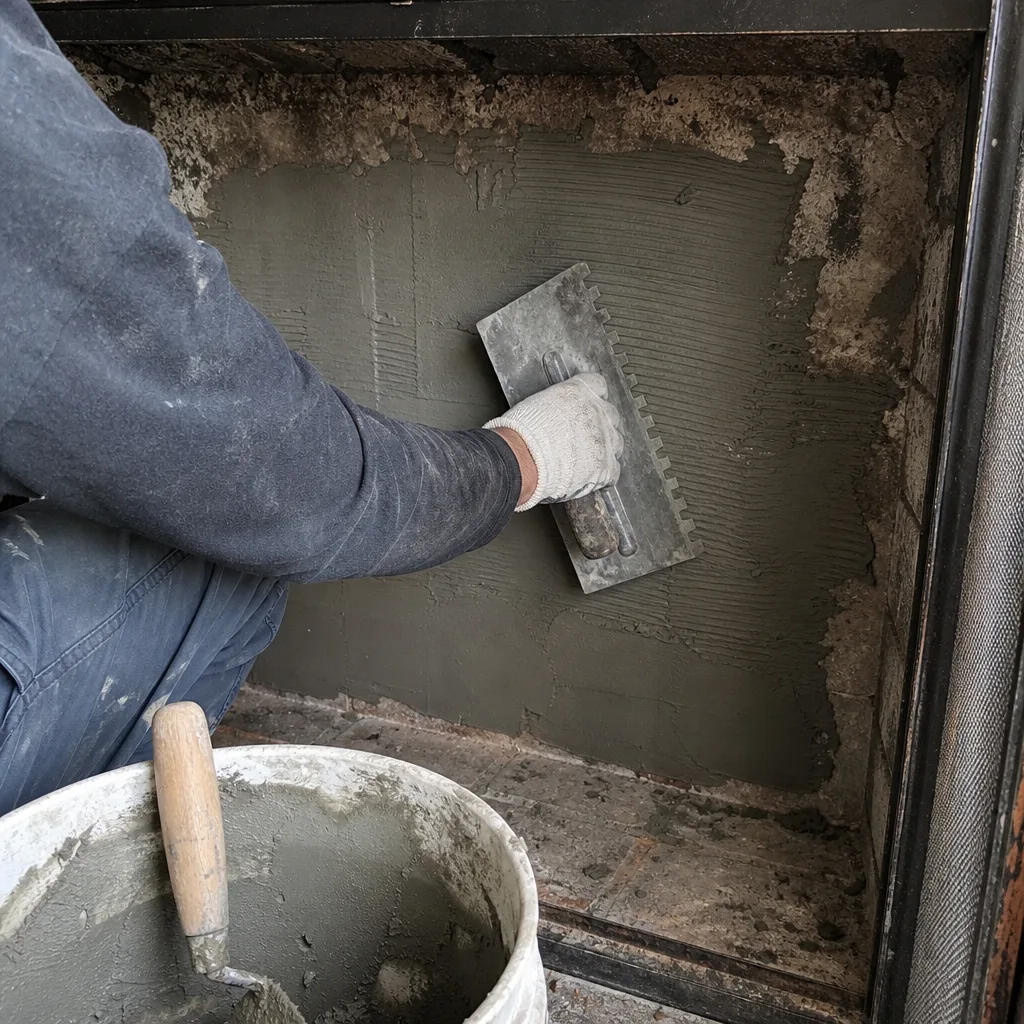
Creosote Removal
Creosote is the flammable residue left by wood combustion, and it accumulates fast in New York fireplaces that run from November through March. Light soot brushes off. Second-degree creosote, the flaky kind, scrapes off with rotary tools. Third-degree creosote, the hard tar glaze that forms when a flue hasn’t been swept in ten or thirty years, requires chemical treatment before mechanical removal. We see third-degree glaze regularly in reactivated decorative fireplaces inside gut-renovated brownstones in Park Slope and Bed-Stuy. It cannot be brushed out, and we’ll show you the camera image that proves it before we quote the removal.
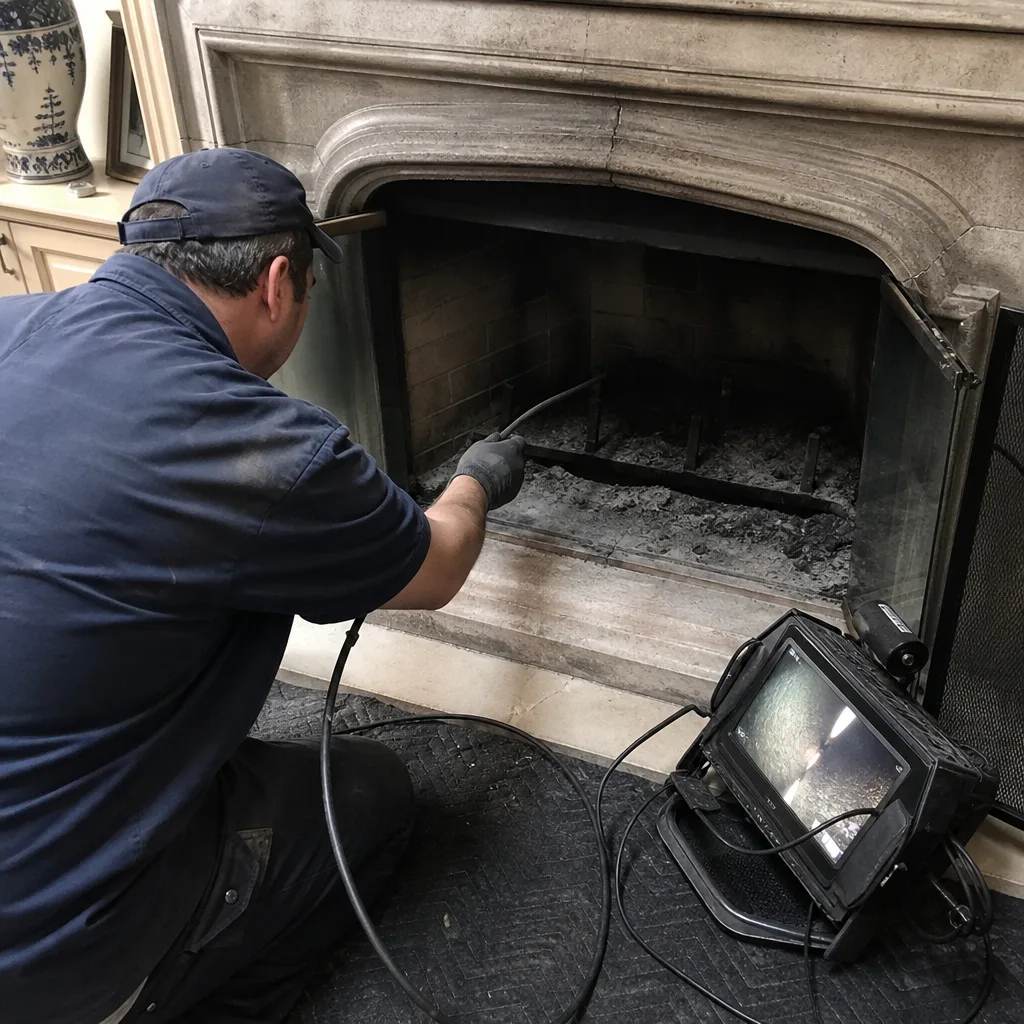
Soot Removal
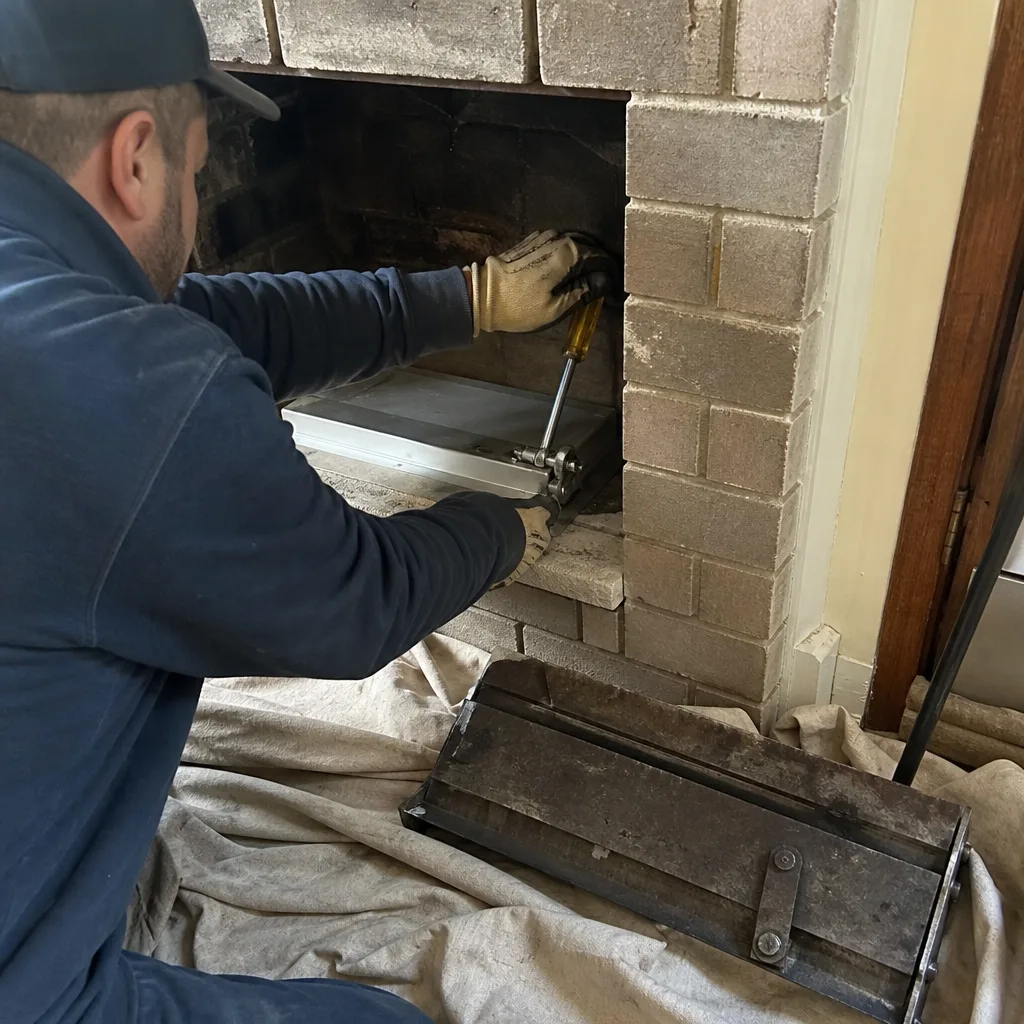
Soot removal is about oil and gas systems, not wood. In New York’s pre-war apartment stock, decades of #4 and #6 heating oil left dense petroleum soot caked inside shared flues. After a Clean Heat conversion to natural gas, that soot becomes a hazard: flaky, acidic, prone to trapping moisture against already weakened terra-cotta liners. We remove it with vacuum-assisted HEPA filtration and hand tools that won’t scar the masonry. The work is often the first step before a liner installation or a reline, and it’s always documented with before and after photos.
What happens when you call
- 1
A real person answersNo phone trees - you reach a local pro.
- 2
You get an upfront price rangeHonest numbers before anyone is dispatched.
- 3
A background-checked tech heads outLicensed & insured, dispatched right away.
- 4
You approve before work beginsNothing starts until you say go.
BeforeAfterTrusted Brands We Service in New York
We stock and install components from Olympia Chimney and Famco, and we source DuraFlex stainless steel liners for reline work tied to Clean Heat conversions and co-op remediation contracts. When a Local Law 11 report flags a deteriorated cap on a shared stack in Riverdale or Kew Gardens, we can spec the replacement from inventory instead of ordering and waiting. That matters when a board is staring at an FDNY deadline. The materials are procured through the Haven buying network, which keeps customer prices honest while using parts we’re willing to put our name on.
Common Chimney Cleaning & Sweep Problems We See in New York Homes
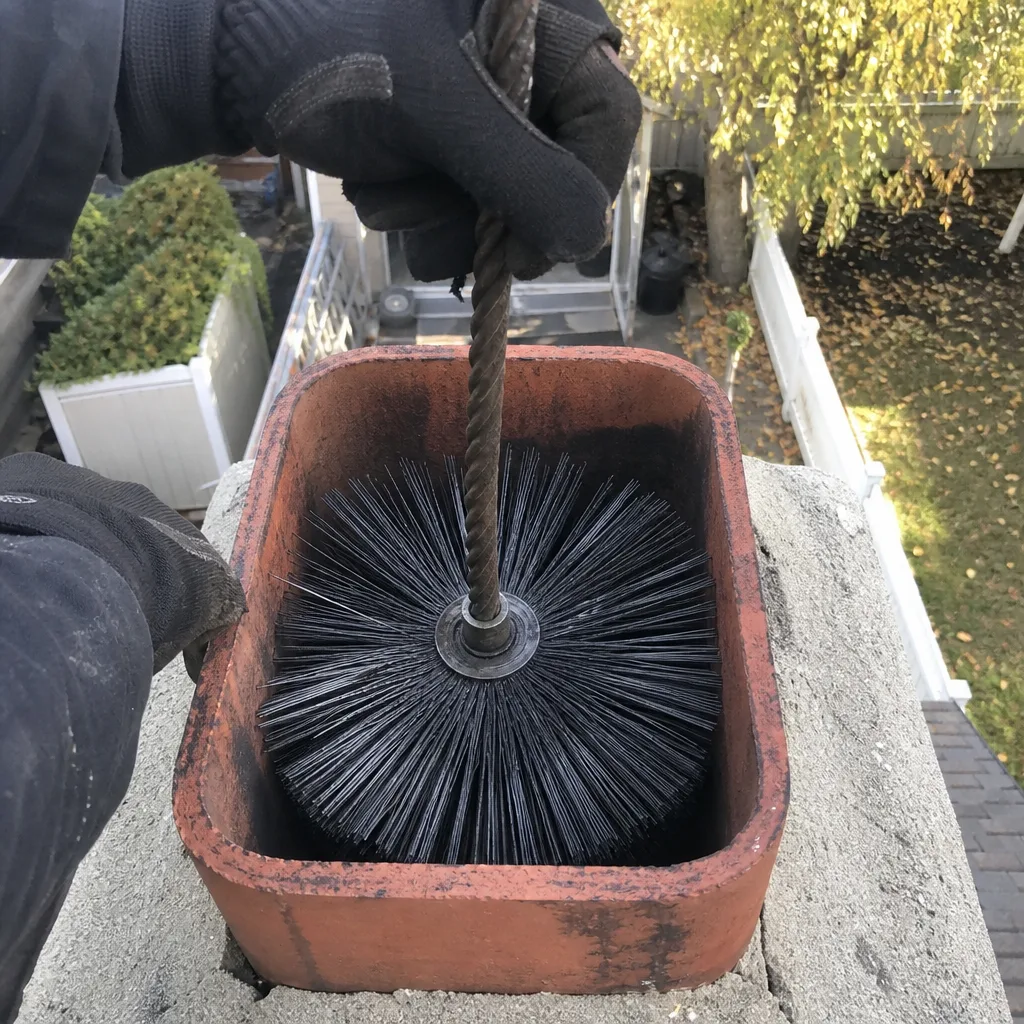
- Thirty-year-old flues in reactivated fireplaces. Brownstones that went through gut renovations in the 1990s and 2000s often have fireplaces that look beautiful and haven’t been swept since the Clinton administration. The first sign is usually smoke rolling back into the room, not a visible flame issue. By then, the creosote is often third-degree and the terra-cotta liner is spalling.
- Petroleum soot from retired oil boilers. Clean Heat forced thousands of pre-war buildings off #4 and #6 oil. The flues that served those boilers still carry decades of acidic petroleum soot. Before a gas appliance can legally fire, that soot has to come out and the flue condition has to be documented.
- Shared stacks with multiple apartment flues. A single Brooklyn co-op chimney often contains four to six individual flues serving separate units. One tenant’s “smoky fireplace” complaint can turn into a building-wide remediation the moment a camera finds a cracked flue liner shared by the stack. The board gets one invoice, not four.
- Winter spalling and leak complaints. NYC’s coastal nor’easters drive rain into already-weathered brick stacks. Freeze-thaw cycling from December through March turns hairline mortar cracks into loose brick and leaking flues. We hear about it every March in Astoria, in Maspeth, in Long Island City, wherever the original lime mortar is still doing the work it was laid down for a century ago.
Pricing for Chimney Cleaning & Sweep in New York, NY
A standard open-flue sweep in New York runs $189 to $289 for a single fireplace in a brownstone or townhouse. Add a Level 2 camera inspection and the combined visit lands between $339 and $579, depending on flue count and roof access. Creosote removal for second-degree buildup adds $80 to $150; third-degree chemical removal starts at $250 and goes up with the glaze depth. Soot removal from a converted oil-to-gas flue in a co-op stack typically costs $350 to $600 per flue. Reline work starts around $2,200 for a straight stainless liner and rises with height, access, and the condition of the existing masonry. What changes the price: number of flues, roof type, the condition of the liner, whether the stack requires a lift or staging to reach safely. What doesn’t change: we hand you a written price before we start, and we don’t pad it after the fact. Call (551) 213-5548 for an exact quote on your building. Estimates are free, and they come in writing.
We Also Serve Cities Near New York
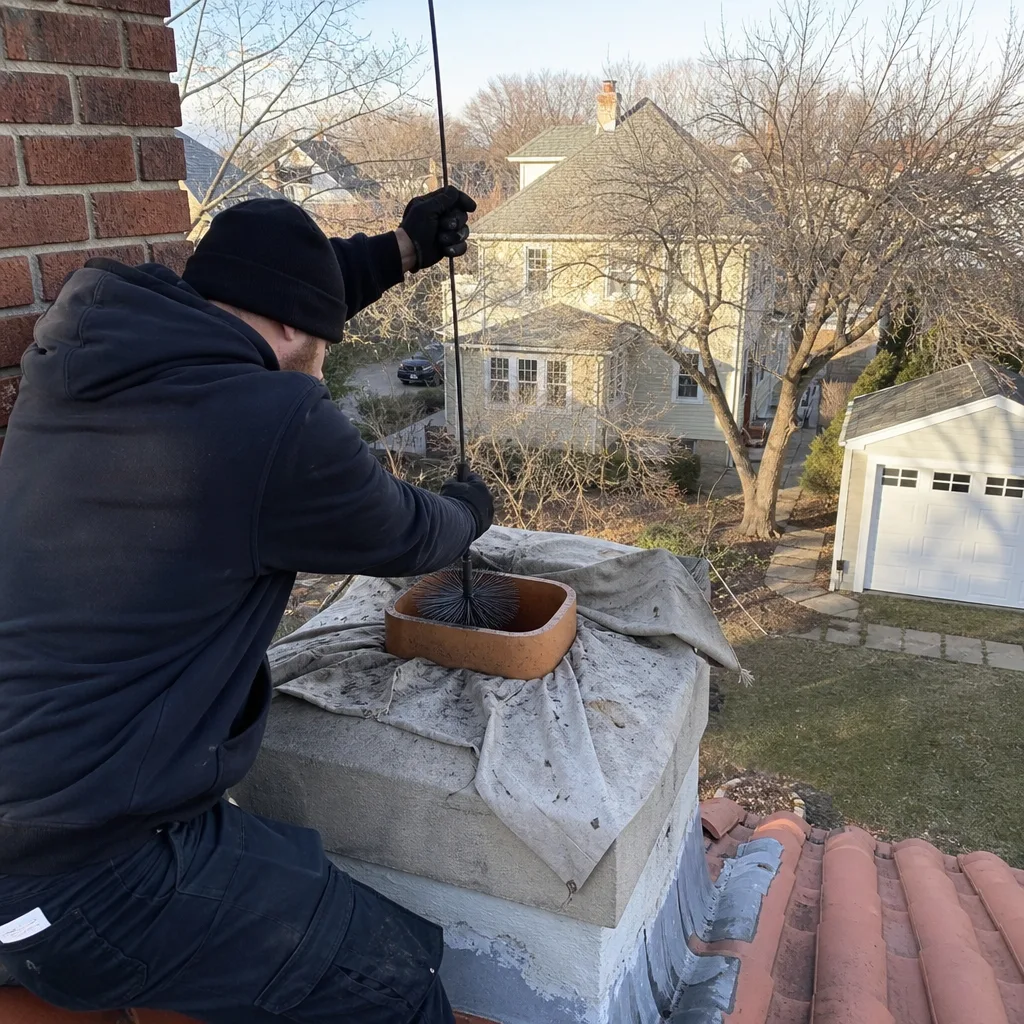
Our crews work all five boroughs and the nearby Queens and Brooklyn neighborhoods where pre-war masonry and converted heating systems concentrate. We regularly schedule sweeps in Chimney Cleaning & Sweep in New York, Manhattan, Long Island City, Astoria, and Maspeth. If you’re in a co-op in any of those areas and holding a deficiency notice from the FDNY or a Local Law 11 flag, call us and we’ll get a named tech on the schedule.
Serving New York, NY - Our Local Coverage Area
We’re based in the New York area and know this community well. Use the map below to see our service coverage - if you’re nearby, we can almost certainly help.
FAQs - Chimney Cleaning & Sweep in New York
It means the flue needs to be evaluated and likely cleaned before the new gas boiler operates. Clean Heat has retired thousands of #4 and #6 oil boilers, but the century-old terra-cotta flues they vented through are still in the wall, lined with decades of petroleum soot. Gas burns hotter and vents differently. A soot-caked flue can restrict draft, corrode the liner, and backdraft carbon monoxide into apartments. The obligation sits with the board or management company, not the individual shareholder. A Level 2 camera inspection is the fastest way to establish whether the stack can be relined and reused or needs a stainless liner. Call (551) 213-5548 and we’ll put the camera down before anyone talks price.
At minimum, a sweep and a Level 1 inspection with photos before you shut the damper for the season. If you’ve been burning wood through the winter, get the creosote out before it sits in a cold, damp flue for six months and absorbs moisture into the masonry. If your building converted from oil to gas and you haven’t had the flue scoped, schedule a Level 2 inspection now because gas venting failure is a carbon monoxide risk even when the fireplace isn’t in use. The documented photo record we leave gives your board a clear paper trail if a leak shows up while you’re gone. We can schedule around your departure date and send the report by email. Call (551) 213-5548 to set it up.
Yes, and it’s a repair issue first, a cleaning issue second. A deteriorated cap lets rain into every flue in the stack, which accelerates spalling, rusts out damper assemblies, and turns creosote into an acidic sludge. The cap has to be replaced, and while we’re on the roof we’ll camera-scan each flue to document whether water has already damaged the liners. That’s one invoice for the whole stack, with a single written scope of work the board can vote on. Our crews have replaced caps on co-op stacks in Park Slope, Prospect Heights, and Cobble Hill, and the FDNY deficiency notice typically clears once the cap is documented and the flues pass a Level 2 scan.
Annually, per NFPA 211, and more often if the building still runs residuals from a converted oil system. The concern is carbon monoxide, not just fire. In a senior building where residents are home all day, a backdrafting gas flue doesn’t announce itself with smoke. It seeps. Annual camera-scan inspection catches liner deterioration and soot accumulation before the gas appliance starts venting into living spaces. We’ve done multi-flue sweeps for Bronx co-op boards where every flue in the stack failed the camera test, and the board’s response was immediate once they saw the footage. That’s the point of the camera. Call (551) 213-5548 to book the whole stack.
The smoke chamber is the angled section above the firebox where the flue widens before it reaches the chimney. A regular flue sweep runs the brush up the main flue and often stops there. In a Manhattan brownstone, the smoke chamber is where smoke loses velocity and where creosote and soot collect fastest, especially if the firebox was rebuilt without proper chamber parging. If the chamber isn’t cleaned and its surface isn’t smooth, smoke stalls and rolls back into the room even when the flue is clear. We clean and inspect it separately, and we photograph it. When a brownstone customer in Harlem or the Upper West Side tells us “the sweep didn’t fix it,” the smoke chamber is usually what they didn’t have cleaned. We do.
We Answer the Phone. We Show You the Photos. We Hand You a Written Price.
If you own or manage a building in New York with a fireplace, a gas boiler vent, or a shared stack that hasn’t been looked at in years, call (551) 213-5548. You’ll get a live person, a scheduled window, and a written quote before any work begins. Corrine Halstead runs our New York operation to one standard: evidence before expense. That’s the Haven Standard, Clause 1: have it in writing. Clause 4: show the photos. We’ve done it 38,000 times since 2009, and we’ll do it on your chimney next.
Written by Corrine Halstead, Owner at Level Two Chimney New York, serving New York, NY.
Chimney Cleaning & Sweep in Nearby Areas