
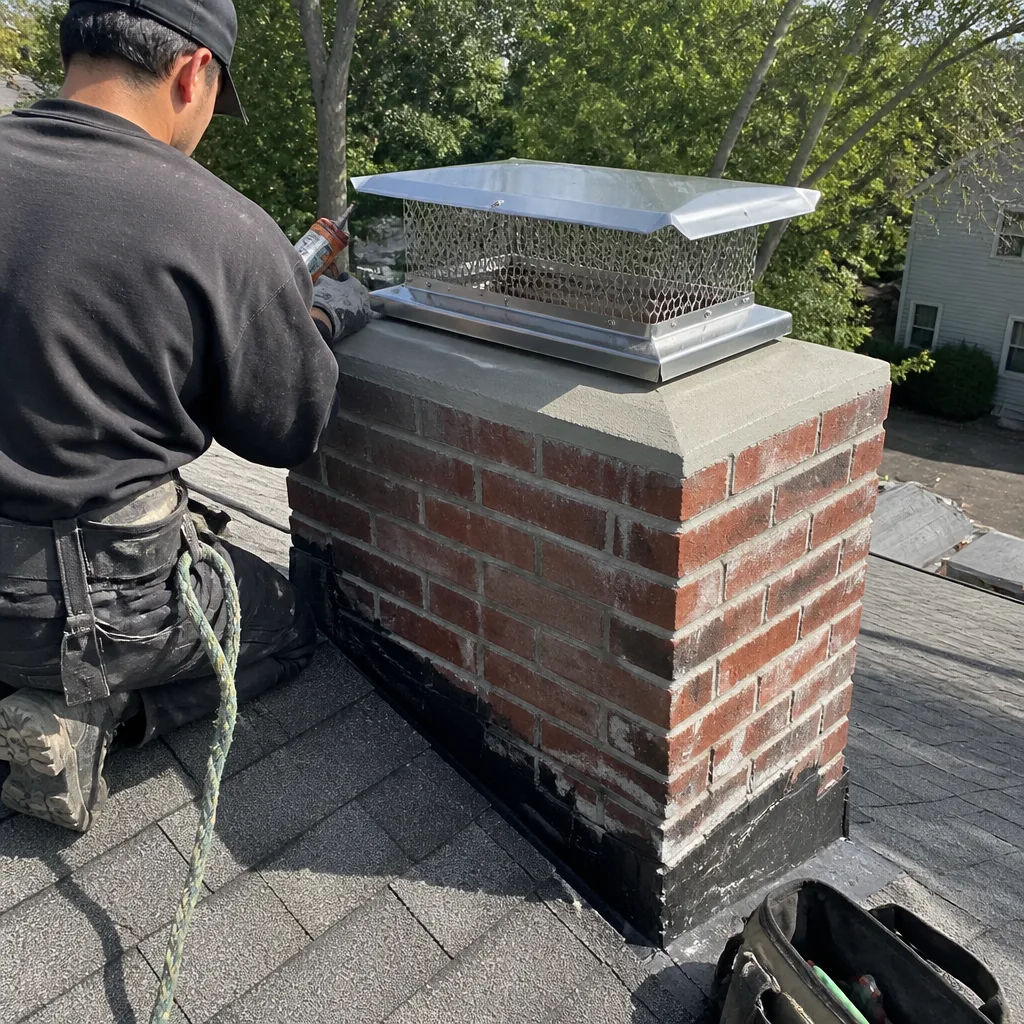
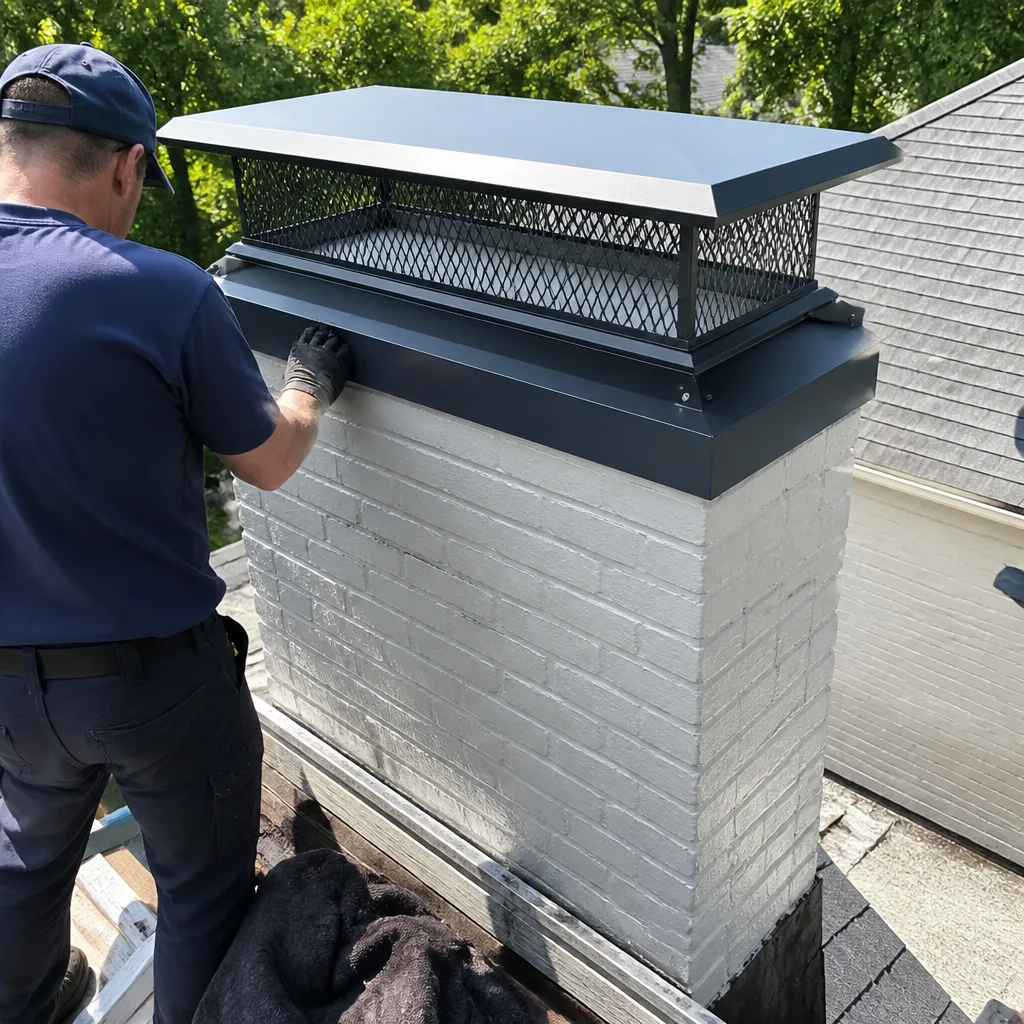
Level 1 sweep and inspection to the NFPA 211 annual standard - flue, crown, cap, and flashing checked and photographed
Chimney sweep logs do not sweep chimneys. They loosen some creosote - which then falls where a brush and vacuum still have to collect it.
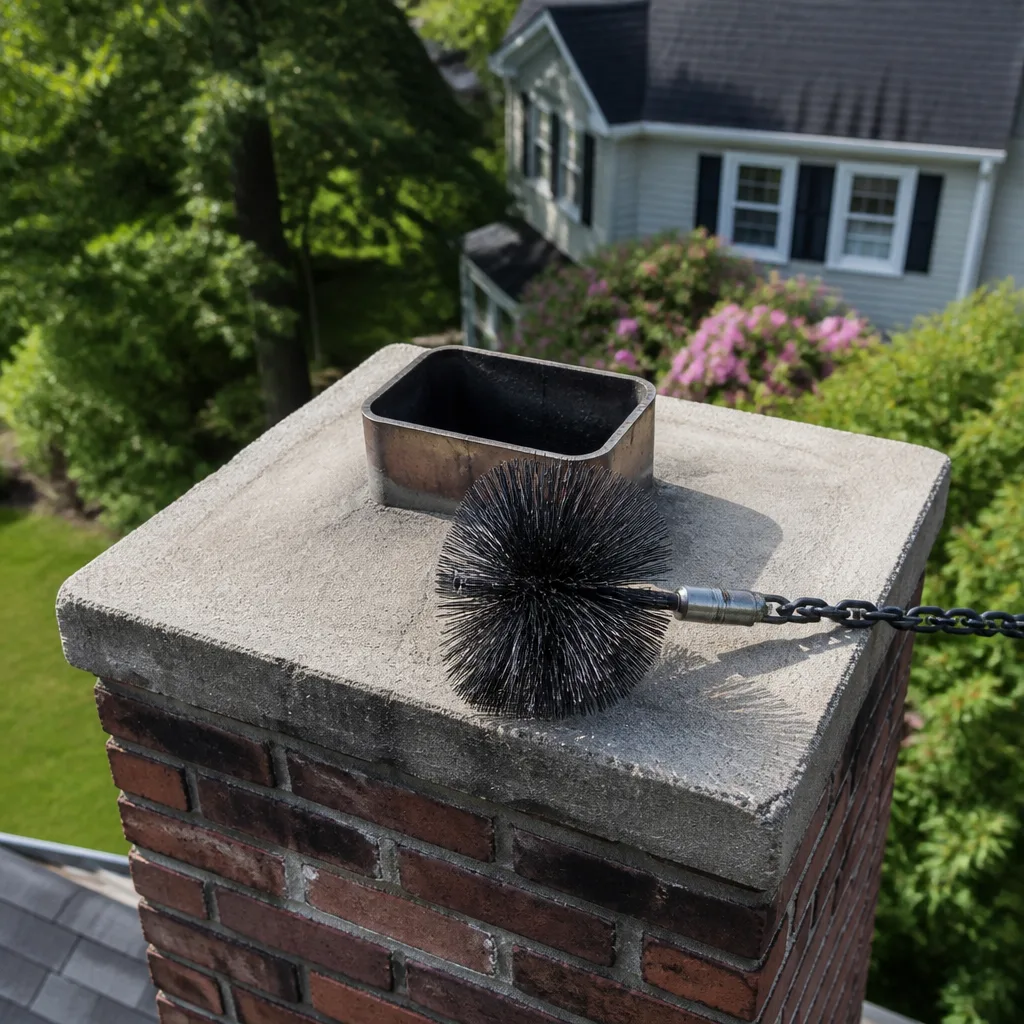
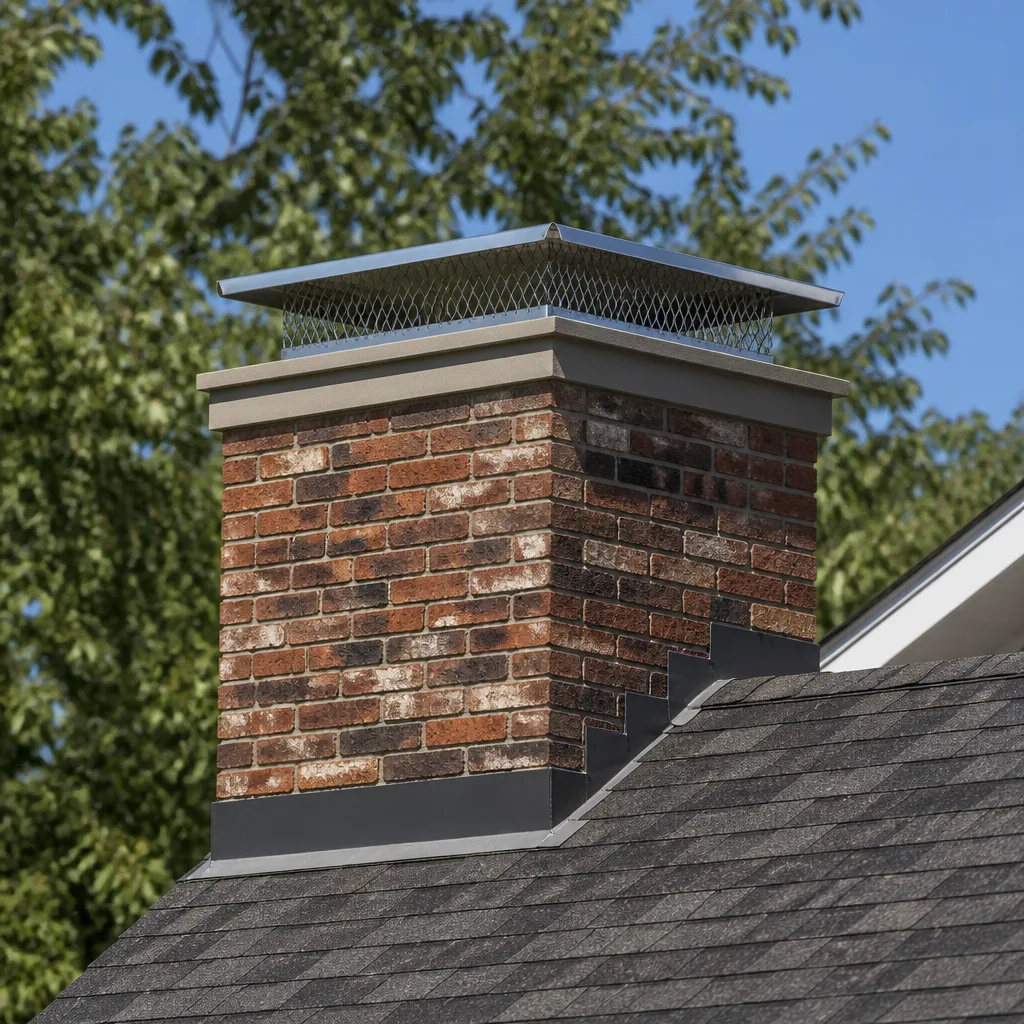
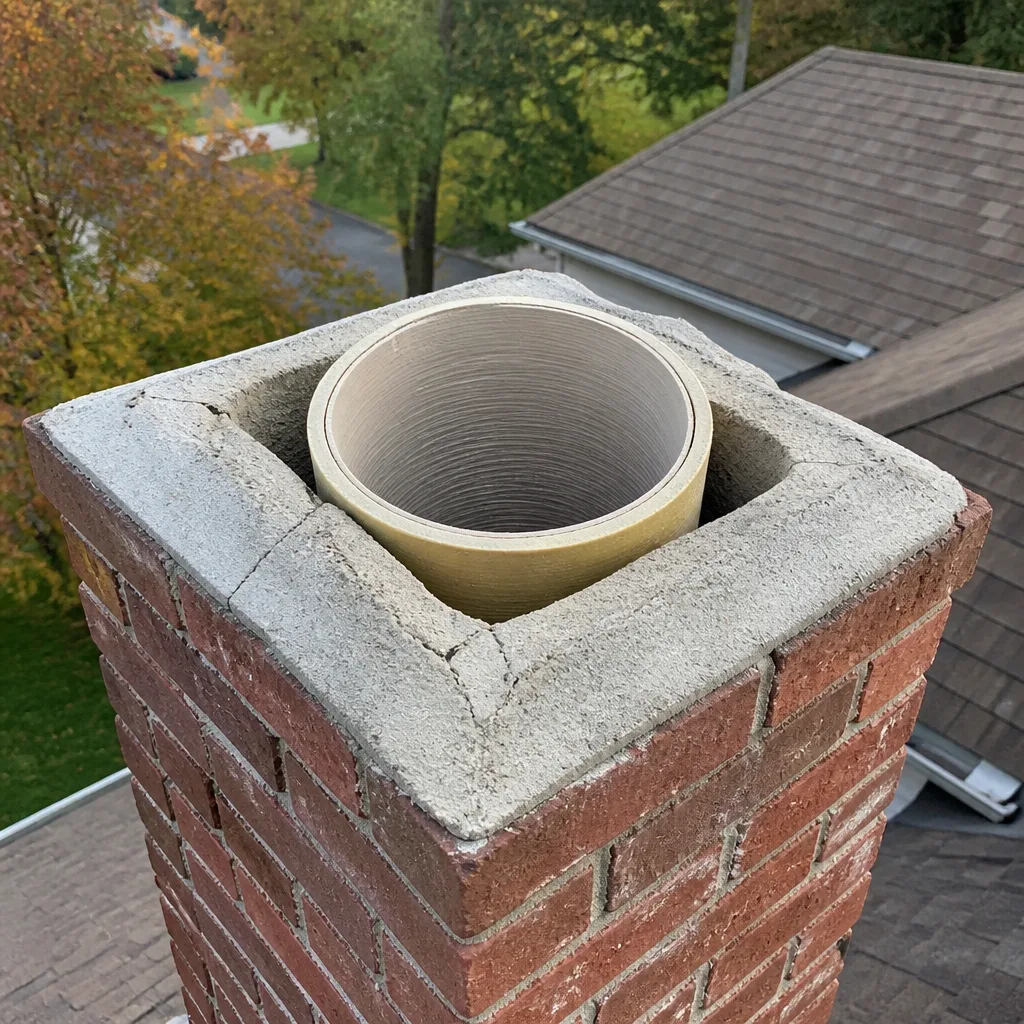
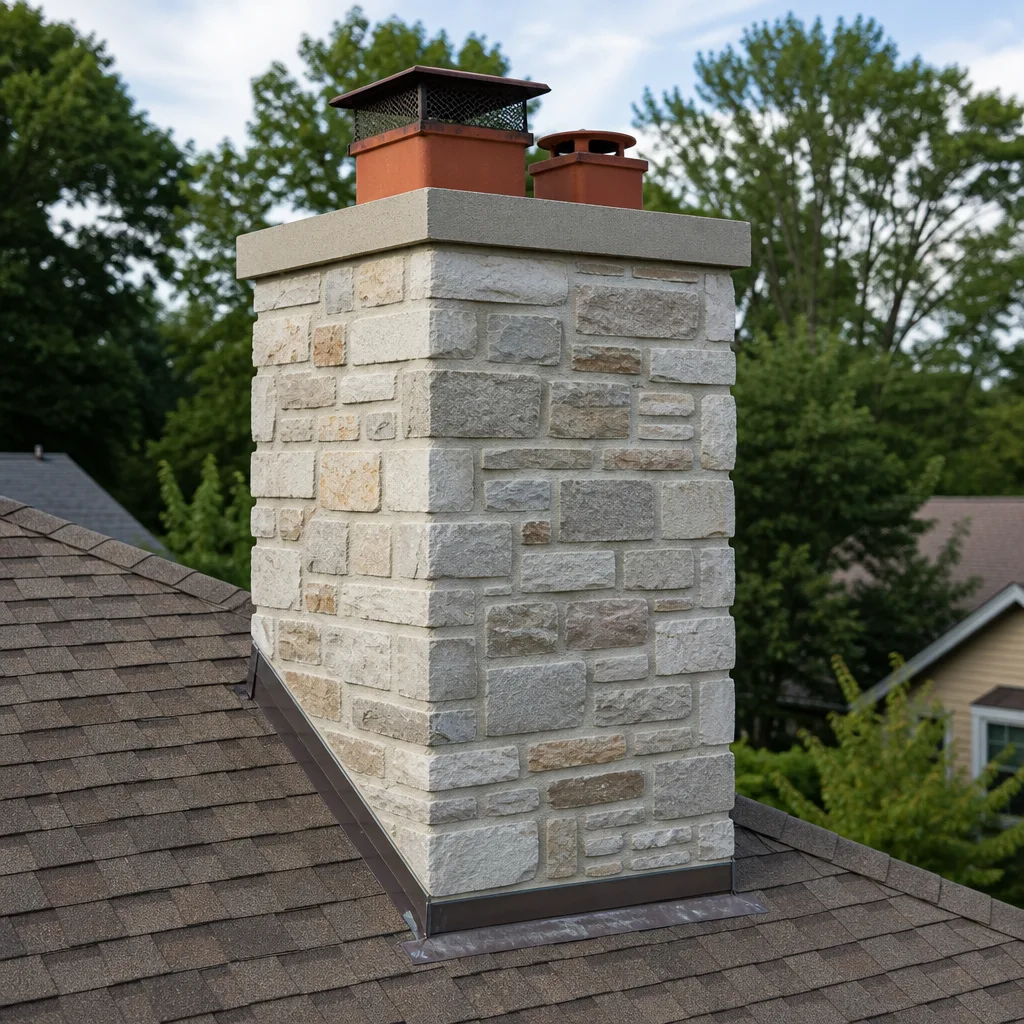
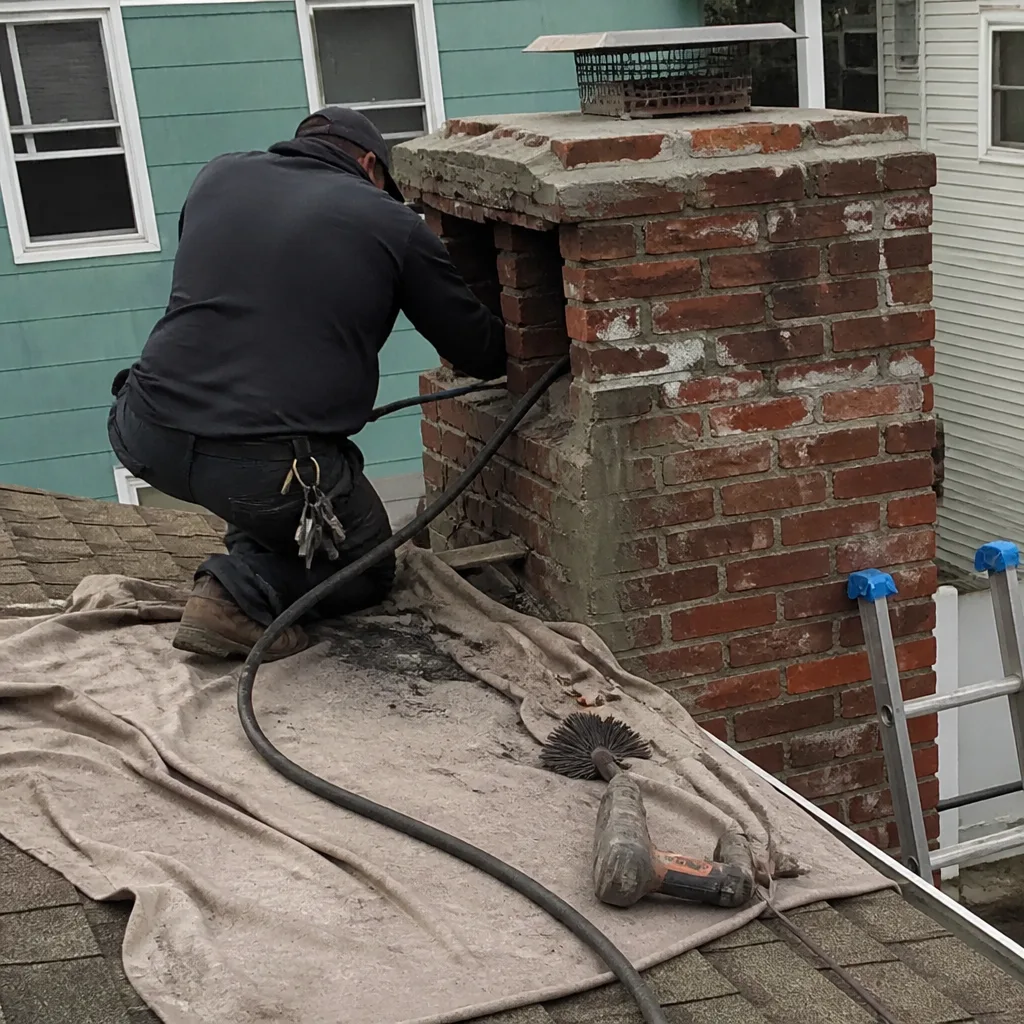 Before
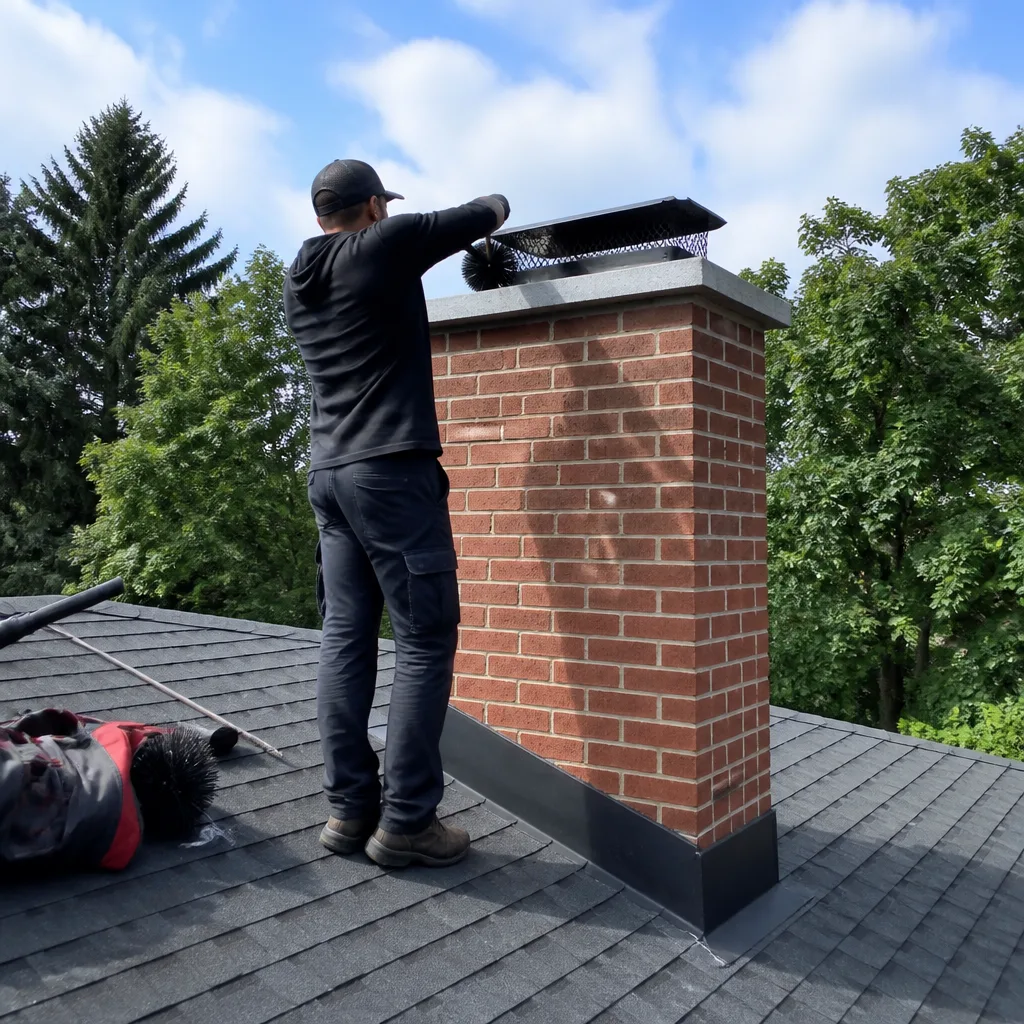 After
After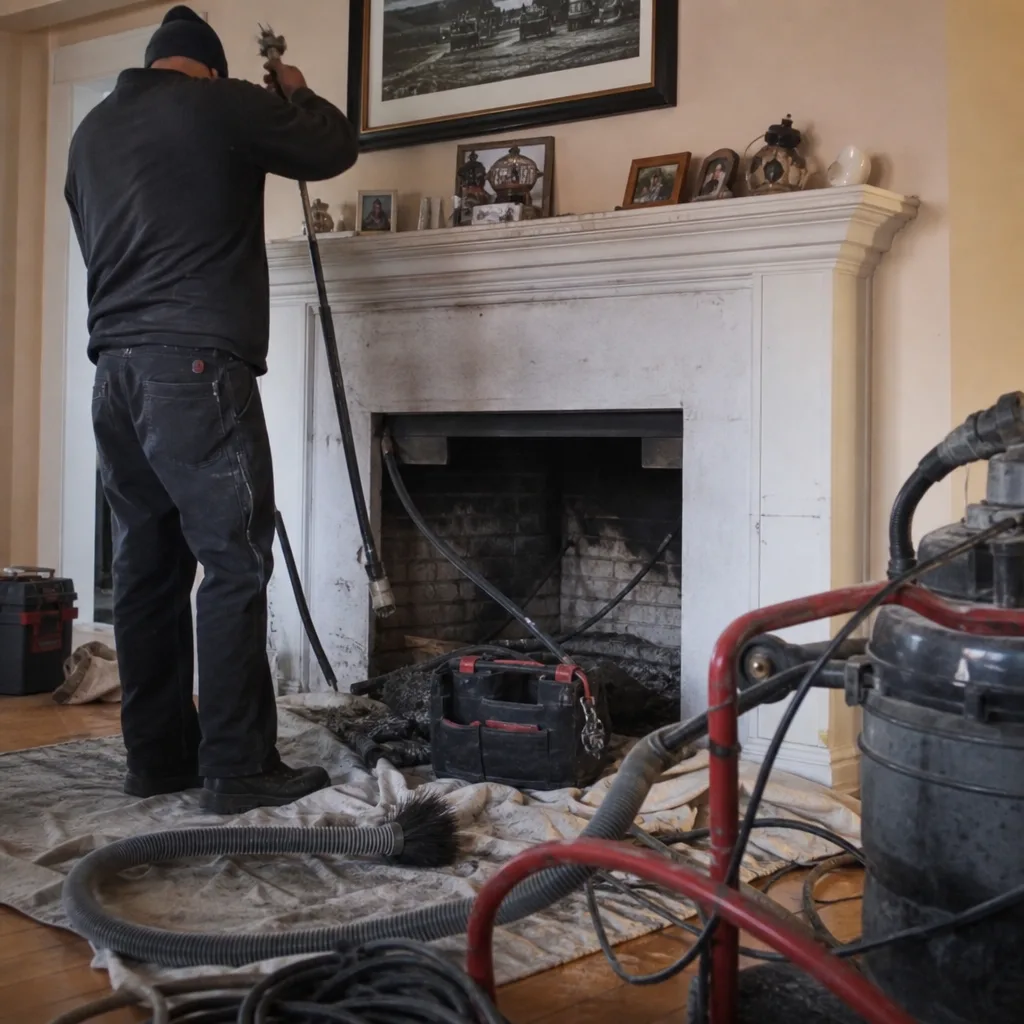 Before
 After
After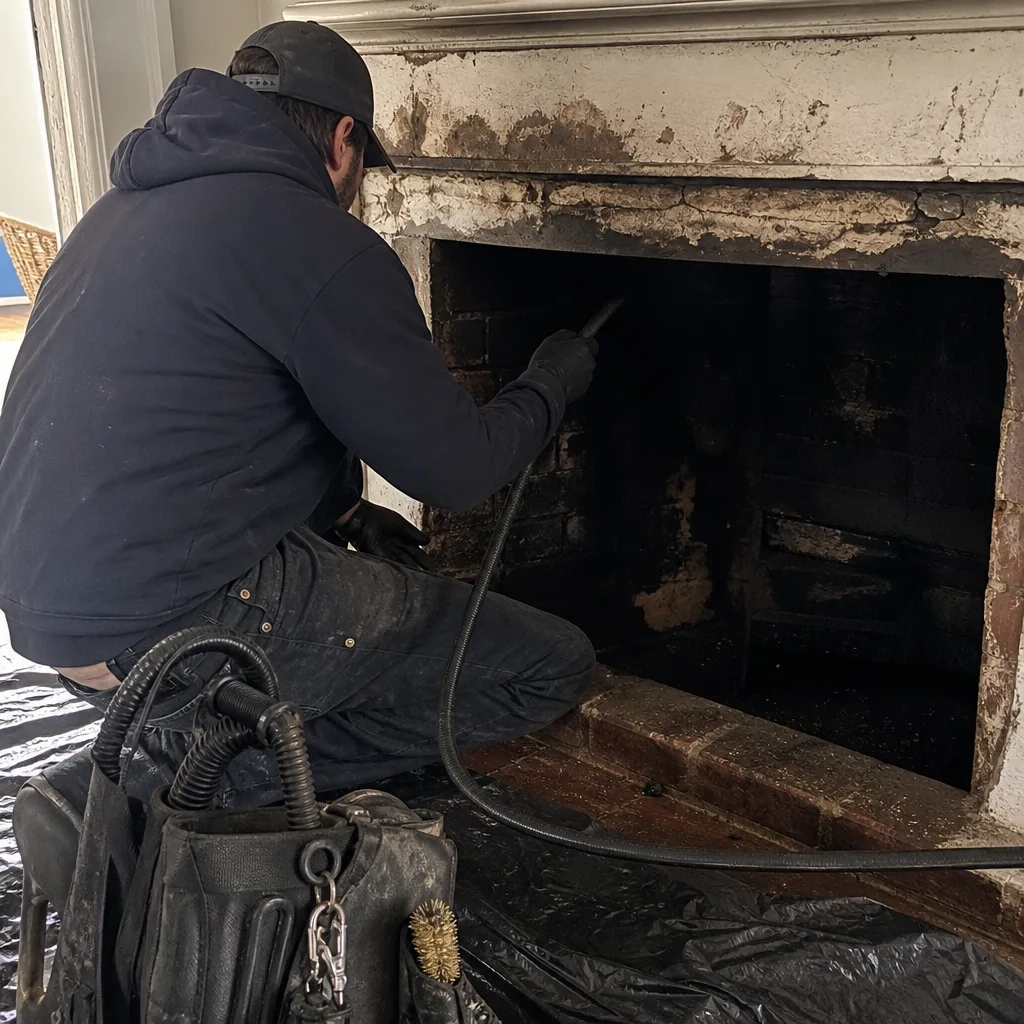 Before
 After
AfterHow Much Does Chimney Liner & Rebuild Cost in New York?
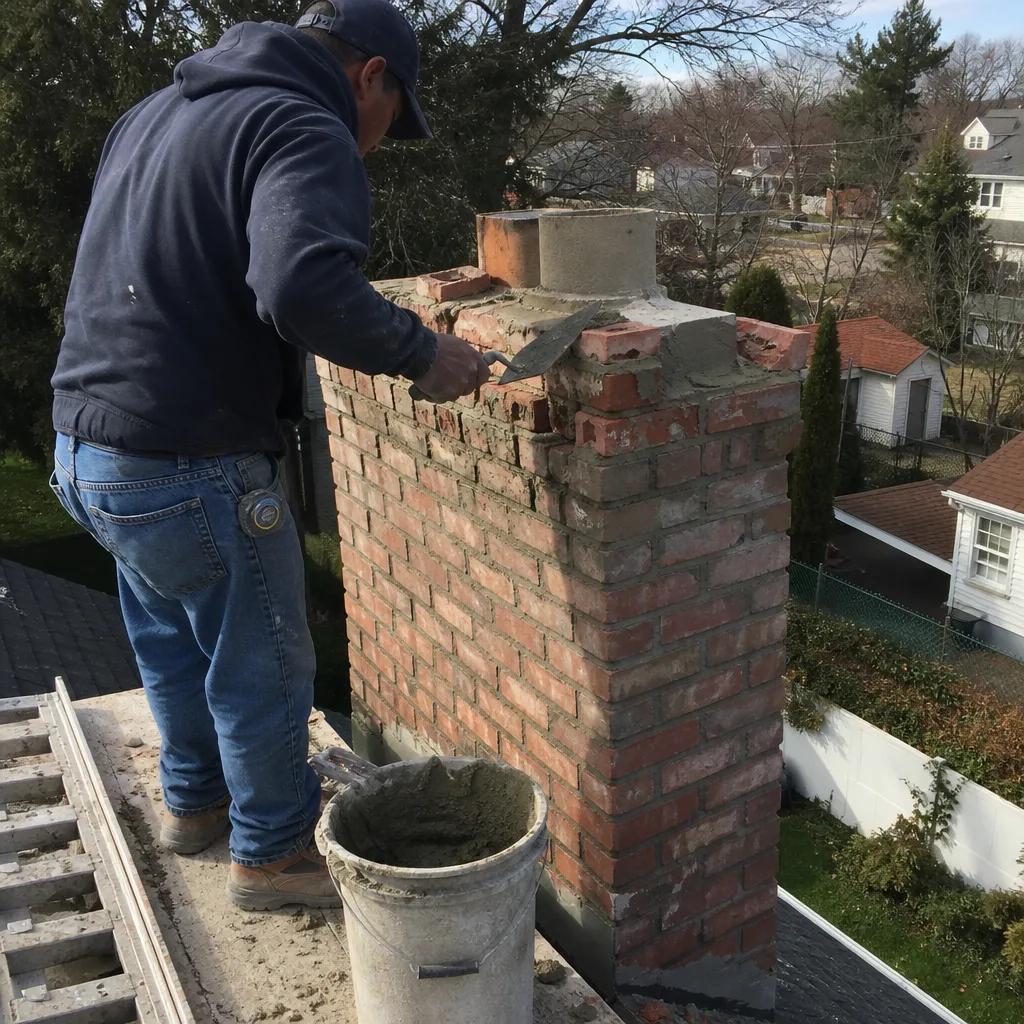
Chimney liner installation in New York, NY typically runs $2,200 to $6,800 depending on flue height, liner material, and whether the smoke chamber needs resurfacing before the liner drops. A full chimney rebuild - meaning the masonry above the roofline is torn down and reset course by course - runs $4,500 to $14,000 for most New York rowhouses and co-op buildings, with taller flues in pre-war buildings pushing toward the higher end. See our Chimney Liner & Rebuild services for what’s included in that scope. We give you a written price before anyone touches the chimney; that number doesn’t change when the job is done.
For a deeper look at what the work involves before you get to pricing, our Chimney Liner & Rebuild in New York service page walks through every step from camera inspection to final sweep.
Chimney Liner & Rebuild Cost Breakdown (2026)
The table below reflects current New York market pricing as of 2026, based on work we’ve quoted and completed across Manhattan, Brooklyn, the Bronx, Queens, and Staten Island. These are real ranges, not national averages.
| Service | Typical NY Price Range | Notes |
|---|---|---|
| Flexible stainless liner (gas appliance, single story) | $1,800 – $2,800 | Up to 20 ft; includes top and bottom connections |
| Flexible stainless liner (wood-burning, single story) | $2,200 – $3,400 | Heavier gauge required; liner sizing per NFPA 211 |
| Flexible stainless liner (multi-story, 25-40 ft flue) | $3,200 – $5,500 | Common in pre-war Manhattan and Brooklyn brownstones |
| Cast-in-place liner system | $4,000 – $7,500 | Poured around a bladder; seals cracked terra cotta from inside |
| HeatShield resurfacing (smoke chamber or flue) | $1,200 – $2,800 | Applied in place; no demolition needed for moderate deterioration |
| Partial chimney rebuild (above-roofline only) | $4,500 – $8,500 | Spalling brick removed; repointed or reset with new mortar |
| Full chimney rebuild (from firebox up) | $8,000 – $14,000+ | Necessary after structural failure; includes new liner |
| Chimney crown replacement | $600 – $1,400 | Often done alongside a liner job to stop water intrusion |
| Smoke chamber parging (sloping the chamber walls) | $450 – $900 | Required before liner install if the corbeled brick is exposed |
| Level 2 camera inspection (required before liner work) | $199 – $299 | NFPA 211 Level 2; photo record included as standard |
A few things push the number up fast in New York specifically. Pre-war rowhouses in Harlem, Bed-Stuy, and Park Slope were built with tall, often offset flues that require a flexible liner with offset fittings rather than a straight drop. Older terra cotta tile liners in those buildings are frequently cracked or collapsed by the time a camera goes down the flue, and that condition requires either a cast system or a full liner replacement rather than a patch. Add scaffolding access fees – which in Manhattan and dense Brooklyn blocks can run $800 to $2,000 on their own just to reach the chimney top safely – and the quoted price reflects real local conditions, not a generic estimate.
Materials we use come from DuraFlex, HeatShield, Gelco, Olympia Chimney, Famco, and Copperfield, procured through Haven’s buying network so we’re not marking up at retail. That matters in a city where a lot of contractors source locally at rack prices and pass the difference to you.
What Affects Chimney Liner & Rebuild Pricing in New York
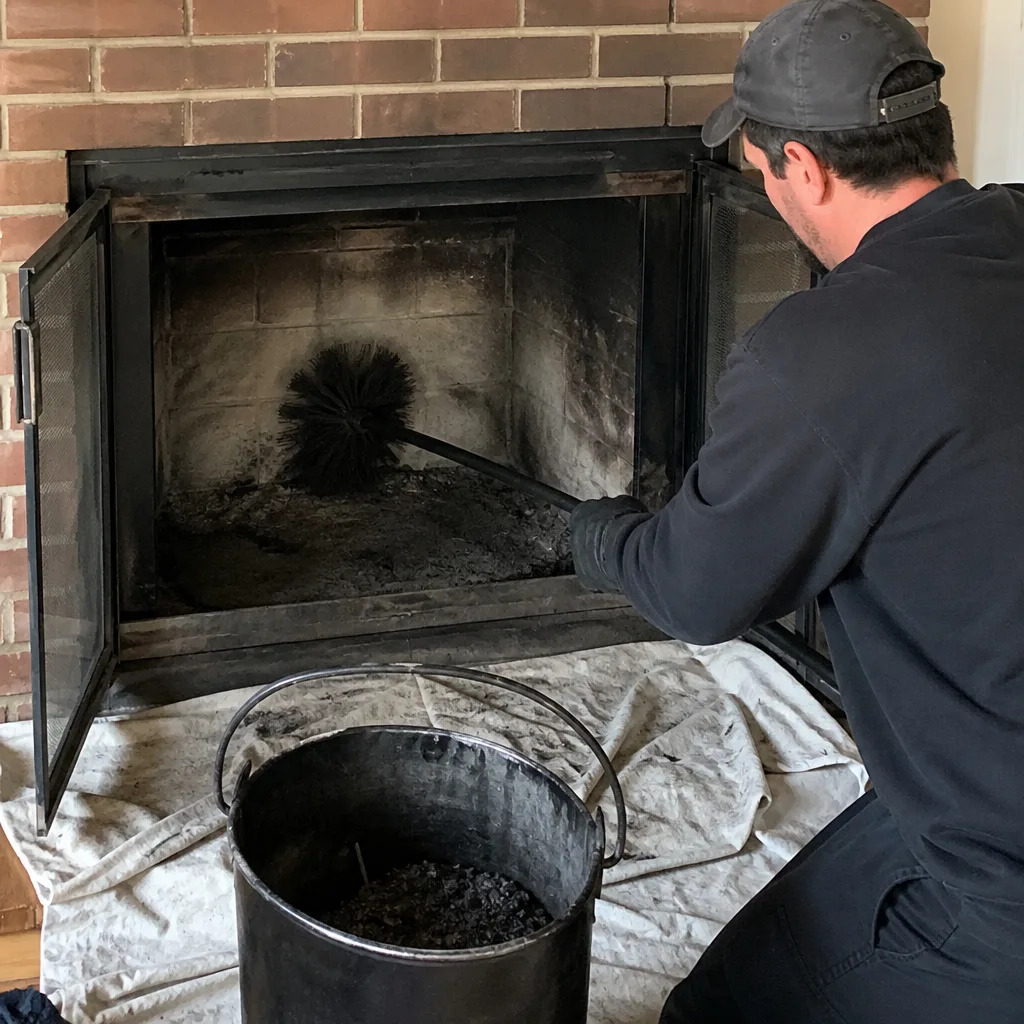
- Flue height and configuration: A 15-foot flue in a two-story Staten Island colonial costs less to line than a 38-foot flue in a pre-war Upper West Side building with two offsets. Every additional foot of liner material, every offset fitting, and every obstruction the installer has to work around adds time and parts.
- Liner material: Flexible stainless steel liners (like those from DuraFlex) cost less upfront than cast-in-place systems, but cast systems are sometimes the only practical option when a flue is out of round, has multiple cracks, or has debris that a flexible liner won’t seat around properly. A camera inspection tells you which one you actually need.
- Existing liner condition: If the terra cotta tiles are intact and the flue is clear, a stainless drop-in liner is straightforward. If tiles are collapsed into the flue – something we see regularly in Brooklyn brownstones built before 1940 – the debris has to come out first, which means more labor hours before the liner work even begins.
- Smoke chamber condition: A smoke chamber with exposed corbeled brick (the stepped masonry above the firebox throat) has to be parged – coated with a refractory mortar like HeatShield – before a liner is installed. If this step is skipped, the liner install doesn’t meet NFPA 211 standards and the system will draw poorly. Many New York fireplaces that haven’t been used in years need this step.
- Access and scaffolding: In Manhattan, parts of the Bronx, and dense row-house blocks in Brooklyn and Queens, scaffolding or a lift may be required to safely reach the chimney top. This is a real line item and we include it in the written quote upfront, not as a surprise at job’s end.
- Permit requirements: New York City’s Department of Buildings requires permits for structural chimney work, including full rebuilds and, in some cases, liner replacements connected to heating appliances. Permit fees and filing time add cost. We handle filing and factor it into the written price; it’s never a hidden line item.
- Associated repairs: A chimney that needs a liner often needs a crown at the same time, since the same water that deteriorated the liner usually worked through a cracked or missing crown. Doing both at once saves a service call and sometimes saves on scaffolding cost. We’ll note in the written scope what’s optional and what’s necessary.
BeforeAfterHow to Save on Chimney Liner & Rebuild in New York
Get the inspection done before you talk to contractors
A Level 2 camera inspection – NFPA 211 Level 2, camera down the flue, written photo record – tells you exactly what the liner condition is before anyone gives you a number. Without that documentation, you’re pricing a guess. Some contractors quote low without an inspection, then “discover” additional problems once they’re already in your home. We put the camera down first, show you what’s there in photos, and price from that record. The inspection fee is $199 to $299 and it’s the most useful $200 you’ll spend on this project.
Combine work when the scaffolding is already up
If scaffolding is going up anyway for a liner job or a rebuild, add the crown replacement, any repointing on the visible masonry, and a chimney cap installation to the same visit. In New York, where scaffolding can cost almost as much as a small repair on its own, bundling saves real money. We’ll walk you through what makes sense to combine versus what can wait, in writing, before the work starts.
Use a HeatShield resurfacing if the damage is moderate
Not every deteriorated flue needs a full liner replacement. If the NFPA 211 Level 2 camera inspection shows moderate cracking in the tile liner without collapse – the kind of damage we see frequently in Astoria and Woodside two-family homes – a HeatShield spray-applied resurfacing can bring the flue back to code compliance at $1,200 to $2,800 versus $3,000 to $5,500 for a full liner. The inspection tells you which category your flue falls into. We won’t upsell you to a liner if resurfacing is the right call; that would show up in the photo record.
Ask for our Free Second Opinion on any written estimate
If you’ve already got a written quote from another contractor, bring it to us. We’ll put the camera down, show you what we see, and give you a written comparison at no charge. In New York, we’ve seen liner quotes range by $2,000 or more for what is nominally the same job – often because of different liner gauges, different material brands, or because one contractor included the smoke chamber parge and another didn’t. A second opinion resolves that quickly.
Call for a written estimate before the busy season
Chimney liner work in New York spikes in September and October when homeowners fire up the fireplace for the first time and find it doesn’t draw. Scheduling a camera inspection in late spring or summer means no wait, the same price, and you go into fall with a documented flue condition rather than a guess. Call (551) 213-5548 and a live person answers – no voicemail, no web form, no call-back window.
Signs Your Chimney Liner Needs Replacement (Not Just Cleaning)
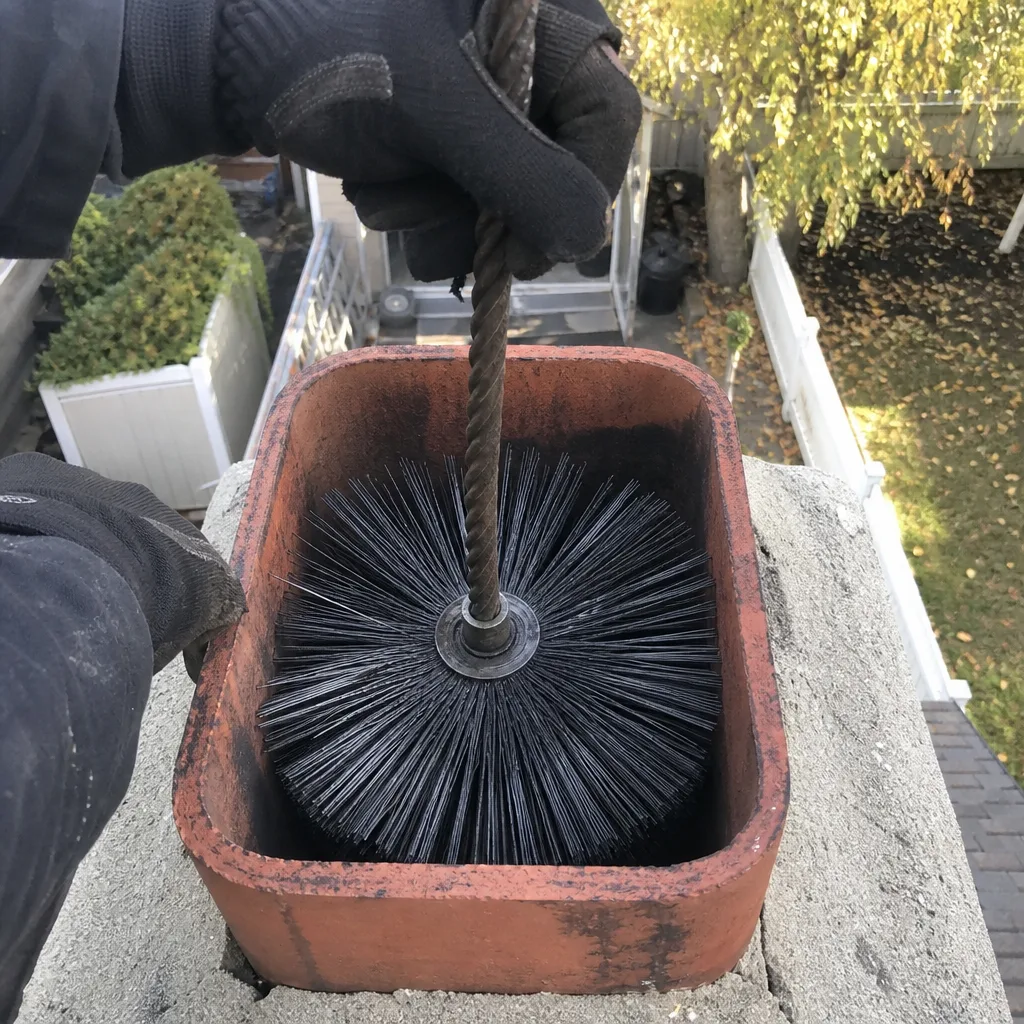
A lot of New York homeowners schedule a sweep and assume the flue is fine if the technician doesn’t say otherwise. A sweep without a camera inspection is a flashlight look at the top few feet – it doesn’t show you what’s happening 20 or 30 feet down the flue. Here’s what a camera inspection actually finds:
- Spalled or cracked terra cotta tile: The liner tiles in pre-war New York buildings crack from thermal cycling. A single crack that runs the full length of a tile section allows combustion gases – including carbon monoxide – to migrate into the surrounding masonry and potentially into living spaces. This is not a cosmetic issue.
- Collapsed tile sections: We find partially or fully collapsed liner sections in older Harlem brownstones and South Bronx row houses more often than most homeowners expect. A fireplace that “works fine” can have a section of liner sitting at the base of the flue. The camera shows it; a flashlight inspection doesn’t.
- Offset flue sections with visible gaps: Where the flue changes angle to avoid a structural beam, the joints between offset sections can open over time. These gaps allow smoke and gases to enter the chase area.
- White staining (efflorescence) on interior walls near the chimney: This is often the first visible sign that water is moving through cracked liner joints into the surrounding masonry. The staining appears on the interior wall near the fireplace breast. It means water – and potentially gases – have a path through the liner.
- Smoke entering the room during a fire: This isn’t always a liner problem – it can be a draft issue, a blocked flue, or a damper problem – but it’s always worth a camera inspection to rule out liner failure before relighting.
We’ve completed over 38,000 chimney inspections and cleanings since 2009, every one documented with a photo record under Haven Standard Clause 4. That archive exists precisely because liner conditions change – what was borderline in a photo from 2020 is sometimes collapse by 2024. The record matters.
What a Level Two Chimney Co. Liner Job Looks Like, Start to Finish
Before we give you a price, a technician runs a Level 2 camera inspection per NFPA 211. You get photos of what’s in the flue – the liner condition at every level, the smoke chamber, the firebox, the crown. The written price comes from that documentation, not from a visual guess at the top. That price is fixed: Haven Standard Clause 1 (H.A.V.E.N. “Have it in writing”) means the number you see before work starts is the number on the invoice when it’s done.
On the day of the liner install, a named, background-checked, uniformed technician is assigned to your job. You get a text when they’re on the way. For a flexible stainless liner in a typical New York brownstone or rowhouse, the install takes four to six hours including smoke chamber preparation. For a cast-in-place system, plan for two days. For a full chimney rebuild, the timeline depends on flue height and scaffolding setup, and we’ll give you a realistic schedule in the written scope before work starts.
When the job is complete, you get a documented photo record of the finished liner, the connections, the crown, and any associated work. That record is yours. It’s useful for your homeowner’s insurance, for a future sale, and for the next inspection. Under Haven Standard Clause 4, documentation isn’t an optional add-on – it’s included on every job.
Every liner and rebuild job is backed by the 365-Day Done Right Promise: if it’s not done right, we make it right. That’s not a slogan – it’s written into the scope you receive before work starts.
Chimney Liner vs. Full Rebuild: Which One Does Your Chimney Need?
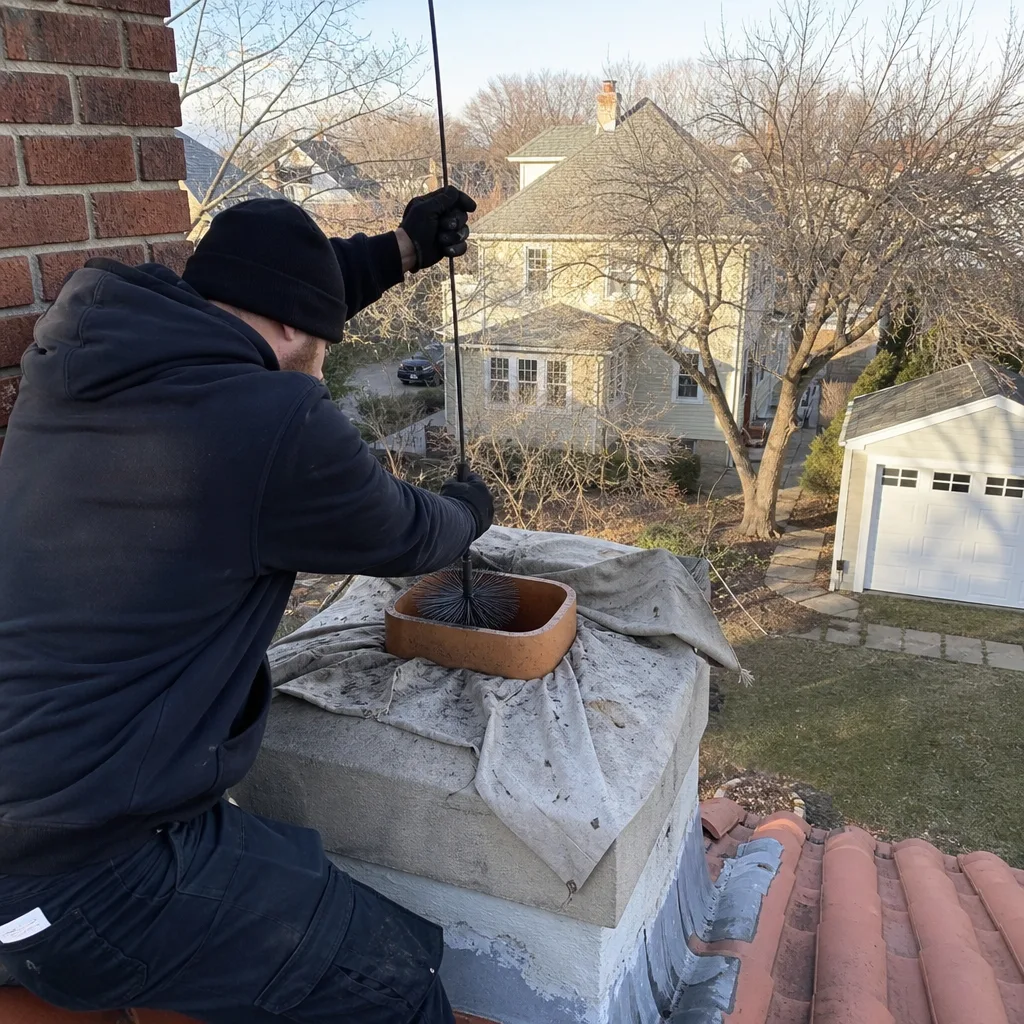
These two services often get conflated, and the distinction matters because the price difference is significant.
A liner replacement means the masonry shell of the chimney stays in place and a new stainless or cast liner is installed inside the existing flue. This is the right call when the brick and mortar structure is sound but the interior liner has failed – which is most common in New York buildings from the 1920s through the 1960s, where terra cotta tile liners have simply reached the end of their service life.
A partial or full rebuild means the masonry itself – the brick, the mortar, the structure – has failed to the point where it can’t hold a liner safely or has become a water intrusion problem. This is more common in chimneys that have gone many years without maintenance, in buildings where the crown was missing or cracked for an extended period, or in chimneys that experienced freeze-thaw damage through a series of hard New York winters. When the camera shows liner failure and the exterior inspection shows spalling brick above the roofline, the rebuild comes first, then the liner.
The camera inspection separates these two paths. Without it, a contractor is guessing – and guessing in the direction of the more expensive option doesn’t require much imagination.
New York Building Codes and Permit Requirements for Chimney Work
New York City’s Department of Buildings classifies chimney liner replacement and full rebuilds as work requiring permits when the chimney serves a heating appliance or when structural masonry is being altered. This includes most gas appliance liner installations and all masonry rebuilds above a certain scope. The permit process involves filing with the DOB, and depending on the building type – single-family, two-family, or multiple dwelling – the requirements differ.
We handle the permit filing for jobs that require it and include the filing fee in the written quote. You won’t find out about a permit requirement as an afterthought when the job is half done. If your building’s managing agent or co-op board requires a copy of permits and inspection records before approving chimney work – which is standard practice in many Manhattan and Brooklyn co-op buildings – we provide documentation in a format they can use.
One thing specific to New York’s dense housing stock: shared flues in multi-unit brownstones are common, especially in buildings that were converted from single-family use. If two units share a flue, any liner work has to address the full height of the shared section, not just the section serving one unit. A camera inspection identifies this quickly; ignoring it creates both a code issue and a safety issue.
Why We Started with the Camera in 2009
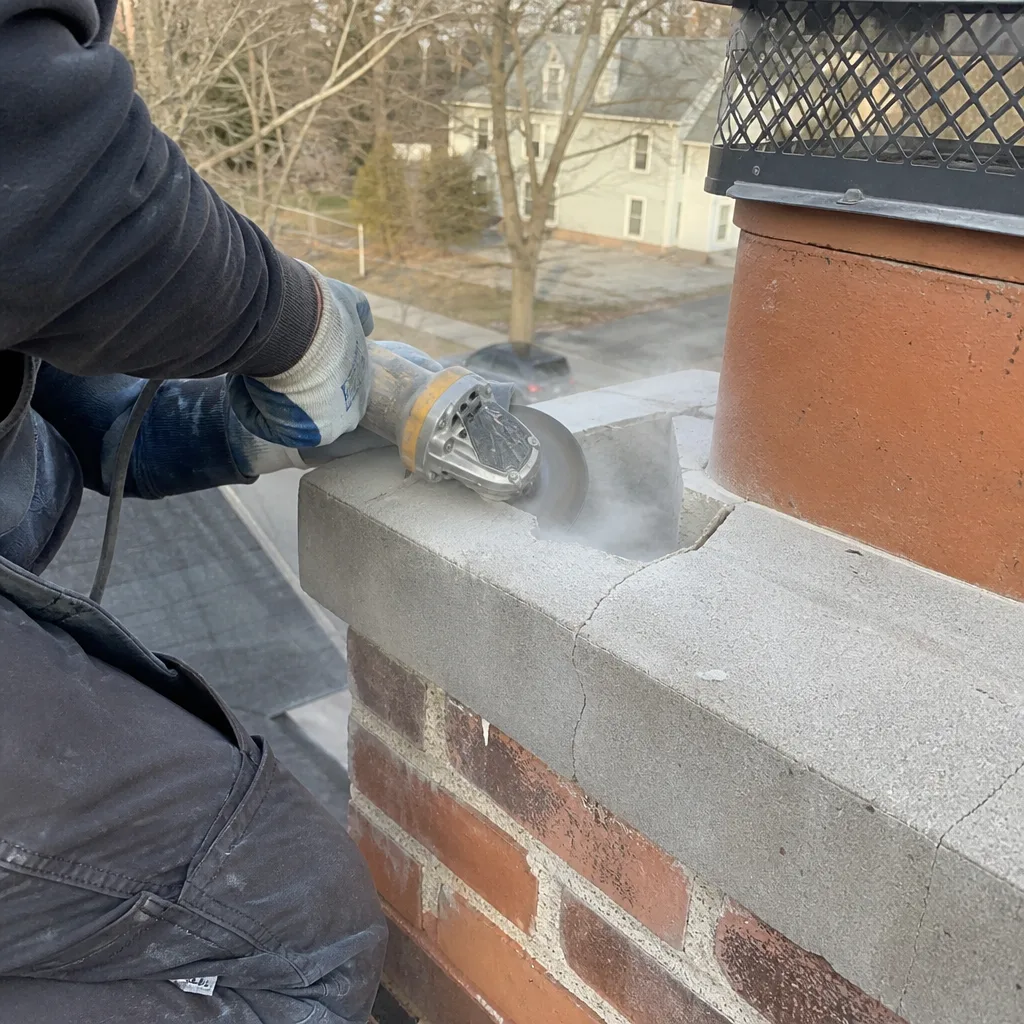
Level Two Chimney Co. has been operating under the Haven Standard since 2009. Camera-scan documentation was our default inspection method from the beginning – years before it became something regulators or insurers asked for. That practice became Clause 4 of the Haven Standard because we found, consistently, that liner problems invisible to a flashlight inspection were real and frequent. In New York, where pre-war flues are the rule rather than the exception, “I looked at it and it seemed fine” is not a standard anyone should accept.
Across 38,000+ inspections and cleanings, the photo record has caught collapsed sections, offset gaps, and Class III creosote (the hardened, glazed kind that bonds to the liner surface and dramatically increases fire risk) that were not visible from the firebox opening. That record is the reason clients trust our written price: it comes from documented evidence, not a sales call.
Our home page has a full overview of how the Haven Standard applies across every service we offer.
FAQs – Chimney Liner & Rebuild Cost in New York
How much does chimney liner installation cost in New York in 2026?
Chimney liner installation in New York costs $1,800 to $5,500 for a flexible stainless steel liner, and $4,000 to $7,500 for a cast-in-place system. The range is wide because flue height varies significantly – a 15-foot flue in a Staten Island ranch costs far less to line than a 38-foot offset flue in a pre-war Manhattan walkup. A Level 2 camera inspection ($199 to $299) tells you exactly what you’re dealing with before you commit to a price. Call (551) 213-5548 for a written estimate; it’s free and the number on the estimate is the number on the invoice.
How much does a chimney rebuild cost in New York?
A partial rebuild – typically the section above the roofline – runs $4,500 to $8,500 in New York. A full rebuild from the firebox up runs $8,000 to $14,000 or more depending on flue height, liner inclusion, and scaffolding requirements. Pre-war New York buildings with tall flues and complex masonry sit at the higher end of that range. Scaffolding alone can add $800 to $2,000 in dense urban blocks where street-level access is restricted. We include scaffolding cost in the written quote, not as a discovery after the job starts. Call (551) 213-5548 for a written price based on a documented inspection.
Do I need a permit for chimney liner replacement in New York City?
Yes, in most cases. New York City’s Department of Buildings requires permits for liner installation work connected to heating appliances and for structural masonry work including rebuilds. The permit fee and filing process are part of our written scope – you’ll see that line item before any work begins, not after. For co-op buildings, we can provide permit documentation in a format suitable for board review.
Is it cheaper to reline or rebuild a chimney in New York?
Relining is almost always cheaper if the masonry structure is sound. A flexible stainless liner runs $1,800 to $5,500; a full rebuild starts at $8,000. But if the masonry has failed structurally – spalling brick, collapsed mortar joints, or frost damage that’s compromised the chimney’s integrity – relining without rebuilding first is a waste of money because the new liner has nothing solid to sit in. The camera inspection makes this call clearly: if the brick is sound and only the liner has failed, we reline. If the masonry is the problem, we tell you that directly, in writing, with photos.
How long does a chimney liner last in New York?
A properly installed stainless steel liner from a manufacturer like DuraFlex carries a manufacturer’s warranty and, under normal use, lasts 20 years or more. Cast-in-place systems can last longer when the surrounding masonry is stable. In New York’s climate – freeze-thaw cycles every winter, salt air in coastal neighborhoods like Howard Beach and Rockaway, and older building stock with pre-existing moisture problems – liner longevity depends heavily on whether water intrusion is addressed at the same time. A chimney crown replacement or cap installation done alongside the liner job significantly extends liner life. The 365-Day Done Right Promise covers the work we do; manufacturer warranties cover the liner material. Both are documented in the written scope you receive before work starts.
Can you give me a written price before the work starts?
Yes – always, on every job, with no exceptions. A written price, written scope, and written warranty are delivered before anyone starts work. That’s Haven Standard Clause 1. We don’t give verbal estimates that shift when the technician is already in your home. If you’ve received a written estimate from another contractor, we’ll also give you a free second opinion at no charge. Call (551) 213-5548 to schedule an inspection and get a written price from documented findings.
Key Takeaways
- Chimney liner installation in New York costs $1,800 to $7,500 depending on liner type and flue height; full rebuilds run $4,500 to $14,000+.
- Pre-war New York buildings – brownstones, rowhouses, walkups in Brooklyn, Manhattan, and the Bronx – frequently have taller, offset flues that push cost toward the higher end of the range.
- A Level 2 camera inspection ($199-$299) is the only way to price liner work accurately. A written price from a flashlight look is not a reliable number.
- Scaffolding, NYC permit fees, smoke chamber parging, and crown replacement are real line items in a New York liner or rebuild job. We include them in the written quote before work starts.
- HeatShield resurfacing ($1,200-$2,800) is a legitimate alternative to full liner replacement for moderate tile damage. The camera inspection determines which applies.
- The 365-Day Done Right Promise and a documented photo record are included on every job – not add-ons, not upgrade tiers.
- Call (551) 213-5548 for a written estimate. A live person answers 24 hours a day, 7 days a week.
Get a Written Price for Your Chimney – No Estimate by Phone, No Surprises on the Invoice
If your chimney hasn’t had a camera inspection in the last three years, or if you’ve seen staining on walls near the fireplace, smoke entering the room, or brick spalling above the roofline, the next step is a documented Level 2 inspection before you talk price with anyone. We run the camera, show you what’s there in photos, and give you a written price based on documented findings – not a ballpark, not a range pulled from nothing.
Corrine Halstead leads Level Two Chimney Co. and has built the practice around one principle: the price is on paper before the work starts, and the photo record is in your hands when it’s done. That’s not a positioning statement. It’s how 38,000+ jobs have been handled since 2009, and it’s how yours will be handled.
Call (551) 213-5548 to schedule a Level 2 camera inspection and receive a written estimate. Live answer, any time of day. No voicemail, no call-back window, no web form to wait on. If you already have a written estimate from another contractor, bring it – we offer a free second opinion on any written quote.
Written by Corrine Halstead, Owner at Level Two Chimney New York, serving New York, NY since 2009.
Pricing reflects the New York market as of 2026. Level Two Chimney New York offers free estimates – call (551) 213-5548.
What Our Customers Say
"Cap and crown replaced after water was getting in. Price was quoted in writing, and they showed me the mortar failure first."
- Neil O."They ran a camera down the flue and showed me the cracked tiles on a screen. The previous company had swept it twice and never mentioned it."
- Gregory F."Found a bird nest and a blocked flue we had no idea about. Photographed everything, cleared it, and explained what the smell had been."
- Curtis V.