
Level 1 sweep and inspection to the NFPA 211 annual standard - flue, crown, cap, and flashing checked and photographed
Chimney sweep logs do not sweep chimneys. They loosen some creosote - which then falls where a brush and vacuum still have to collect it.
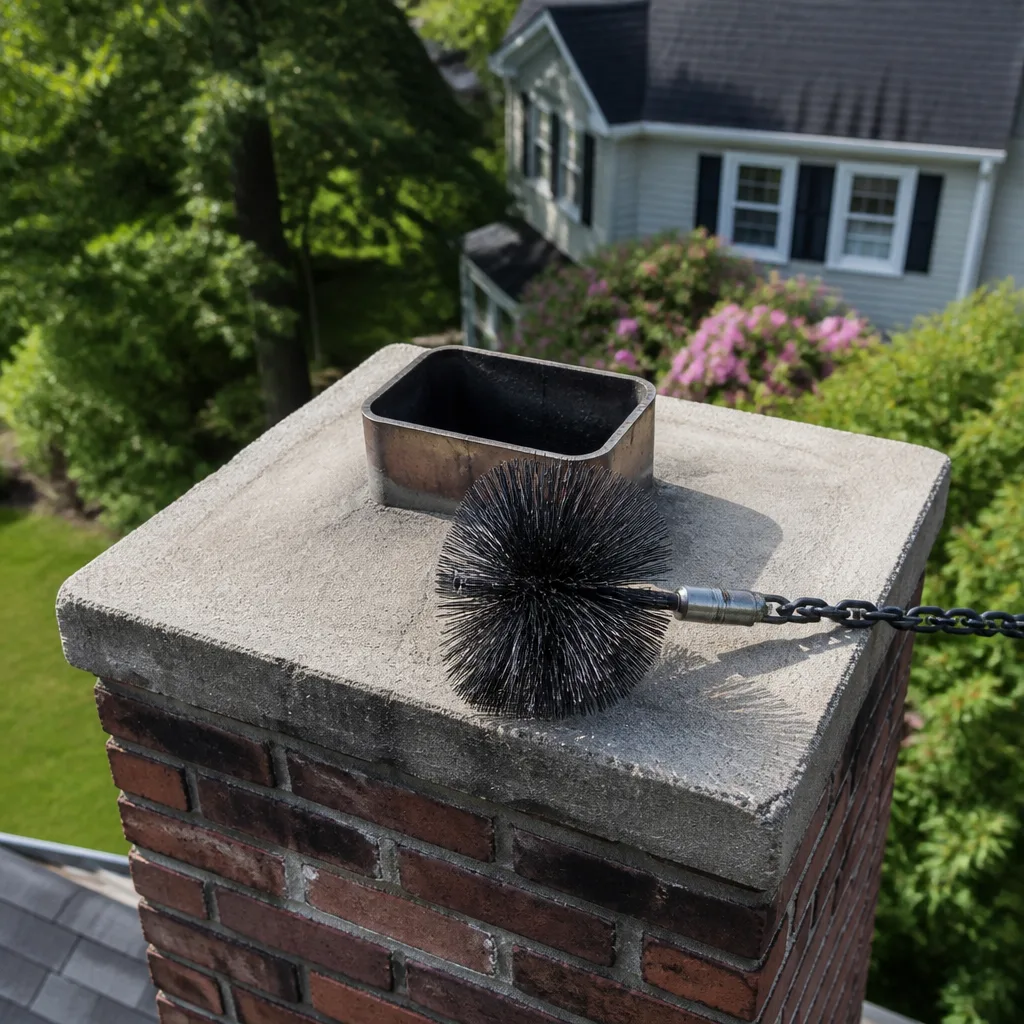
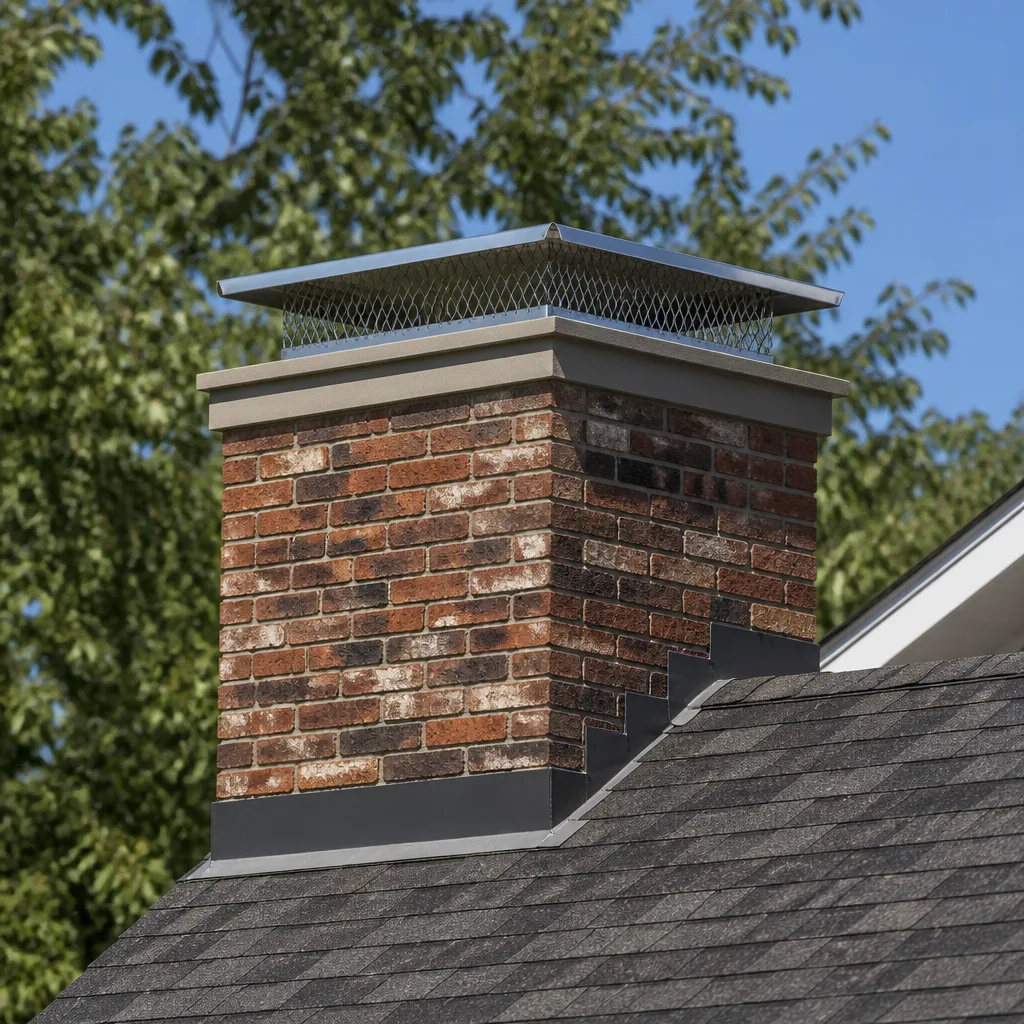
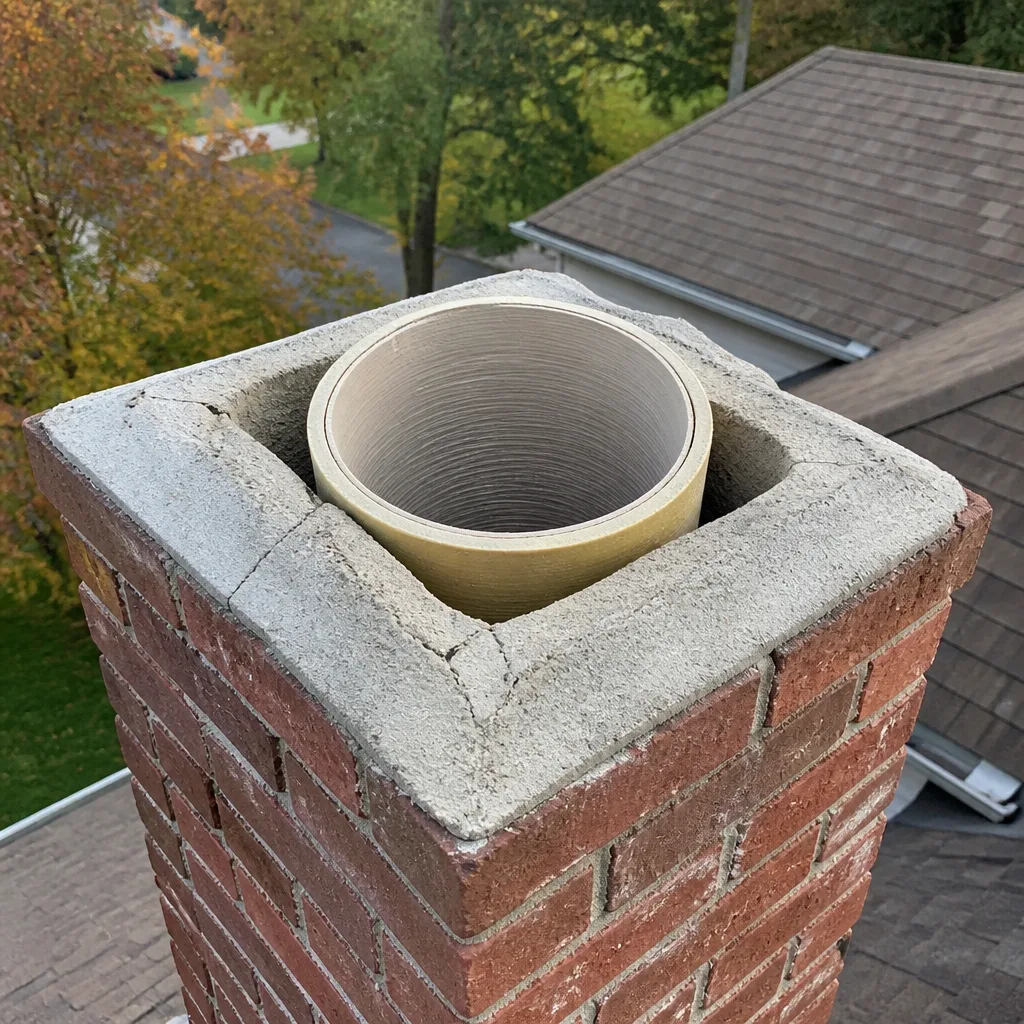
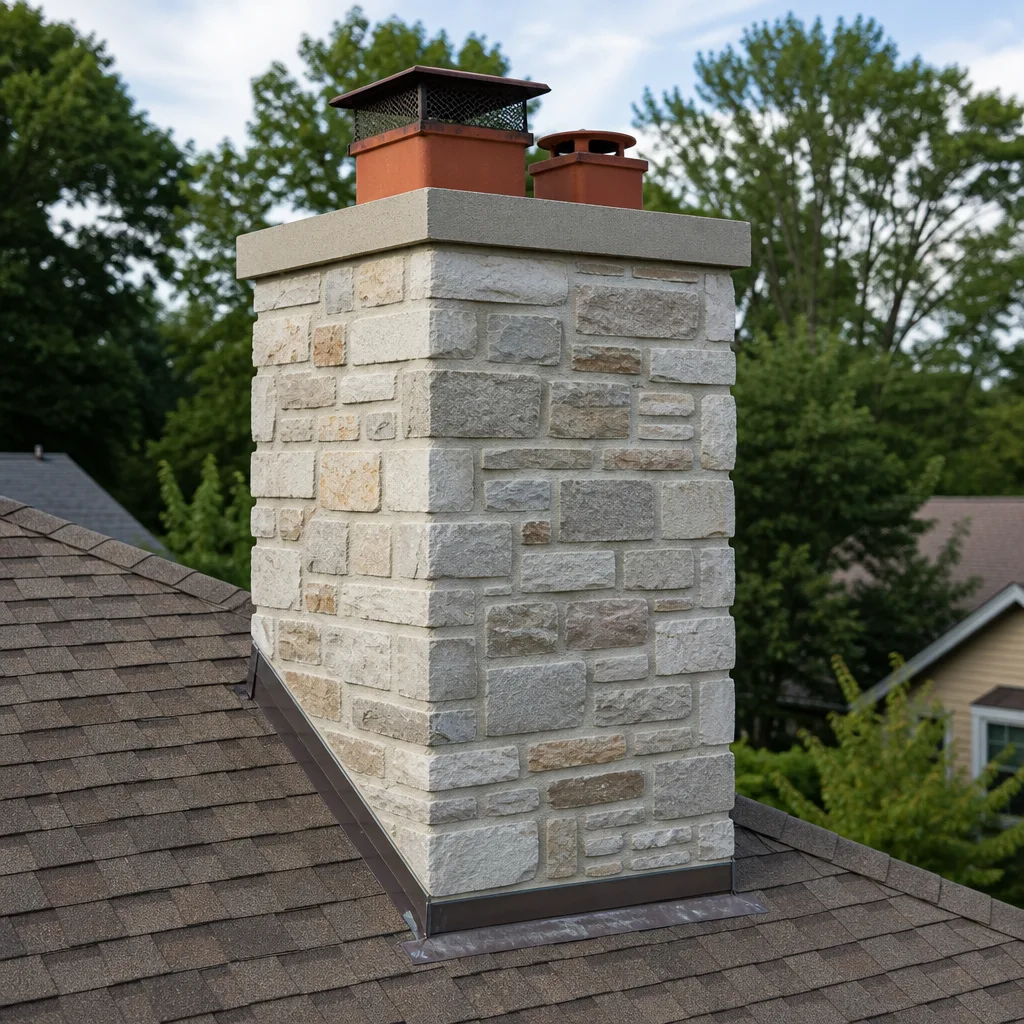
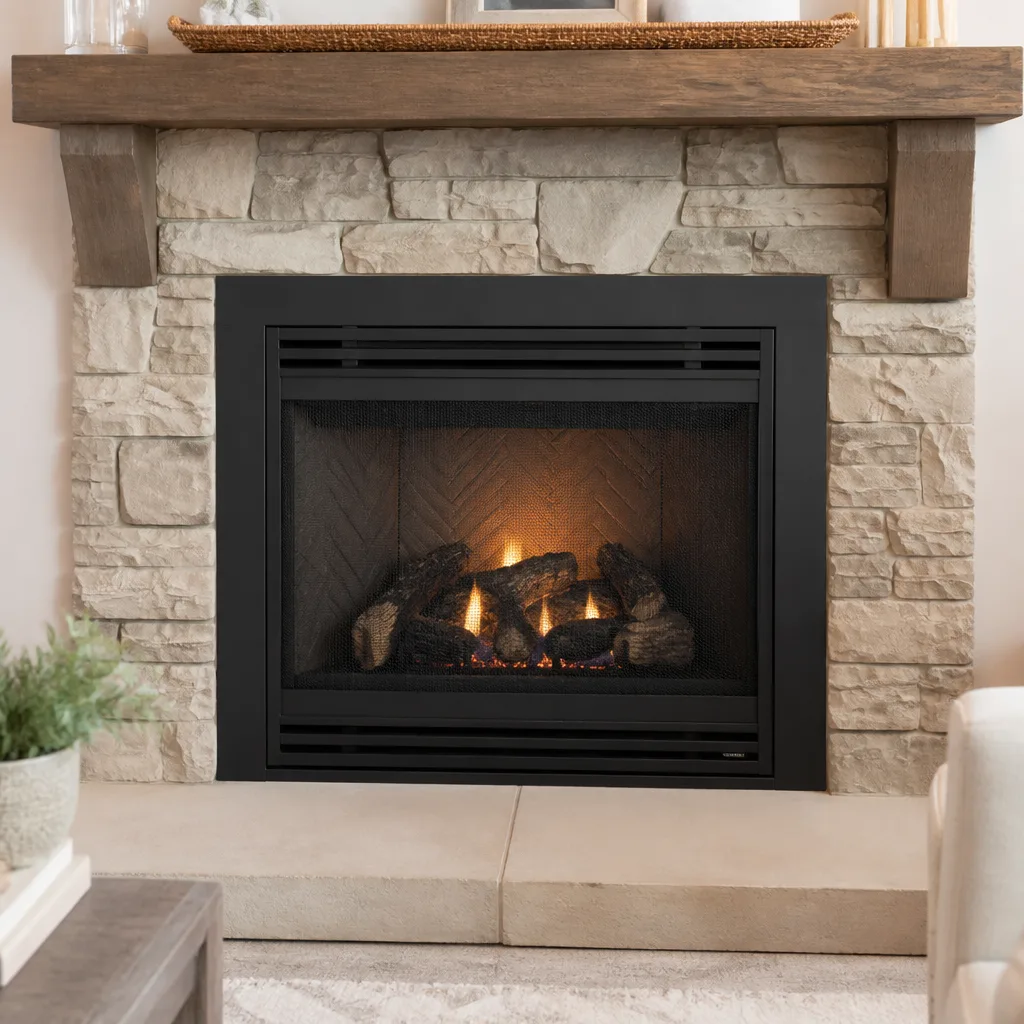
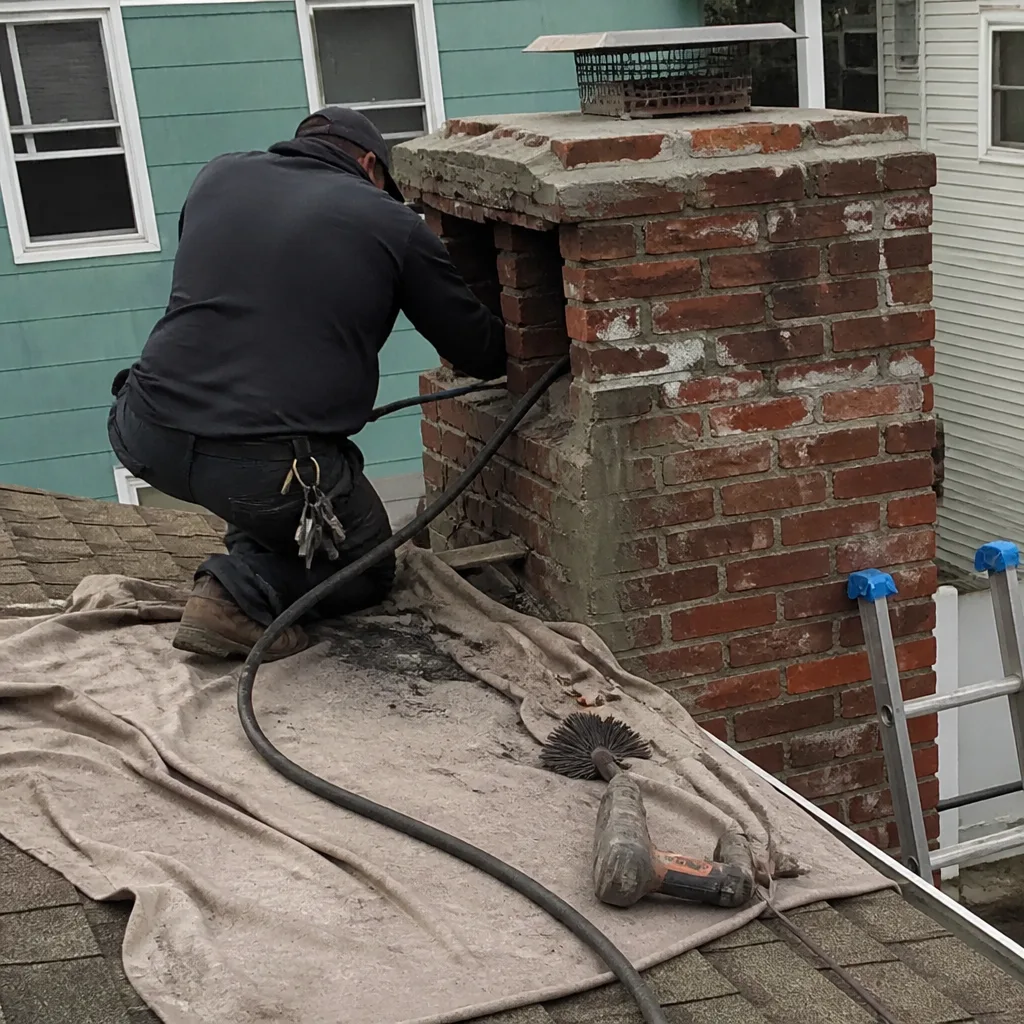 Before
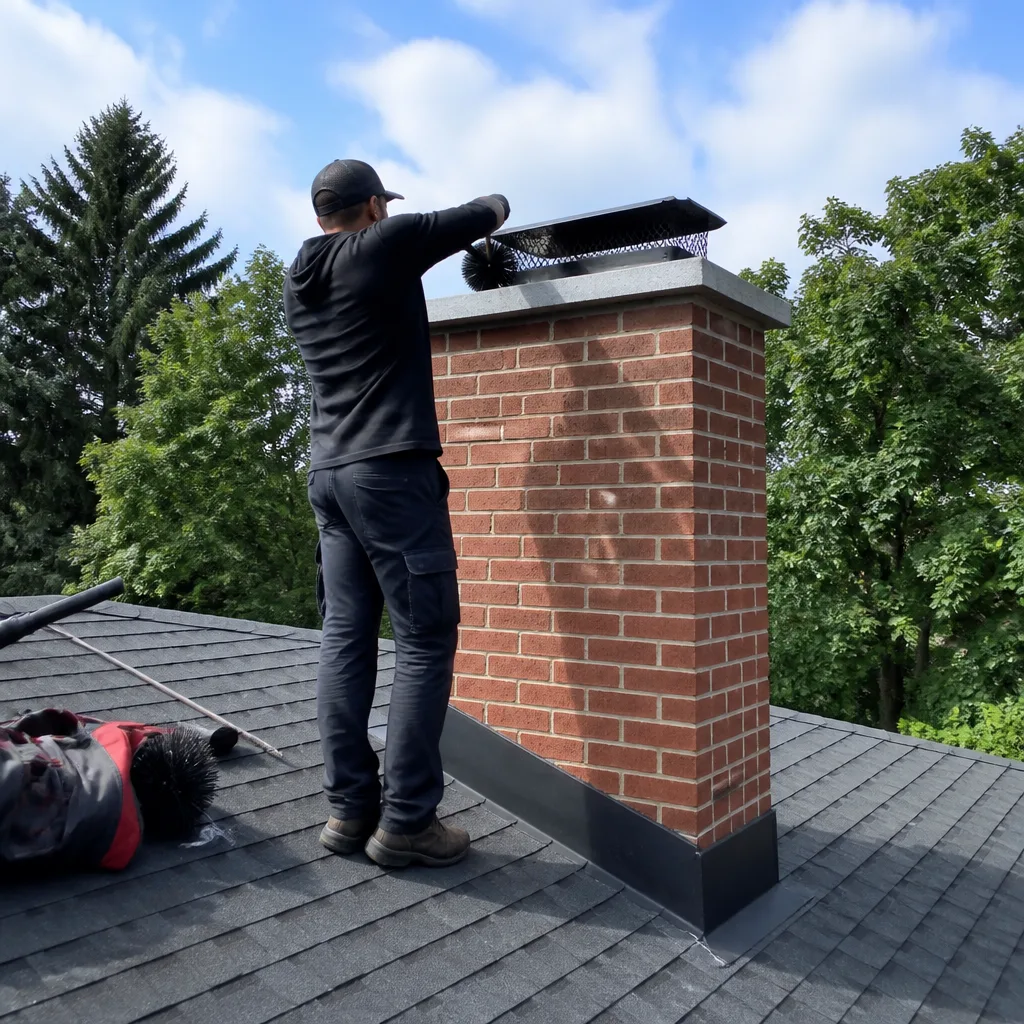 After
After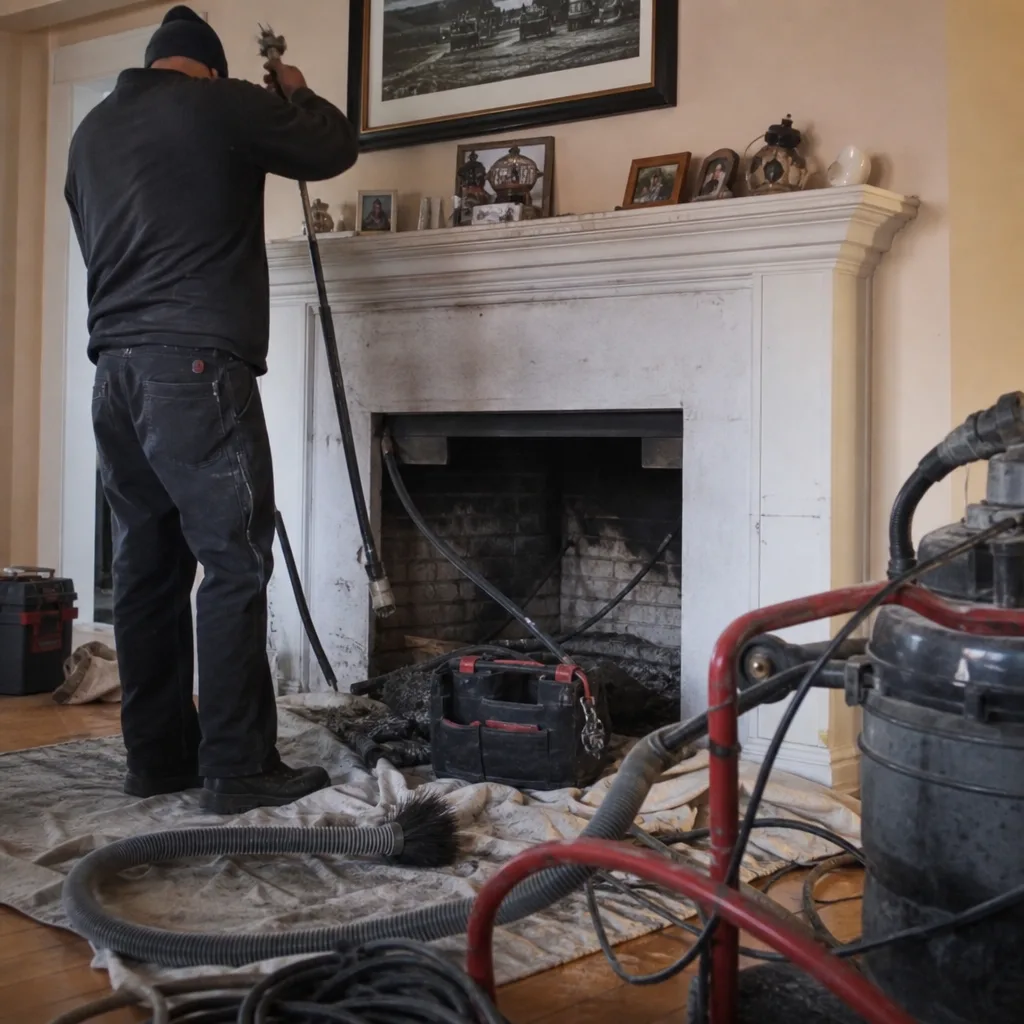 Before
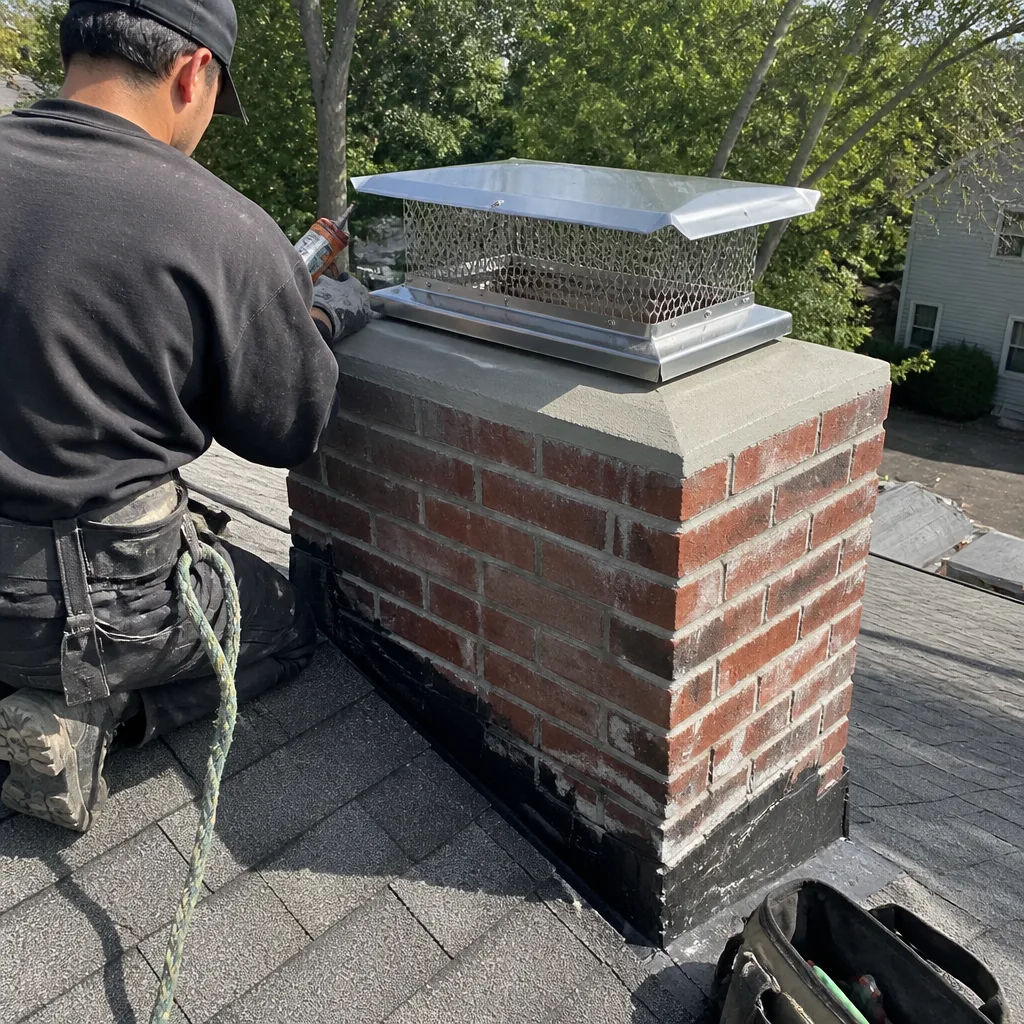 After
After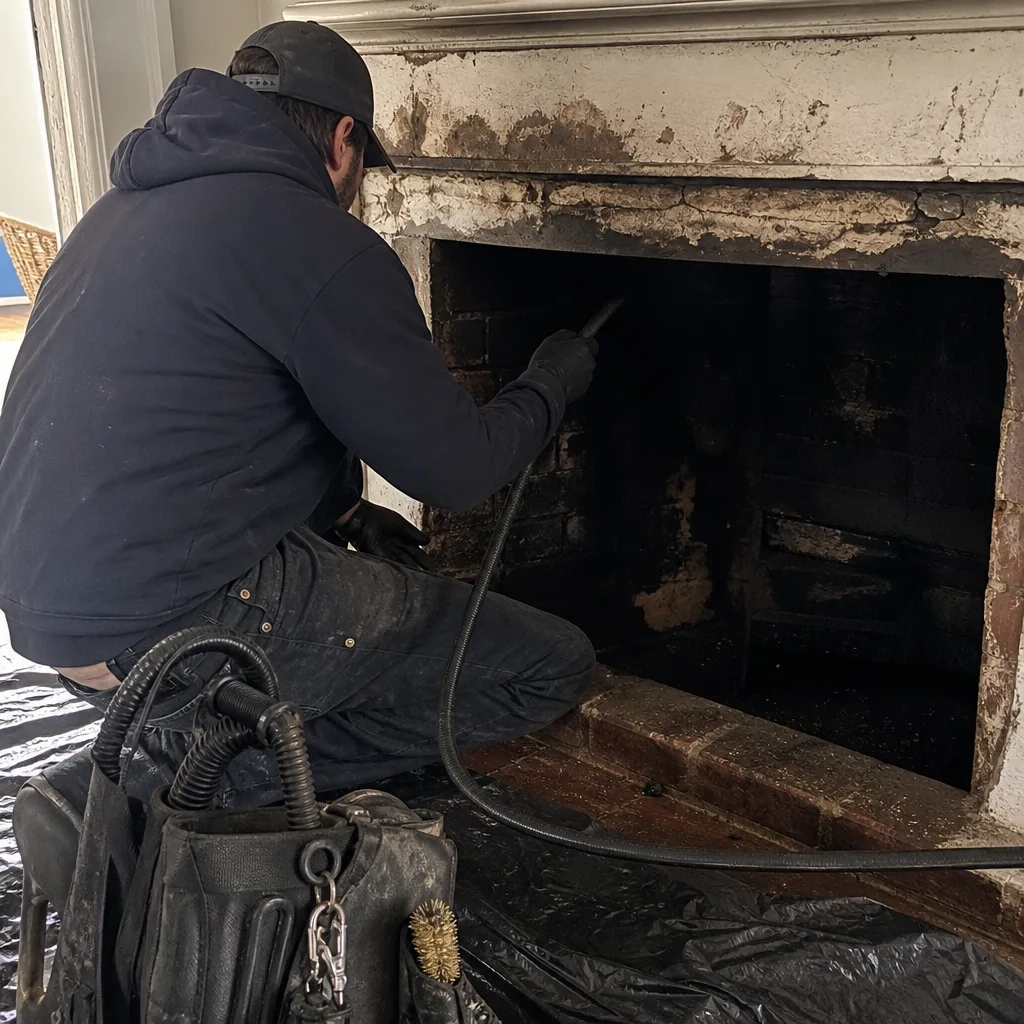 Before
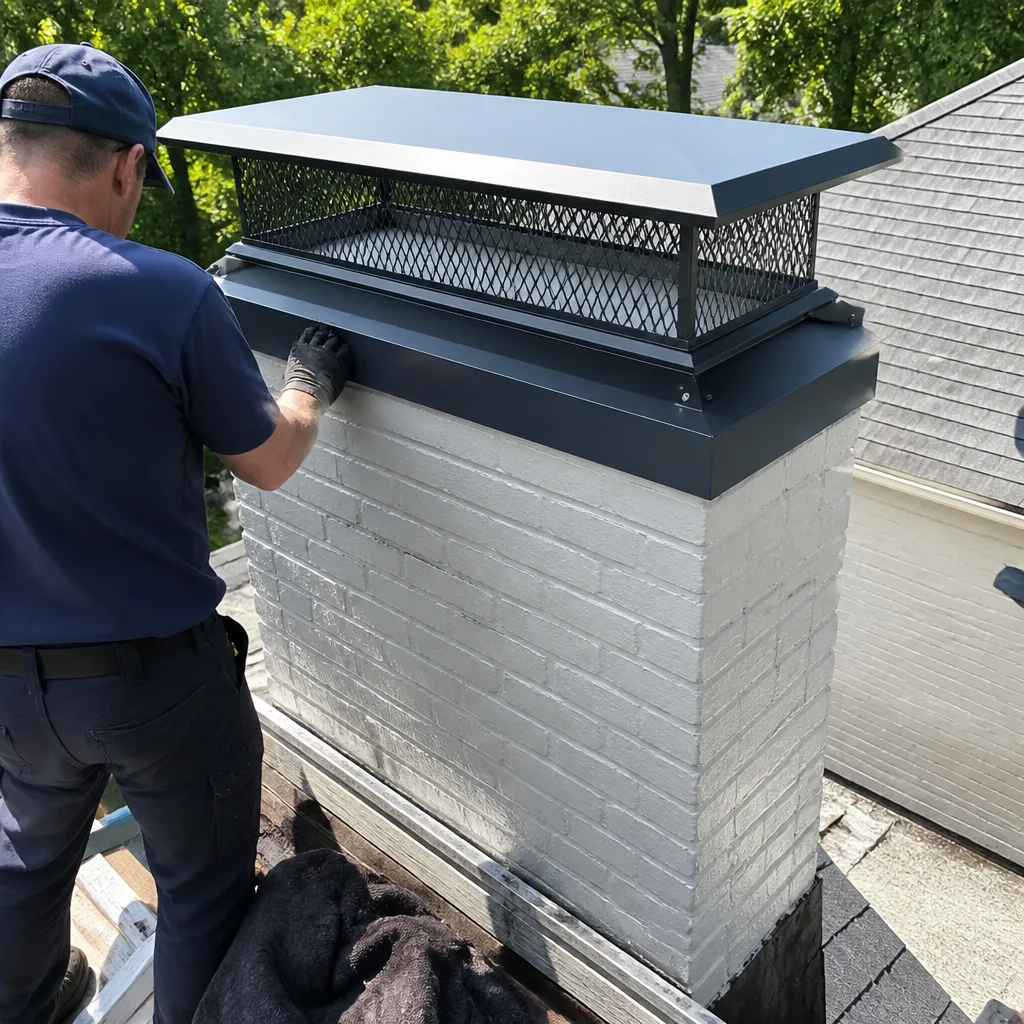 After
AfterFireplace Cleaning in New York, NY
Fireplace cleaning in New York, NY typically runs $149 to $349, depending on the fireplace type, creosote buildup level, and whether the smoke chamber needs attention. Most appointments are completed in 90 minutes or less, and every job includes a written price before anyone touches your firebox – no surprises after the fact.
We’re Level Two Chimney New York, and fireplace cleaning is one of the most specific things we do. Not because it sounds impressive, but because the interior of a fireplace – the firebox walls, the smoke shelf, the damper throat, the smoke chamber above it – collects byproducts that accumulate quietly between burns and create real hazards when ignored. In New York, where wood-burning fireplaces in brownstones, co-ops, and prewar buildings often go seasons without service, we see the full range: light gray ash from occasional use, thick tar-like Class II creosote deposits from hardwood burned before it’s fully seasoned, and in older Harlem and Brooklyn Heights buildings, occasional Class III glazed creosote that looks like black lacquer on the chamber walls.
Our Chimney Cleaning & Sweep in New York service covers the full flue system from cap to firebox. This page focuses on the firebox and smoke chamber specifically – what we clean, how we price it, and what you’ll have in hand when we leave. If you want to book or just want a written price, call (551) 213-5548. A live person answers, every time.
When You Need Fireplace Cleaning
A few situations where scheduling fireplace cleaning in New York makes sense:
- You’ve burned wood more than two or three times this season. The Chimney Safety Institute recommends cleaning after roughly a cord of wood, but in New York apartments and townhouses with smaller fireplaces, buildup can reach serviceable levels faster than that – particularly with shorter, hotter burns.
- You notice a smoky smell even when the fireplace isn’t in use. In prewar New York buildings, a persistent smoky odor through summer months usually means creosote or ash residue on the smoke shelf is off-gassing in humidity. It’s not structural, but it doesn’t go away on its own.
- You can see dark staining on the firebox rear wall or damper frame. Light gray soot wipes away. Dark brown or black staining that looks wet or shiny is creosote – a combustion byproduct classified in three stages, and the one that matters for fire risk is Class II or Class III. A visual check alone won’t tell you which one; that’s what the camera scan is for.
- You just bought the apartment or brownstone. Seller disclosures on chimney condition in New York are inconsistent. We’ve cleaned fireplaces in the West Village and Cobble Hill that hadn’t been serviced in seven or eight years despite the listing stating “well maintained.” The photo record from our visit gives you a baseline for your own file.
- Your damper doesn’t open fully or feels stiff. A damper that drags often has hardened ash or debris packed into the throat. We clear it as part of standard fireplace cleaning, and if the damper plate itself is warped or corroded – which happens in buildings where the chimney cap failed – we’ll note that in writing with a repair quote before anything is done.
- You’re in a building with shared flues. Some older New York multifamily buildings have chimneys where individual fireplaces connect to a shared flue system. In those configurations, debris from upper floors can land on lower smoke shelves. If you’re on a lower floor and you burn wood, it’s worth knowing what’s sitting on your smoke shelf before the first fire of the season.
Our Fireplace Cleaning Process
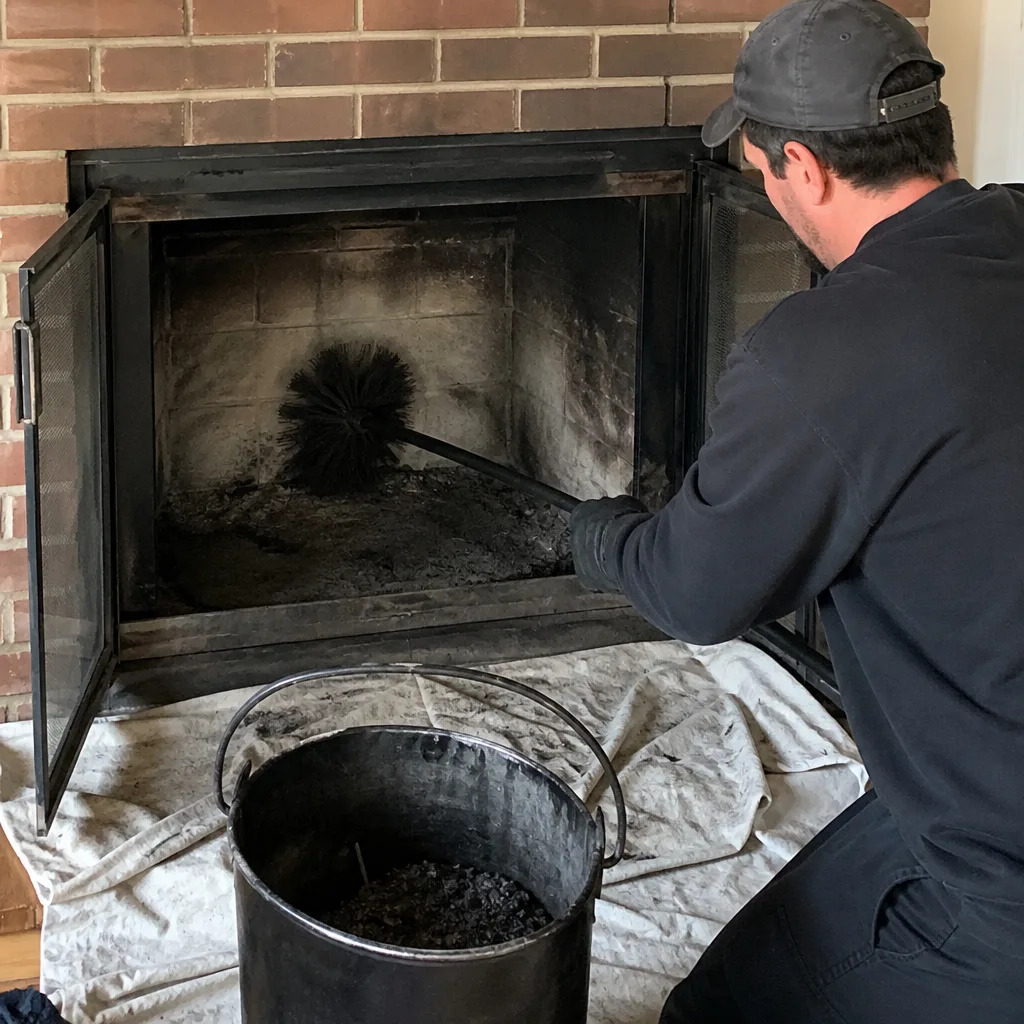
Here’s exactly what happens on a Level 2 Inspection with Level Two Chimney New York for fireplace cleaning:
- Written price and scope delivered before we start. This is Haven Standard Clause 1 – H.A.V.E.N. “Have it in writing.” Before a drop cloth goes down or a brush comes out, you have a written price, a written scope of work, and a written warranty. No verbal estimates that shift after the tech is already in your home.
- Camera scan of the flue and smoke chamber. We run a camera down the flue first, not after cleaning. This is the baseline – it shows us what’s in the system before we disturb it, and it’s what NFPA 211 Level 2 inspection protocol requires. The footage and photos go into your documented record under Haven Standard Clause 4. If we find a cracked liner or a deteriorated smoke chamber, you see it on the screen in real time.
- Smoke shelf and smoke chamber cleaning. The smoke shelf sits just above the damper throat and catches falling debris from the flue above. In New York buildings, especially those with older clay tile liners, we regularly find broken tile fragments, bird nesting material, and concentrated creosote on the shelf. We clean the smoke chamber walls using appropriately sized brushes – Copperfield tools for tight smoke chamber access – and remove all loose debris.
- Firebox cleaning. The firebox interior – back wall, side walls, floor, and the damper frame – is vacuumed and brushed. We use HEPA-filtered vacuum equipment so ash and particulate don’t redistribute into your living space. Drop cloths go down on your floor before any tool is opened. If we find spalling (flaking or cracking) on the firebox firebrick, that gets photographed and noted in writing.
- Damper inspection and function check. We test damper operation, check the throat seal, and look at the damper plate condition. A damper that leaks cold air when the fireplace isn’t in use costs you on heating bills; a damper that sticks open is a creosote smell in summer. If the damper needs adjustment or replacement, that’s a separate written quote – no work is added to your scope without your sign-off.
- Documented photo record and written summary delivered. When the job is done, you receive a photo record of conditions found and work completed. This is standard on every visit – not something you pay extra for. The record is yours to keep, useful for insurance documentation, building co-op boards that ask for chimney service records, or your own files when you eventually sell.
BeforeAfterFireplace Cleaning Pricing in New York
Fireplace cleaning in New York costs $149 to $349 for most residential jobs. Here’s what moves the number:
- $149 – $199: Single wood-burning fireplace, light to moderate ash and soot, no significant creosote, damper functioning normally. This is the typical range for a fireplace used a few times a season in a Manhattan apartment or Brooklyn townhouse.
- $200 – $279: Moderate creosote buildup (Class II), smoke shelf with accumulated debris, or a firebox with heavier soot staining that takes additional passes. Common in fireplaces that have gone two or more seasons without service.
- $280 – $349: Heavy buildup, smoke chamber with thick deposits, or a fireplace that hasn’t been cleaned in several years. In New York’s older building stock – particularly prewar buildings in the Upper West Side, Crown Heights, and parts of the Bronx – multi-season neglect is more common than people expect.
- Gas fireplace cleaning: Gas fireplaces have different components (burner assembly, ceramic logs, pilot assembly, vent path), and the cleaning process reflects that. Pricing for gas fireplace service falls in the $149 – $229 range depending on the unit type and last service date.
The camera scan is included in the service price – it’s not a line item we add on. Written price is delivered before we start, always. If you have a competitor’s written estimate, bring it to us: we offer a free second opinion on any written quote.
Call (551) 213-5548 and we’ll give you a price range for your specific fireplace before you schedule anything.
What Sets Level Two Chimney New York Apart on Fireplace Cleaning
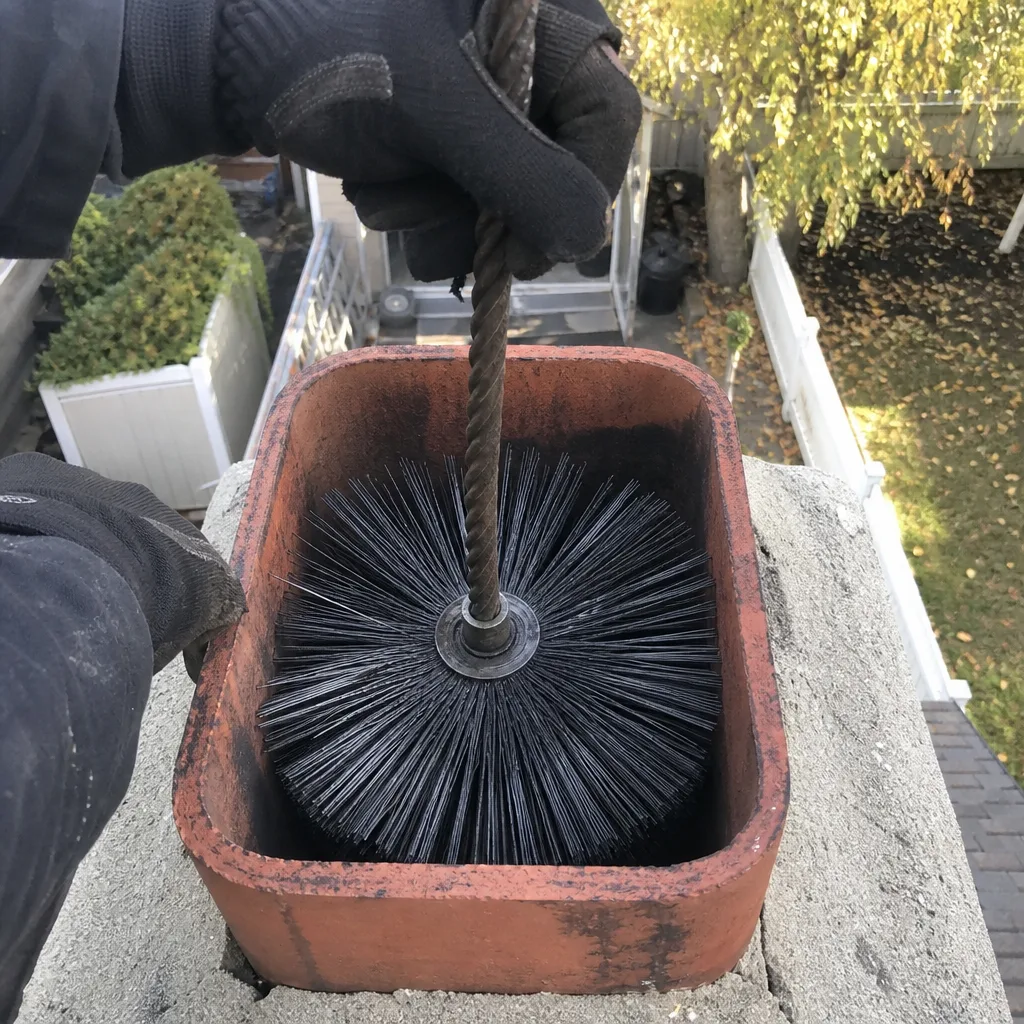
A lot of sweep companies in New York offer fireplace cleaning as a line on an invoice. What that usually means: a shop-vac, a brush, and a flashlight look at the smoke chamber. No camera. No documentation. No written scope before work starts. You get a receipt, and you have no way to know what was actually found or what condition the system is in.
We’ve been running camera-scan documentation as the default since 2009, which is when Level Two Chimney Co. was founded under the Haven Standard. That’s 38,000-plus chimneys inspected and cleaned since then, every one with a written price before work started and a photo record when it was done. Camera documentation became Clause 4 of the Haven Standard years before insurers or city regulators started asking for it – because it made sense as a practice, not because someone required it.
Corrine Halstead leads Level Two Chimney New York, and the standard she enforces is the same one the business was built on: name what you found, show it in writing, price it before you start, and back it with the 365-Day Done Right Promise. If a fireplace cleaning job isn’t done right, we make it right. That’s not a marketing line – it’s stamped on every job under the Haven Standard.
Our technicians are background-checked and uniformed. You get a named tech assigned and a text when they’re on the way. License information is on this page. Materials we use for any repair work – DuraFlex liners, Olympia Chimney components, and Famco venting products when applicable – come through Haven’s buying network, which keeps procurement costs honest and those savings on your side of the ledger.
Fireplace Cleaning vs. Full Chimney Sweep: What’s the Difference?
Fireplace cleaning focuses on the firebox, smoke chamber, smoke shelf, and damper. A full Chimney Cleaning & Sweep includes those components and extends up the entire flue liner to the top of the chimney, including the flue cap and crown. For most New York homeowners who burn wood regularly, the two services go together – the fireplace interior and the flue above it are one connected system, and cleaning one without inspecting the other only tells you half the story.
That’s why our default visit includes a Level 1 Inspection with camera scan from top to bottom. You can’t properly assess a smoke chamber without knowing what the liner looks like above it. If you’re on the fence about what you need, call us at (551) 213-5548 and describe what you’ve noticed – we’ll tell you which service fits your situation before you book anything.
FAQs – Fireplace Cleaning in New York
How often should I have my fireplace cleaned in New York?
Once a year is the baseline recommendation, ideally before the burning season starts in late fall. If you burn wood more than three or four times a month through winter, twice a year is more appropriate. In New York’s dense building stock, where fireplaces sometimes sit unused for years before new owners move in, the first cleaning after purchase is the most important one regardless of what the seller’s disclosure says. Call (551) 213-5548 for a written price – there’s no obligation to book.
Is fireplace cleaning in a New York apartment or co-op different from a house?
The cleaning process is the same, but the access and building context differ. Co-op buildings often require you to show proof of service to the building management or board, particularly for shared-flue configurations. Our documented photo record and written summary serve exactly that purpose. In apartments, we’re also careful about floor protection and dust containment – New York apartments are smaller, and ash particulate spreads fast without proper drop cloths and HEPA vacuum equipment. We’ve worked in buildings across the Upper East Side, Tribeca, and Prospect Heights, and the process is set up for those environments.
What is creosote, and is it dangerous?
Creosote is a combustion byproduct that condenses on the interior surfaces of a firebox and flue when wood burns. It’s classified in three stages: Class I is light, flaky, and easy to brush away; Class II is thicker and tar-like, requiring more aggressive brushing; Class III is a glazed, hard deposit that sometimes requires Soot Removal with chemical treatment before mechanical removal is possible. Class II and Class III are the ones that matter for fire risk – both are flammable, and Class III in particular burns at temperatures that can exceed what most clay tile liners are rated to handle. We identify the class visually and on camera at the start of every visit, so you know exactly what you’re dealing with before any work is quoted. This is not a DIY assessment – high-heat situations inside a flue system require a trained technician with proper tools and protective equipment.
Can I use my fireplace right after it’s been cleaned?
Generally yes, with one exception: if we applied a smoke chamber resurfacing product or any HeatShield or DuraFlex material during the visit, there’s a cure time that varies by product and ambient temperature. We’ll tell you the exact wait time in writing before we leave – that’s part of the written summary you receive at the end of every job. For a standard cleaning with no repair materials applied, the fireplace is ready to use the same day.
Key Takeaways
- Fireplace cleaning in New York typically costs $149 to $349, with written pricing before any work begins.
- Every visit includes a camera scan (NFPA 211 Level 2) and a documented photo record – included as standard, not an add-on.
- Creosote class, damper condition, and smoke chamber integrity are assessed on camera, not by flashlight, before any price is set.
- The 365-Day Done Right Promise applies to every fireplace cleaning job.
- Live phone support at (551) 213-5548 runs 24/7 – a person answers, not a voicemail.
- Free second opinion on any written competitor estimate, always.
If your fireplace is overdue for cleaning, or if you’ve just moved into a New York home and don’t have a service record for the chimney, call (551) 213-5548 today. We’ll give you a price range for your specific situation on the call, send a uniformed tech with a written scope and camera, and leave you with a documented record of everything found. No pressure, no verbal estimates that shift once we’re in the door.
Written by Corrine Halstead, Owner at Level Two Chimney New York, serving New York.