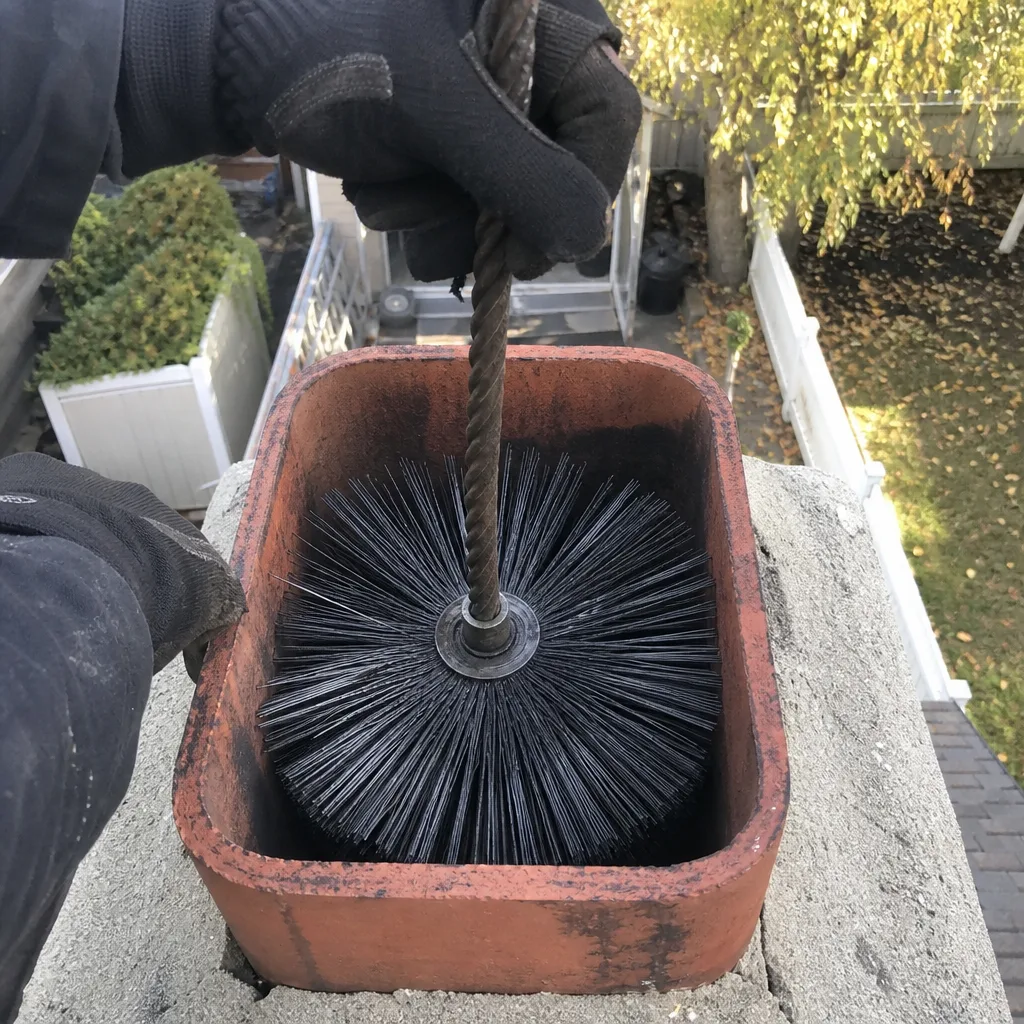
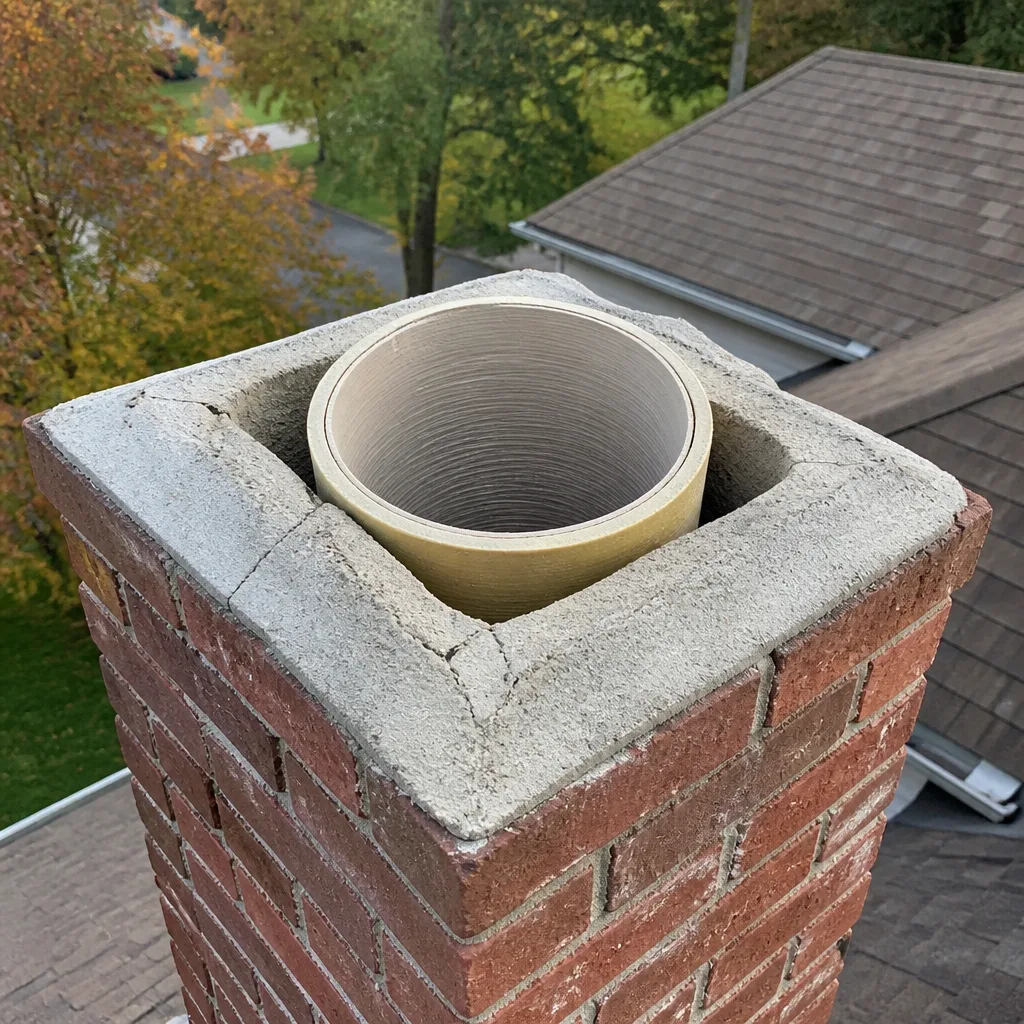
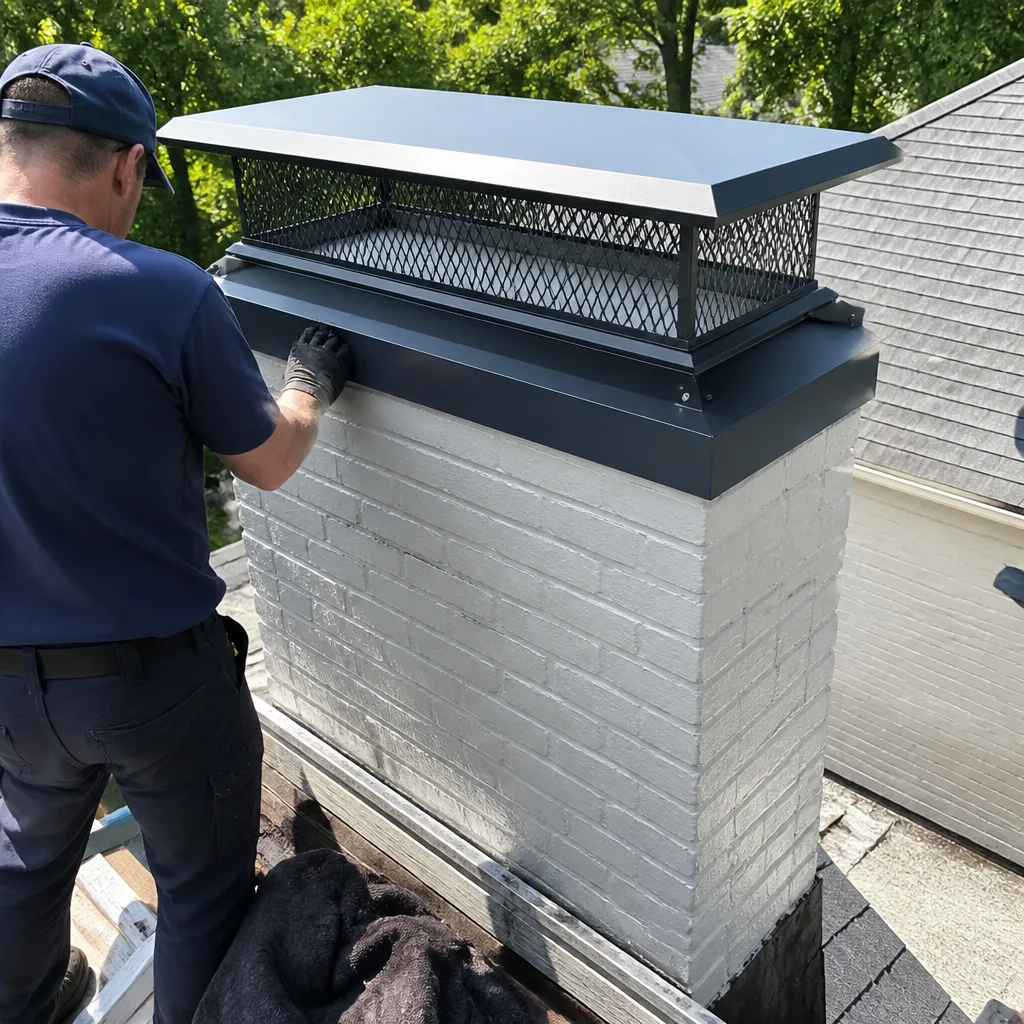
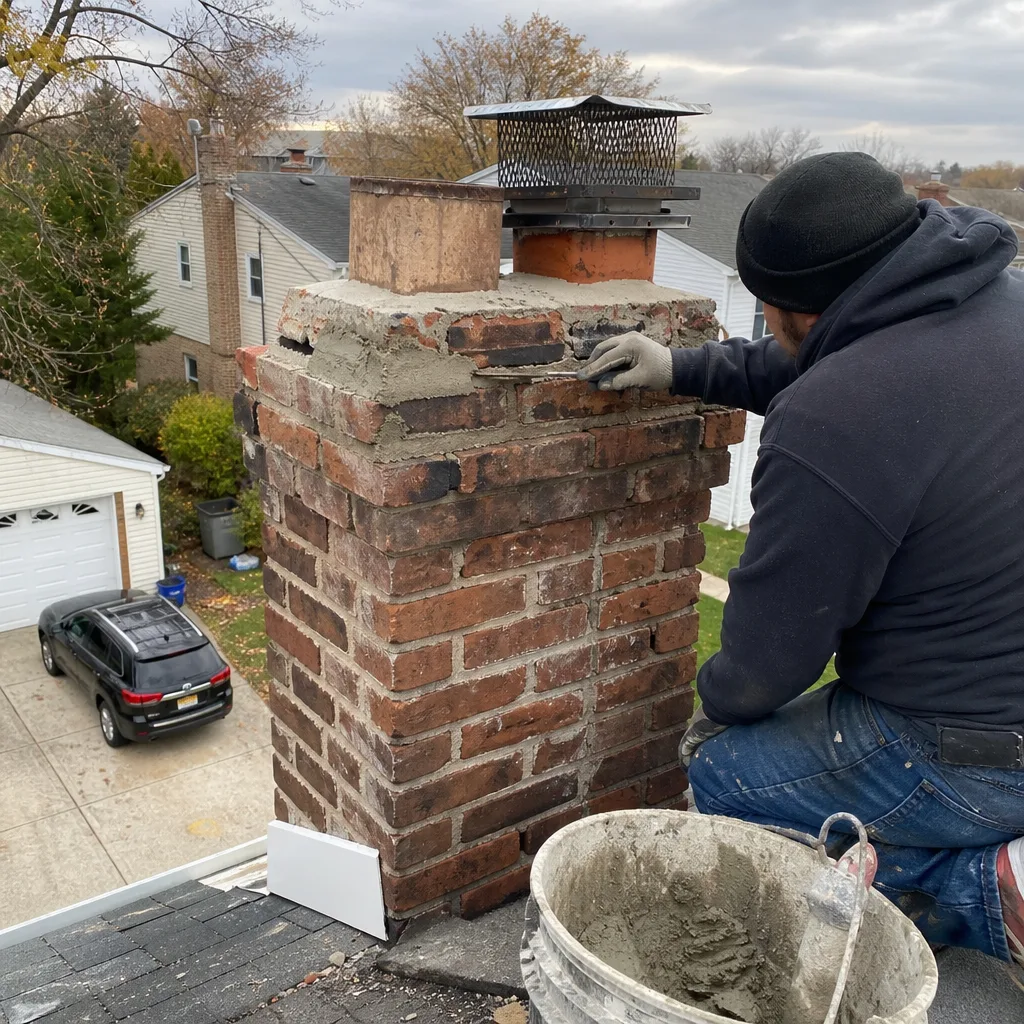
Level 1 sweep and inspection to the NFPA 211 annual standard - flue, crown, cap, and flashing checked and photographed
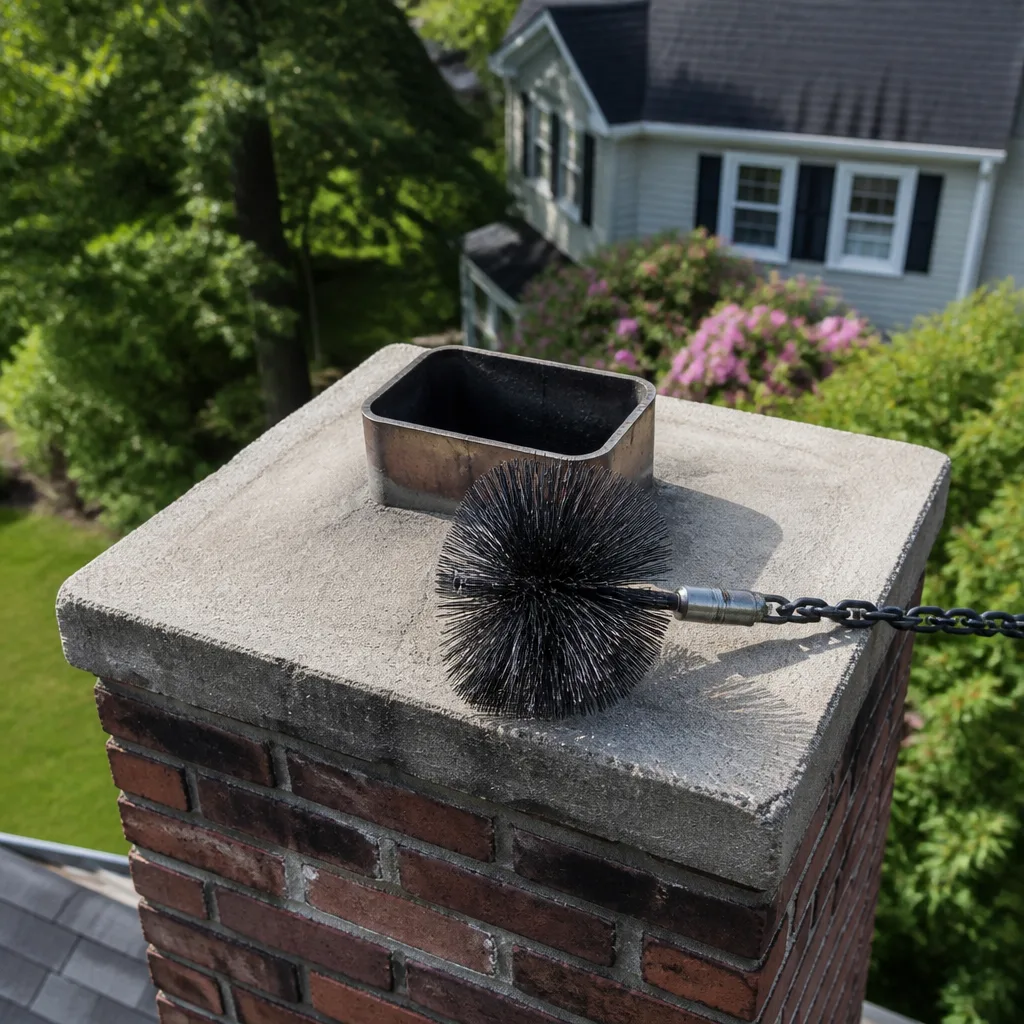
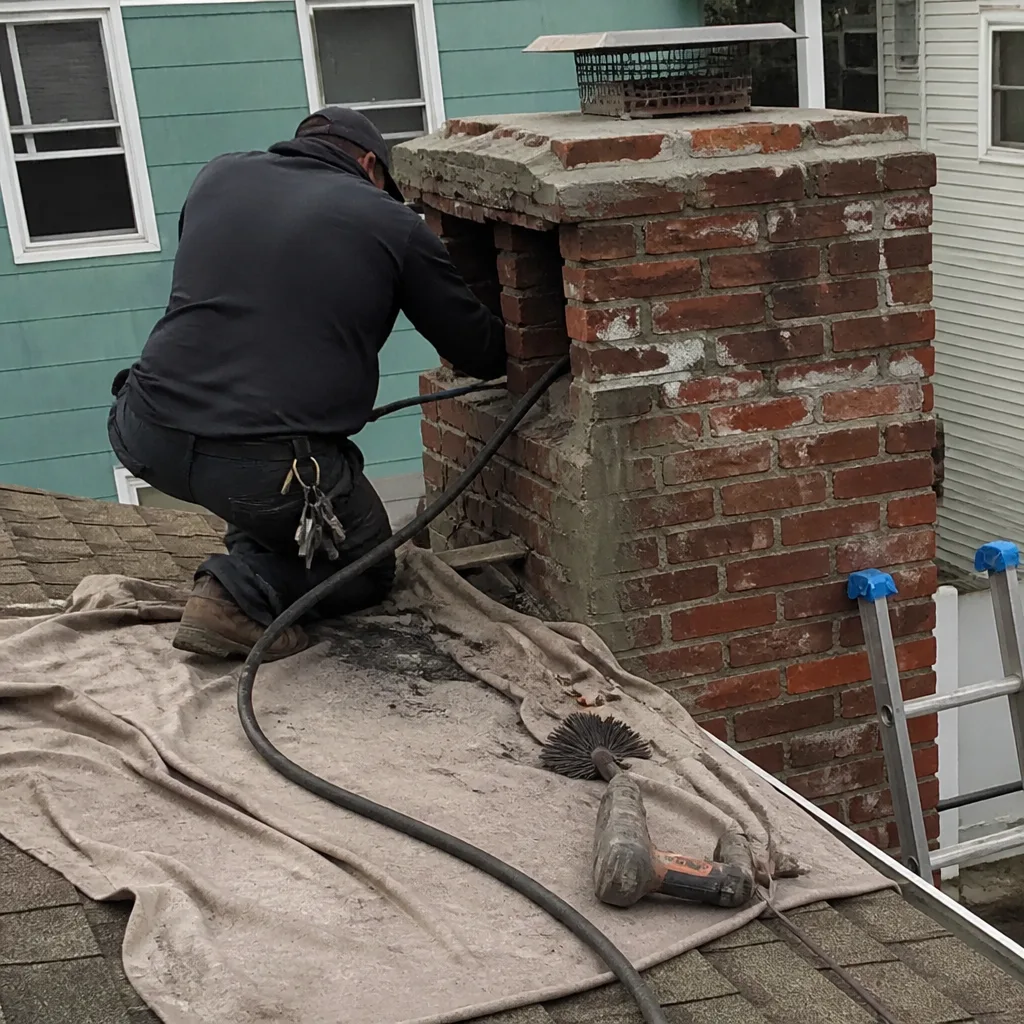
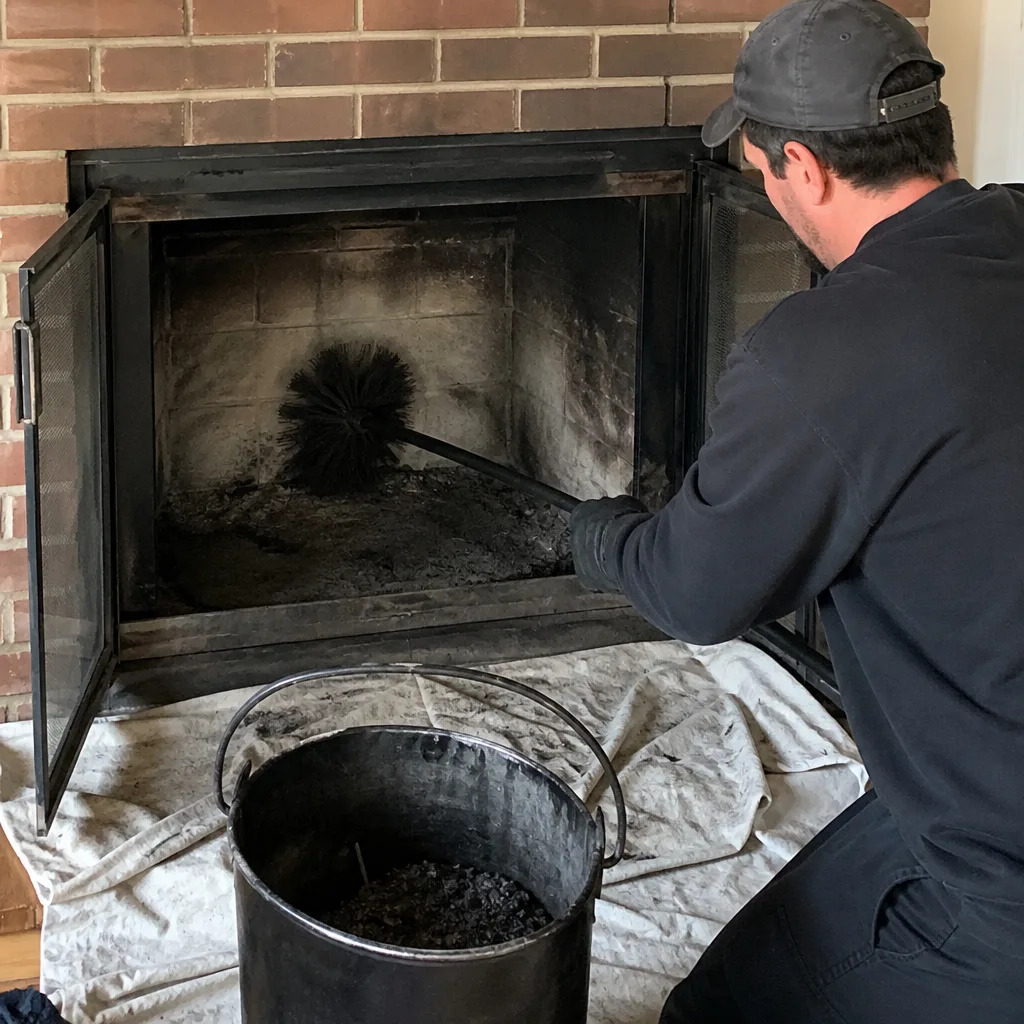
Chimney sweep logs do not sweep chimneys. They loosen some creosote - which then falls where a brush and vacuum still have to collect it.
 Before
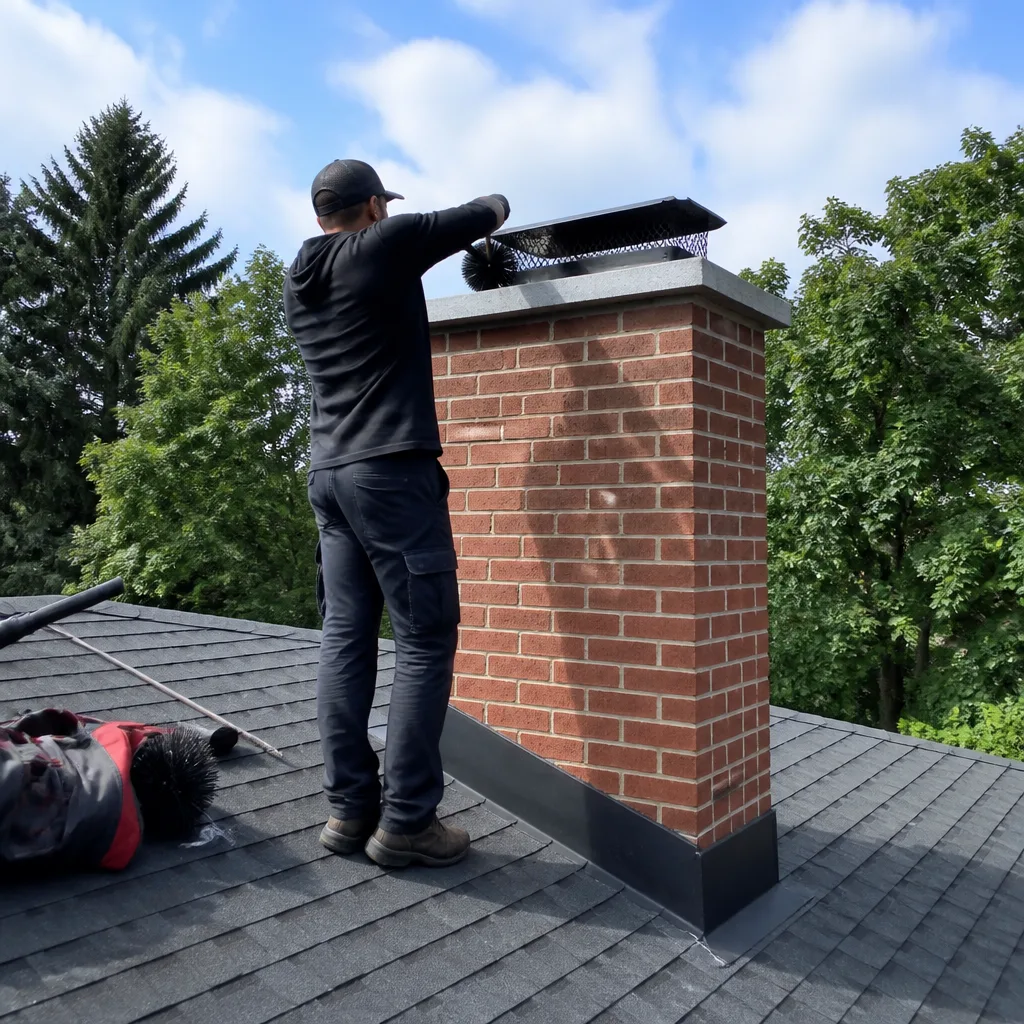 After
After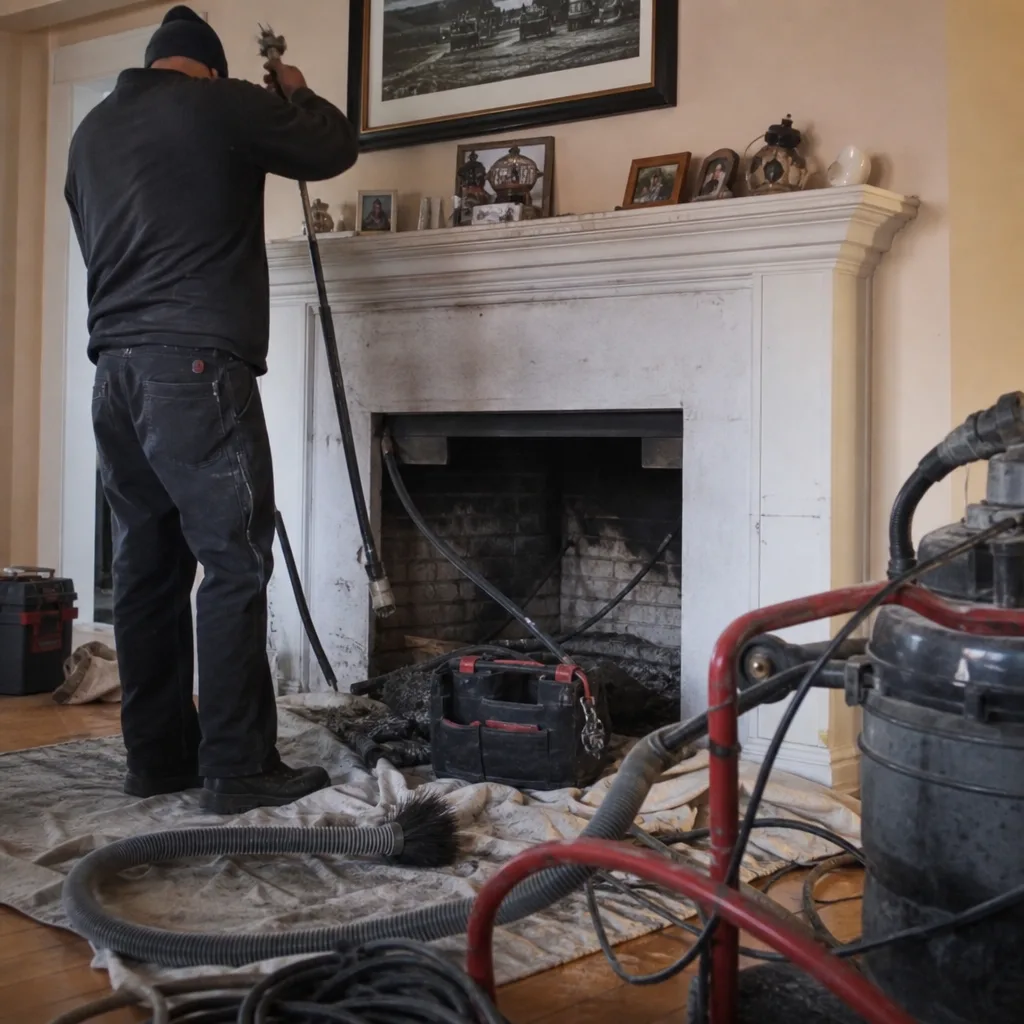 Before
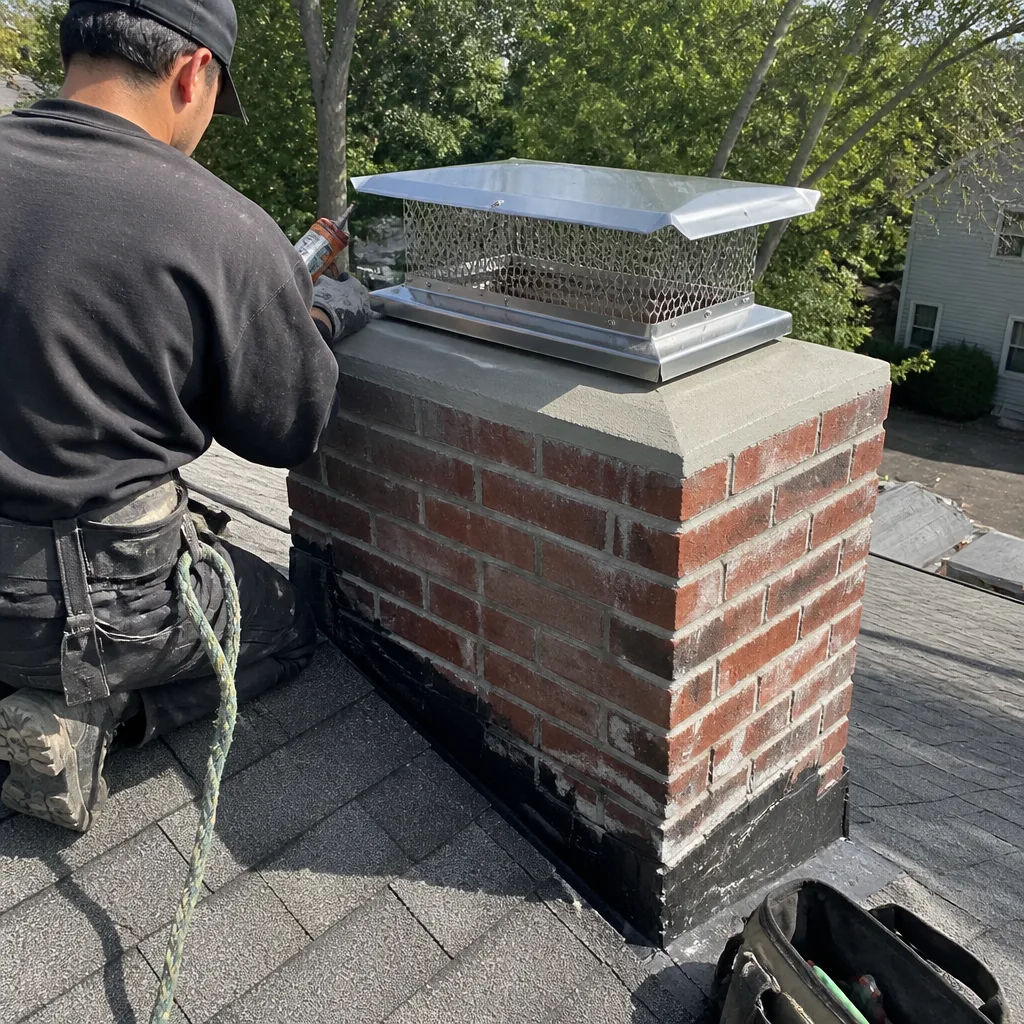 After
After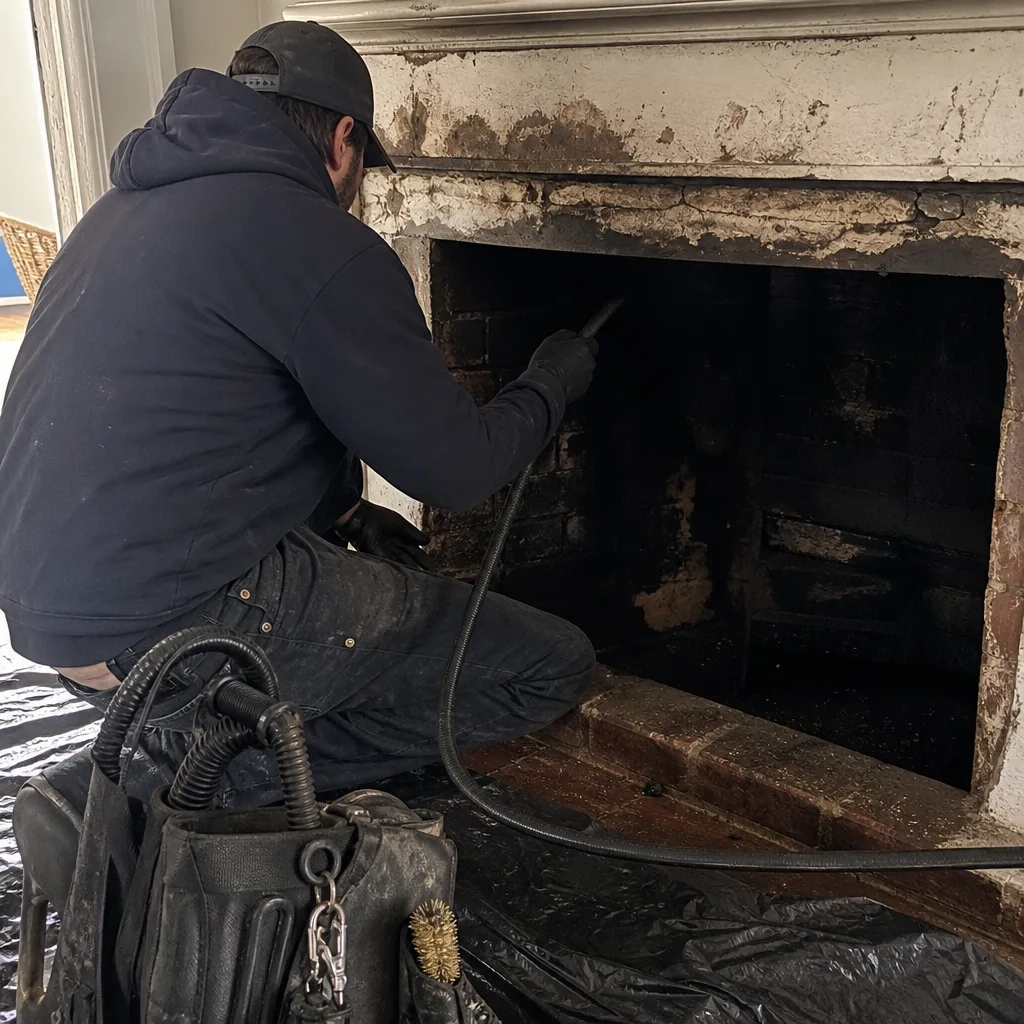 Before
 After
AfterFast, Reliable Fireplace Services Across Long Island City
Fireplace service in Long Island City typically runs $185-$420 for a standard gas or wood-burning unit inspection and cleaning, with most jobs completed the same day. What makes LIC different from nearly every other Queens or Nassau neighborhood is the housing stock itself: pre-war six-story brick walk-ups with shared masonry chimney stacks, converted warehouse lofts with sealed incinerator flues, and exposed crowns eating salt air off the East River. These chimneys don’t fail the way a 1990s single-family chimney fails. They fail in ways that require Chimney Repair in Long Island City specialists with a camera, not a flashlight. Call (551) 213-5548 and we’ll give you a written price before anyone touches the flue.
What happens when you call
- 1
A real person answersNo phone trees - you reach a local pro.
- 2
You get an upfront price rangeHonest numbers before anyone is dispatched.
- 3
A background-checked tech heads outLicensed & insured, dispatched right away.
- 4
You approve before work beginsNothing starts until you say go.
Why Level Two Chimney New York Is Long Island City’s Preferred Fireplace Services Company
We’ve worked enough buildings between Vernon Boulevard, Jackson Avenue, and the waterfront blocks of Hunters Point to know what a shared party-wall stack looks like from the inside. Our technicians have pulled caps on 44th Drive and 47th Avenue and found exactly what the building’s maintenance log never mentioned: clay tile liners cracked at the offset, mortar joints opened by riverside moisture, and flues that haven’t seen a brush since the Reagan administration. Long Island City homeowners and co-op boards call us because we name what we find in plain terms and put a written price on it before work starts. That’s Clause 1 of the Haven Standard: a written price, written scope, and written warranty delivered before anyone begins. No “call for a quote.” No flashlight-and-a-handshake. Our Fireplace Services team has completed over 38,000 inspections and cleanings under that standard since 2009, and every single one includes a documented photo record (Clause 4).
We answer the phone 24/7 with a live person, and when our tech is on the way to your LIC building, you get a text with their name and license number. Local reviews mention the same things: the camera footage shows the problem, the price doesn’t move after the tech arrives, and the crew leaves the firebox cleaner than they found it. That’s the whole job.
Our Fireplace Services in Long Island City
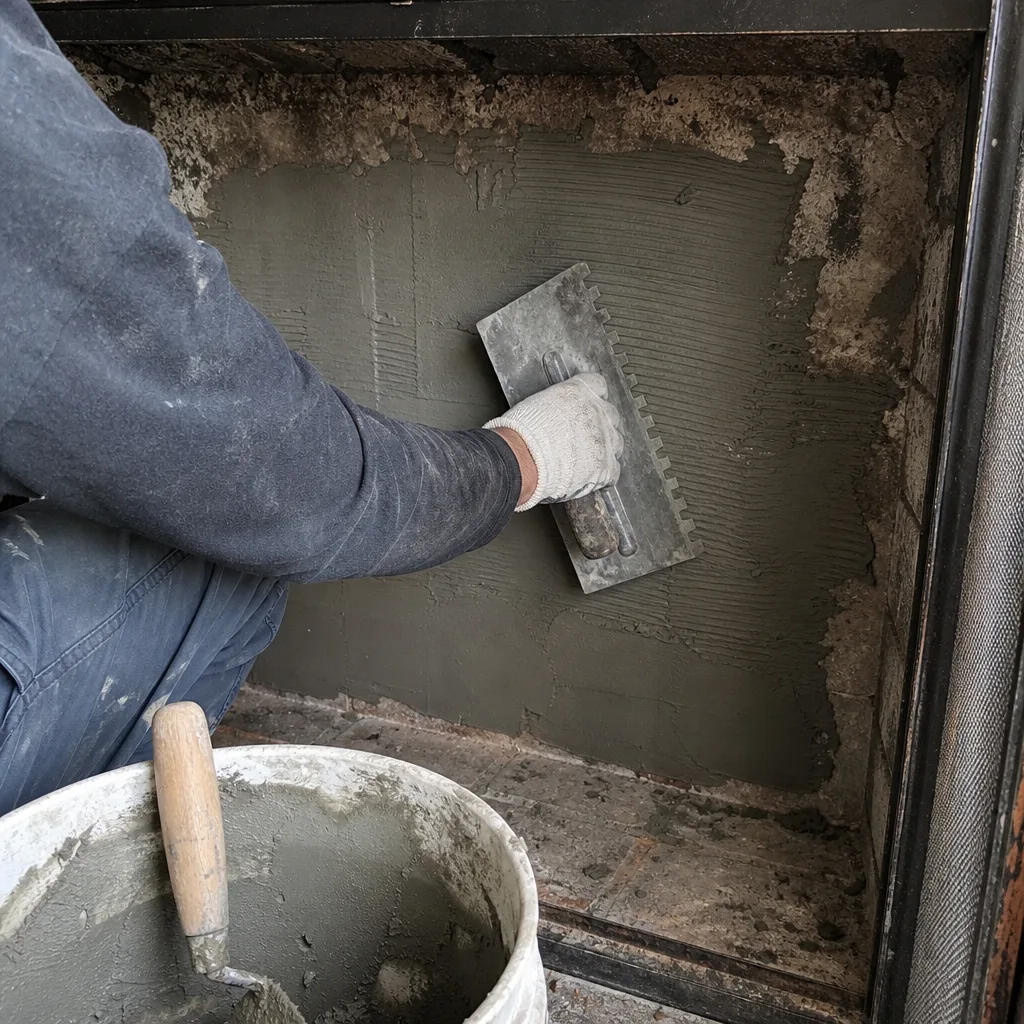
Gas Fireplace Service
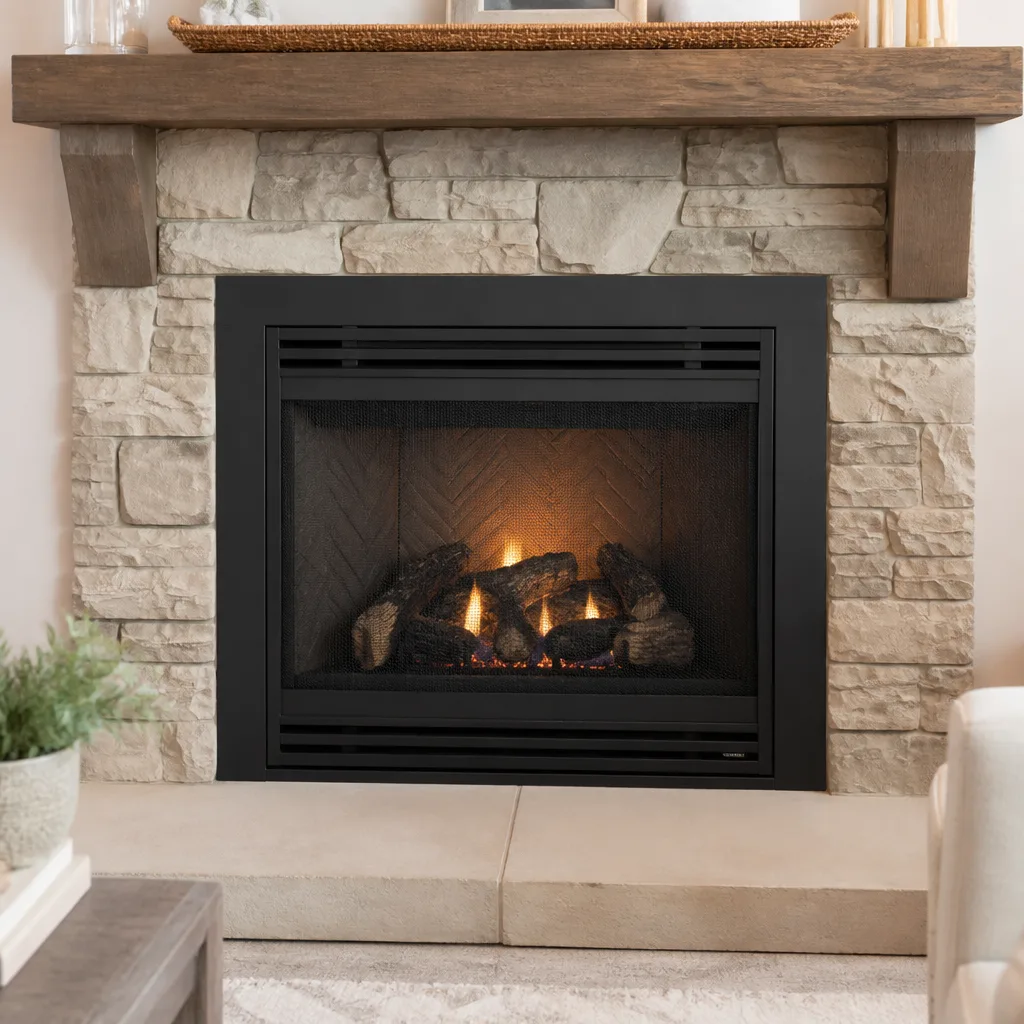
A gas fireplace in a converted LIC loft is almost never vented through a flue that was built for gas. It’s usually an old coal flue that’s been adapted, and after 80 to 100 years of thermal cycling, the terra cotta liner inside is the variable that matters. We service gas logs, gas inserts, and direct-vent units across Long Island City, but the first thing we check is the liner condition and the venting path. A gas fireplace that looks fine from the living room can be spilling carbon monoxide into a neighboring unit through a cracked shared flue if the liner’s failed. We test for that with a camera inspection before and after any service call.
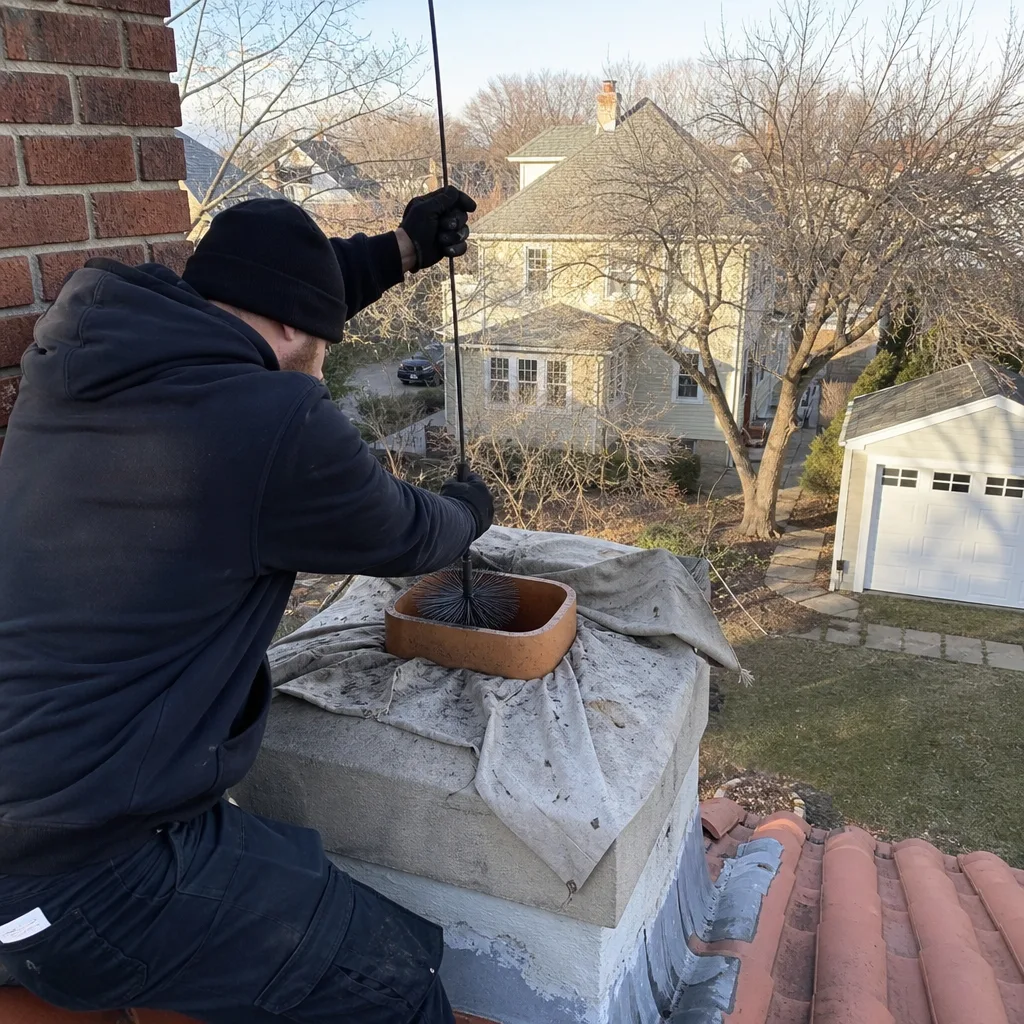
Wood Burning Fireplace
Wood-burning fireplaces in Long Island City are rare in the pre-war walk-ups and slightly less rare in the converted lofts, but they all share one problem: the flues were originally sized for coal, not wood. Coal burns cooler and produces different exhaust characteristics, which means the terra cotta liners in these stacks were never engineered for creosote accumulation. If you’re burning wood in a 1920s LIC chimney without a documented liner inspection, you’re gambling on a liner nobody has seen since the building went up. We sweep, inspect, and repair these systems, but we will not clean one without a camera first. The camera tells us whether the creosote is Class I surface film or Class III hardened glaze, which dictates the entire scope.
Fireplace Insert
Fireplace inserts are the most common project we see in Long Island City’s converted loft buildings. A homeowner buys a unit with a decorative fireplace that’s been sealed for decades, wants it functional, and installs an insert into an opening that was never sized for modern venting. The insert itself is rarely the problem. The flue behind it is. We install and service inserts from Copperfield and other manufacturers, but the real work in LIC is verifying the existing flue can handle the insert’s draft requirements, then relining with DuraFlex or HeatShield systems when it can’t. Our Long Island City customers get a camera-scan report with the installation, so if a co-op board or insurance carrier asks what’s behind the wall, you have the answer in writing.
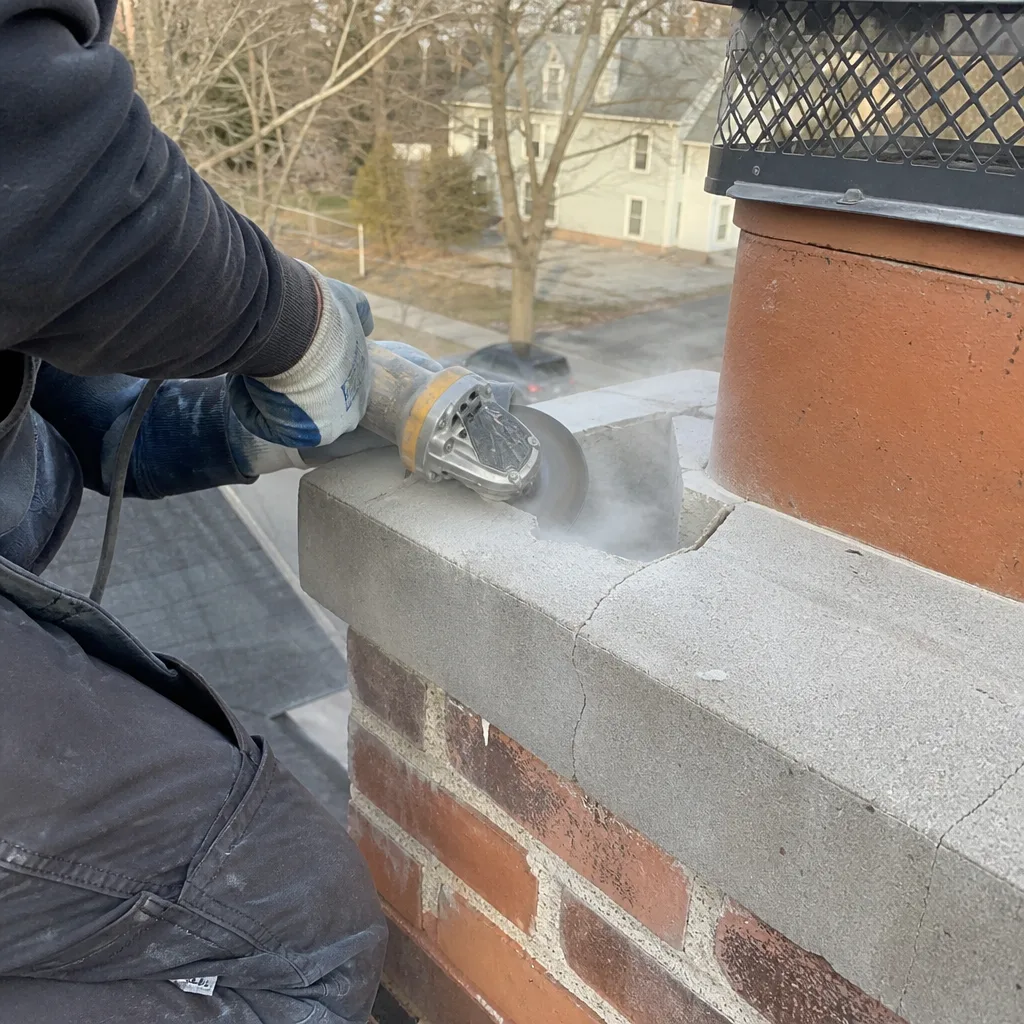
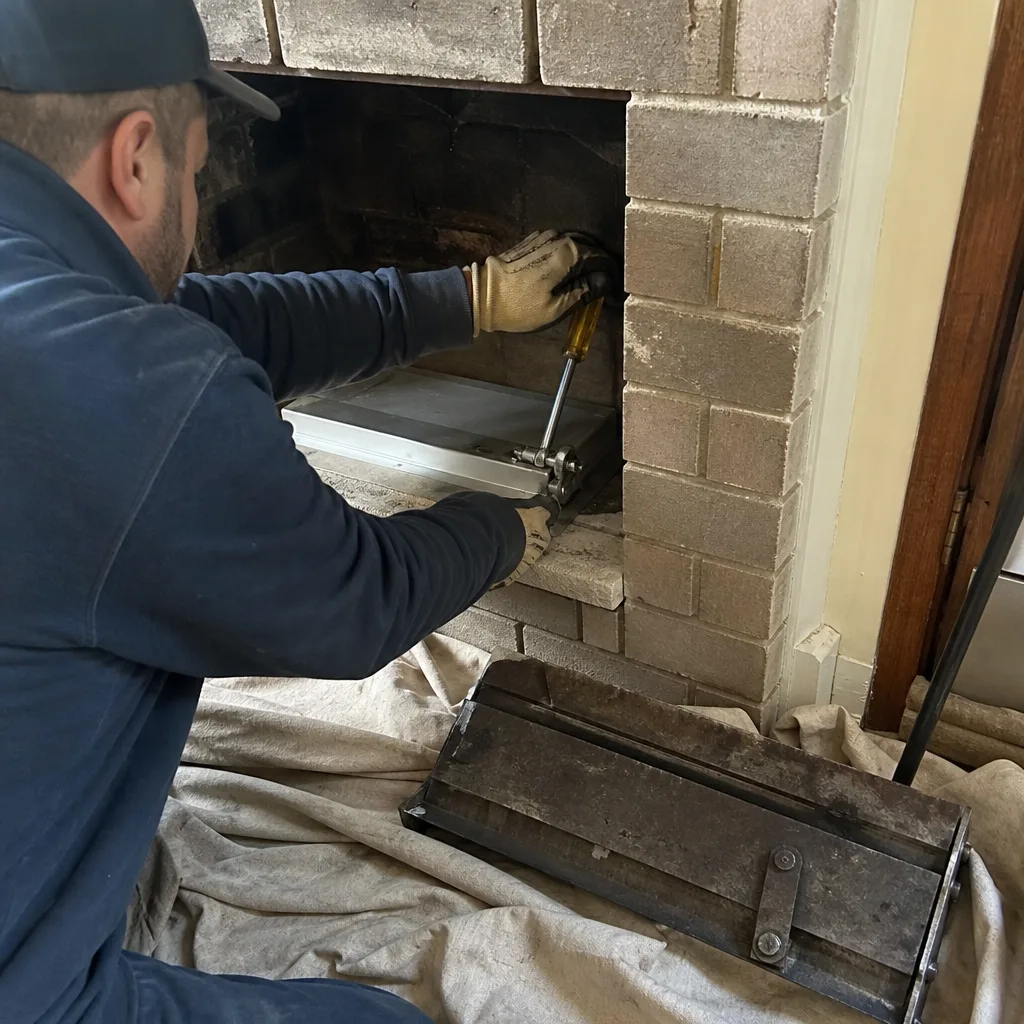
Damper Repair
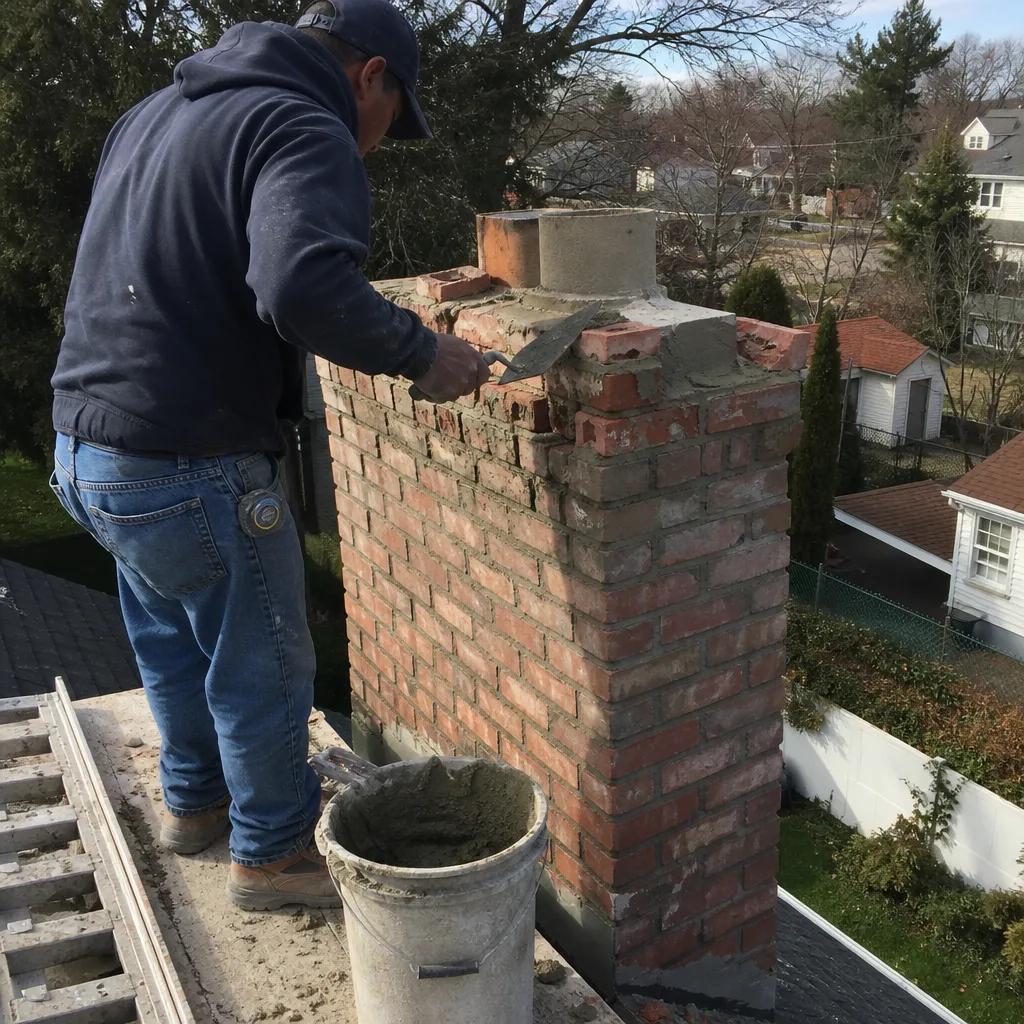
Dampers in pre-war LIC chimneys are often original cast-iron throat dampers that have seized from decades of humid air coming off the East River. When they don’t close, you lose heat up the flue and pull cold drafts down into the apartment in winter. When they don’t open, you get smoke rollback into the living room. We replace and repair throat dampers and top-sealing dampers (Famco units in many cases), and we always check the smoke chamber above the damper while we’re in there. That’s where pre-war masonry tends to fail first, and it’s the last place a quick visual check catches.
 BeforeAfter
Trusted Brands We Service in Long Island City
We stock and service parts from Olympia Chimney, Famco, Copperfield, and DuraFlex, which lets us turn around damper repairs, crown work, and liner sections faster than shops that have to order from across the country. For an LIC co-op with a shared stack that needs a terra cotta section replaced before winter hits, that lead time matters. We carry refractory panels, top-sealing dampers, and stainless liner components sized for the older flue dimensions common in Hunters Point and the Court Square area, so the second trip isn’t a two-week wait.
Common Fireplace Service Problems We See in Long Island City Homes
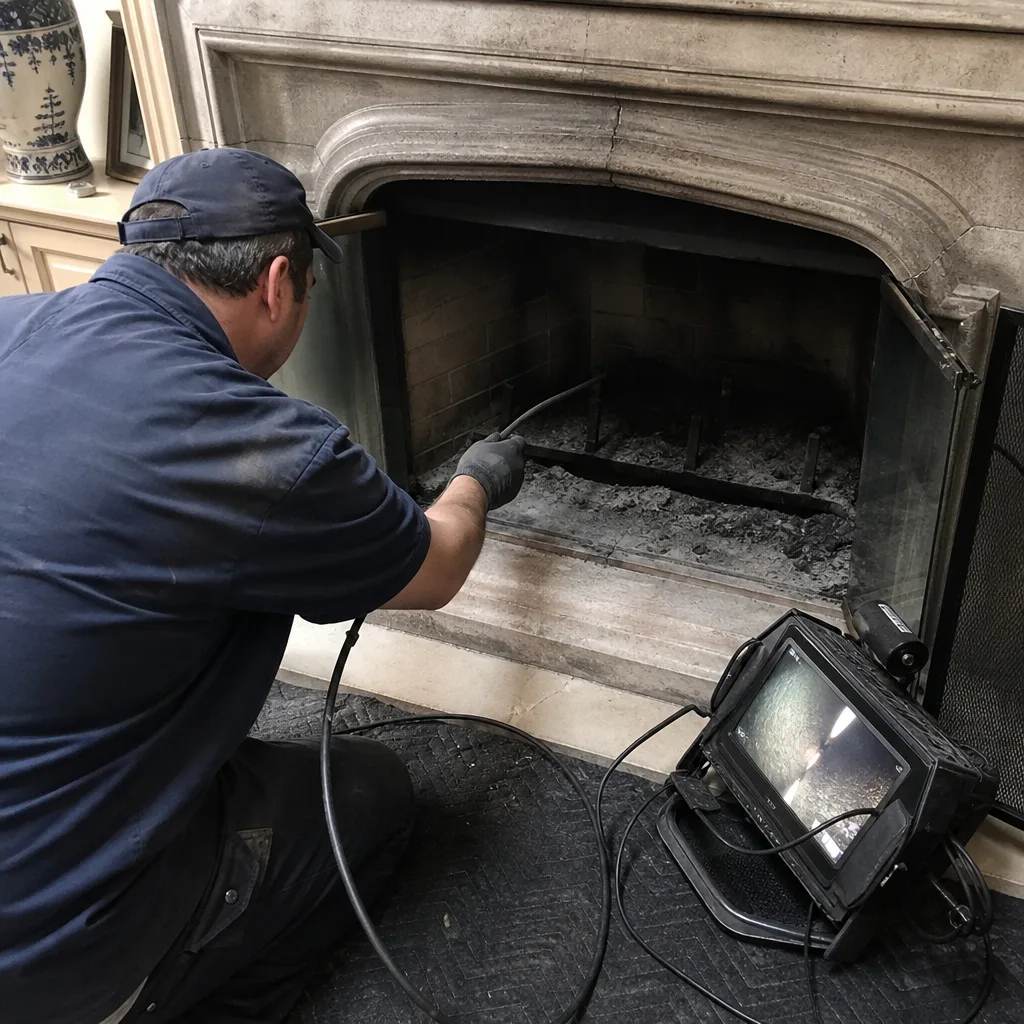
- Shared party-wall flue confusion. In a six-story LIC walk-up with four flues in one brick stack, we need to verify which flue serves your unit before we put a brush in anything. We camera-map from your fireplace opening upward and mark the cap side, so we’re not cleaning a neighbor’s flue by mistake.
- Sealed incinerator flues hiding decades of ash. NYC phased out building incinerators starting in the 1970s, and those flues were usually capped and forgotten. When someone does a loft conversion or a fireplace restoration near the waterfront, we routinely find 40-plus years of undisturbed soot and ash behind the cap, and the scope of that cleaning is nothing like a standard Level 1 sweep.
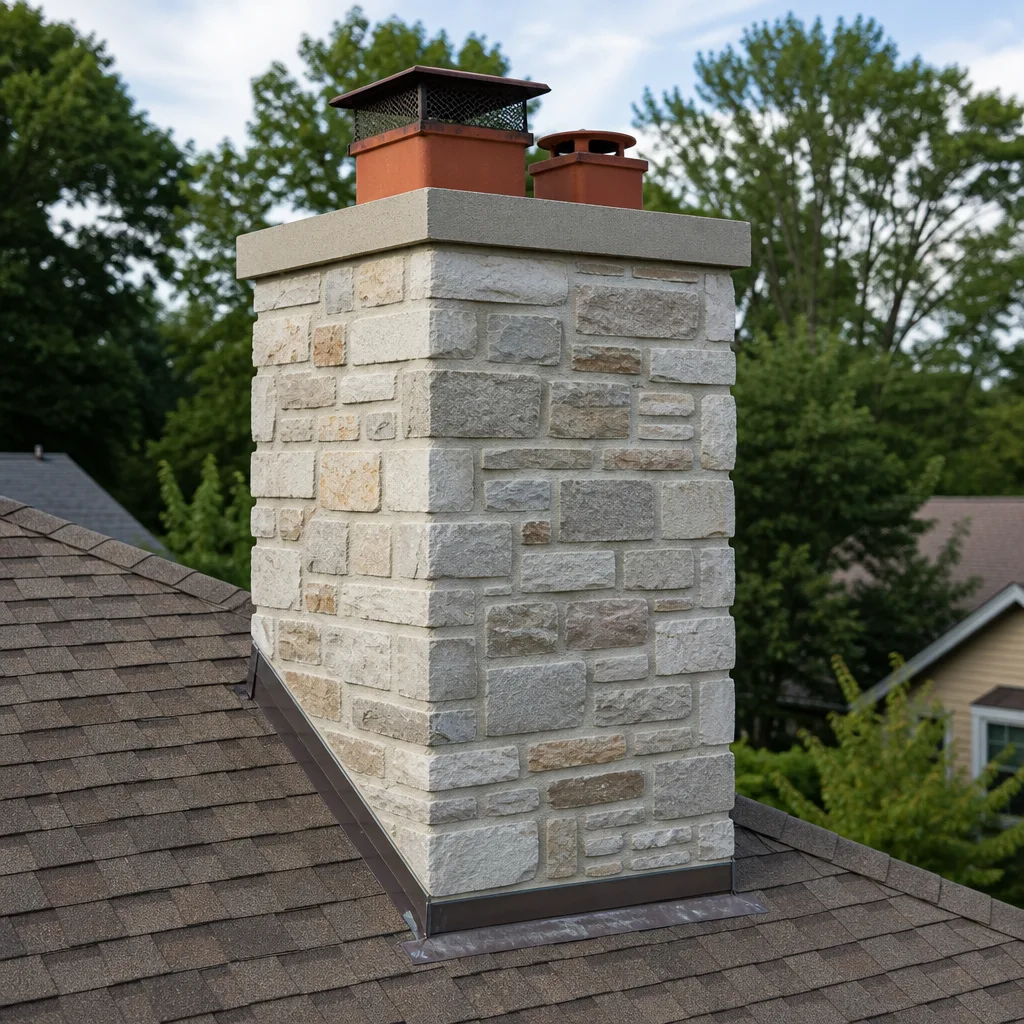
- Salt-air spalling on exposed crowns. The East River waterfront puts constant moisture and salt into mortar joints on exposed crowns along Center Boulevard, Vernon Boulevard, and the older blocks off 21st Street. We repoint and rebuild crowns built with materials rated for that exposure, not a generic mortar mix that fails again in two seasons.
- CO backdraft risk from cracked terra cotta. A cracked clay tile liner in a shared stack doesn’t just leak smoke into your unit; it can push combustion gases into the apartment above or beside yours if the draft reverses. This is the single most dangerous thing we find in pre-war LIC buildings, and it’s invisible without a camera.
Pricing for Fireplace Services in Long Island City, NY
Here’s what we charge in the Long Island City market, with a written price before any work starts:
- Standard fireplace inspection and cleaning (gas or wood): $185-$320, including a documented camera scan and photo record.
- Level 2 camera inspection with written liner condition report: $275-$450, depending on the number of flues and access. This is the inspection co-op boards and insurance carriers actually accept.
- Damper replacement (throat or top-sealing): $240-$520 installed.
- Firebox repair with Olympia Chimney refractory panels: $450-$1,250 depending on firebox size and mortar condition.
- HeatShield or DuraFlex liner resurfacing: $2,800-$5,200 for a typical pre-war LIC flue, which is the range for a full relining, not a patch. If the terra cotta is failed, this is the repair, not an upsell.
What moves the price is what the camera finds. A clean flue with intact terra cotta is a straightforward sweep. A flue with spalled tiles, open mortar joints, and a sealed incinerator full of 40-year-old ash is a different scope and a different ticket. You’ll see the footage and get the number in writing before we proceed. Estimates are free. Call (551) 213-5548.
We Also Serve Cities Near Long Island City
If you’re in Astoria, Maspeth, Elmhurst, or elsewhere in New York, we run service out to you. The pre-war brick walk-ups in Astoria have a lot of the same shared-stack issues we see in Fireplace Services in Long Island City, and Maspeth’s older attached homes bring their own draft and liner problems. Same written price, same camera-scan standard.
Serving Long Island City, NY - Our Local Coverage Area
We’re based in the Long Island City area and know this community well. Use the map below to see our service coverage - if you’re nearby, we can almost certainly help.
FAQs - Fireplace Services in Long Island City
We run a camera up from your fireplace opening and trace the flue visually to the cap, then confirm the top-side location from the roof or a neighboring access point. That gives us a positive ID of your flue path before we put a brush or tool in it. If the building has original plans on file, we cross-check those when available, but the camera is the source of truth. If another unit’s flue is obstructed or deteriorating, we document it and notify the appropriate party. Call (551) 213-5548 and we’ll map your stack for a flat inspection fee.
Usually yes, but the sealed flue needs a Level 2 camera inspection before anyone hooks a gas unit to it. We’ve opened incinerator flues in converted LIC warehouses and found 40-plus years of packed ash and soot behind the cap, plus terra cotta liners cracked at the offsets. The right sequence is: camera the flue, clean what’s there, confirm the liner is sound (or reline it with HeatShield or DuraFlex), then commission the gas fireplace. Skipping the camera step means you’re betting a gas appliance on a flue nobody has seen in four decades. Written price before work starts, every time.
It’s usually both, plus the stack’s exposure. Tall neighboring buildings and open river wind can overpower the natural draft on top-floor units in a six-story walk-up, but if the flue is clean and sized correctly and the crown is intact, those conditions alone shouldn’t push smoke back into your apartment. What we typically find in those cases is a partially obstructed flue, a failing throat damper, or a liner that’s collapsed enough to choke the draft. The fix might be a top-sealing damper, a wind-rated cap, or a reline, and the camera tells us which. Call us for a diagnostic visit; we’ll show you the footage.
We look at the crown’s surface condition, the depth of mortar loss at the joints, any visible brick faces popping off (spalling), and the moisture content in the masonry. On LIC’s East River building stock, salt-driven moisture means a crown that’s just cosmetically cracked on the surface is often failing deeper, so a patch buys you a season or two and the same problem comes back. That’s how we talked about it on a 1920s walk-up on 44th Drive: the crew pulled the cap, mapped the liner, found two offset cracks, and resurfaced with HeatShield before rebuilding the firebox. You get the camera evidence and a written recommendation; you never get a patch sold as a fix.
A safe conversion starts with verifying the flue has an intact, appropriately sized liner. Coal-burning flues were built as unlined or clay-tile chimneys never intended for modern gas exhaust temperatures and condensation. We camera the flue, confirm the terra cotta or add a stainless liner sized for the gas insert’s BTU rating and draft requirement, verify there’s no sharing with another unit unless explicitly permitted, and confirm the existing damper is locked open or replaced with a proper clamp. Then we commission the insert and give you a written photo record of everything we did. In an LIC pre-war building, that record is what your co-op or insurer wants to see. Call (551) 213-5548 for a written estimate.
Written by Corrine Halstead, Owner at Level Two Chimney New York, serving Long Island City and greater New York City. Scheduling and dispatch are coordinated from our New York City office; crews serve Long Island City locally.