
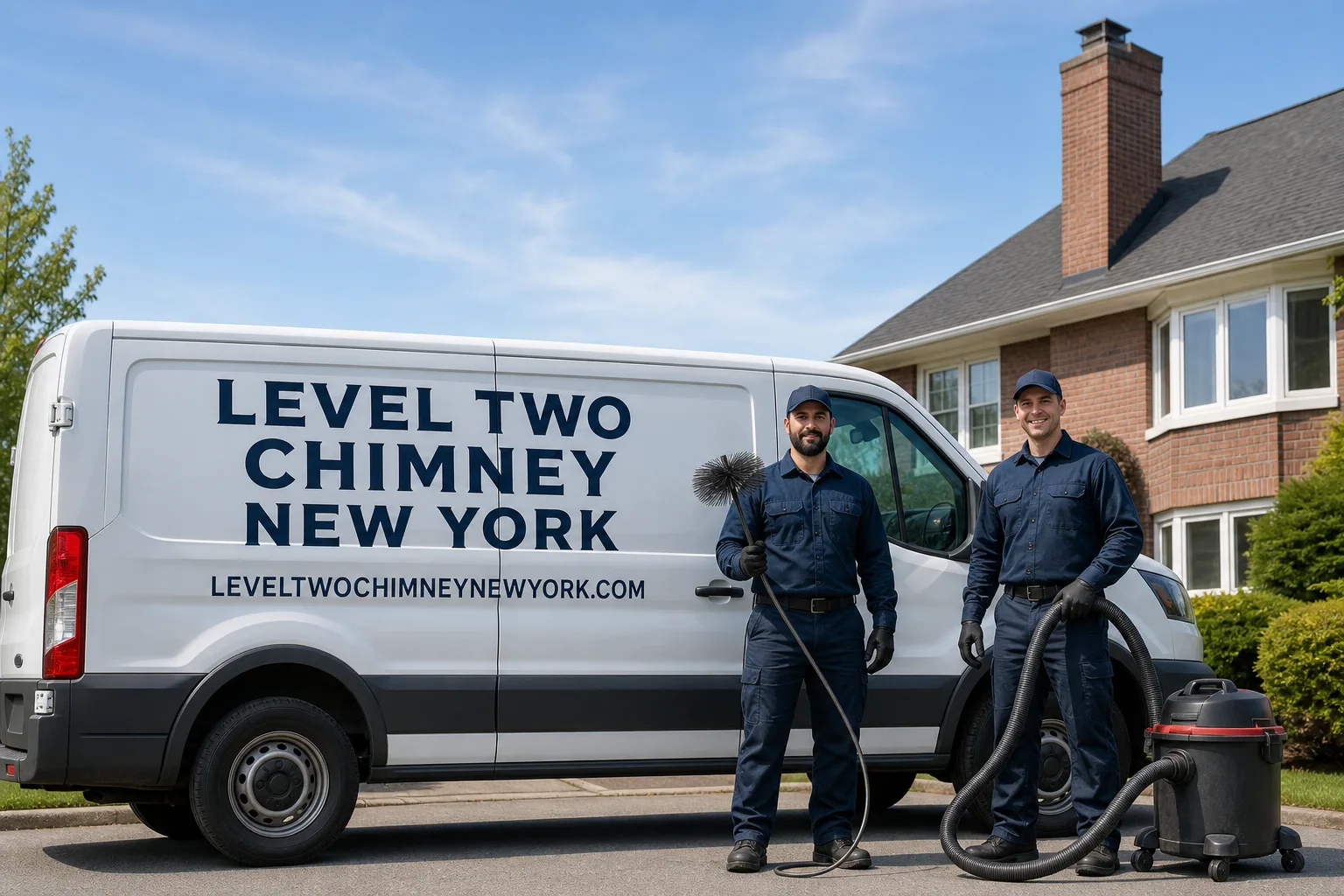
Level 1 sweep and inspection to the NFPA 211 annual standard - flue, crown, cap, and flashing checked and photographed
Chimney sweep logs do not sweep chimneys. They loosen some creosote - which then falls where a brush and vacuum still have to collect it.
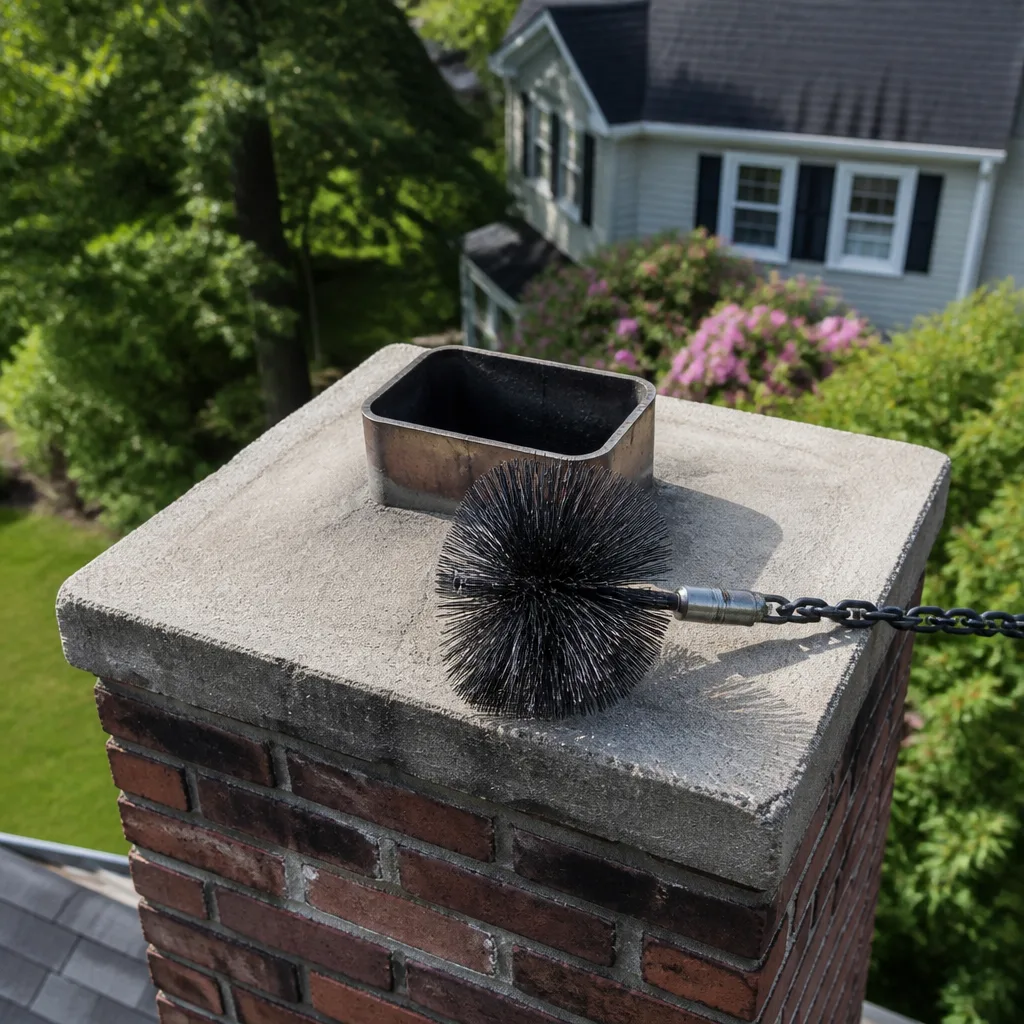
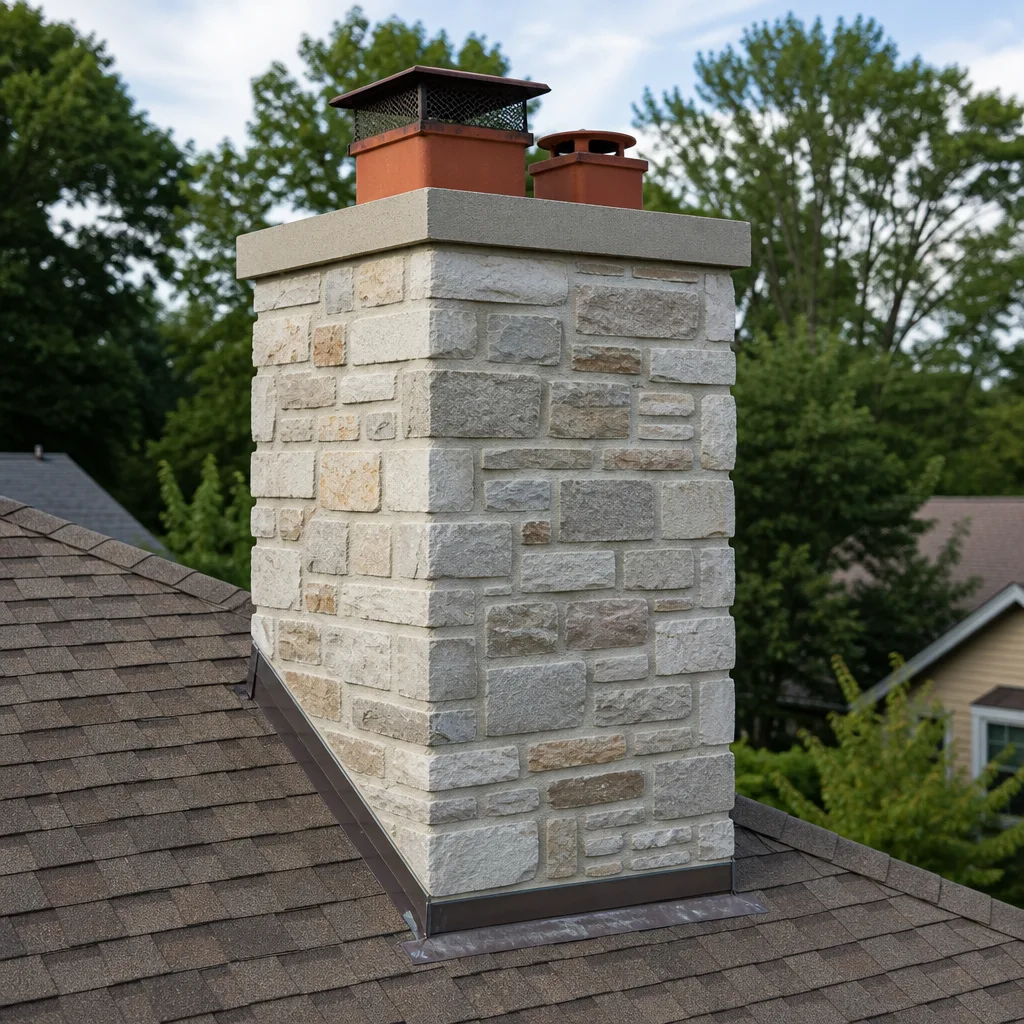
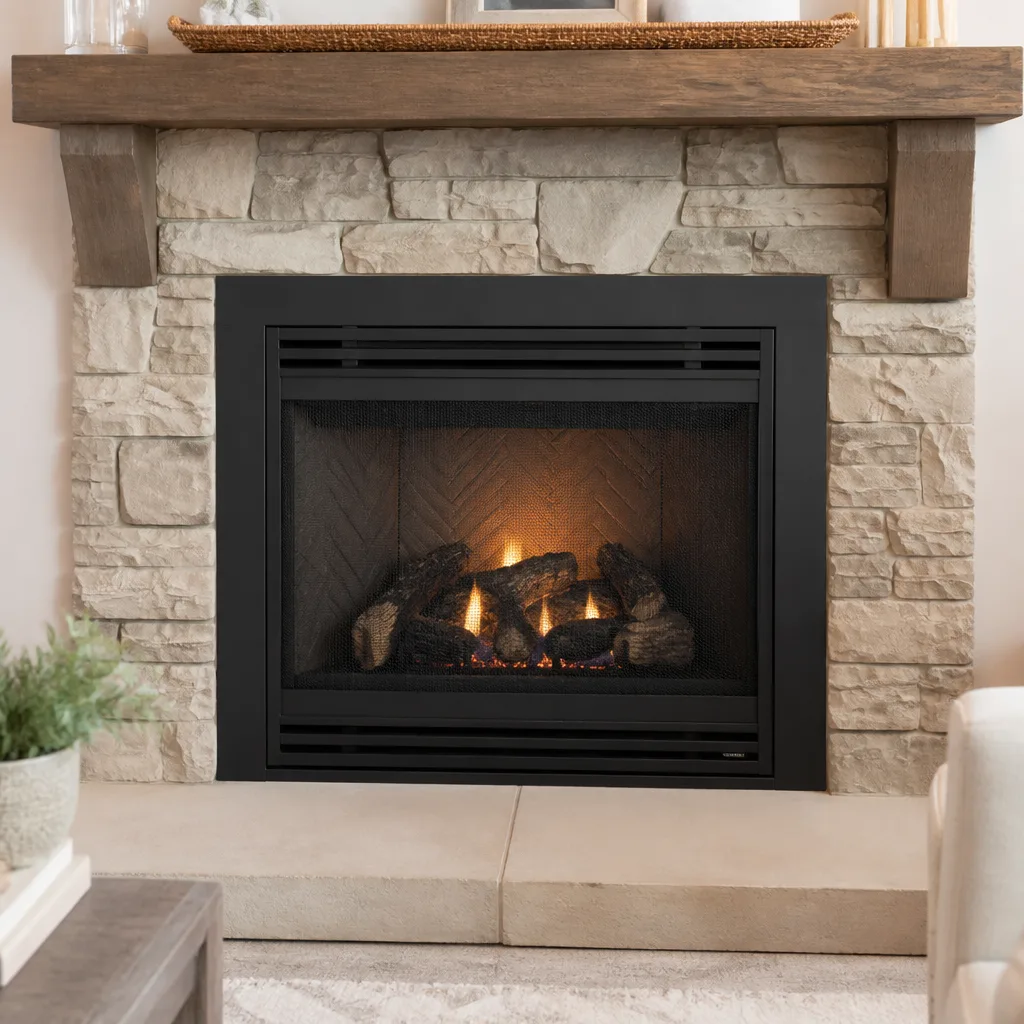
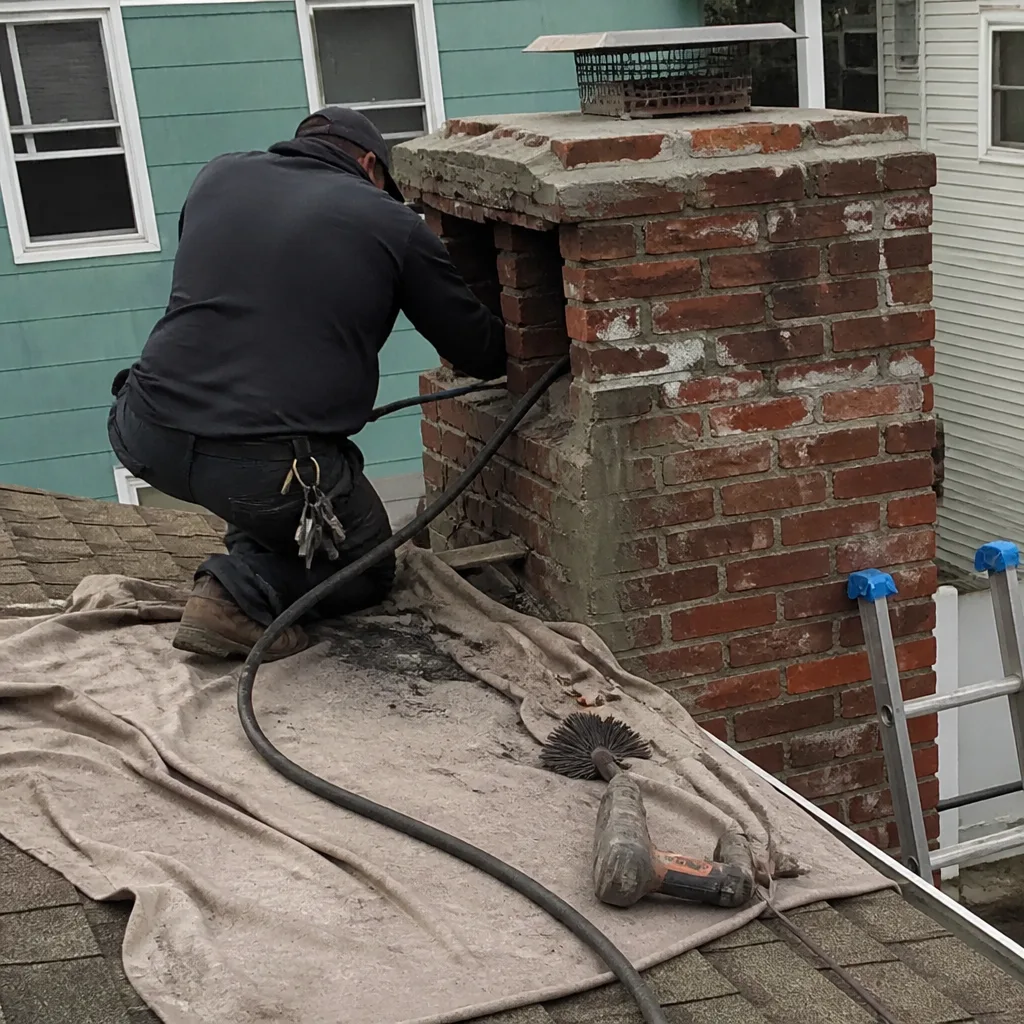 Before
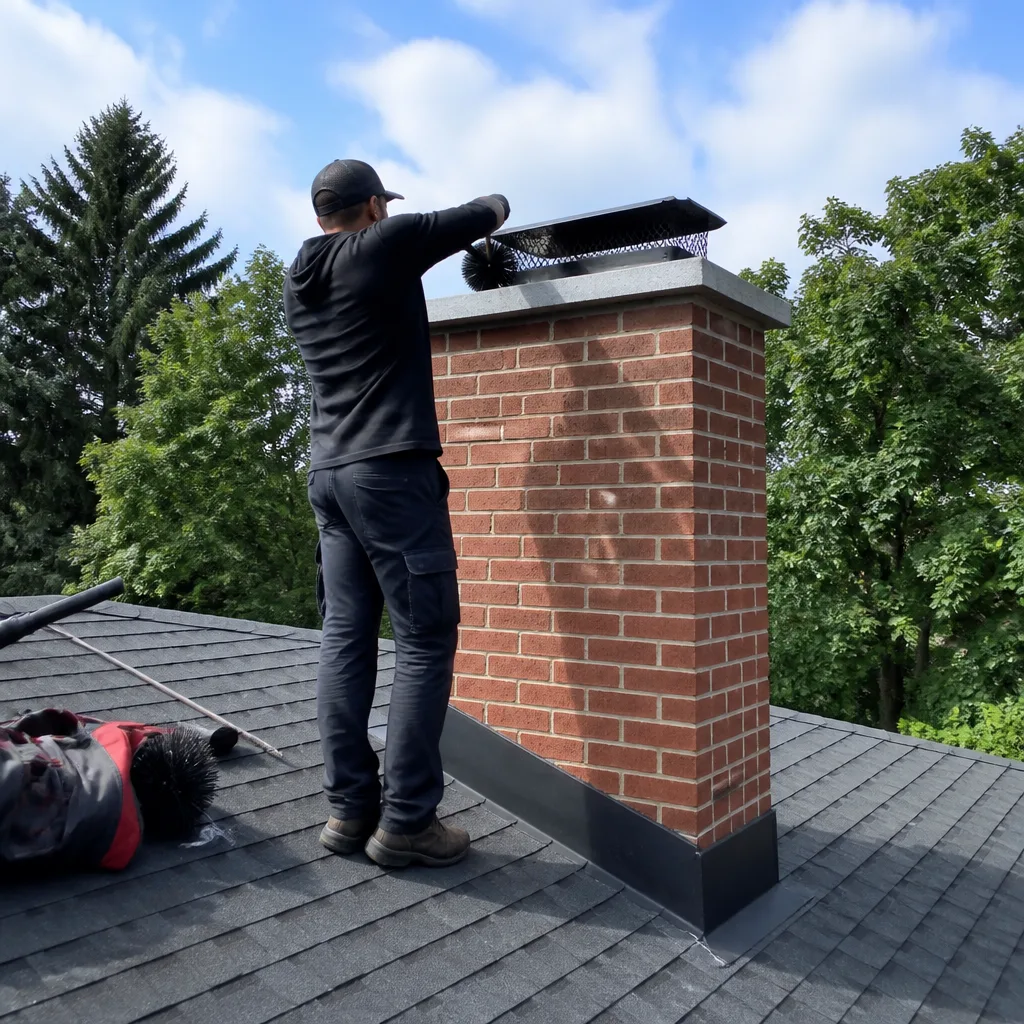 After
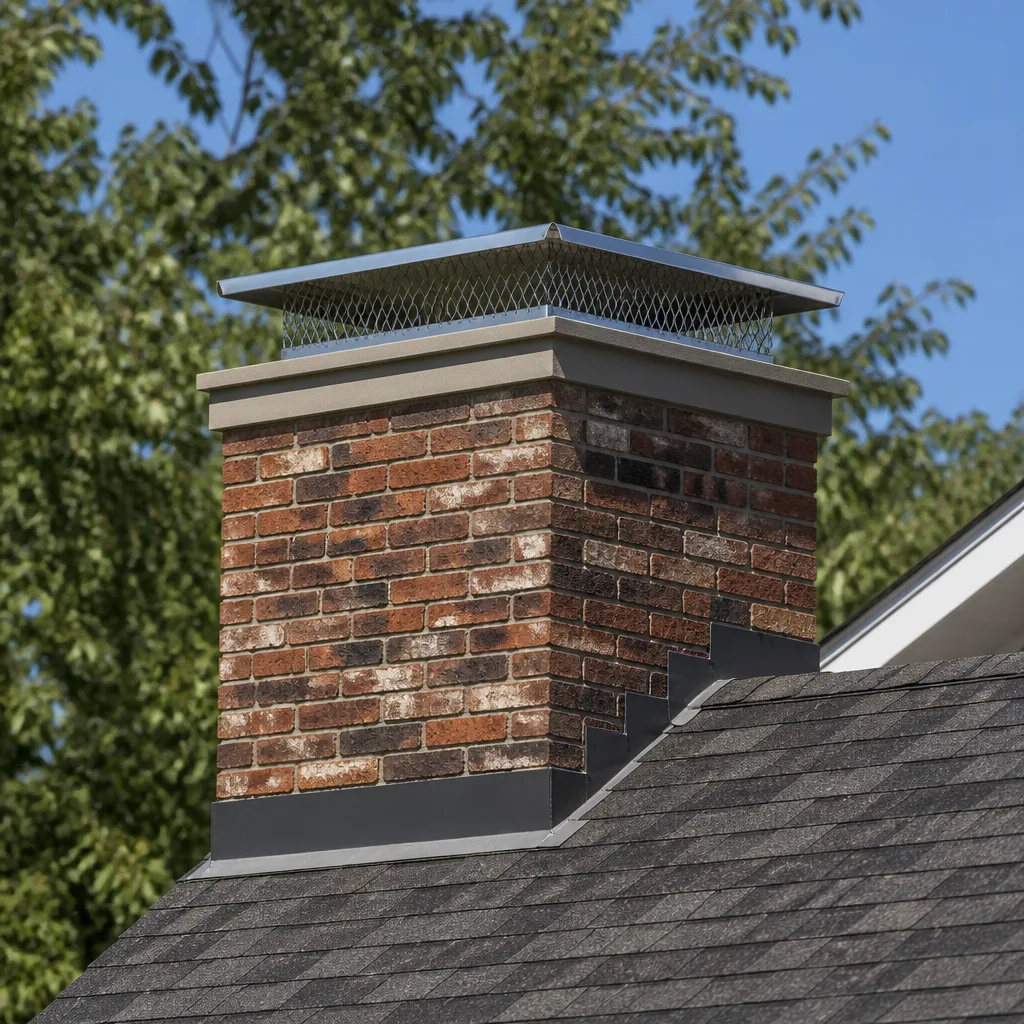
After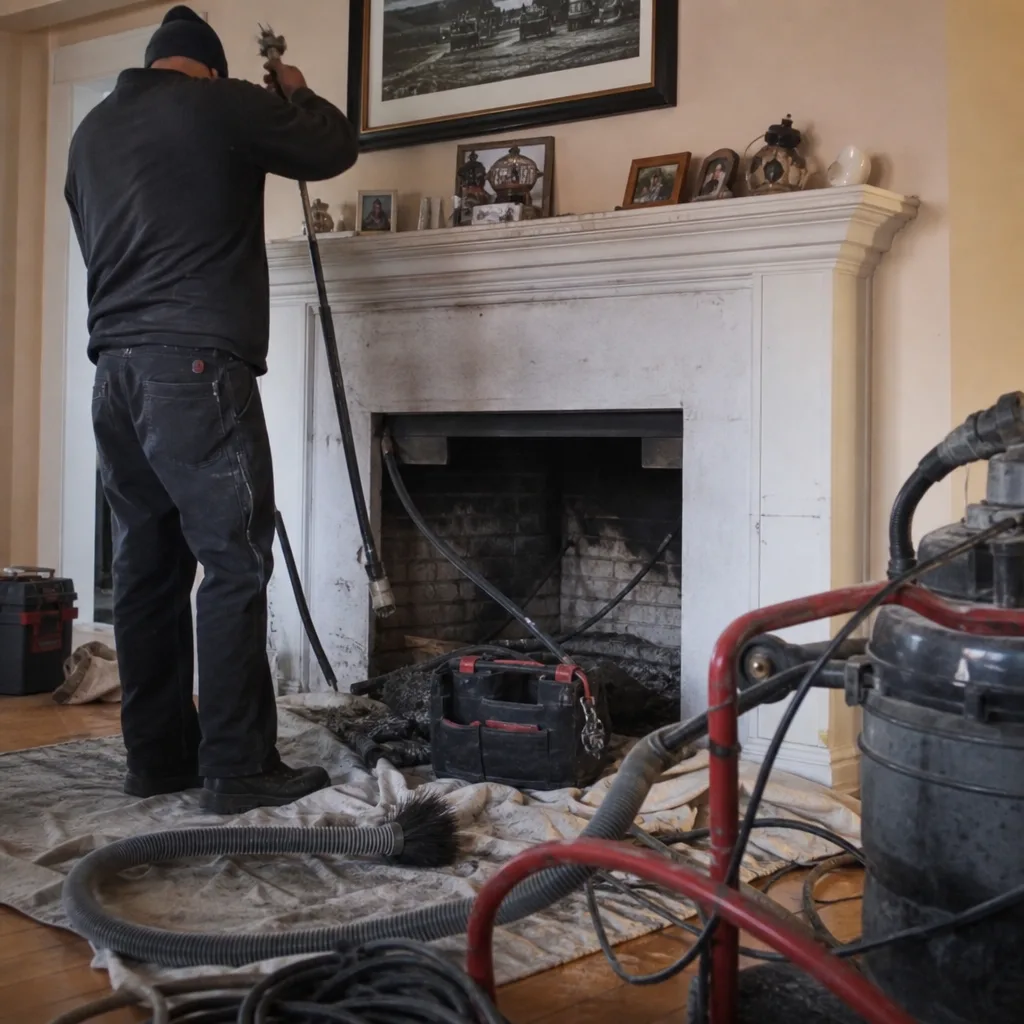 Before
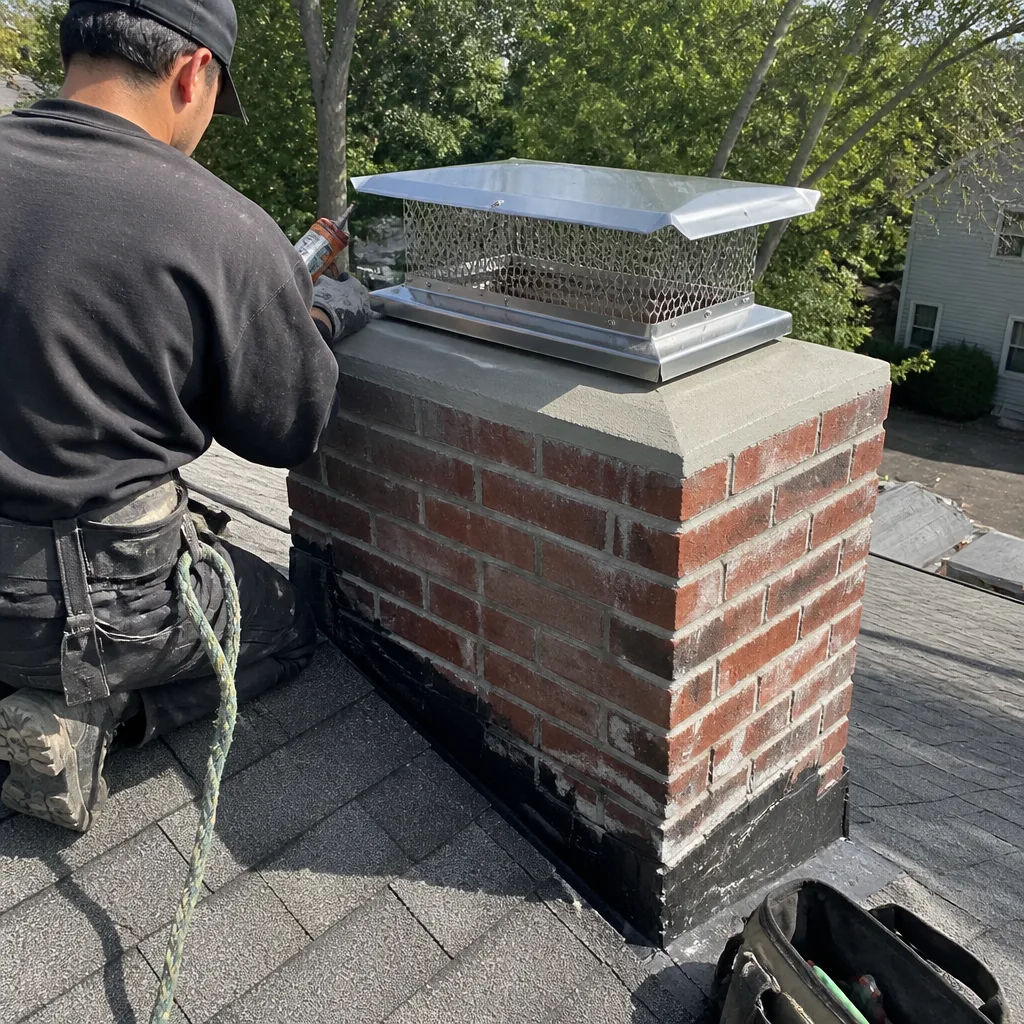 After
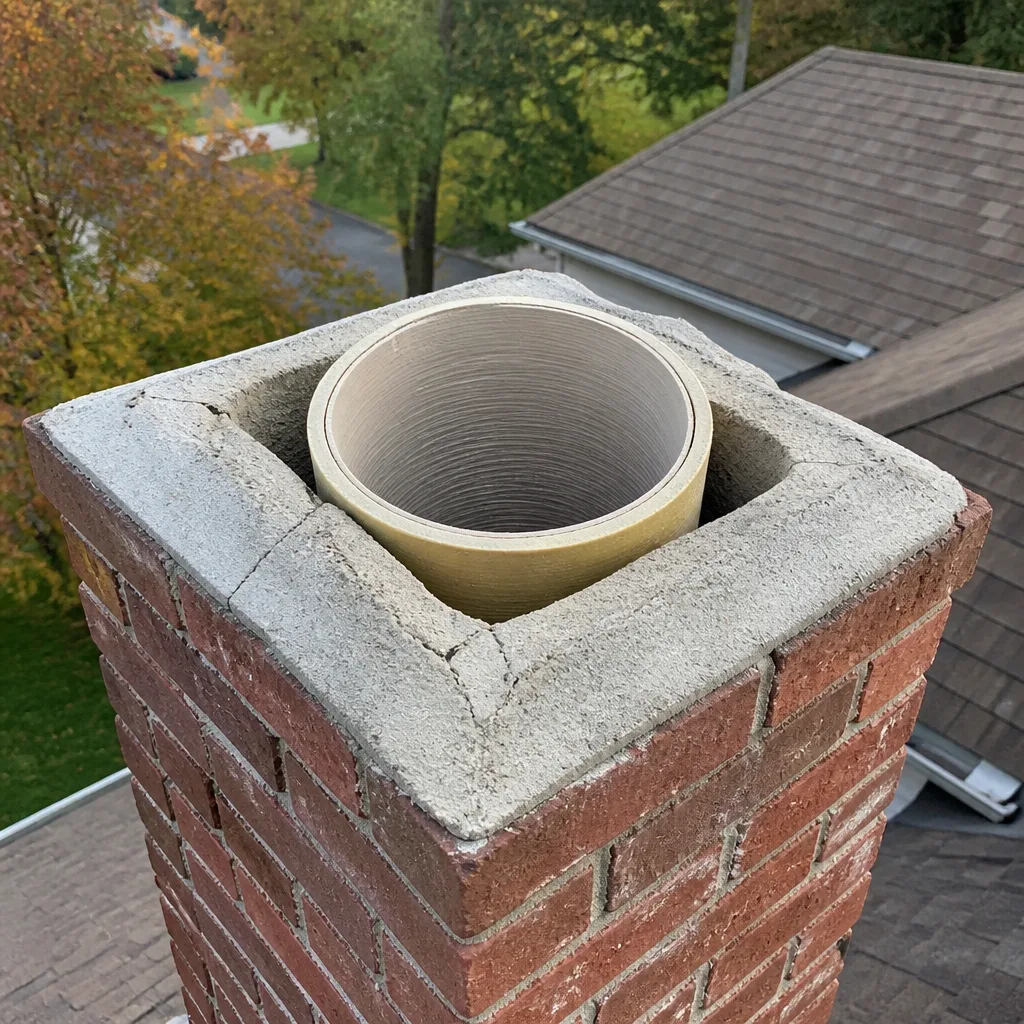
After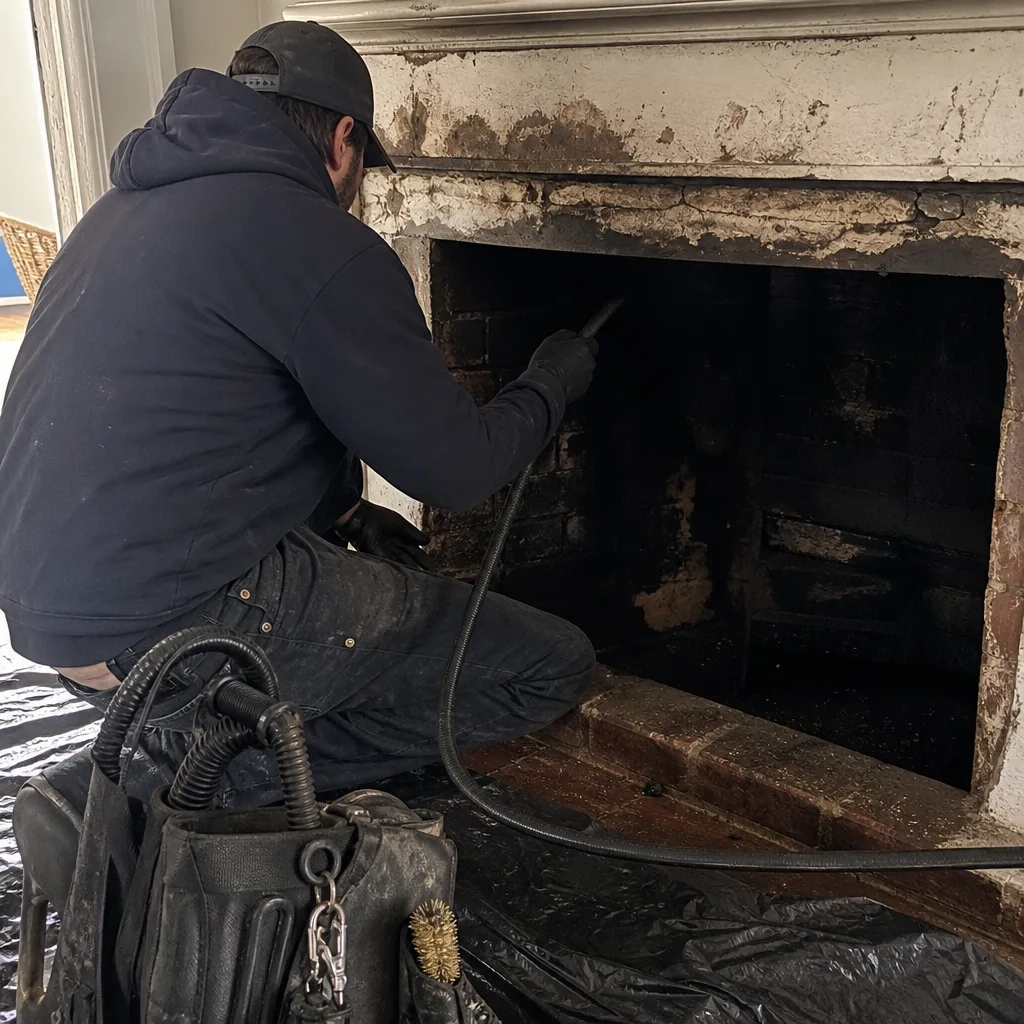 Before
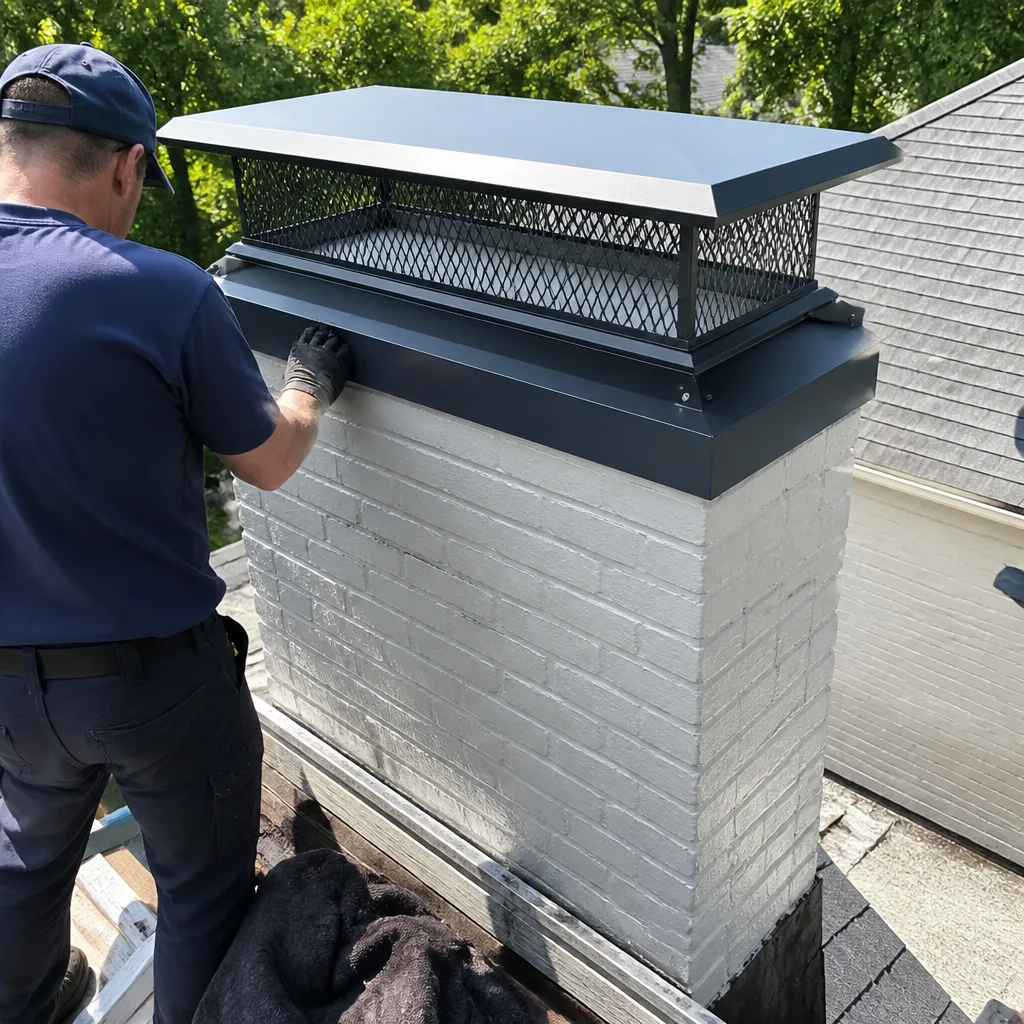 After
AfterFast, Reliable Chimney Cleaning & Sweep Across Red Hook
A chimney cleaning in Red Hook usually costs between $189 and $349 for a standard sweep, and if you’re burning wood every weekend from October through April, you need it done annually, not every few years. That’s the honest answer, and it matters more here than in most towns because so many Red Hook homes are pre-Civil War farmhouses with original, unlined chimneys. We’re Level Two Chimney New York, and our Chimney Cleaning & Sweep crews work throughout Red Hook, from the village center out to the farm roads off Route 9G and Route 199, with camera-scan inspections on every single visit. If you need a sweep or just want to know what’s actually going on inside your flue, call (551) 213-5548 and we’ll give you a written price before anything starts.
Key Takeaways
- Standard chimney sweep in Red Hook: $189-$349. A Level 2 camera inspection with cleaning runs $289-$449.
- Unlined historic chimneys are the norm here. If your house predates 1850 and still has its original fieldstone or hand-laid brick flue, a routine sweep often uncovers the need for documentation and relining, not just a brush-out.
- Creosote builds faster in Red Hook than in river towns. Long heating seasons and recreational burning create stage-2 and stage-3 glaze within a single year if you skip the sweep.
- Every job includes a written price, written scope, and photo record. That’s Clause 1 and Clause 4 of the Haven Standard, and we’ve worked that way since 2009.
Why Level Two Chimney New York Is Red Hook’s Preferred Chimney Cleaning & Sweep Company
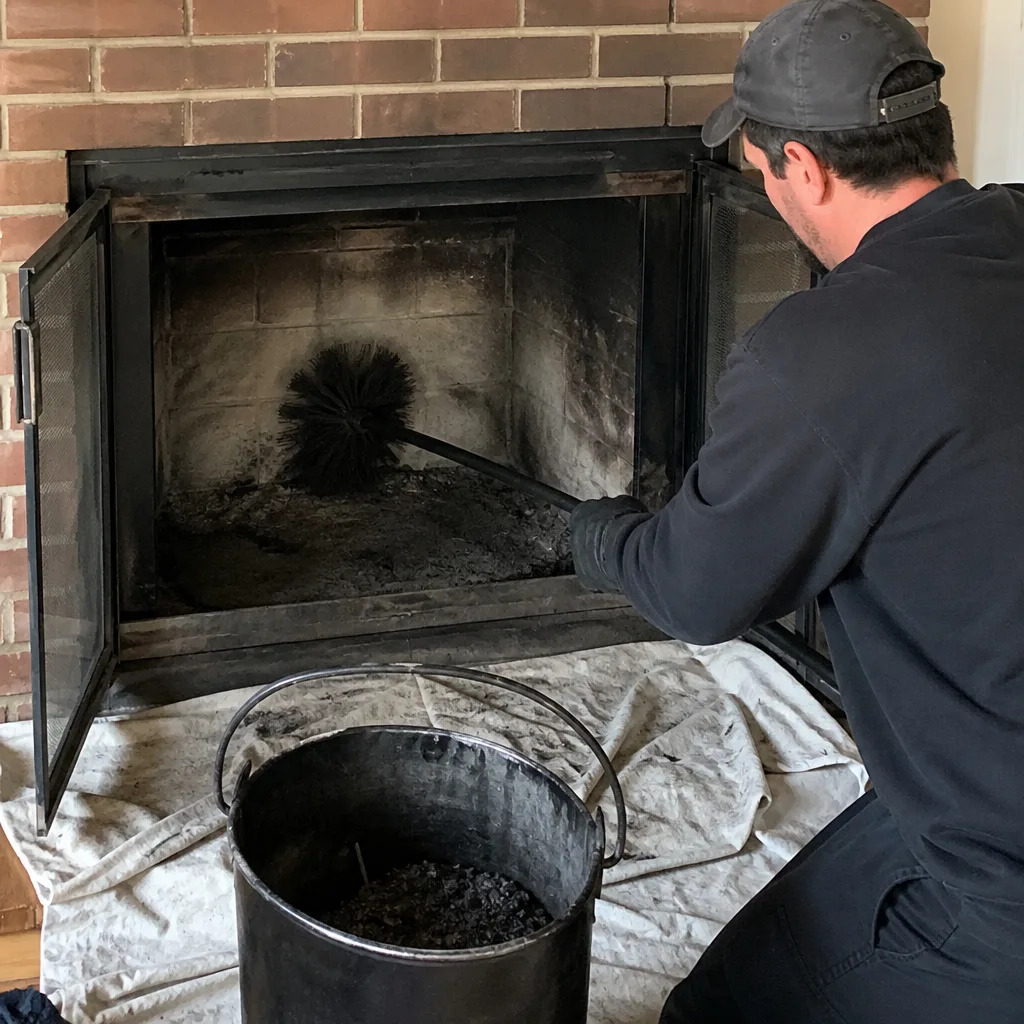
We’re not the cheapest sweep in Dutchess County, and we don’t try to be. What we are is the company that documents what we find. On every Chimney Cleaning & Sweep in Red Hook visit, the technician runs a camera down the flue, photographs everything, and hands you a written record of what was found and what it means. That’s Clause 4 of the Haven Standard, and we’ve done it this way since 2009, longer than any insurer or code official has asked for it. Corrine Halstead, who leads our New York operation, set that expectation from day one: if we can’t show you the problem, we don’t ask you to pay to fix it.
Red Hook homeowners tend to be skeptical of chimney companies, and for good reason. The industry is full of techs who shine a flashlight up a flue and then quote a $6,000 rebuild. We work differently. A background-checked, uniformed technician arrives on schedule, texts you when they’re on the way, and before touching anything, gives you a written price and written scope of work. If you’ve already got a written estimate from another company, bring it. We’ll give you a free second opinion on it. No push, no pressure. Just what the camera shows.
BeforeAfterOur Chimney Cleaning & Sweep Services in Red Hook
Level 1 Inspection
A Level 1 inspection is the baseline check we do whenever we’re already sweeping a chimney that’s been maintained and hasn’t changed use. In Red Hook, that means we’re looking at the accessible portions of the flue, the firebox, the damper, and the exterior chimney structure. But on a pre-Civil War farmhouse, a Level 1 alone is rarely enough. The original fieldstone flues didn’t have the smooth clay tile interior that modern code requires, which means creosote hides in the mortar joints and rough stone pockets where a quick visual check won’t find it. We’ll tell you plainly when a Level 2 is the right call.
Level 2 Inspection
A Level 2 inspection is a full camera-scan of the flue interior, and it’s what happens on nearly every first visit to a Red Hook home built before 1900. The camera shows us the actual flue condition: cracks, open mortar joints, missing clay tile, or in many older farmplaces, no liner at all. If we find creosote, we photograph it, classify it, and clean what’s safe to remove. Then we hand you the photo record and explain what you’re looking at. Around here, that Level 2 documentation frequently becomes the basis for a reline recommendation, which we put in writing with photos attached. Nothing is recommended on faith.
Creosote Removal
This is where Red Hook gets different from almost anywhere else we work. The heating season here runs October through April, and a large share of the town heats with wood stoves and fireplaces as a primary source, not just ambiance. That means heavy creosote loading. Stage-2 creosote is a flaky, tar-like deposit that requires rotary tools to remove; stage-3 is the glossy, glazed coating that forms when creosote bakes under high heat over repeated fires. Stage-3 cannot be simply brushed out. On several Red Hook jobs, we’ve arrived for a “first cleaning” at a 1790s Dutch Colonial and found the smoke chamber packed with glazed creosote after two seasons of heavy burning without an inspection. That’s not a brush-out. That’s a documentation job first, and a reline after.
Soot Removal
Soot removal is the lighter side of the same job: fine black powder that accumulates on the firebox walls, damper, and smoke shelf after normal wood burning. In a regularly used Red Hook fireplace, soot also drifts up into living spaces around the mantel and hearth, so we clean the firebox thoroughly and verify the damper seals correctly afterward. Soot itself is more nuisance than hazard, but if it’s thick enough to obscure the firebox floor, the flue almost certainly has creosote higher up. We check.
What happens when you call
- 1
A real person answersNo phone trees - you reach a local pro.
- 2
You get an upfront price rangeHonest numbers before anyone is dispatched.
- 3
A background-checked tech heads outLicensed & insured, dispatched right away.
- 4
You approve before work beginsNothing starts until you say go.
Trusted Brands We Service in Red Hook
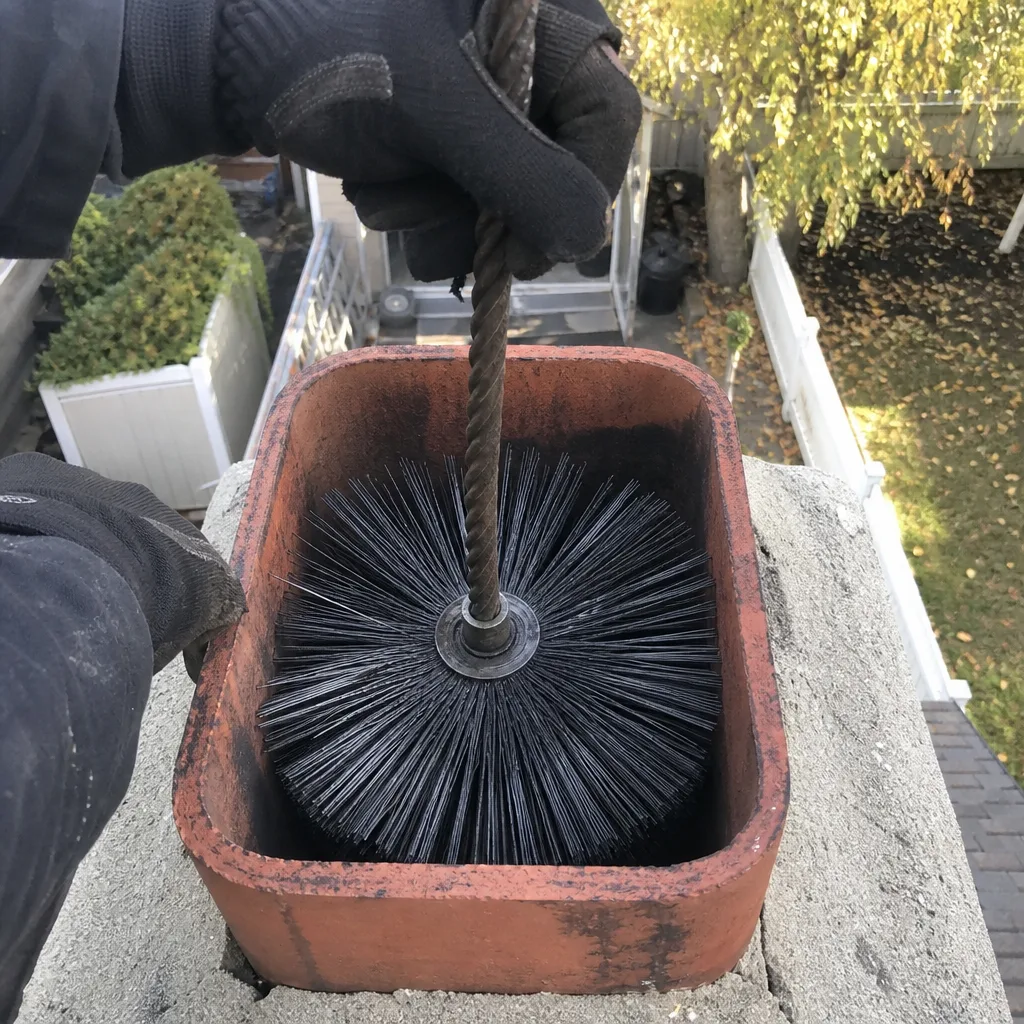
When a Red Hook chimney does need parts or a liner, we use materials that hold up to the freeze-thaw abuse of Dutchess County winters. That means stainless liner systems from DuraFlex, chimney caps and chase covers from Olympia Chimney, and dampers and related hardware from Famco and Copperfield. We stock common sizes locally so we’re not making a customer wait through two weeks of shipping for a cap replacement or a liners kit. If your stove or insert came with a specific brand’s components, for example an Olympia Chimney cap installed by a previous owner, we match what’s there rather than making you buy a full replacement assembly.
Common Chimney Cleaning & Sweep Problems We See in Red Hook Homes
- Unlined fieldstone flues packed with creosote. The original stone chimneys on Red Hook’s 18th and early 19th century farmhouses have no clay tile or steel liner, so creosote soaks into the rough mortar joints. A standard brush sweep can’t fully clean what’s absorbed into the masonry, and a camera inspection here often ends with a reline recommendation, not a clean bill of health.
- Stage-3 glazed creosote within one heating season. When weekend owners from the city burn every Saturday and Sunday from fall through spring and skip the annual sweep, the creosote doesn’t just accumulate, it glazes. By the time we see it, rotary removal might take hours, and the flue may be beyond safe use until relined.
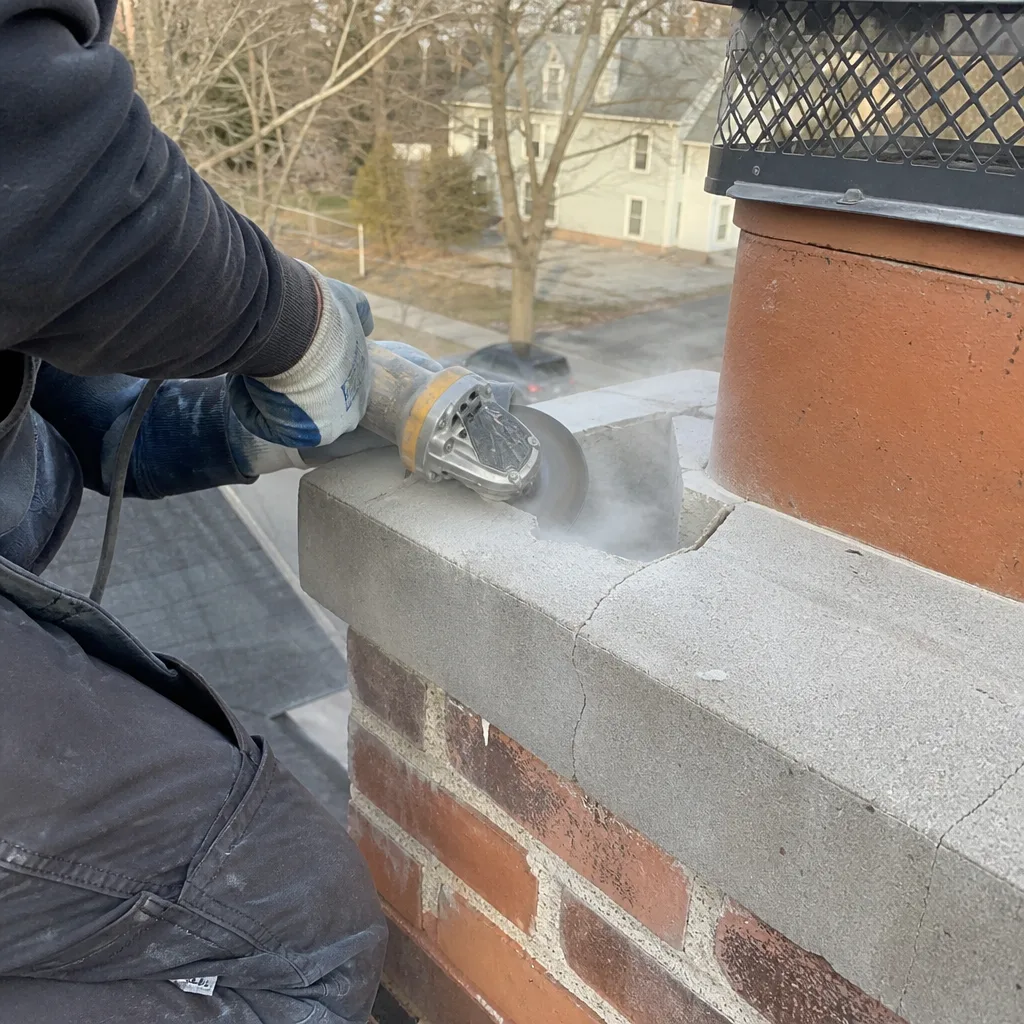
- Cracked crowns and spalling masonry from freeze-thaw cycling. Red Hook is far enough inland that temperatures swing harder than down in Hudson or Catskill, where the river moderates things. Water seeps into the crown, freezes, expands, and every spring there’s more spalling on the top courses of brick or fieldstone. We address the crown before it fails.
- Chimney swifts and raccoons, usually in March and September. Old chimneys without caps are open invitations. We’ve pulled nests out of flues on Route 9G and around the village that had rendered the fireplace unusable. Migratory bird laws mean we can’t remove an active swift nest during nesting season, so we schedule around it and cap the chimney after.
Pricing for Chimney Cleaning & Sweep in Red Hook, NY
We Also Serve Cities Near Red Hook
Our crews handle chimney work throughout the Hudson Valley and into the outer boroughs, so if you’re in Flushing, Astoria, New York, or Long Island City and need a sweep, the same written-price, camera-documented standard applies. The drive’s a bit longer from our New York City dispatch office, but the pricing doesn’t change, and neither does the guarantee.
Serving Red Hook, NY - Our Local Coverage Area
We’re based in the Red Hook area and know this community well. Use the map below to see our service coverage - if you’re nearby, we can almost certainly help.
FAQs - Chimney Cleaning & Sweep in Red Hook
How often should I have my Red Hook wood stove chimney cleaned if I burn every weekend from October through April?
Once a year, minimum. If you’re burning every weekend through a full six or seven month season, you’re putting enough creosote up the flue that a single year’s accumulation can reach stage-2, and on an unlined chimney, stage-3. Many Red Hook wood stove users with stainless liners schedule their sweep in September before the burning season starts, then again in April if they’ve burned heavily. On unlined chimneys, we commonly recommend twice a year until the flue is relined. The cost difference between an annual sweep and a reline is significant, so the annual visit is the cheapest insurance you’ll buy for the house. Call (551) 213-5548 and we’ll give you a written price for both the sweep and, if needed, a plan for relining.
My 1800s farmhouse chimney has never been lined, can you still clean it?
We can clean it, but we’ll tell you before we start that a brush-and-vacuum sweep on an unlined fieldstone or hand-laid brick flue only removes surface creosote. What’s baked into the mortar joints stays there. We’ll run the camera, show you exactly where the gaps and damage are, and document it all with photos. Then we’ll tell you what needs to happen, which is usually a stainless DuraFlex liner, and what can safely wait. We won’t pretend a brush-out fixed a fundamentally unsafe flue. The photo record from your cleaning becomes the documentation you’ll want if you’re planning major work, an insurance review, or a home sale. Call (551) 213-5548 and we’ll schedule the inspection.
Why does my chimney crown crack every spring in Red Hook when my friend in Hudson doesn’t have this problem?
It’s the freeze-thaw cycling. Red Hook sits inland, away from the Hudson River’s temperature moderation, so masonry goes through sharper freeze-thaw swings every late winter and early spring. Water gets into hairline cracks in the crown, freezes, expands by about 9 percent, and each cycle widens the crack until chunks start spalling off. By April, what started as a cosmetic crack is a real water entry point. We repair crowns with materials that flex enough to handle that cycling, and we seal the top courses of masonry so water beads off instead of soaking in. It’s a standard fix, but it has to be done right or you’ll be patching it again in two years. Call (551) 213-5548 and we’ll quote the crown repair in writing.
What’s the difference between first-degree and third-degree creosote when you clean a fireplace here?
First-degree creosote is a sooty, dusty deposit that comes off with a standard brush. It’s normal and expected after a season of occasional burning. Third-degree creosote is the glossy, hardened glaze that forms when smoke and tar bake against a hot flue wall over many fires, and it cannot be brushed out. It requires rotary chain tools, or in the worst cases, chemical treatment followed by after-burn removal. In Red Hook, we find third-degree creosote more often than in most towns, because so many wood stoves and fireplaces run as primary heat for six months a year. If we find it, we photograph it, classify it, and tell you what’s needed. That photo record is yours to keep. Call (551) 213-5548 to schedule the inspection and see what’s actually in your flue.
Do chimney swifts or raccoons in my Red Hook chimney affect cleaning?
They can, and they’re common here. Raccoons will tear apart the flue liner and smoke shelf, and their droppings are a biohazard we can’t just sweep through. Chimney swifts are protected under federal law; if there’s an active nest, we can’t remove it until the birds leave, usually late summer. We check every chimney for animal activity before we start the sweep, and if anything’s living in there, we’ll tell you on the spot. The fix is a proper cap with a spark arrestor, which keeps the raccoons, swifts, rain, and the occasional tree limb out of your flue. We stock caps locally, so once the flue is clean, the cap goes on same visit. Call (551) 213-5548 and we’ll get you on the schedule.
Contact Level Two Chimney New York in Red Hook
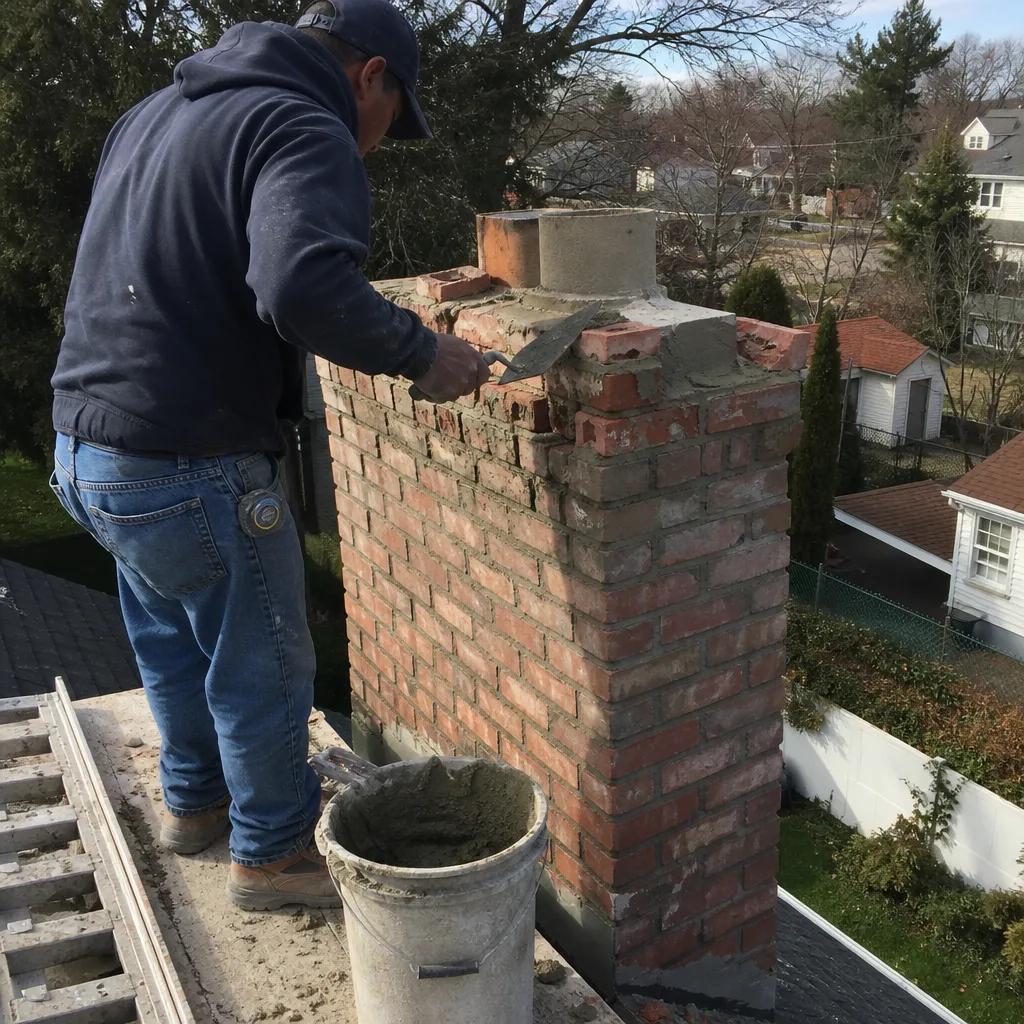
If your Red Hook chimney hasn’t been looked at in a year or more, call us. We’ll schedule a time, the technician will text you when they’re on the way, and you’ll get a written price before any work starts. If we find something, you’ll see it on camera with your own eyes before you’re asked to spend a dollar. That’s the way Corrine Halstead set this company up in 2009, and it’s still the way every job runs. Call (551) 213-5548 today.
Written by Corrine Halstead, Owner at Level Two Chimney New York, serving Red Hook and the surrounding Hudson Valley since 2009.