
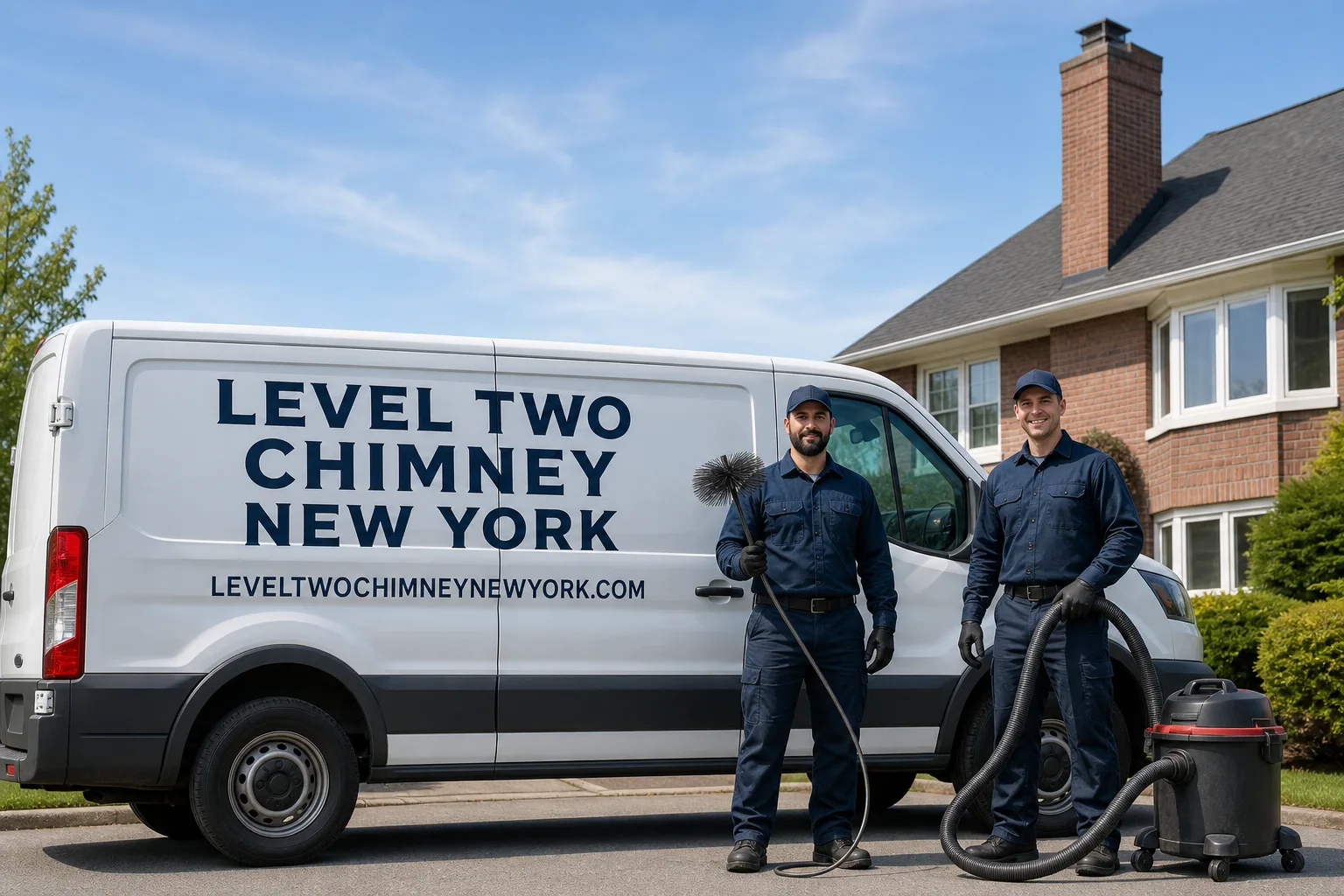
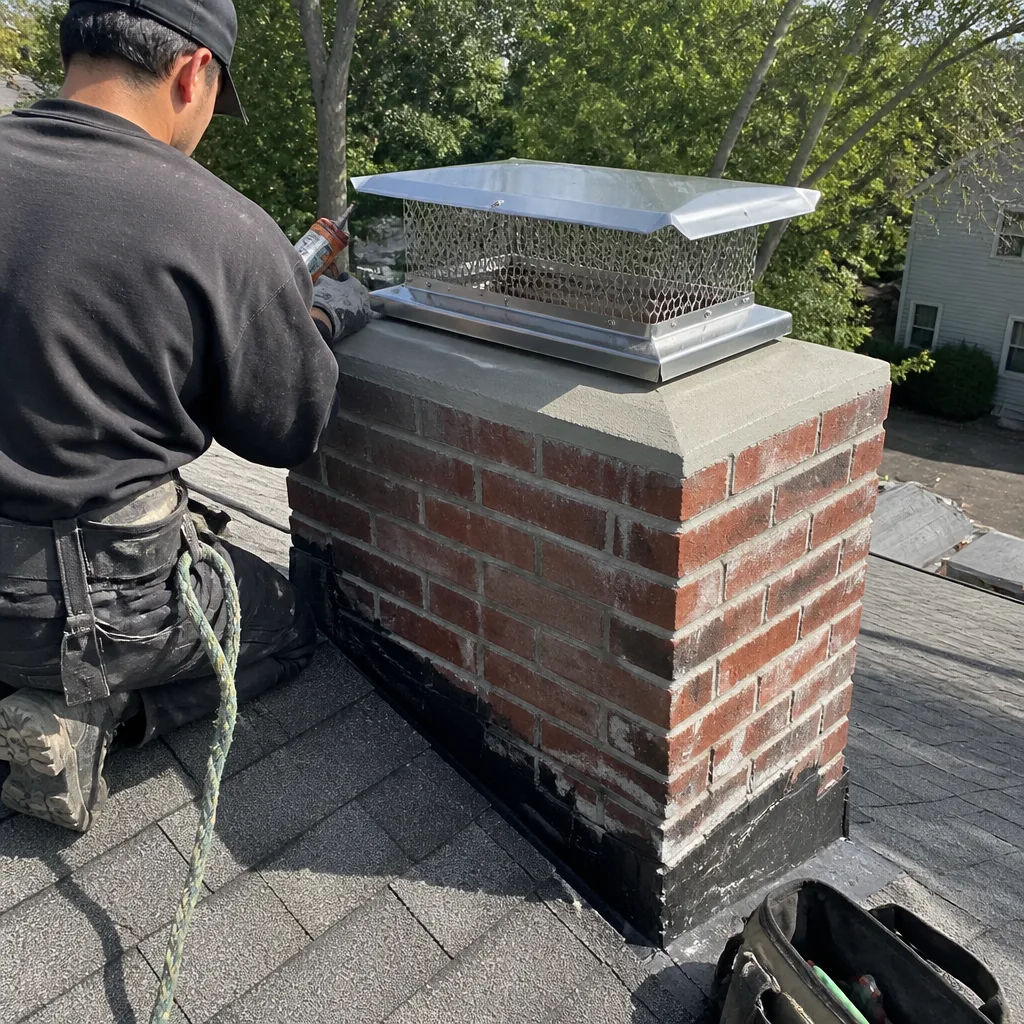
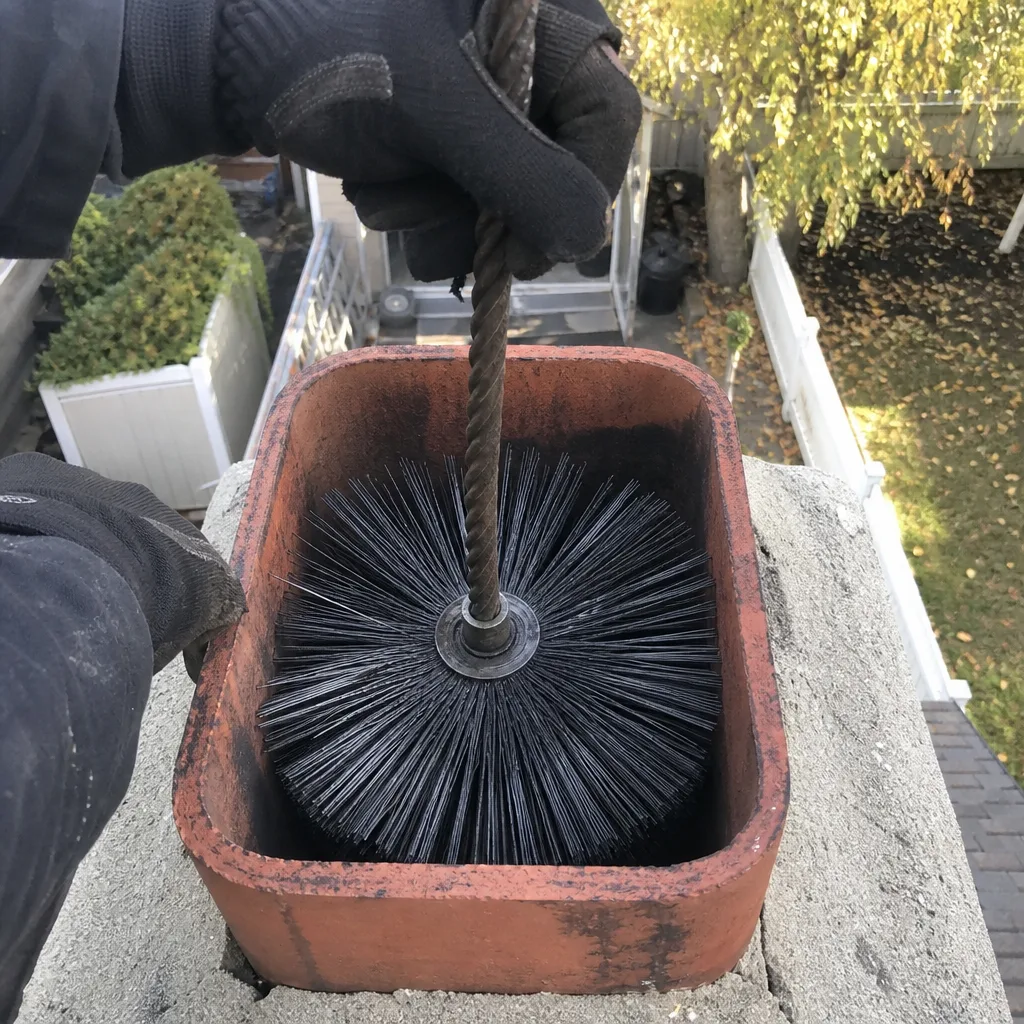
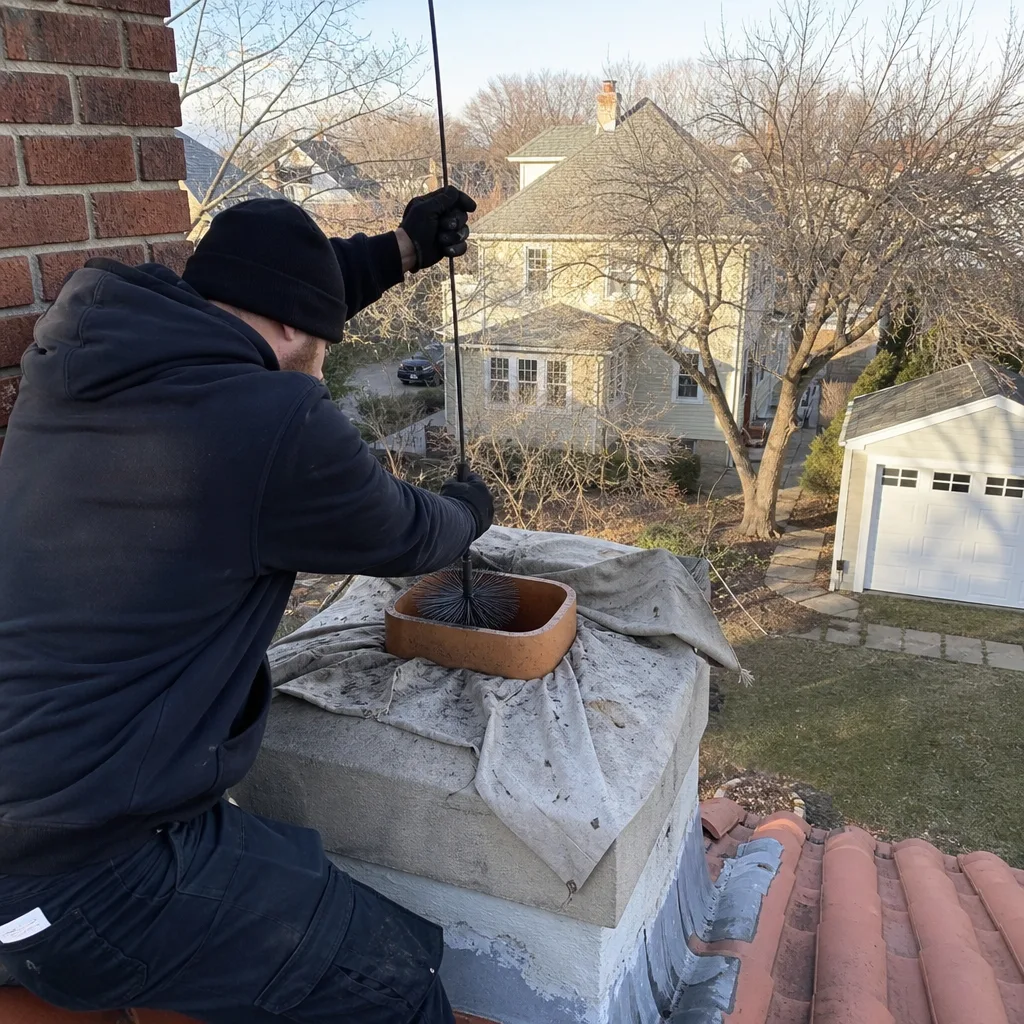
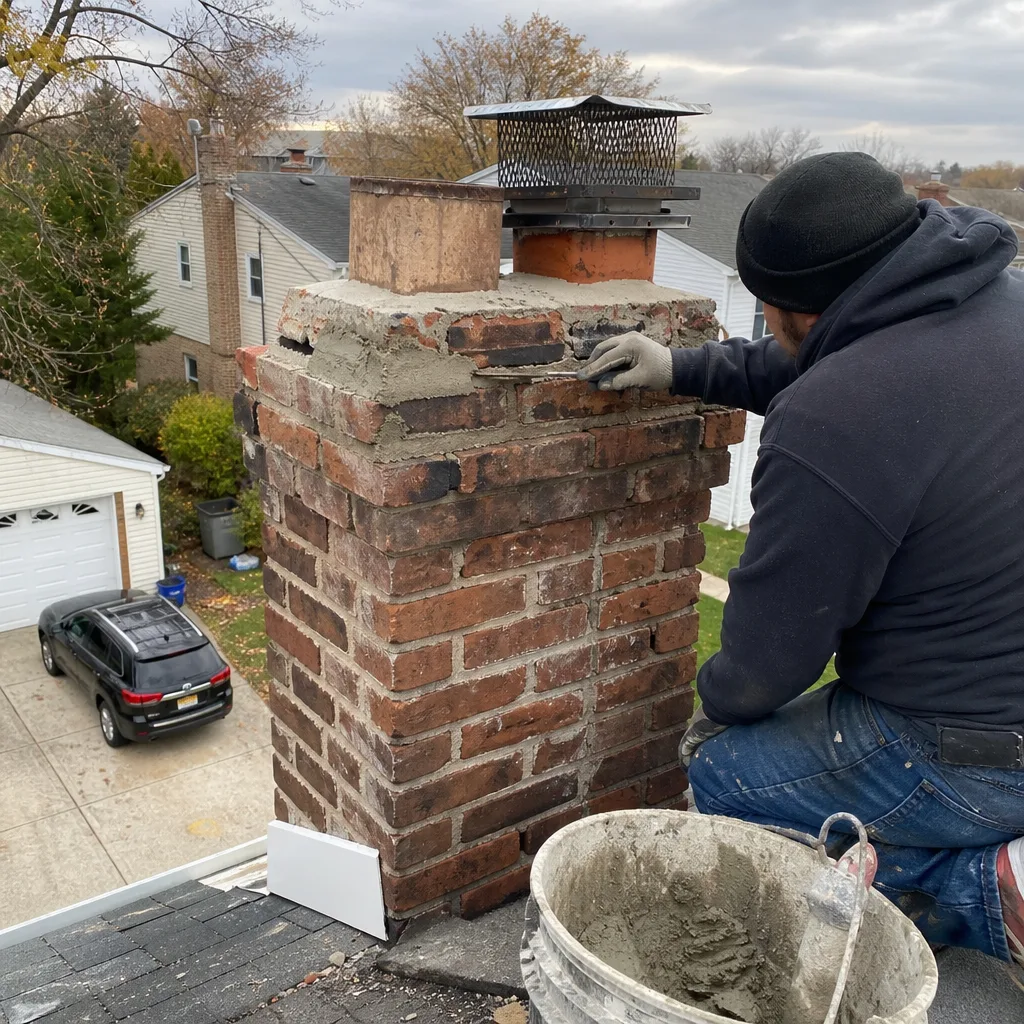
Level 1 sweep and inspection to the NFPA 211 annual standard - flue, crown, cap, and flashing checked and photographed
Chimney sweep logs do not sweep chimneys. They loosen some creosote - which then falls where a brush and vacuum still have to collect it.
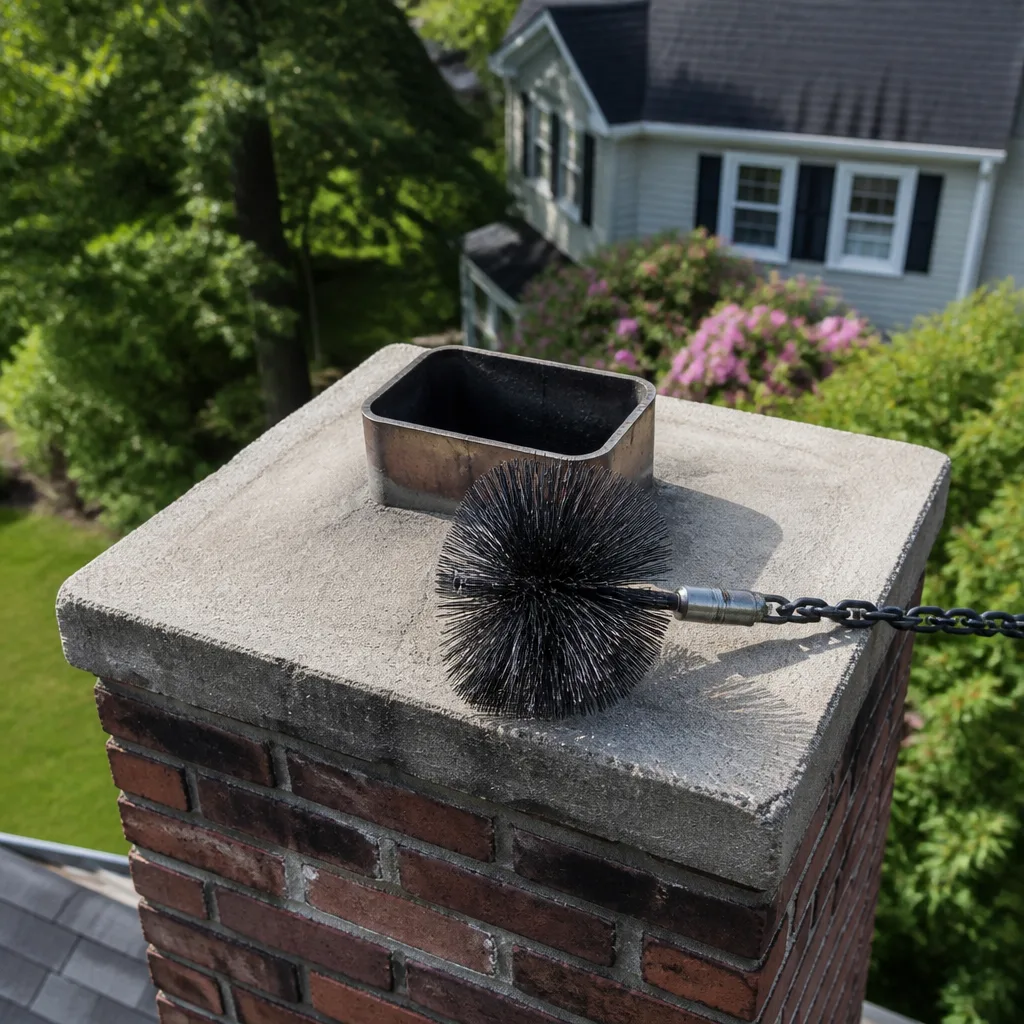
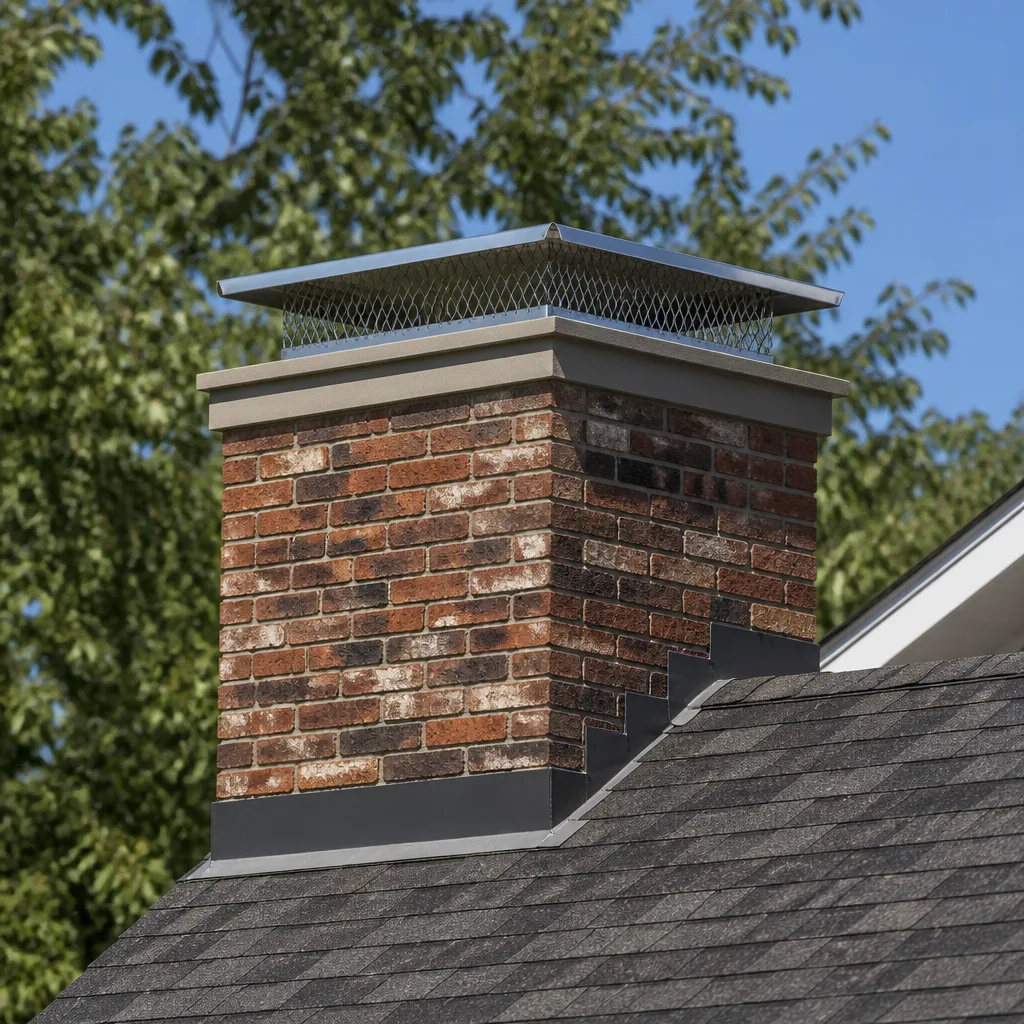
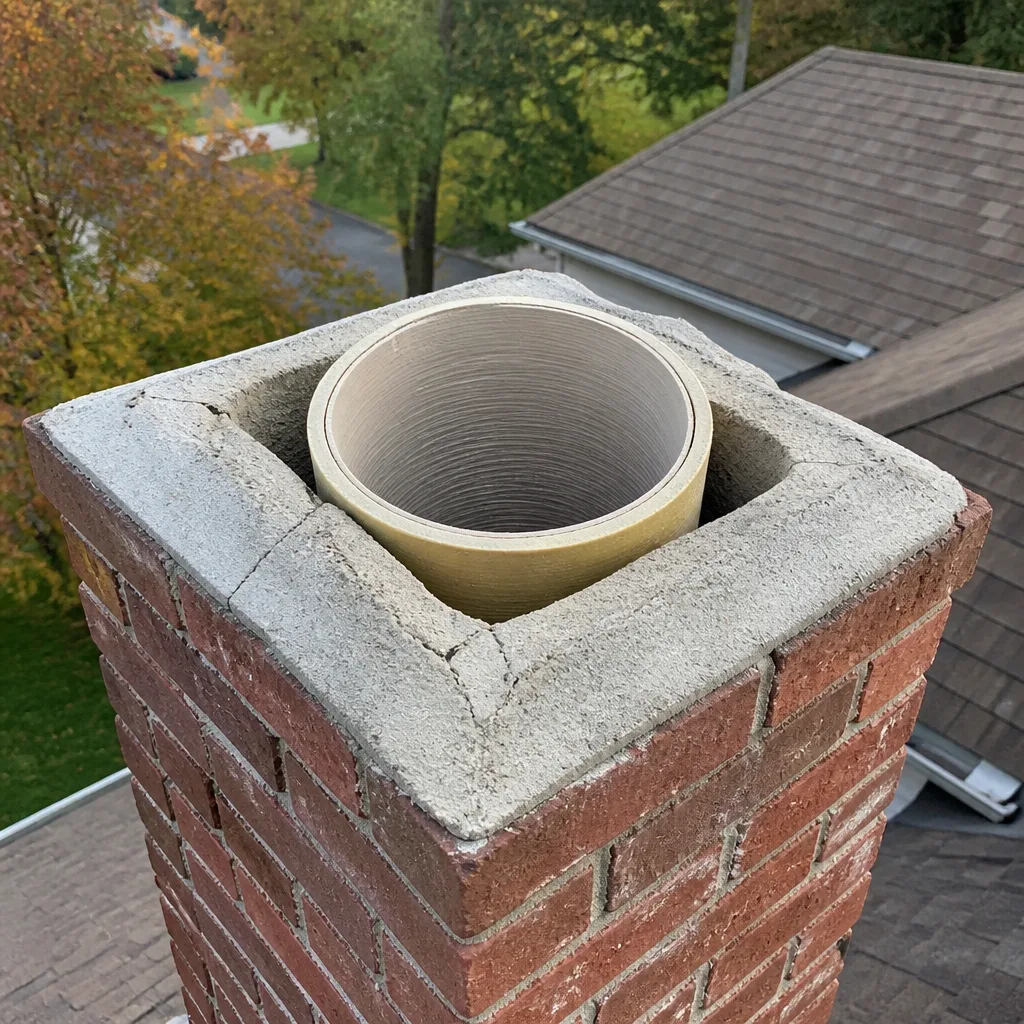
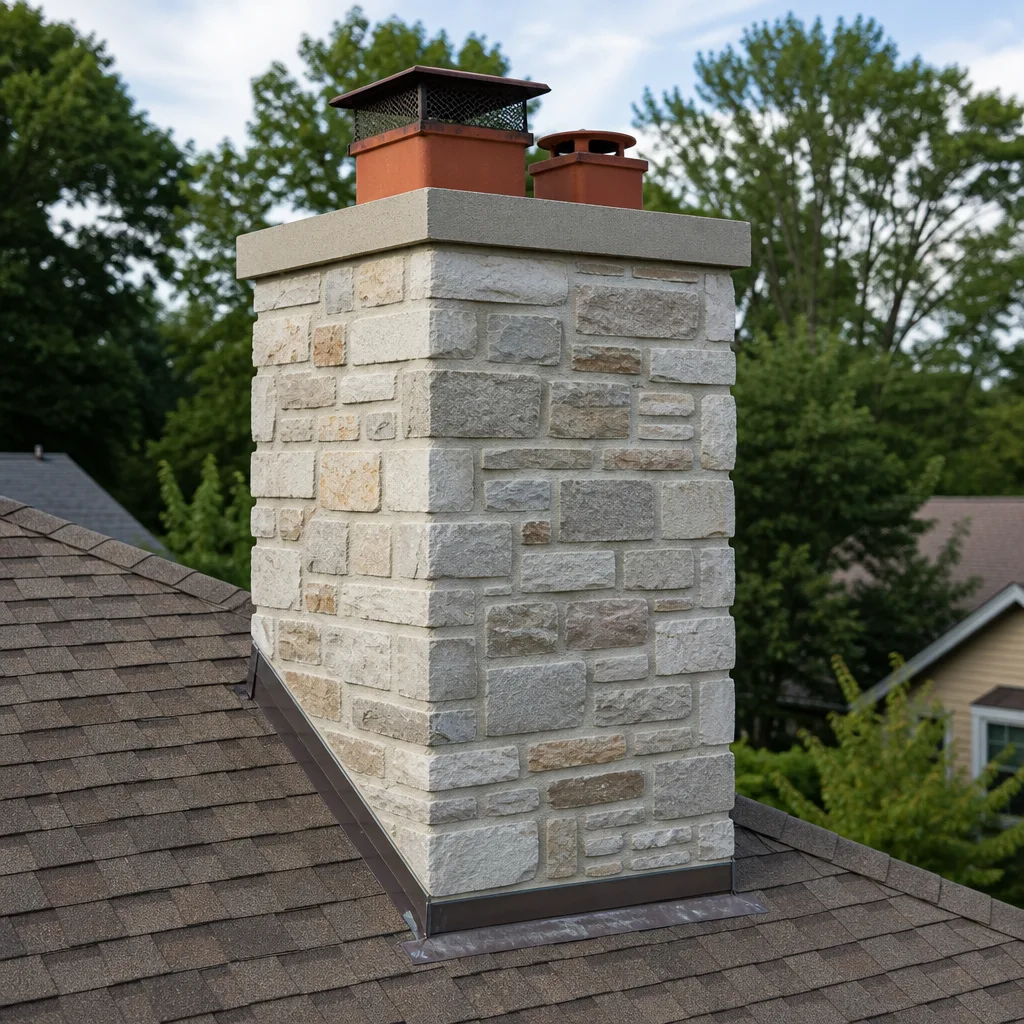
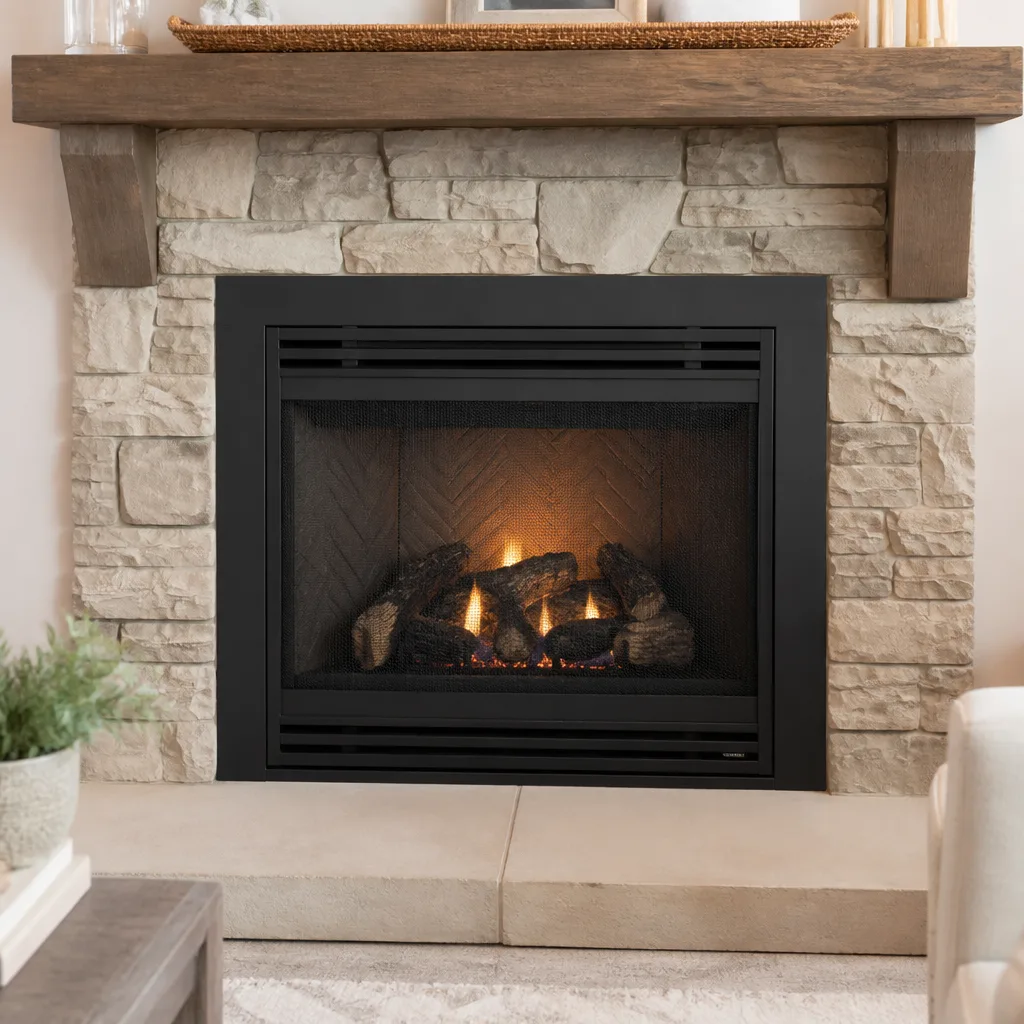
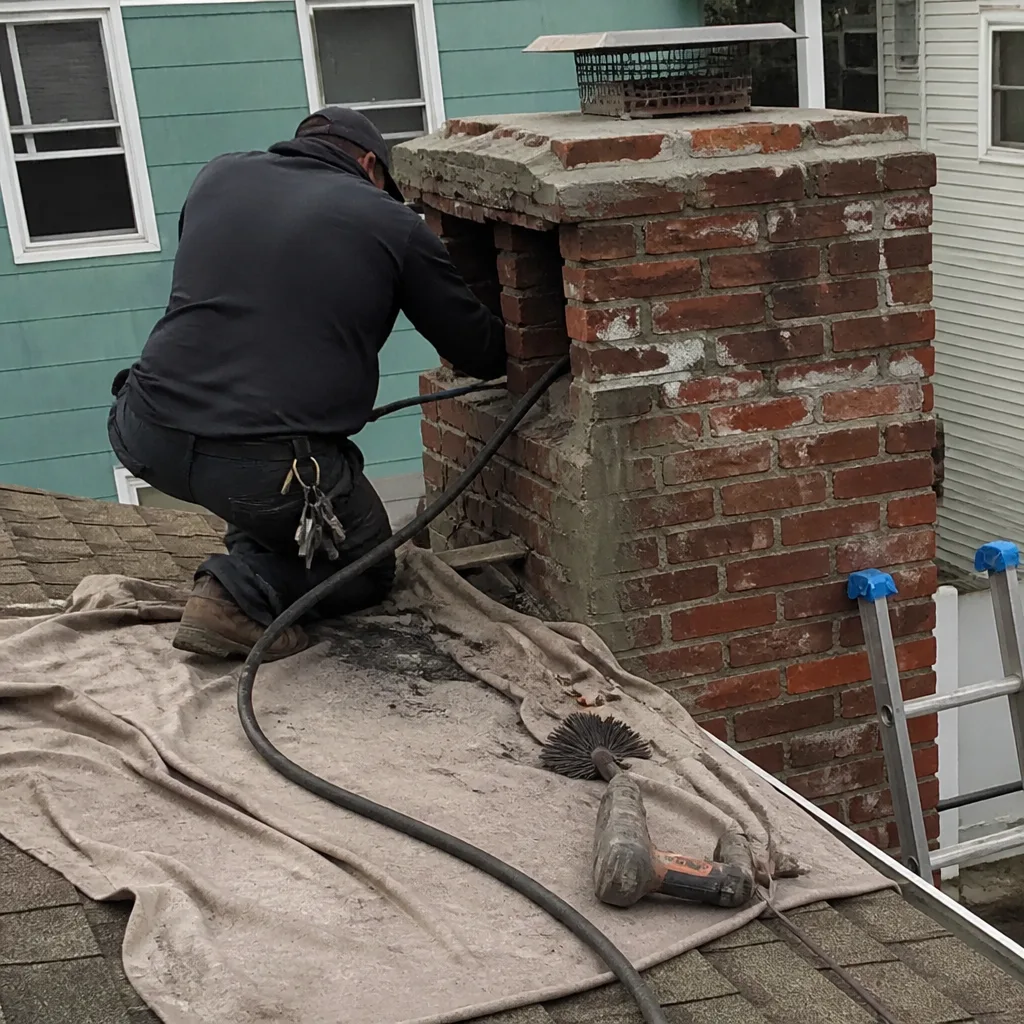 Before
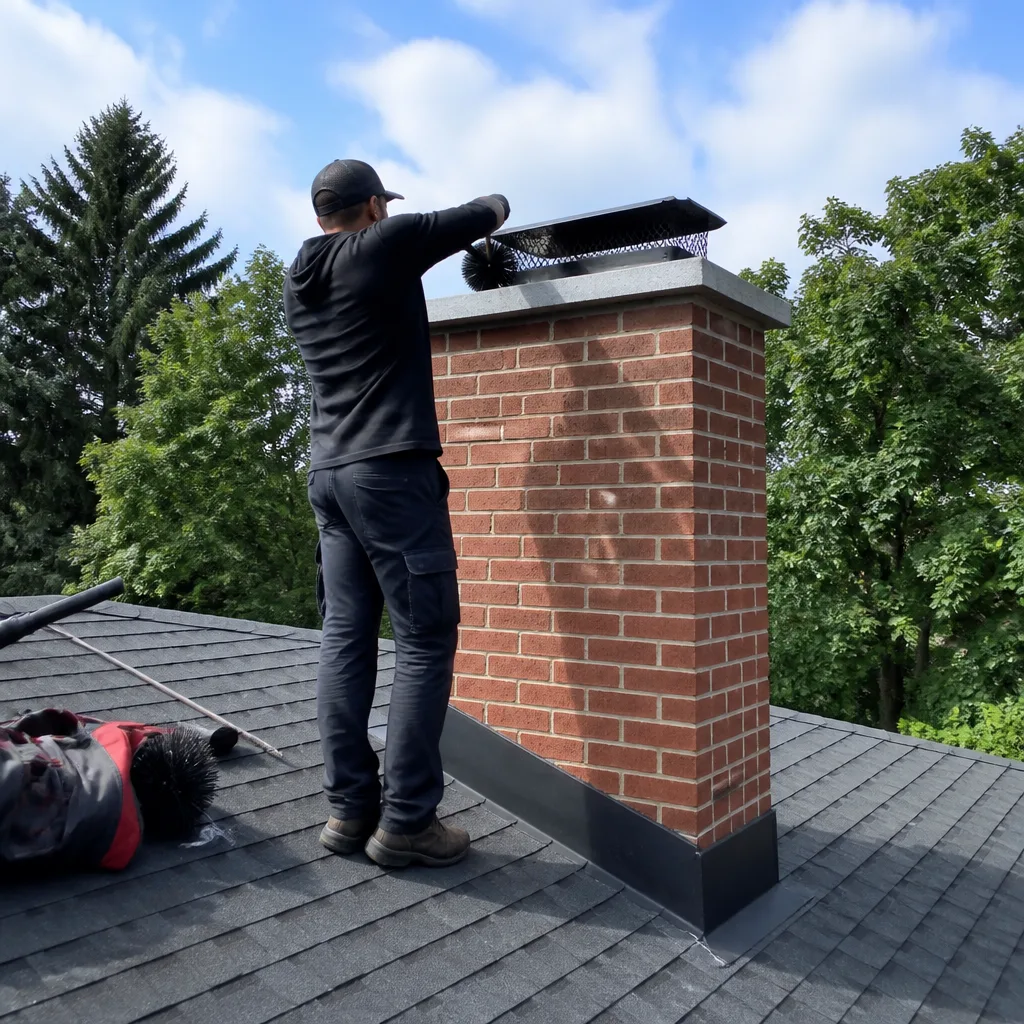 After
After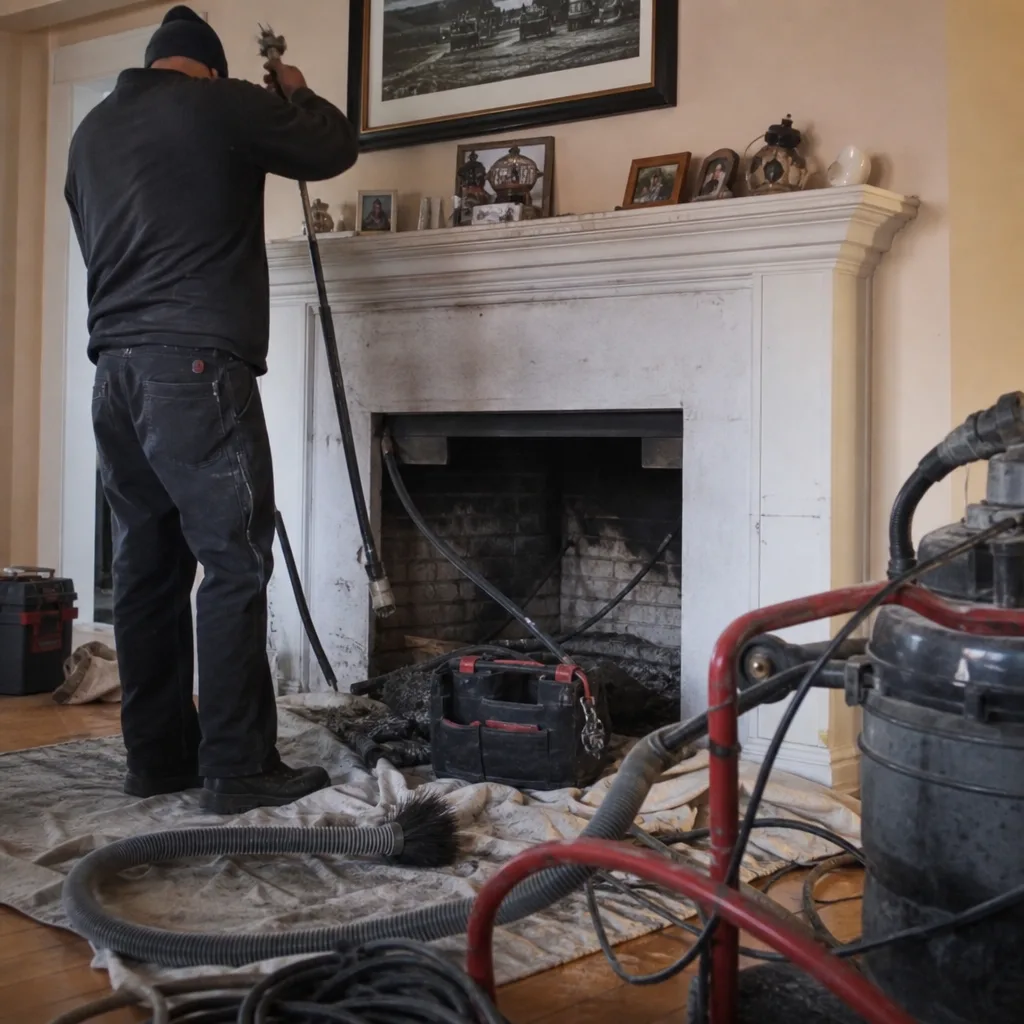 Before
 After
After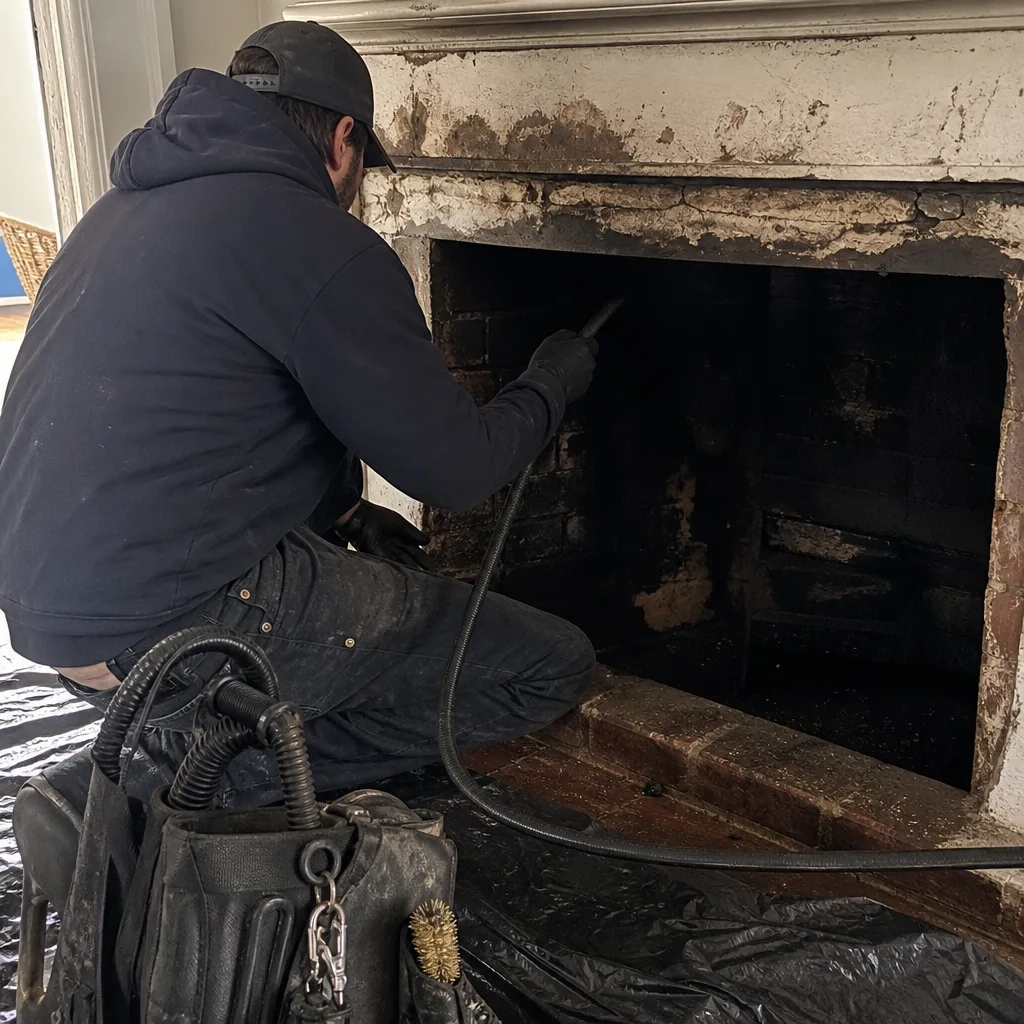 Before
 After
AfterFast, Reliable Fireplace Services Across Manhattan
A fireplace service call in Manhattan usually starts with a specific problem: a damper that won’t seal, a firebox showing cracked mortar, or a draft that pushes smoke back into the living room on windy nights off the Hudson. Most calls we handle in Manhattan are completed in a single visit, with a written price before any work starts and a documented photo record when it’s done. That’s the standard we’ve operated under since 2009, and it applies to every brownstone in Harlem, every co-op on the Upper East Side, and every loft conversion in Tribeca. Call (551) 213-5548 and you’ll speak to a live person who can schedule your visit.
What happens when you call
- 1
A real person answersNo phone trees - you reach a local pro.
- 2
You get an upfront price rangeHonest numbers before anyone is dispatched.
- 3
A background-checked tech heads outLicensed & insured, dispatched right away.
- 4
You approve before work beginsNothing starts until you say go.
Why Level Two Chimney New York Is Manhattan’s Preferred Fireplace Services Company
Manhattan is not an easy place to run a fireplace service. Most of the chimneys we work on are 80 to 130 years old, originally built for coal, and retrofitted through the decades for wood or gas. Many are shared flues serving stacked fireplaces across multiple floors, which means every job involves a co-op board, a building super, or a management company, and often all three. Our technicians arrive on schedule, in uniform, with a named tech assigned and a text before we’re on the way. That’s what our Manhattan customers tell us they value most: not a vague promise, but a written scope and a camera record they can keep.
Corrine Halstead, our owner, set the standard on this back in 2009, when Level Two made camera-scan documentation the default on every inspection, years before regulators or insurers asked for it. That practice became Clause 4 of the Haven Standard. Every job we complete in Manhattan carries the 365-Day Done Right Promise: if it’s not done right, we make it right. Bring us a competitor’s written estimate and we’ll give you a Free Second Opinion on it.
Our Fireplace Services in Manhattan
Gas Fireplace Service
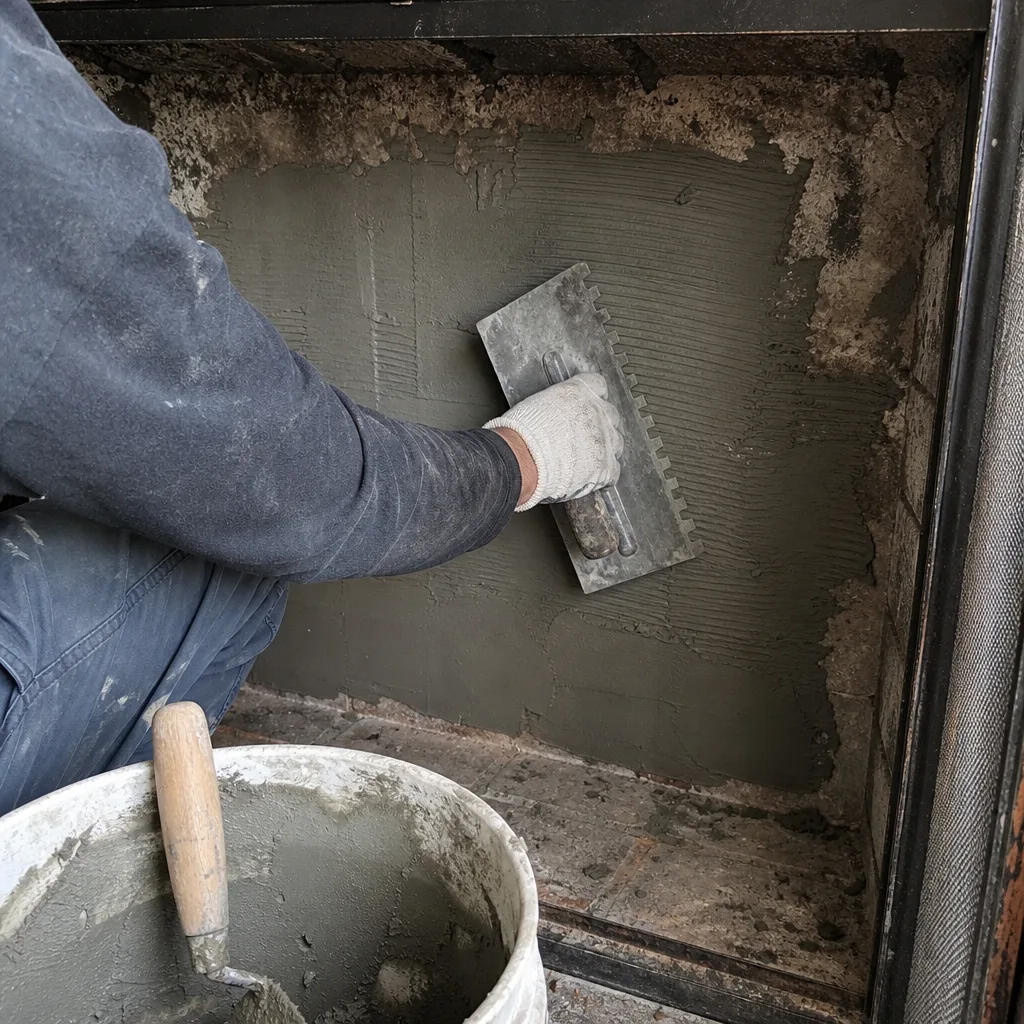
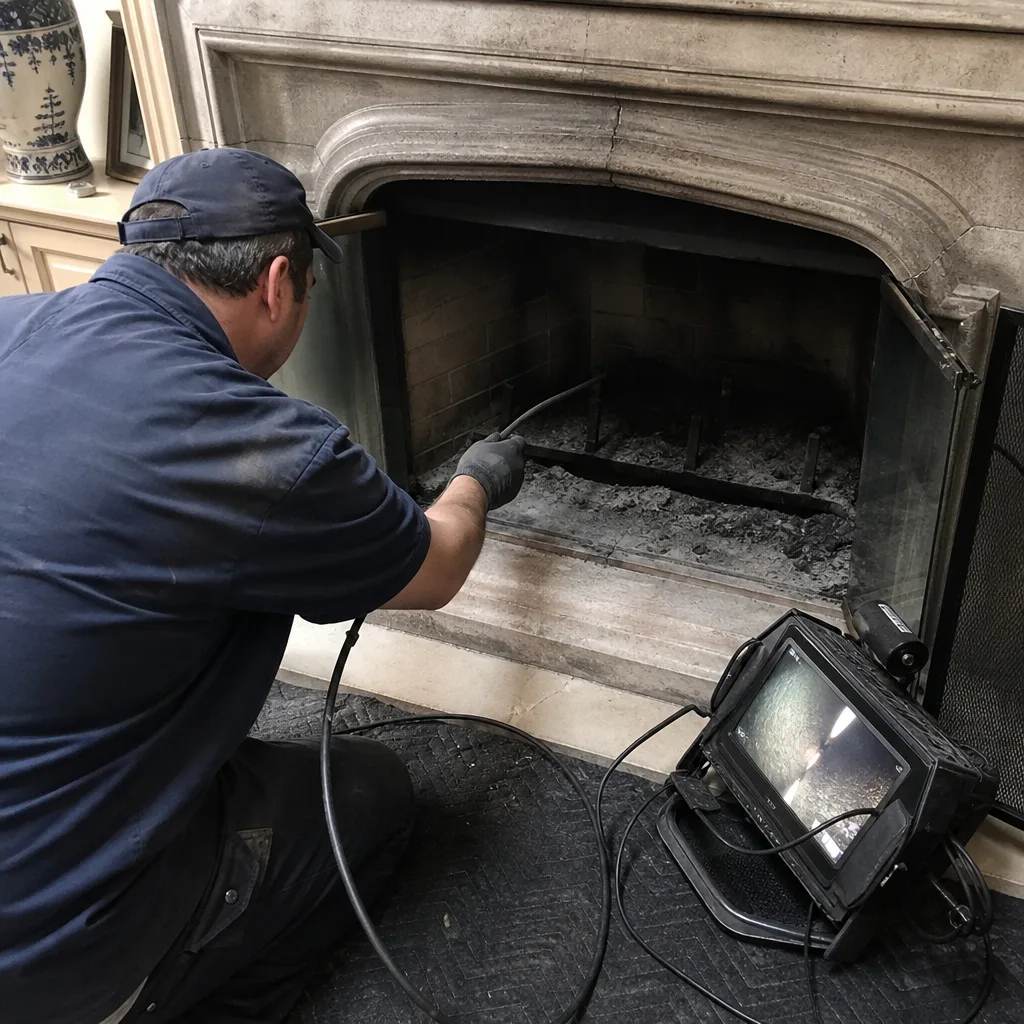
Many Manhattan apartments converted from wood to gas decades ago, and a surprising number of those conversions were never properly re-lined. Gas fireplaces in pre-war buildings along Central Park West and Park Avenue often vent into old terra cotta flues that were designed for coal smoke, not the acidic condensate gas produces. We service gas log sets, valves, pilots, and thermocouples, and we always check the flue liner with a camera. If the liner is compromised, we’ll show you the photos before we recommend anything.
Wood Burning Fireplace
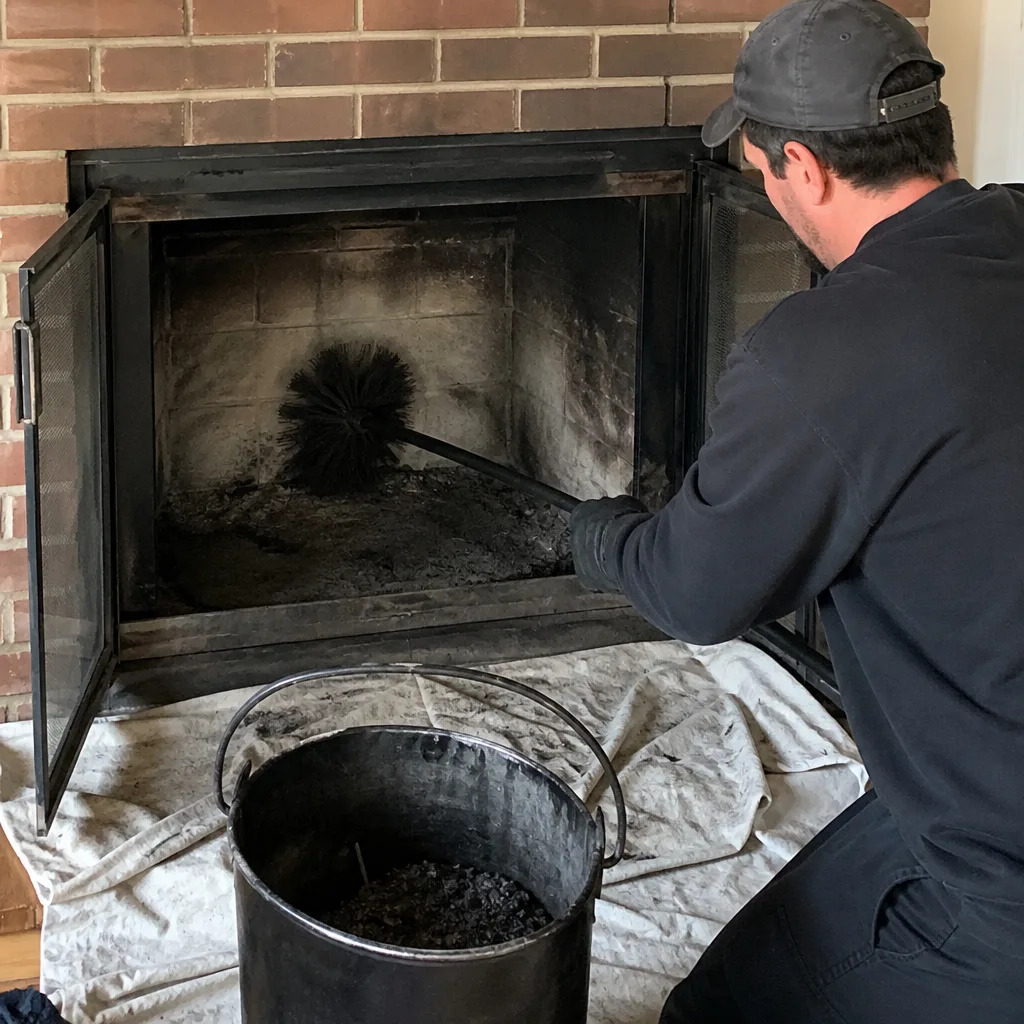
Wood-burning fireplaces in Manhattan are rarer than they used to be, but they’re still common in brownstones from the West Village to Harlem. The biggest issue we see is creosote buildup, particularly Class III creosote, which is the hardened, tar-like form that can’t be brushed out and constitutes a serious chimney fire risk. Salt air from the rivers accelerates the deterioration of the flue tile behind that creosote. We clean, inspect, and document everything, and we’ll tell you plainly whether your fireplace is safe to burn or whether it needs repairs first.
Fireplace Insert
A fireplace insert is the most efficient way to make a drafty Manhattan firebox actually heat a room. We install and service inserts rated for urban installations, with stainless steel liners sourced from Olympia Chimney and HeatShield. In many Manhattan buildings, especially in landmarked districts, the insert has to be sized and installed to work within an existing flue that may be shared with another unit. We handle that coordination, including the paperwork when LPC or DOB filings are involved.
Damper Repair
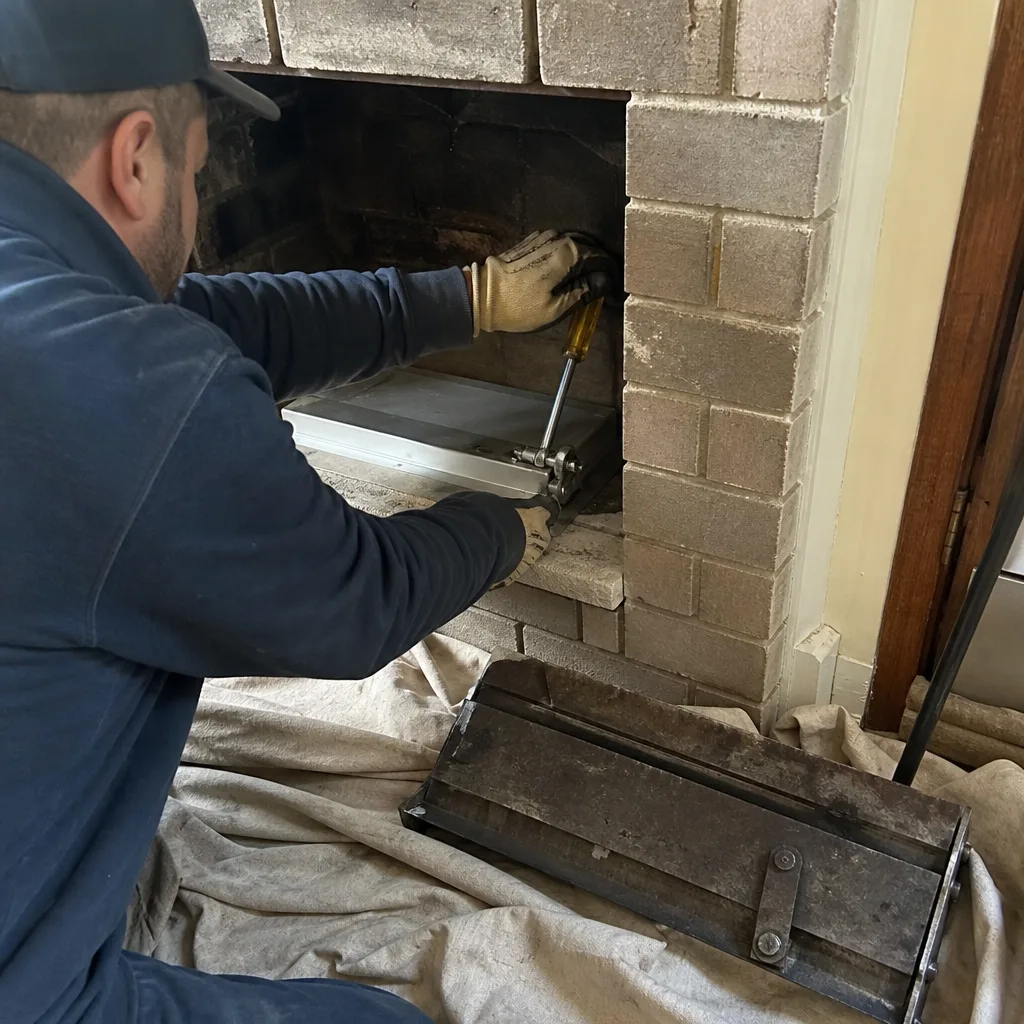
A damper that won’t close properly lets heated air escape up the flue all winter, and a damper that won’t open properly makes a fireplace unusable. In Manhattan, dampers also fail from salt-air corrosion, especially in buildings close to the East River or Hudson River. We replace rusted dampers with stainless or cast iron units and, where the original damper throat is cracked or the frame has pulled away from the masonry, we repair the firebox opening before installing the new damper. This is one of the most common repairs we make in Manhattan, and it’s almost always a same-visit fix with a written price first.
 BeforeAfter
Trusted Brands We Service in Manhattan
We work on fireplaces and chimneys regardless of brand, but we stock and install components from DuraFlex, HeatShield, Gelco, and Olympia Chimney because they hold up to coastal exposure better than galvanized alternatives. If your fireplace has a specific manufacturer’s insert or gas log set, we can source the exact replacement parts. We procure materials through Haven’s buying network specifically to keep customer prices honest, which matters in a market where fireplace work often gets marked up because the building is a co-op and the client is “rich.” We don’t price that way.
Common Fireplace Services Problems We See in Manhattan Homes
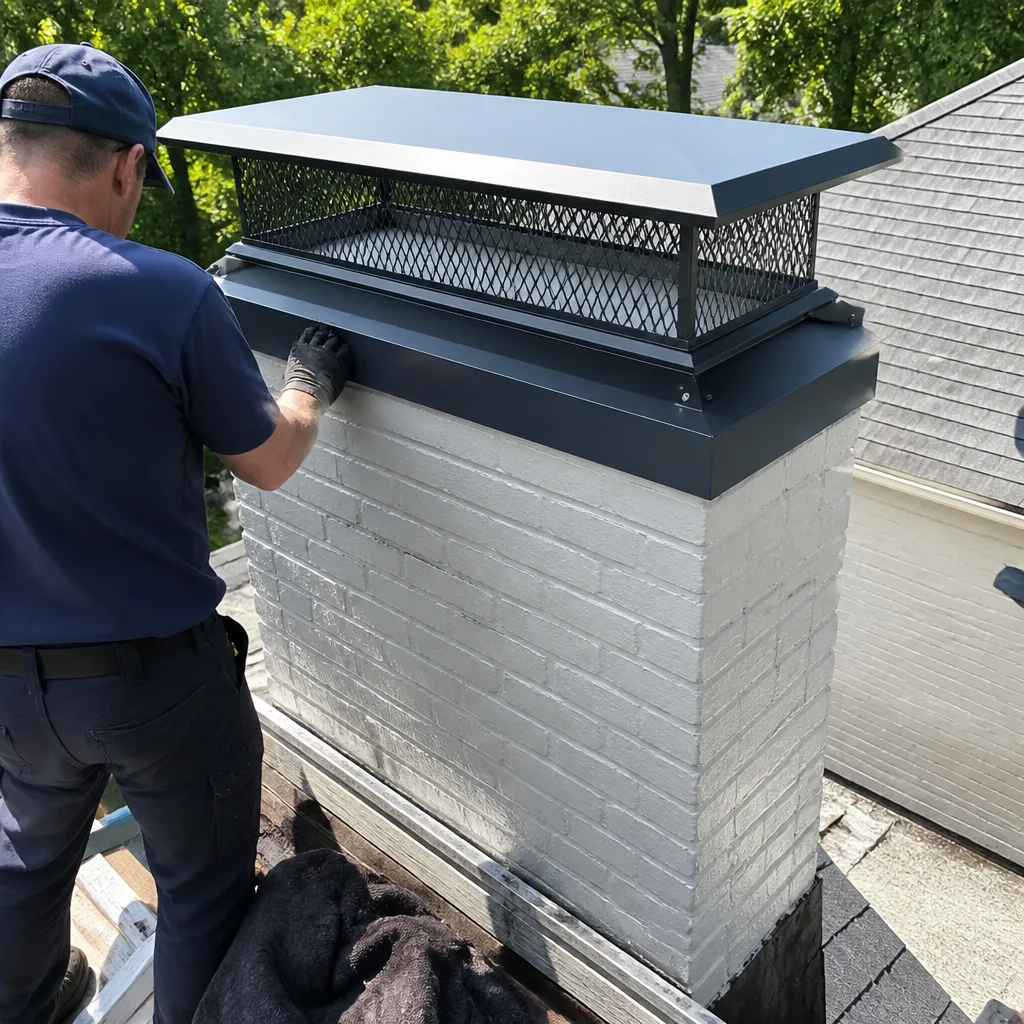
- Corroded chimney caps from salt air: Manhattan’s position between the Hudson, East River, and New York Harbor means galvanized steel chimney caps can rust through in as little as five years. Once the cap fails, the flue is open to rain, pigeons, and debris. Stainless steel or copper caps are the only durable options on the island.
- Spalling firebox bricks from freeze-thaw cycling: Century-old fireboxes in pre-war buildings absorb moisture, and Manhattan winters push that moisture through freeze-thaw cycles that cause mortar to powder and brick faces to flake off. This weakens the firebox’s structural shell and can compromise the draft.
- Flashing pulled away at the roofline: Original copper or tin flashing on pre-war chimneys works loose under coastal winds. When it does, water tracks down the chimney chase and rots the framing around the fireplace inside. We find this on rowhouses and brownstones from Chelsea to Morningside Heights.
- Shared flues with multiple fireplaces stacked: In buildings where a single flue serves fireplaces on several floors, a blockage or liner failure on one level affects every unit above and below. Coordinating repairs across a co-op or condo board takes patience and paperwork, and we’re used to both in Manhattan.
Pricing for Fireplace Services in Manhattan, NY
A standard fireplace inspection and cleaning in Manhattan typically runs $249 to $449, depending on flue height and access. Damper repair usually falls between $175 and $525, firebox repair from $450 to $1,800 depending on how many bricks need repointing or replacement, and a chimney cap replacement with a stainless steel cap runs $650 to $1,250 installed. Gas fireplace service, including pilot and thermocouple work, averages $180 to $340. These are the real numbers for this market. The price changes based on roof access, building height, and whether LPC or DOB filings apply, but you’ll always get a written price before any work starts. Call (551) 213-5548 for an exact quote; estimates are free and they’re written, not verbal.
A Word on Salt Air and Landmarks in Manhattan
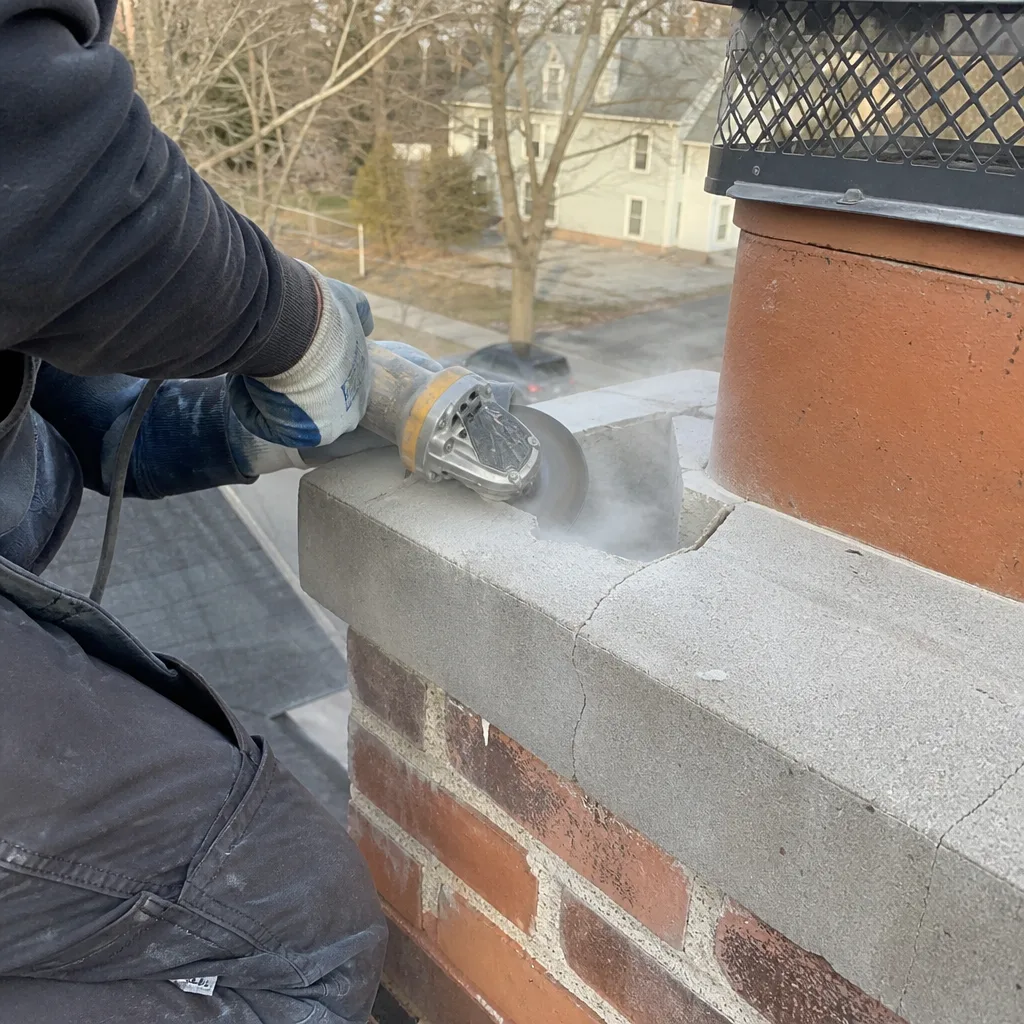
There’s a specific reality to fireplace work in Manhattan that you won’t find in the other four boroughs, not at this scale. In designated historic districts, which include Greenwich Village, the Upper West Side Historic District, and Carnegie Hill, any exterior repair visible from the street, including chimney cap replacement or tuckpointing around the firebox structure, can require Landmarks Preservation Commission approval before work begins. That process adds weeks to a job, requires drawings and photos, and can shape which materials you’re allowed to use. Copper caps, for example, are often preferred over stainless in landmarked districts because of how they weather. This permitting layer is completely foreign to chimney work outside the five boroughs, and it’s one reason you don’t want a suburban sweep crew crossing the bridge for a Manhattan job.
Our crew was called to a four-story brownstone on West 88th Street in the Upper West Side Historic District, where a corroded galvanized chimney cap had rusted through and was letting salt-laden rain into a shared flue serving two fireplaces. We coordinated with the co-op board and filed an LPC application for a stainless steel cap replacement, then installed a copper-clad cap rated for coastal exposure and reset the flashing. The building’s fireplaces never went dark. That’s the kind of coordination we handle routinely in Manhattan, and it’s exactly the kind of thing a generic sweep company won’t know to do until they’re already standing on the roof.
We Also Serve Cities Near Manhattan
Level Two Chimney New York serves all of Manhattan, from Inwood to the Financial District, and we regularly work in Manhattan proper as well as nearby New York, Long Island City, Maspeth, and Astoria. If you’re in one of those neighboring areas, you’ll get the same written-price, camera-documented standard. Our full Fireplace Services hub covers everything we do across the region.
Serving Manhattan, NY - Our Local Coverage Area
We’re based in the Manhattan area and know this community well. Use the map below to see our service coverage - if you’re nearby, we can almost certainly help.
FAQs - Fireplace Services in Manhattan
Yes, if your building sits within a designated historic district and the cap is visible from the street, you’ll need LPC approval before replacing it. In the Upper West Side Historic District, Greenwich Village, and Carnegie Hill, LPC rules govern exterior alterations including chimney caps, flashing, and tuckpointing. The LPC application takes roughly 2 to 4 weeks once filed, and you’ll need photos and a material specification. Level Two handles the filing for you, and we use cap materials approved for landmarked buildings. Call (551) 213-5548 and we’ll tell you whether your building actually requires LPC review before we schedule anything.
The most common cause in Manhattan is a partially collapsed or deteriorated flue liner inside a shared chimney stack, which creates turbulence and restricts the draft. In pre-war buildings that were converted from coal to gas or oil, the original terra cotta liner tiles are often cracked or misaligned, and cleaning alone won’t fix that. Another cause we see regularly is an undersized flue relative to the fireplace opening, which was common in tenement-era construction. A camera inspection down the flue shows exactly what’s going on, and you’ll get the photos. Call (551) 213-5548 for a camera-scan inspection and written findings.
Once a year is the safe interval for any wood-burning fireplace, and in Manhattan’s coastal environment we recommend an annual inspection every fall before the heating season, even for gas fireplaces. Salt air accelerates cap and flashing corrosion, and a firebox that was fine last year can show spalling after a single hard winter. If your fireplace vents through a shared flue, the standard matters more, because issues in one unit’s portion of the flue affect everyone on the stack. Call (551) 213-5548 to schedule an inspection, which includes a full camera record under Haven Standard Clause 4.
It’s possible, but it’s a coordination job, not a simple fireplace swap. Shared flues in Manhattan brownstones were often built as a single vertical chase serving multiple fireboxes stacked floor-by-floor. Converting those fireplaces requires assessing the flue’s cross-sectional area, its condition via camera scan, and whether the liner can support two appliances safely. Many times the right answer is a dual-rated stainless liner system sized for both units. You’ll also want to check your building’s co-op rules and any LPC constraints. Call (551) 213-5548 and we’ll walk you through the actual options with a written scope and price before you commit to anything.
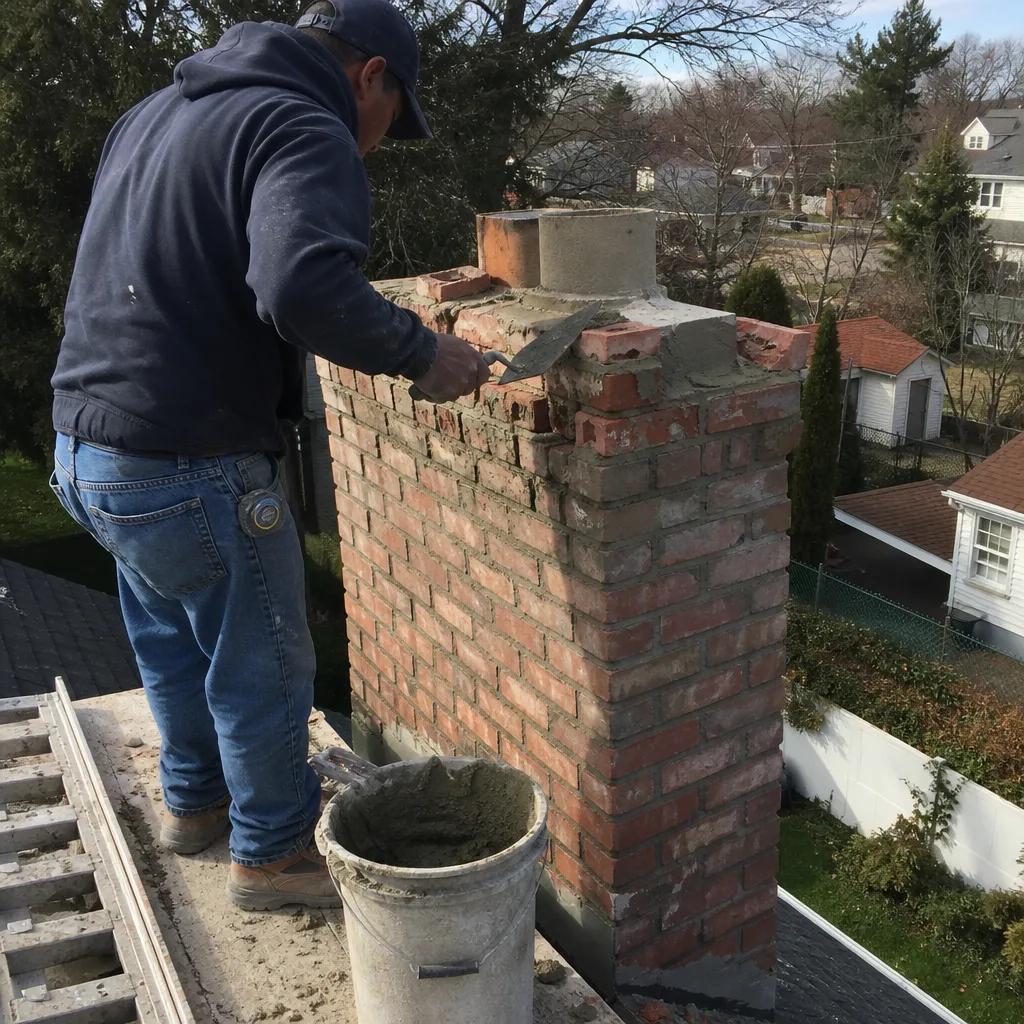
Both things are true, but Manhattan’s coastal location accelerates the damage. The salt air from the Hudson and East River carries chlorides that penetrate porous brick, and each winter’s freeze-thaw cycle pushes the moisture to expand and contract inside the masonry. Over decades this causes the brick faces to flake off, called spalling, and the mortar joints to powder. A firebox in that condition is not safe to burn and should be repaired before use. Repointing and selective brick replacement usually solves it, and we’ll document everything with photos before, during, and after. Call (551) 213-5548 for a written repair estimate.
If your fireplace in Manhattan needs service, whether it’s a rusted damper on the Upper West Side, a spalling firebox in Harlem, or an LPC cap replacement in the Village, we can get it done. Call (551) 213-5548 for a free, written estimate from Level Two Chimney New York.
Written by Corrine Halstead, Owner at Level Two Chimney New York, serving Manhattan since 2009.
Fireplace Services in Nearby Areas