
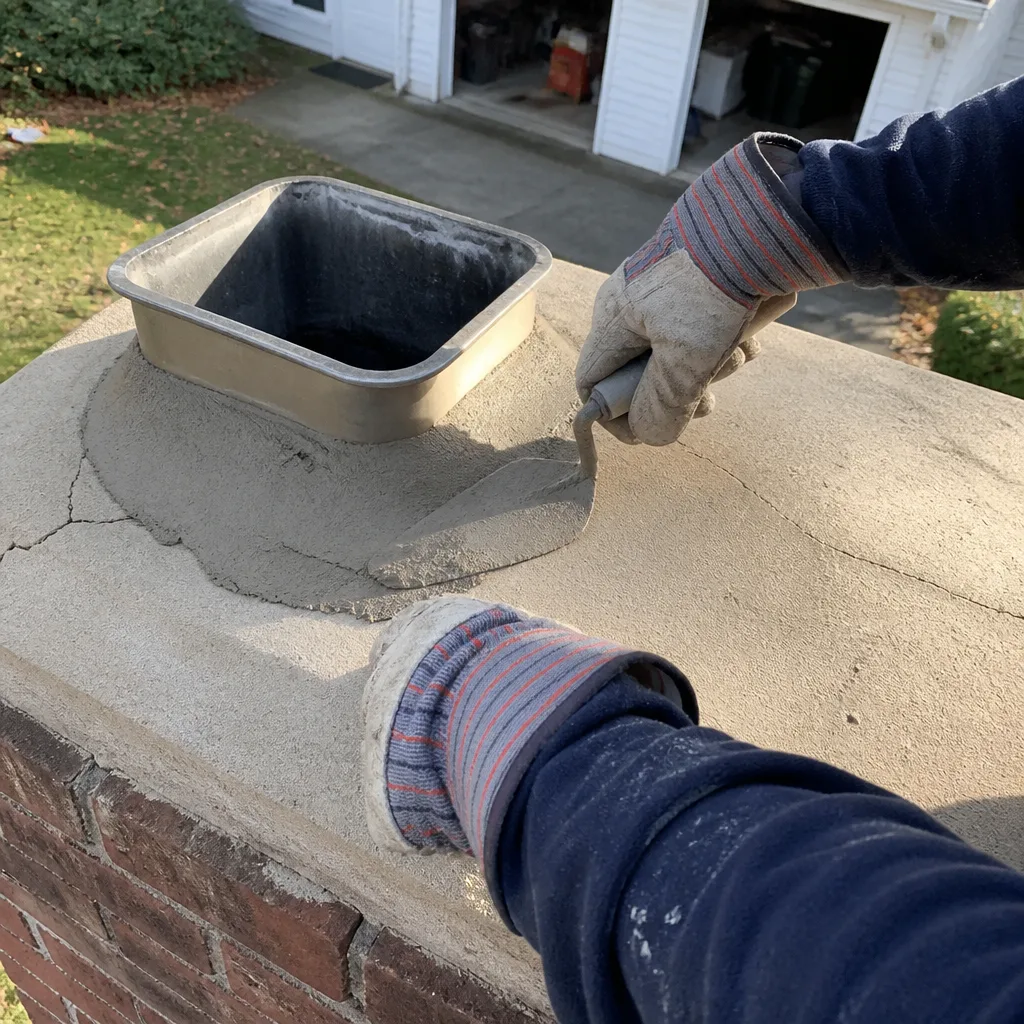
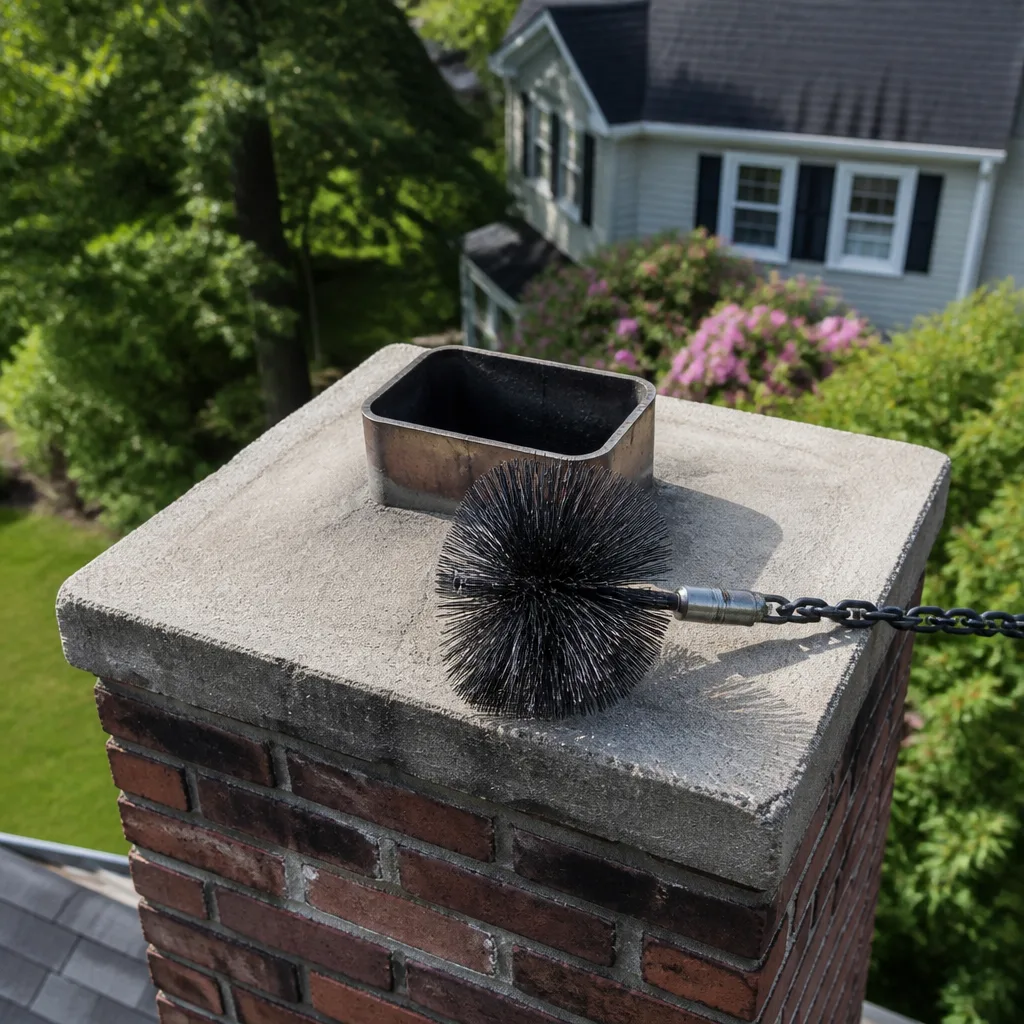
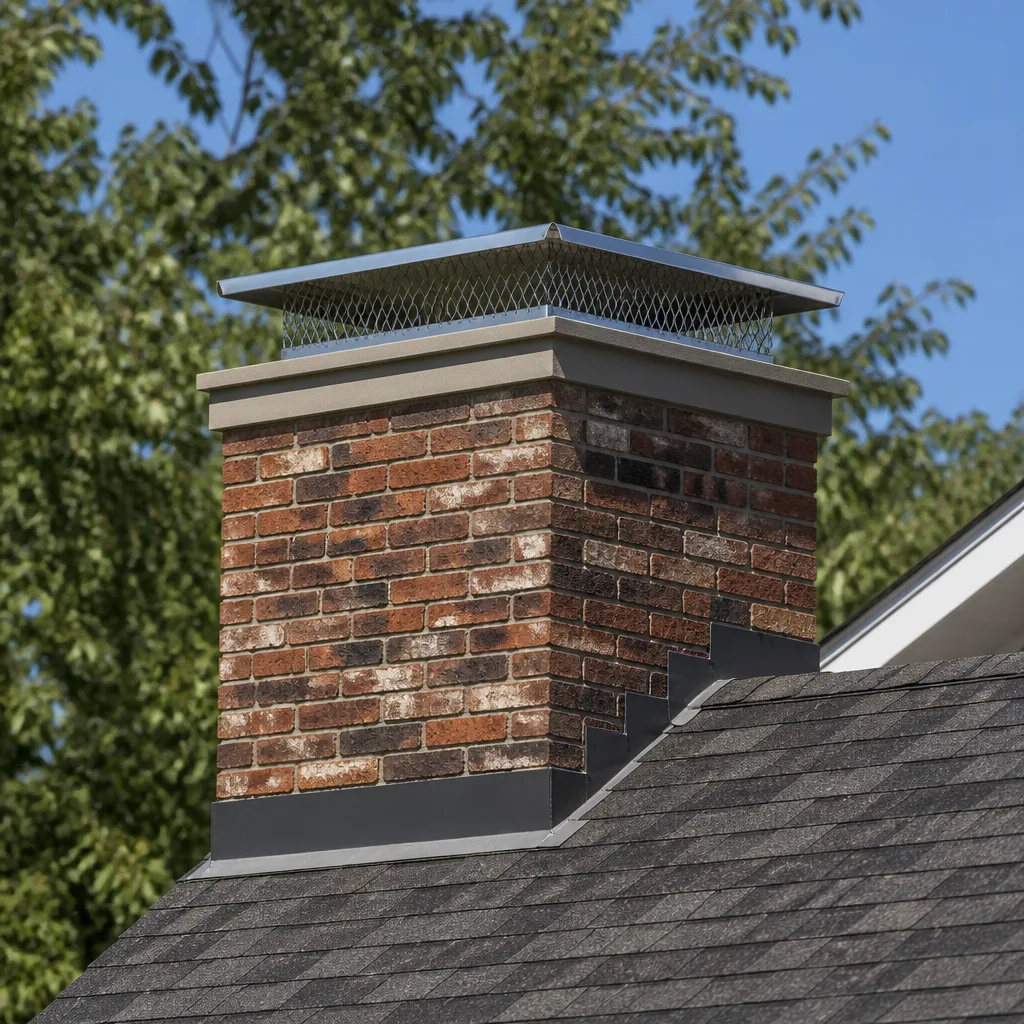
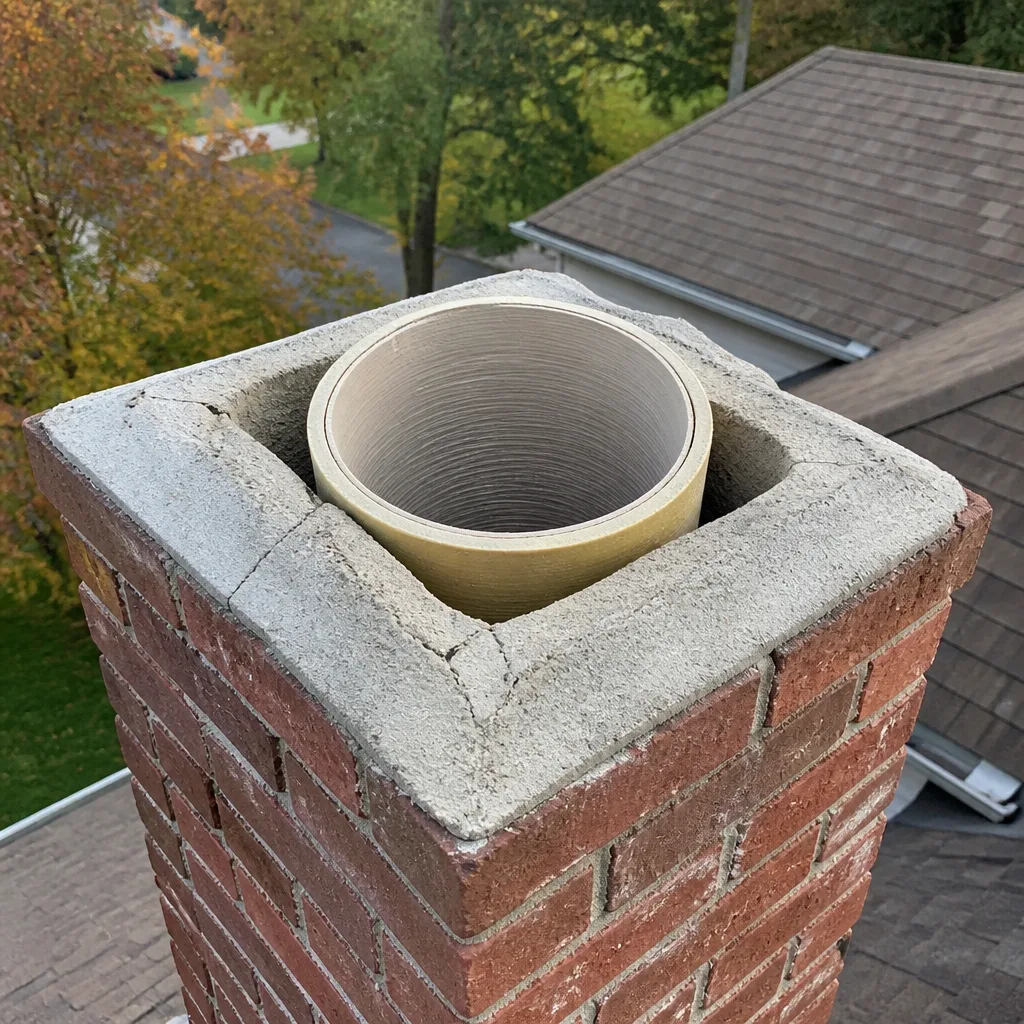
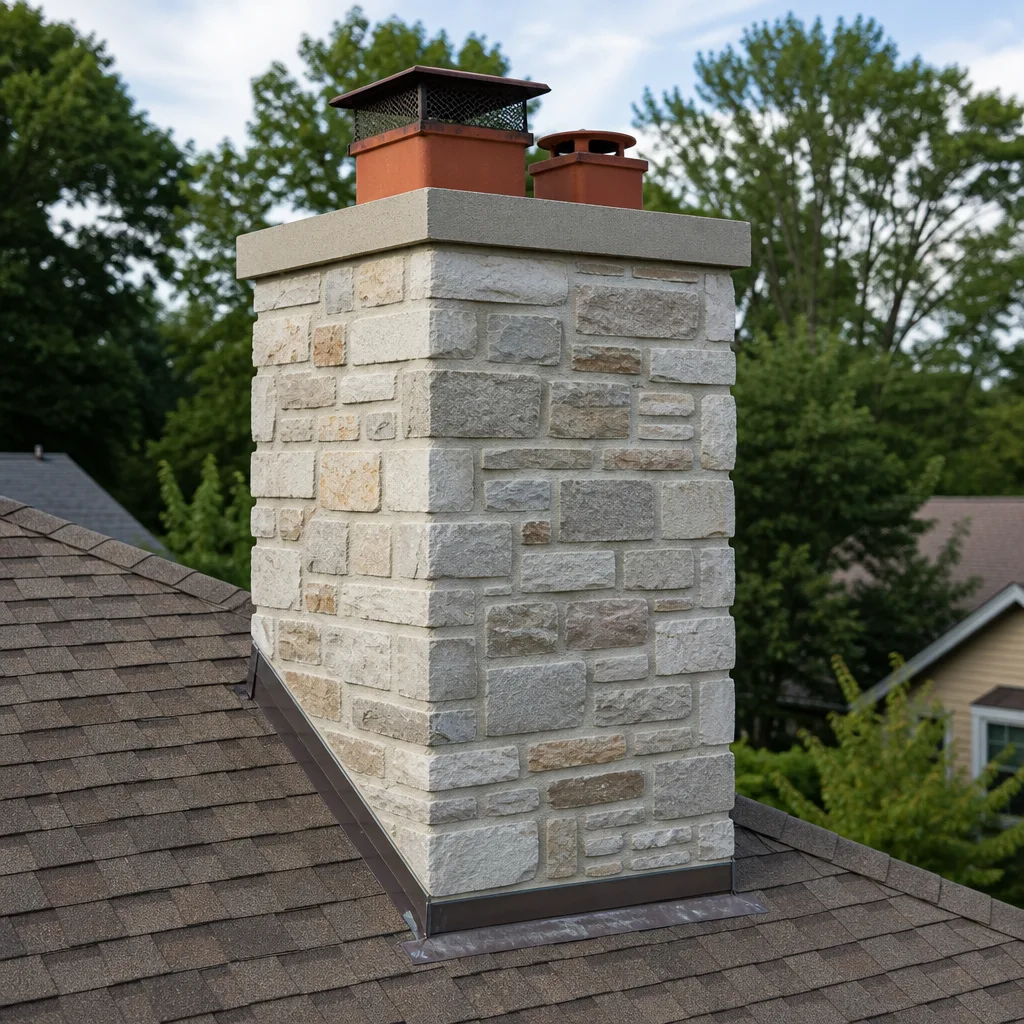
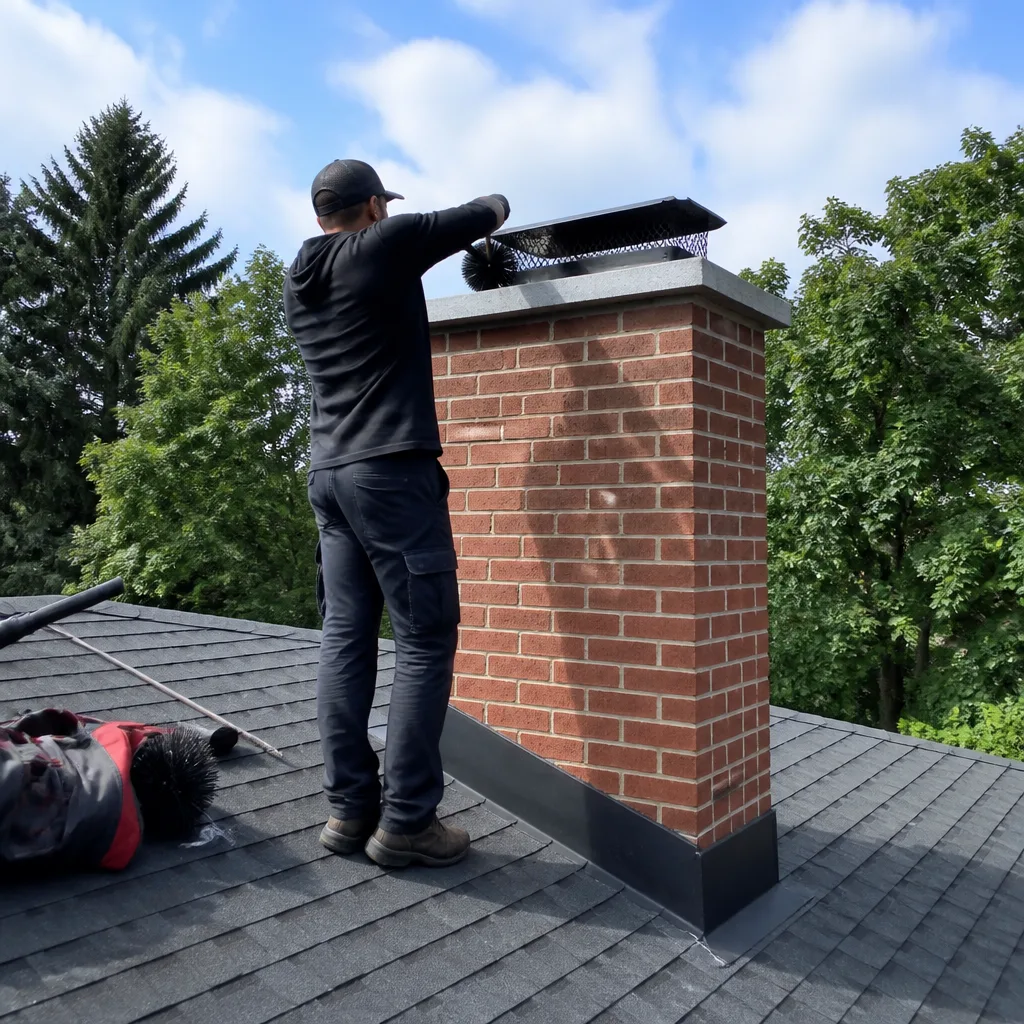
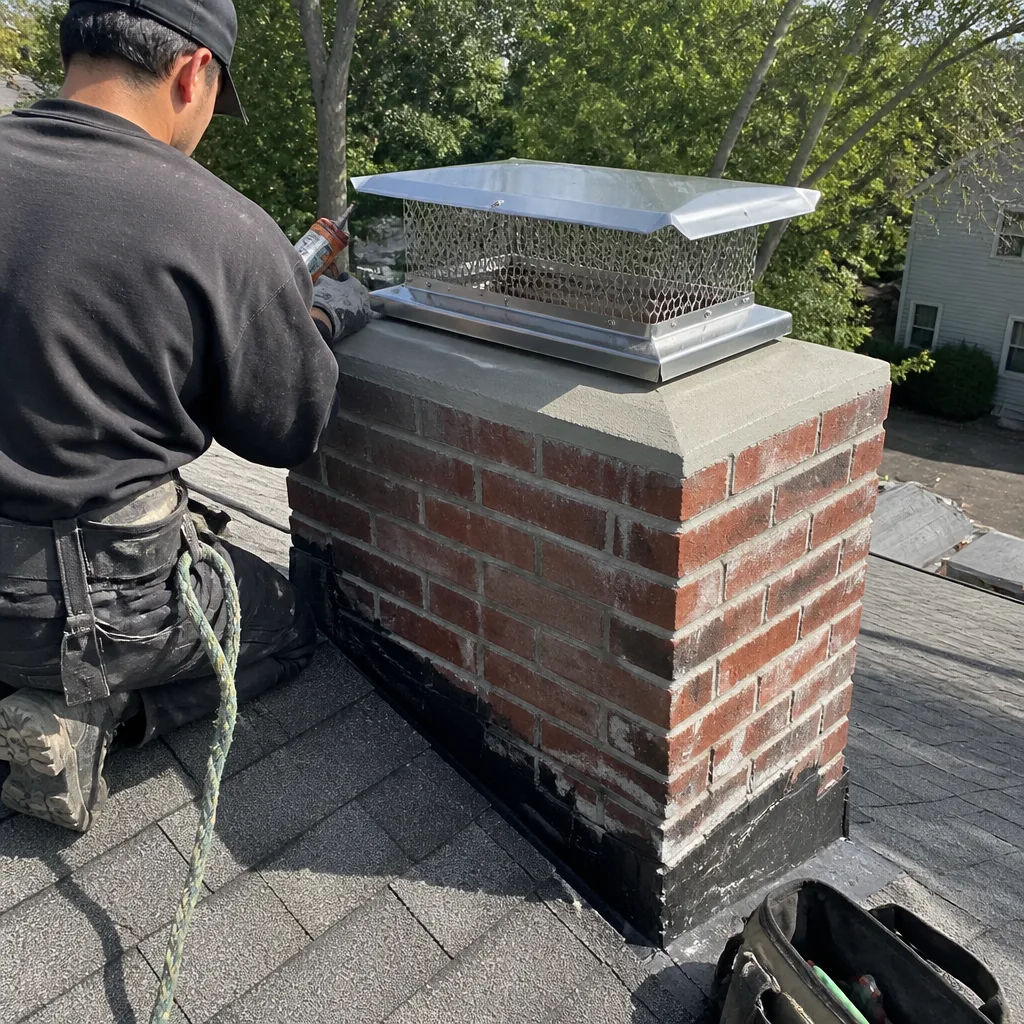
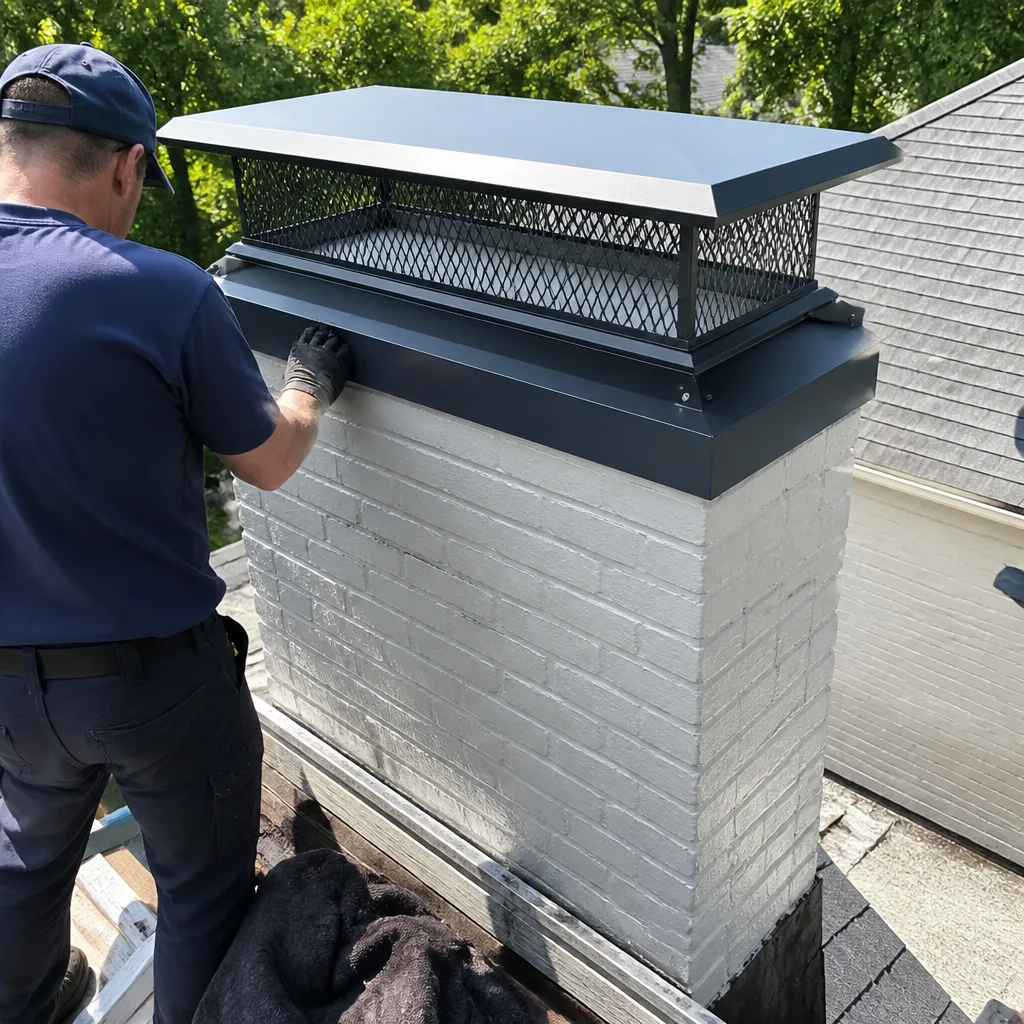
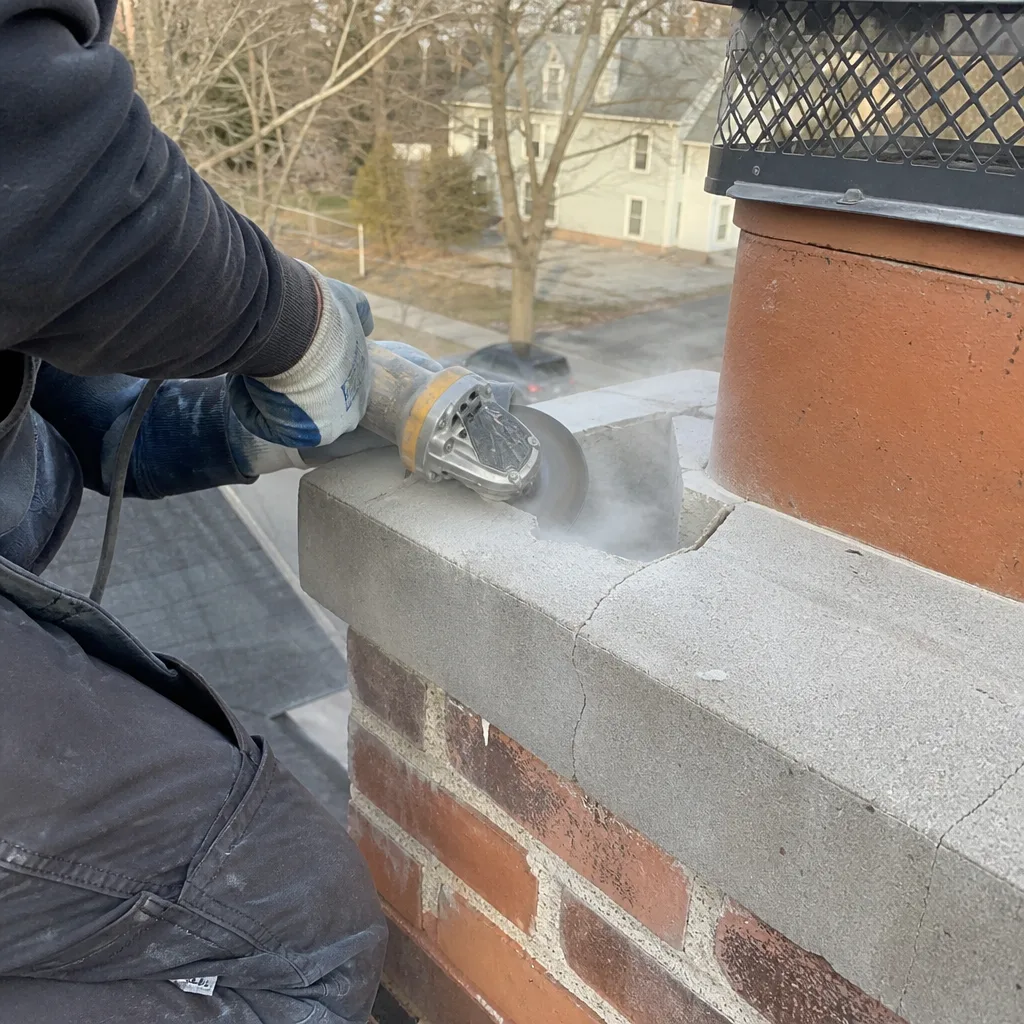
Level 1 sweep and inspection to the NFPA 211 annual standard - flue, crown, cap, and flashing checked and photographed
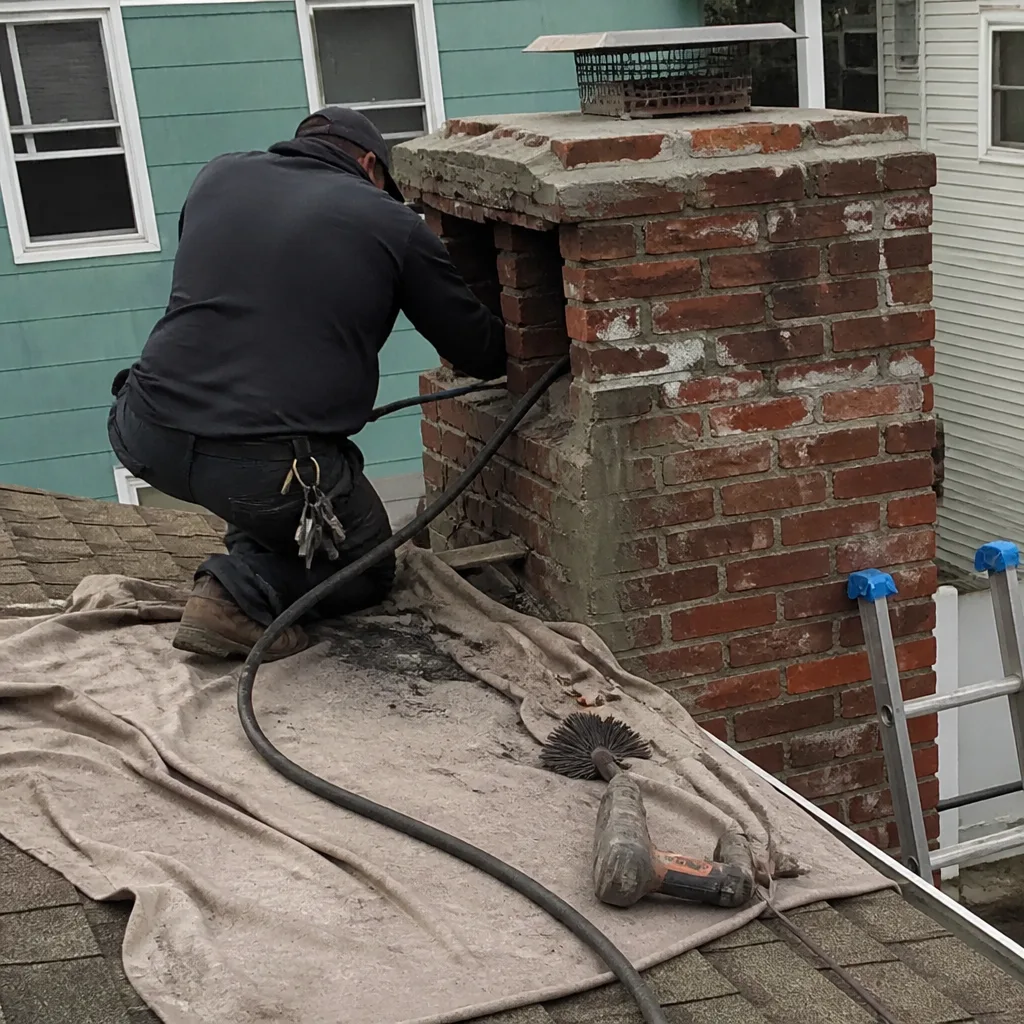
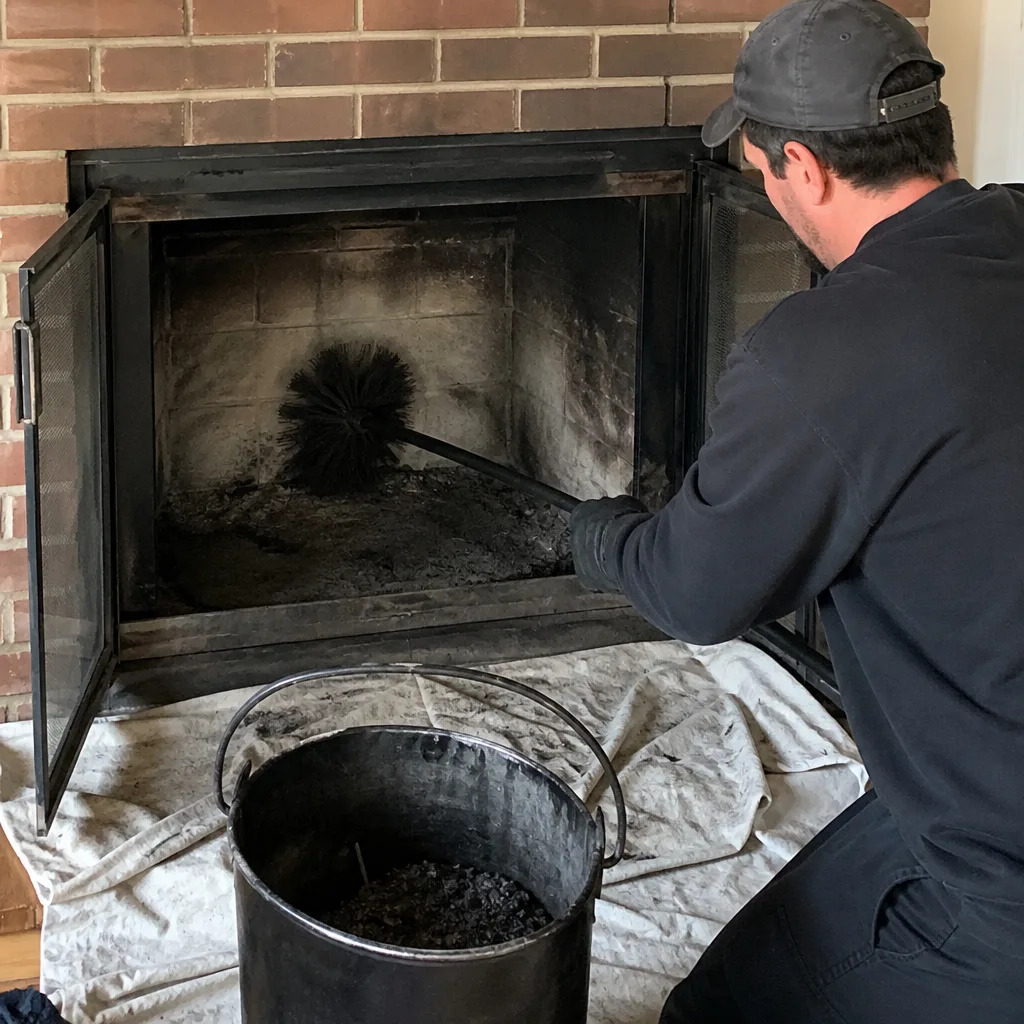
Chimney sweep logs do not sweep chimneys. They loosen some creosote - which then falls where a brush and vacuum still have to collect it.
 Before
 After
After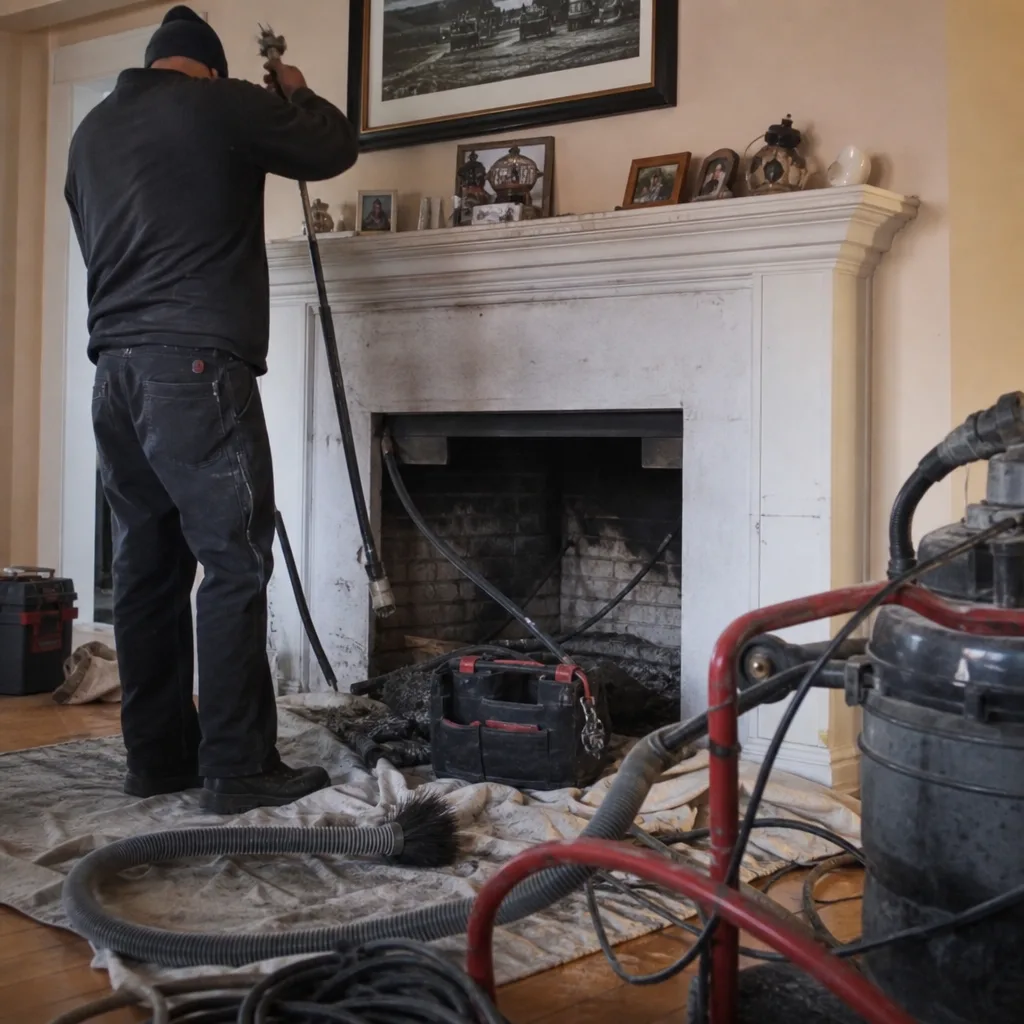 Before
 After
After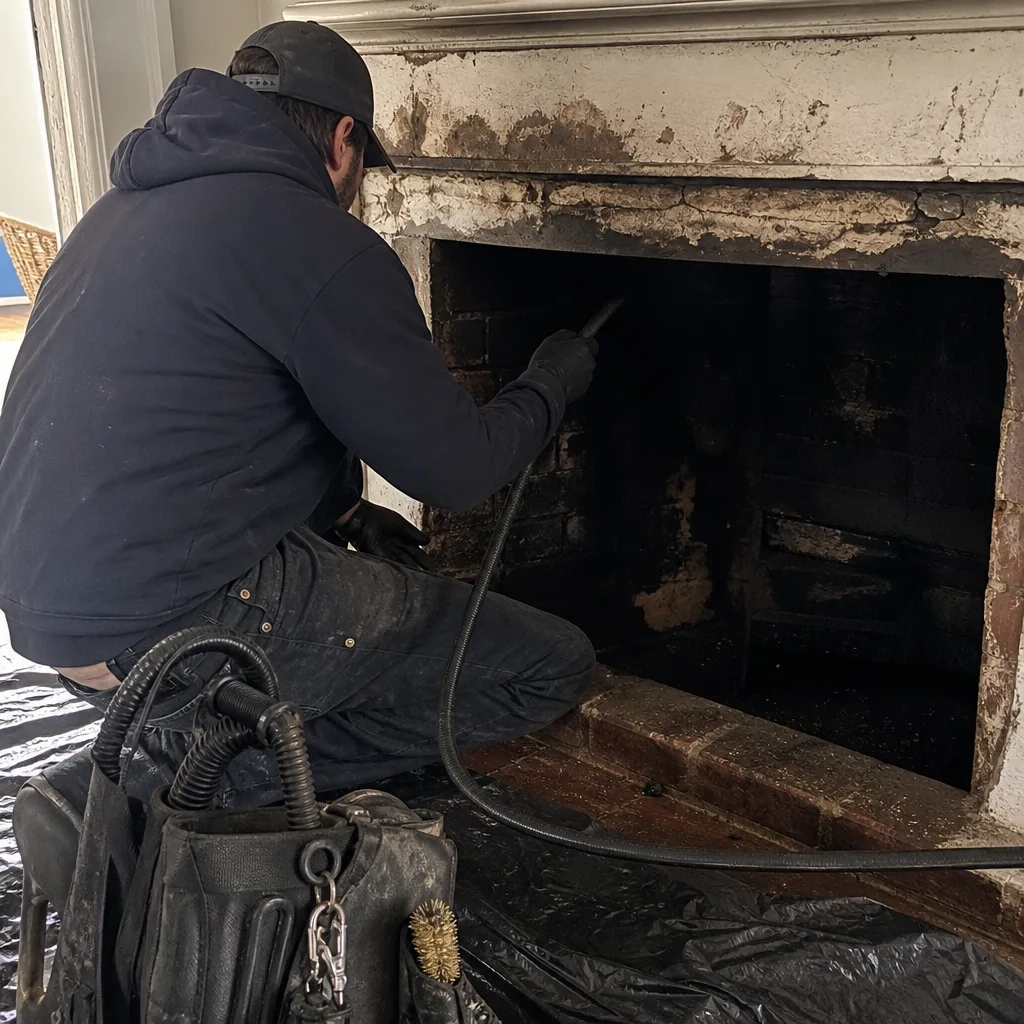 Before
 After
AfterHeatShield Chimney Cleaning in New York, NY | Level Two Chimney New York
We provide independent HeatShield chimney cleaning and cerfractory service across all five boroughs of New York through our Chimney Cleaning & Sweep in New York. The one thing that makes our HeatShield work different here is the pre-treatment step: NYC Administrative Code §27-876 and the Clean Heat oil-to-gas conversions left thousands of pre-war flues coated in petroleum soot that has to be mechanically removed before HeatShield can bond. Call (551) 213-5548 for a written quote before any work starts.
Level Two Chimney New York has worked on HeatShield cerfractory foam applications in some of the city’s oldest and most complex masonry systems, from oil-to-gas converted brownstones in Brooklyn to Local Law 11-triggered co-op remediations in Manhattan. We understand how HeatShield performs when installed over heavily sooted flues that were never designed for natural-gas venting. That’s the difference between a crew that has actually done this work in New York and one that read the product brochure. If you’re in the city and need HeatShield expertise, call (551) 213-5548.
Why New York Residents Choose Us for HeatShield Service
Our owner, Corrine Halstead, grew up in the Bronx and has spent the better part of two decades cleaning and inspecting chimneys across New York City, including a stretch of older brownstones near Prospect Park in Brooklyn that kept her camera busy for years. She learned the technical side of the trade through the building trades and construction technology program at Bronx Community College, which gave her a foundation she still leans on when reading a flue liner or writing up a Chimney Repair in New York estimate. We bring that same plain-spoken precision to every HeatShield job in New York.
We are an independent HeatShield service provider, not manufacturer-authorized or affiliated. That independence matters because it means we recommend the repair your flue actually needs, not the product line we’re obligated to push. Our techs use genuine HeatShield cerfractory materials and application equipment, because aftermarket foams don’t meet the same expansion and insulation specs. Every job comes with a written price, written scope, and written warranty before anyone starts. That’s Clause 1 of the Haven Standard, and we’ve operated under it since 2009.
38,000+ chimneys inspected and cleaned since 2009, every one with a written price before work began and a documented photo record when it was done. That’s not a marketing line. It’s the operating practice that became Clause 4 of the Haven Standard.
Common HeatShield Chimney Cleaning Problems We Solve in New York
- Petroleum-soot delamination on oil-to-gas converted flues. HeatShield cerfractory foam applied over flues that still contain residue from decades of #4 or #6 oil burning can fail to bond, leading to delamination and flaking within the first heating season. We mechanical-remove the soot first, then apply. We see this constantly in pre-war buildings that went through the Clean Heat conversion.
- Cracked HeatShield on shared wythes in multi-flue stacks. Pre-war New York tenements and brownstones often have four to six flues in one brick chimney stack, sharing internal walls. When adjacent flues expand and contract at different rates during freeze-thaw cycles, HeatShield applied without proper isolation cracks at the seams. Our crews re-treat these with the Joint Repair System.
- HeatShield failing at spalled terra-cotta mortar joints. Where another contractor applied HeatShield over deteriorated clay tile liners, the failure almost always shows up at the mortar joints first. The original terra-cotta has spalled and left gaps behind the cerfractory. In New York’s freeze-thaw climate, those gaps widen every winter. We grind out the failed material and apply HeatShield’s Joint Repair System properly.
- Incomplete coverage flagged by FDNY inspection. In co-op buildings where HeatShield was specified as a lower-cost alternative to stainless relining, repeated FDNY inspections have flagged incomplete coverage at the smoke chamber and flue offsets. These are the areas our crews most frequently re-treat in New York. If your building got a deficiency notice, call us before paying for another full reline.
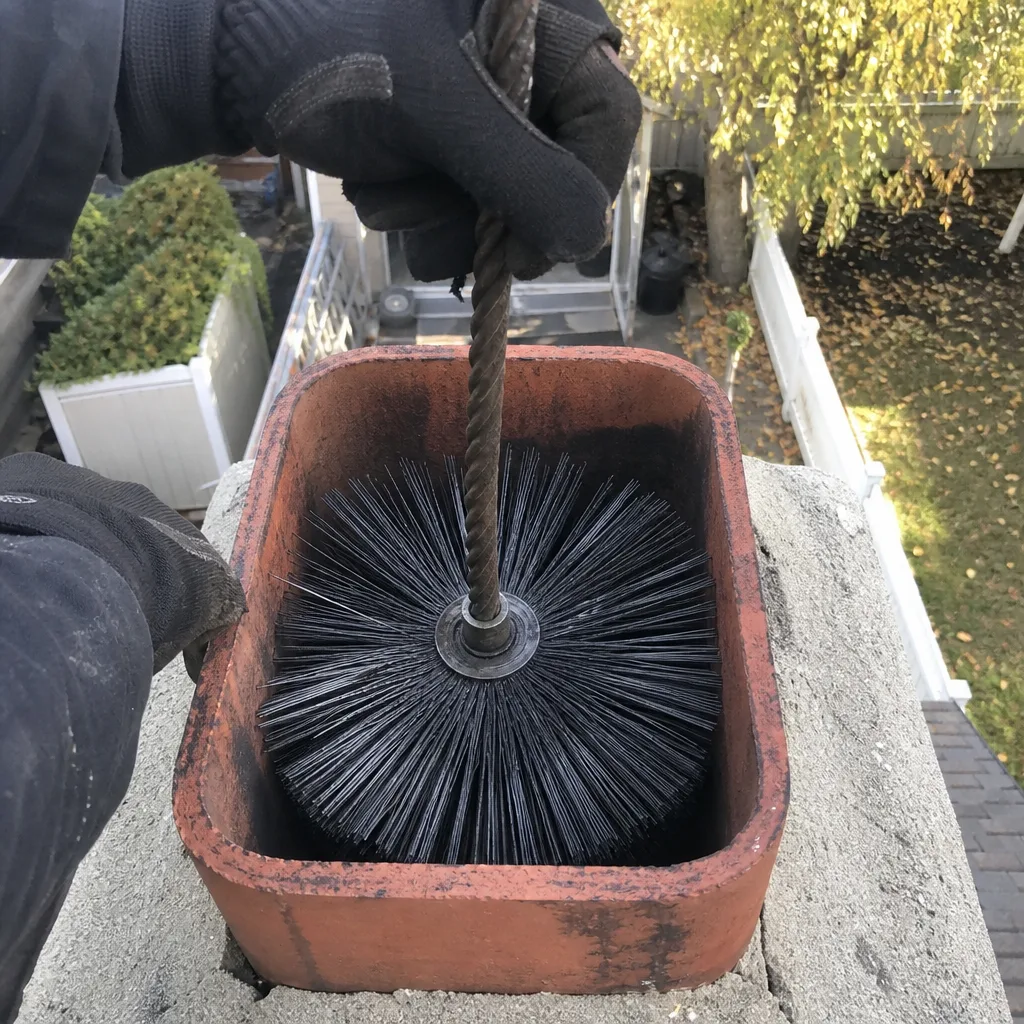
- Reactivated decorative fireplaces that haven’t been swept in decades. Gut-renovated brownstones in Brooklyn and upper Manhattan often bring fireplaces back into service for the first time in thirty or more years. The flues behind those fireplaces are typically packed with Class III creosote, which is the hardened, tarry kind that doesn’t brush out easily. We remove it mechanically before any HeatShield application is considered.
BeforeAfterHeatShield Service in New York: What Local Conditions Mean for Your Equipment
Here’s the checkable fact that changes everything about HeatShield work in New York compared to, say, Newark or Yonkers: NYC Administrative Code §27-876 requires all gas-fired appliances in multiple dwellings to be vented through a chimney or listed vent system. That’s been on the books for years, but what most people don’t realize is how it intersects with the Clean Heat program. Thousands of buildings converted from #4 and #6 heating oil to natural gas, and the flues that once carried heavy petroleum soot now have to vent gas appliances at lower temperatures with higher moisture content. Petroleum soot is acidic and hygroscopic. It absorbs moisture, holds it against the masonry, and creates a surface that cerfractory foam cannot bond to. Before a HeatShield application can even be considered in a post-conversion New York building, that soot lining has to be mechanically removed. It’s a mandatory pre-treatment step that out-of-state contractors without Clean Heat experience don’t know exists. We’ve been doing it in New York since the first wave of conversions, and it’s built into our pricing.
Our techs were called to a six-story co-op on West 110th Street in Manhattan after a Local Law 11 facade report flagged a deteriorated chimney cap. Inside, we found four flues serving gas-fired boilers, each with a quarter-inch of hardened oil soot from the pre-conversion era. We mechanically removed the soot, then applied HeatShield’s joint repair system along the terra-cotta seams that had opened from freeze-thaw cycling, restoring a continuous liner without a full rebuild. The camera doesn’t argue with you, and neither does the price sheet.
HeatShield Models & Products We Service in New York
We work across the full HeatShield product line: the Cerfractory Flue Sealant for sealing cracked and spalled liners, the Hybrid Liner System for combining cerfractory with a stainless steel base, the Joint Repair System for mortar-joint failures, and the Resurfacing System for restoring damaged flue walls without a full rebuild. Our parts stance is simple: we use genuine HeatShield cerfractory materials and application equipment. Aftermarket foams don’t meet the same expansion or insulation specs, and in a New York flue that’s already been through decades of abuse, that difference shows up as a failed repair within a season. For fast turnaround, we stock the most common HeatShield materials locally rather than relying on distributor shipping times. If your brownstone flue needs work before burning season, we’re usually on the roof within days, not weeks.
We favor repair and resurfacing with HeatShield when the underlying masonry is sound. But we’ll tell you plainly when it isn’t. If spalling or structural movement makes a foam-based repair a short-term patch, we’ll recommend a full stainless reline with DuraFlex or Gelco instead. We’d rather lose the HeatShield sale than sell you a repair that fails in two winters. That’s the standard Corrine set when she started this company.
HeatShield Service Pricing in New York
HeatShield chimney cleaning and cerfractory work in New York typically runs between $1,800 and $4,500, depending on flue height, access difficulty, and the extent of pre-treatment required. The biggest cost driver in this city is the oil-soot removal step. A flue that previously vented #4 or #6 oil needs mechanical soot extraction before HeatShield can bond, and that adds $400 to $900 per flue compared to a flue that only ever burned wood or gas. Access matters too. A six-story co-op on the Upper West Side with roof-only access costs more than a two-story brownstone in Bed-Stuy with a rear ladder.
Here’s what a free estimate includes:
- Camera inspection with a documented photo record, per Clause 4 of the Haven Standard
- Written scope of work with line-item pricing
- Written warranty terms before any work is scheduled
- Our 365-Day Done Right Promise: if it’s not done right, we make it right
We also offer a Free Second Opinion on any written estimate. Bring us a competitor’s written quote and we’ll review it line by line. Call (551) 213-5548 and you’ll get a named technician, a scheduled arrival window, and a text when they’re on the way.
Serving New York, NY - Our Local Coverage Area
We’re based in the New York area and know this community well. Use the map below to see our service coverage - if you’re nearby, we can almost certainly help.
FAQs - HeatShield Chimney Cleaning in New York
Yes, but only after the petroleum-soot lining has been mechanically removed. HeatShield cerfractory foam will not bond to oil-soot residue, and skipping that step is the most common cause of delamination and flaking within the first heating season. We include mechanical soot removal in our scope of work for any New York flue with pre-conversion history. Call (551) 213-5548 for a written quote that includes the pre-treatment step.
It depends on the specific deficiency and the condition of the underlying masonry. HeatShield repairs can satisfy code when the liner is restored to continuous, gas-tight condition, but FDNY inspectors have repeatedly flagged incomplete coverage at smoke chambers and flue offsets where contractors cut corners. We document every HeatShield application with camera footage before, during, and after, so you have evidence to show the inspector. Bring us the deficiency notice and we’ll tell you whether HeatShield is viable or a full stainless reline is required.
In a properly prepared New York brownstone flue, a HeatShield application typically lasts 15 to 20 years. The variable is freeze-thaw cycling, which hits original lime mortar joints harder than the cerfractory itself. When the brick stack absorbs water from nor’easter wind-driven rain and then freezes, the expansion stresses the liner. We address this by improving the chimney cap and crown at the same time as the HeatShield work, because water entry at the top will undo any liner repair within a few winters. Call (551) 213-5548 if you want an assessment of both the liner and the water entry points.
Technically yes, but it’s rarely the right call in New York. Pre-war tenement chimneys often contain four to six individual flues sharing a common brick stack, and HeatShield applied across shared wythes without proper isolation can crack as adjacent flues expand at different rates. It’s also genuinely dangerous if the flues are serving multiple apartments, because a liner failure in one flue can allow carbon monoxide into a neighboring unit. For multi-family buildings, we typically recommend individual stainless steel liners from DuraFlex or Gelco for each active flue rather than a cerfractory resurfacing. Get a camera inspection first. Call (551) 213-5548 and we’ll show you exactly what’s inside your stack.
Ask three questions: whether the quote includes mechanical removal of petroleum-soot residue from the pre-conversion era, whether the contractor will provide camera documentation of complete coverage at the smoke chamber and flue offsets, and whether the quote includes a written warranty with duration terms. The answers will tell you whether you’re getting a legitimate repair or a low-bid patch that fails in two winters. We regularly re-treat HeatShield work done by other contractors in New York co-ops, and the pattern is always the same: skipped prep work, undocumented coverage, no warranty. Call (551) 213-5548 for a free second opinion before the board votes.
Service Areas Near New York
We serve all five boroughs of New York, plus the surrounding areas. HeatShield service in Bedford-Stuyvesant covers the brownstone belt of central Brooklyn. HeatShield service in Flatbush reaches the pre-war apartment buildings and attached rowhouses around Prospect Park’s eastern edge. We also work in Bushwick, Canarsie, and Borough Park. If you’re unsure whether we cover your block, call (551) 213-5548 and ask. If it’s in the five boroughs, the answer is almost certainly yes.
Book Your HeatShield Service in New York Today
Call (551) 213-5548 and you’ll get a live person, not a voicemail. We’ll schedule a camera inspection, send a uniformed background-checked technician with a text update when they’re on the way, and hand you a written price before any work begins. If you have a written quote from another company, bring it and we’ll give you a free second opinion. For more on our full product range, see HeatShield sales & service, and if you want a broader look at where we work, see our New York service area page.
Written by Corrine Halstead, Owner at Level Two Chimney New York, serving New York since 2009.