
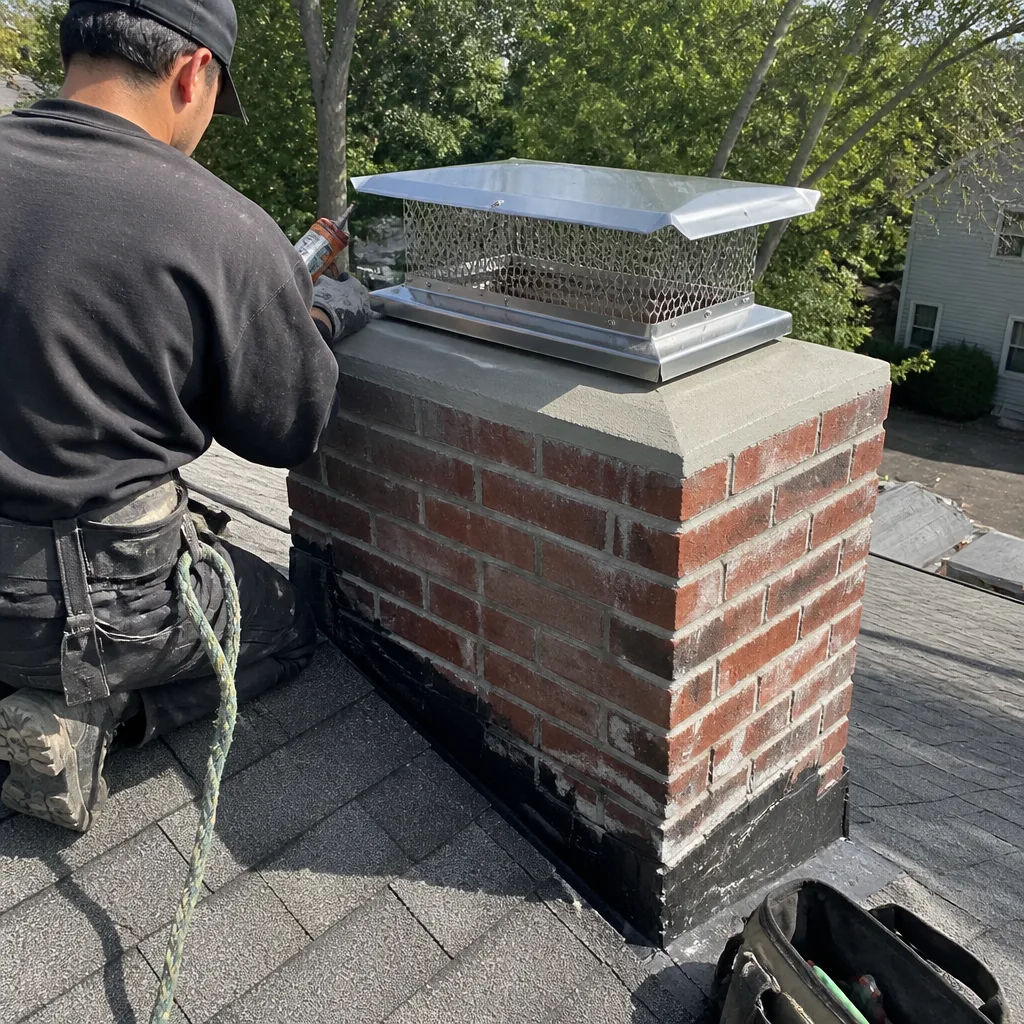
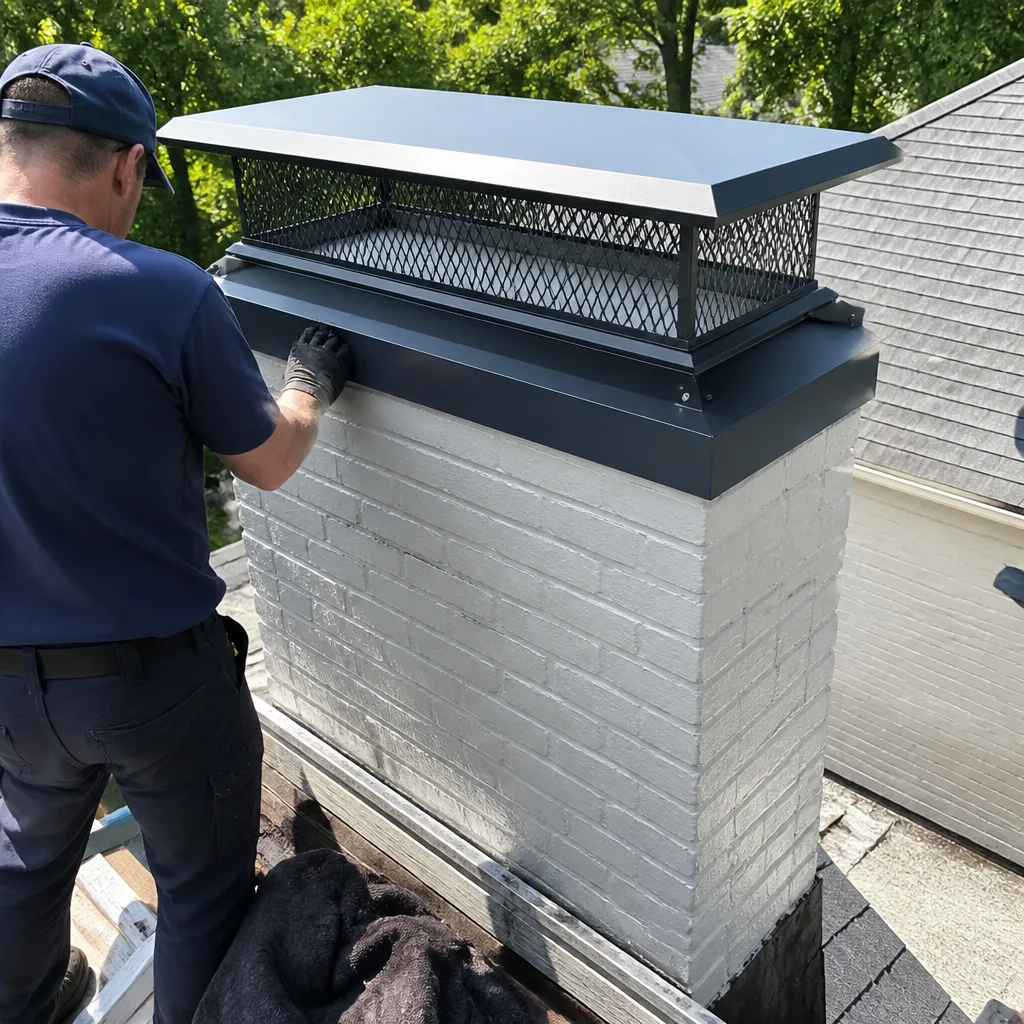
Level 1 sweep and inspection to the NFPA 211 annual standard - flue, crown, cap, and flashing checked and photographed
Chimney sweep logs do not sweep chimneys. They loosen some creosote - which then falls where a brush and vacuum still have to collect it.
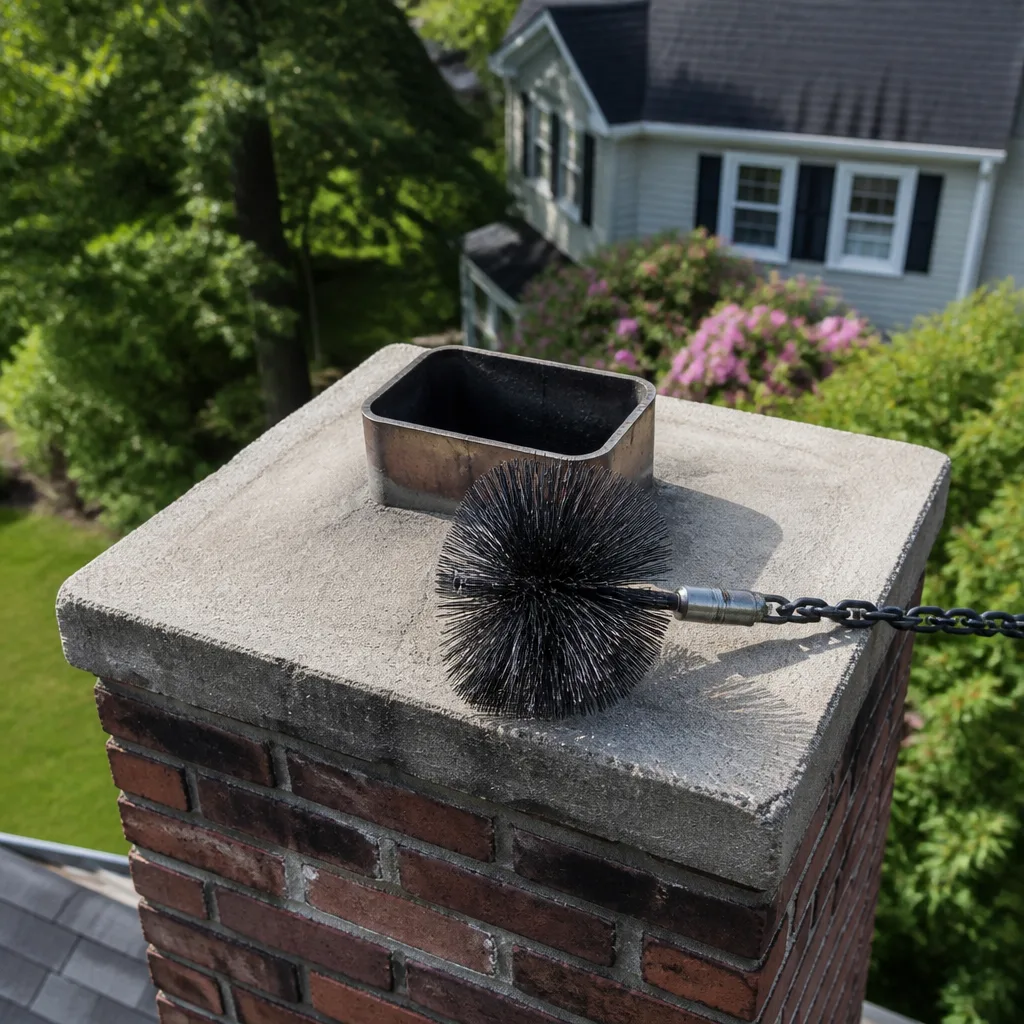
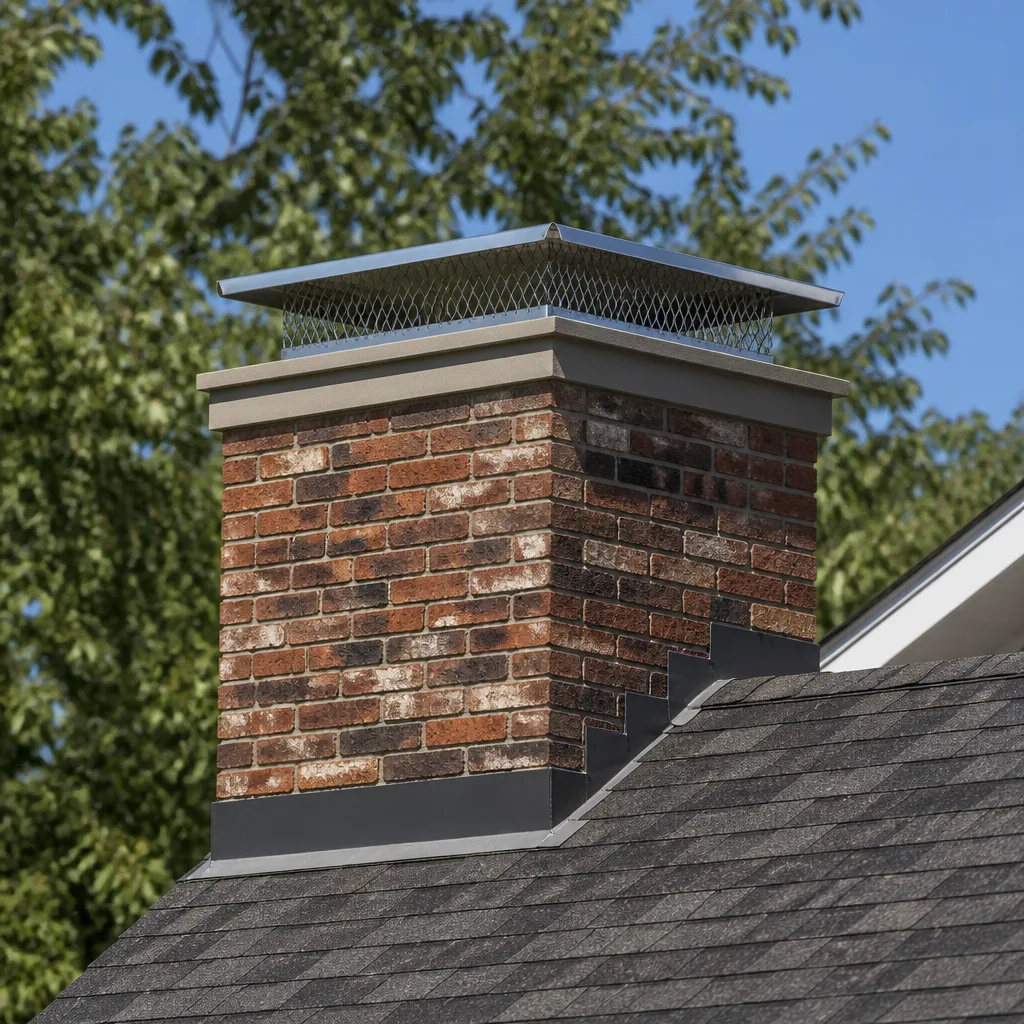
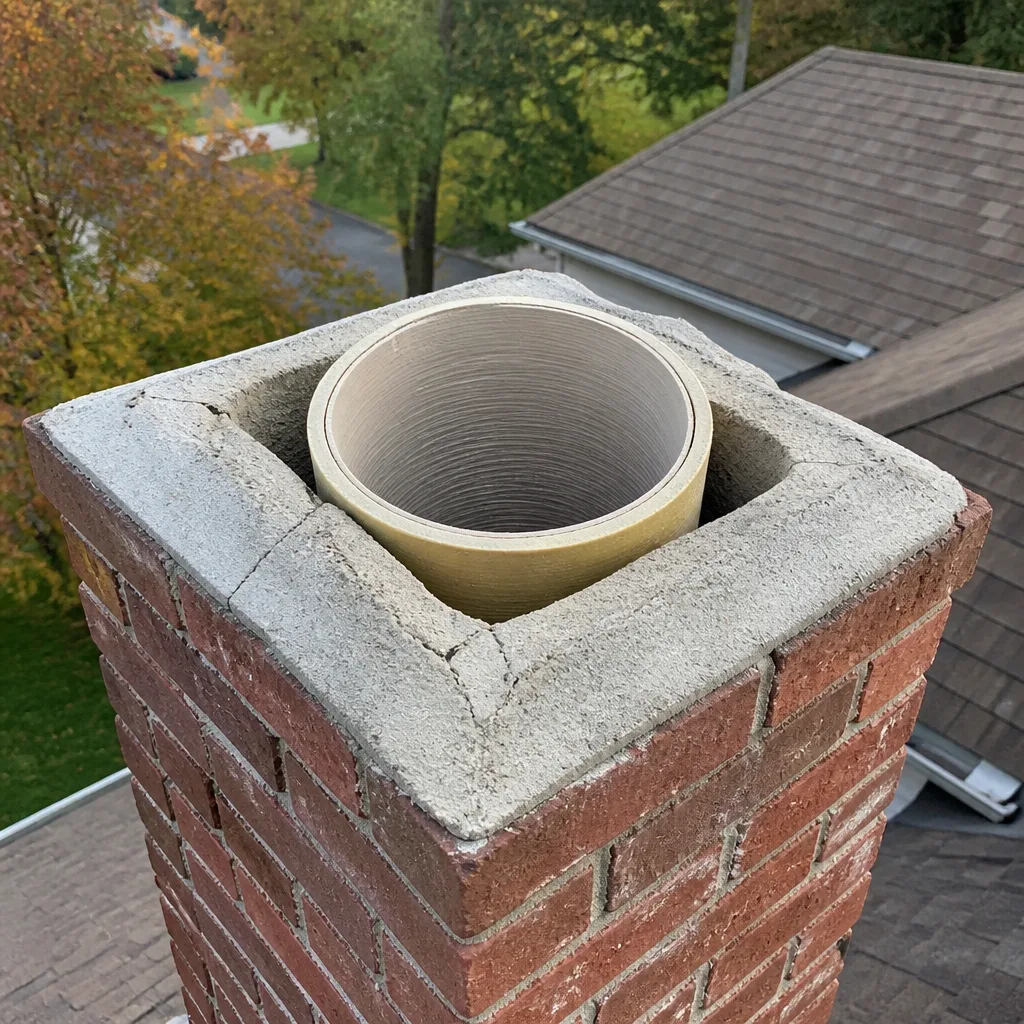
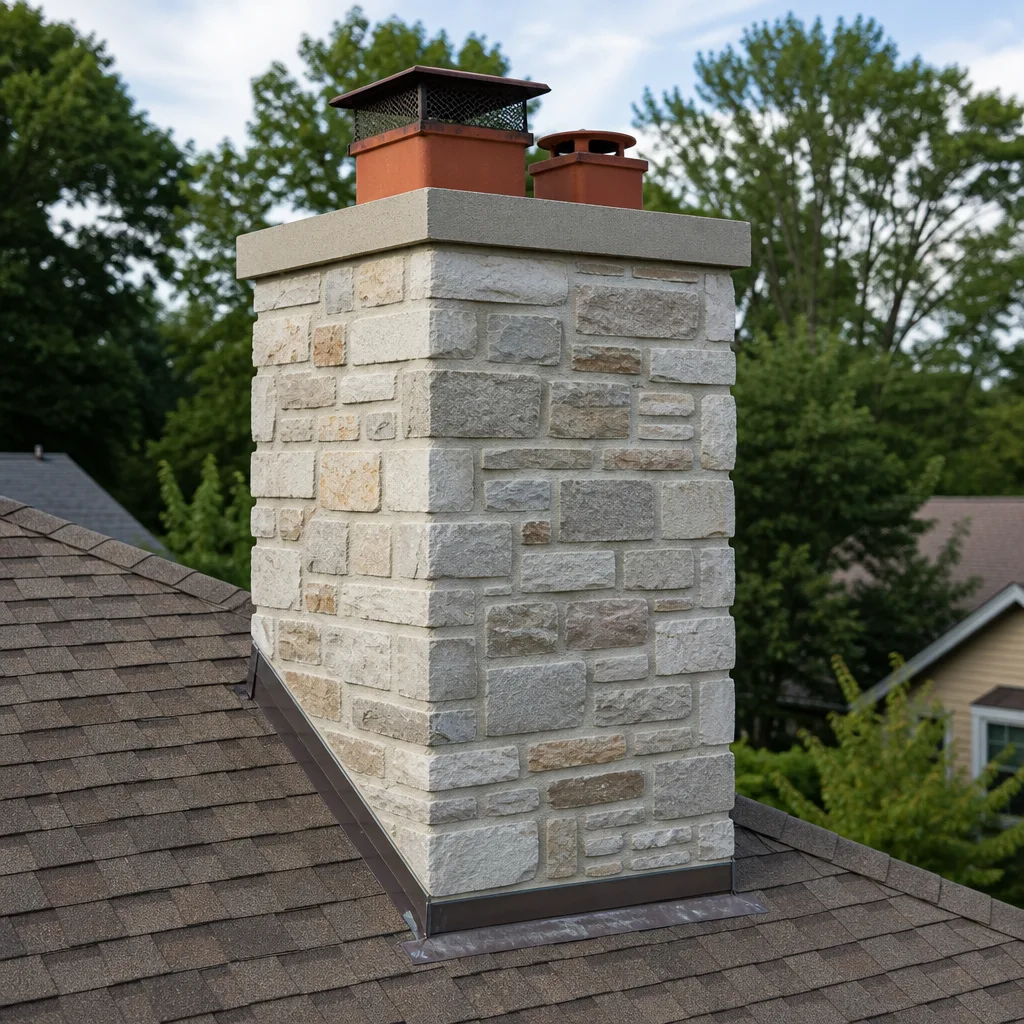
 Before
 After
After Before
 After
After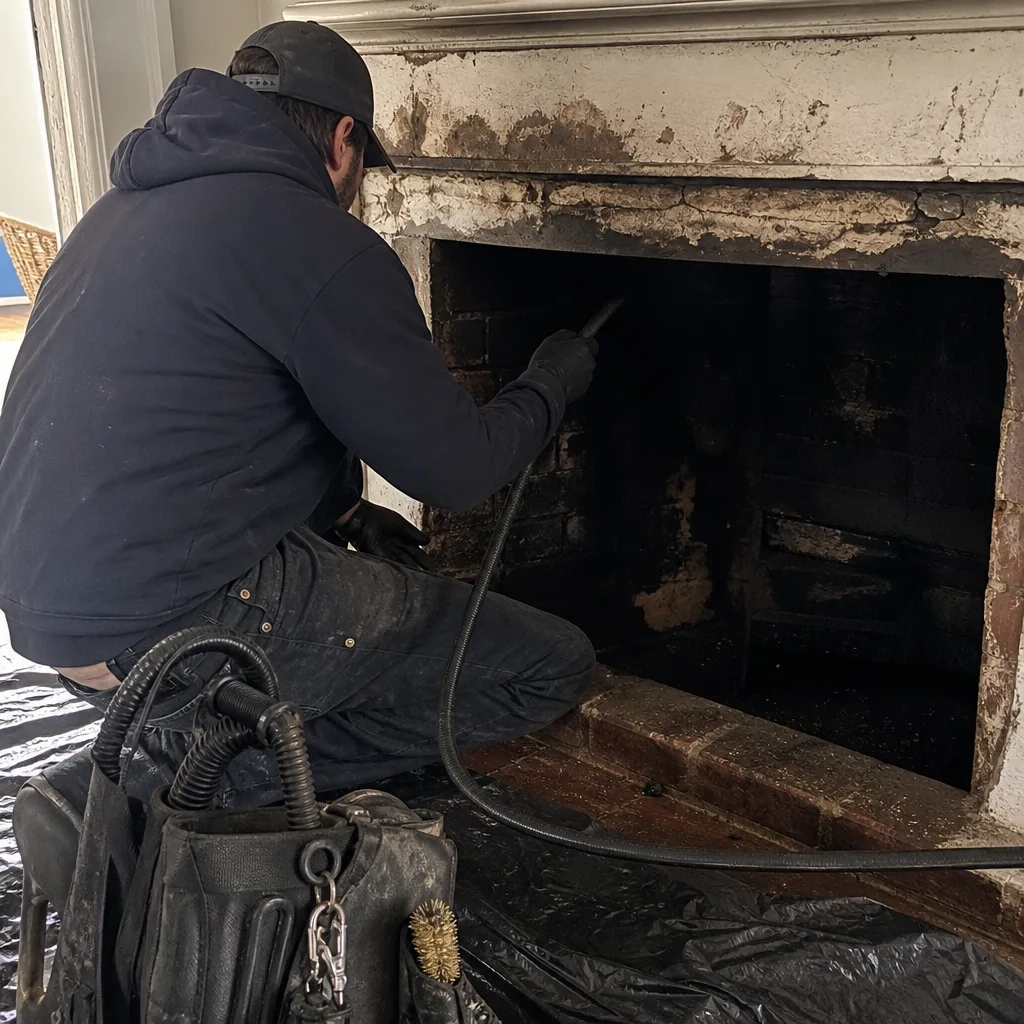 Before
 After
AfterCreosote Removal in New York, NY
Creosote removal in New York, NY typically runs $180 to $600 depending on the class of buildup found in your flue – a single-visit cleaning for light deposits sits at the lower end, while Class III glazed creosote requiring chemical treatment and multiple visits lands toward the top. Most New York homeowners with a regularly used wood-burning fireplace need at least one professional Chimney Cleaning & Sweep per season, and our camera inspection tells you exactly what class you’re dealing with before we quote a dollar.
If you burn wood in a New York City brownstone, a Queens rowhouse, or a prewar co-op in the West Village, creosote is forming in your flue every time you light a Fireplace Cleaning fire. That’s not a scare tactic – it’s basic combustion chemistry. Wood smoke carries unburned carbon particles upward; when those particles cool against the flue liner and condense, they stick. Over time, that sticky residue hardens into something that can ignite at temperatures above 1,000°F and burn far longer and hotter than the fire you actually lit.
At Level Two Chimney New York, we’ve inspected and cleaned more than 38,000 chimneys since 2009, every one of them documented with a camera scan and a written price before anyone picked up a brush. Creosote removal is part of our core Chimney Cleaning & Sweep in New York work, and we treat it as a technical job rather than a routine wipe-down. Call us at (551) 213-5548 – a live person picks up 24 hours a day, 7 days a week.
Understanding Creosote: What It Is and Why Class Matters
The chimney industry classifies creosote in three stages, and the class determines both the risk level and the removal method. Calling all three “creosote” the way most people do is a bit like calling a grease smear and a house fire the same thing – technically related, practically very different.
- Class I (first-degree) creosote is the dusty, flaky gray-brown deposit that brushes out in one pass. This is what you get with well-seasoned hardwood, good airflow, and regular cleaning. Most New York homeowners who burn responsibly and call us annually are in this category.
- Class II (second-degree) creosote is a tar-like, harder buildup – shiny in places, crunchy in others. It doesn’t brush off cleanly. A rotary cleaning system or a chemical pre-treatment is usually required to break it down before the brushing stage.
- Class III (third-degree) creosote – also called glazed creosote – is the one that genuinely concerns us. It looks like black lacquer coating the inside of the flue liner. Standard brushes do almost nothing to it. At this stage, a chemical liquefier applied over one or more visits is the only practical removal method, and in severe cases the liner itself may need to be inspected for heat damage before the flue is safe to use again.
In New York, a few conditions push creosote accumulation faster than average. Many older buildings – especially in neighborhoods like Inwood, Riverdale, and parts of Park Slope – have clay tile liners installed decades ago that have developed small cracks or offset joints. Those irregularities catch deposits. Restricted airflow from dampers that don’t open fully, or from taller buildings blocking natural draft, also slows the smoke’s exit time and leaves more material on the flue walls. And in buildings where fireplaces went unused for years before new owners started burning again, we frequently find a season’s worth of Class II buildup waiting from the very first fire.
When You Need Creosote Removal
A few situations point clearly to needing professional creosote removal rather than waiting for your annual cleaning appointment.
- You can smell smoke in the room after the fire dies down. A chimney that drafts properly pulls smoke upward. If it lingers, restricted airflow is letting deposits cook against a warm flue – a sign buildup is past Class I.
- There’s a tar-like or chemical smell from the fireplace even when it isn’t lit. Class II and III creosote off-gases at room temperature, especially in summer humidity. New York’s August heat makes this worse in upper-floor apartments with south-facing flues.
- You can see black, shiny residue inside the firebox or on the damper plate. If the buildup has reached the visible opening, the upper flue is almost certainly worse.
- It’s been more than two seasons since the last professional cleaning. NFPA 211 recommends annual inspection and cleaning for any actively used wood-burning system. Two seasons of regular burning in New York can push a well-maintained flue from Class I into Class II territory.
- You had a chimney fire – or suspect you may have. A chimney fire often sounds like a low rumble or a muffled pop and may go unnoticed. After any suspected chimney fire, the flue needs a Level 2 camera inspection and full creosote removal before the fireplace is used again.
- A home inspector flagged creosote during a purchase inspection. We see this frequently in New York real estate transactions. A flagged report from a general home inspector tells you something is there; it doesn’t tell you what class, what quantity, or what it will cost to fix. Our camera scan resolves all three questions before you close or before you ask the seller for a credit.
BeforeAfterOur Creosote Removal Process
Every creosote removal job at Level Two Chimney New York follows the same documented sequence. Nothing starts until you have a written price and a written scope in hand – that’s not a policy we adopted recently, it’s been Clause 1 of the Haven Standard since we opened in 2009.
- Camera-scan inspection of the full flue (NFPA 211 Level 2). Before any tool goes into the chimney, our technician runs a camera from the firebox to the crown. The footage is recorded and becomes part of your job file. This step tells us the creosote class, the approximate coverage, and whether there are any liner defects – cracks, offset joints, or spalling tile – that affect how we approach the removal. A flashlight look from above tells you almost nothing about what’s happening in the middle of a 30-foot flue.
- Written price and written scope delivered before work begins. Once we know what we’re dealing with, we give you a specific dollar figure and a plain-language description of the work. No “we’ll figure it out as we go.” Haven Standard Clause 1 – it’s on every job, no exceptions. If our written price is higher than a competitor’s written estimate, ask for our Free Second Opinion review.
- Chemical pre-treatment for Class II and Class III deposits. For anything past light, flaky Class I buildup, we apply a creosote liquefier to the flue walls and let it work for the prescribed dwell time. This converts hardened deposits into a brushable consistency without damaging the liner. We use products sourced through Haven’s buying network – the same network that keeps our supply costs lower than retail and lets us pass that through to pricing.
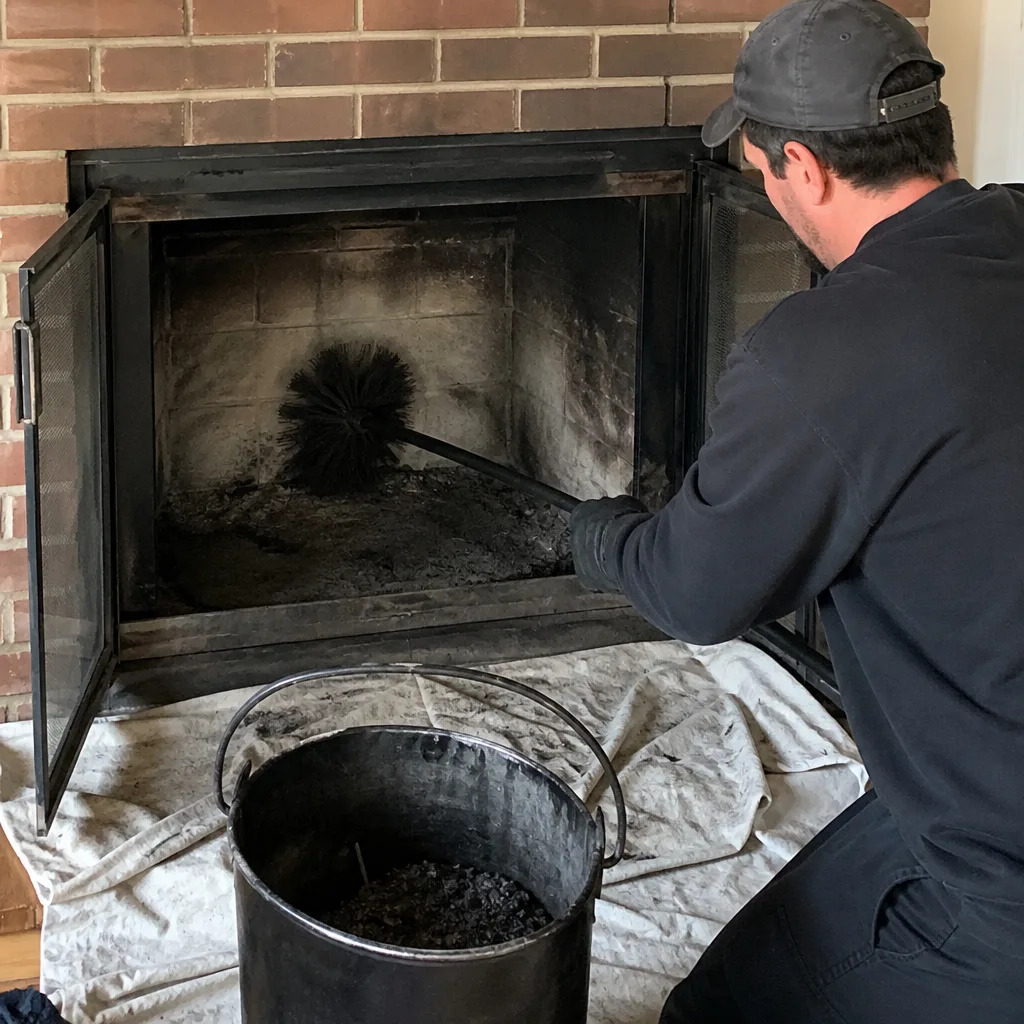
- Mechanical cleaning with professional rotary or brush systems. After pre-treatment, we run the appropriate brush system – rod-and-brush for lighter Class I and II work, rotary mechanical systems for heavier accumulation – working from the firebox up or from the crown down depending on flue geometry and access. The firebox and smoke chamber are cleaned in the same visit. Drop cloths and negative-pressure containment keep your living space clean.
- Post-cleaning camera verification. We run the camera again after cleaning. The before-and-after footage is part of your documented photo record under Haven Standard Clause 4. You see what we found, and you see what we left behind – which is a clean flue liner.
- Written summary and 365-Day Done Right Promise. Your technician leaves you with a written record: what was found, what was done, what materials were used, and the written warranty. If anything about the creosote removal isn’t right within 365 days, we come back and make it right. That’s the promise on every job, stamped under the Haven Standard.
Creosote Removal Pricing in New York
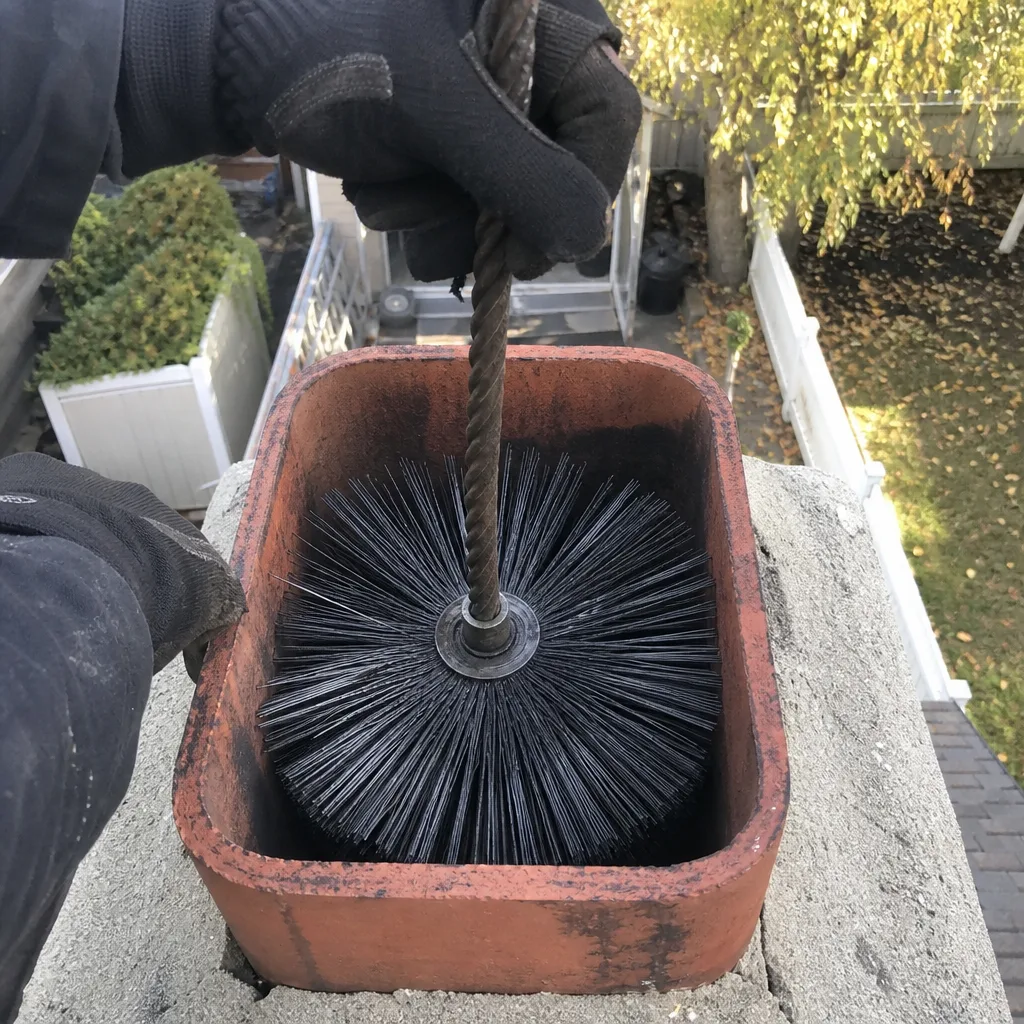
Creosote removal in New York, NY costs between $180 and $600 for most residential jobs. The range is wide because the work is genuinely different depending on what the camera finds. Here’s how the pricing breaks down by situation:
| Situation | Typical Price Range |
|---|---|
| Class I (light, flaky) – single flue, standard cleaning included | $180 – $280 |
| Class II (tar-like, moderate buildup) – single flue with chemical pre-treatment | $280 – $420 |
| Class III (glazed) – chemical liquefier, multi-step removal, single flue | $420 – $600+ |
| Second flue or extended system (e.g., fireplace plus furnace flue) | Add $120 – $200 |
| Level 2 camera inspection (included on every visit) | Included – not billed separately |
A few things affect where your job lands in that range. Flue height matters – a four-story brownstone in Brooklyn Heights has more liner to clean than a two-story house in Staten Island. Liner condition matters too: cracked or offset clay tile in older New York flues can slow the cleaning process and sometimes requires us to flag a repair before the removal is complete. And access matters – some New York buildings have tight roof conditions or shared chimney chases that add time to the job.
What doesn’t change: you get the specific number in writing before we start. Not an estimate that balloons once the tech is already in your living room. A written price, a written scope, and a written warranty – every time. Call (551) 213-5548 to schedule your camera inspection and get a written quote the same day we visit.
FAQs – Creosote Removal in New York
How much does creosote removal cost in New York, NY?
Creosote removal in New York, NY costs between $180 and $600 for a single flue, depending on the class of buildup found during the camera inspection. Class I deposits (light and flaky) fall toward the lower end; Class III glazed creosote requiring chemical treatment runs toward $600 or beyond on longer or more complex flues. The Level 1 Inspection camera scan that determines the class is included in every Level Two Chimney New York visit – it’s not a separate charge. Call (551) 213-5548 and we’ll give you a written price the same day we inspect.
Is creosote removal something I can do myself?
Class I creosote – the light, dusty kind – can be partially reduced with consumer chimney brushes, but you won’t have camera access to know what class you’re dealing with before you start, and brush cleaning from the firebox opening doesn’t clean the full flue effectively. Class II and Class III creosote require chemical pre-treatment products and the proper rotary equipment to remove safely. More critically: working inside a chimney flue without knowing the liner’s condition first is genuinely dangerous. A cracked tile or a compromised liner isn’t visible without a camera, and working in a degraded flue puts you at risk of collapse or exposure to carbon byproducts. We’d rather show you the camera footage and quote you a number than have you find a problem the hard way. A professional removal with a documented inspection is the right call here.
How often does creosote need to be removed from a New York chimney?
For any wood-burning fireplace used regularly through the New York heating season – roughly October through March – annual creosote removal is the standard. NFPA 211 specifies annual inspection and cleaning for active wood-burning systems. In practice, New York homeowners who burn two or three nights a week through a full winter should plan on at least one professional cleaning per season. If you’re in an older building with a clay tile liner, or if you burn softwood or unseasoned wood (both of which accelerate buildup), you may need mid-season attention. The camera tells us the actual condition, so we can advise you based on what’s there rather than a fixed calendar schedule.
What happens if glazed Class III creosote is left in the flue?
Glazed Class III creosote is the primary fuel source in chimney fires. It ignites at temperatures above 1,000 degrees Fahrenheit and burns at temperatures that can crack clay tile liners, warp steel, and transfer heat through the chimney chase to adjacent wood framing – a real structural risk in New York’s attached rowhouses and townhouses, where one chimney may be shared between two units. Left untreated, it also off-gases into living spaces and can affect indoor air quality. If our camera scan shows Class III deposits, we’ll tell you directly, show you the footage, and give you a written price for removal before any work begins. That’s the only responsible path forward – the flue should not be used again until it’s cleared and the liner is verified intact.
Why New York Homeowners Choose Level Two Chimney New York
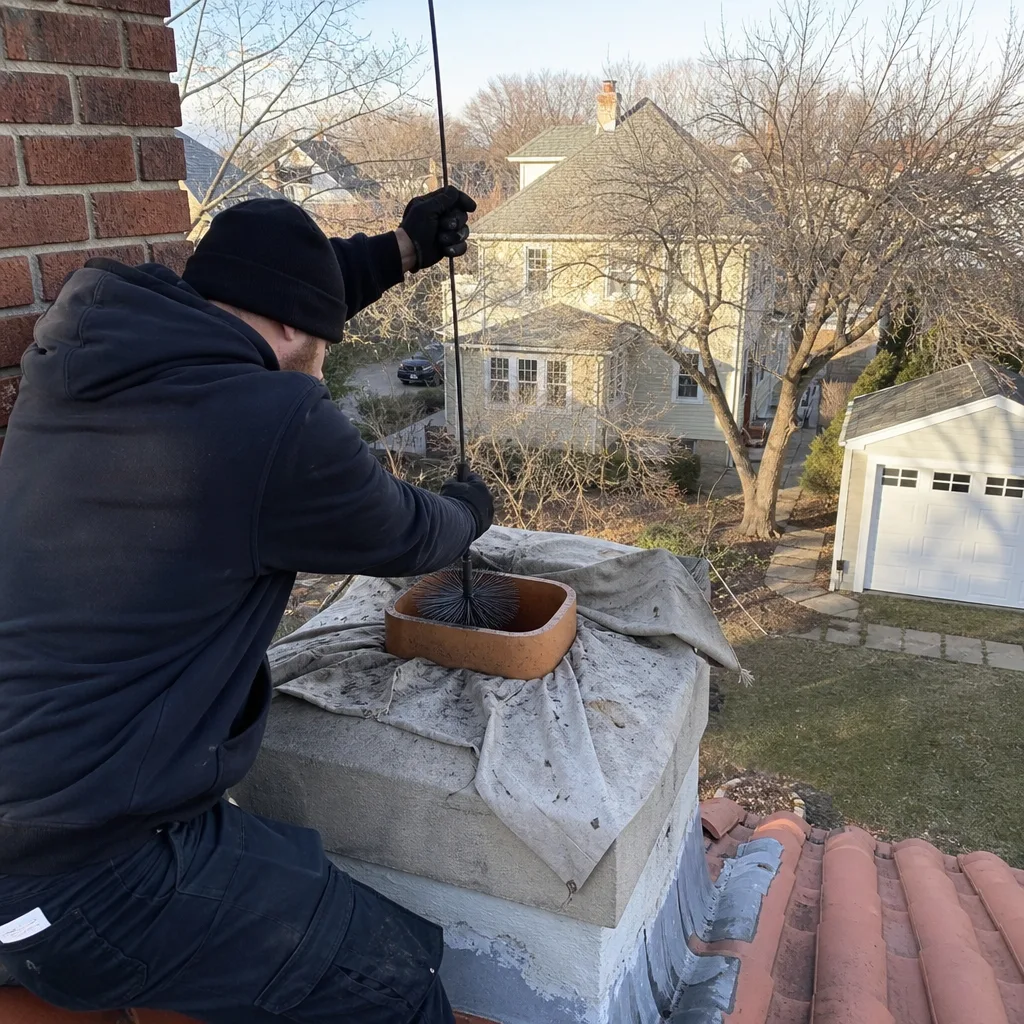
The short answer is documentation. Most sweep companies in New York do a visual check with a flashlight, clean what they can reach, and hand you a receipt-no Level 2 Inspection documentation included. That tells you almost nothing about the actual condition of a 30-foot flue in a 100-year-old building.
Level Two Chimney New York has been running cameras down flues and keeping written job records since 2009 – that practice became Clause 4 of the Haven Standard years before anyone required it. More than 38,000 chimneys inspected and cleaned, every one with a photo record. We supply materials through Haven’s procurement network – sourcing from Olympia Chimney and Copperfield specifically – which keeps our costs lower and means we’re not marking up off-the-shelf retail products.
Our technicians are background-checked, uniformed, and assigned by name before the appointment. You get a text when they’re on the way. The price is in writing before they touch anything. And the 365-Day Done Right Promise means if the work isn’t right within a year, we come back and fix it – no argument.
If you’ve already got a written estimate from another company, bring it to us. Our Free Second Opinion is always available at no cost, and we’ll tell you plainly whether the scope matches what a camera inspection would actually show.
Creosote removal is part of everything we do under Level Two Chimney New York. It’s not an upsell – it’s the reason the inspection exists. If there’s buildup in your flue, you should know what class it is, what it costs to remove, and what the flue looks like when it’s done. That’s what we give every customer, in writing, every time.
Schedule Your Creosote Removal in New York
Ready to find out what’s actually in your flue? Call Level Two Chimney New York at (551) 213-5548 to schedule a camera inspection and get a written creosote removal quote the same day. A live person answers every call, around the clock. No voicemail, no web form, no waiting until Monday. We serve homeowners across New York, NY – from Riverdale to Red Hook, from Astoria to Bay Ridge – and we’ll give you a specific price and a clear scope before any work begins.
Written by Corrine Halstead, Owner at Level Two Chimney New York, serving New York.