
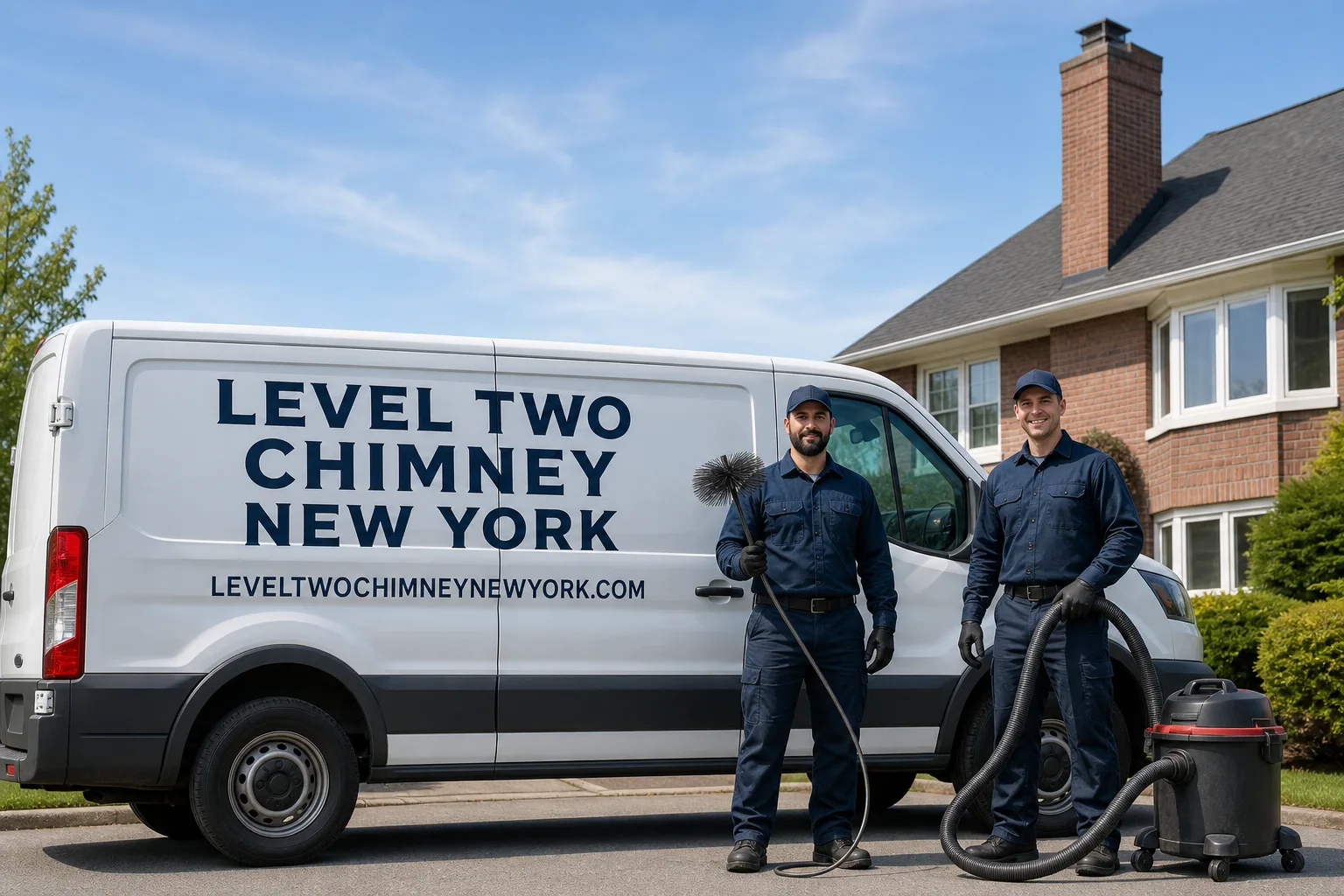
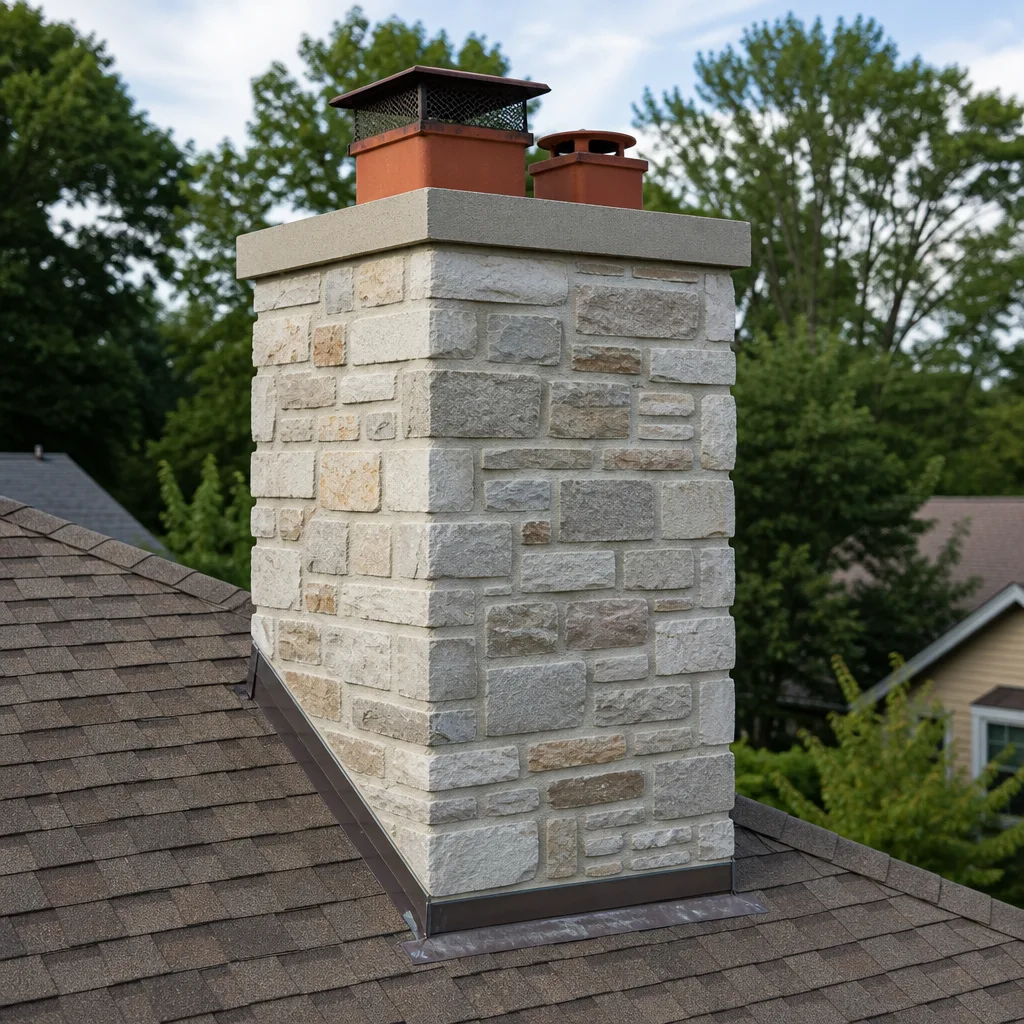
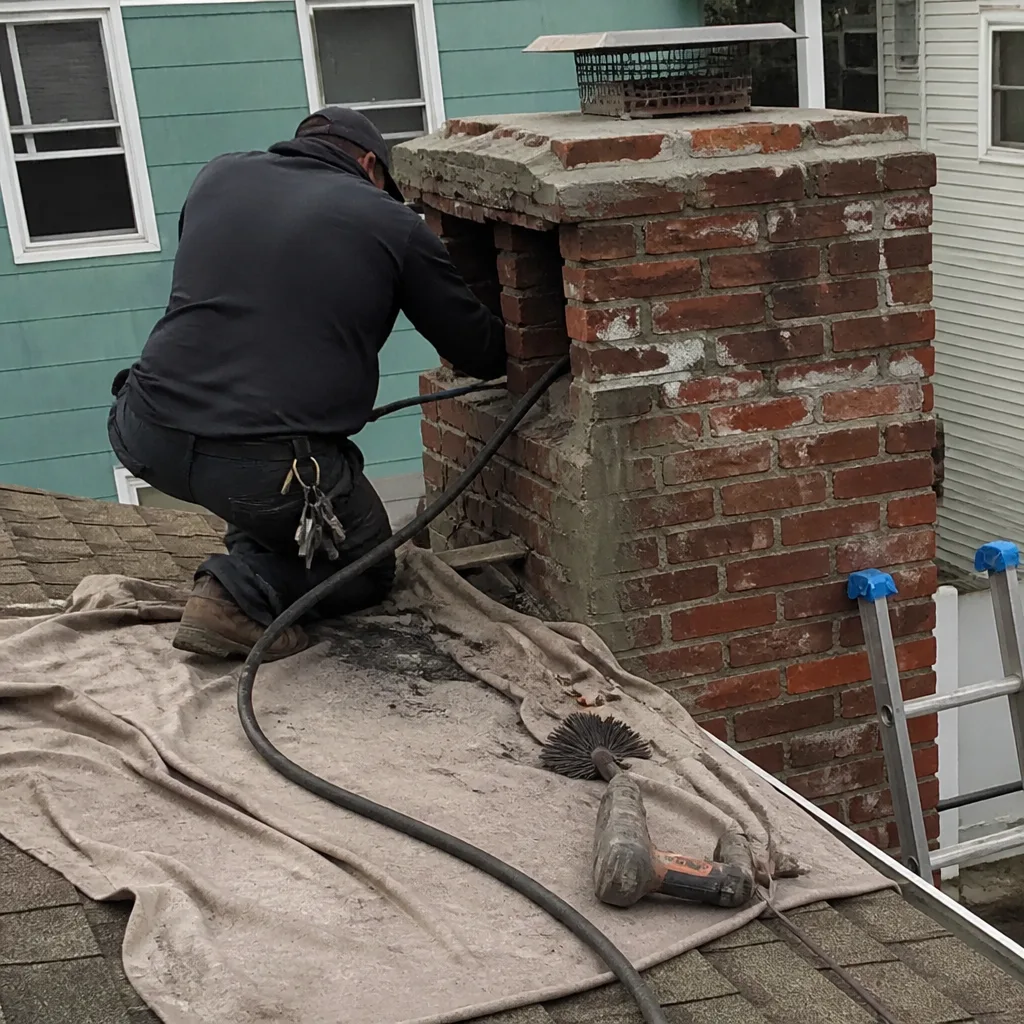
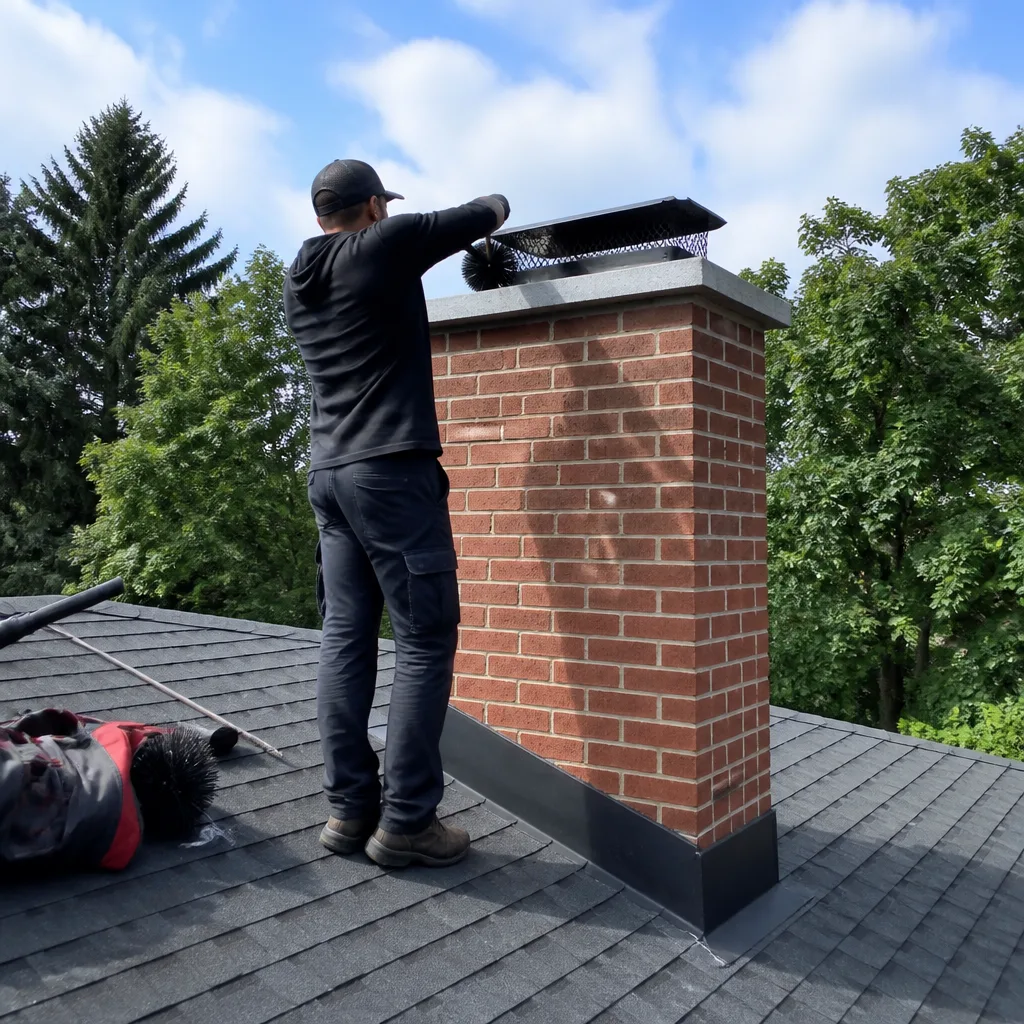
Level 1 sweep and inspection to the NFPA 211 annual standard - flue, crown, cap, and flashing checked and photographed
Chimney sweep logs do not sweep chimneys. They loosen some creosote - which then falls where a brush and vacuum still have to collect it.
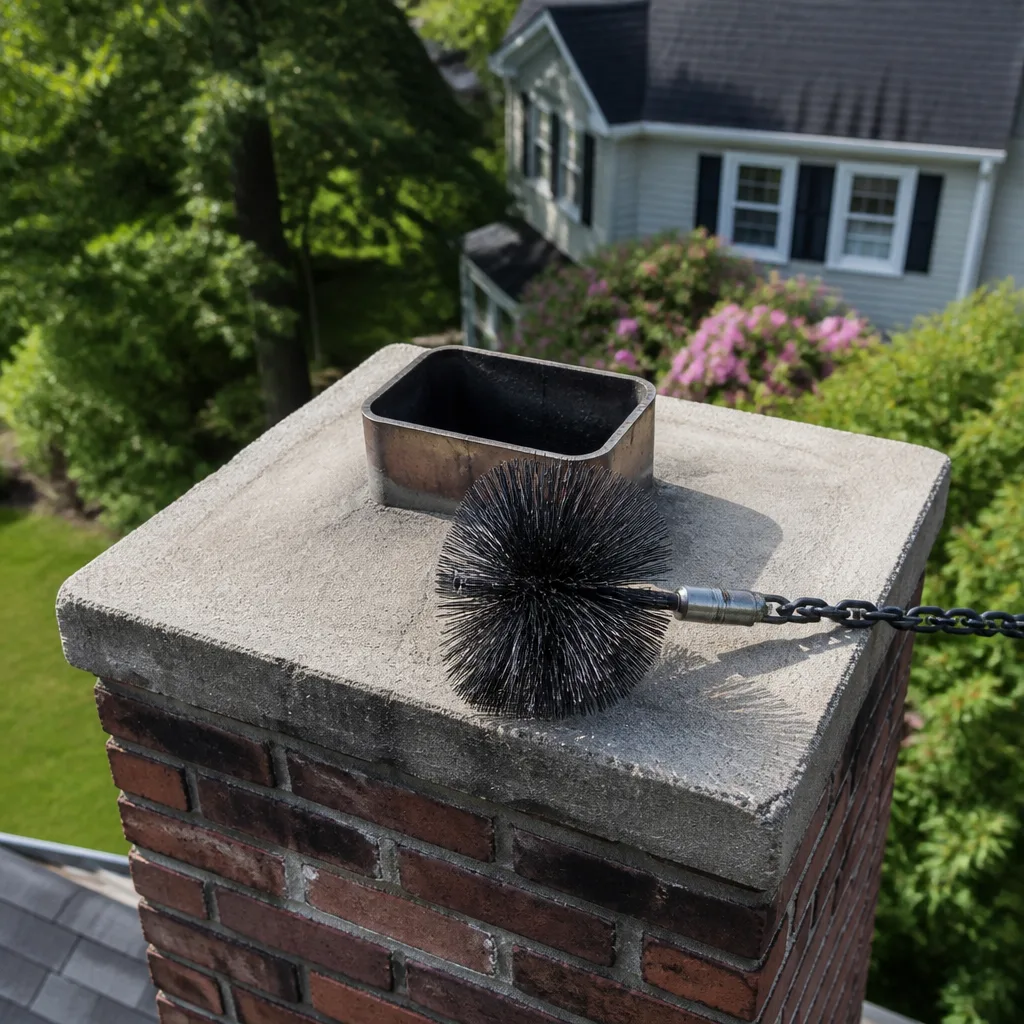
 Before
 After
After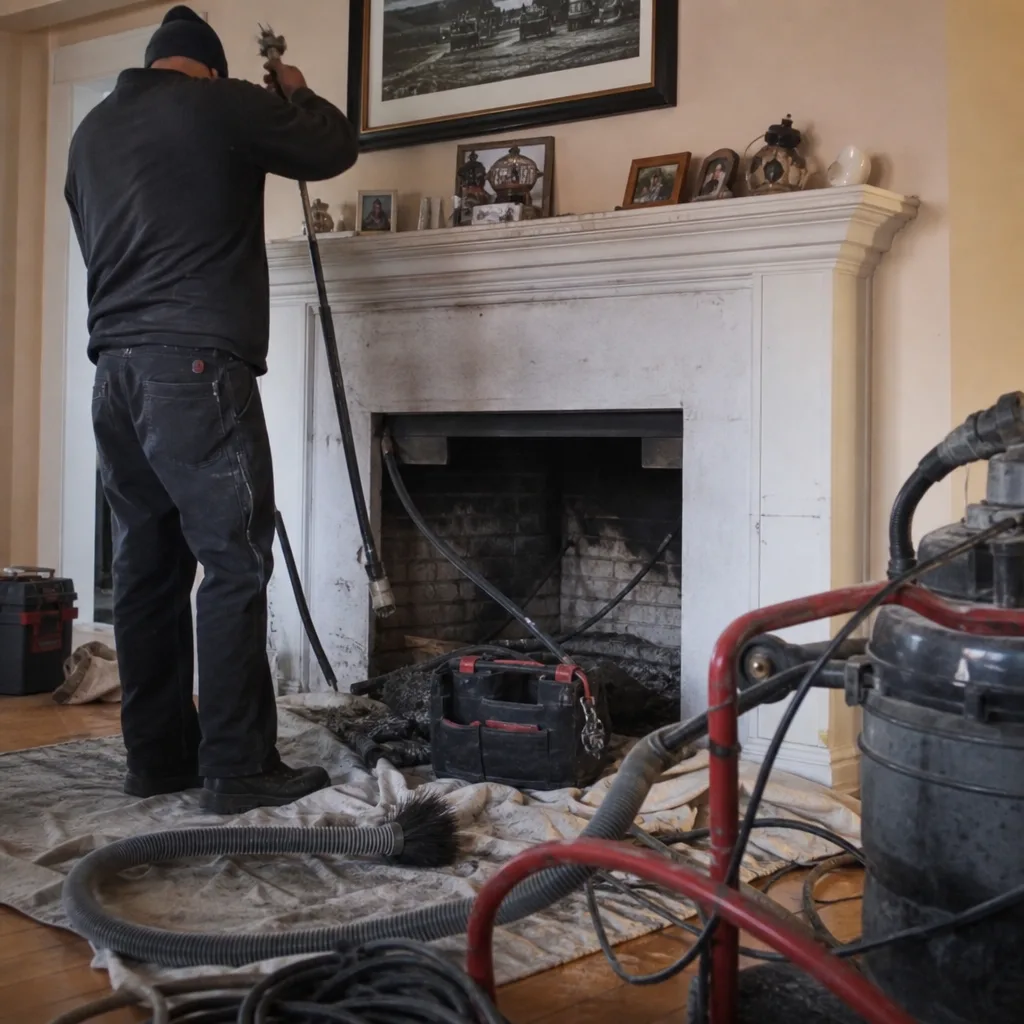 Before
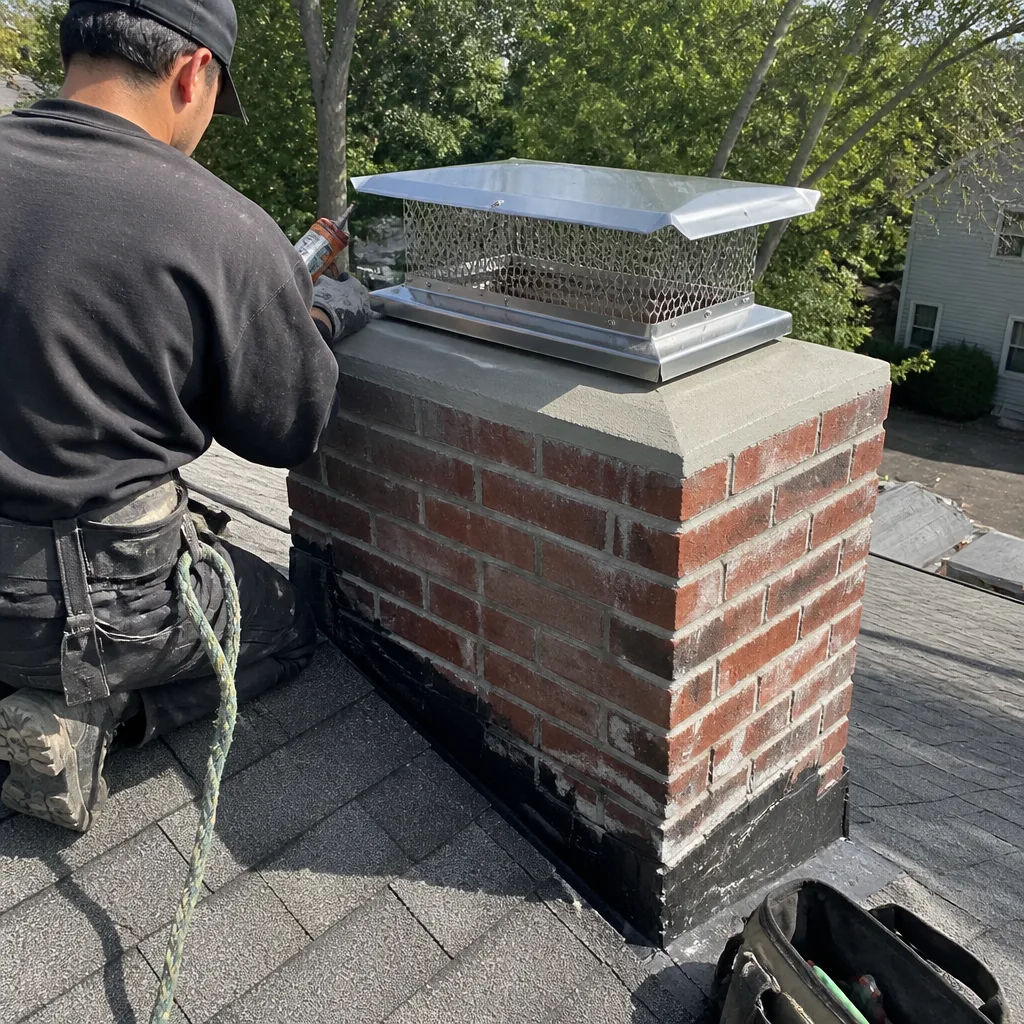 After
After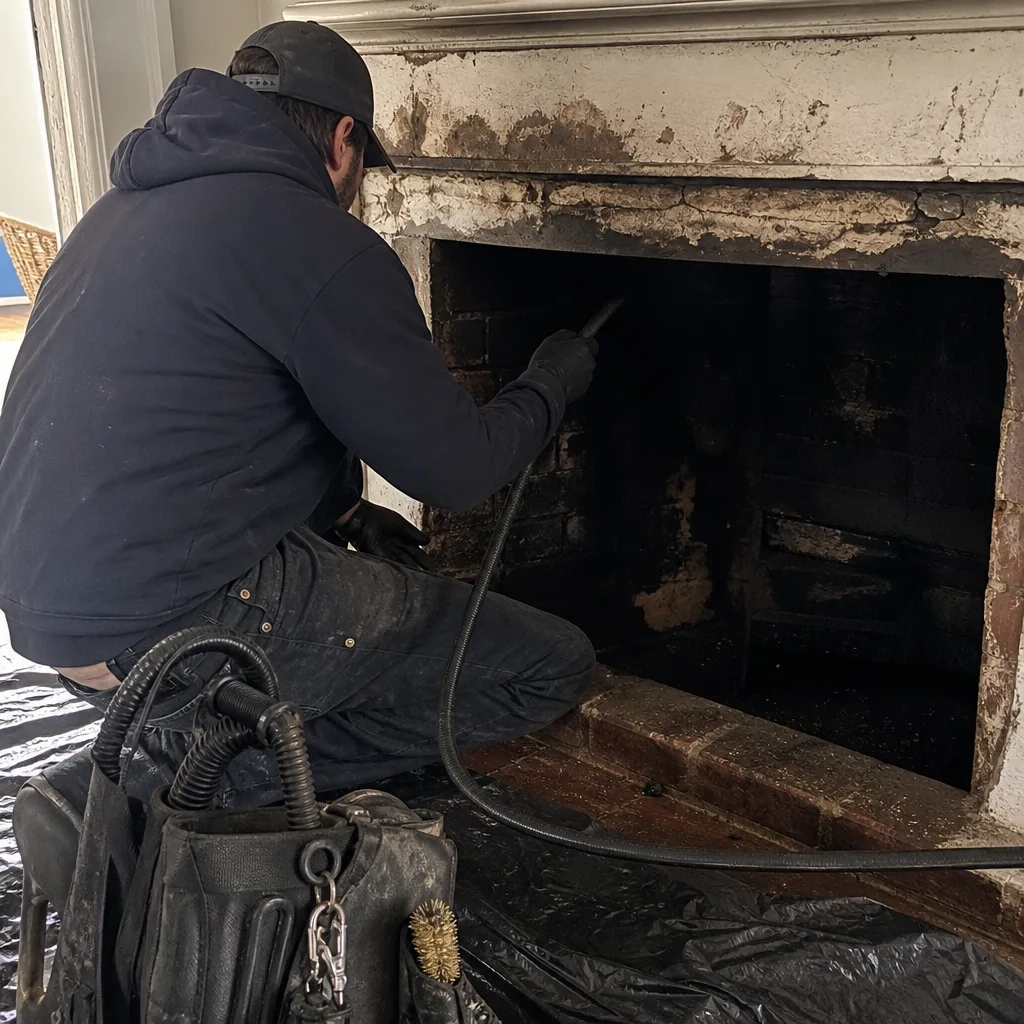 Before
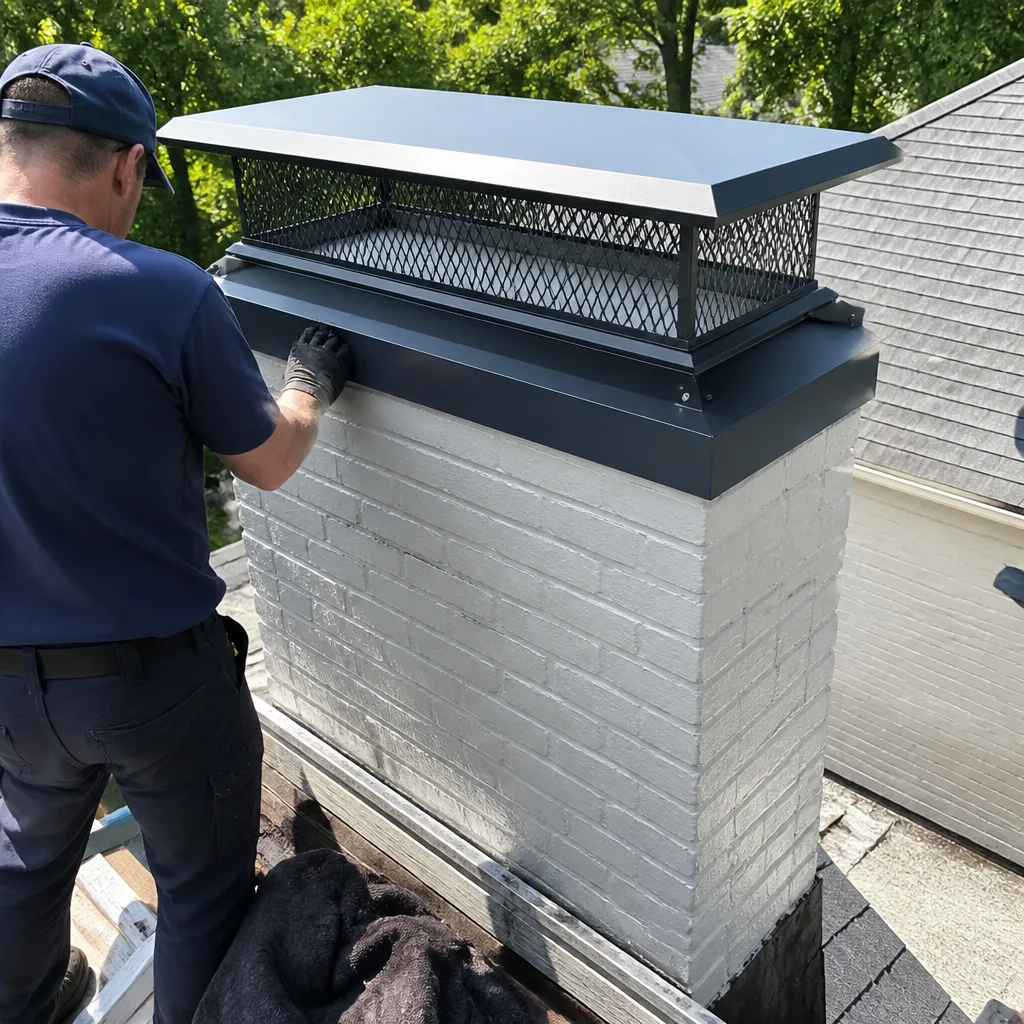 After
AfterFast, Reliable Chimney Cleaning & Sweep Across Flatbush
A chimney sweep in Flatbush typically runs $189-$329 for a standard fireplace or boiler flue, and a Level 2 camera inspection adds $149-$249. Most homes in the landmarked Victorian districts need the inspection, not just the sweep. Here’s why. Flatbush has one of New York City’s densest concentrations of detached wood-frame homes built between 1895 and 1925, and those chimneys were designed for coal. They were converted to oil, then gas, and most were never relined. A standard sweep is the right service for some of those flues, and the wrong one for others. Call (551) 213-5548 and we’ll tell you which before we quote anything.
Why Level Two Chimney New York Is Flatbush’s Preferred Chimney Cleaning & Sweep Company
Flatbush homeowners don’t call us because we’re charming. They call because we run a camera down the flue, show them the footage, and hand over a written scope with a fixed price before any brush touches the stack. Corrine Halstead, who leads our New York team, made camera-scan documentation standard practice back in 2009, years before insurers or code officials started asking for it. That practice became Clause 4 of the Haven Standard, the inspection and documentation benchmark every Level Two job follows.
Our crews work in Flatbush weekly. We know the four-flue stacks on Rugby Road and Marlborough Road. We know the single-flue rowhouse chimneys along Flatbush Avenue where the mortar is spalling and the crown has dime-sized holes. When you book, we show up with a named tech, we text when we’re en route, and we leave you with photos of every flue we touched, plus a written record of what we found. No flashlight squint. No verbal assurance. Evidence, every time.
Our Chimney Cleaning & Sweep Services in Flatbush
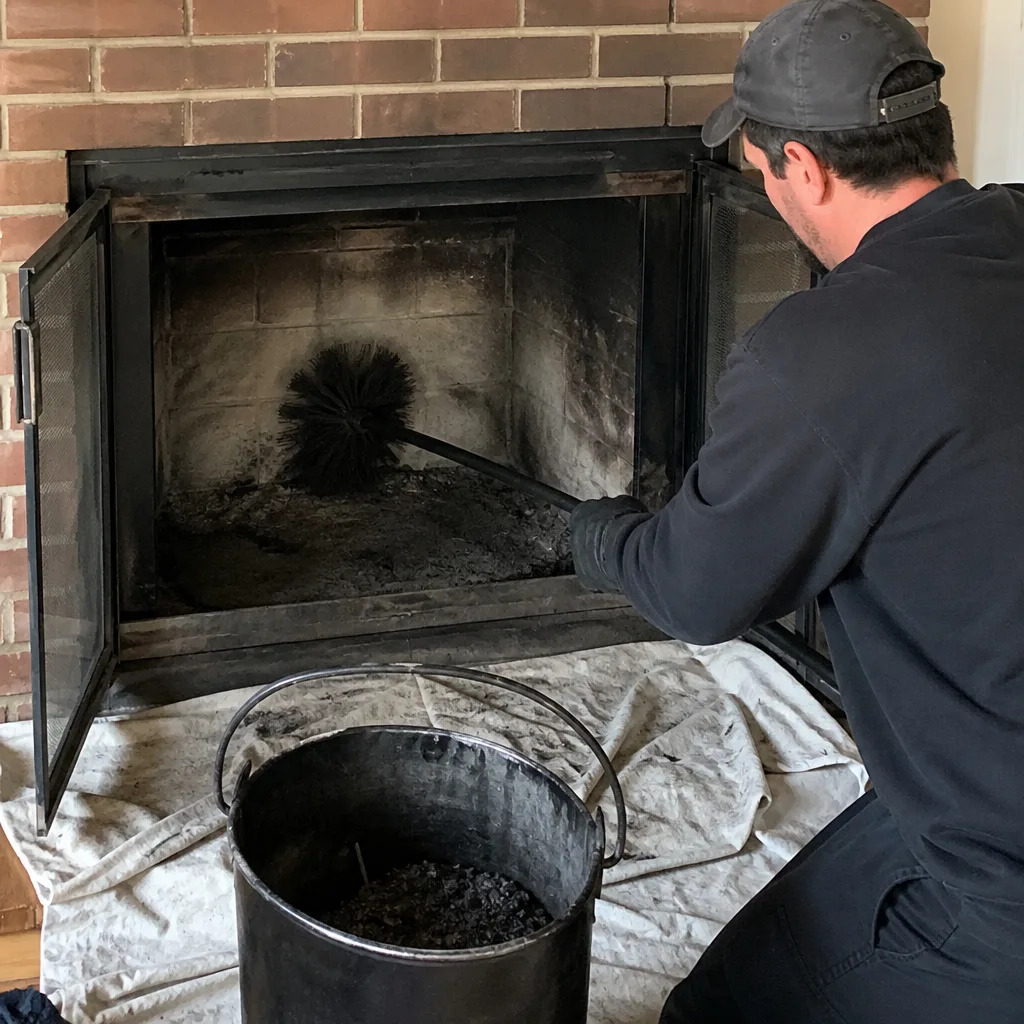
Level 1 Inspection
A Level 1 inspection is a visual check of the readily accessible parts of your chimney and appliance connection. In Flatbush, that usually means the fireplace, the smoke chamber, the damper, and the exterior stack from ground level. It’s the right scope when you’ve used the same fireplace regularly and nothing has changed since the last sweep. Our Level 1 runs $149 and we always pair it with the sweep itself, not as a separate upcharge.
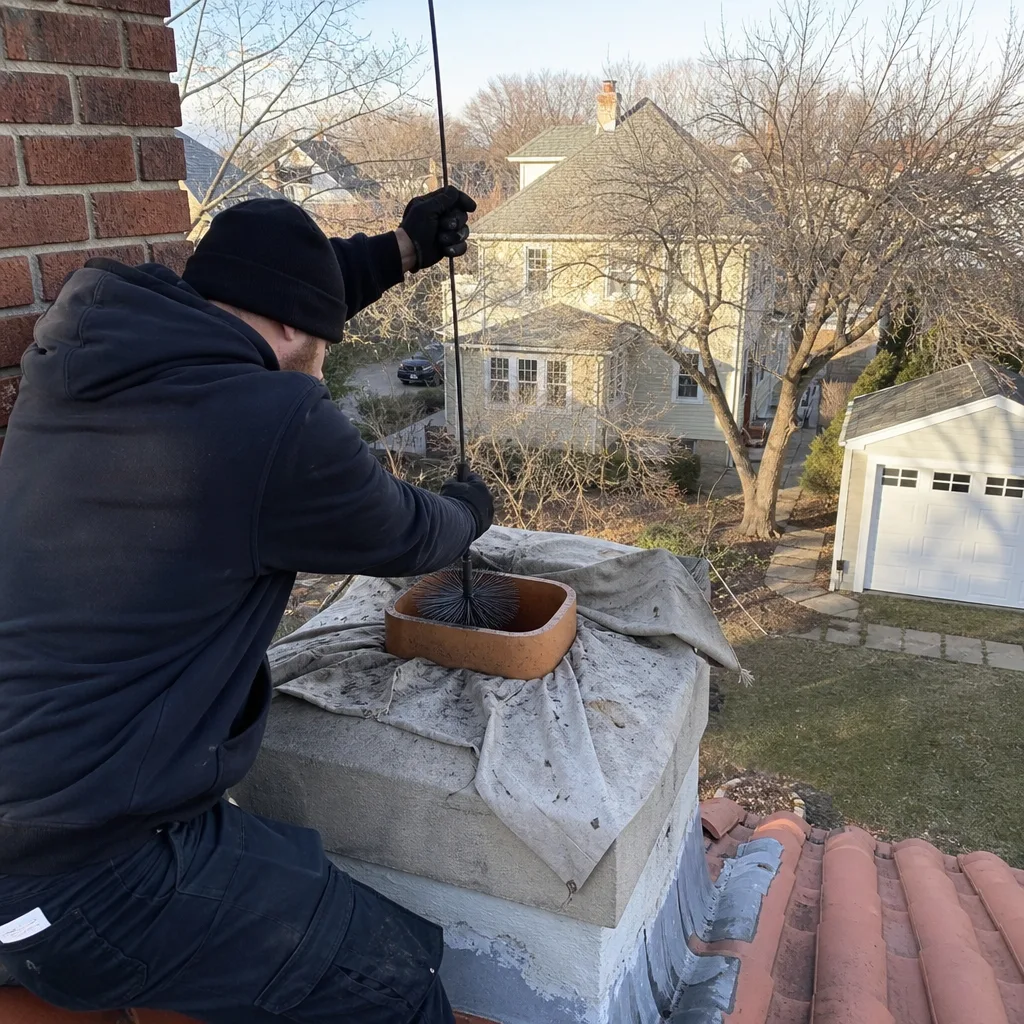
Level 2 Inspection
This is the one Flatbush Victorians actually need. A Level 2 inspection runs a camera down every flue in the stack, not just the one attached to the fireplace you use. In Ditmas Park and Prospect Park South, that distinction matters. A four-flue chimney may have two flues capped with loose brick and abandoned for forty years, and the camera is the only way to see what’s inside. Level 2 is required whenever there’s a change in fuel type, after a chimney fire, before a sale, or when the chimney hasn’t been swept in years. In Flatbush, that describes most homes we visit. Level 2 inspection runs $199-$329 depending on stack height and flue count. The footage is yours. We don’t show you a highlight reel and keep the rest.
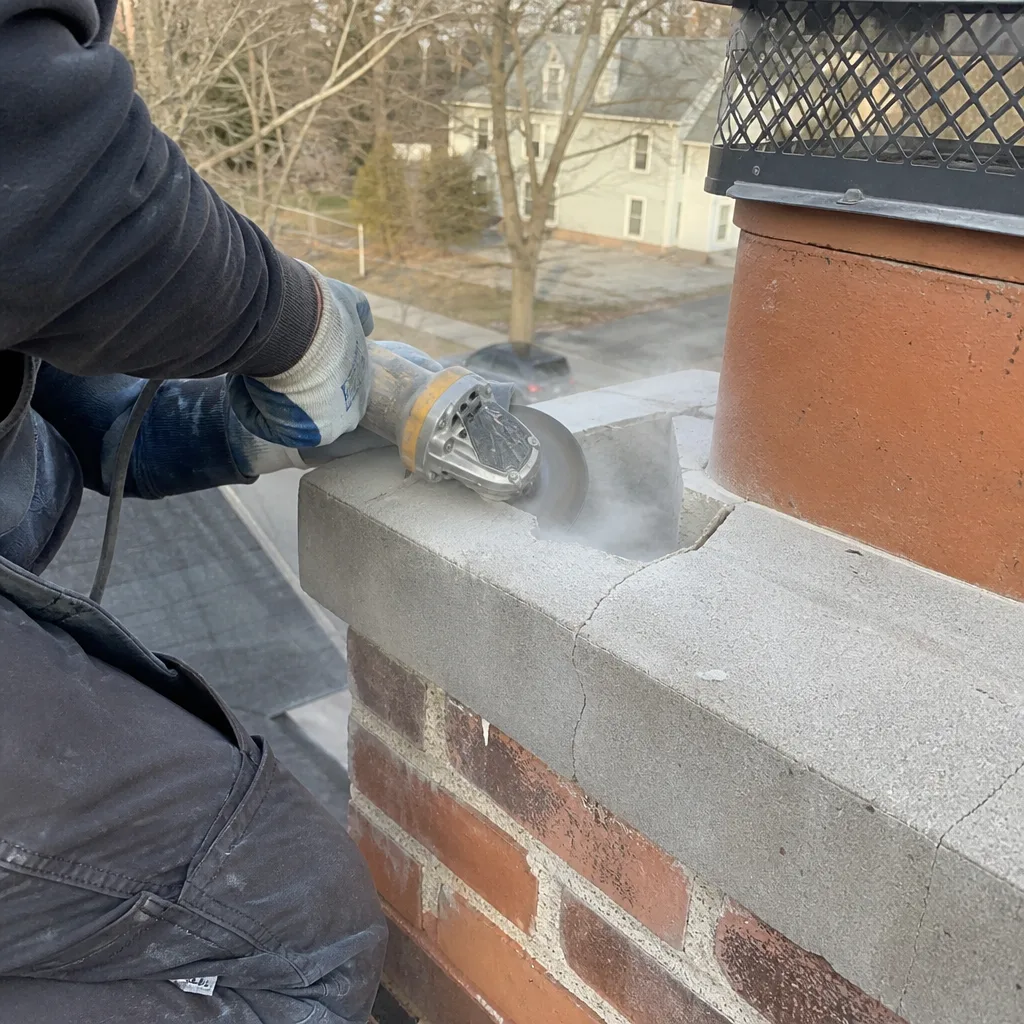
Creosote Removal
Creosote is the tar-like residue wood smoke leaves behind, and it comes in degrees. First-degree creosote is loose soot. Third-degree is a hard, shiny glaze that coats the flue and ignites at roughly 1,000 degrees. Flatbush fireplaces that burn occasionally and are swept rarely build glaze quickly, because Brooklyn’s damp coastal air keeps the flue cooler and causes incomplete combustion. Our Chimney Cleaning & Sweep crews remove glazed creosote with rotary loops and chemical treatments when warranted, never with a wire brush that just polishes the surface and leaves the glaze underneath.
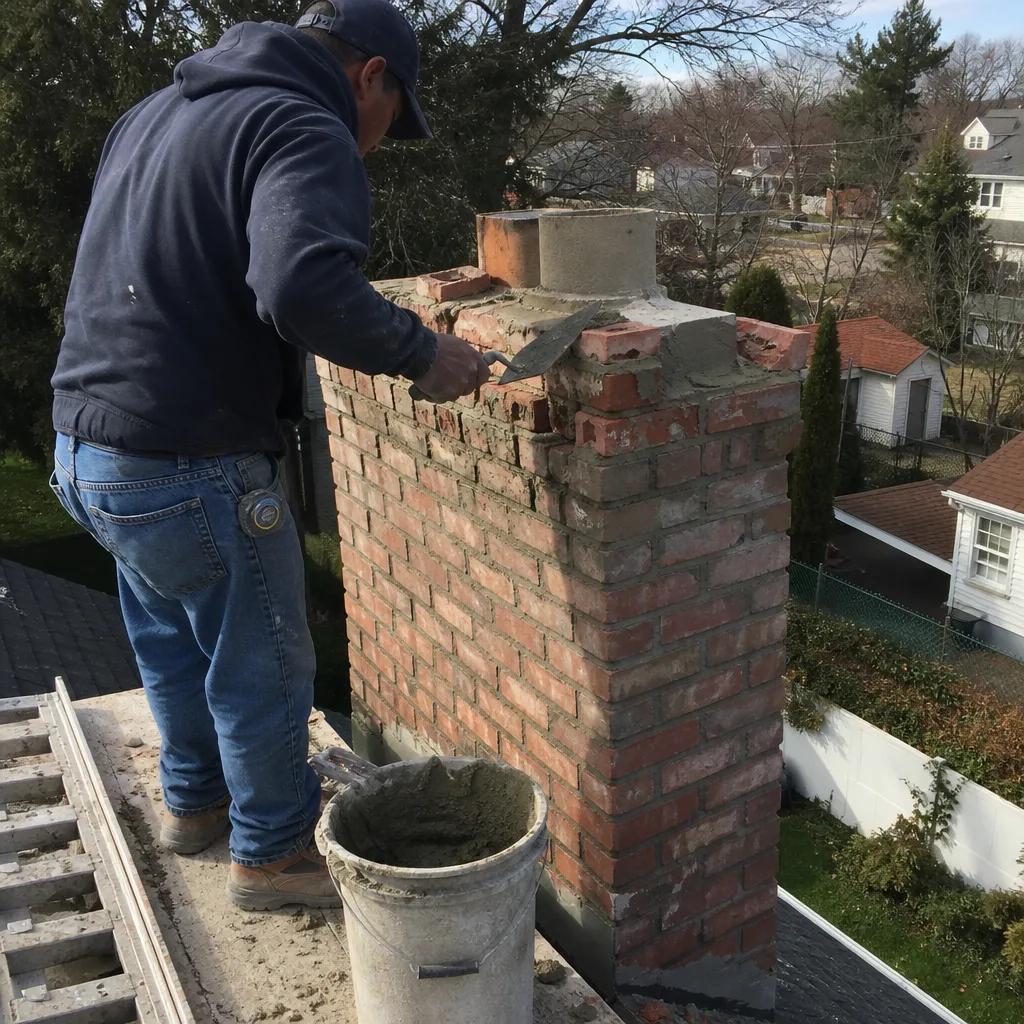
Soot Removal
Soot is the soft, black carbon deposit from gas and oil appliances. In Flatbush, the basement boiler flue is often the one with the heaviest soot load, because it’s the one running daily through the heating season while the decorative fireplace flue sits idle. Soot removal is straightforward in a sound flue, but in an unlined brick flue with cracked mortar joints, soot embeds in the gaps and can’t be fully removed. That’s a camera finding, visible on the footage, and it’s the point at which a liner becomes a real conversation, not a sales pitch.
What happens when you call
- 1
A real person answersNo phone trees - you reach a local pro.
- 2
You get an upfront price rangeHonest numbers before anyone is dispatched.
- 3
A background-checked tech heads outLicensed & insured, dispatched right away.
- 4
You approve before work beginsNothing starts until you say go.
BeforeAfterTrusted Brands We Service in Flatbush
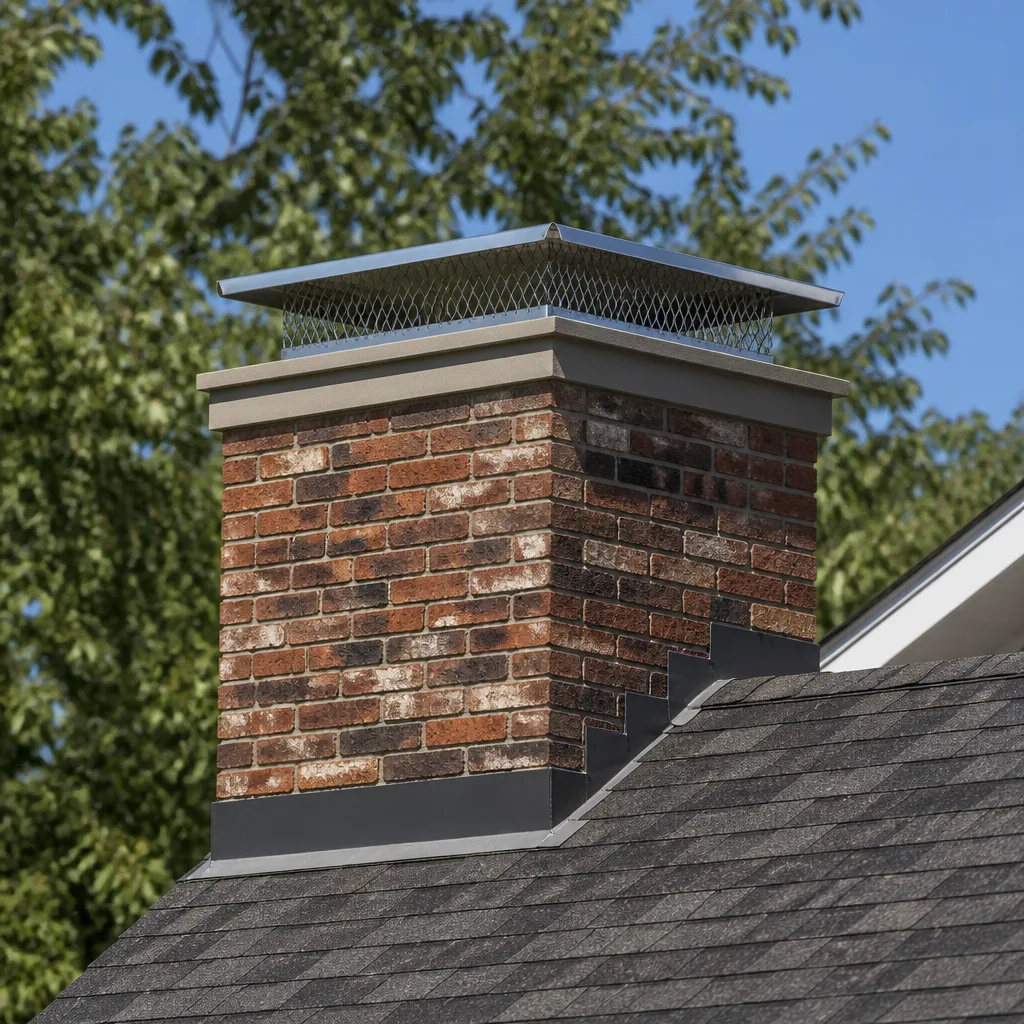
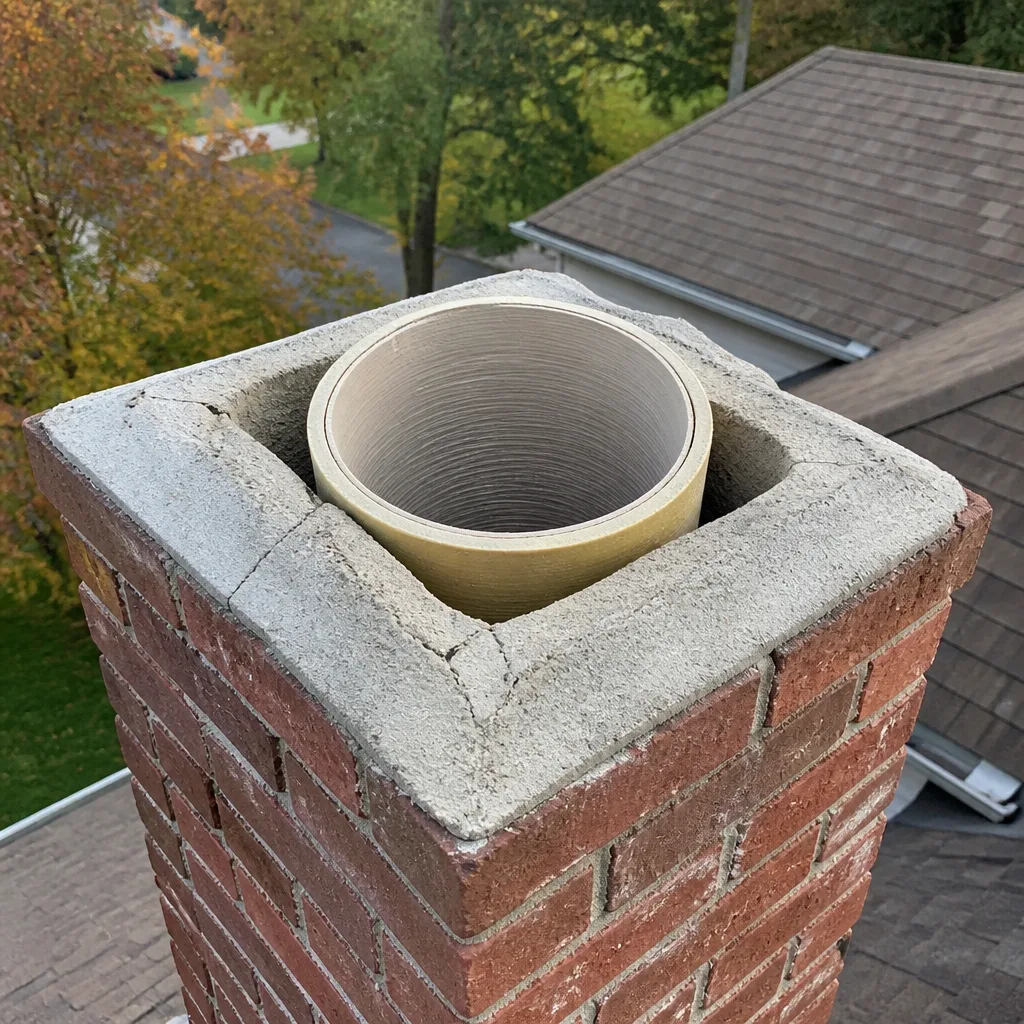
When a Flatbush flue does need repair, we install brands we’re willing to warranty in writing. DuraFlex stainless liners handle the gas exhaust on most Victorian boiler conversions. HeatShield resurfacing is our go-to for parlor fireplace flues with spalled clay tile but sound surrounding masonry. Gelco and Olympia Chimney caps show up on a lot of our Flatbush stacks, especially the four-flue ones where we cap the abandoned flues after cleaning and documenting them. We keep these materials stocked regionally, so Flatbush jobs don’t wait on a shipment from somewhere else.
Common Chimney Cleaning & Sweep Problems We See in Flatbush Homes
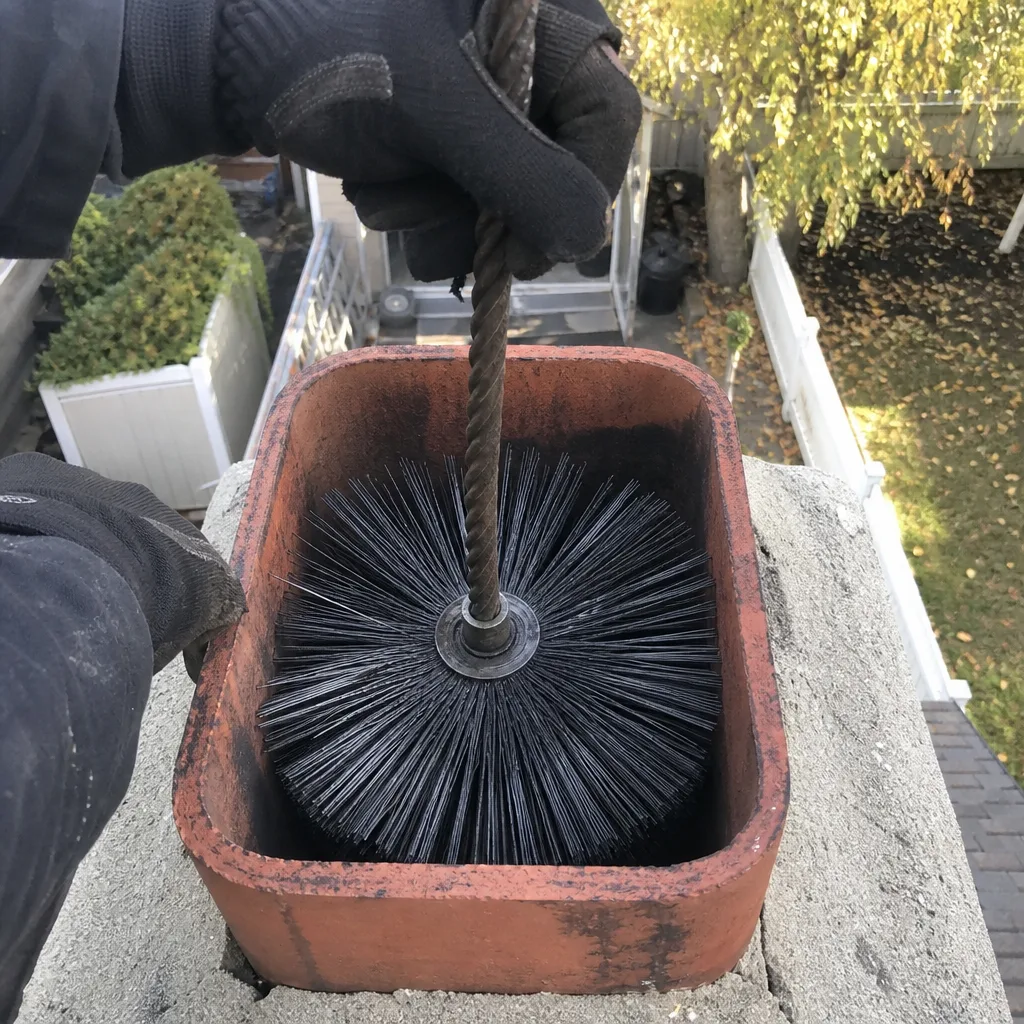
- Four flues, one fireplace. Flatbush Victorians commonly have three or four separate flues in a single chimney stack. Homeowners often only know about the one attached to the fireplace they use. The others get ignored for decades, collect nesting material, and become the real hazard. We camera-scope every flue before we sweep anything.
- Unlined or clay-tile flues converted from coal. The original chimneys were built for coal exhaust at lower temperatures. Gas and oil vent at different rates and create different residues. Most were never relined. The brick inside is soft, the lime mortar is powdery, and the flue is simultaneously cracked and undersized.
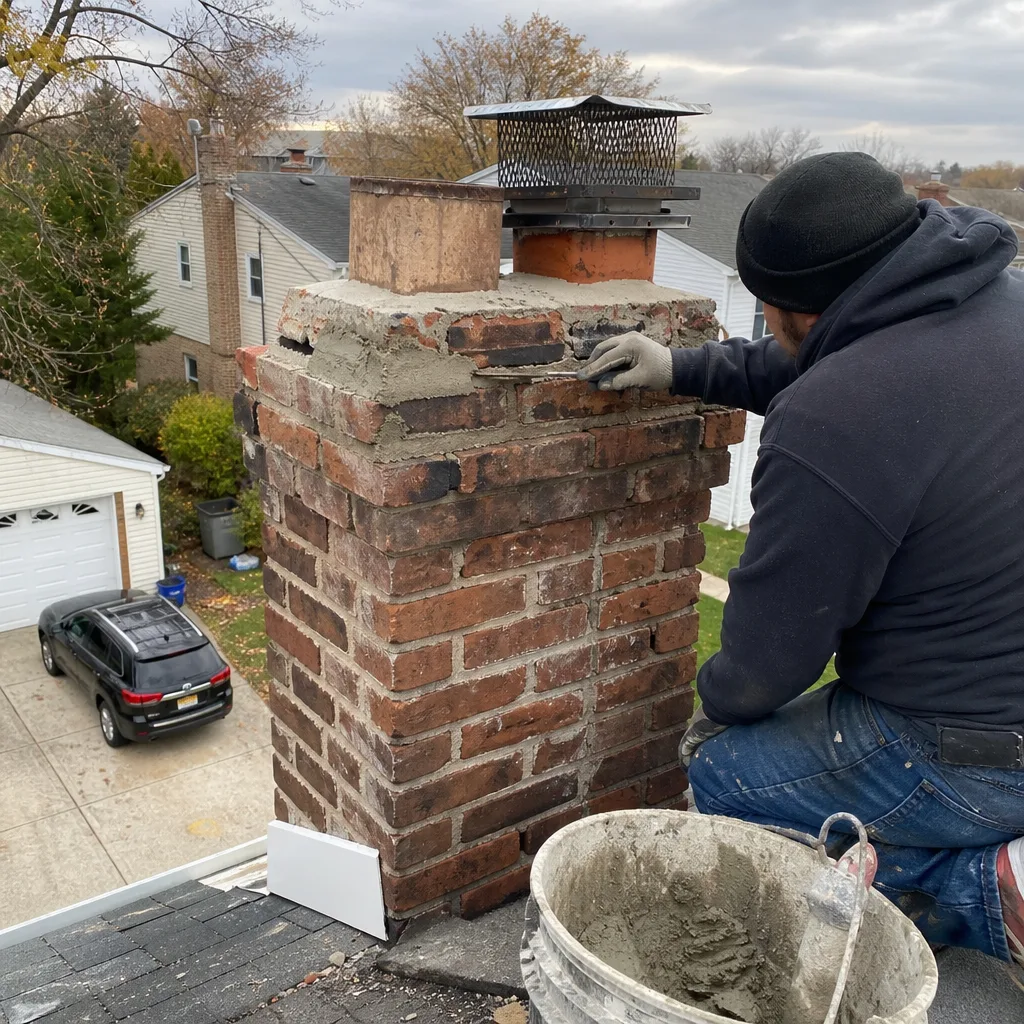
- Freeze-thaw spalling on the exterior stack. Brooklyn’s maritime climate keeps masonry wetter longer than inland areas. Flatbush chimneys go through 40 to 60 freeze-thaw cycles each winter. Face brick pops, mortar joints open, and water gets in. Inside an unlined Victorian flue, that water mixes with creosote and accelerates deterioration.
- Mixed-fuel residue coating. A single stack often serves a gas boiler, an oil converted furnace, and a wood fireplace. Each fuel leaves a different deposit. The combination creates a sticky, acidic film that ordinary brushing doesn’t fully remove. This is a Flatbush signature issue, rare in brownstone-heavy blocks where chimneys are simpler and newer.
Pricing for Chimney Cleaning & Sweep in Flatbush, NY
Here’s the range, flat and direct. A standard fireplace sweep in Flatbush runs $189-$249. Adding a Level 2 camera inspection brings the total to $329-$529. A boiler flue sweep alone runs $149-$189. Creosote glaze removal adds $75-$150 depending on severity. If you have a four-flue Victorian stack and want every flue scoped and swept, budget $449-$649 total, which includes the photo documentation. Nothing in this paragraph is a teaser rate. The written quote you get before work starts will match these numbers or come in under. We don’t quote by phone without seeing the chimney, because two chimneys in Flatbush that look identical from the street can have completely different internal conditions. The camera shows us which pricing tier you’re in, and we show you the footage before you commit to anything.
We Also Serve Cities Near Flatbush
Our Chimney Cleaning & Sweep in Flatbush crews also cover the surrounding blocks and neighboring districts across New York, Bedford-Stuyvesant, Bushwick, and Canarsie. The housing stock changes block by block, and so does the flue profile. Same written quote. Same camera-first policy. Same documentation standard.
Serving Flatbush, NY - Our Local Coverage Area
We’re based in the Flatbush area and know this community well. Use the map below to see our service coverage - if you’re nearby, we can almost certainly help.
FAQs - Chimney Cleaning & Sweep in Flatbush
Because the house was built between 1895 and 1925 with coal heat. Coal required one flue for the basement furnace, and additional flues served parlor, dining room, and bedroom fireplaces or grates. When the house converted to oil and later gas, the extra flues were simply abandoned, often capped with a loose brick. In our experience across Flatbush, at least one of those abandoned flues has never been inspected since the cap went on. The only way to know what’s inside is a camera scope. Call (551) 213-5548 and we’ll scope every flue in the stack before recommending anything.
Yes, it’s normal, and it’s a problem. The original chimneys were built with soft brick and lime mortar, sized for coal exhaust. Coal venting was cooler and less acidic than modern gas condensate. Over a century of thermal cycling, the interior brick and mortar have cracked and eroded. Without a liner, flue gases leak through those cracks into the house in slow, chronic doses. “Normal for Flatbush” is not the same as safe. The camera shows us whether your unlined flue is still functioning or actively spalling. We recommend a liner only when the footage supports it, and we give you a copy of that footage.
It’s often worse than chimneys used daily. A fireplace burned occasionally in a damp Brooklyn climate never gets hot enough to fully expel moisture and combustion byproducts. The creosote settles and hardens into a glaze. In an unlined Victorian flue with rough interior surfaces and dead air from the abandoned adjacent flues, that glaze builds up faster than in a regularly swept, well-drafted flue. Third-degree creosote is a fire hazard that ignites at about 1,000 degrees. We see it regularly in Flatbush fireplaces that “never get used.” A sweep and inspection costs a fraction of what a chimney fire costs. Call (551) 213-5548 for a written quote.
Because the chimney is a structural and venting component of the house whether you burn anything or not. In Flatbush, the basement boiler or water heater almost certainly vents through that same stack. A cracked flue or a blockage in an unused flue can push carbon monoxide back into the house even when no fireplace has been lit in years. The freeze-thaw spalling on 100-year-old exterior brick is happening whether anyone’s watching it or not. An inspection documents what’s actually there. If it’s clean and sound, you know. If it’s not, you know that too, with the photos to make your own decision.
It’s non-negotiable. We do not recommend a stainless liner, HeatShield resurfacing, or any repair over $300 without first running a camera down the flue and showing you exactly what we saw on the footage. You get copies of the photos and video. If we recommend a liner, you’ll see the missing mortar, the spalled tile, the gap in the flue wall, or the third-degree creosote that justifies it. If the flue is sound and just dirty, we’ll tell you that too, and we’ll sweep it. In Flatbush, where Victorian chimneys get upsold into unnecessary relines based on age alone, the camera is the whole point. It’s Clause 4 of the Haven Standard, and it’s been our policy since 2009. Bring us a competitor’s written quote and we’ll give you a free second opinion with our own camera evidence.
Get a Written Quote for Your Flatbush Chimney
If you own a Flatbush Victorian, a prewar rowhouse, or anything in between, the smartest first step is a camera inspection of every flue in your stack. That’s the only way to know whether you need a simple sweep or something more. We’re independent, we’re local to New York City’s metro office, and our crews serve Flatbush blocks including Ditmas Park, Prospect Park South, and Beverly Square every week. Every job starts with a written scope and a fixed price. Every job ends with a photo record and a warranty. Call (551) 213-5548 and we’ll put it in writing before anyone picks up a brush.
Written by Corrine Halstead, Owner at Level Two Chimney New York, serving Flatbush with camera-documented chimney inspections and cleanings.
Chimney Cleaning & Sweep in Nearby Areas