
Last updated September 19, 2026
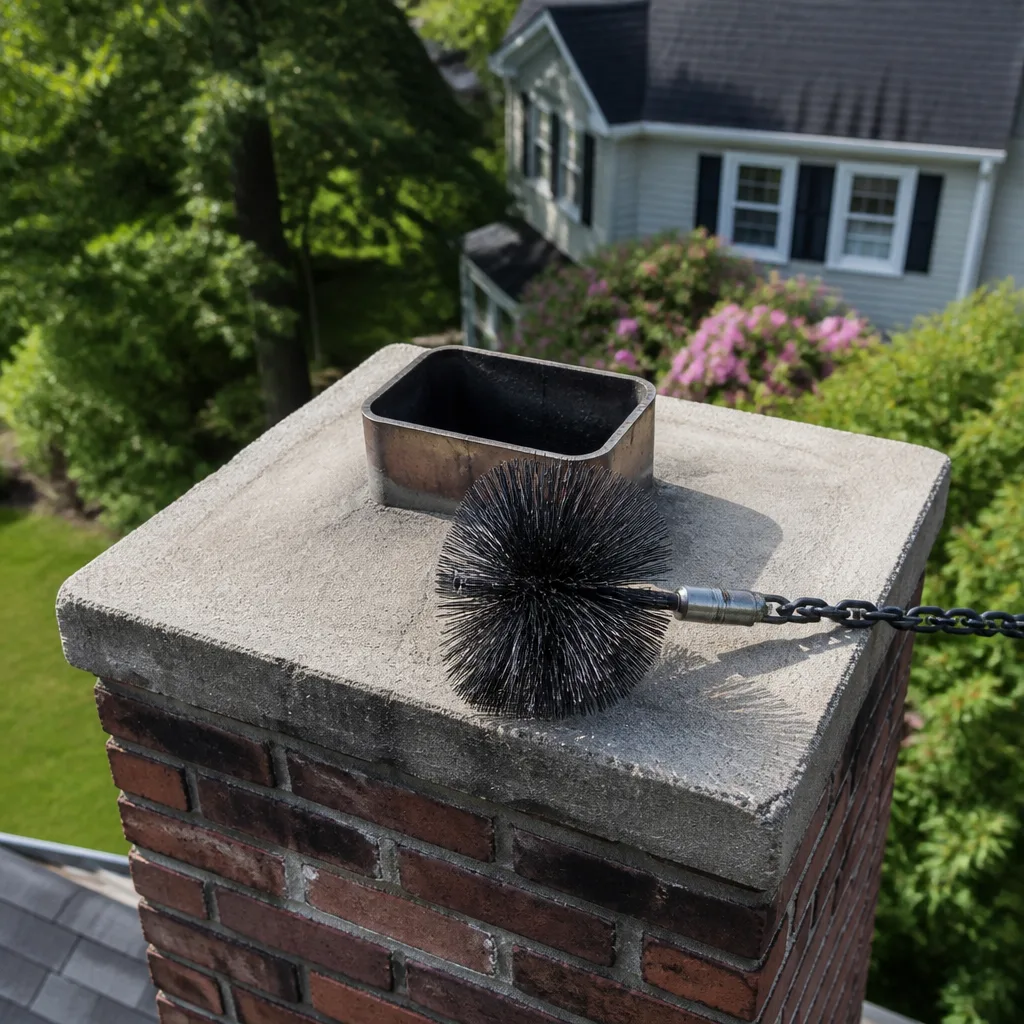
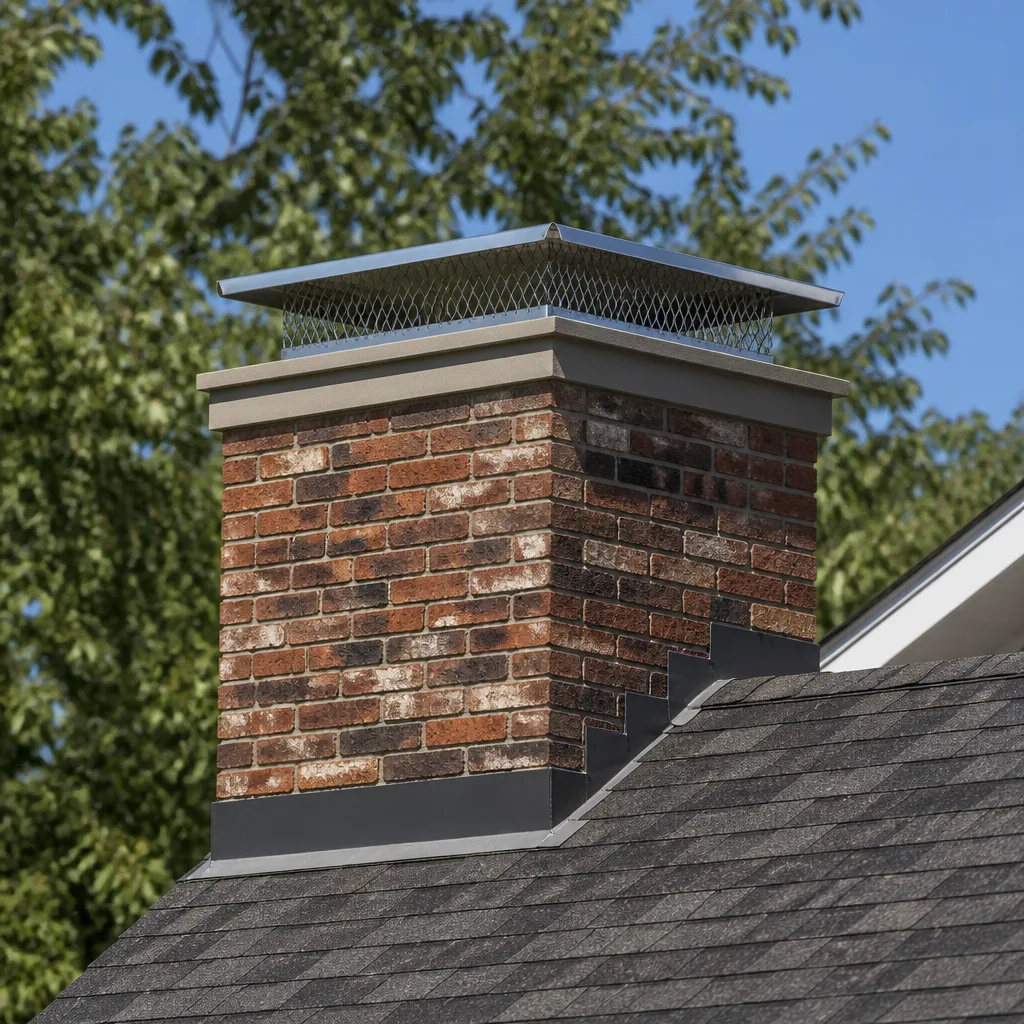
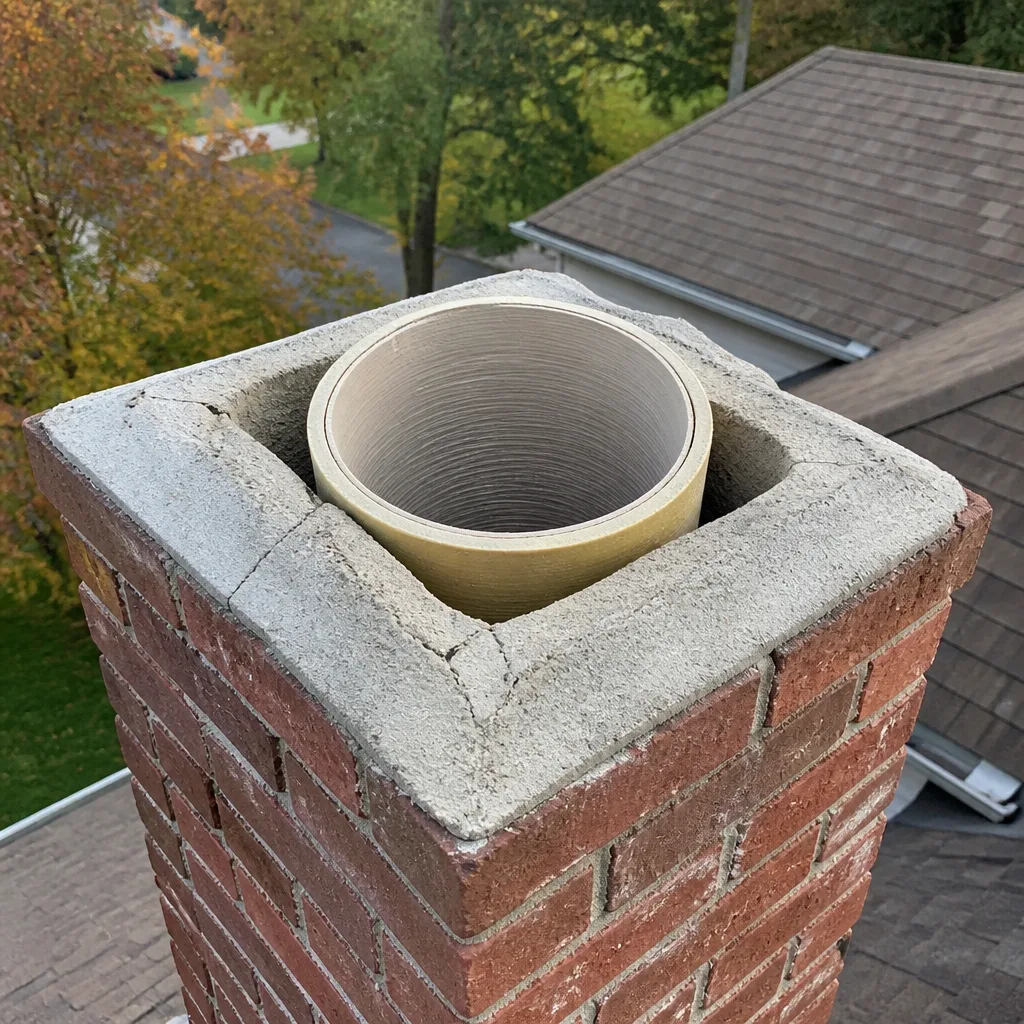
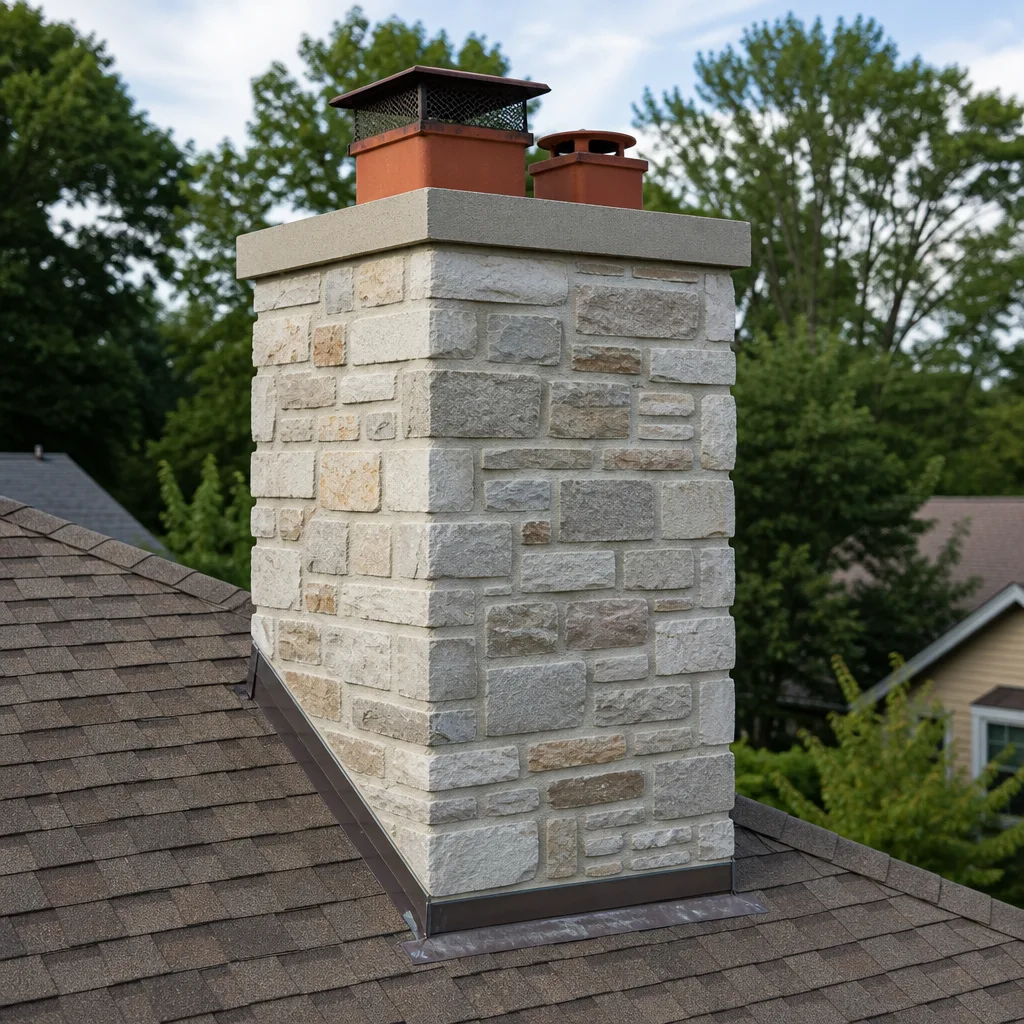
Level 1 sweep and inspection to the NFPA 211 annual standard - flue, crown, cap, and flashing checked and photographed
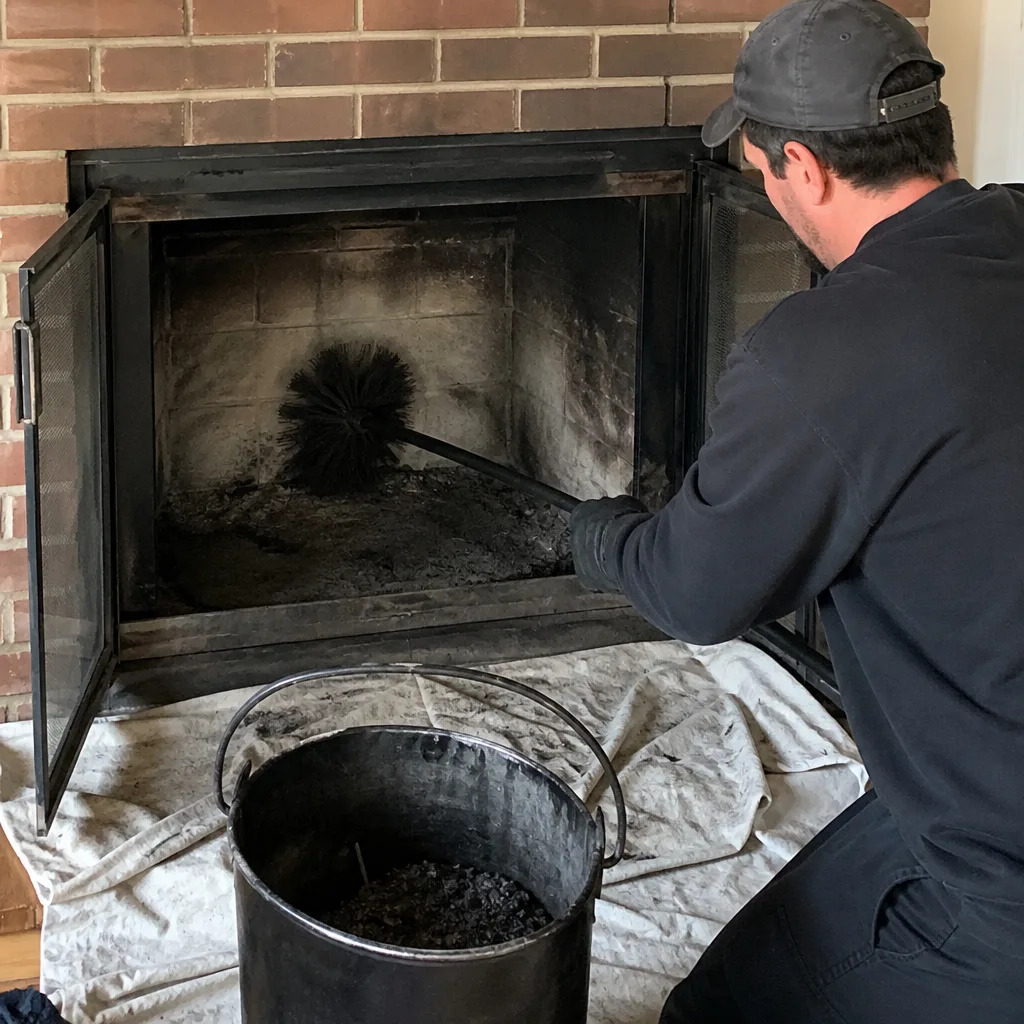
Chimney sweep logs do not sweep chimneys. They loosen some creosote - which then falls where a brush and vacuum still have to collect it.
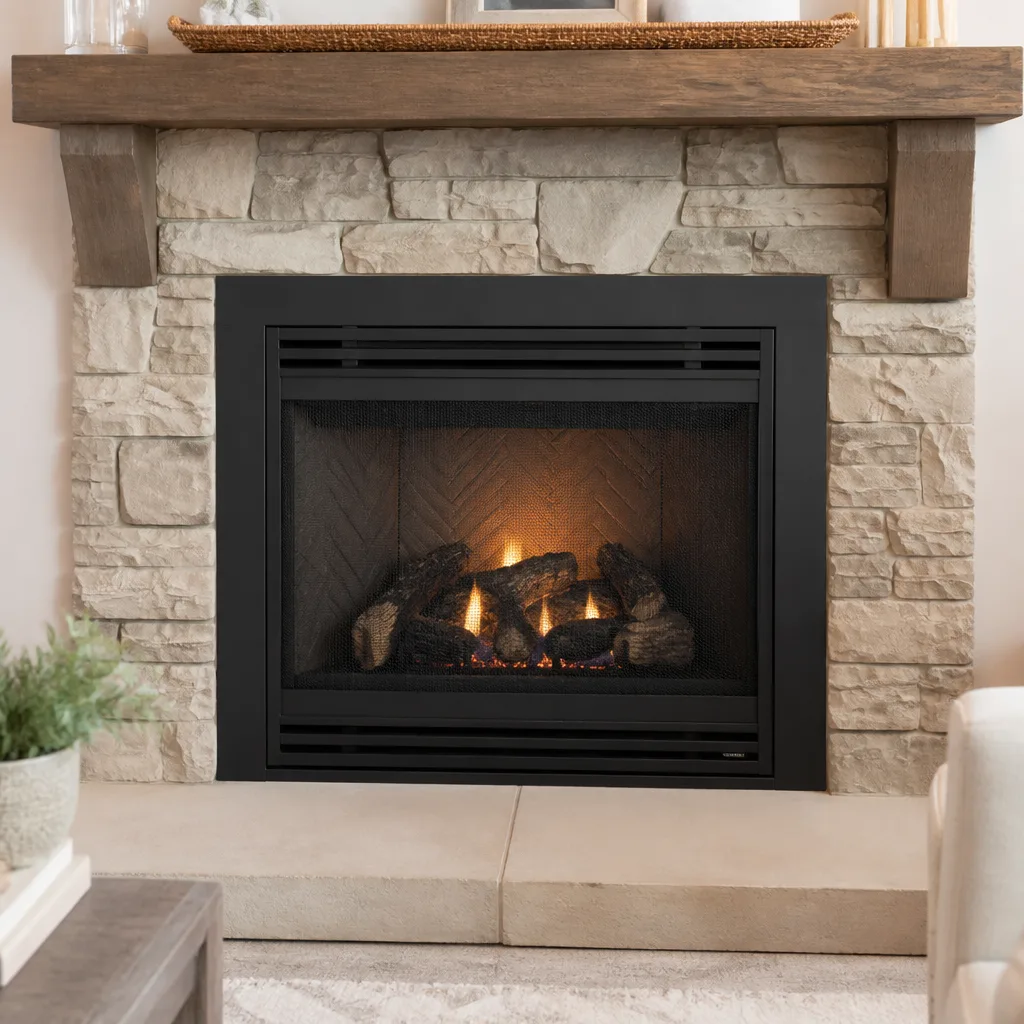
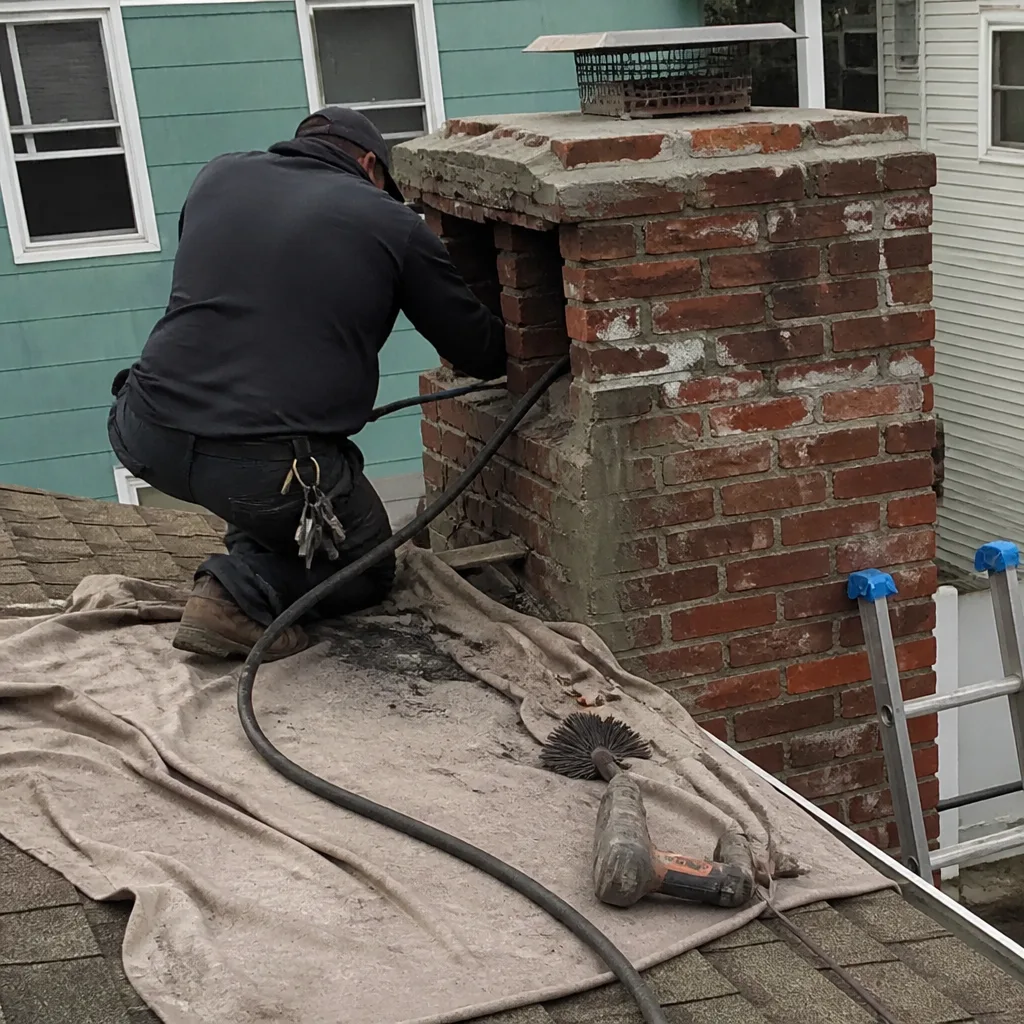 Before
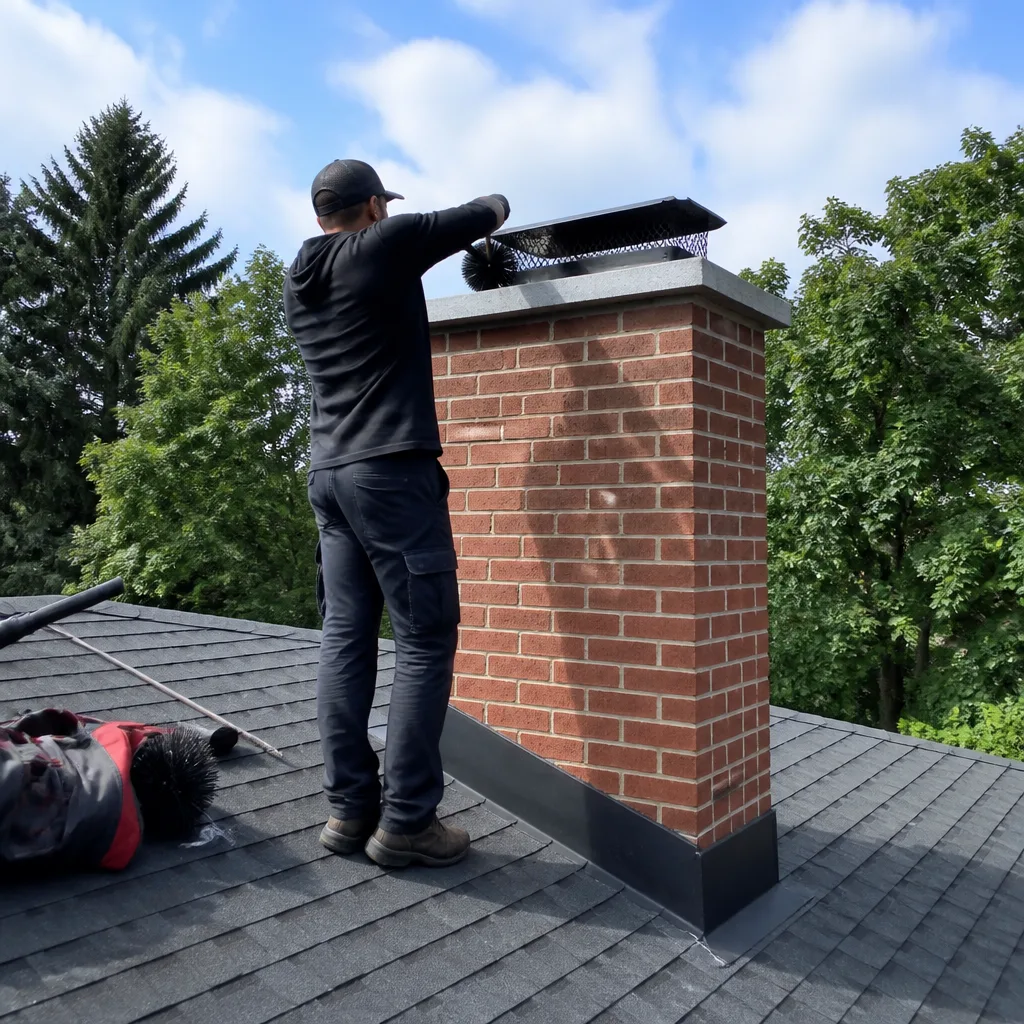 After
After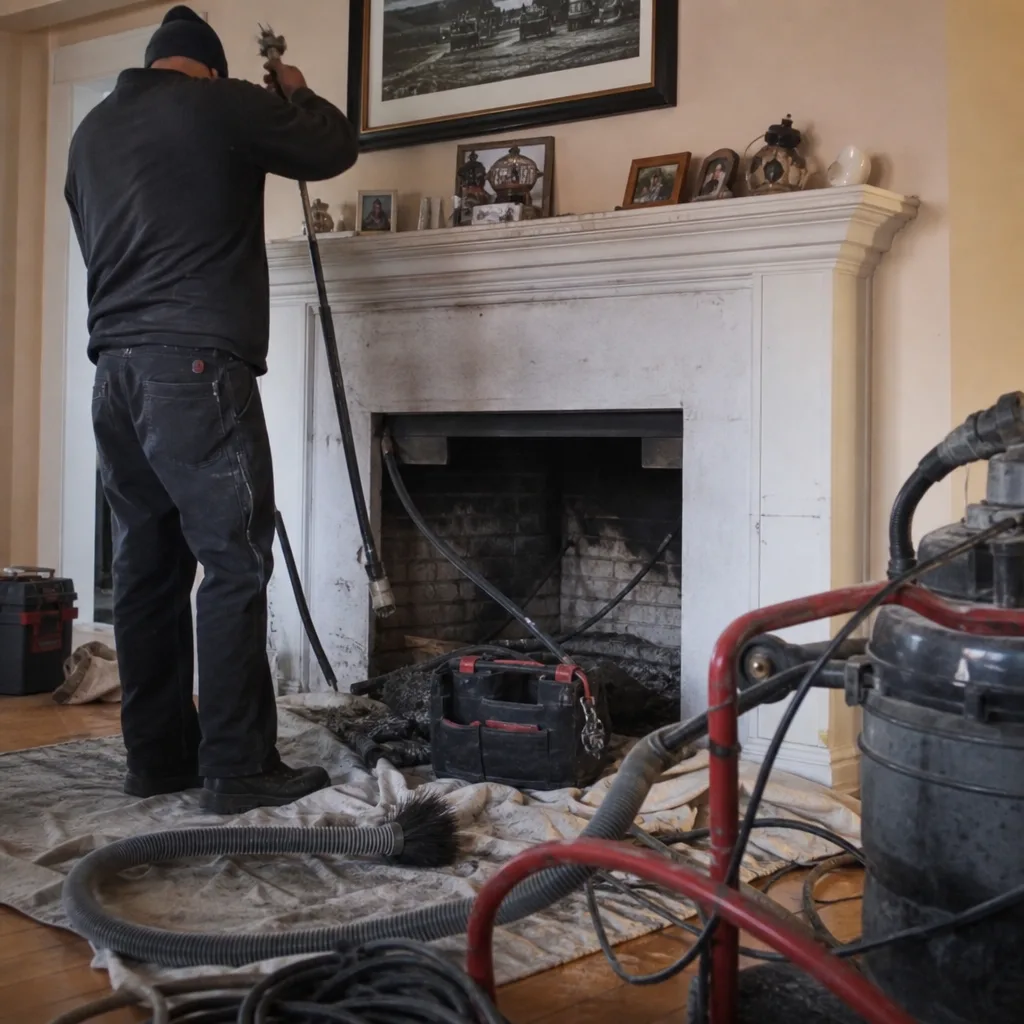 Before
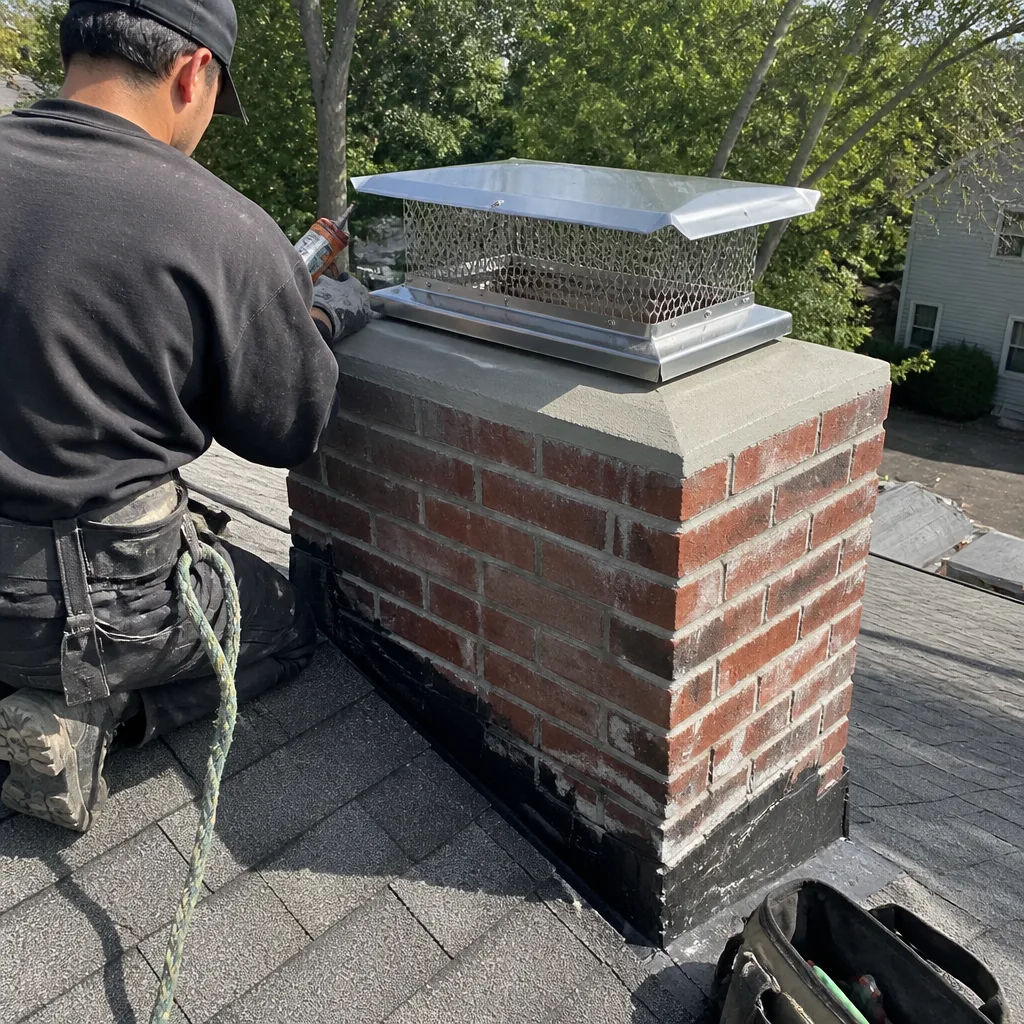 After
After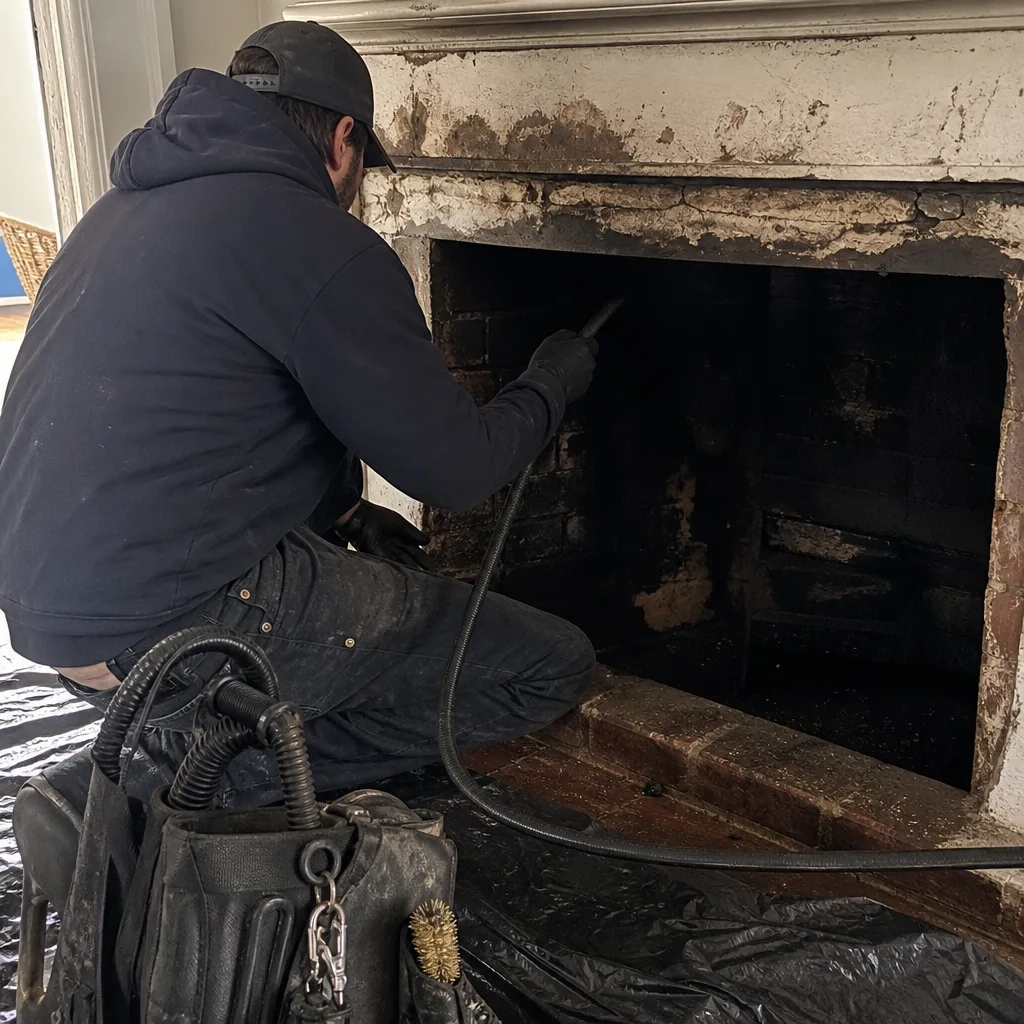 Before
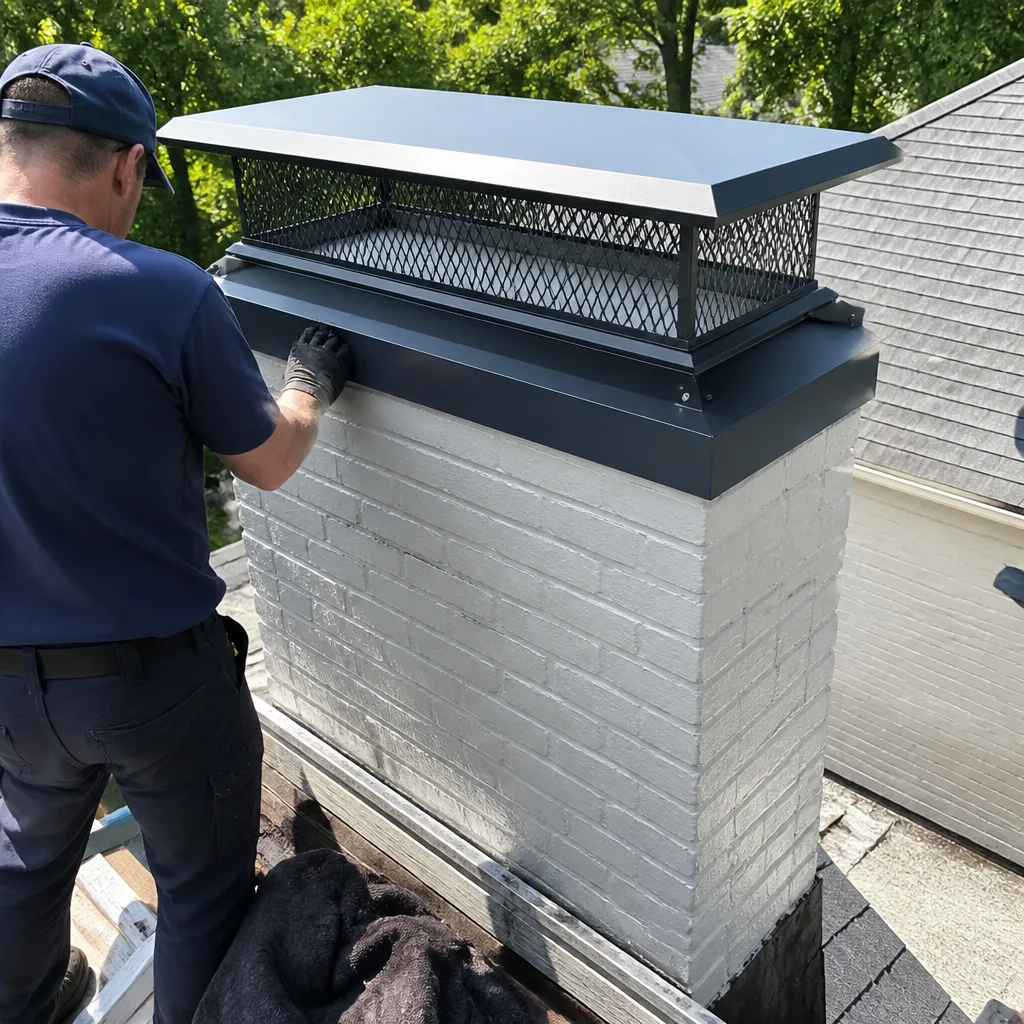 After
AfterChimney Cleaning Permits, Codes & Inspections in NY: What You Need to Know
Most New York homeowners walk into a chimney project assuming the hard part is picking a sweep. The harder part is knowing where a cleaning ends and a repair begins, because that line determines whether you need a permit, a DOB inspection, or a dated record that survives a real estate closing or an insurance claim. In New York City, a chimney liner replacement is treated as new construction under Building Code Section BC 2801 and requires a Department of Buildings permit. A cleaning, a camera inspection, or minor repointing of a few brick joints does not. Yet inspectors have issued violations to owners whose contractors performed unpermitted liner work and described the invoice simply as “cleaning and maintenance.” This guide-along with our Complete Guide to Chimney Cleaning in New York-explains exactly where that line sits in New York City and across Westchester, Rockland, Nassau, and upstate jurisdictions, how NFPA 211 inspection levels interact with local code, and what documentation actually protects you.
Quick Answer
A routine chimney cleaning and Level 1 or Level 2 camera inspection require no permit anywhere in New York State. A chimney liner replacement, flue rebuild, or structural repair inside a chimney falls under New York City Building Code BC 2801 and requires a DOB permit with inspection, while upstate jurisdictions follow the Residential Code of New York State (RCNYS) with local variation. The document that matters most is not the receipt: it’s a written report with dated camera images showing scope of work, because that is what separates permitted work from work that legally didn’t happen.
Table of Contents
- Where the Permit Line Actually Sits in New York
- How NFPA 211 Levels Interact with New York Code
- Real Estate Riders and the Level 2 Report
- Homeowner Liability When Work Should Have Been Permitted
- Upstate New York and Suburban County Differences
- What Documentation Should Look Like After Any Chimney Job
- What Permits and Inspections Cost in New York
- Common Mistakes to Avoid
- When to Call a Professional
- Frequently Asked Questions
BeforeAfterWhere the Permit Line Actually Sits in New York
New York City Building Code Chapter 28 governs chimneys and fireplaces. Section BC 2801 treats chimney construction, alteration, and liner installation as new construction. That means any of the following requires a DOB permit and a post-work inspection: removing and replacing a flue liner, rebuilding a chimney from the roofline up, re-lining a flue with a stainless system, or reconstructing a smoke chamber. A permit is also required if the work changes the chimney’s dimensions, height, or internal flue size.
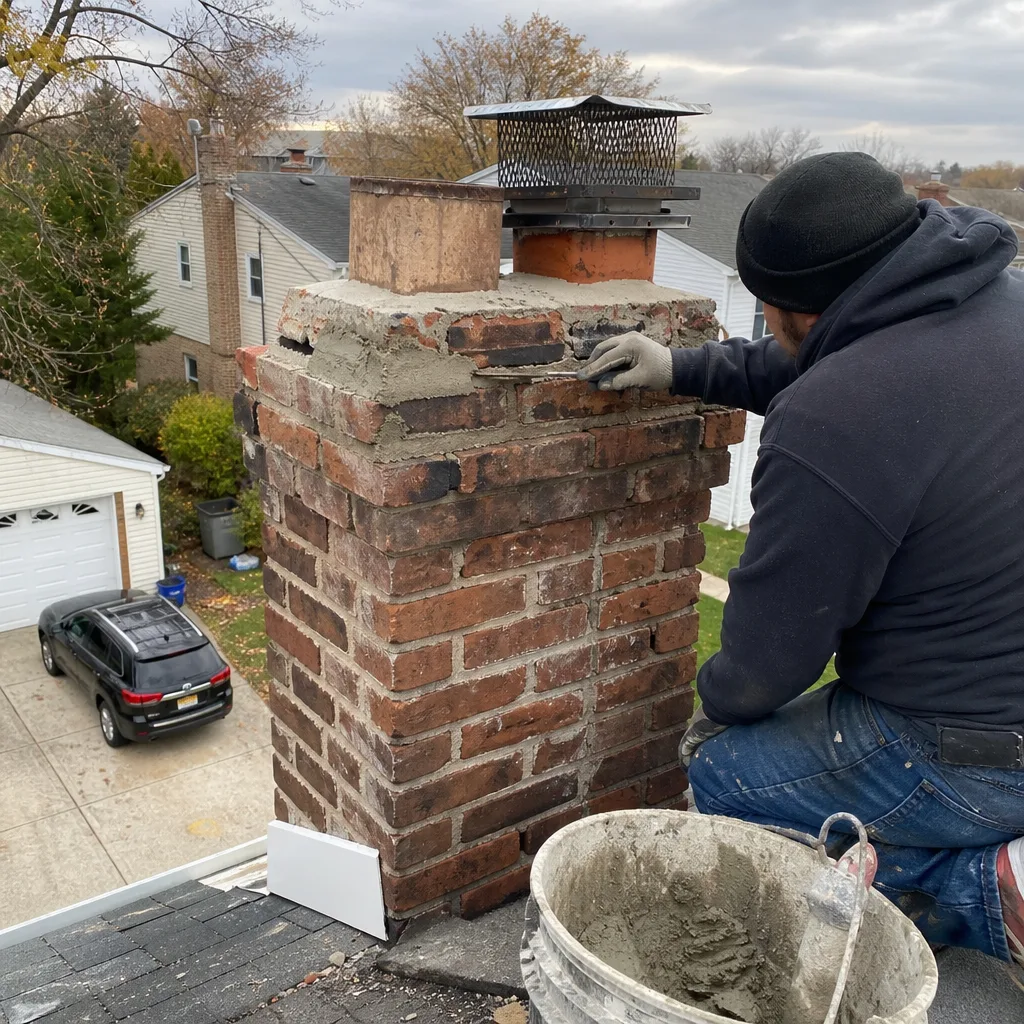
A chimney cleaning does not require a permit. Neither does a camera inspection, creosote removal, a standard brush-and-vacuum sweep, or minor repointing of a few spalled brick faces on the exterior chimney stack. Repointing becomes permit work when it involves structural rebuilding, such as taking down and rebuilding a section of the stack, rebuilding the crown with formwork, or parging and rebuilding the smoke chamber interior.
The invoice description matters more than homeowners think. A contractor who replaces a liner and writes “chimney cleaning and maintenance” on the receipt has intentionally or sloppily misdescribed permitted work as non-permitted work. When a DOB inspector or a home inspector later finds the new liner, the homeowner is the one holding the violation, not the contractor. The work legally didn’t happen because no permit was pulled, no inspection was scheduled, and no sign-off exists in the DOB’s records system. That has consequences for insurance, co-op board approvals, and resale.
We have seen this exact situation-one we detail in our Chimney Cleaning Warning Signs guide-in neighborhoods across New York, from brownstone Brooklyn to prewar co-ops on the Upper West Side. The fix at that point is expensive: an after-the-fact permit filing, a DOB inspection, and sometimes removal of the liner to expose the underlying flue for inspection. The cost to do it right the first time is a fraction of that.
How NFPA 211 Levels Interact with New York Code
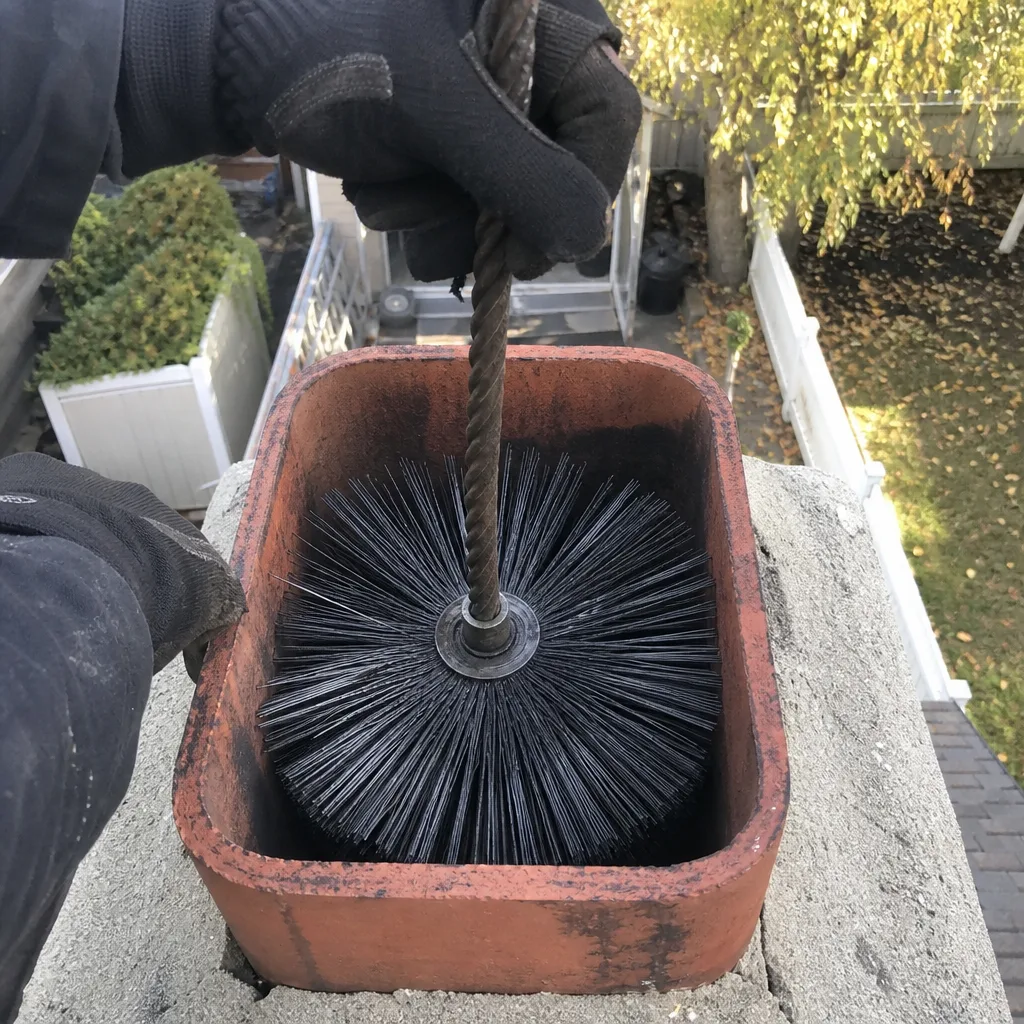
NFPA 211 is the national standard for chimneys, fireplaces, vents, and solid fuel burning appliances. It defines three inspection levels. New York City references NFPA 211 in its code, and most local jurisdictions across New York State use it as the benchmark for what a proper chimney inspection includes. What NFPA 211 does not do is replace a DOB permit or inspection. It is a standard of care, not a municipal approval.
Level 1 Inspection
A Level 1 inspection is visual. The technician examines the readily accessible portions of the chimney exterior and interior, checks the flue with a light, confirms the appliance connection, and verifies that the chimney is free of obstructions and combustible deposits. This is the inspection that accompanies a routine Chimney Cleaning & Sweep in New York. No permit is needed, and no municipality in New York requires one for a Level 1.
Level 2 Inspection
A Level 2 inspection includes everything in Level 1 plus a camera scan of the flue interior, examination of the attic, crawlspace, and exterior portions of the chimney, and assessment of proper clearances. It is required by NFPA 211 whenever a property changes hands, after any chimney fire, after an earthquake or severe weather event, or when the appliance or flue is altered. In New York, Level 2 reports have become a standard contract rider item in residential real estate. More on that below.
What a Level 2 report cannot do is substitute for a DOB permit filing. A Level 2 report documents condition. A permit documents approval. If a Level 2 reveals a cracked flue liner and the fix requires liner replacement, the permit is still required by BC 2801. The report becomes supporting evidence in the permit application, not a replacement for it.
Level 3 Inspection
A Level 3 inspection involves opening up portions of the chimney or building structure to examine concealed areas. It is triggered when a Level 1 or Level 2 turns up suspected hazards that need direct access. If a Level 3 requires cutting into a wall or demolition of chimney masonry, a permit is almost certainly required. Homeowners should expect a written scope before any Level 3 work begins, because the scope of inaccessible inspection work can expand quickly.
Real Estate Riders and the Level 2 Report
Over the last decade, New York real estate attorneys have started writing Level 2 chimney inspection reports into purchase contract riders as a standard contingency, particularly for homes with wood-burning fireplaces or older masonry chimneys. A buyer’s attorney will request a “Level 2 chimney inspection by a qualified chimney professional” before closing, alongside the termite inspection and the structural engineer’s report.
What happens when the seller’s agent offers a cleaning receipt instead? Usually, the deal pauses. A cleaning receipt says someone brushed the flue and removed creosote. It says nothing about whether the flue liner is cracked, the crown is spalling, the smoke chamber is parged properly, or the chimney is safe to operate. Attorneys representing buyers in New York have learned to reject cleaning receipts as insufficient, because the contingency explicitly calls for a Level 2 report.
The homeowner who has a dated, photo-documented Level 2 report from a prior service has leverage. They can produce it in a day. The homeowner who only has a cleaning receipt now has to schedule an inspection during a transaction, and if the inspection turns up a cracked liner or failed crown, the cost of that discovery gets negotiated into the sale price at the worst possible moment. We have seen sellers in New York lose $5,000 to $15,000 on a closing because a Level 2 inspection surfaced a chimney problem during attorney review.
Homeowner Liability When Work Should Have Been Permitted
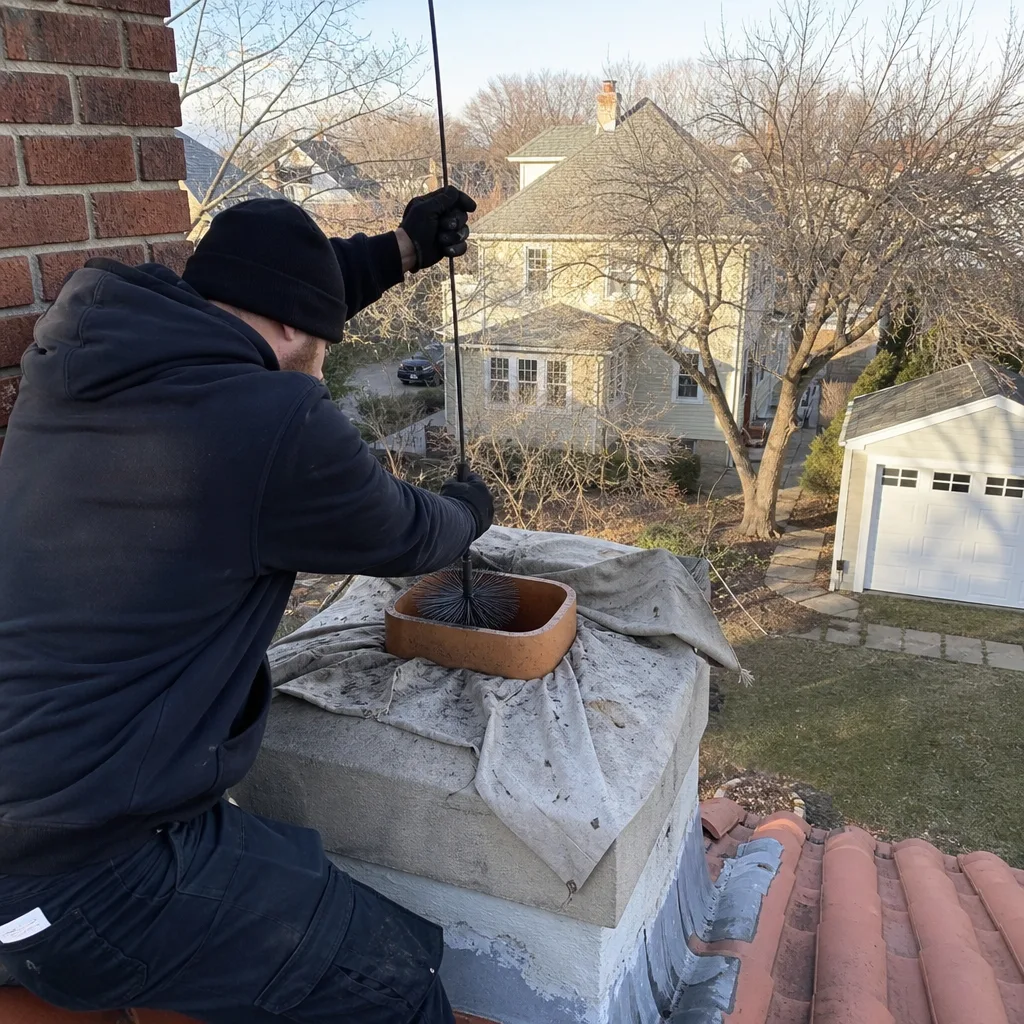
The homeowner carries more liability than the contractor when unpermitted work is performed, and that surprises people. If a contractor replaces a chimney liner without a DOB permit in New York City, the DOB violation is issued to the property owner of record. The homeowner pays the fine. The homeowner manages the after-the-fact permit. The homeowner gets the stop-work order lifted. If the contractor has moved on, the homeowner is left with the entire problem.
Insurance gets complicated fast. A homeowners insurance policy typically requires that work performed on the home meet local building codes and permit requirements. If an unpermitted liner replacement is later implicated in a chimney fire or carbon monoxide incident, the insurer may deny the claim on the grounds that the work was not code-compliant at the time it was done. The homeowner’s argument that “the contractor didn’t tell me it needed a permit” does not typically move an adjuster.
A written camera report creates a dated record that clarifies scope after the fact. If a technician documents through video and still images that a liner was cracked on a specific date, and the scope of subsequent work is described with precision, the homeowner has a defensible record. That record may not erase the need for a permit, but it can establish when damage existed, what condition the chimney was in, and what work was performed. In disputes involving unpermitted work, the absence of any written record is what usually sinks the homeowner.
This is why we put camera documentation in writing on every visit. The Level Two Chimney New York home practice, running continuously since 2009, treats the photo record as the core deliverable, not an optional add-on. Clause 4 of the Haven Standard requires a documented photo record on every job, because that record is what survives after memory fails and contractors disappear.
Upstate New York and Suburban County Differences
New York City has the DOB. The rest of the state operates under the Residential Code of New York State (RCNYS), which is adopted and enforced by local building departments with meaningful variation from town to town. Homeowners in Westchester, Rockland, and Nassau counties often assume they’re under the same rules as the five boroughs. They are not.
Westchester County
Municipalities in Westchester, including Yonkers, White Plains, New Rochelle, and Mount Vernon, enforce RCNYS through local building departments. Chimney liner replacement generally requires a building permit, since RCNYS Chapter 10 governs chimneys and fireplaces with the same structural intent as BC 2801. The enforcement culture is more reliant on local inspectors than DOB’s system of electronic filings. Homeowners should call their town or village building department before any liner work, because some jurisdictions require a permit for any work touching the chimney structure, including partial rebuilds.
Rockland County
Rockland towns like Clarkstown, Ramapo, Orangetown, and Haverstraw typically require permits for chimney rebuilds and liner replacement. A cleaning and camera inspection does not require a permit anywhere in Rockland. One point worth knowing: Rockland’s older housing stock includes many mid-century homes with clay tile liners that have never been inspected. The Level 2 report carries particular weight here, because clay tile liners crack with age and have no visual indication from the exterior.
Nassau County
Nassau has 64 incorporated villages, each with the authority to enforce building codes, and they do not all interpret chimney work the same way. The Town of Hempstead, North Hempstead, and Oyster Bay each have their own building department practices. A liner replacement in one village may be handled as a simple permit, while a neighboring village may require an architect’s letter. Homeowners should ask their contractor to name the specific permit type required for the work and then verify it with the building department directly.
What Documentation Should Look Like After Any Chimney Job
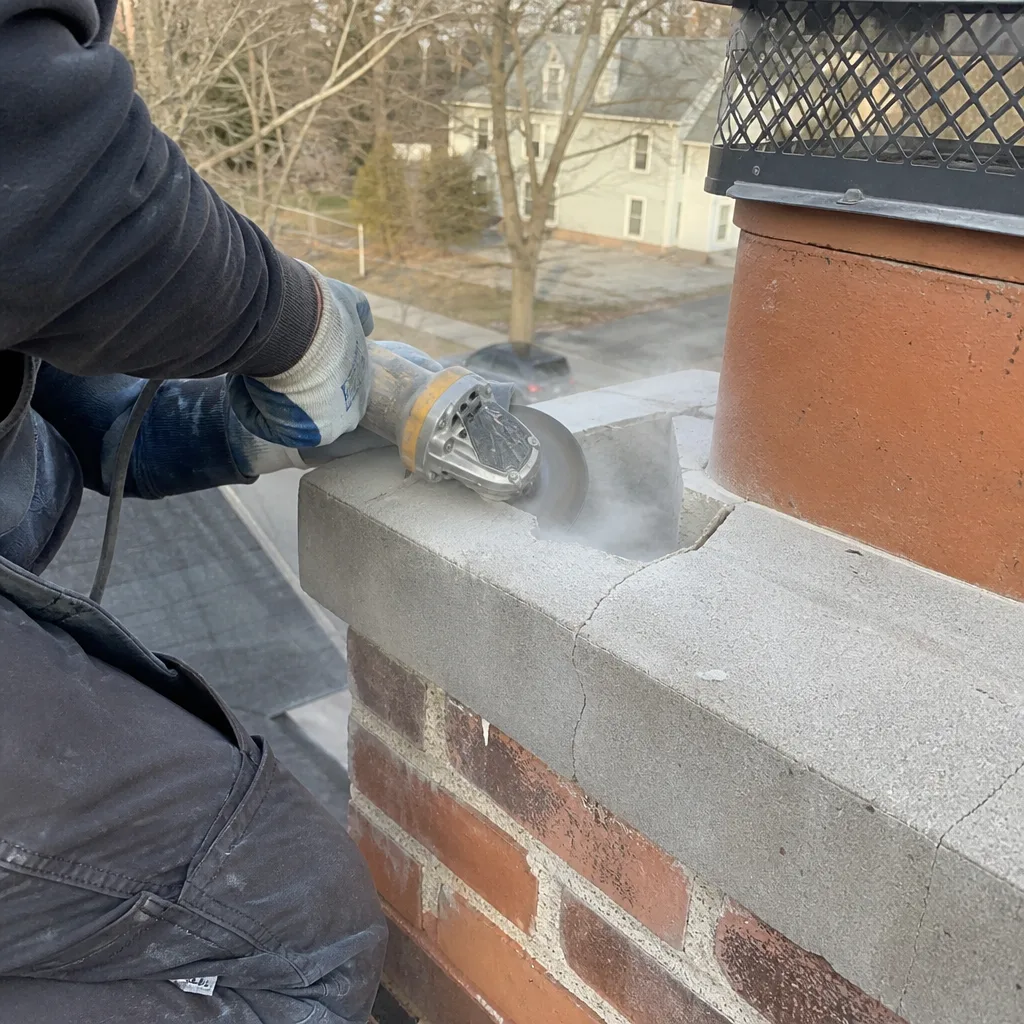
Whether the job is a $189 cleaning or a $9,000 liner replacement, the homeowner should walk away with written documentation that meets our Chimney Cleaning & Sweep Maintenance Checklist for New York Homeowners. Here is the minimum standard that holds up in a New York real estate transaction, an insurance claim, or a DOB dispute:
- Written scope of work, dated and signed, describing what was performed and what was not. It should say “chimney cleaned, creosote removed, Level 2 camera inspection completed” or “stainless liner installed, permit number referenced” - not a vague phrase like “chimney service.”
- Camera images or video, dated and labeled, showing the flue condition before and after the work. A photo of a clean flue is evidence. A photo of a cracked flue is evidence of a problem that existed.
- The technician’s name and license or certification information. In New York City, the contractor’s home improvement license number should appear on the document. Upstate, the local building permit number should be referenced where applicable.
- A written warranty on any materials installed, with the manufacturer’s name. If a DuraFlex or HeatShield liner system is installed, the warranty should name the product and the installation date.
- Permit documentation where required: the DOB permit number, the inspection date, and the sign-off. Homeowners in New York City can verify a permit’s status through the DOB’s online records system.
We write all of this down before any work begins, not after. A written price and written scope delivered before anyone starts is the entire point of how we operate. Our techs carry license information on the page, a named technician is assigned, and the customer knows what they are paying before the truck arrives. That practice is Clause 1 of the Haven Standard: “Have it in writing.”
What Permits and Inspections Cost in New York
Permit costs in New York City for chimney liner replacement are structured around the DOB’s filing fees, which run from roughly $100 to $400 depending on the scope of work and the filing type. After-the-fact permits cost more, sometimes double the standard fee, plus the cost of any required engineering or architectural documentation.
Inspection costs for a chimney cleaning with camera scan in New York’s metro area generally run between $189 and $399 for a standard single-flue chimney, depending on the jurisdiction, access difficulty, and whether the home is in the five boroughs or an inner suburb like Scarsdale, New Rochelle, or Great Neck. A Level 2 camera inspection alone, without cleaning, typically runs $150 to $300. If it’s bundled with the cleaning, most companies price the combined service between $250 and $450.
Here is a line-item view of what a New York homeowner can expect:
- Chimney cleaning (brush and vacuum): $150-$250 in NYC, $140-$220 in Westchester and Long Island
- Level 1 visual inspection: $75-$150 standalone, often folded into the cleaning price
- Level 2 camera inspection: $150-$300 standalone, $100-$200 when added to a cleaning
- DOB permit filing (liner replacement, NYC): $100-$400 filing fee, depending on scope and possible after-the-fact penalty
- Structural repair permits (upstate): $50-$250 depending on the municipality
These ranges reflect what we see in the New York market as of 2026. Prices vary by chimney height, roof access, flue size, and whether the home has a single flue or multiple flues. A contractor quoting a cleaning at $89 and then finding $8,000 of “necessary work” after one look is operating on a different model: the look is free because the upsell is the revenue. We cite the price range before we arrive, and if the camera survey finds something, the customer sees the images.
Materials on liner work matter to the price. We source from DuraFlex, HeatShield, and Olympia Chimney through Haven’s buying network, which keeps customer pricing honest without compromising on what gets installed. A DuraFlex stainless liner system costs more than a poured-in-place HeatShield resurfacing in most applications, but the application determines which one is appropriate, not the margin.
Common Mistakes to Avoid
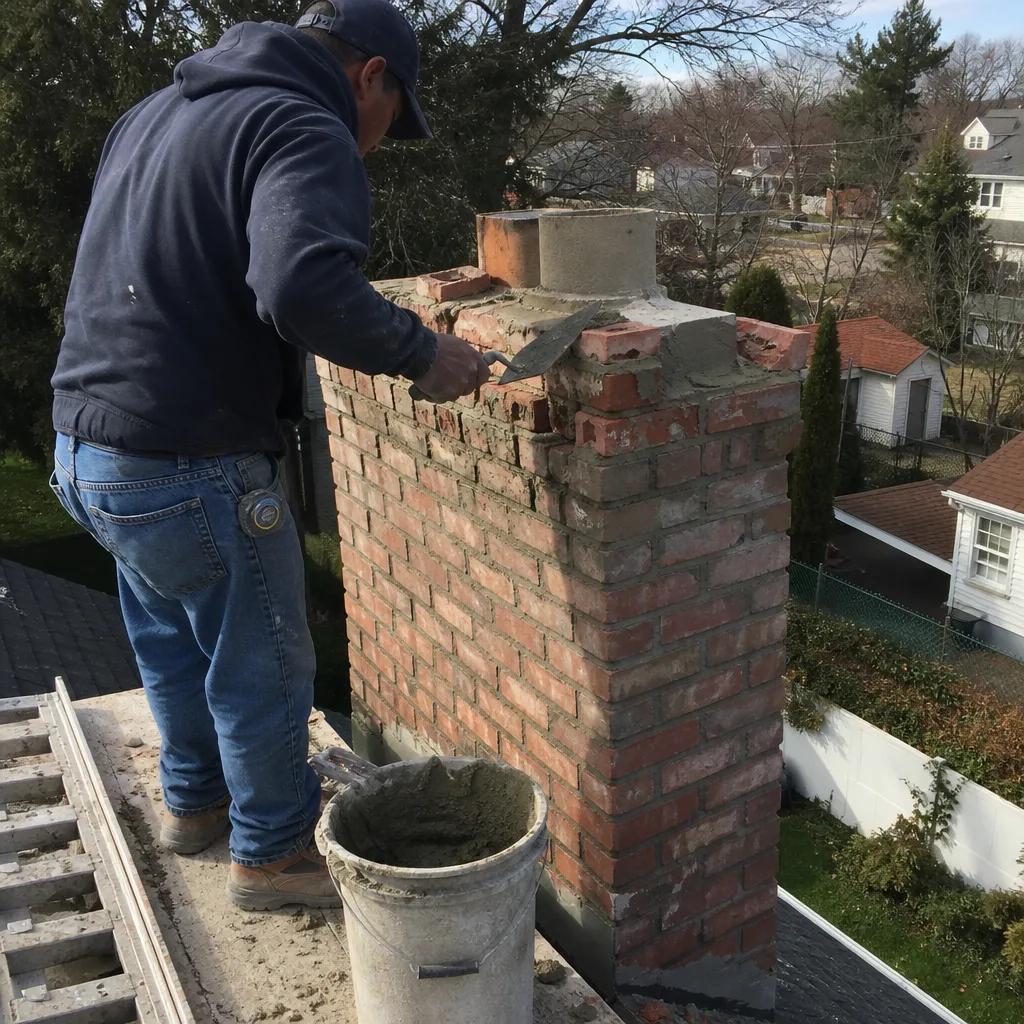
- Taking a cleaning receipt as proof of a sound chimney. A cleaning receipt proves only that someone brushed the flue. It says nothing about liner condition, crown integrity, or clearances. In a New York real estate transaction, it will not satisfy a Level 2 rider.
- Letting a contractor describe liner work as “maintenance.” Liner replacement is repair and reconstruction, not maintenance. The wording on the invoice is what a DOB inspector, an insurance adjuster, or a future buyer’s attorney will read.
- Skipping the permit on a liner replacement because the contractor says it’s faster without one. It is faster. It is also unpermitted construction that transfers to you as the property owner’s liability. In New York City, the DOB violation lands on the owner.
- Assuming a Level 2 inspection replaces a permit. It doesn’t. A Level 2 documents condition. A permit documents municipal approval. They serve different legal functions.
- Not verifying the contractor’s license information before work starts. In New York City, home improvement contractors must be licensed by the Department of Consumer Affairs. The license number should be on the estimate and on the final invoice. If it’s missing, that’s a signal.
- Accepting a verbal quote for structural chimney work. If the scope and price are not written down before work begins, the homeowner has no document to point to when the price changes mid-job. Written scope, written price, written warranty - before anyone touches the chimney.
- Neglecting to keep the documented photo record. The dated camera images from a chimney inspection are the most durable evidence a homeowner has. They survive contractor disputes, insurance claims, and resale negotiations. If you don’t have them, ask for them.
When to Call a Professional
Call a professional when you are buying or selling a home in New York and need a Level 2 report for the contract rider. Call when your chimney has been dormant for a season or two and you’re firing it up for the first time. Call when you see spalling brick, a cracked crown, or water staining around the fireplace. Call when your contractor’s invoice describes work you can’t verify with images. And call before you burn your first fire of the season if you haven’t had a documented inspection in the last year.
Chimney Repair in New York is not a place to gamble on undocumented work. Level Two Chimney New York offers free estimates in New York, including Fireplace Services in New York - call (551) 213-5548 and we’ll give you a written price before any work starts, with a camera report and photo record included on every visit.
Frequently Asked Questions
No. A chimney cleaning, camera inspection, or standard brush-and-vacuum sweep requires no permit anywhere in New York State. A permit requirement is triggered by structural or liner work, not by maintenance.
Yes. New York City Building Code Section BC 2801 treats chimney liner replacement as new construction requiring a DOB permit and post-work inspection. Skipping the permit leaves the homeowner with unpermitted construction, DOB violations, and potential insurance complications.
A Level 2 inspection includes a camera scan of the flue interior, examination of the attic and exterior chimney portions, a check of clearances to combustibles, and an assessment of the flue liner, smoke chamber, and chimney crown. It is the standard inspection for real estate transactions in New York.
No. A Level 2 report documents the condition of the chimney. A DOB permit documents municipal approval of construction work. The report can support a permit application, but it cannot substitute for one.
NFPA 211 recommends a chimney cleaning and inspection at least once per year if you use your fireplace regularly. Homes that burn wood through a full New York winter, from late October to March, should be cleaned and inspected each fall before the burning season begins.
In New York City, the DOB can issue a violation to the property owner, require a stop-work order until the situation is resolved, and impose fines. An after-the-fact permit filing typically costs more than the original permit. The work may also need to be partially opened up for inspection, adding cost. Call (551) 213-5548 for an exact quote on bringing unpermitted work into compliance - estimates are free.
The Bottom Line
In New York, the difference between a chimney cleaning and a chimney repair is not semantic: it is the difference between work that requires a permit and work that doesn’t. A cleaning, a Level 1 inspection, and a Level 2 camera scan are permit-free. Liner replacement, structural rebuilding, and smoke chamber reconstruction are BC 2801 permit work in New York City and RCNYS permit work in most upstate and suburban jurisdictions. The homeowner’s best protection is a written scope, a dated photo record, and a contractor who puts the price in writing before work starts. That is what Level Two Chimney New York has done on 38,000+ chimneys since 2009, and it’s what we’ll do for yours. For more guides & resources, visit our blog.
Written by Corrine Halstead, Owner at Level Two Chimney New York, serving New York since 2009.