
Last updated September 19, 2026
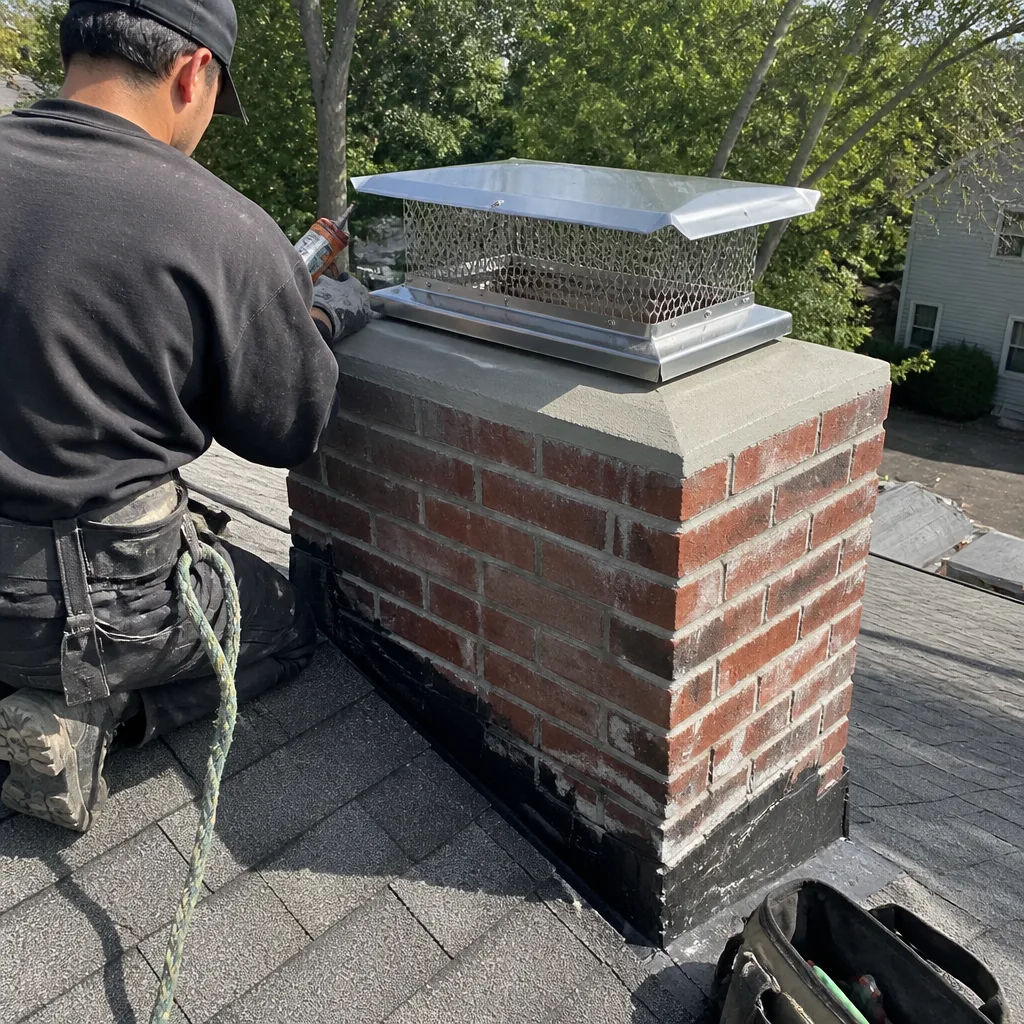
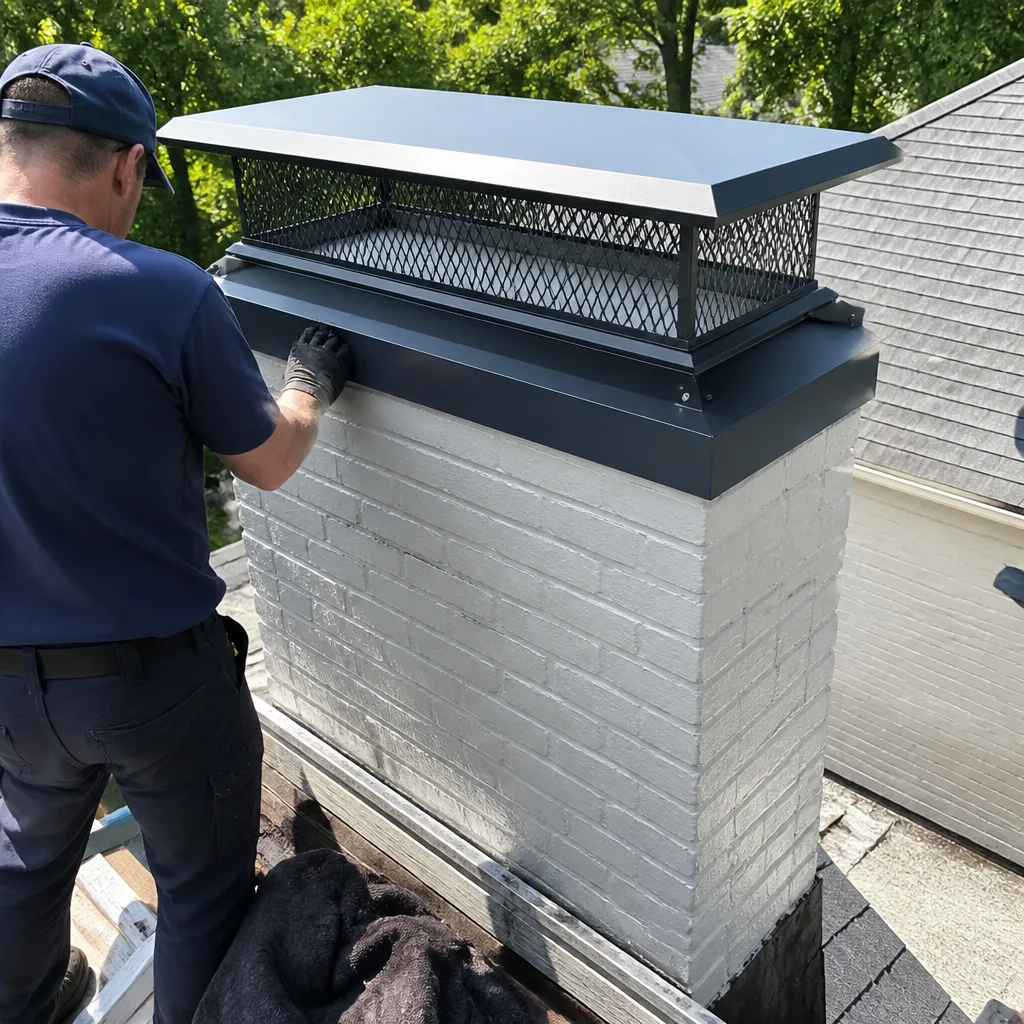
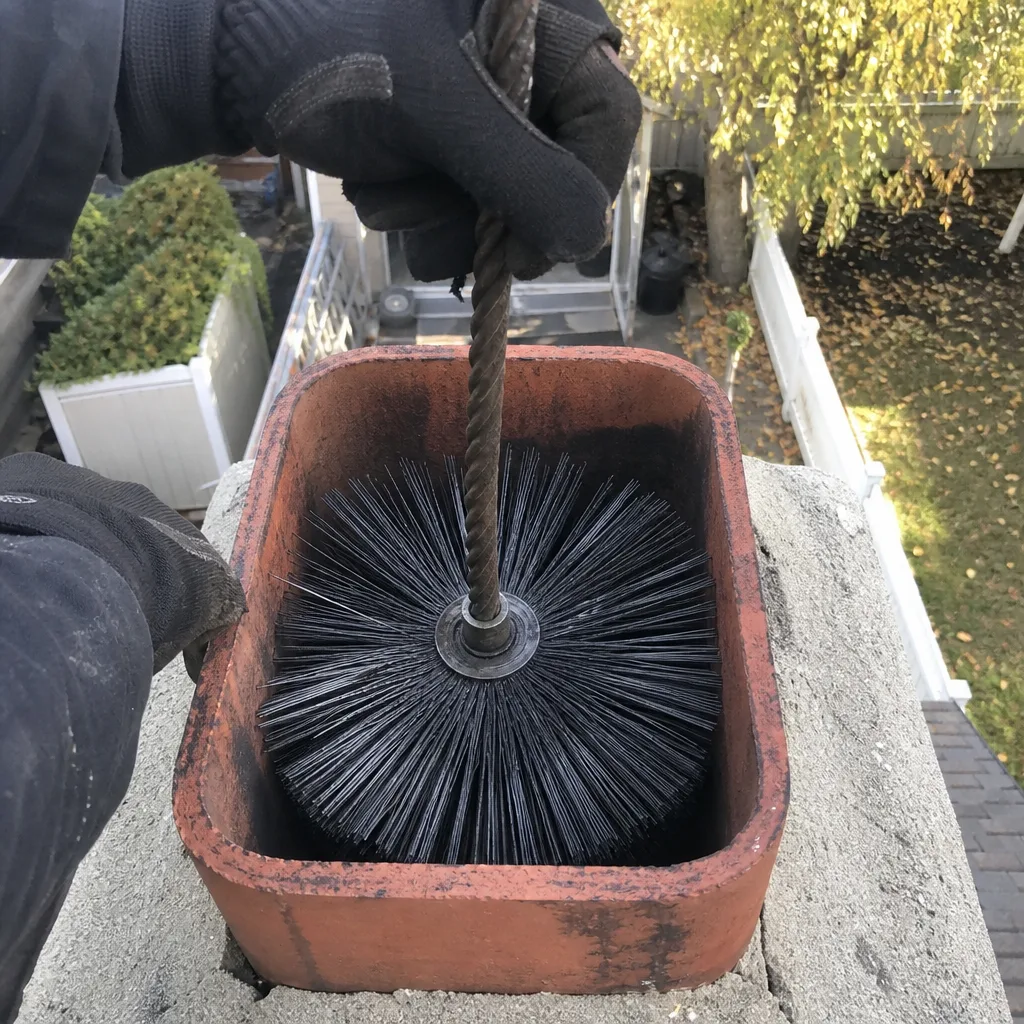
Level 1 sweep and inspection to the NFPA 211 annual standard - flue, crown, cap, and flashing checked and photographed
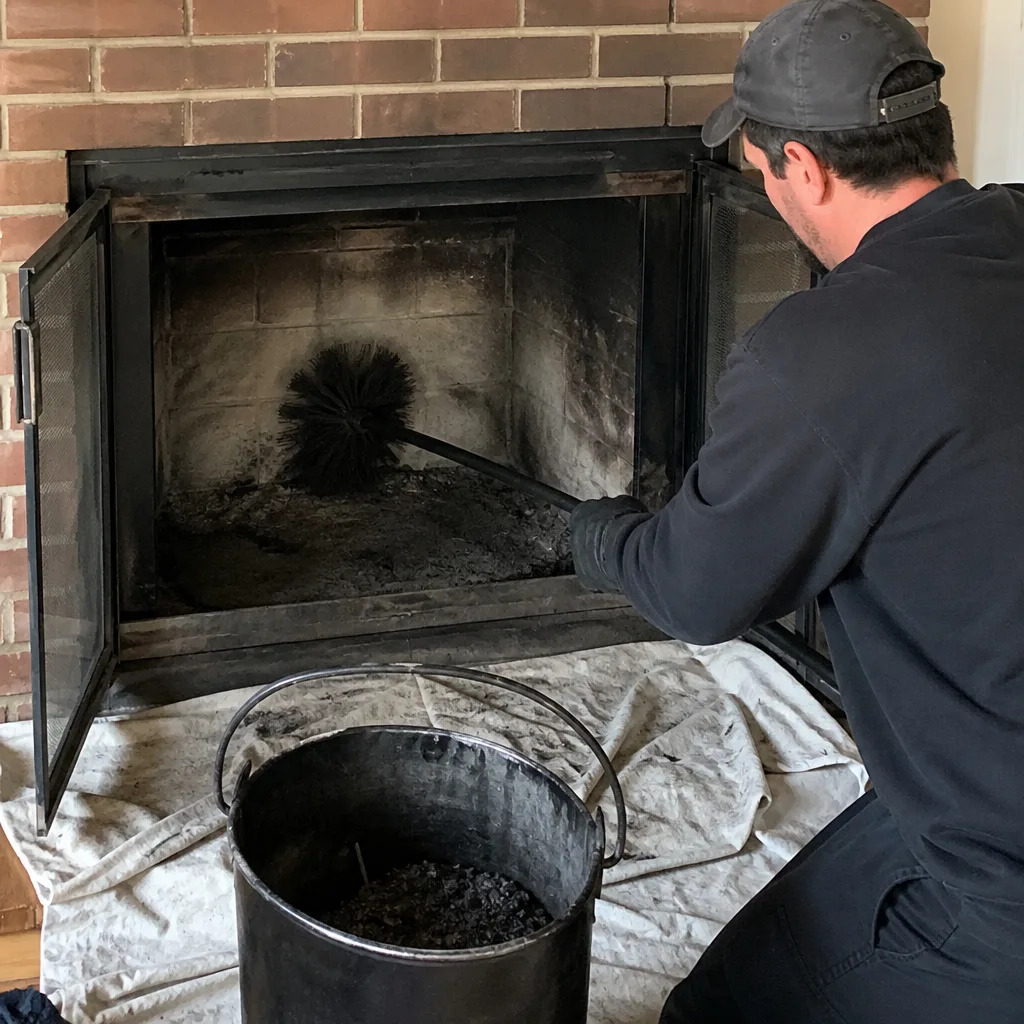
Chimney sweep logs do not sweep chimneys. They loosen some creosote - which then falls where a brush and vacuum still have to collect it.
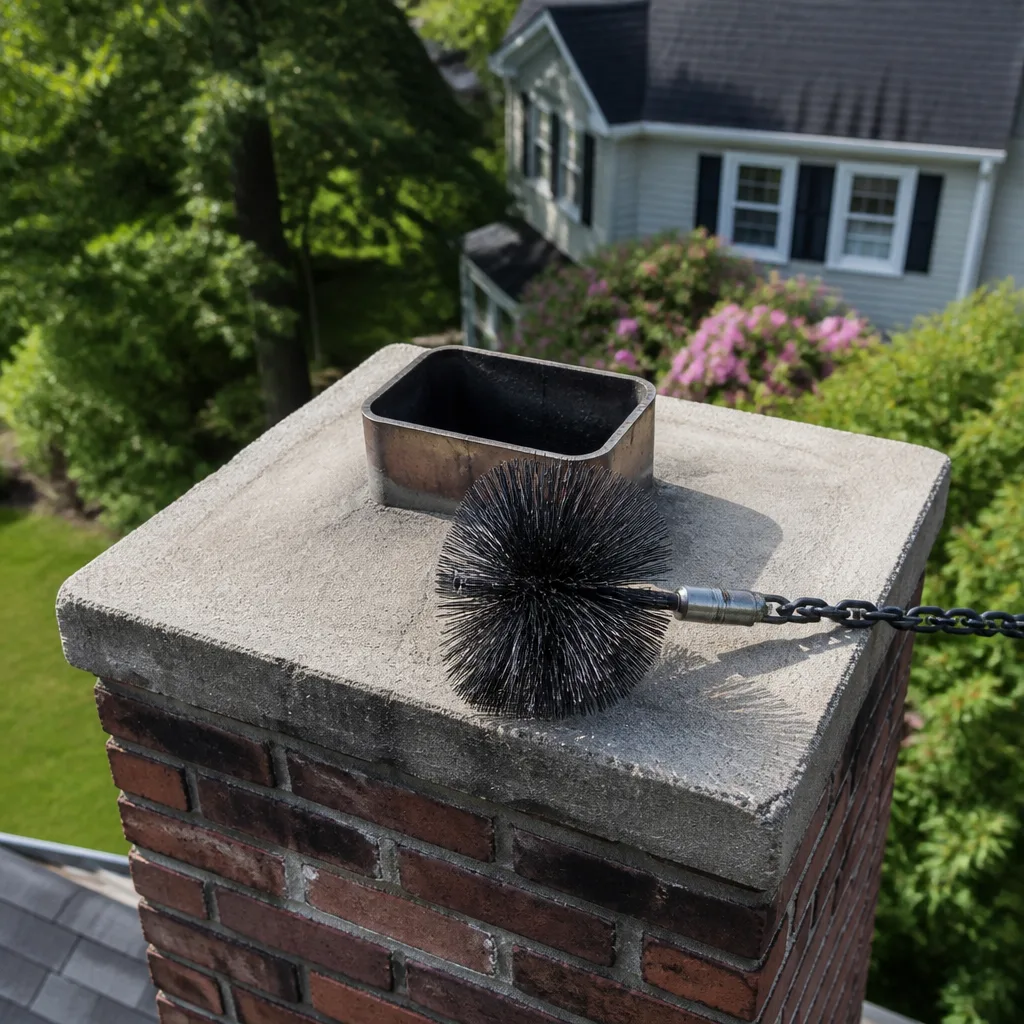
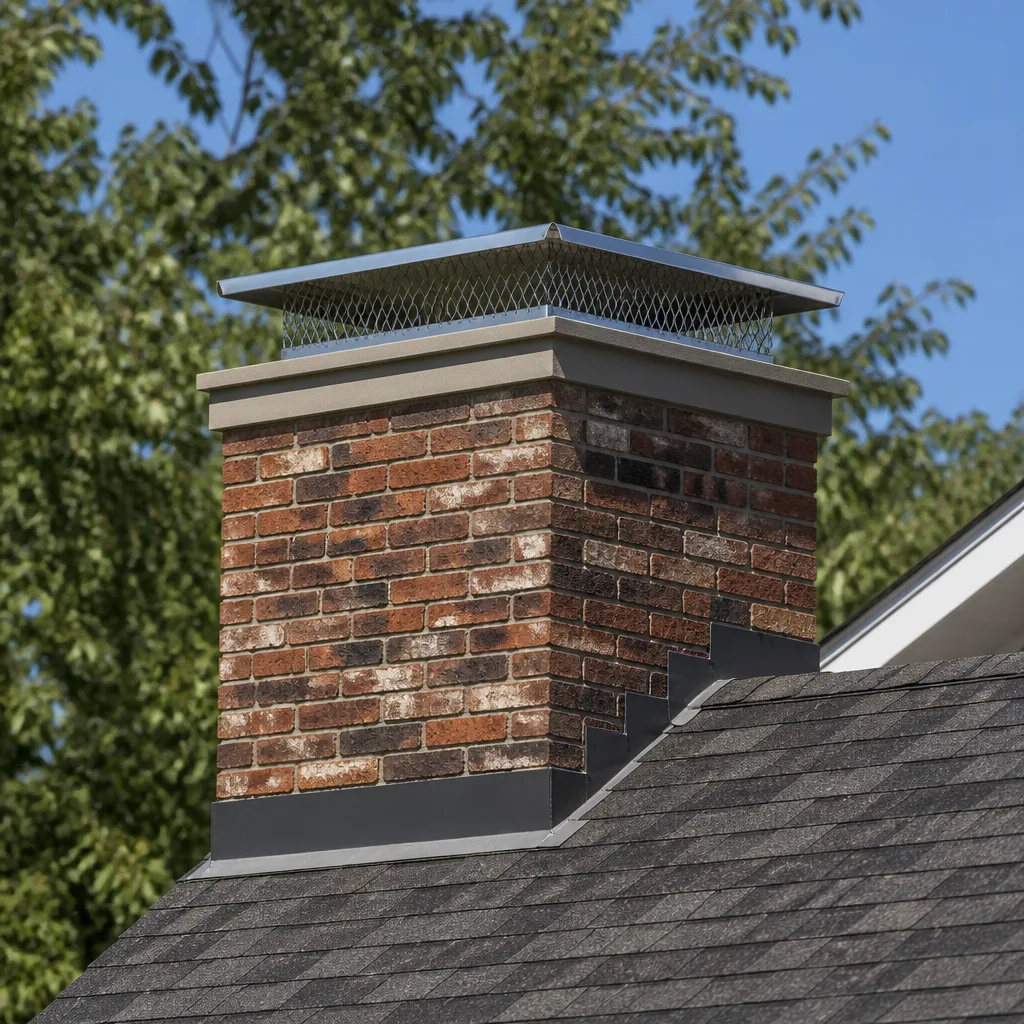
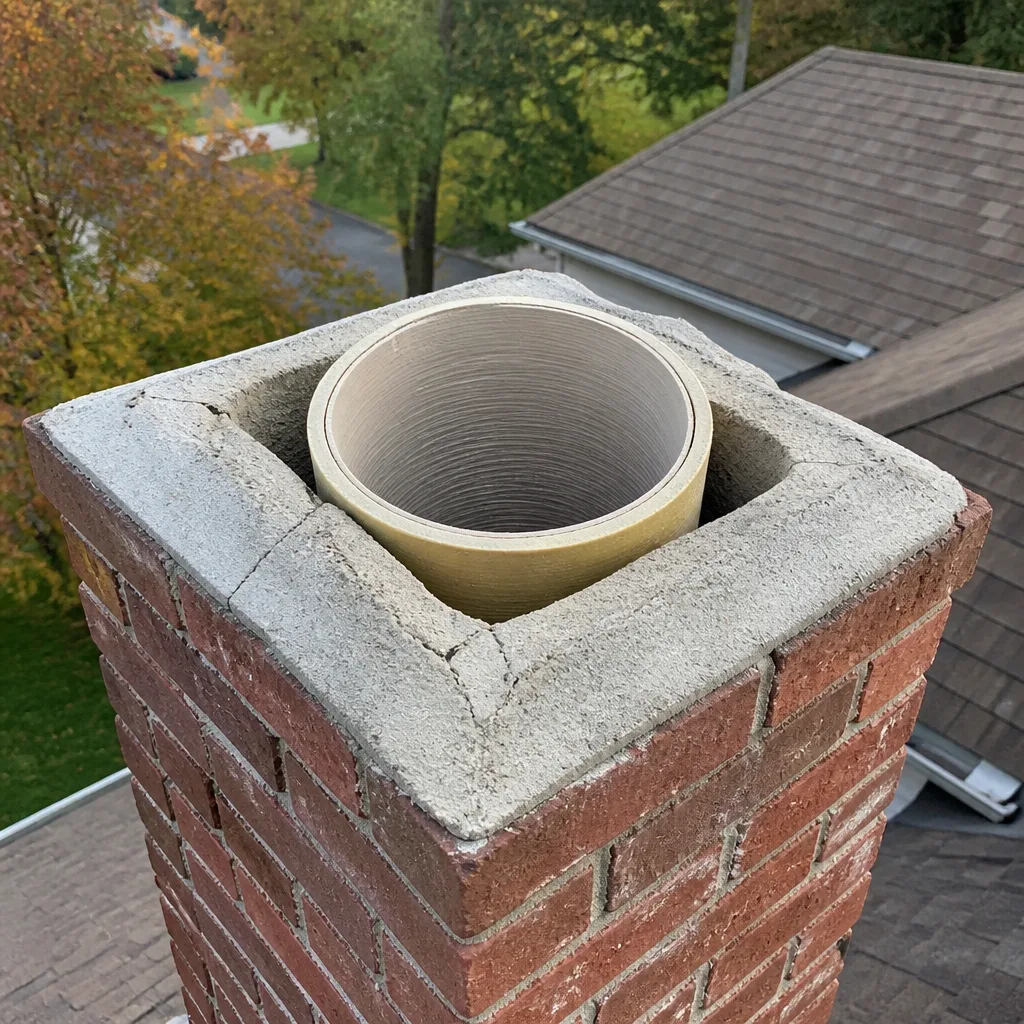
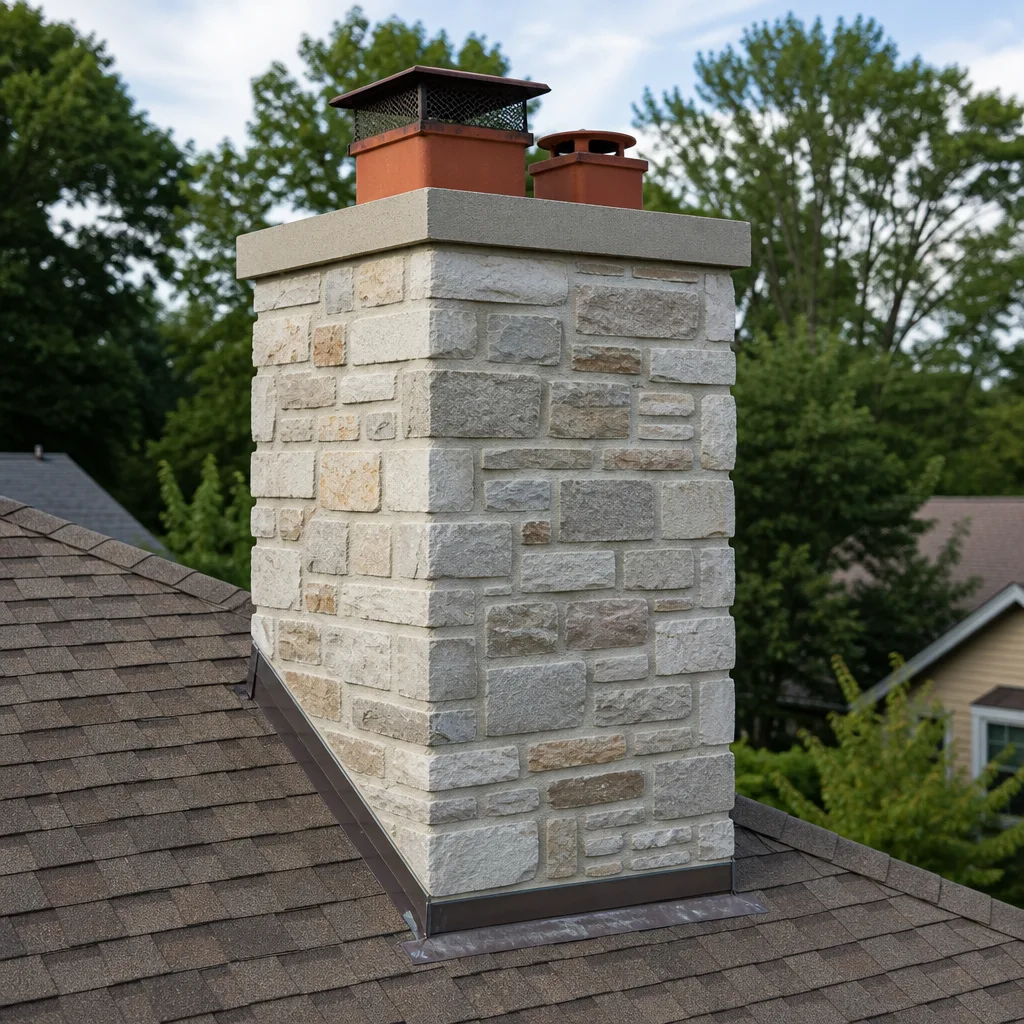
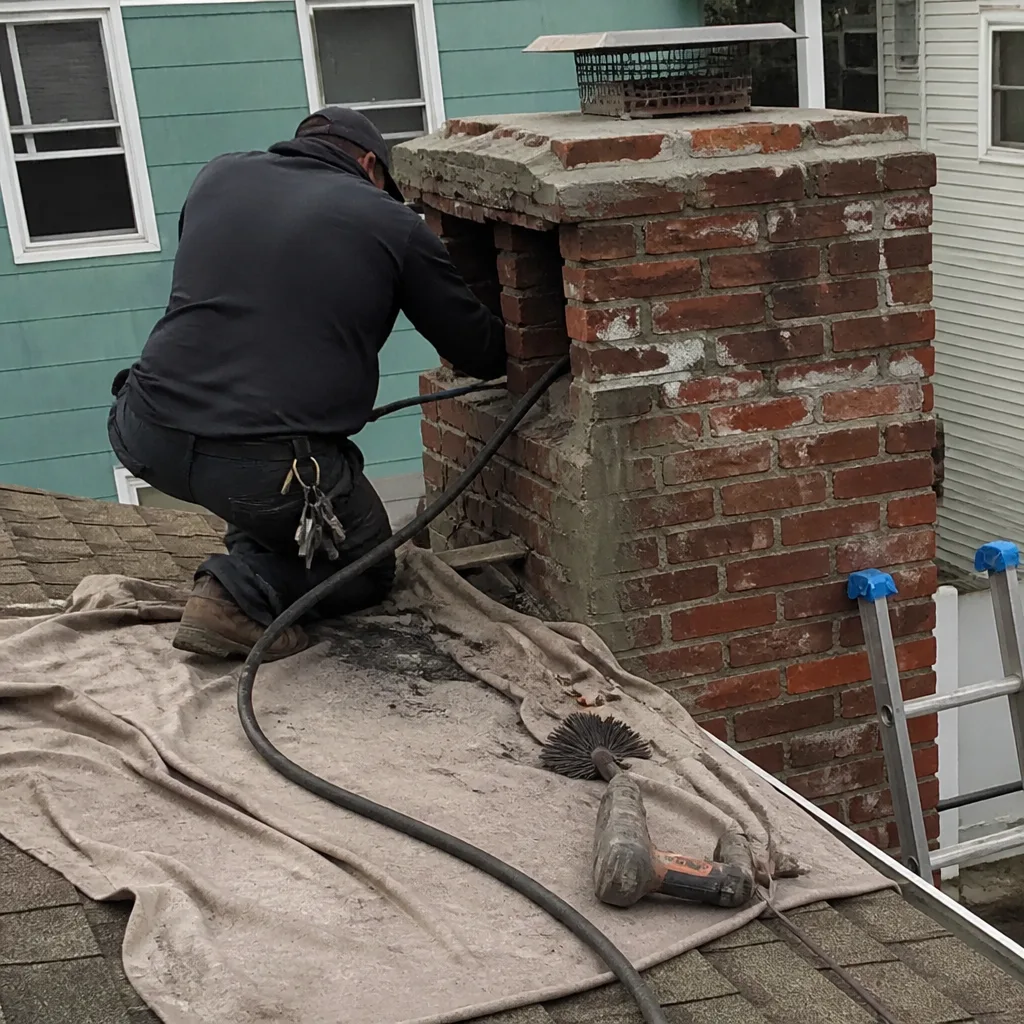 Before
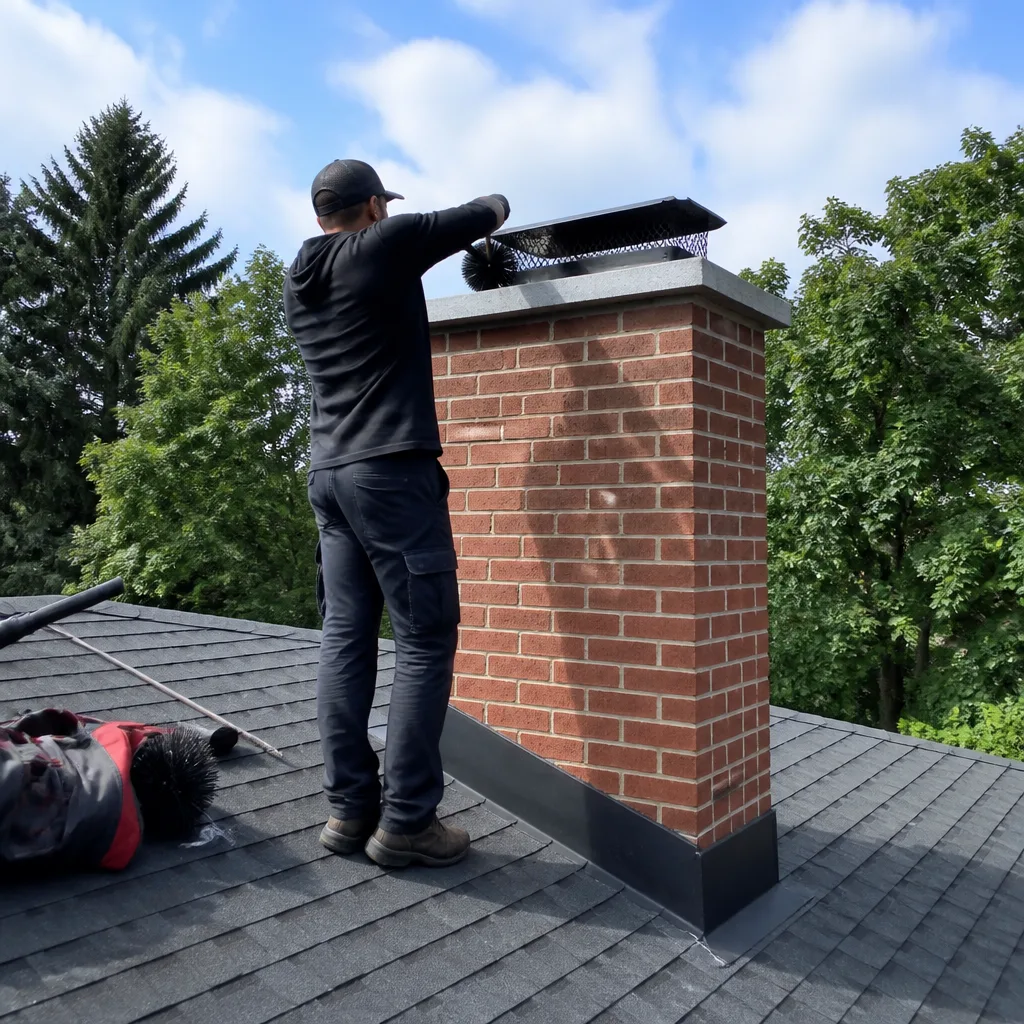 After
After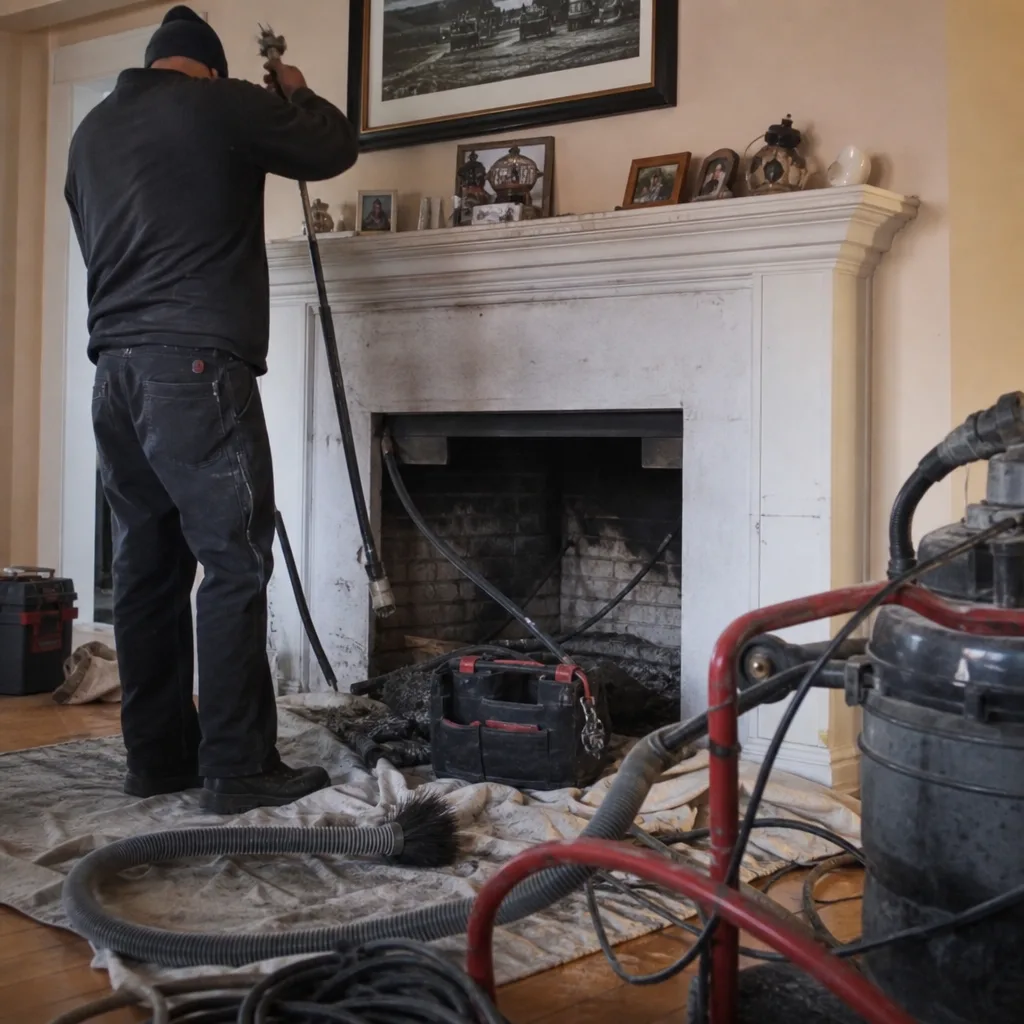 Before
 After
After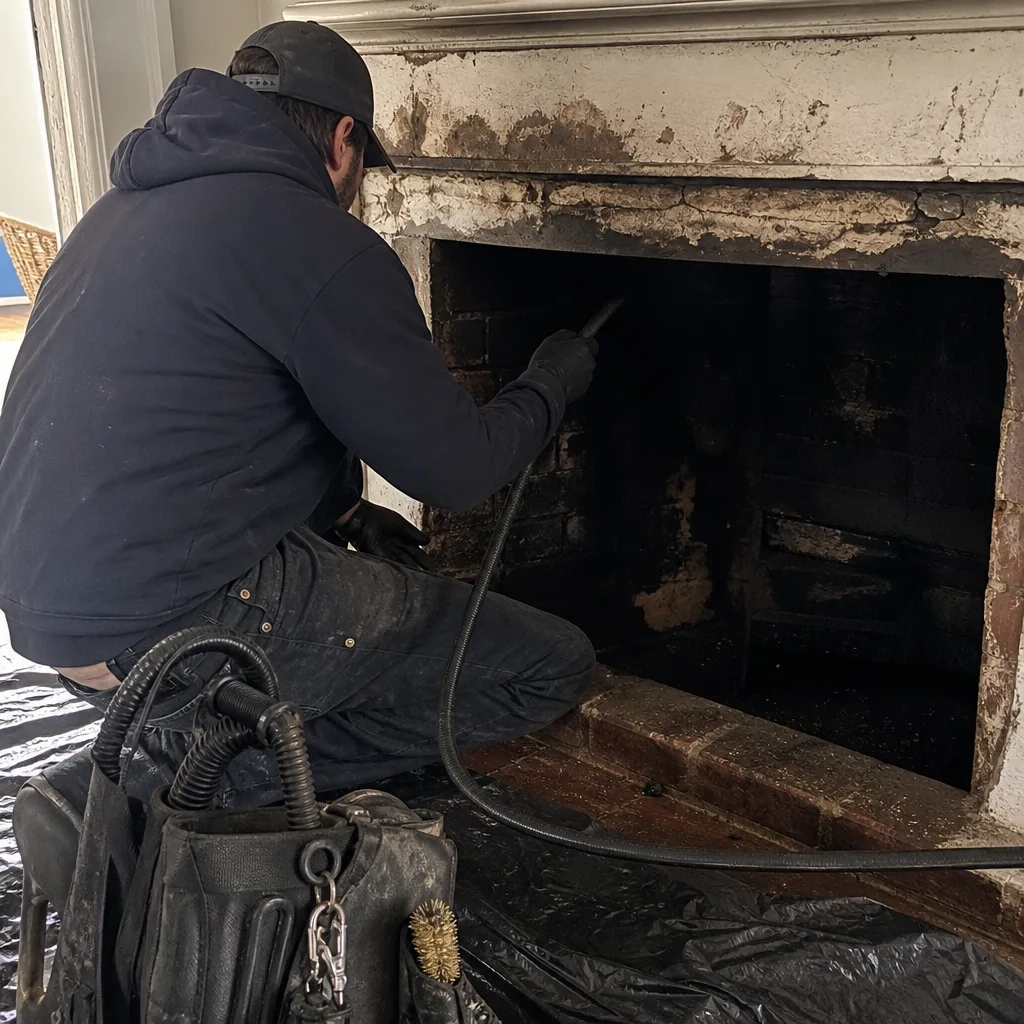 Before
 After
AfterChimney Cleaning & Sweep Maintenance Checklist for New York Homeowners
When a chimney fire claim is disputed by an insurer, the first thing the adjuster requests is the sweep’s written report, not the receipt. In New York, more than half of homeowners who paid for a cleaning in the past two years cannot produce that report. This guide and our The Complete Guide to Chimney Cleaning in New York exist because a checklist organized by tasks fails the moment you need proof. We’re going to walk through what a defensible chimney maintenance record looks like, which checkpoints matter in New York’s climate, and how to build a file that your insurer, your co-op board, or the next owner of your home can actually audit.
Quick Answer
A chimney sweep maintenance checklist for New York homeowners should be organized around documentation, not just tasks. Before any work begins, you need a written scope and price. After the work, you need a written report that names the technician, states the creosote stage found, references camera footage of the flue interior, and confirms that clearances were checked. The five physical checkpoints that must be photographed before and after every cleaning are the smoke shelf, liner joints, damper plate, firebox floor, and crown cap. A chimney should be inspected annually and swept when creosote buildup reaches 1/8 inch, which in New York’s burn season typically means every 40 to 60 fires.
Table of Contents
- Why Documentation Is the Real Checklist
- What a Defensible Post-Sweep Report Must Contain
- The Five Checkpoints to Photograph Before and After Every New York Cleaning
- How to Build a Running Chimney File That Satisfies Insurers and Co-op Boards
- New York Seasonal Triggers and What Each One Warrants
- What You Can Self-Assess With a Flashlight vs. What Requires Camera Confirmation
- How Often Should a New York Chimney Be Swept?
- Common Mistakes to Avoid
- When to Call a Professional
- Frequently Asked Questions
- The Bottom Line
BeforeAfterWhy Documentation Is the Real Checklist
Most chimney checklists you’ll find online read like a chore list: check the cap, look for cracks, sweep the flue. That approach works until something goes wrong. A chimney fire, a carbon monoxide leak, a co-op board dispute about who’s responsible for the liner. At that moment, the only thing that matters is whether you can show what was found and what was done. In our experience serving New York since 2009, the homeowners who handle these situations best are the ones who treat every Chimney Cleaning & Sweep services visit as a paperwork event, not just a maintenance task.
A task-based checklist is unverifiable. You can check “swept the flue” off a list, but you can’t prove the sweep actually happened, that the creosote was removed to an acceptable level, or that the technician looked at the liner joints where New York’s freeze-thaw cycle causes the most damage. A documentation-based checklist changes the question from “did I do the work?” to “can I show the work was done correctly?” That’s the checklist an adjuster, an inspector, or a buyer’s attorney can hold you to.
Clause 4 of the Haven Standard, which we’ve operated under since Level Two’s founding, requires a photo record on every job. The logic is simple: if you can’t see it, you can’t verify it. A written report without images tells you what someone said they saw. A written report with timestamped camera footage tells you what was actually there. The difference between those two documents is the difference between a settled claim and a denied one.
New York adds a layer of complexity here. Many homes in the five boroughs and the inner suburbs of Westchester, Nassau, and Bergen County were built before 1940. Their chimneys are unlined or lined with terra cotta that’s now cracking. Co-op buildings in Manhattan and Brooklyn often require annual chimney maintenance records as a condition of the building’s insurance policy. If you can’t produce a defensible record, you’re not just failing a checklist. You’re failing an audit.
What a Defensible Post-Sweep Report Must Contain
A receipt is not a report. A receipt proves you paid someone. A report proves what they found, what they did, and what condition the system was left in. After a chimney cleaning in New York, your written report should contain six specific items. If any of them are missing, the report won’t hold up when it matters.
- Technician name. Not just the company name. The individual who performed the work. If a dispute arises, you need to know who was on your roof and in your firebox.
- CSIA credential number. The Chimney Safety Institute of America certifies individual sweeps. A report should name the certified tech and their credential number so you can verify it independently.
- Camera footage reference. The report should state that a camera scan was performed and reference the footage by date and job number. You should receive copies of the images, not just a note saying the scan happened.
- Creosote stage noted. Creosote is classified in three stages. Stage I is a light, flaky soot. Stage II is a thicker, tar-like glaze. Stage III is a hardened, glossy coating that’s extremely difficult to remove and is a serious fire hazard. Your report should state which stage was found and where.
- Written confirmation of clearances checked. This means the technician verified that combustible materials, framing, and insulation are at safe distances from the chimney. In New York’s older housing stock, this is where we frequently find violations: floor joists butted against the masonry, insulation packed into the chase, framing touching the flue.
- Written scope and written price delivered before work started. This is Haven Standard Clause 1: have it in writing. The scope describes exactly what will be done. The price is the price. If a technician finds something mid-job that requires additional work, that’s a second written scope with a second written price before anything changes.
We’ve seen homeowners hand us a receipt from another company that says “chimney cleaned, $199.” No technician name. No creosote stage. No camera reference. No clearance confirmation. That’s not a maintenance record. That’s a souvenir. When an adjuster asks for proof of maintenance, that receipt gets the claim flagged, not approved.
The Five Checkpoints to Photograph Before and After Every New York Cleaning
Camera documentation of the flue interior is the baseline. But there are five physical locations on and around the chimney that should be photographed on every visit, both before the work and after. These images become the before-and-after record that shows the work was done and the system was left in a known condition.
- The smoke shelf. This is the ledge directly above the firebox where the chimney narrows before the flue. Debris accumulates here: creosote, broken mortar, dead birds, fallen brick chips. A before photo shows what’s sitting there. An after photo shows it cleaned. If the smoke shelf can’t be photographed clearly, it’s a sign the sweep didn’t actually clean the full system.
- The liner joints. For terra cotta liners, the joints between sections are the failure points. New York’s freeze-thaw cycle works moisture into these joints, freezes it, and cracks the clay. Photos of the liner joints before cleaning show accumulated creosote and any visible cracking. After photos show what the cleaning revealed, which is often more damage than expected once the creosote layer is removed.
- The damper plate. The damper is the metal plate above the firebox that opens and closes to control airflow. It’s also a place where creosote condenses and where rust and warping show up first. A before photo documents its condition. An after photo documents that it was left clean, functional, and seated properly.
- The firebox floor. This is where ash, embers, and burned debris collect. It’s also where water entry from a failed crown or missing cap shows up first, often as cracked or spalled brick. Before and after photos establish the baseline condition of the firebox and confirm that the cleaning was thorough at the point where fires actually burn.
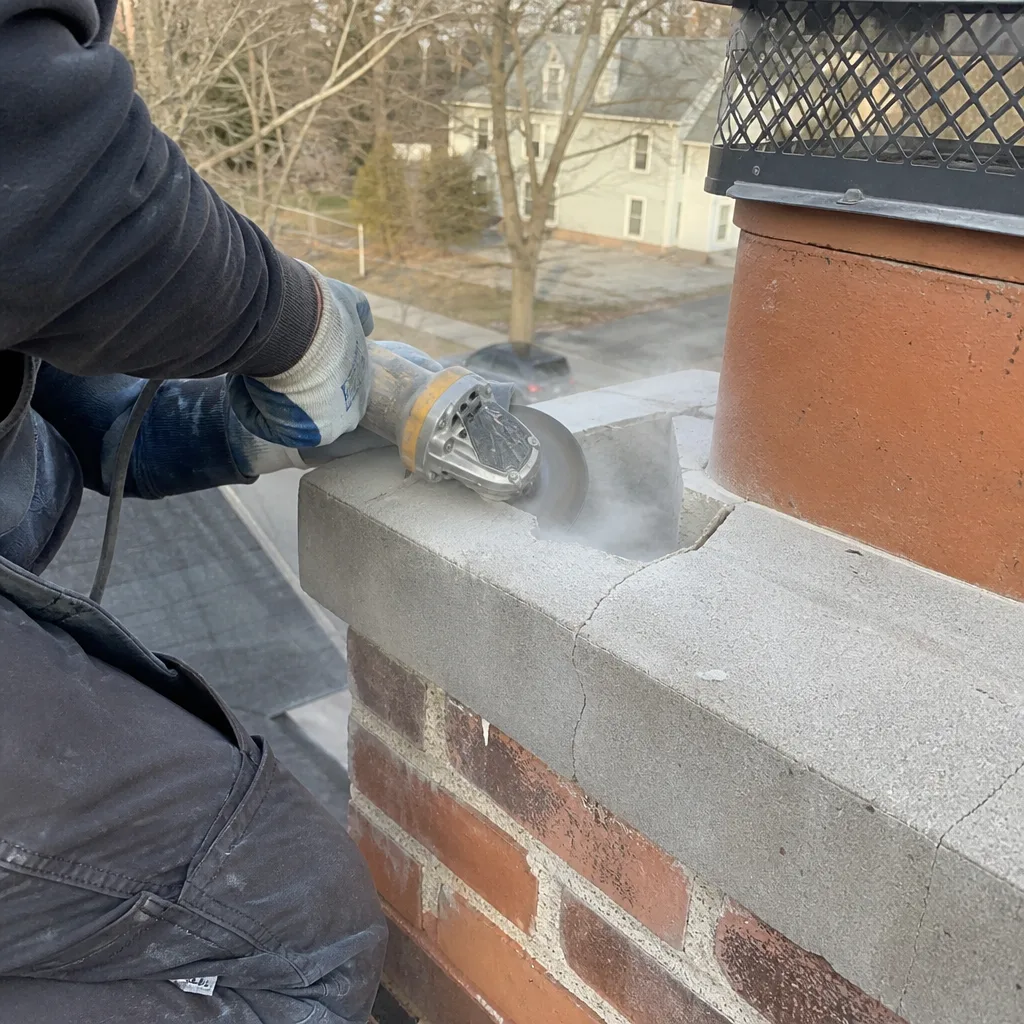
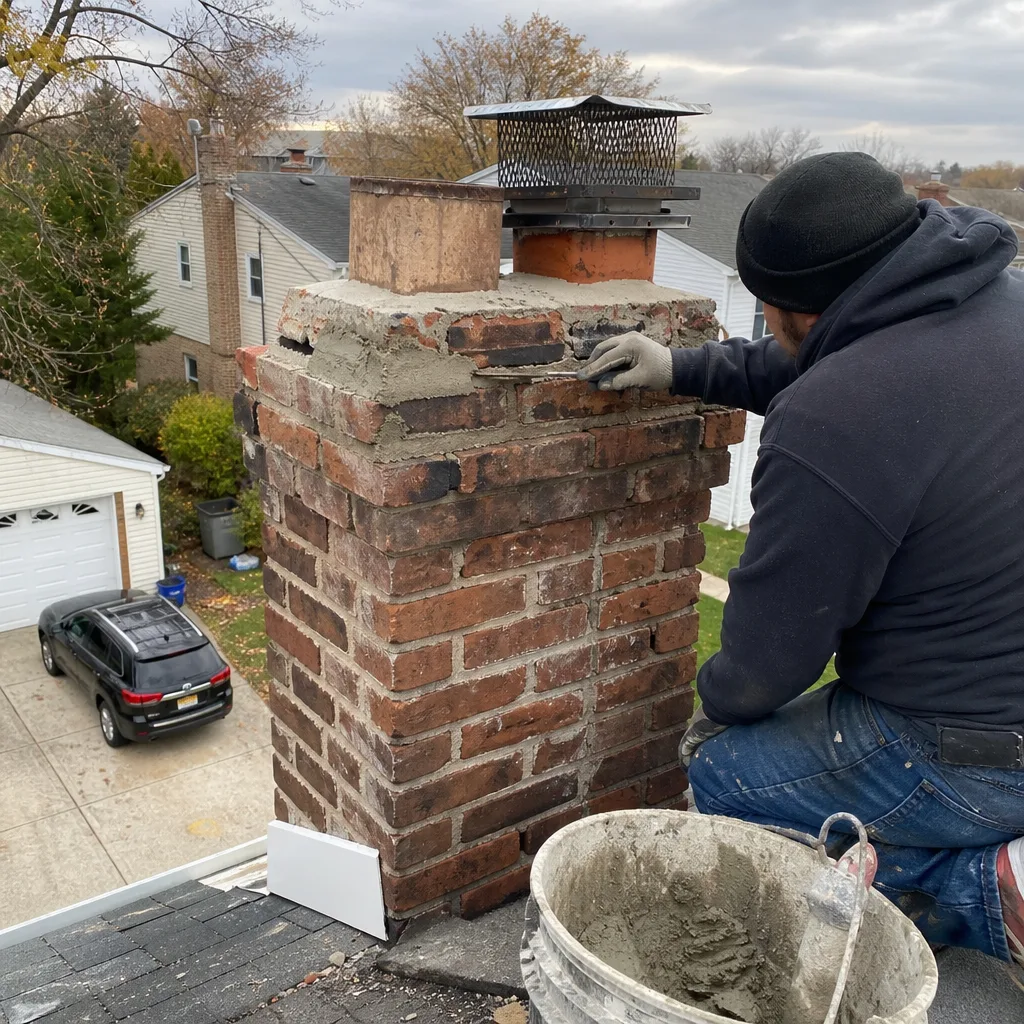
- The crown cap. The crown is the concrete or mortar slab that seals the top of the chimney. The cap is the metal cover that sits above the flue. Both take direct weather exposure in New York, and both are common failure points. Photos from the roof show whether the crown is cracked or spalling and whether the cap is present, correctly sized, and properly attached. These photos matter because damage up top becomes damage down low within a single season.
If your sweep can’t produce before-and-after photos of all five checkpoints, you’re getting a partial service. In New York, where chimney failures are expensive and insurance involvement is common, the photo record isn’t an add-on. It’s the point of the inspection. Our Chimney Cleaning & Sweep in New York service includes a documented photo record on every visit because we’ve spent 16 years watching what happens when homeowners don’t have one.
How to Build a Running Chimney File That Satisfies Insurers and Co-op Boards
A running chimney file is a simple concept with a lot of leverage. It’s one folder, physical or digital, that contains every document related to your chimney’s history. When an insurer asks for maintenance records, you hand them the folder. When a co-op board sends the annual maintenance certification request, you send them the most recent report from the folder. When you sell your home, the file goes with the disclosure paperwork.
Here’s what belongs in it:
- Every written scope and written price. Not just the most recent one. All of them. They show a pattern of maintenance, not a one-time response to a problem.
- Every post-service report. The full report, not the receipt. Each report should contain the six items we listed in the previous section.
- Every photo record. The timestamped before-and-after images from each visit. Digital files are fine, but keep them organized by date.
- Repair invoices and material documentation. If you had a liner installed, a crown rebuilt, or a cap replaced, keep the invoice that names the materials. This matters because product warranties from manufacturers like DuraFlex, HeatShield, and Copperfield often require documentation that the product was installed by a qualified professional.
- Original build documentation, if available. For older New York homes, that might be nothing. But if you have the original plans, a prior inspection report, or even a note from a previous owner about a past chimney fire, keep it. History changes risk assessment.
Co-op boards in Manhattan, Brooklyn, and Queens frequently require annual chimney maintenance certification as part of the building’s master insurance policy. If you’re a shareholder, your proprietary lease likely obligates you to maintain your chimney if it’s dedicated to your unit. A running file means you respond to that annual request in two minutes instead of two weeks.
For homeowner’s insurance, the file matters most when there’s a claim. A chimney fire, water damage from a failed crown, or a carbon monoxide incident will trigger a review of your maintenance history. If you can show five years of written reports with photo records, your position is strong. If you can’t produce anything, the adjuster assumes the chimney was neglected. That assumption often decides the outcome before you’ve said a word.
New York Seasonal Triggers and What Each One Warrants
Chimney maintenance isn’t a once-a-year chore in New York. The city’s climate produces distinct seasonal stress points, and each one maps to a specific inspection item that a generic checklist ignores. Here’s what we’ve learned from 38,000-plus inspections and cleanings since 2009 about when things fail.
First Hard Freeze
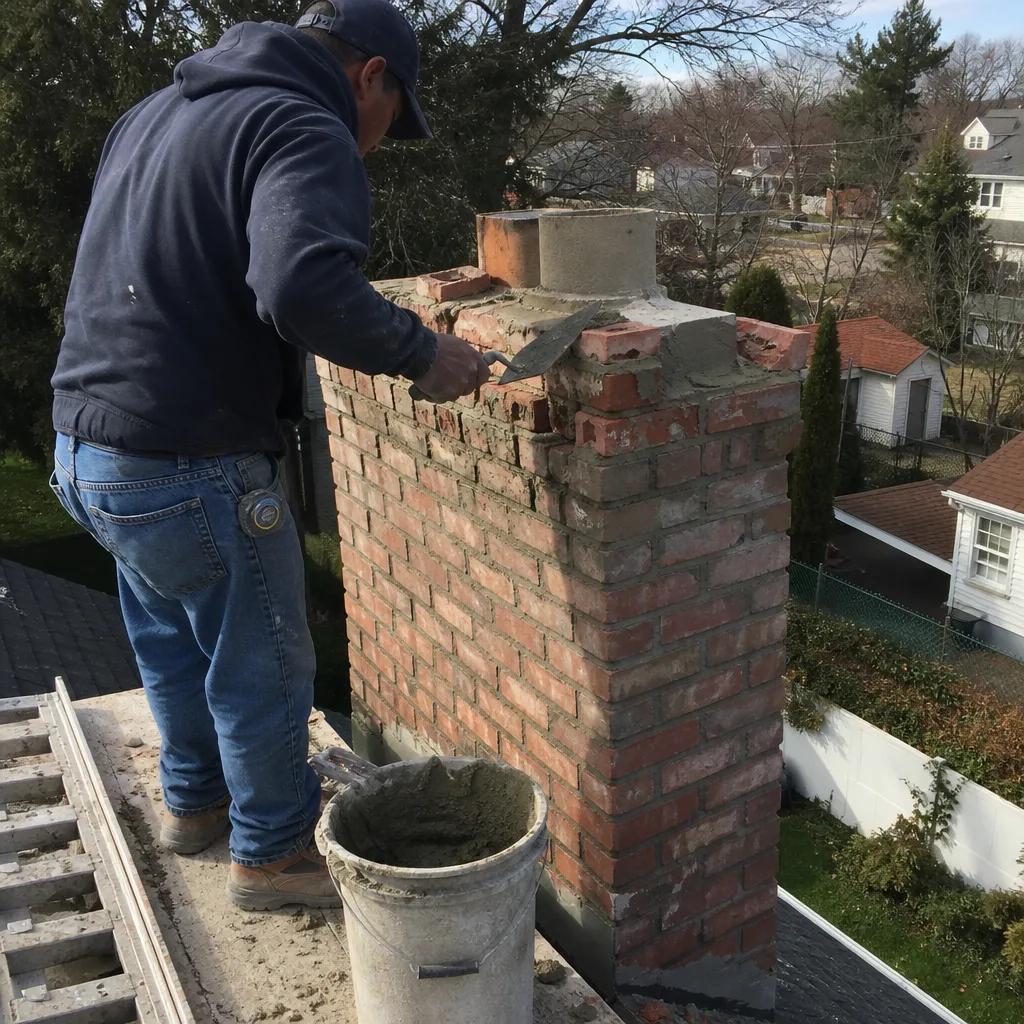
The first hard freeze, usually in November or December depending on the year, is the moment when water that has seeped into masonry begins to expand. Freeze-thaw is the single most destructive force acting on New York chimneys. This is when hairline cracks in the crown become wide cracks, when spalling brick faces pop off, and when terra cotta liner sections shift. The inspection item that matters at first freeze is the crown and the top courses of masonry. If the crown has cracks, water gets into the chimney structure and freezes. Repairing that crown before the hard freeze costs a few hundred dollars. Repairing the masonry damage it causes costs thousands.
First Nor’easter
A nor’easter isn’t just a rainstorm. It’s sustained wind-driven rain hitting your chimney from a low angle. The inspection item that matters here is the cap and the flashing. A missing or undersized cap lets rain directly into the flue, where it mixes with creosote to form an acidic slurry that eats at mortar joints. Damaged flashing lets water run down the exterior of the chimney and into the roof deck. After the first nor’easter of the season, check for water stains on the ceiling near the chimney, dampness in the firebox, or dripping sounds from the flue. Any of those means the cap or the flashing has to be addressed before the next storm.
First 90-Degree Stretch
Heat matters to chimneys too. In New York, the first sustained stretch of 90-degree days, typically in June or July, is when we get calls about odors. Creosote that has sat in the flue all spring warms up and off-gasses, and the smell pushes down into the house. It’s also when masonry, having dried out from the winter, shows its cracks most clearly. The inspection item here is creosote stage and odor source. A cleaning in July gets rid of the smell before it becomes a daily annoyance, and it means your chimney is ready for the burn season before everyone else is scheduling in October. Our Fireplace Services in New York page covers what a mid-summer clean looks like in more detail.
Burn Season Peak
Between Thanksgiving and Valentine’s Day, New York fireplaces see their heaviest use. If you’re burning regularly, you’re producing creosote faster than during occasional-use months. The inspection item at burn season peak is creosote accumulation rate. If you’ve burned 40 or more fires since your last sweep, you’re likely at or near the 1/8-inch threshold where sweeping is recommended. This doesn’t need to be a full inspection. A camera check of the flue will tell you exactly where you stand.
What You Can Self-Assess With a Flashlight vs. What Requires Camera Confirmation
We encourage homeowners to look at their own chimneys, because a homeowner who looks is a homeowner who notices problems early. But there’s a legal and practical line between what a flashlight can tell you and what a camera can document. Knowing the difference matters because your self-assessment is not a maintenance record. It’s a prompt to get one.
What You Can Self-Assess With a Flashlight
- The damper operation. Open and close it. Does it move freely? Does it close fully? A stuck or warped damper is visible without any special equipment.
- The firebox brick faces. Shine a light around the firebox and look for cracked, spalled, or discolored brick. Water damage shows up here as white efflorescence or flaking brick faces.
- The visible flue opening. Look up from the firebox with the damper open. You can sometimes see the first bend or the smoke shelf. What you cannot see is anything beyond that first few feet.
- Debris in the firebox after a storm. If you see wet spots, bird nesting material, or brick chips in the firebox, something above is compromised.
- The cap from the ground. Binoculars help. If the cap is missing, tilted, or covered in a screen that’s falling off, that’s a problem you can see from the lawn.
What Requires Camera Confirmation
- Creosote stage and thickness. You can’t see the inside of a terra cotta liner or a stainless steel liner with a flashlight. A camera is the only way to know whether creosote is at Stage I, II, or III and whether it has reached the 1/8-inch threshold.
- Liner joint integrity. Cracked joints, separated sections, and shifted liner segments are invisible from the firebox. Camera inspection is the only reliable method.
- The smoke shelf condition. This area is above the damper and below the flue. A camera that can articulate is required to see it properly.
- Clearance violations. Whether combustibles are too close to the chimney in the attic or the chase is not something you can verify from below. It requires an inspection from within the structure.
- Hidden water entry paths. A crack in the crown that looks minor from the roof may be admitting water into the masonry structure invisibly. Camera documentation and moisture readings are how you find it before the ceiling stains appear.
The legal distinction is straightforward. Your notes from a flashlight check are not evidence of maintenance. An insurer won’t accept them. A co-op board won’t accept them. A buyer’s attorney won’t accept them. A written report with camera documentation from a certified sweep is what gets accepted. The reason we’ve made a camera-scan inspection standard on every visit since 2009, and the reason it became Clause 4 of the Haven Standard, is that this distinction kept showing up in the worst possible moments for homeowners.
How Often Should a New York Chimney Be Swept?
The National Fire Protection Association standard, NFPA 211, says chimneys should be inspected annually and swept when creosote buildup reaches 1/8 inch or when there’s a significant accumulation of soot. But in practice, sweep frequency in New York depends on how you burn.
If you burn seasoned hardwood and use your fireplace one or two nights a week during the burn season, you’re probably looking at a sweep every 40 to 60 fires. For most New York homeowners, that means once per year, usually in the late summer or early fall before the burn season starts. If you burn softer woods, burn more frequently, or have a stove rather than an open fireplace, that interval shrinks. We’ve seen flues in Brooklyn brownstones hit the 1/8-inch threshold after 25 fires because the construction is tight and the burn is hot.
The creosote stage found at the last sweep should also influence the next interval. If your last report noted Stage II creosote, schedule the next sweep sooner. If it was Stage I or clean, a standard annual visit is sufficient. The report puts a number to it. That’s the whole point.
What a Sweep Costs in New York
Chimney sweep pricing in New York varies by the system’s condition, accessibility, and whether repairs accompany the cleaning. A standard cleaning and Level 2 inspection in the New York metro area typically runs between $249 and $449. If the chimney hasn’t been swept in several years or has a heavy creosote buildup, expect the price to be higher because the cleaning takes longer and may require additional equipment. If a repair quote follows, it’s issued as a separate written scope with a separate written price, as Haven Standard Clause 1 requires. You’ll never be told the work changed and the price changed after the fact.
Common Mistakes to Avoid
- Treating a receipt as a maintenance record. A receipt shows a transaction. A written report with camera documentation shows work performed and condition found. In an insurance claim, only one of these helps you.
- Skipping the camera inspection because the chimney “looks fine.” In New York, the most dangerous chimneys we see are often the ones that look fine from the ground. Cracked liner joints and Stage III creosote are invisible without a camera.
- Burning unseasoned wood or softwoods. Wet wood and pine produce creosote at a dramatically faster rate. In a New York winter, what feels like harmless convenience becomes a fire hazard by February.
- Ignoring the smoke shelf. The smoke shelf is the most commonly skipped area in a cheap cleaning. Debris and creosote accumulate there and become a hidden fire risk. If the report doesn’t mention the smoke shelf, it probably wasn’t cleaned.
- Waiting until October to book a sweep. In New York, October is the busiest month for chimney services. Book in August and you’ll get your choice of dates and a cleaner, faster service. Wait until the first cold snap and you’re competing with every other homeowner in the borough.
- Deleting old reports once a new one arrives. The value of a chimney file is the history. A single report shows this year’s condition. Five years of reports show a pattern. Patterns are what insurers and co-op boards trust.
- Assuming the previous owner maintained the chimney. In New York’s housing market, homes change hands often, and chimney maintenance is frequently skipped between owners. A pre-purchase inspection should always include a camera scan of the flue. If you bought your home between 2015 and 2025, there’s a good chance you inherited a chimney that hasn’t been inspected in years.
When to Call a Professional
Call a professional sweep when you’ve reached the 1/8-inch creosote threshold, when you’ve burned 40 or more fires since your last cleaning, or when a seasonal trigger has exposed a problem: water in the firebox after a nor’easter, visible crown cracks after a hard freeze, persistent odors during a heat wave. If you’ve never had your chimney inspected with a camera, schedule one now, regardless of how recently it was swept. A sweep without a camera is a partial job. If you’re in the New York metro area, Level Two Chimney New York home is built around camera-scan documentation. We’ve inspected and cleaned more than 38,000 chimneys since 2009, every one with a written price before work started and a documented record when it was done. If a repair is recommended, you’ll see the issue in the camera footage. Nothing is recommended that you can’t see for yourself. Chimney Repair in New York starts with that evidence. Level Two Chimney New York offers free estimates in New York, call (551) 213-5548.
Frequently Asked Questions
A chimney sweep in New York typically costs between $249 and $449 for a standard cleaning with a Level 2 camera inspection. The price depends on the system’s condition, the amount of creosote buildup, and whether any repairs are needed. In our practice, the written price is delivered before work starts, always. You won’t get a range that becomes a different number after the technician is on your roof. Call (551) 213-5548 for an exact quote, estimates are free.
You need a new liner if the camera footage shows cracked, separated, or missing liner sections, and if those conditions create a fire or carbon monoxide risk. A proper inspection shows you the damage on camera before anyone quotes a replacement. We’ve inspected chimneys in New York whose owners were told by another company they needed a liner that the camera showed was in good condition. You can’t evaluate the recommendation without seeing the evidence. Under our practice, you’ll never be asked to approve a liner replacement based on someone’s word alone. Liner materials from manufacturers like DuraFlex, HeatShield, and Copperfield come with their own warranty documentation, which goes into your running chimney file.
Annually at a minimum, and more often if you burn frequently or burn softer woods. The trigger isn’t the calendar. It’s creosote buildup. When it reaches 1/8 inch, the chimney gets swept. For a typical New York homeowner who burns seasoned hardwood on winter evenings, that’s usually one sweep per year, in late summer or early fall before the burn season starts. If you’ve burned 40 or more fires since the last cleaning, call to schedule. At (551) 213-5548, a live person answers and will book the visit.
Creosote continues to accumulate, and creosote is combustible. At Stage III, it’s a hard, glossy coating that ignites at high temperatures and burns intensely. A chimney fire can crack the flue liner, damage the masonry, spread to the structure, and render the chimney unsafe for use. Even without a fire, accumulated creosote absorbs moisture, accelerating the deterioration of mortar joints and liners in New York’s freeze-thaw cycles. The cost of a cleaning is predictable. The cost of skipping a cleaning is not. Call (551) 213-5548 and get it on the schedule.
Most New York homeowner’s insurance policies require that the homeowner maintain the property in a safe condition, and chimney maintenance is part of that. When a claim is filed for a chimney fire or water damage related to the chimney, the adjuster typically requests maintenance records. If you can’t produce them, the claim is more likely to be denied or reduced. A running file with written reports and photo records from every cleaning is the best protection against that outcome. That’s the documentation-first approach this guide is built on.
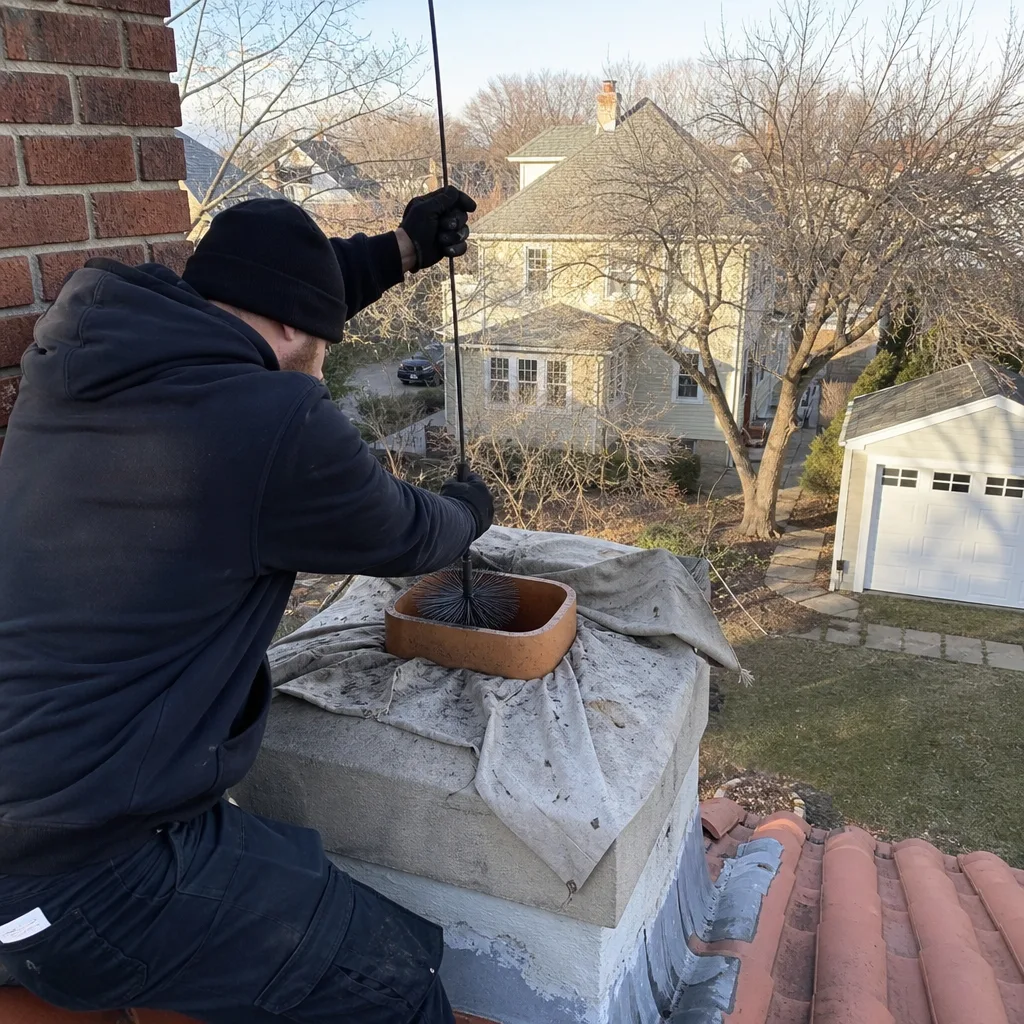
You can brush your own chimney, but you cannot inspect it without the right equipment, and the inspection is what matters. A homeowner brush-down from the top of the roof removes some creosote but gives you no camera documentation of liner condition, no smoke shelf verification, and no written report. If you ever need to make a claim, prove maintenance to a co-op board, or sell your home, the DIY cleaning doesn’t count for anything. It’s also physically risky: New York rooflines are steep, chimneys are often four or five stories up, and a fall from a roof is a genuine life-changing injury. A professional camera-scan inspection on every visit is the standard we work to, and it’s why our documentation has held up for 16 years. Call (551) 213-5548 and we’ll give you a written price before the work begins.
The Bottom Line
A chimney maintenance checklist for New York homeowners works when it’s organized around evidence, not just effort. The defensible record includes a written scope, a written price, the technician’s name and CSIA credential, a creosote stage note, camera footage references, and confirmation that clearances were checked. Photograph the five critical checkpoints before and after every cleaning: smoke shelf, liner joints, damper plate, firebox floor, and crown cap. Build a running file that spans years, not visits, and keep it where your insurer and co-op board can see it. Seasonal triggers in New York mean the chimney asks for attention at first freeze, first nor’easter, and first heat wave, not just in October. If you keep the file current, the chimney takes care of itself. If you don’t, the first time you’ll need the file is the moment you can’t produce it.
Written by Corrine Halstead, Owner at Level Two Chimney New York, serving New York since 2009.