
Last updated September 19, 2026
Level 1 sweep and inspection to the NFPA 211 annual standard - flue, crown, cap, and flashing checked and photographed
Chimney sweep logs do not sweep chimneys. They loosen some creosote - which then falls where a brush and vacuum still have to collect it.
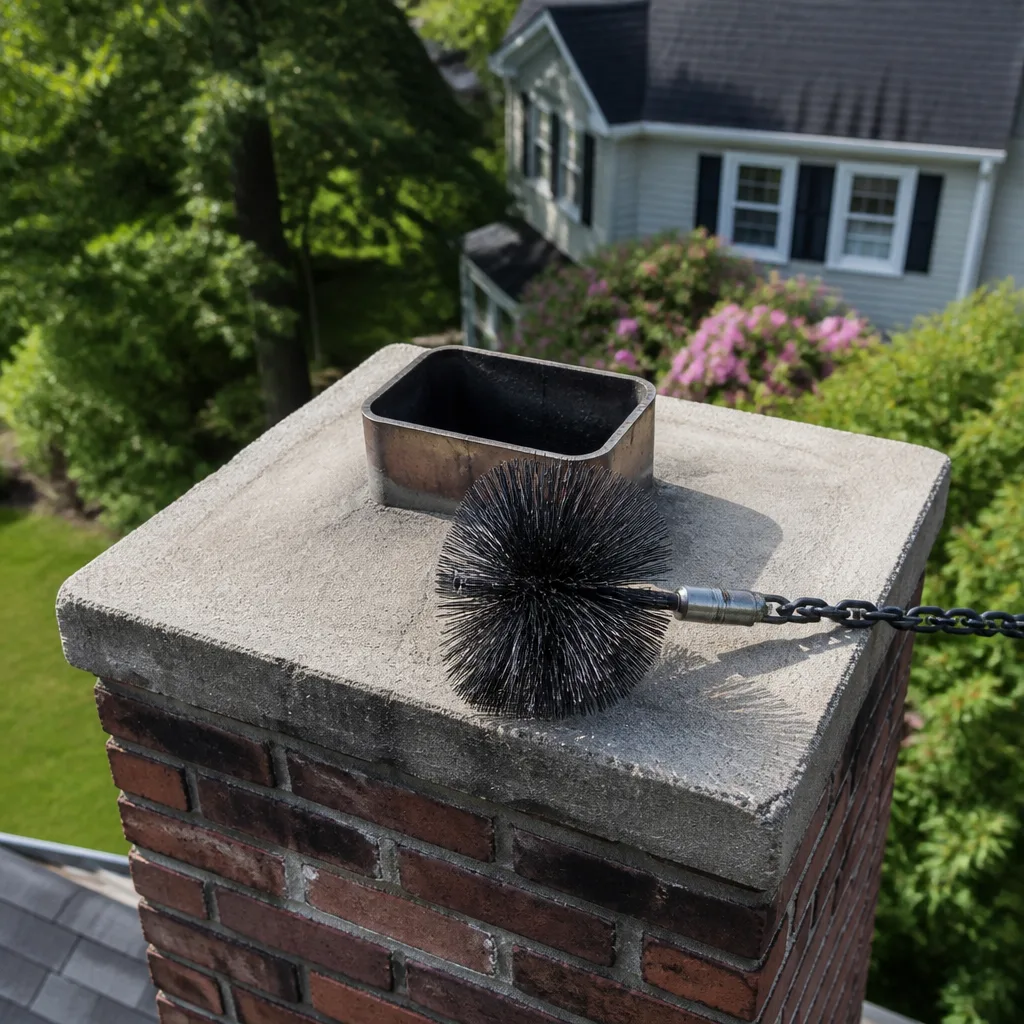
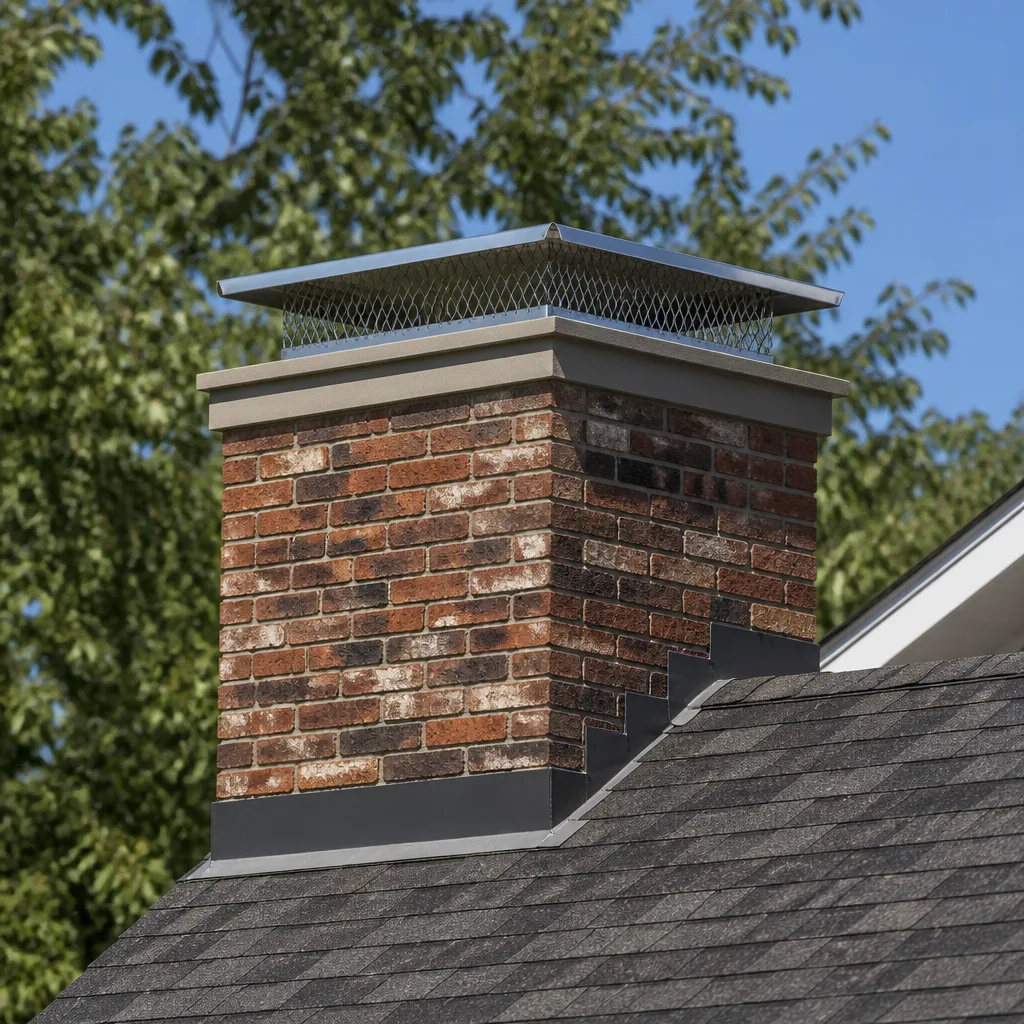
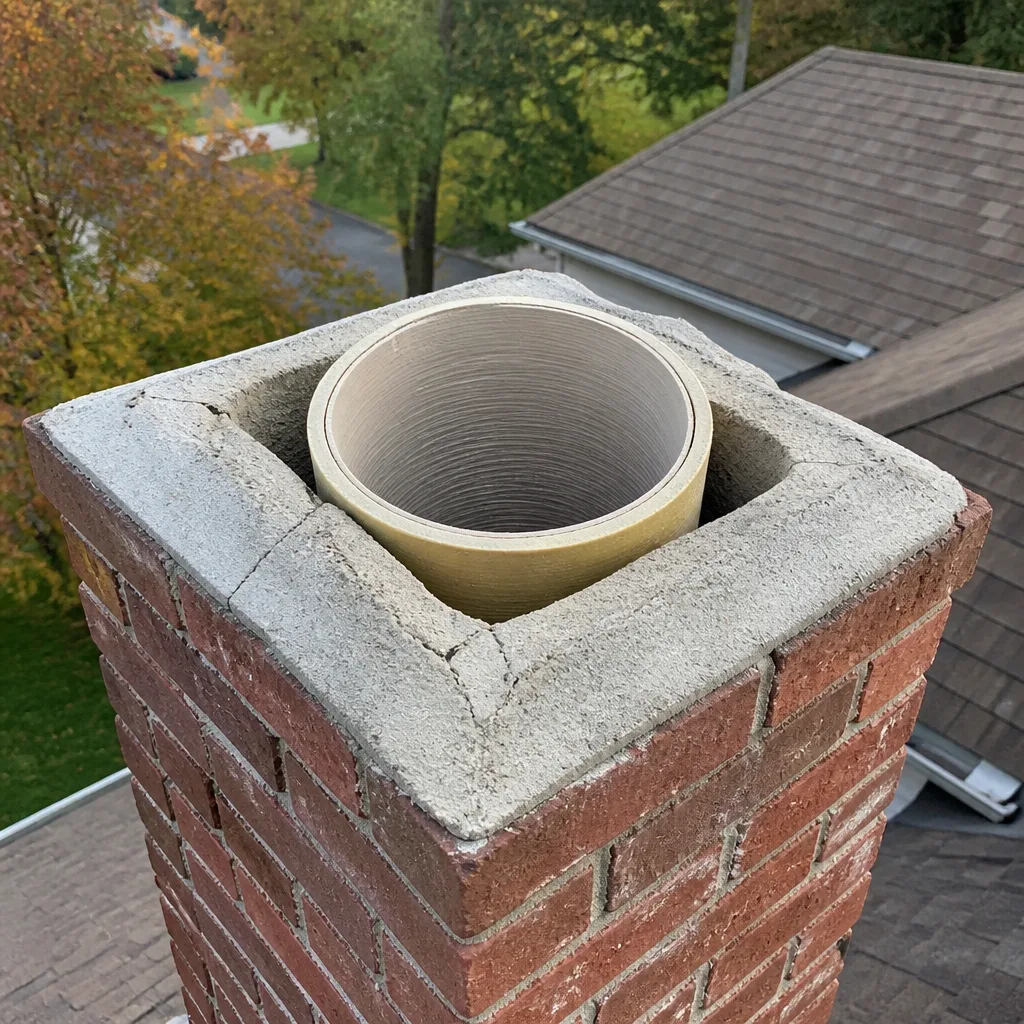
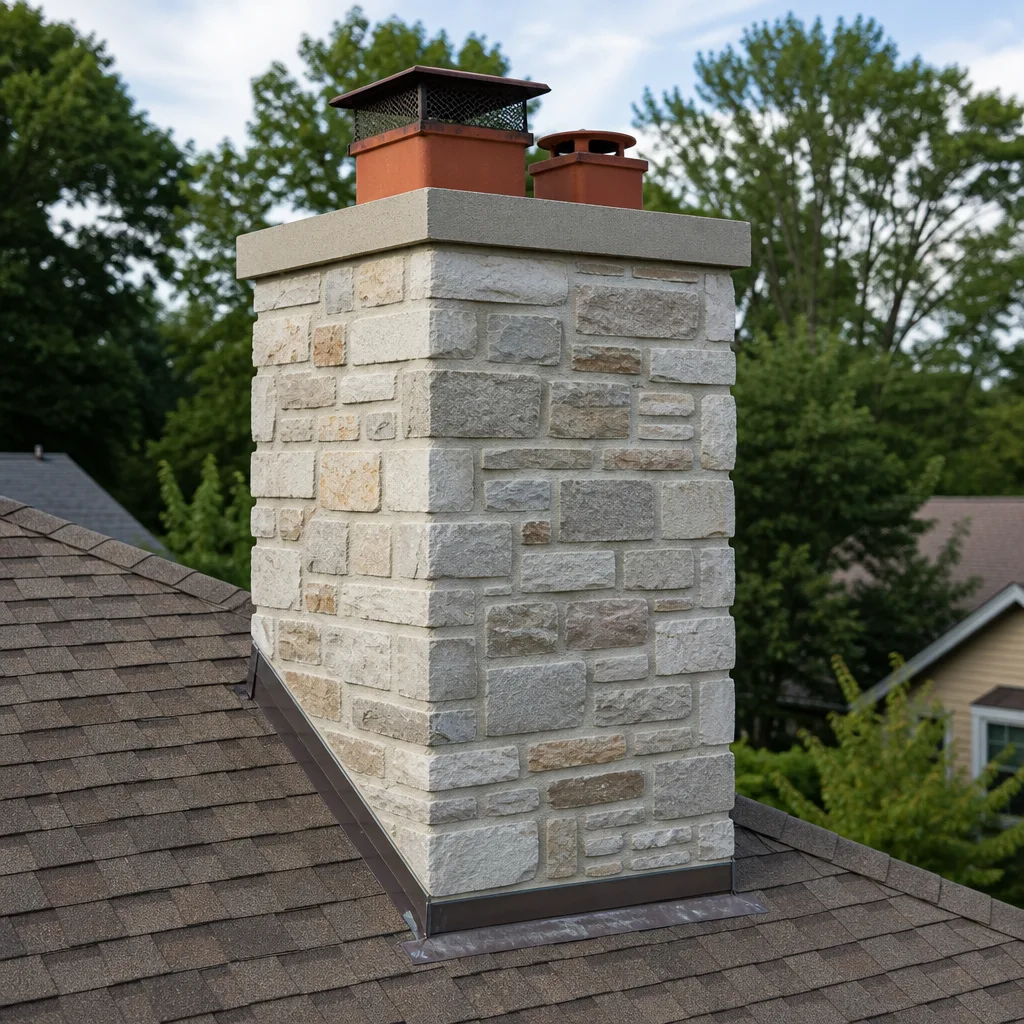
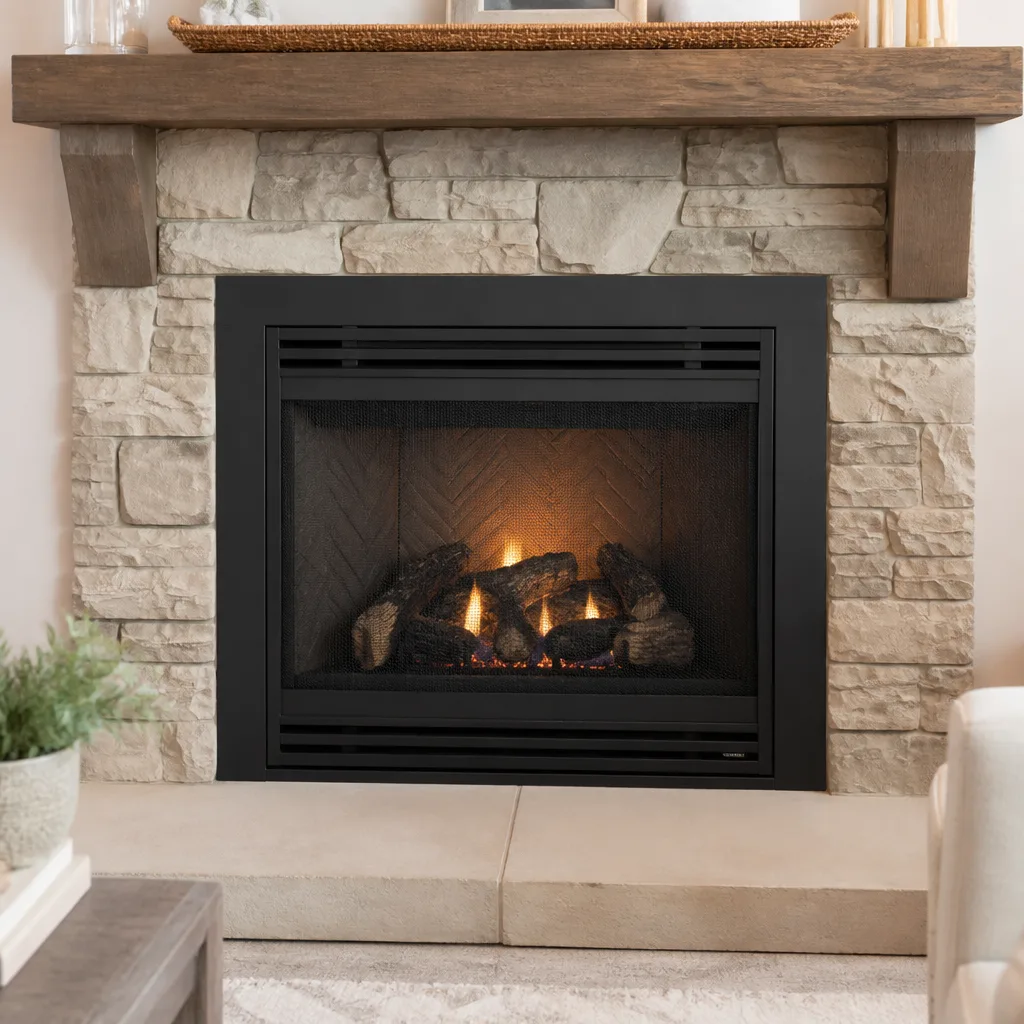
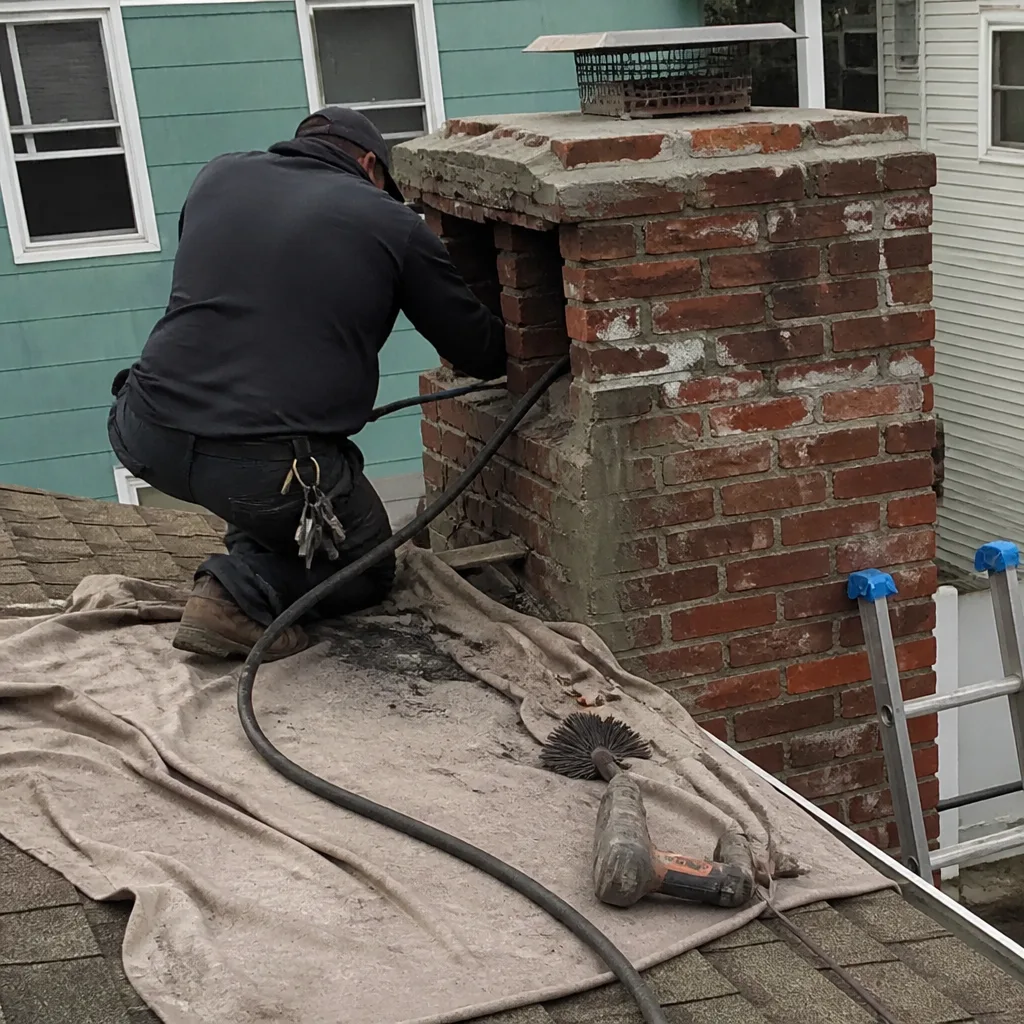 Before
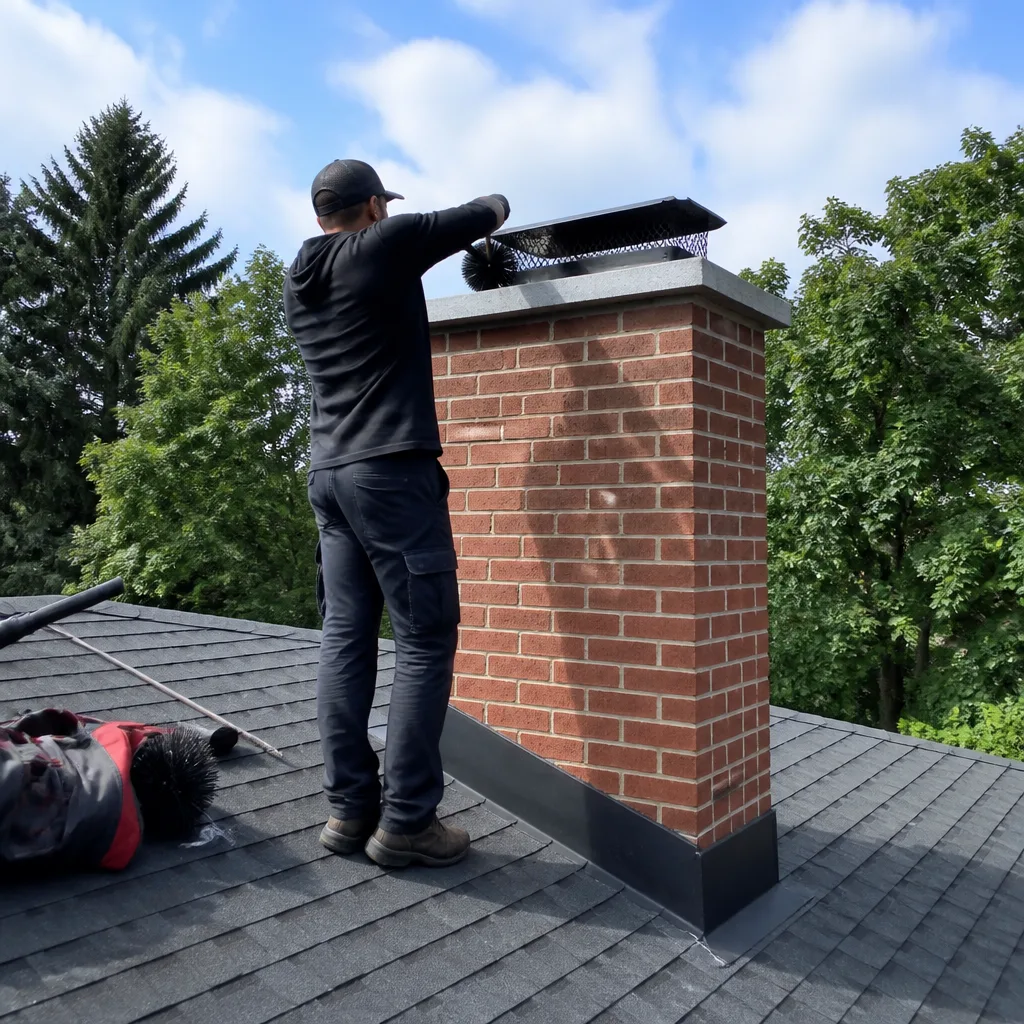 After
After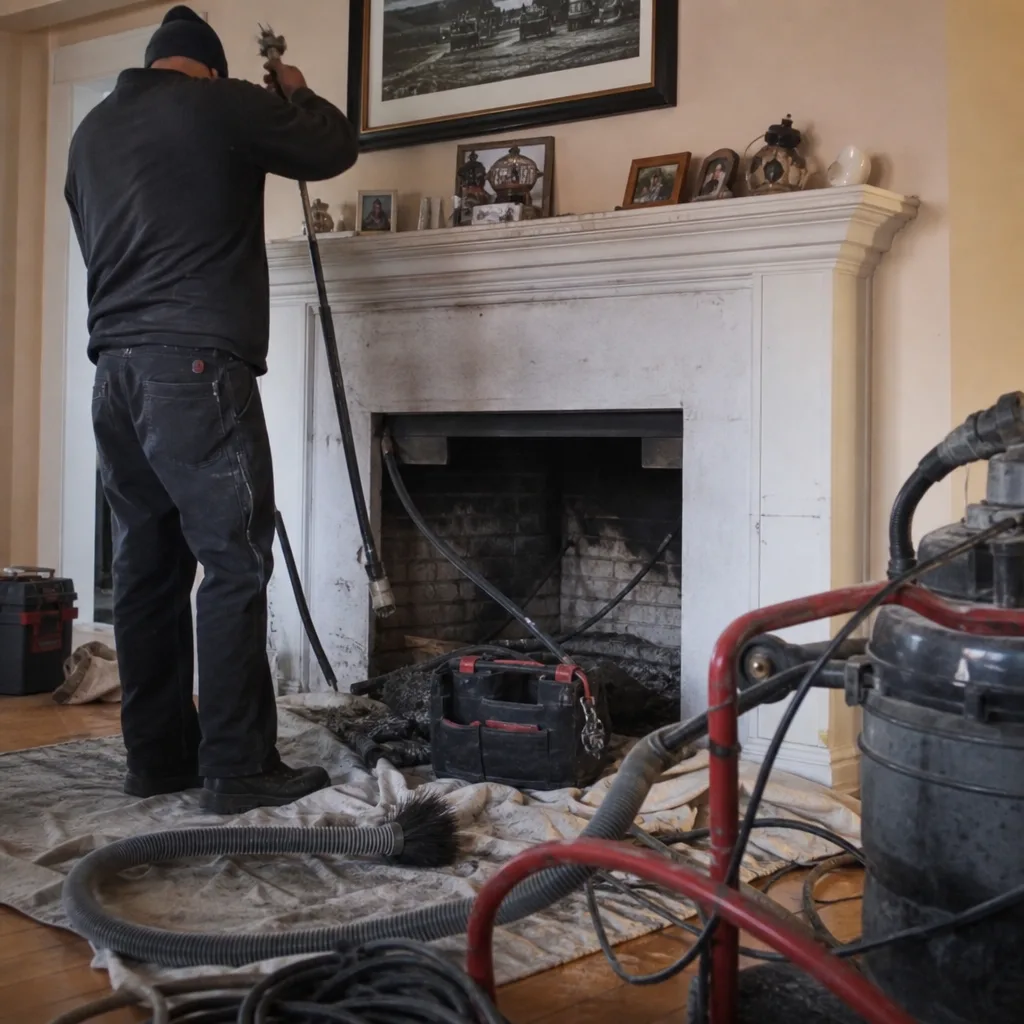 Before
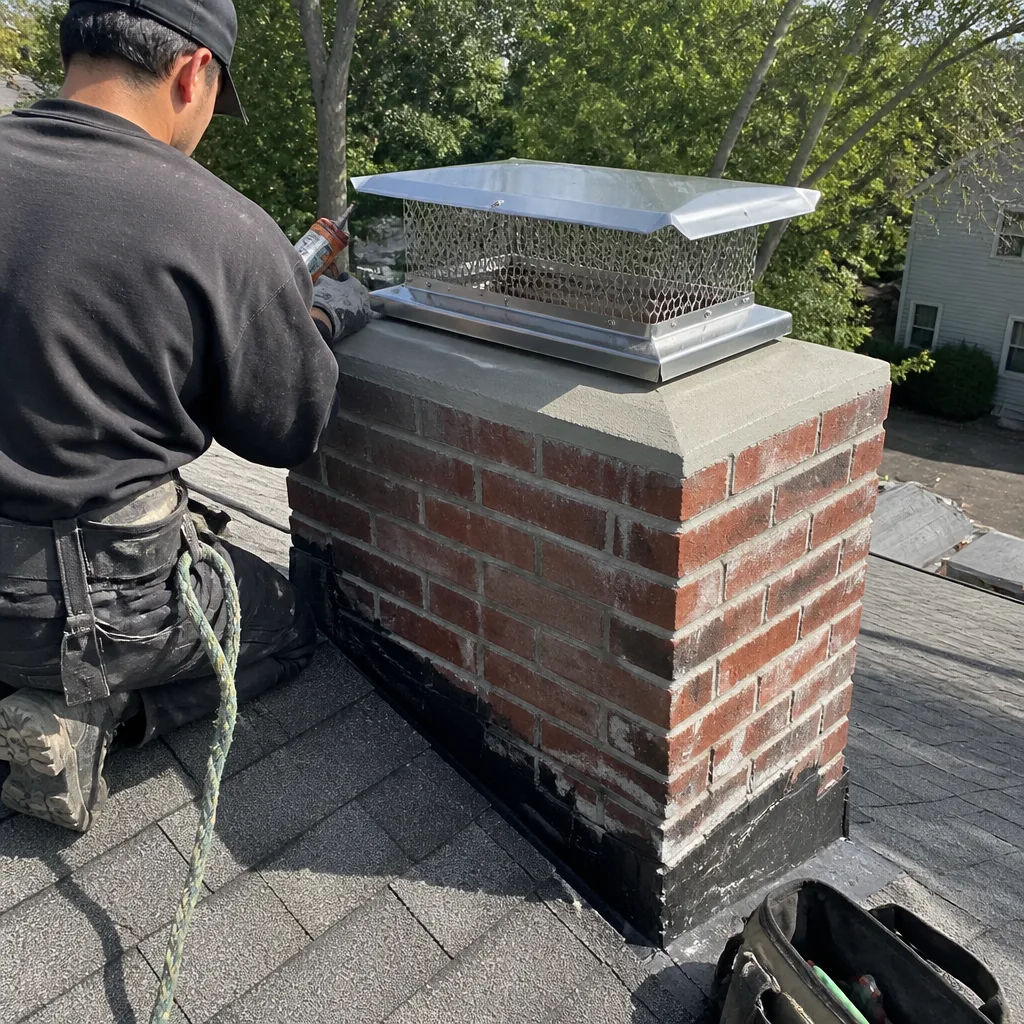 After
After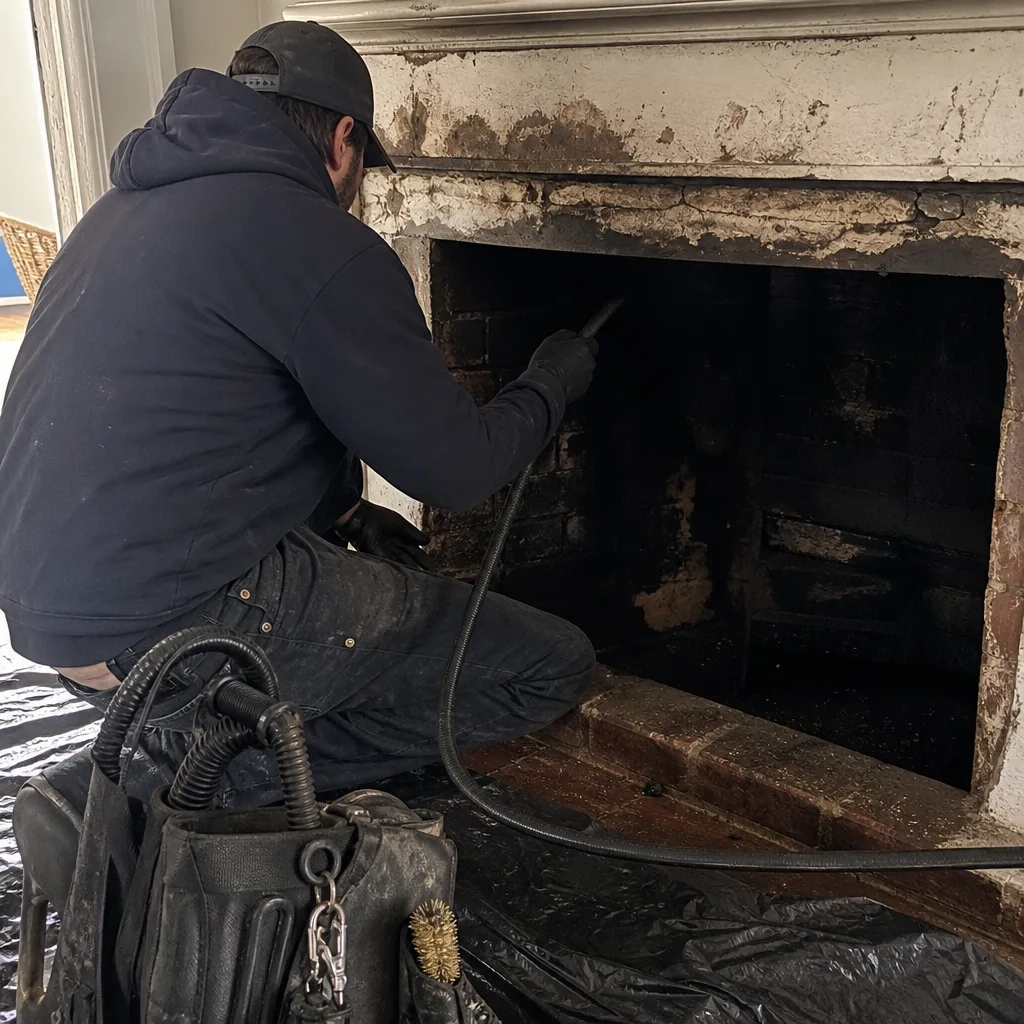 Before
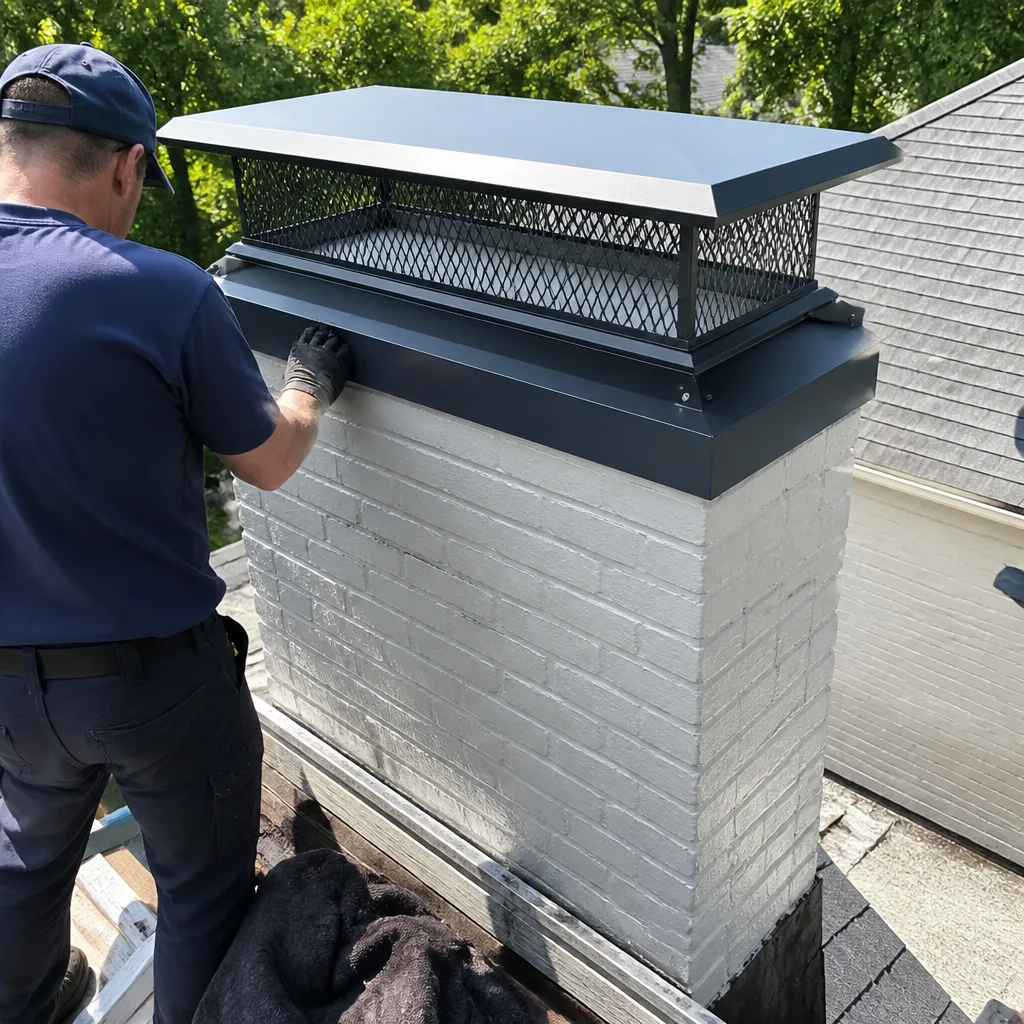 After
AfterDIY vs Professional Chimney Cleaning: The New York Homeowner’s Decision Guide
A chimney brush kit costs $80 to $150, and a New York homeowner can legally clean their own fireplace flue. But three major New York homeowner’s insurers have added policy language in the past two years requiring a “credentialed sweep report” as a condition of chimney-related fire claims. That language means a DIY cleaning, no matter how thorough, cannot satisfy the documentation requirement when something goes wrong. This guide explains exactly what DIY can and cannot accomplish, what that insurance language looks like, and where the line between sensible homeowner maintenance and false economy sits in New York. For how to hire a chimney cleaning contractor in New York, see our step-by-step guide.
Quick Answer
DIY chimney cleaning in New York can remove loose soot and light creosote from a flue, but it cannot produce the credentialed documentation that insurers, co-op boards, and buyers increasingly require, and it cannot identify liner cracks, hidden creosote buildup, or structural issues that a Level 2 camera inspection reveals. For most New York homeowners, the smart approach is an annual professional sweep with a written report, with light DIY maintenance between visits limited to cap screen clearing and damper checks. The cost of doing it yourself is often paid later, in denied claims or mandated re-cleaning before a sale.
Table of Contents
- What DIY Chimney Cleaning Actually Accomplishes
- What DIY Structurally Cannot Do
- The Insurance Policy Language New York Homeowners Need to Check
- What a Credentialed Sweep Report Contains
- The Limited Cases Where DIY Maintenance Makes Sense
- A Side-by-Side Cost Model for New York Homeowners
- Common Mistakes to Avoid
- When to Call a Professional
- Frequently Asked Questions
- The Bottom Line
BeforeAfterWhat DIY Chimney Cleaning Actually Accomplishes
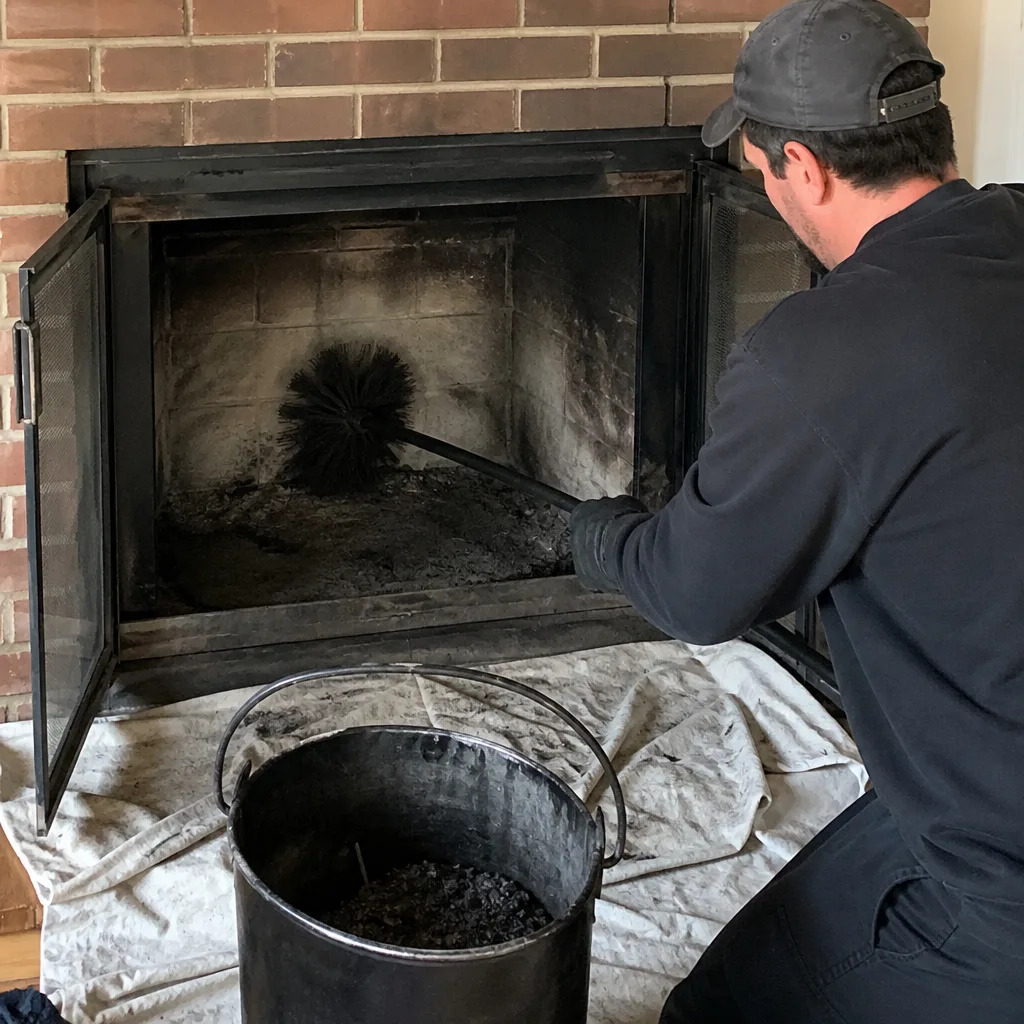
A homeowner with a wire brush, fiberglass rods, a drop cloth, and a shop vac can remove loose soot from the flue walls and dislodge light creosote deposits. That is the honest extent of what DIY chimney cleaning achieves. If the fireplace is used occasionally, say ten to fifteen fires per season in a mild New York winter, and the wood is well-seasoned hardwood, the creosote accumulation will often be minimal: a light brown dusting that brushes away without resistance.
That kind of maintenance has real value. It keeps the flue from developing the heavier, glazed deposits that require chemical treatment or rotary cleaning tools. It also forces a homeowner to look at the firebox, the damper, and the cap screen at least once a year, which is more attention than many chimneys get. A homeowner who cleans their own flue and notices a cracked firebrick or a damper that no longer seats properly has caught a problem early.
The equipment is straightforward. A poly or steel chimney brush sized to the flue, a set of rods, a tarp, gloves, eye protection, and a respirator mask rated for particulate matter. The technique is also straightforward: brush from the top down if the roof is safely accessible, or from the bottom up through the firebox with the damper removed. What it produces is a cleaner flue and a homeowner with soot on their forearms.
What it does not produce is a record. No photograph of the flue interior before and after. No measurement of creosote thickness at the smoke shelf. No written statement of what the chimney’s condition was on a specific date, signed by someone whose name and license appear on a document an insurer can verify. In New York, that absence is becoming the deciding factor.
What DIY Structurally Cannot Do
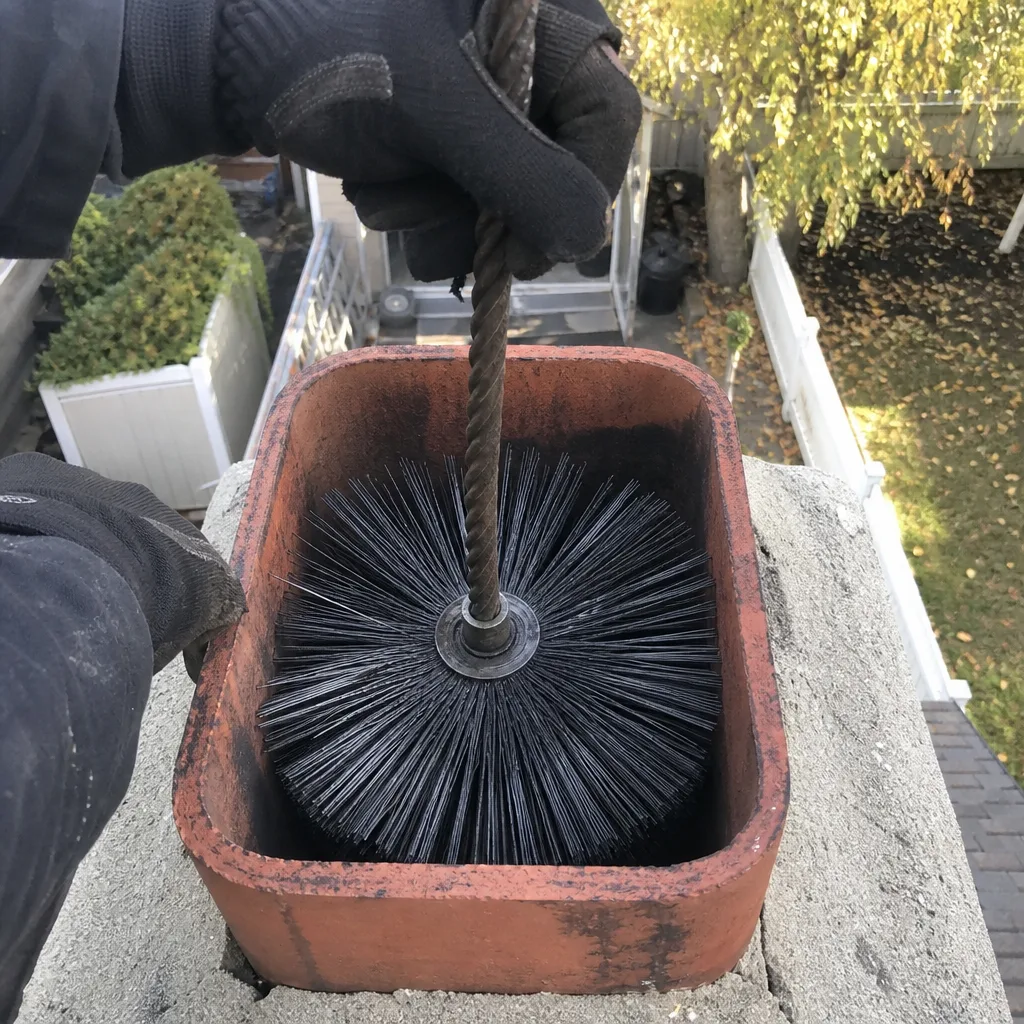
A wire brush removes what it touches. It does not identify what it cannot reach, and it cannot see what it does not disturb. The structural assessment of a chimney is a different task entirely from cleaning, and it is the task that prevents chimney fires and carbon monoxide exposure.
The first limitation is the liner. A clay tile liner may have a hairline crack from a chimney fire that predates the homeowner’s purchase, or from decades of thermal expansion in a New York climate where winter temperatures swing from single digits to the fifties within a week. A homeowner brushing the flue cannot see a vertical crack running up the back face of a tile, because the brush does not inspect, it scrubs. A cracked liner allows heat and combustion gases to reach the masonry and, in some configurations, combustible framing. The brush does not report this.
The smoke shelf is another blind spot. It sits behind the damper, a flat area designed to catch debris falling down the flue. Creosote accumulates there heavily, and because it is awkward to reach from below with a brush, DIY cleaning often leaves the smoke shelf untouched or barely disturbed. In our experience in New York, the smoke shelf is frequently the location of the heaviest creosote concentration in a fireplace flue, especially in older brownstones and prewar apartment buildings where the shelf geometry is tight.
Offset joints, the angled sections where a flue changes direction, are similarly unreachable with basic equipment. A brush follows the path of the flue, but it does not apply even pressure at an offset, and stage-two creosote, which is a hard, shiny, tar-like deposit, resists wire brushing entirely. A homeowner encountering stage-two creosote without knowing it has succeeded only in polishing the surface of a fire hazard.
Then there is the documentation gap. A professional chimney cleaning and sweep in New York includes a camera inspection that records the flue condition before and after the work. That record shows liner cracks, spalling, smoke shelf condition, and creosote class in color, with a date stamp. No homeowner’s self-cleaning log can replicate that evidence, and that distinction is what insurers and co-op boards care about.
The Insurance Policy Language New York Homeowners Need to Check
The debate over DIY versus professional chimney cleaning is usually framed as a cost question. In New York, it has become a documentation question. The change is coming from insurers, and it is happening quietly, in renewal language that most homeowners do not read until after a claim is filed.
Three major New York homeowner’s insurers have added policy language in the past two years requiring a “credentialed sweep report” as a condition of chimney-related fire claims. The phrasing varies, but the operative concept is consistent: if a chimney fire occurs and the homeowner cannot produce a written report from a licensed, certified, or otherwise credentialed chimney professional showing that the chimney was cleaned and inspected within the prior twelve months, the insurer may deny the claim or reduce the payout.
The insurer categories in New York most likely to include this language are:
- High-value home policies: Policies covering homes above $1.5 million in replacement cost in Manhattan, Brooklyn Heights, Park Slope, and the affluent suburbs of Westchester and Nassau County. These policies have the most detailed maintenance conditions.
- Co-op and condo master policies: Building-wide policies in New York City increasingly require documented chimney maintenance for any building with working fireplaces, because a chimney fire in one unit threatens the entire structure.
- Policies written after a prior claim: Any New York homeowner who has filed a fire or water claim in the past has likely been moved into a policy tier with stricter maintenance documentation requirements.
The language to look for appears in the “Conditions” or “Duties After Loss” section of the policy. It will use phrasing such as “reasonable maintenance,” which the insurer then defines elsewhere as maintenance carried out by a qualified professional with a written record. A homeowner who has cleaned their own chimney has performed maintenance, but they have not created evidence that meets the insurer’s definition. The work may have been done well. It has not been documented. In a claim environment, that is the same as not having been done.
A homeowner who wants to know where they stand should pull their policy and search for the words “chimney,” “fireplace,” “creosote,” and “maintenance.” If the language exists, a written report from a chimney repair and inspection company in New York is the only way to close that gap.
What a Credentialed Sweep Report Contains
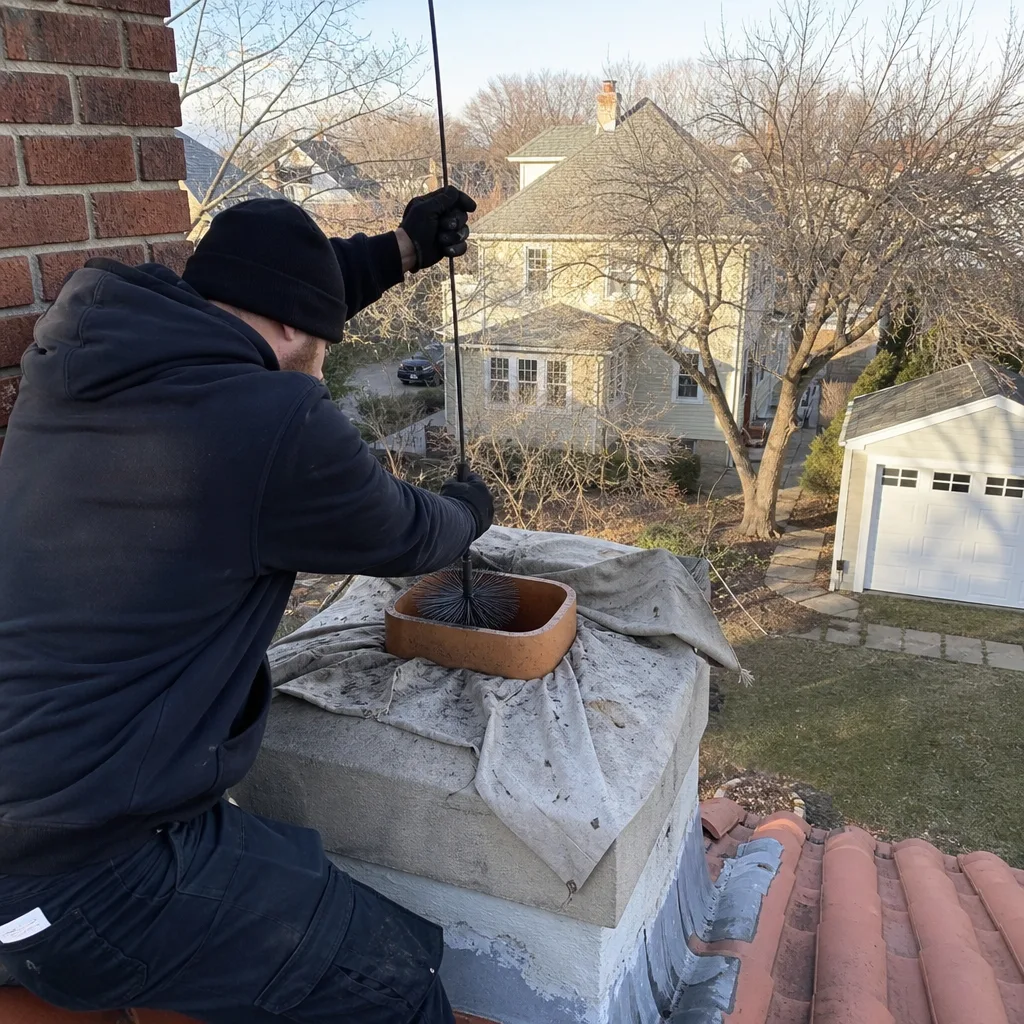
A credentialed sweep report is not a receipt. It is a condition assessment, and the difference matters. A receipt says someone came and did something. A report says what was found, what was done, what remains, and what the homeowner should know in plain language. The two documents have completely different legal weight in an insurance claim or a real estate transaction.
At Level Two Chimney New York, every visit includes a camera-scan inspection that produces a documented photo record of the flue before and after cleaning. That practice has been our standard since 2009, and it became Clause 4 of the Haven Standard: a photo record on every job, every time, without exception. A homeowner walks away with images of their flue liner, their smoke shelf, their cap, and their crown, each with a date stamp.
A proper sweep report includes these elements:
- Creosote classification: The inspector records the creosote class using the NFPA 211 scale: Class I (loose soot), Class II (flaky or granular deposits), Class III (glazed, tar-like creosote). The class determines the cleaning method and the urgency of the next service.
- Liner condition assessment: The report states whether the clay tile liner is intact, cracked, spalling, or absent, and whether a stainless liner such as DuraFlex or a repair system like HeatShield is indicated. The language is specific: “vertical crack at 14 feet, right face, approximate length 4 inches,” not “liner looks worn.”
- Smoke shelf and damper condition: Photographs and a written description of what the smoke shelf looked like before cleaning, and what it looks like after.
- Cap and crown status: Whether the chimney cap screen is intact, whether the crown has cracks that allow water entry, and whether the flashing shows signs of rust or separation.
- Recommendations with priority: What needs attention now, what can wait, and what is fine. The recommendation is tied to the photographic evidence, so a homeowner is never asked to take a recommendation on faith.
- Written price before any work starts: Under Clause 1 of the Haven Standard, the written scope and written price are delivered before anyone begins. That rule exists so a homeowner never faces a surprise invoice after the fact.
Why does this distinction matter in a real estate transaction? Because a buyer’s inspector may flag a chimney as “needs evaluation.” The seller who can produce a credentialed sweep report from the past twelve months neutralizes that flag immediately. The seller who cleaned their own chimney has a story. Stories do not close sales. Documents do.
The Limited Cases Where DIY Maintenance Makes Sense
This guide is not anti-DIY. It is anti-gap. There are specific, well-defined tasks that a New York homeowner can and should do between professional inspections, and those tasks extend the life of a chimney and reduce the chimney cleaning cost when the professionals do arrive.
The appropriate DIY maintenance tasks are:
- Cap screen clearing: A bird’s nest, wind-blown debris, or wet leaves can clog a cap screen and restrict draft. If the cap is accessible from a safe ladder position, a homeowner can clear it by hand. If it requires walking the roof, that is a job for a professional with fall protection.
- Damper operation checks: Before the first fire of the season, open and close the damper fully. It should move freely and seat firmly. If it sticks, squeals, or will not close completely, note it and mention it at the next inspection.
- Firebox visual before first seasonal use: Look at the firebrick with a flashlight. Loose bricks, missing mortar joints, or a rusted damper plate are visible to the naked eye. Document what you see with a phone photo, so you have a baseline comparison for next season.
- Checking the smoke detector and carbon monoxide detector: Battery replacement and test-button verification are part of chimney safety, and no professional needs to be involved.
What a homeowner should not attempt: anything involving roof access beyond a safe ladder position, anything involving chemical creosote removers on a glazed deposit, any attempt to remove or reseat a damper, and any liner or crown repair. The first rule is simple: if the task would require a safety harness, a second person on site, or specialized material, it is not a DIY task.
A note on steep roofs, which are common in New York’s older housing stock in neighborhoods like Riverdale, Forest Hills, and the brownstone belt. A chimney near the ridge of a steep slate roof is not a place to be on a Saturday morning with a brush kit. Falls from roofs account for a significant share of ladder-related emergency room visits in the city every year, and a chimney cleaning is not worth a spinal injury. If the roof pitch makes you pause even for a moment, call a professional.
A Side-by-Side Cost Model for New York Homeowners
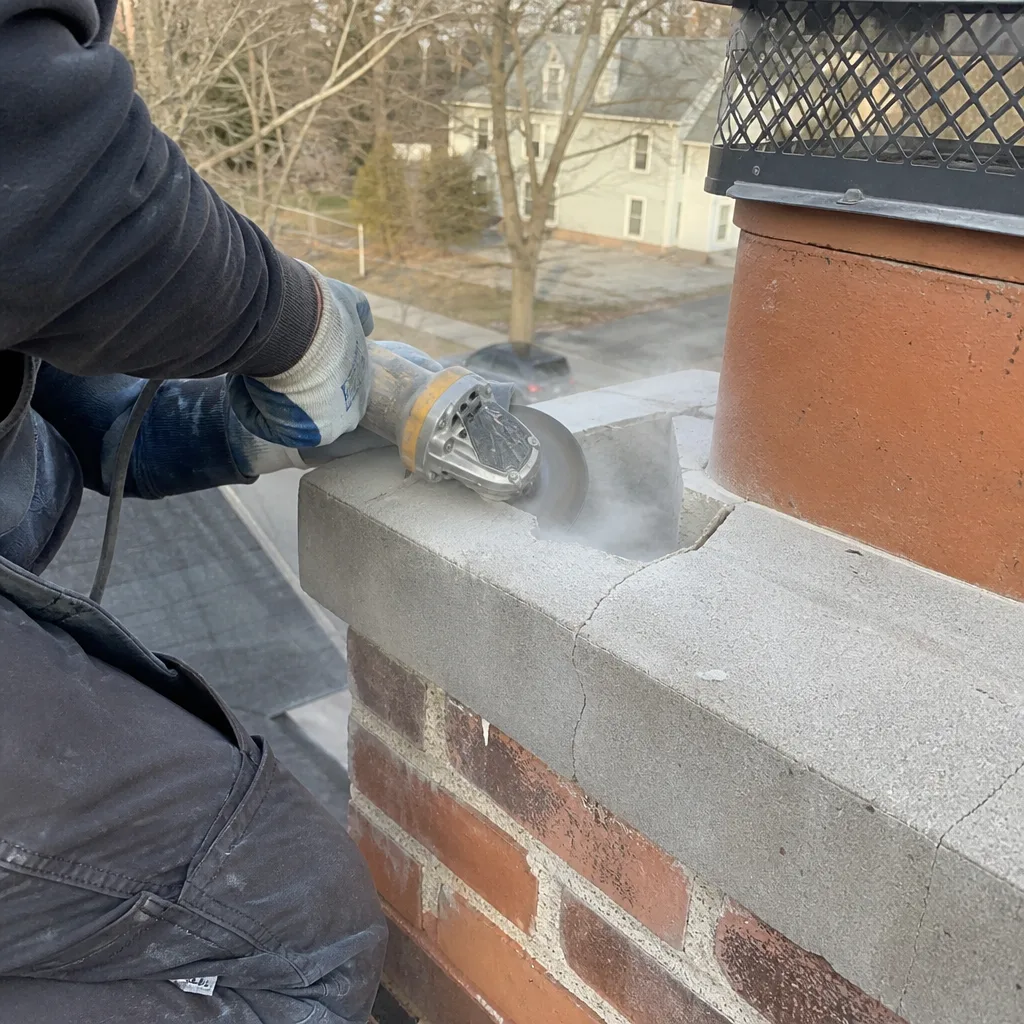
A DIY chimney cleaning costs $80 to $150 for the initial brush kit and rods, then close to nothing per use after that, plus an hour or two of labor. A professional chimney cleaning in New York typically costs between $180 and $340 for a standard fireplace with a straightforward flue, and more if there are multiple flues, steep roof access, or heavy creosote requiring rotary equipment. See our seasonal chimney cleaning care for New York guide for year-round maintenance timing.
That is the surface comparison, and it makes DIY look like a bargain. But the surface comparison misses the downstream costs that determine the real total. Here is a side-by-side model for a typical New York homeowner with a single masonry fireplace and clay tile liner.
| Cost Category | DIY Cleaning | Professional Cleaning with Written Report |
|---|---|---|
| Initial equipment | $80 to $150 | $0 |
| Annual service cost | $0 (equipment reused) | $180 to $340 |
| Documentation for insurance | None | Credentialed report with photos and creosote class |
| Insurance claim exposure | Potential denial or reduction if chimney fire occurs and no professional report exists | Coverage intact with report on file |
| Re-cleaning before home sale | $180 to $340 if buyer or buyer’s inspector requires professional documentation | $0 if within 12 months of listing |
| Co-op board compliance | Not met if board requires professional service record | Met with written report |
| Liner crack identification | Not detected by brushing | Detected during camera inspection, repair quoted before it becomes a fire or carbon monoxide risk |
The asymmetry is the point. A DIY cleaning saves roughly $250 per year in direct costs, but exposes the homeowner to the one cost that matters most: a chimney fire that is not covered because the maintenance record does not meet policy language. A chimney fire in a New York home causes an average of $12,000 to $25,000 in damage depending on fire spread. A professional cleaning costs $250 per year with a documented record. The decision framework is not about $250. It is about whether the homeowner wants their maintenance to be evidence.
One more cost consideration: fireplace services in New York that are bundled with cleaning, such as damper replacement or gas log installation, are often priced lower when done during an annual sweep visit than when scheduled separately. A homeowner who maintains a relationship with a service provider gets better pricing and a continuous record, both of which have dollar value.
Common Mistakes to Avoid
- Cleaning without a before-photo record: A homeowner who cleans their own flue and then has a fire has no evidence of what the flue looked like before the fire. A photo on a phone, date-stamped and clear, costs nothing and creates a baseline.
- Using chemical creosote logs as a substitute for brushing: Creosote sweeping logs can loosen some flaky deposits, but they do not remove them from the system, and they do nothing for glazed creosote. In New York’s older chimneys, they often just move the problem from the flue walls to the smoke shelf.
- Brushing a flue with a known chimney fire history without an inspection first: A chimney that has survived a fire may have cracked tiles. Brushing can dislodge loose fragments and worsen the condition. Inspection comes before cleaning, always.
- Skipping the cap screen inspection: A homeowner who cleans the flue but never looks at the cap misses the most common entry point for water, birds, and debris. In New York, where wet winters and aggressive raccoons in some boroughs are real, a damaged cap screen becomes a repair within a year.
- Assuming the home insurance policy covers chimney fires by default: Many New York policies do cover chimney fires, but with maintenance conditions that the homeowner has never read. Checking the policy language is a five-minute task that costs nothing and can change the entire DIY calculation.
- Cleaning from the roof on a steep pitch without fall protection: This is the one that ends in an emergency room. No chimney cleaning is worth a permanent injury. If the roof is steep, call someone with the right equipment.
- Believing a visual check of the firebox equals an inspection: The firebox is the only part of the system that is visible from inside the house. The flue, the liner, the smoke shelf, and the cap are not. A clean firebox tells you nothing about the condition of the flue.
When to Call a Professional
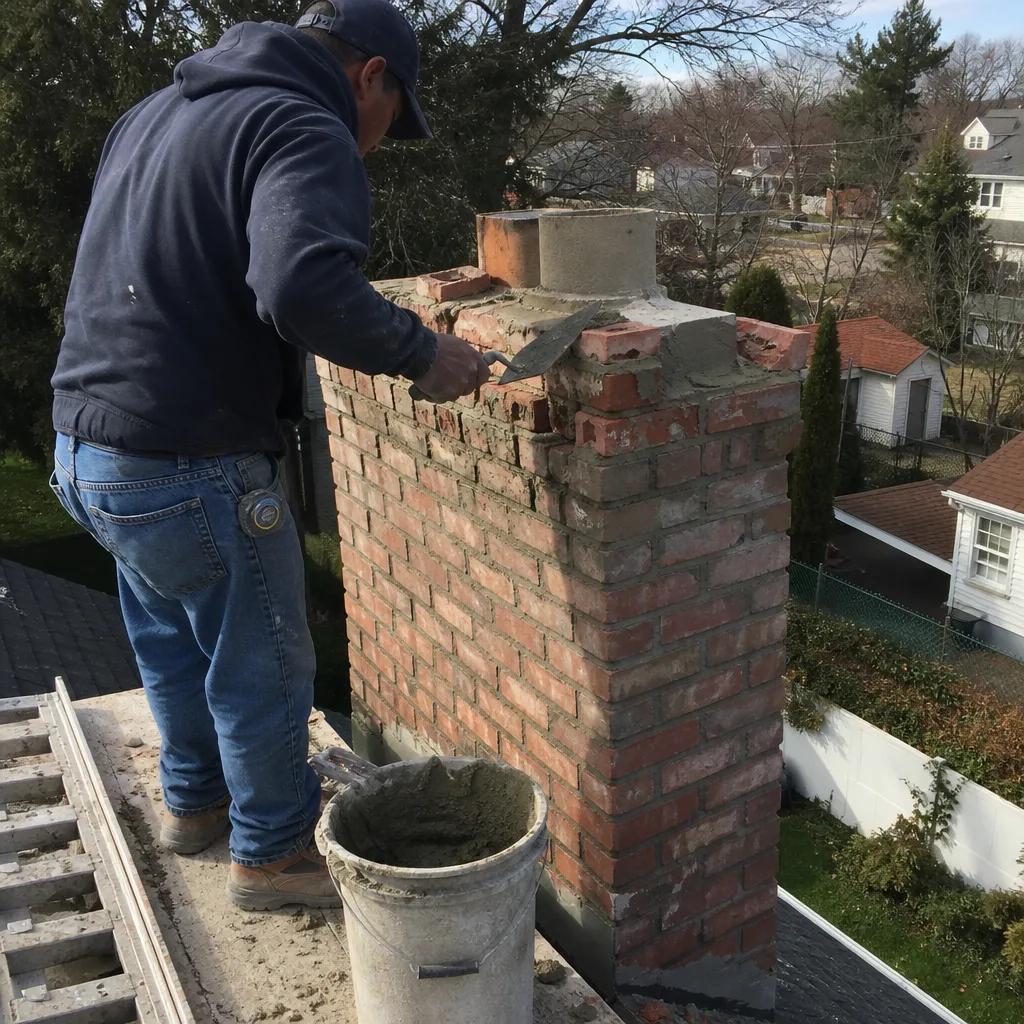
Call a professional when any of these apply: you have bought a home in New York and have no documentation of the last chimney service; you see white or dark staining on the interior walls around the fireplace; you smell smoke or a campfire-like odor in the house when the fireplace is not in use; you hear animals in the flue; the damper will not operate; or your insurer has asked for a maintenance record.
More specifically, call when the roof is steep, when the flue has not been professionally inspected in more than three years, when a home sale is on the horizon, or when a co-op board requires a professional service record. Any of those conditions makes the DIY question irrelevant. Level Two Chimney New York offers free estimates in New York. Call (551) 213-5548.
Frequently Asked Questions
A professional chimney cleaning in New York typically costs between $180 and $340 for a standard fireplace with a single flue and accessible roof, with higher prices for multiple flues, steep roof access, or heavy creosote that requires rotary cleaning equipment. The price is always provided in writing before any work starts. Call (551) 213-5548 for an exact quote, and know that estimates are free.
Yes, New York state and New York City do not prohibit a homeowner from cleaning their own chimney, and no license is required to buy chimney brushes and rods. The question is not legality but documentation: a DIY cleaning does not produce a credentialed sweep report, which some New York insurers now require as a condition of chimney-related fire claims.
The NFPA 211 standard used by chimney professionals in New York recommends a cleaning and inspection at least once per year for chimneys that are used regularly, and more often if the homeowner burns unseasoned wood or uses the fireplace as a primary heat source. A chimney that has not been used in more than two years should still be inspected before the first fire, because animals and debris frequently move in during vacancy.
Creosote accumulates with every fire, and in a flue that has not been cleaned, it progresses from loose soot to hard, glazed deposits that catch fire easily and burn at extremely high temperatures. A chimney fire can crack the flue liner, which then allows heat and gases into the masonry and potentially into the house, and creates the conditions for a structure fire. The risk accumulates silently, which is why an annual documented cleaning matters. Call (551) 213-5548 to schedule a sweep before burning season in New York.
A standard home inspection includes a visual check of the fireplace firebox and damper, but most New York home inspectors do not run a camera up the flue, which means liner cracks, smoke shelf buildup, and cap damage are routinely missed. A buyer who wants a real assessment should request a Level 2 camera inspection from a chimney professional before closing, and a seller who can produce a credentialed sweep report makes the transaction smoother.
In New York’s older housing stock, liner damage is common, and the recommendation should always be tied to photographic evidence from a camera inspection. At Level Two Chimney New York, we never recommend a liner replacement without showing the homeowner the camera images that justify it, and we provide a written price with a written scope before any work starts. A second opinion on any written estimate is available at no charge. Bring us a competitor’s quote and we will review it against the evidence.
The Bottom Line
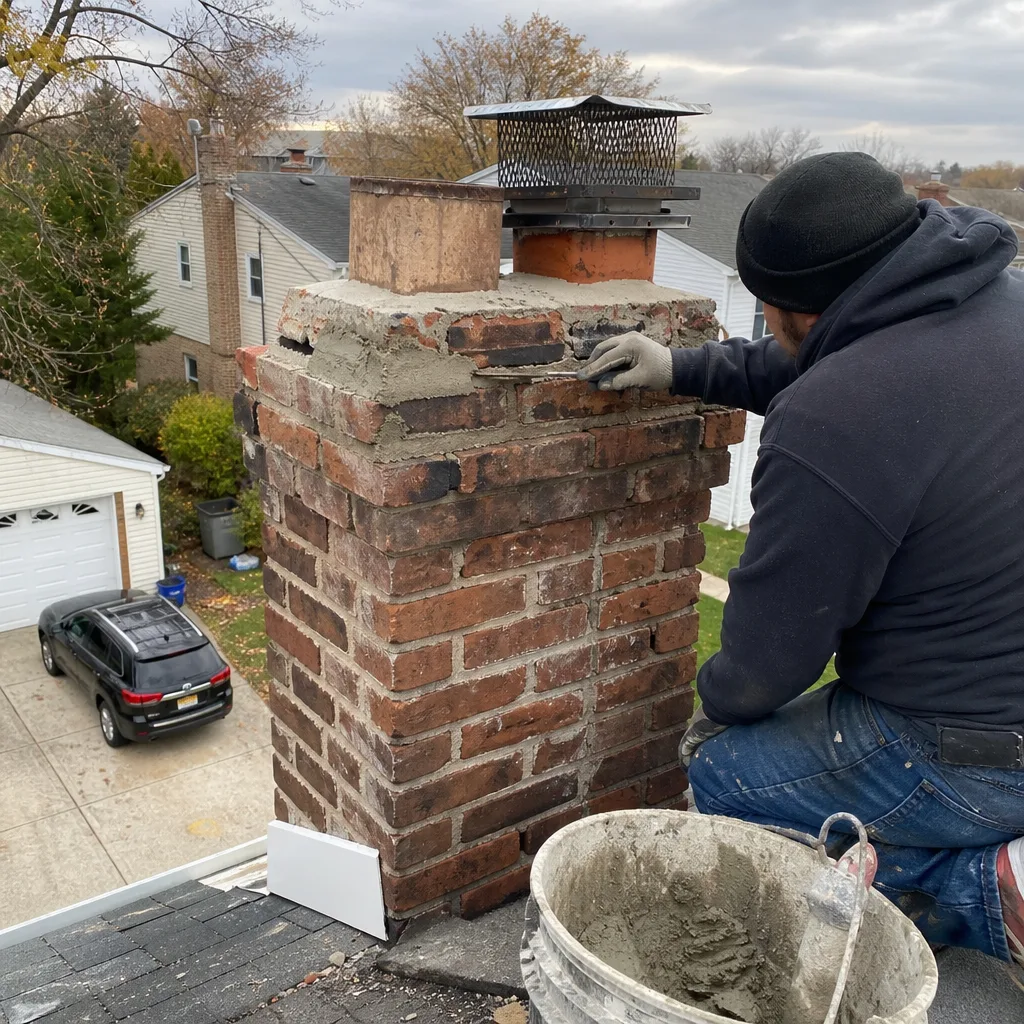
A DIY chimney cleaning in New York costs less upfront and produces a cleaner flue. It also produces zero documentation, zero structural assessment, and zero standing with an insurer that requires a credentialed sweep report. As Level Two Chimney New York has seen across more than 38,000 inspections and cleanings since 2009, the chimneys that fail are the ones that went undocumented. The smart New York homeowner does not choose between DIY and professional service. They do the light maintenance themselves, keep a phone-photo baseline, and get a professional cleaning with a camera-scan report every year. The written report is the product that protects the house. Call (551) 213-5548.
Written by Corrine Halstead, Owner at Level Two Chimney New York, serving New York since 2009. Explore more guides & resources on chimney care.