
Last updated September 19, 2026
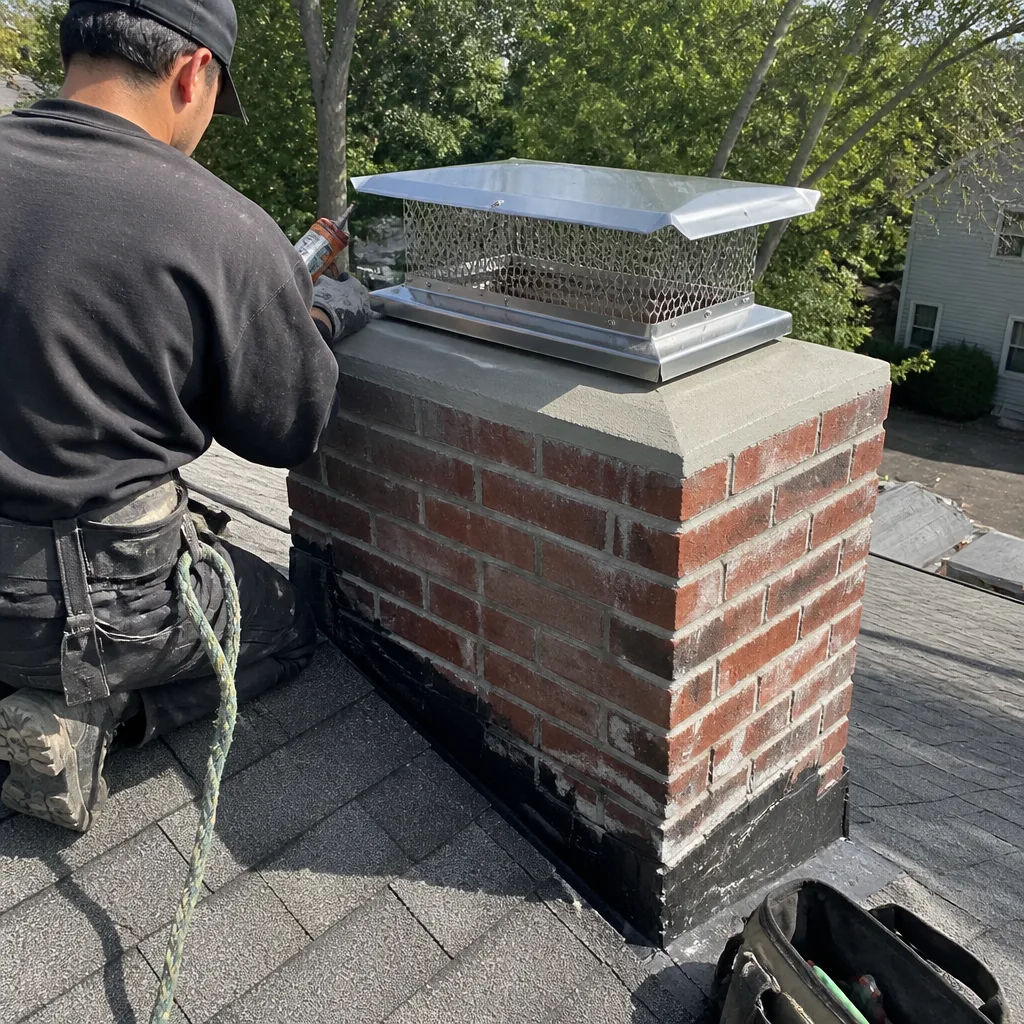
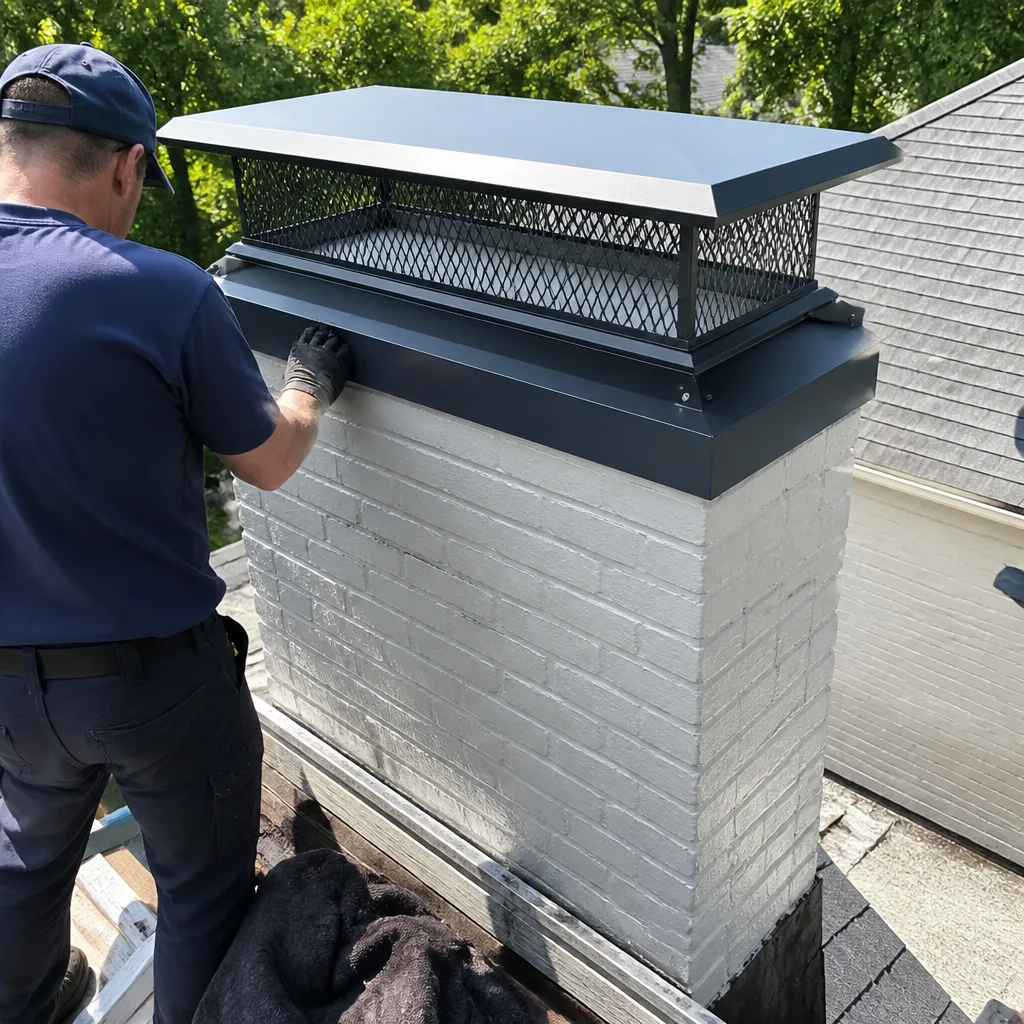
Level 1 sweep and inspection to the NFPA 211 annual standard - flue, crown, cap, and flashing checked and photographed
Chimney sweep logs do not sweep chimneys. They loosen some creosote - which then falls where a brush and vacuum still have to collect it.
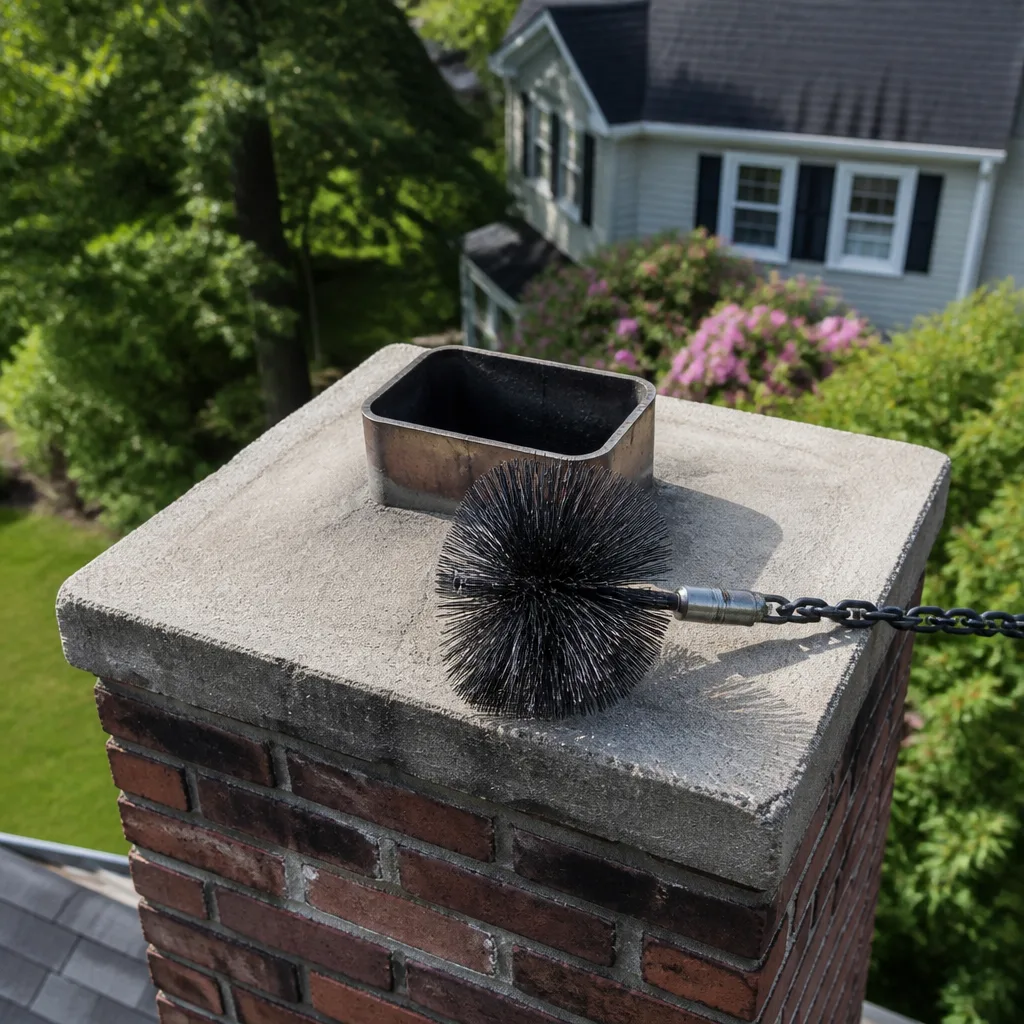
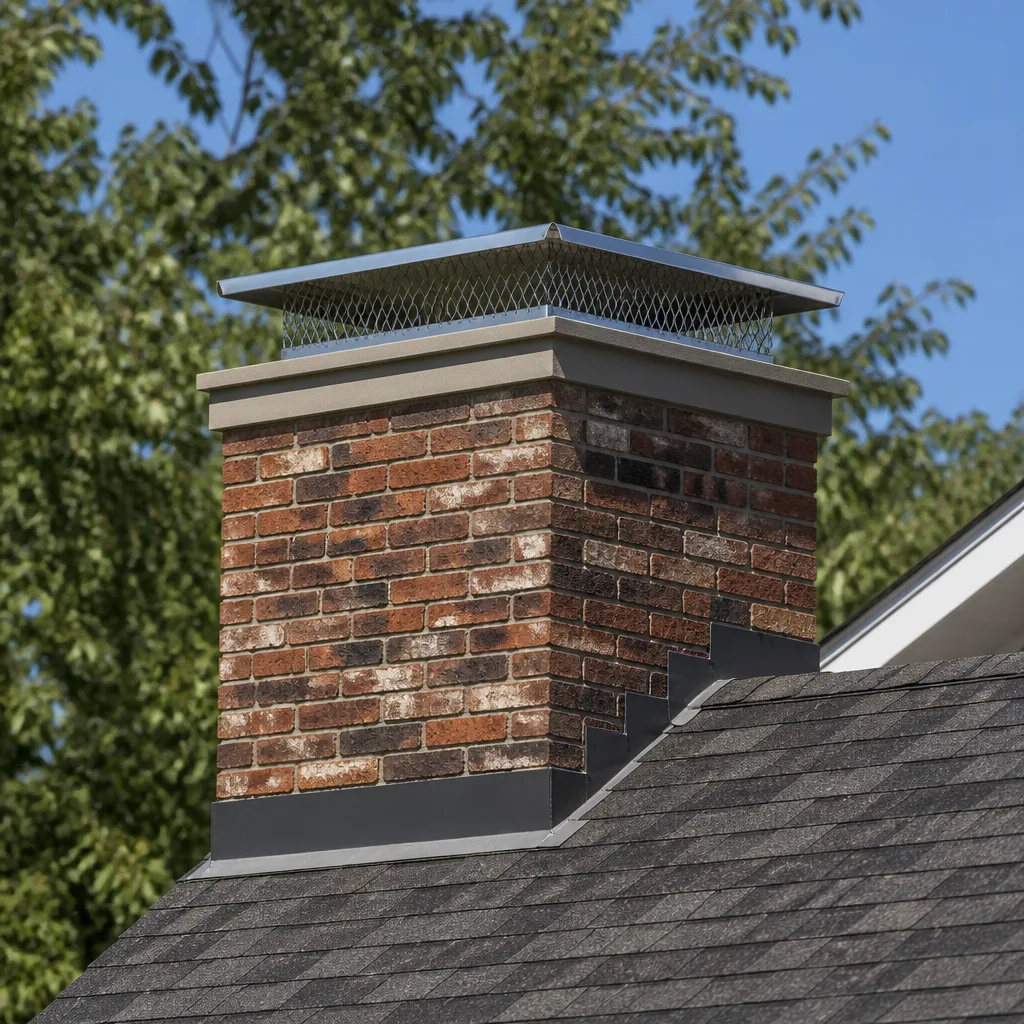
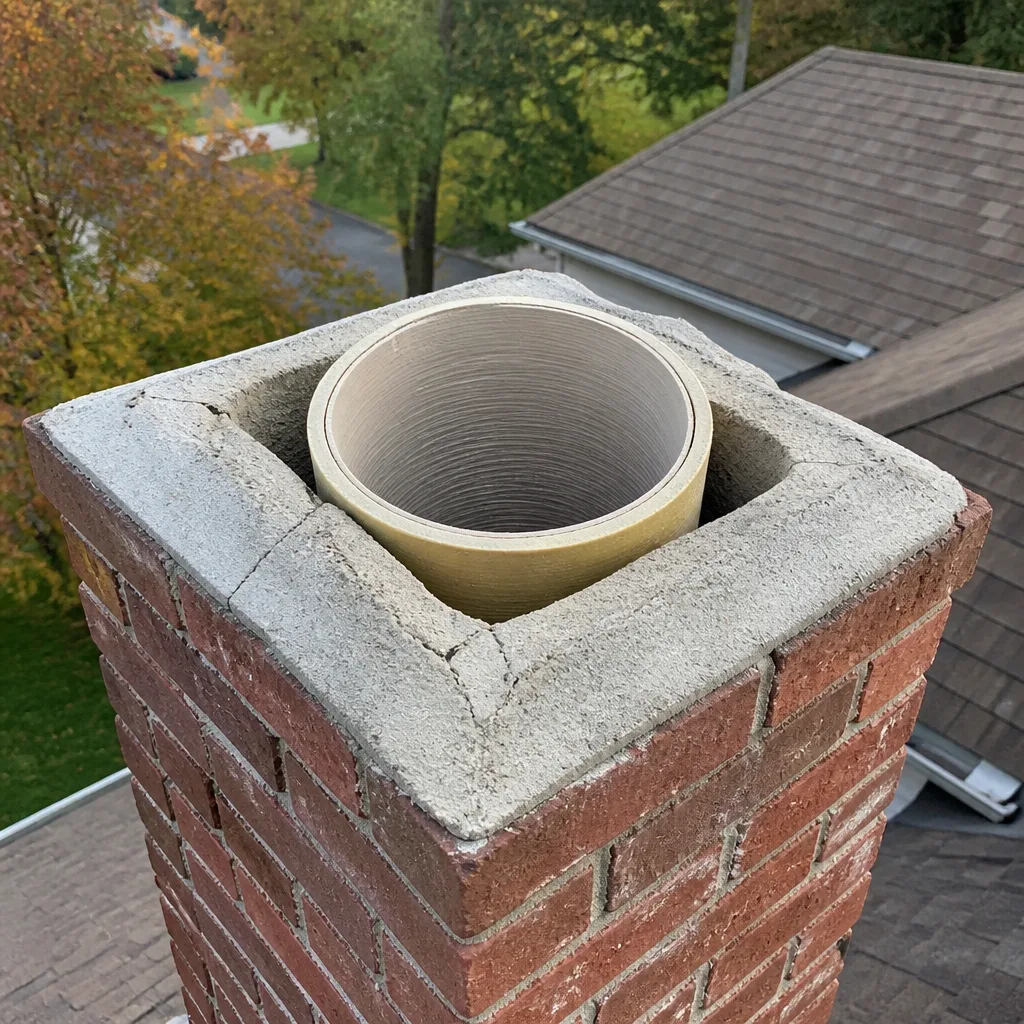
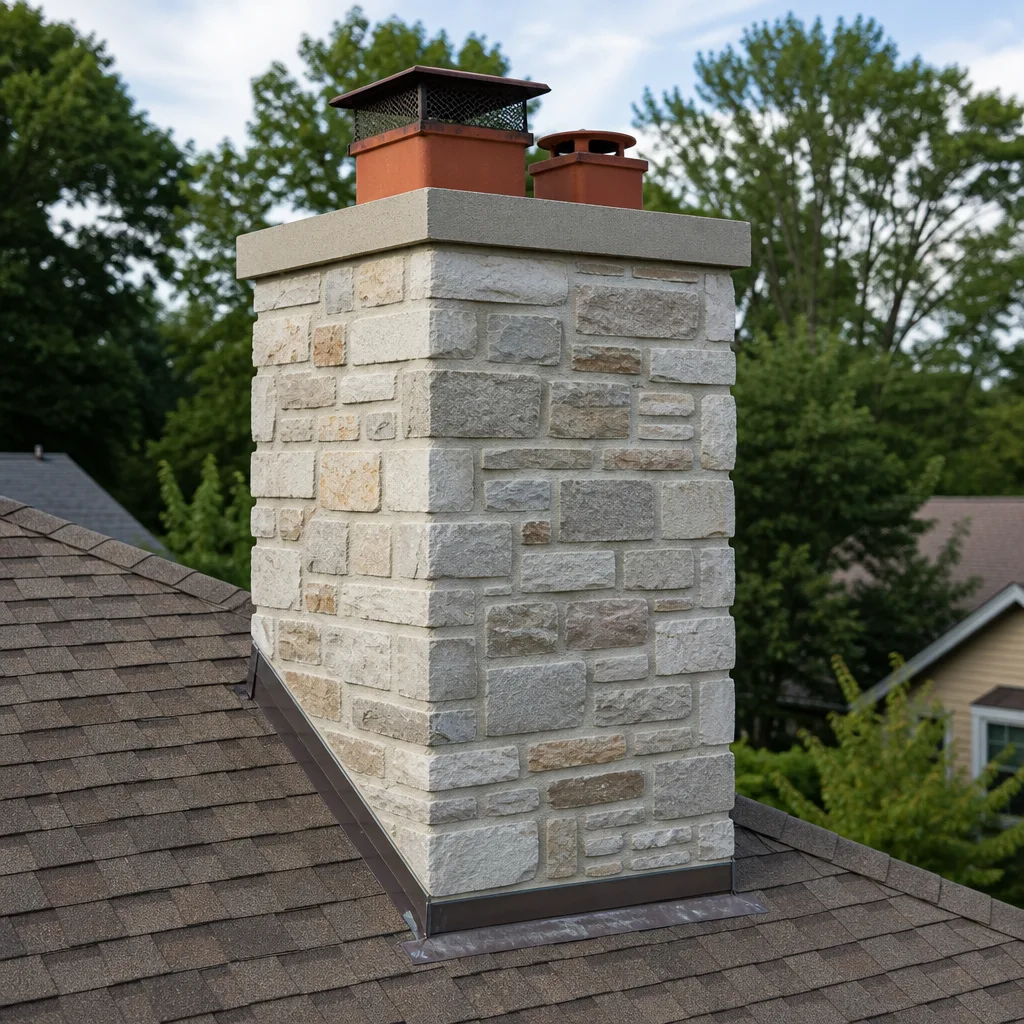
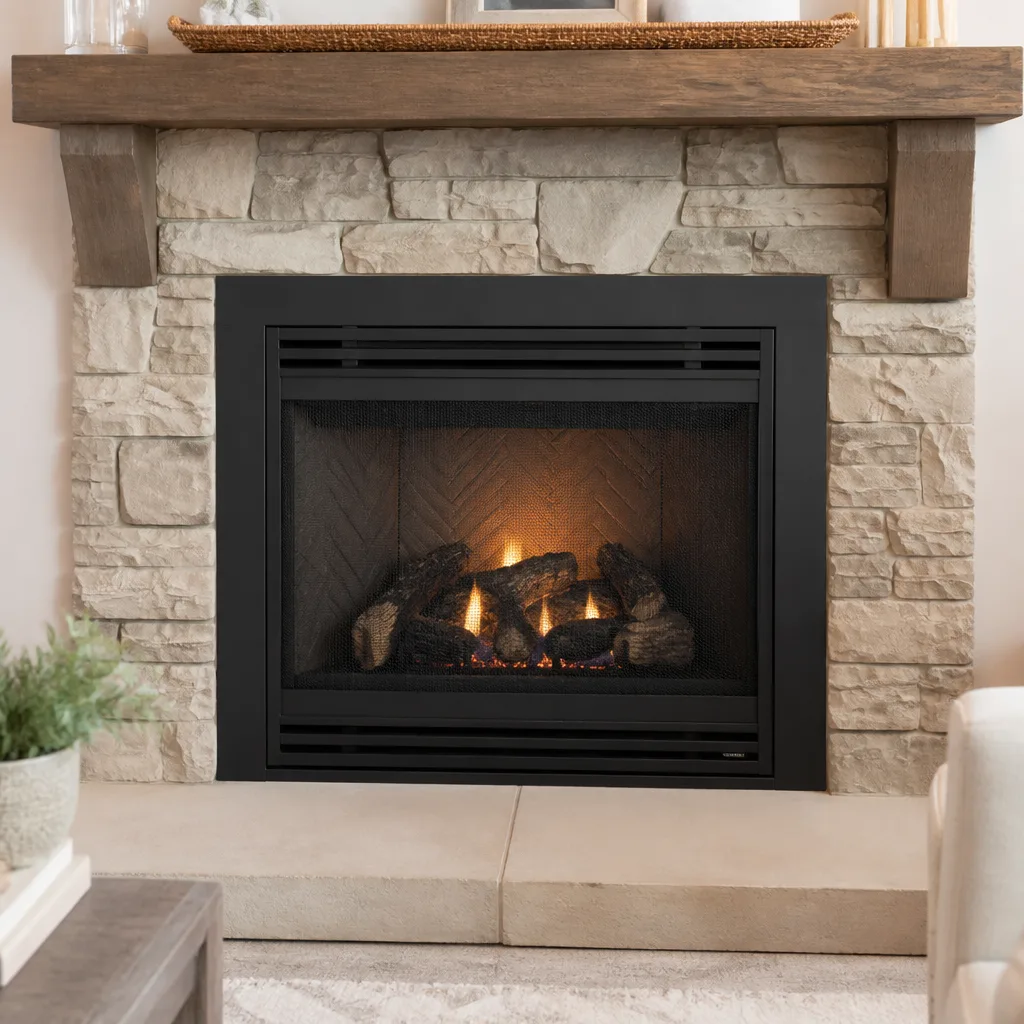
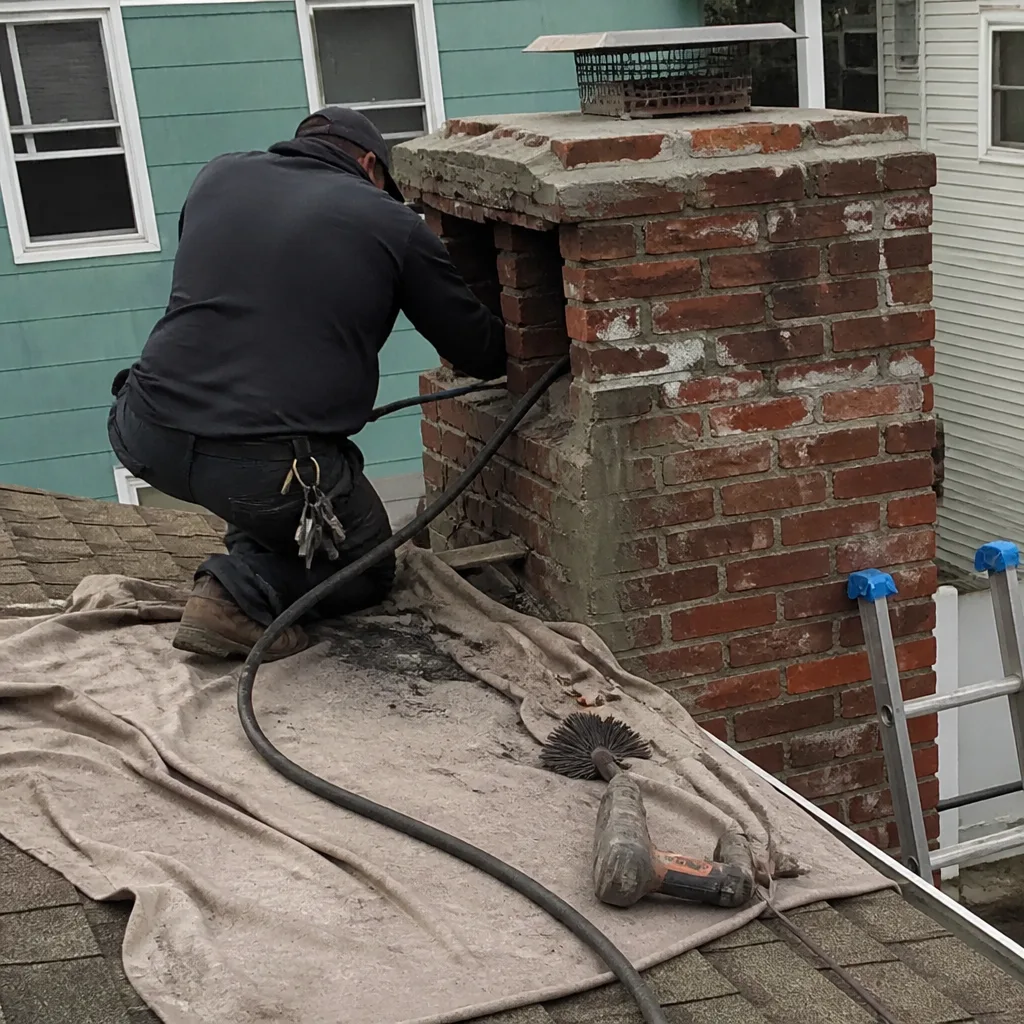 Before
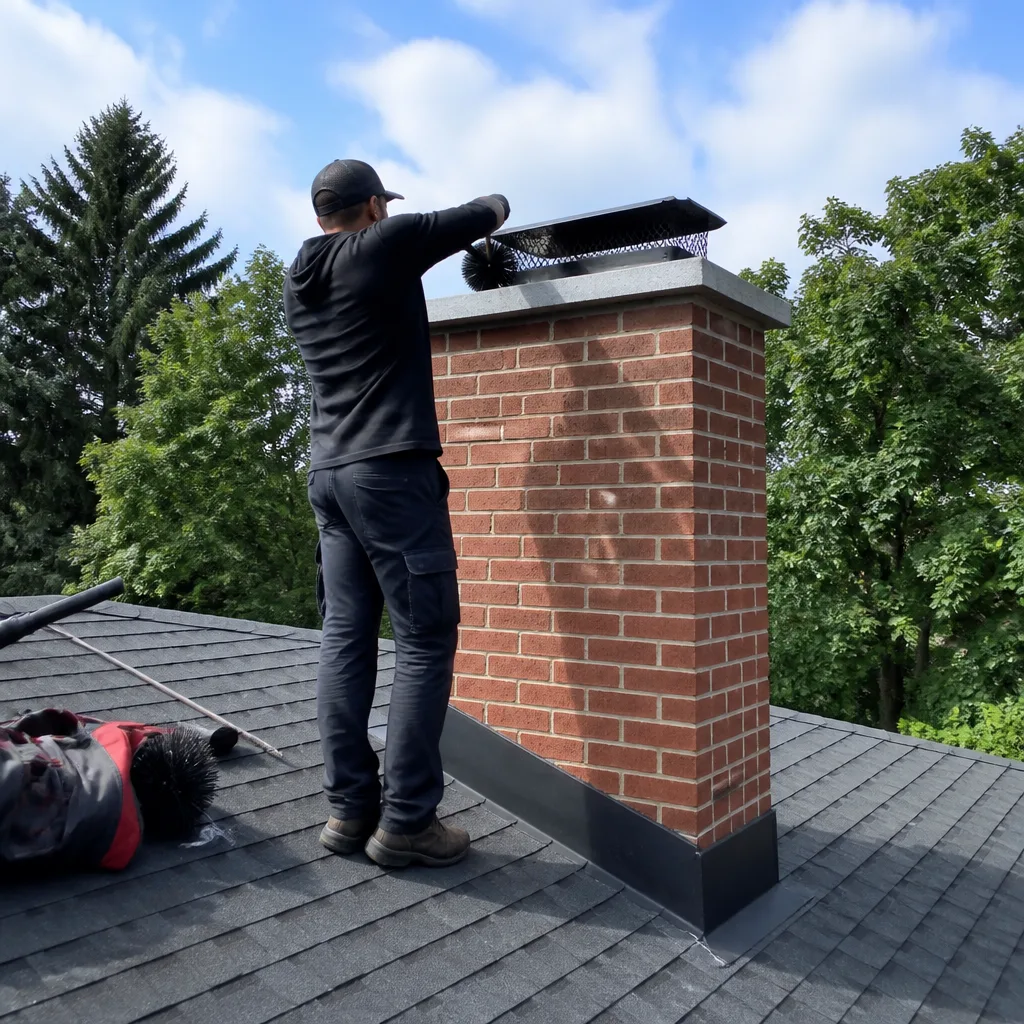 After
After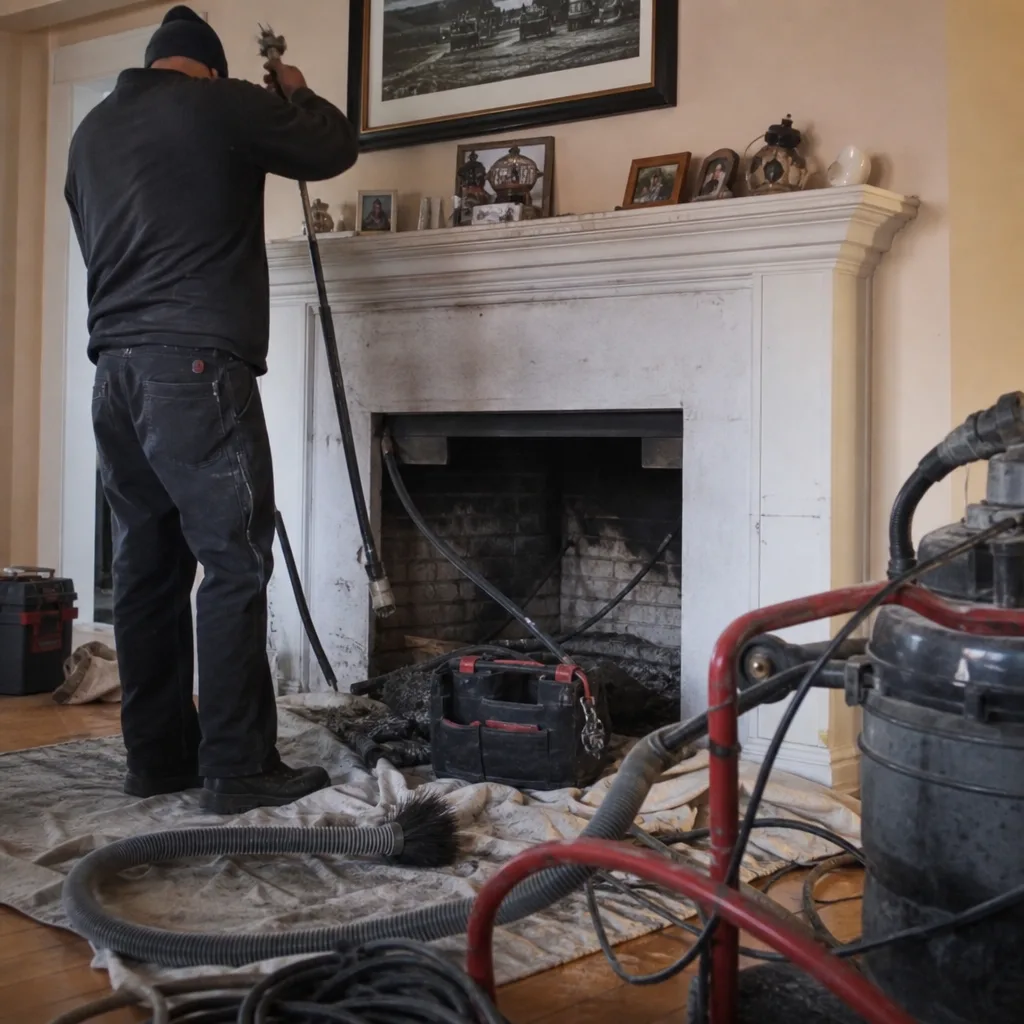 Before
 After
After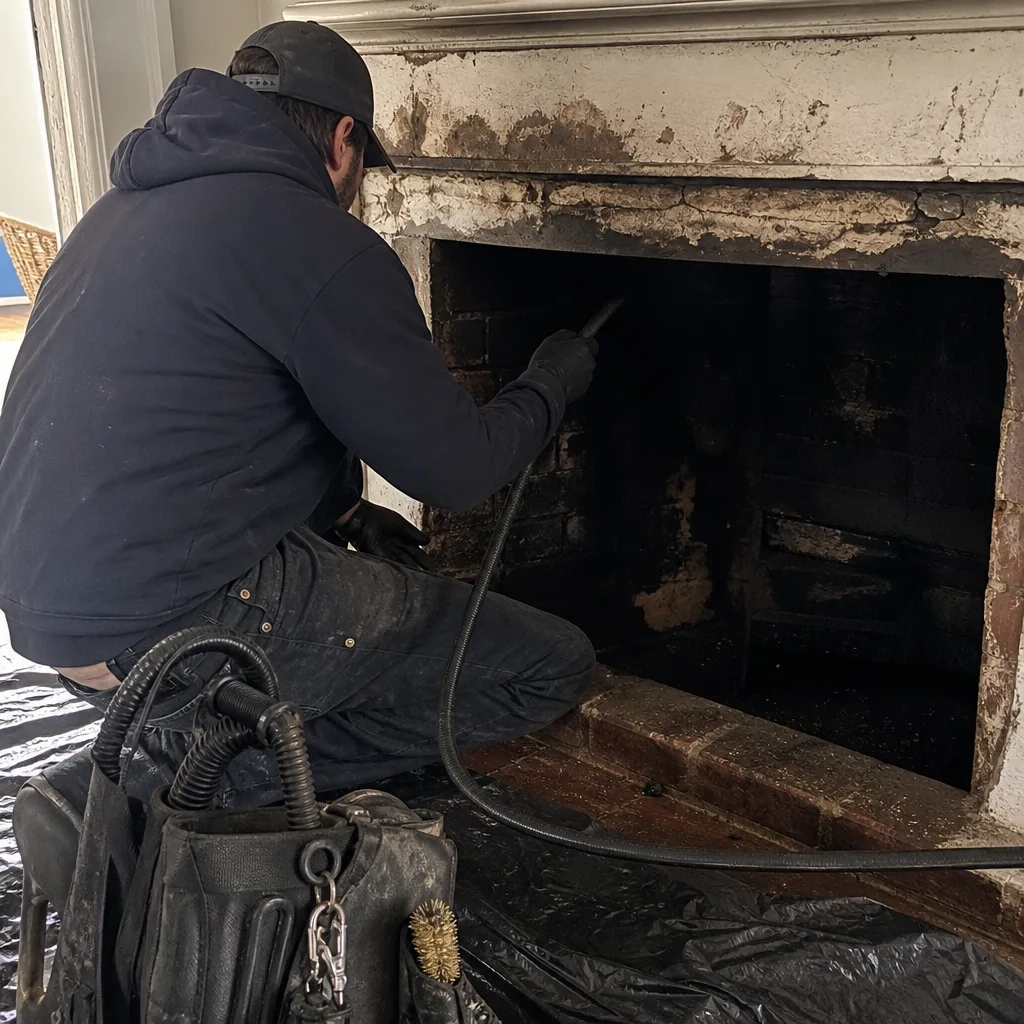 Before
 After
AfterHow to Hire a Chimney Cleaning Contractor in New York: A Step-by-Step Guide
New York City has no licensing board for chimney sweeps. Read that again. The person you hire to inspect a vertical exhaust system running through the center of your home is subject to less credentialing than the person cutting your hair. Anyone with a ladder, a brush set from a hardware store, and a Craigslist account can call themselves a chimney contractor in New York, hand you an invoice, and walk away. CSIA certification is voluntary. Camera inspection is optional. Written warranties are the exception, not the rule. This guide replaces the usual advice, “check reviews and ask if they’re insured,” with a vetting sequence built around what a contractor must produce before, during, and after the job. For more guides & resources on protecting your home, see our blog. Anything a contractor won’t put in writing is a data point. Treat it that way.
Quick Answer
To hire a chimney cleaning contractor in New York, request three documents before signing anything: a written scope of work, a written price with no open-ended repair language, and a certificate of insurance naming your address. Then verify the technician’s CSIA credential number on the CSIA registry, ask to see a sample camera-scan report, and compare at least two contractors on scope and documentation standard, not price per cleaning. A contractor who won’t provide written documentation before the visit is not one you want inside your home.
Table of Contents
- Why Hiring in New York Is Different From Anywhere Else
- The Three Documents to Request Before Signing Anything
- How to Verify a CSIA Credential (and Why a Website Logo Isn’t Verification)
- What a Camera-Scan Report Should Look Like Versus a Verbal Assessment
- Red Flags Specific to the New York Market
- How to Structure a Two-Contractor Comparison
- Questions to Ask Before You Book
- What Should Happen During the Visit
- Common Mistakes to Avoid
- When to Call a Professional
- Frequently Asked Questions
- The Bottom Line
BeforeAfterWhy Hiring in New York Is Different From Anywhere Else
Most major U.S. cities have some form of municipal oversight for chimney work. New York does not. The city’s Department of Buildings regulates structural work and permits for major alterations, but a routine chimney cleaning and inspection falls outside that framework. Learn more in our guide to Chimney Cleaning Permits, Codes & Inspections in NY: What You Need to Know. There is no New York chimney sweep license, no local certification board, and no requirement that a company carry specialized insurance before marketing itself as a chimney service.
The closest thing to a national credential is the Chimney Safety Institute of America (CSIA), and it is entirely voluntary. A contractor can operate in New York for decades without ever sitting for the CSIA exam. The result is a market with a credential gap wider than in Boston, Chicago, or Philadelphia. A homeowner in Park Slope researching chimney services is functionally on their own in a way a homeowner in a regulated trade, say electrical work, never is.
This is not a hypothetical concern. We have walked into thousands of New York homes since 2009 and seen the aftermath of uncredentialed work: brush-only cleanings that left Class III creosote, which is the hardest, most flammable form of creosote, bonded to the flue walls; “inspections” that consisted of a flashlight aimed up from the firebox; and repair quotes written on a business card with no scope, no warranty, and no record of what was actually found. The problem in New York is not a shortage of chimney companies. It is a shortage of chimney companies willing to document their work.
Here is what that means for you, the homeowner: the burden of verification falls entirely on your shoulders. There is no city agency that will do it for you. That is uncomfortable, but it is also solvable. Verification is not complicated. It is a checklist.
The Three Documents to Request Before Signing Anything
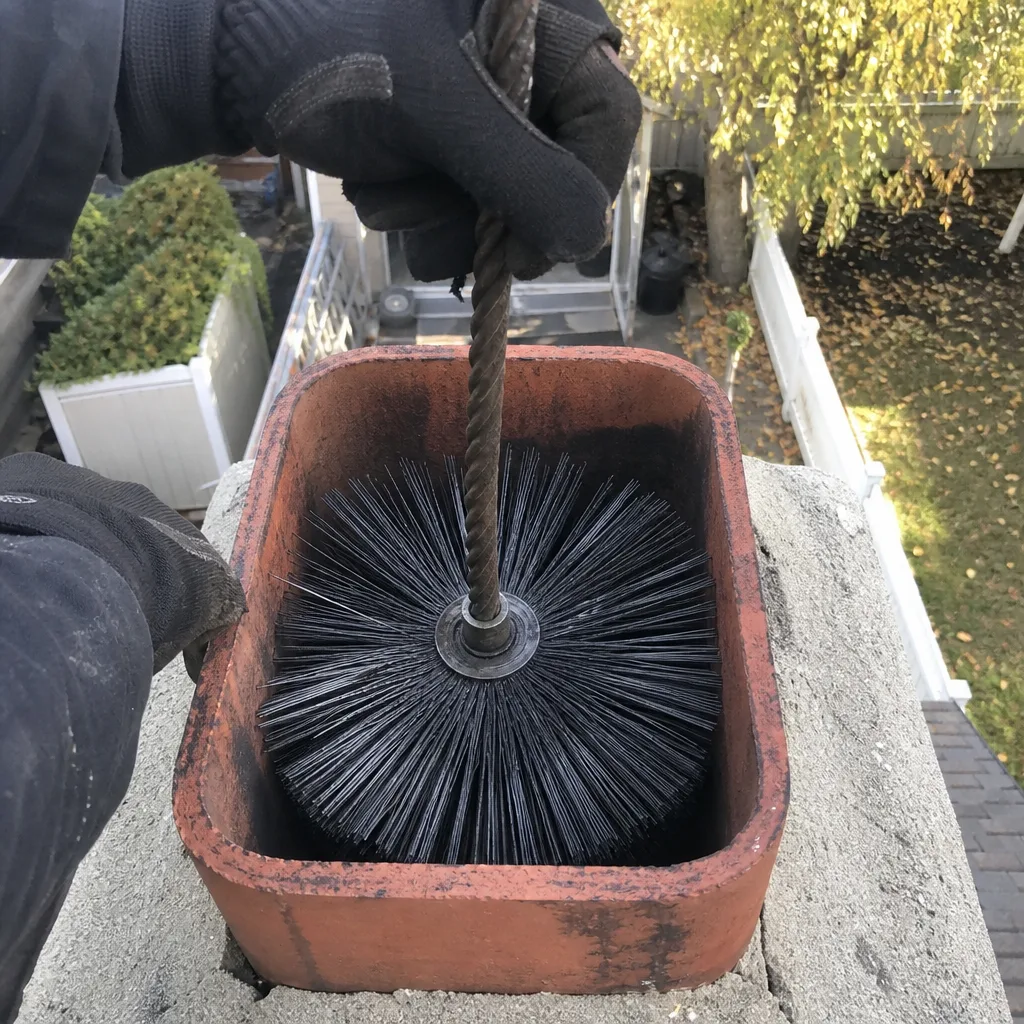
Before you agree to let a chimney contractor into your New York home, request these three documents. Not ask about them. Request them. In writing, by email or text, so there is a record of what was provided and when.
- Written scope of work. This is a plain-language description of what the contractor will do: sweep the flue, inspect the liner, check the crown, assess the smoke chamber, document findings. It should name the specific chimney and appliance. It should state whether the visit is a Level 1 inspection (a visual check of readily accessible areas) or a Level 2 inspection (which includes camera scanning of the flue interior, per NFPA 211, the national fire protection standard). If the word “cleaning” appears without any reference to inspection standard, ask which standard applies. NFPA 211 is the reference point we work to on every job.
- Written price with no open-ended “additional repairs” language. The price should be a fixed number in dollars, not a range, and not a starting point. Look for phrases like “additional repairs as needed” or “repairs to be determined on site.” That language is a blank check. A legitimate contractor may find issues during the visit that require a separate quote, but that quote should be a new written document, not an escalation clause embedded in the original price. We deliver a written price before work starts on every job, with no exceptions. It is Clause 1 of the Haven Standard that governs how we operate.
- Proof of general liability insurance naming your address. This is not the same as the contractor saying “we’re insured.” Request a certificate of insurance (COI) that lists your property address as an additional insured for the date of the visit. If the contractor hesitates, that is a data point. A one-off certificate costs a contractor almost nothing to issue. A refusal to issue one tells you something about what happens if a technician damages your roof, your liner, or your neighbor’s window.
None of these three documents is difficult for a legitimate New York chimney contractor to produce. The companies that cannot produce them are the ones that will cost you money later.
How to Verify a CSIA Credential (and Why a Website Logo Isn’t Verification)
The CSIA logo appears on hundreds of chimney company websites in the New York metro area. It means almost nothing on its own. CSIA certification is issued to individual technicians, not to companies. A company can employ one certified technician and dispatch twelve uncertified ones. Or a company can display the logo because the owner was certified in 2011 and let it lapse in 2014.
Here is how verification actually works:
- Ask the company for the name of the technician who will be assigned to your job. Not “a team.” A name.
- Ask for that technician’s CSIA certification number. It is a multi-digit number, not a company name.
- Go to the CSIA website, search the certified professional directory, and confirm that the number matches the technician name and that the certification is current.
- If the company will not provide a technician name or a number, that is your answer. The logo on the website is marketing. The number on the registry is verification.
This matters in New York specifically because CSIA certification is the only independent, nationally recognized credential that exists for chimney sweeps. The state does not require it. The city does not require it. Your insurance company probably will not ask about it. That makes the CSIA registry the single most reliable independent check available, and it takes about ninety seconds to use.
One more detail: verify before the visit, not after. A contractor who gives you a technician name on Monday and then swaps in a different person on Thursday has not met the standard you set. Ask for written confirmation that the named technician will be the person who arrives.
At Level Two Chimney New York, every technician is background-checked and uniformed, with license information displayed on the page and the assigned tech’s name provided before arrival. That is not marketing language. It is part of the H.A.V.E.N. standard we operate under, specifically the “Verified crews” clause. We have run our Chimney Cleaning & Sweep in New York service this way since 2009.
What a Camera-Scan Report Should Look Like Versus a Verbal Assessment
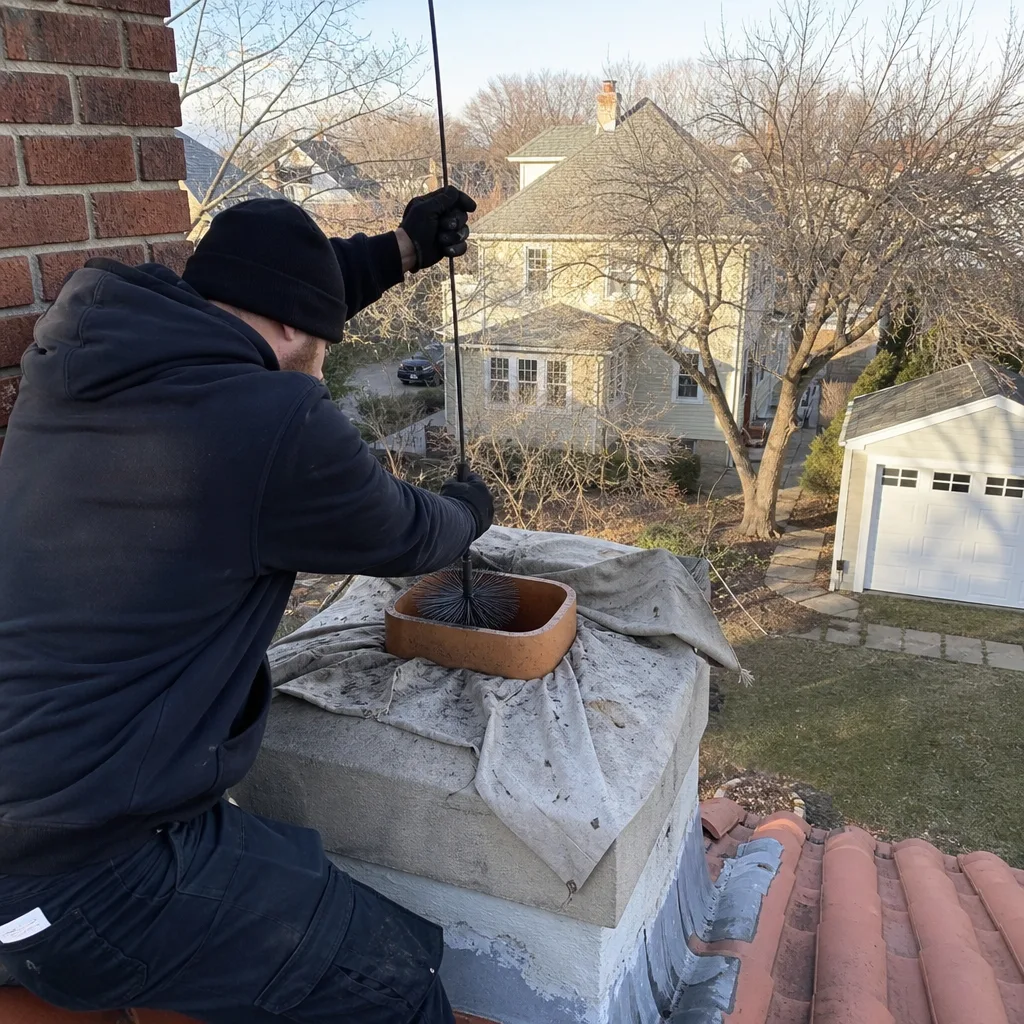
A verbal assessment sounds like this: “Yeah, liner looks fine, crown’s okay, you’re good for another year.” That is not an inspection. That is an opinion delivered from a rooftop or a fireplace opening. In New York, where many buildings predate World War II and flue conditions vary dramatically from one brownstone to the next, a verbal assessment is not enough.
A camera-scan report looks like this: a set of still images or video captures taken from inside the flue, labeled by location (firebox, lower flue, mid-flue, upper flue, cap), with notes on what each image shows. The report should name the liner material (clay tile, stainless steel, cast-in-place), describe the creosote class if present (Class I is light soot, Class II is flaky, Class III is hardened and glazed), and note any visible cracks, gaps, spalling - which is the flaking or crumbling of masonry - or obstruction.
Before you hire, ask the contractor to show you a sample report from a previous job, with the customer’s name redacted. A contractor who can produce a sample in thirty seconds has a documentation system. A contractor who cannot is going to give you a verbal assessment and a handshake. One of those is useful. One of those is not.
We made camera-scan documentation the default in 2009, years before regulators or insurers asked for it. That practice became Clause 4 of the Haven Standard: a documented photo record on every job, archived and available to the homeowner. More than 38,000 chimneys have been inspected and cleaned under that standard, and every one of them left the homeowner with a written record of what was found and what was done.
A brief note on safety: a camera scan is a diagnostic tool, not an invitation to climb around on your roof. Roof access in New York, especially on slate or steep-pitch rowhouses, is genuinely dangerous work. If you want to understand your chimney’s condition, the camera does that job from inside the flue. Let the professional handle the heights.
Red Flags Specific to the New York Market
Every city has generic contractor red flags: no insurance, no reviews, cash-only pricing. New York has its own set, shaped by the city’s housing stock, its seasonal heating patterns, and the sheer volume of old masonry chimneys still in service.
- Quoting over the phone without asking flue type, fuel type, or appliance age. A 1940s Greenwich Village brownstone with a clay-tile flue serving a wood-burning fireplace is a different job from a 2008 Upper West Side co-op with a stainless liner venting a gas furnace. If a contractor quotes a price before asking what they are working with, they are not pricing your chimney. They are pricing a number designed to get a deposit.
- Heavy discounts for same-day booking. This is a New York pattern with a specific logic: a company with empty trucks loses money every hour. A “today only” discount is a signal that the company has unfilled capacity and is willing to buy your business at a loss. Ask yourself what corners get cut when a contractor is working at a loss. The math rarely works in the homeowner’s favor.
- No camera, no report. In a city where chimneys are often 60, 80, or 100 years old, a cleaning that does not include a camera inspection is a cleaning that missed the point. The creosote is one concern. The cracked liner, missing mortar joint, or partial collapse is another. You cannot see those from the roof with a flashlight.
- A quote that does not distinguish between cleaning and repair. You called for a cleaning. The contractor tells you the liner is shot and you need $8,000 of work. Maybe you do. But if that recommendation is not backed by camera images you can see with your own eyes, treat it with skepticism. Legitimate findings come with documentation. Scare-selling comes with adjectives.
How to Structure a Two-Contractor Comparison
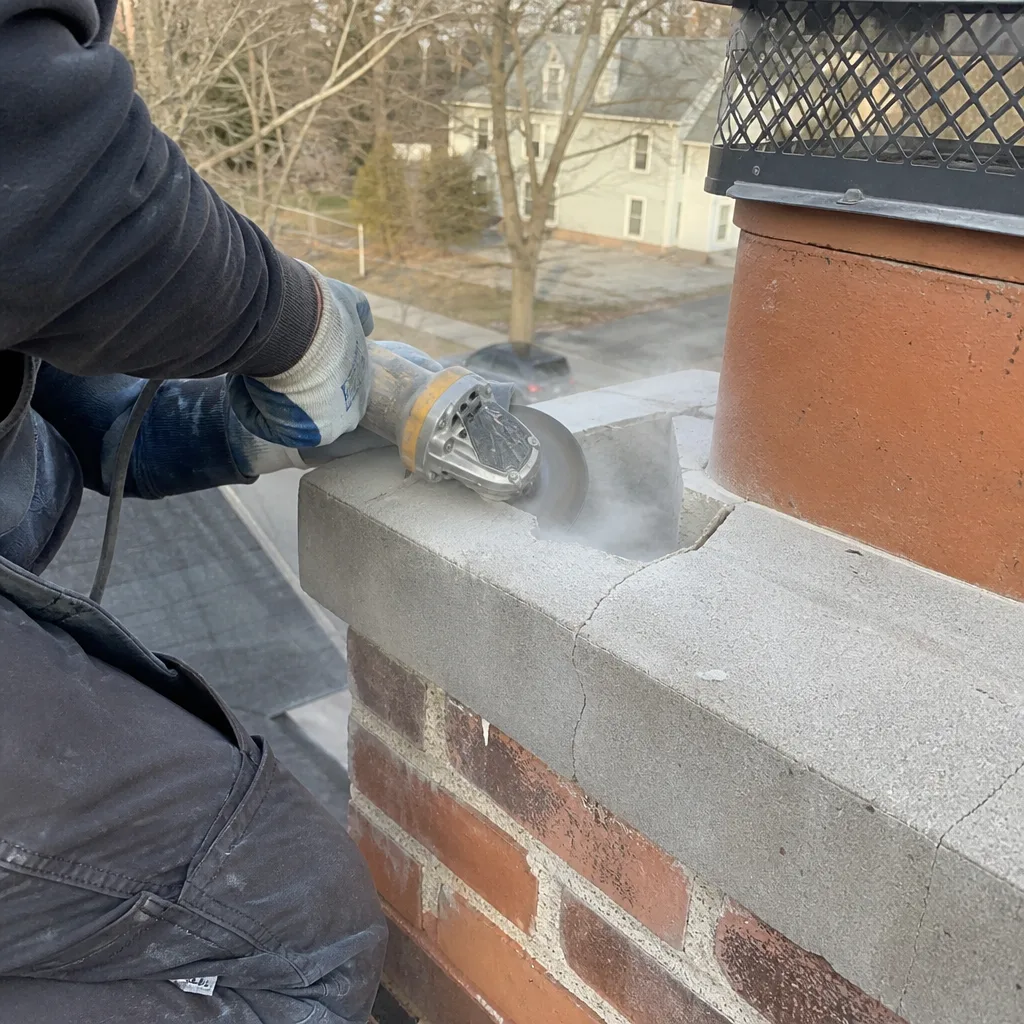
Most New York homeowners compare chimney contractors the way they compare plumbers: get two prices, pick the middle one. That logic fails for chimney work because the scope is not standardized. One contractor’s $249 cleaning might include a camera scan, a written report, and a crown inspection. Another contractor’s $199 cleaning might be a brush run and a wave goodbye.
Here is a comparison framework that actually works:
- Send both contractors the same written description of your chimney and appliance. Include the age of the home if you know it, the fuel type (wood, gas, oil), the number of flues, and any known issues. Two paragraphs, sent to both companies, word for word.
- Request the same deliverable from both. A written scope, a fixed written price, and a sample camera-scan report. Do not ask one contractor for more and the other for less.
- Compare the scopes side by side. Does one include a camera scan and the other does not? Does one reference NFPA 211 and the other does not? Does one specify how findings will be documented? The scope difference is more important than the price difference.
- Compare the documentation, not the charisma. One contractor sent you a two-page scope with insurance details. The other texted you a price. That is your answer, regardless of what the reviews say.
- Ask each contractor to explain the other’s quote. This is the most revealing step. Send Contractor A’s scope to Contractor B and ask, “What would you add or change here?” A confident professional will give you a substantive answer. A defensive one will attack the competitor or dodge the question.
At the end of this process, you are not choosing between two prices. You are choosing between two documentation standards. One of them will be higher. That is the one to hire.
Questions to Ask Before You Book
Here is a short list of questions that cut through the noise. Ask them by email or text so the answers are in writing. A New York chimney contractor who answers all of these without hesitation is rare enough to be worth keeping.
- “What is the exact written scope of this cleaning, and what inspection standard does it follow?” You are looking for a specific reference to NFPA 211, and for clarity on whether the visit is Level 1 or Level 2. If they have never heard of NFPA 211, that is the end of the conversation.
- “Who is the named technician, and what is their CSIA number?” You now know what to do with the answer. Verify it on the registry.
- “Will I receive a camera-scan report with labeled images, and can I see a sample before we book?” The sample report question separates the documentation-first companies from the rest.
- “Is the price fixed and complete, with no additional-repairs language in the fine print?” If the answer is “it depends,” ask for the escalation scenarios in writing. Then decide whether the risk is acceptable.
- “What is your warranty on the cleaning, and is it in writing?” A verbal warranty is not a warranty. A written warranty with the company’s name and a contact number is the minimum.
- “What happens if the tech finds something that needs repair?” The right answer is: “You get a separate written quote with camera images, and you decide.” The wrong answer is: “We’ll take care of it on the spot if it looks serious.”
None of these questions is unfair. A legitimate contractor has been asked all of them before. A contractor who bristles at them is telling you something useful about how they handle scrutiny.
What Should Happen During the Visit
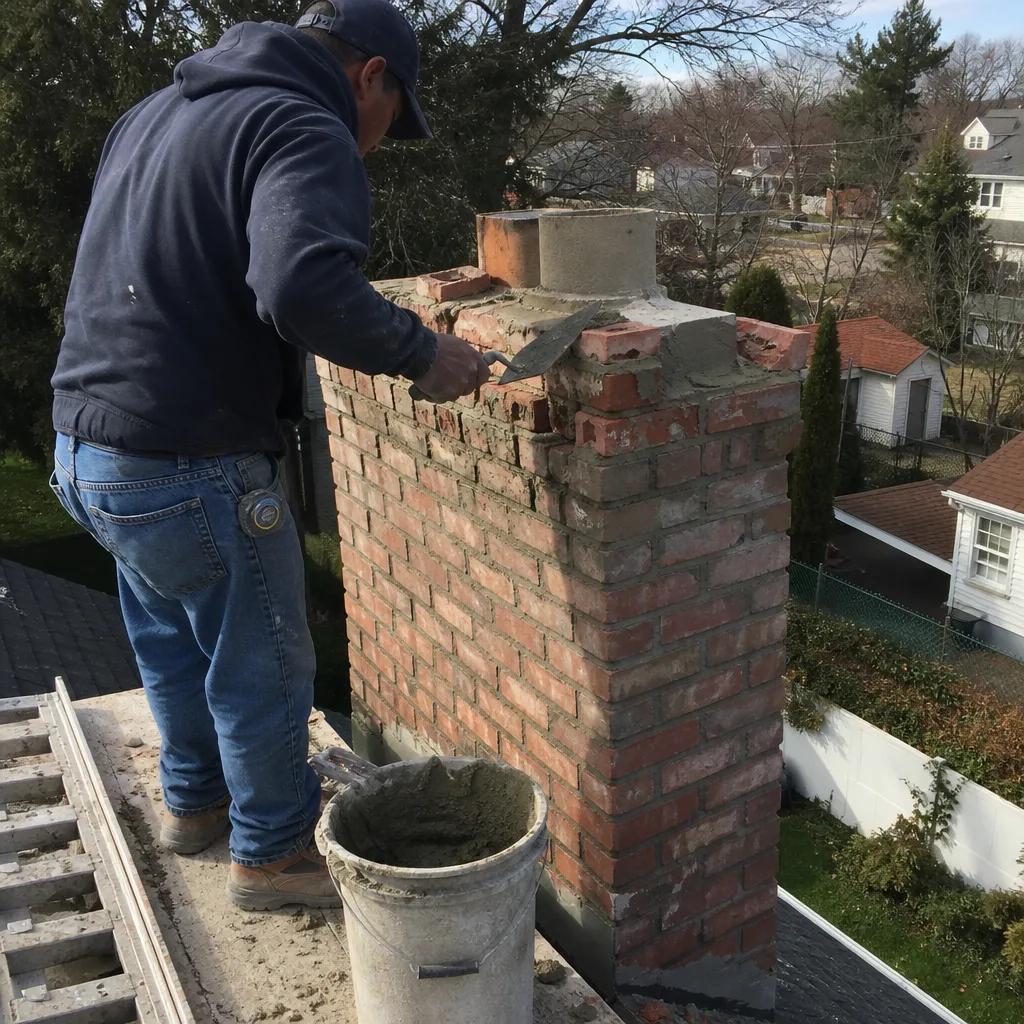
You have done the vetting. The technician arrives. What should the actual visit look like, and what should you walk away with?
A professional chimney cleaning in New York typically runs 60 to 90 minutes for a single flue with a standard fireplace. The technician should:
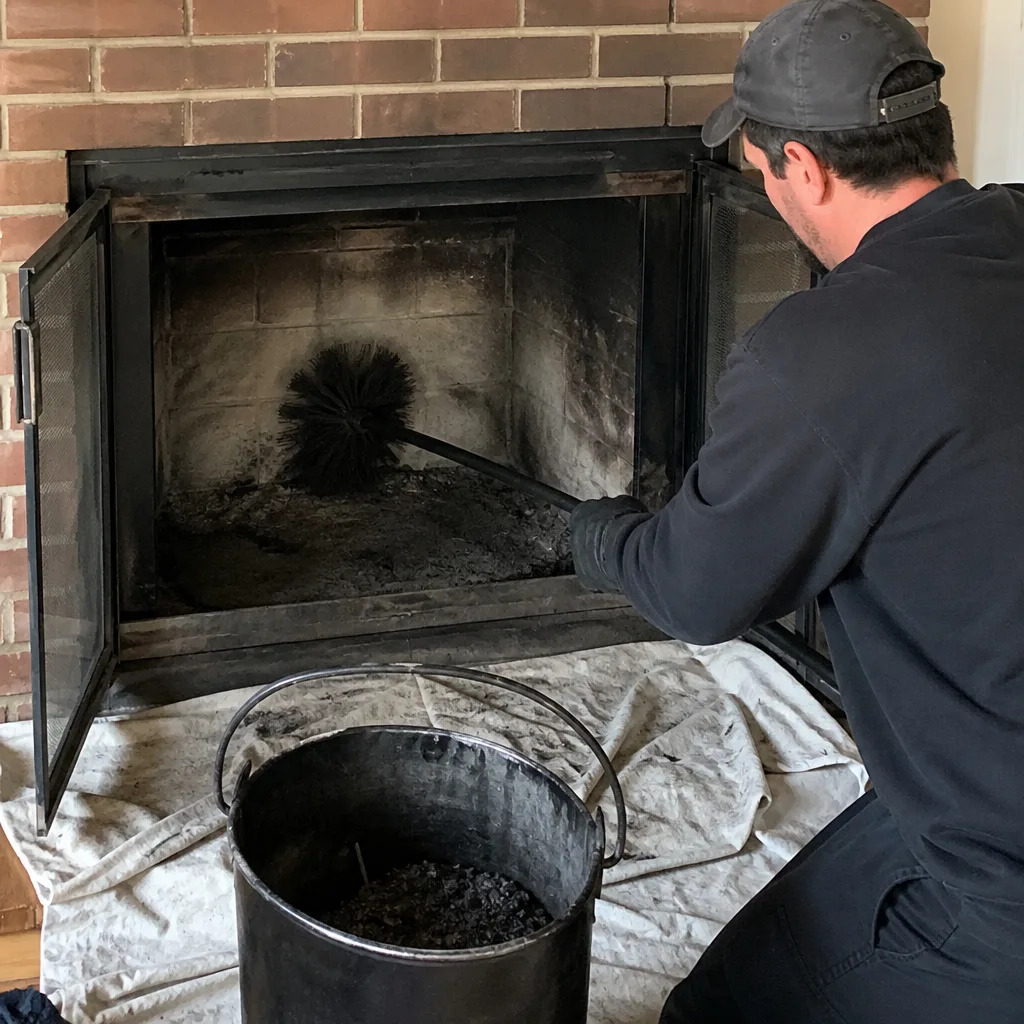
- Protect the area around the fireplace. Tarps, drop cloths, or a vacuum-equipped brush system. Soot is fine dust. It gets everywhere if it is not contained.
- Sweep the flue using brushes sized to your liner. The brush diameter should match the flue dimensions. An oversized brush can crack a clay tile liner. An undersized brush leaves creosote behind.
- Run the camera scan. This is the part you should pay attention to. The camera goes up the flue, recording the condition of the liner, mortar joints, and any obstructions. If your contractor does not run a camera, you did not get what you vetted for.
- Inspect the exterior components. The crown, the cap, the flashing, and the masonry at the roofline. In New York’s freeze-thaw climate, these components take a beating every winter. Water gets into a cracked crown, freezes, expands, and spalls the masonry further. A good report names what is happening up there.
- Document everything. You should leave the visit with labeled camera images, a written summary of what was found, and a written receipt. That is the archival record we have produced on every job since 2009 under the Haven Standard.
One more thing: the technician should be able to explain, in plain English, what the camera showed. If the liner has a hairline crack, you should hear that. If the creosote was Class III and hardened, you should hear that, with a plain-language explanation that Class III is the form that burns at the highest temperature and is the hardest to remove. If the technician cannot translate what the camera saw into words you understand, the documentation is incomplete.
Common Mistakes to Avoid
- Hiring based on the lowest price. A $149 chimney cleaning in New York is $149 because something is not included. The camera scan, the report, the insurance, the technician’s certification. You will pay for the omission eventually.
- Treating a website logo as verification. The CSIA logo is a graphic file. The registry is a database. Check the registry.
- Skipping the COI request. A chimney company operating without adequate insurance can leave you personally liable if a technician is injured on your property or damages your neighbor’s roof. Request the certificate. Confirm it lists your address.
- Accepting a verbal assessment of liner condition. “Looks fine” is not a finding. It is a conversation. A camera image is a finding. Get the image.
- Signing a contract with open-ended repair language. “Additional repairs as needed” means the price you agreed to is not the price you will pay. Strike the language or walk.
- Booking a cleaning in November and expecting availability. New York chimney companies are busiest from October through January. If you wait until the first cold snap, you will be choosing from whatever is left. Book in spring or summer when the calendar is open and the inspection is unhurried.
- Assuming the city regulates chimney sweeps. It does not. You are the regulator. Act accordingly.
When to Call a Professional
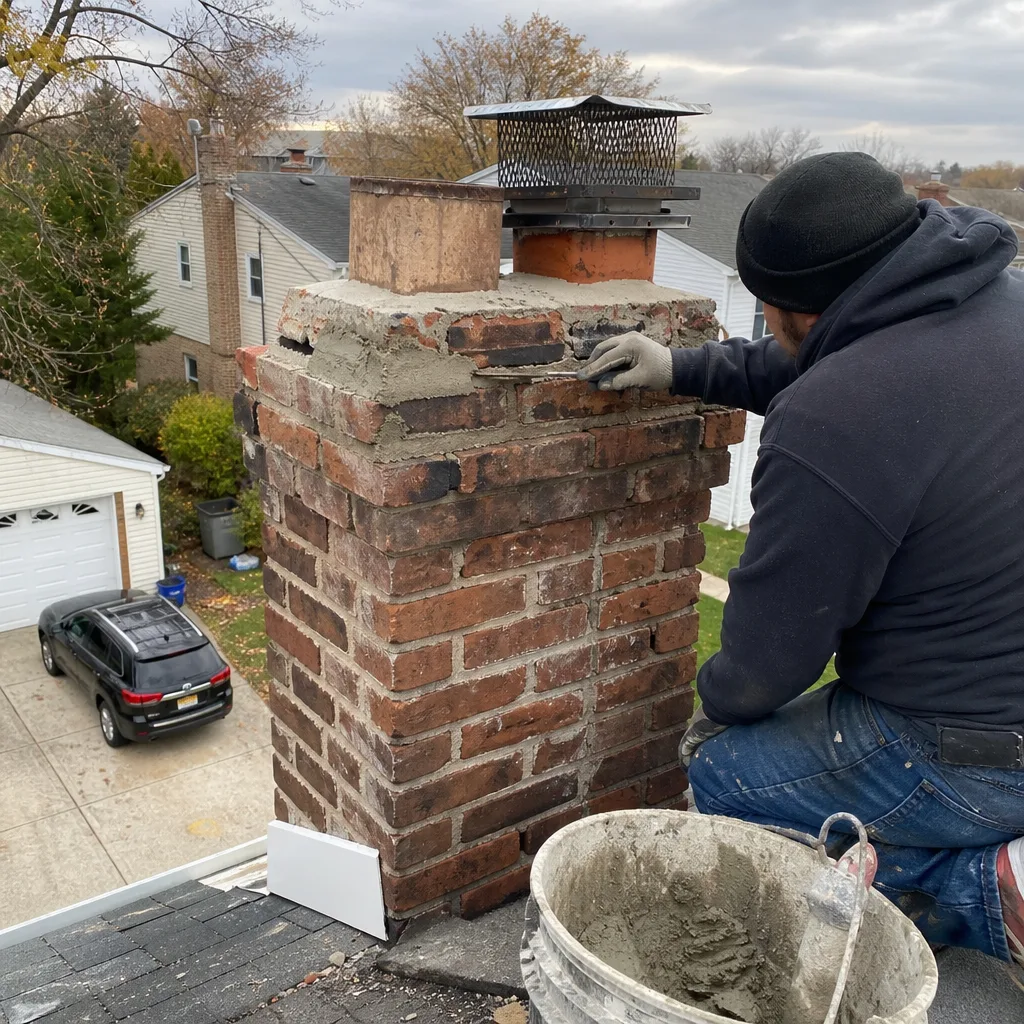
Some situations tolerate a wait. Some do not. Call a professional chimney contractor in New York if you notice any of the following: visible smoke entering the room during a fire, a strong odor coming from the fireplace when it is not in use, visible creosote buildup that appears glossy or tar-like, water stains on the ceiling near the chimney, crumbling mortar or spalling brick on the exterior chimney, or if it has been more than two years since the last cleaning and inspection. If you have just purchased a home and the previous owner cannot produce a chimney inspection report, that is also a reason to call. A chimney inspection is part of responsible homeownership in New York, and the cost of an inspection is trivial compared to the cost of a chimney fire or a carbon monoxide event. Level Two Chimney New York offers free estimates in New York - call (551) 213-5548.
Frequently Asked Questions
A standard chimney cleaning and Level 2 camera inspection in New York typically runs $249 to $449 for a single flue, depending on the liner type, the appliance, and the roof access. Gas fireplace flues tend to run at the lower end. Wood-burning fireplaces with older clay tile liners run higher because the cleaning takes longer and the camera documentation is more involved. A company that will not give you a written price before the visit is not worth your time. Call (551) 213-5548 for a written quote on your specific chimney.
The National Fire Protection Association standard is an annual inspection, with cleaning as needed based on creosote buildup. For a wood-burning fireplace used regularly during a New York winter, that usually means a cleaning once a year. For a gas fireplace or a gas furnace flue, every other year is often sufficient, but the annual inspection still applies. The point of the cadence is to catch a cracked liner or a failing crown before it becomes a six-thousand-dollar repair.
In New York, a visual check is not enough. The city’s housing stock skews toward older masonry chimneys with clay tile liners, and a cracked clay tile is invisible from the rooftop or the firebox. Only a camera scan can document what is happening inside the flue. A contractor who offers a “cleaning and visual check” without camera documentation is offering half a service. We made camera-scan documentation the default on every job in 2009, and we have not changed that practice since.
A Level 2 inspection per NFPA 211 includes everything in a Level 1 visual check plus camera scanning of the entire flue interior. The technician looks for creosote classification, liner cracks, missing mortar joints, obstructions like bird nests or fallen brick, water penetration at the crown, and flue sizing relative to the appliance. In New York, many flues were built for old coal-burning fireplaces and are sized incorrectly for modern appliances. A camera scan will show that mismatch on screen.
You can, but that does not mean you should. A homeowner can buy a brush kit and run it down the flue, but that addresses only loose creosote. It does not inspect the liner, document the crown, or assess the smoke chamber. More importantly, roof access on New York brownstones and rowhouses is genuinely dangerous. A fall from even a two-story roof can be fatal. Hire a professional with proper equipment, insurance, and a camera. The camera does the inspecting. The professional does the roof work.
A cleaning removes creosote, soot, and debris from the flue and is a maintenance task. A repair addresses structural or material issues: cracked liners, spalled brick, failed crowns, damaged caps. The two often get bundled together because a cleaning reveals the need for a repair, but they are priced and scoped separately. At Level Two Chimney New York, a Chimney Cleaning & Sweep in New York visit and a Chimney Repair in New York project are always quoted as separate written documents, even when they are done on the same day. That separation is the point. You should never sign one price for two different scopes. For fireplaces specifically, our Fireplace Services in New York page covers what a full fireplace inspection includes.
The Bottom Line
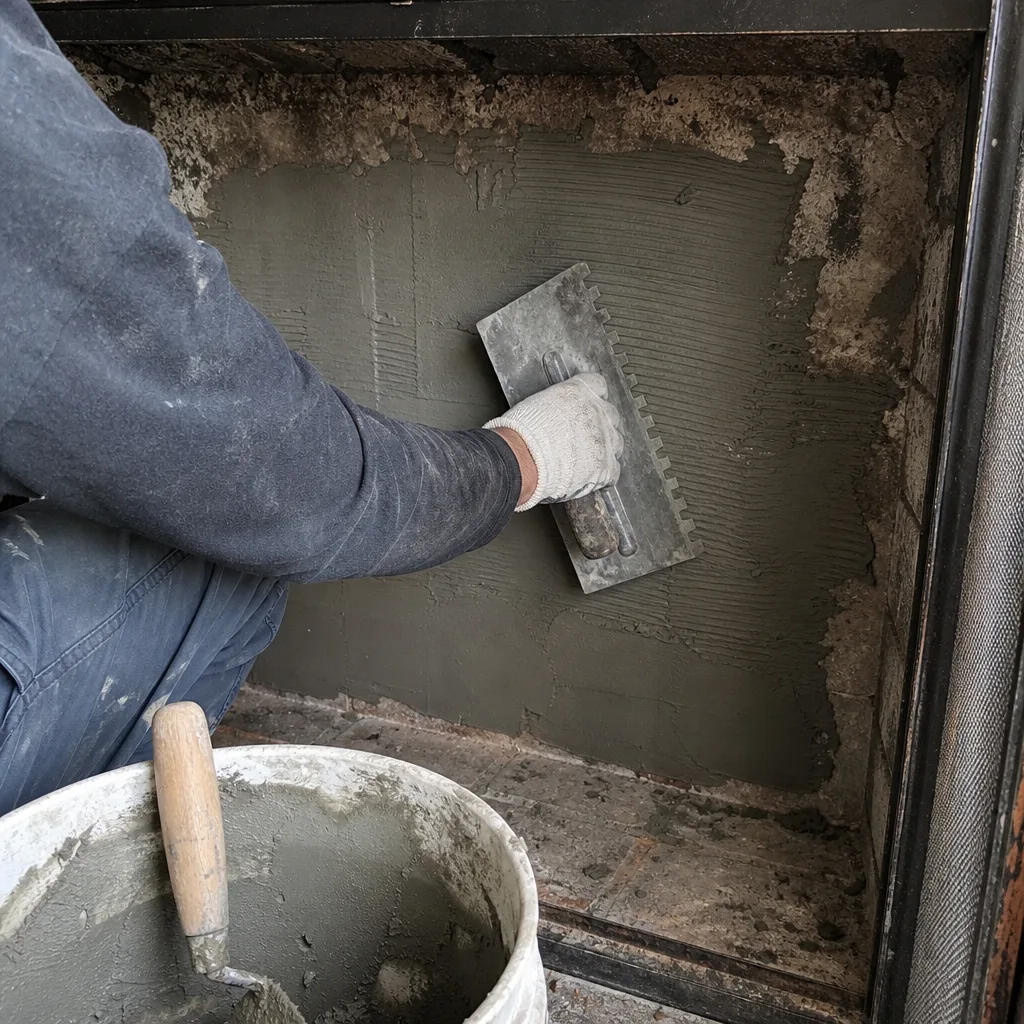
Hiring a chimney cleaning contractor in New York is not about finding a friendly company with good reviews. It is about verifying a documentation standard. Three documents before you sign. A CSIA number you check on the registry. A camera-scan report you can see with your own eyes. A written price with no open-ended language. A comparison based on scope, not price. The companies that meet this bar are not hard to find if you know what to ask. The companies that do not are easy to eliminate, and eliminating them is the entire game. Start with the Level Two Chimney New York home page or call (551) 213-5548. We have been documenting what we find since 2009, and we will show you the report before we ask for a signature.
Written by Corrine Halstead, Owner at Level Two Chimney New York, serving New York since 2009.