
Last updated September 19, 2026
Level 1 sweep and inspection to the NFPA 211 annual standard - flue, crown, cap, and flashing checked and photographed
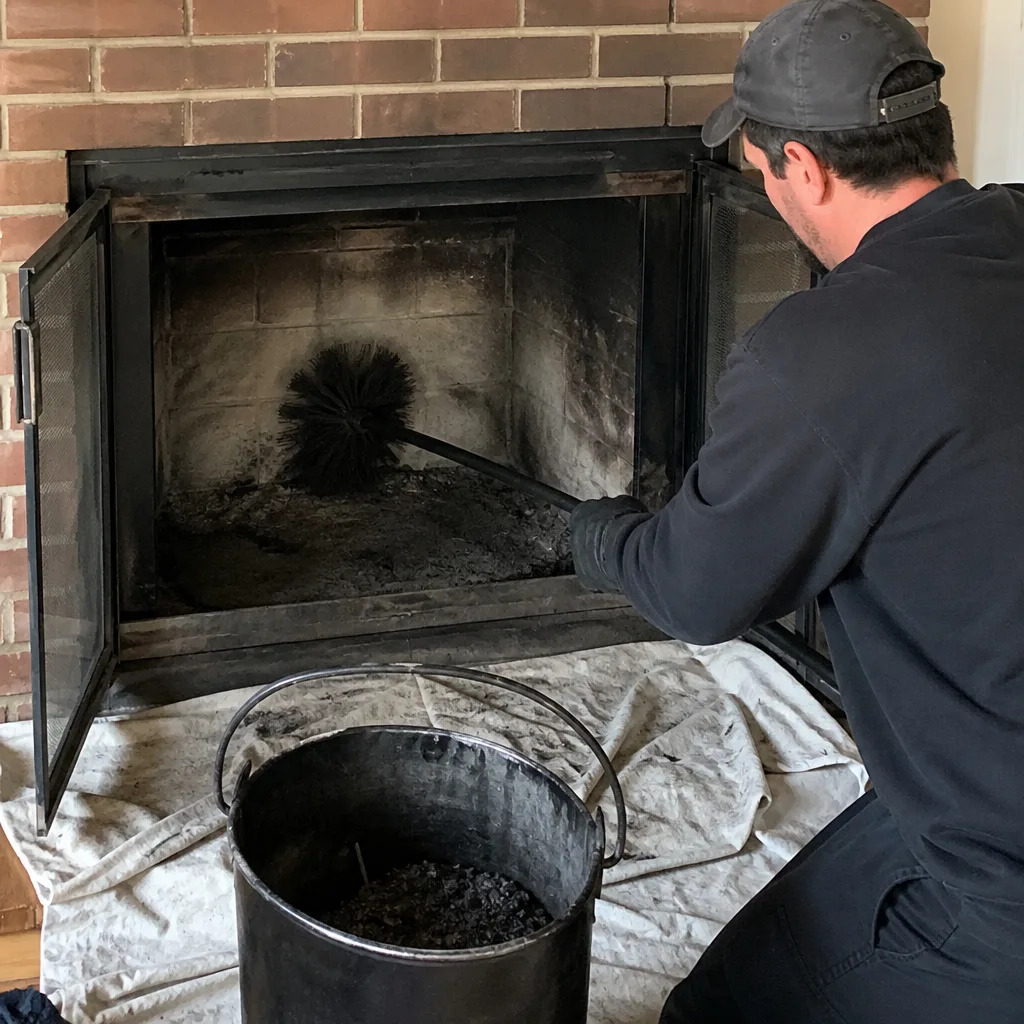
Chimney sweep logs do not sweep chimneys. They loosen some creosote - which then falls where a brush and vacuum still have to collect it.
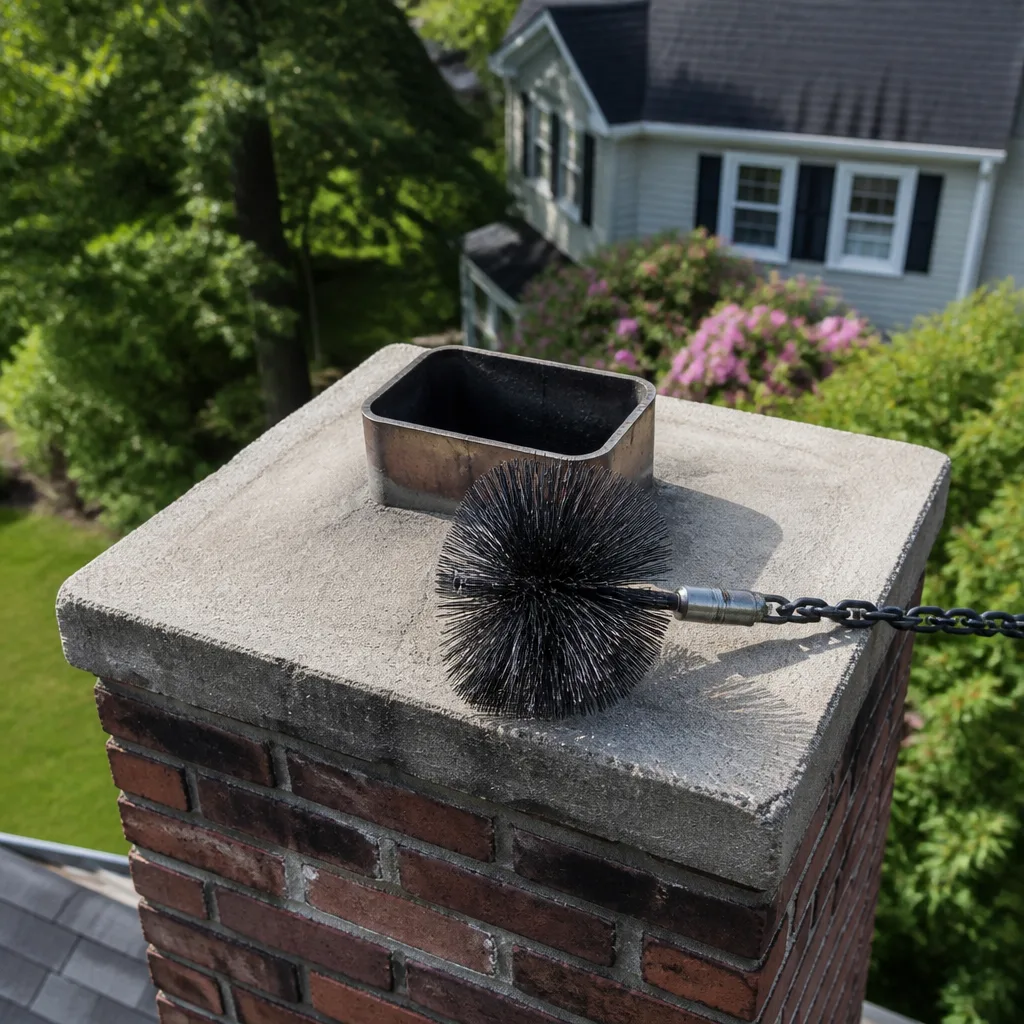
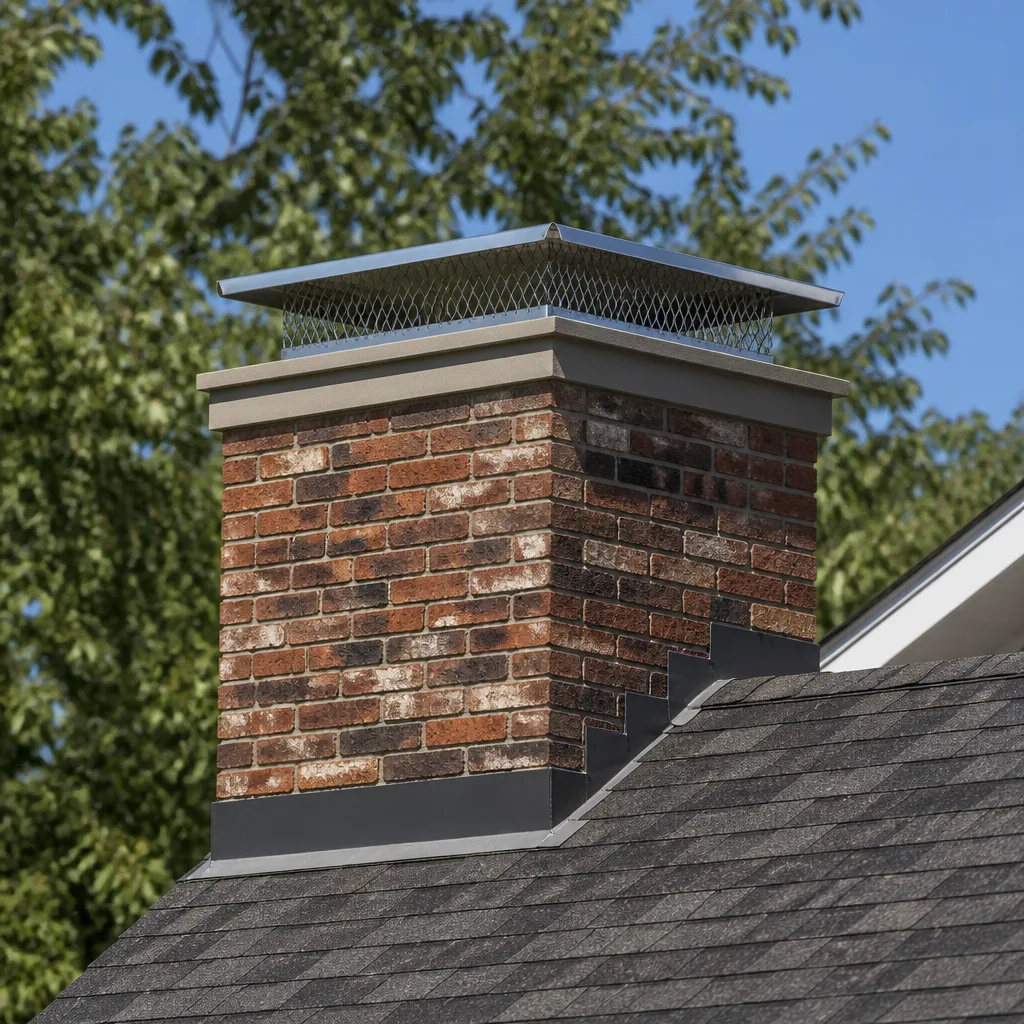
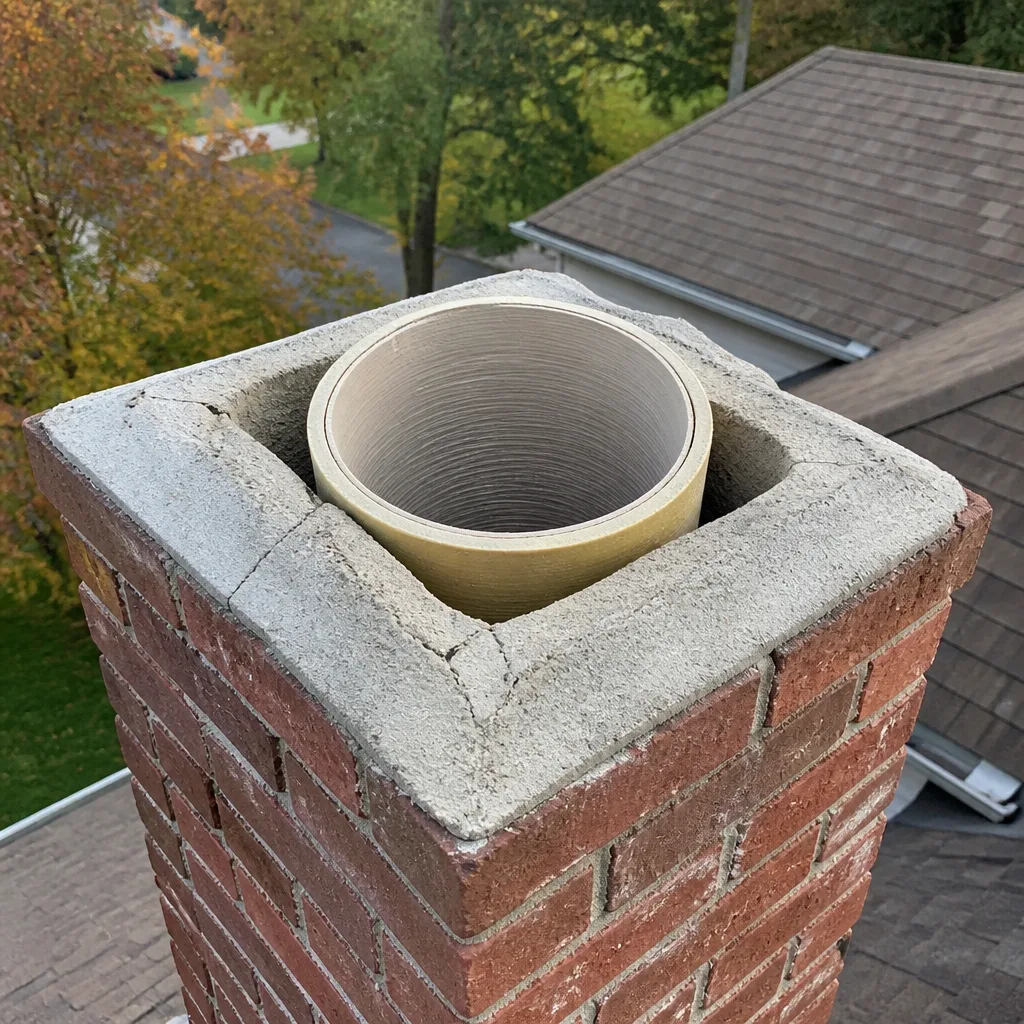
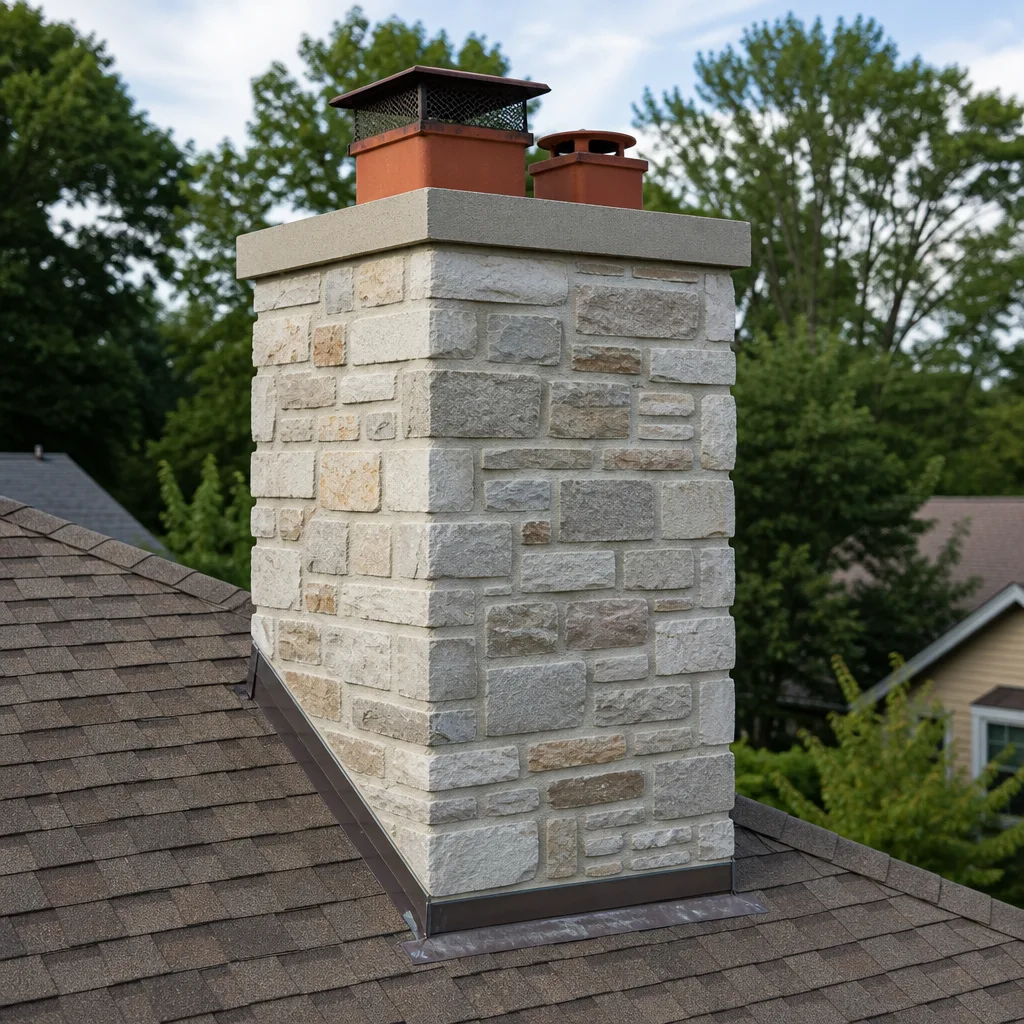
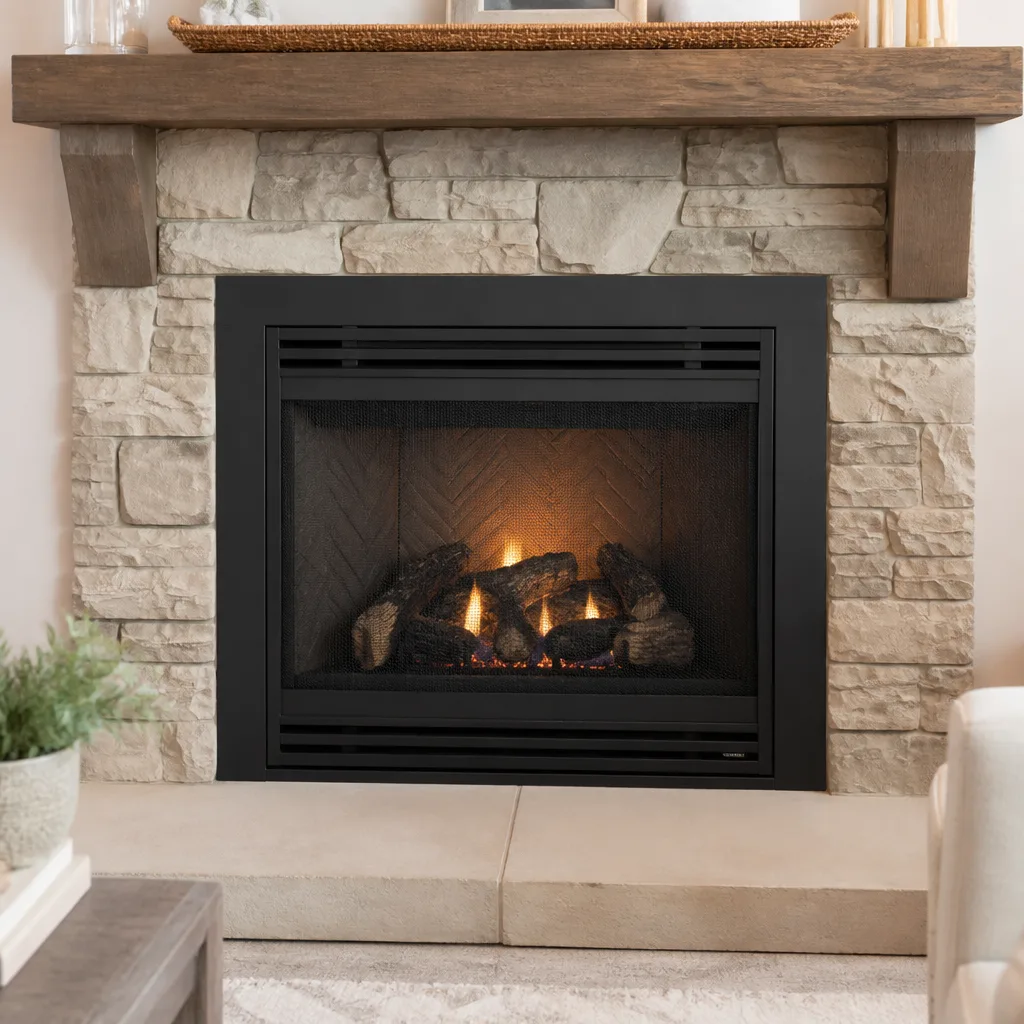
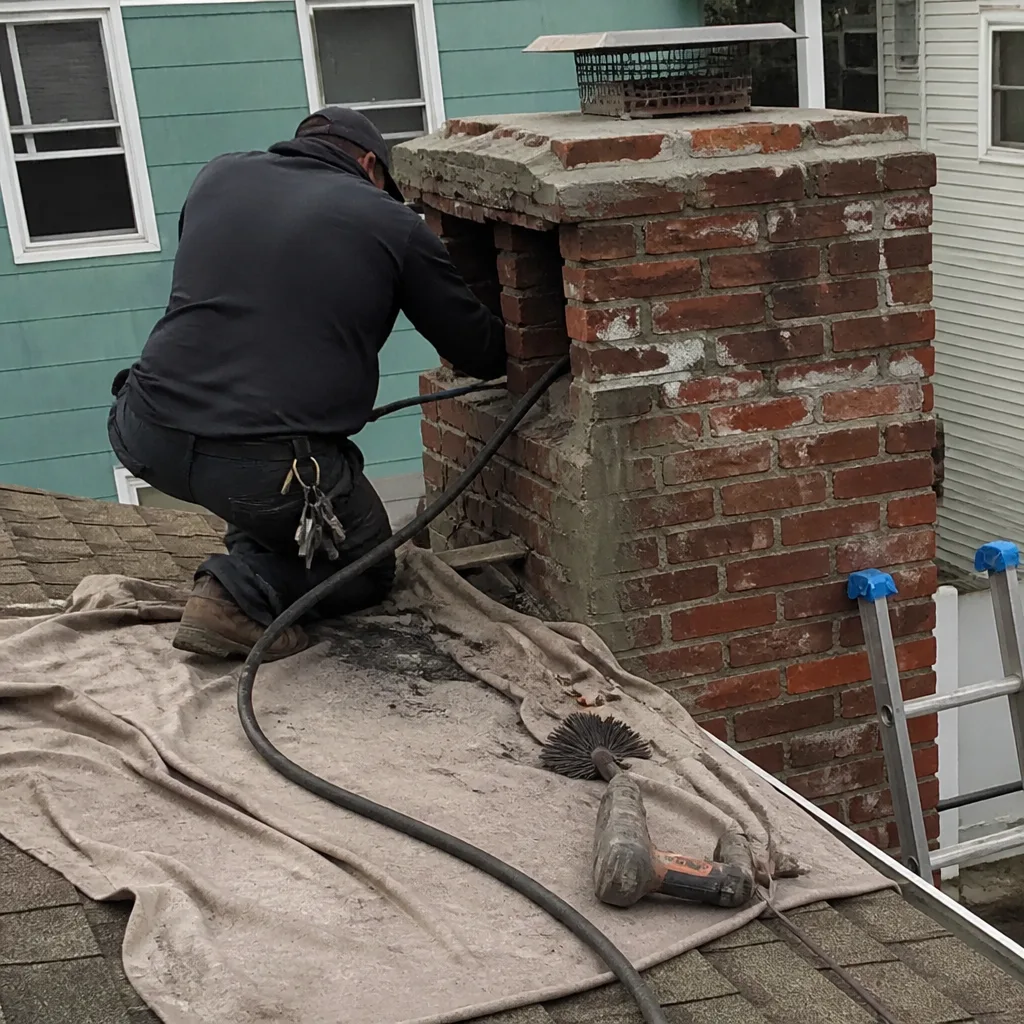 Before
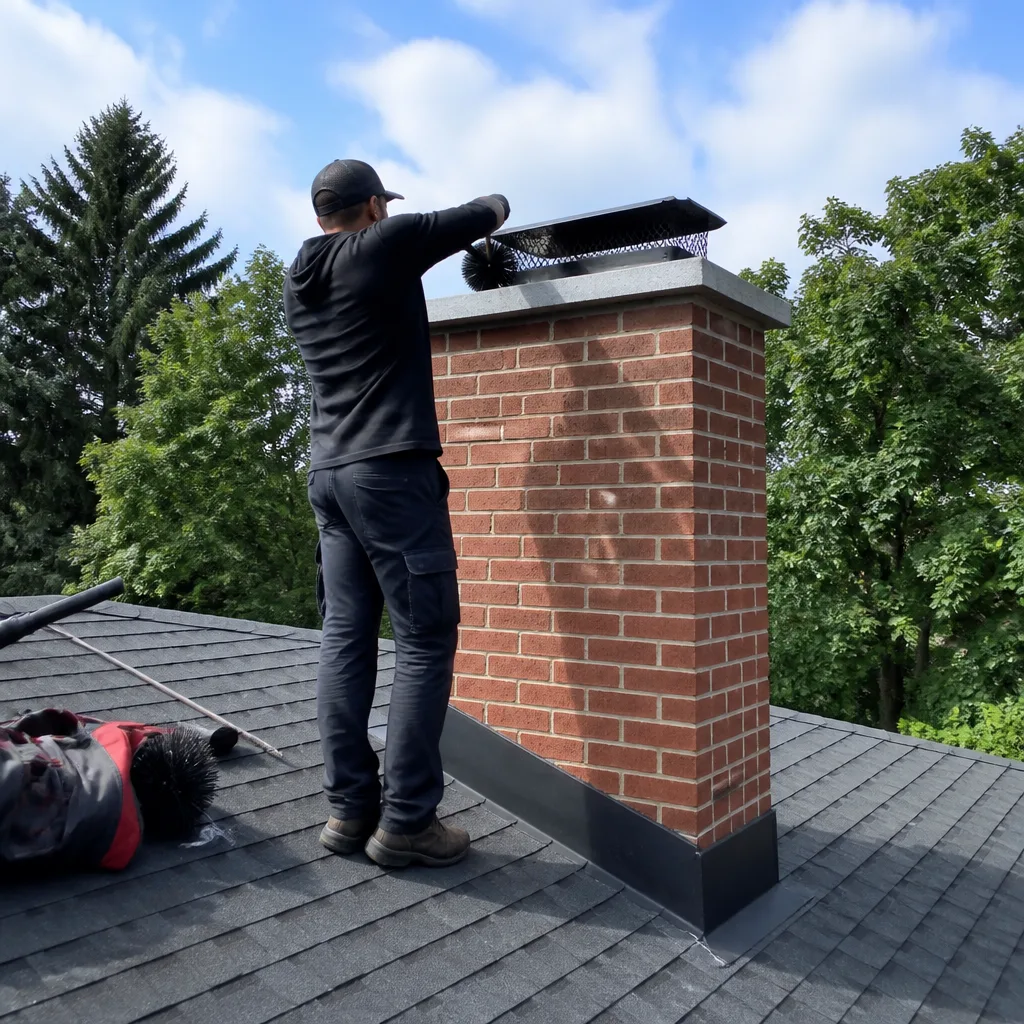 After
After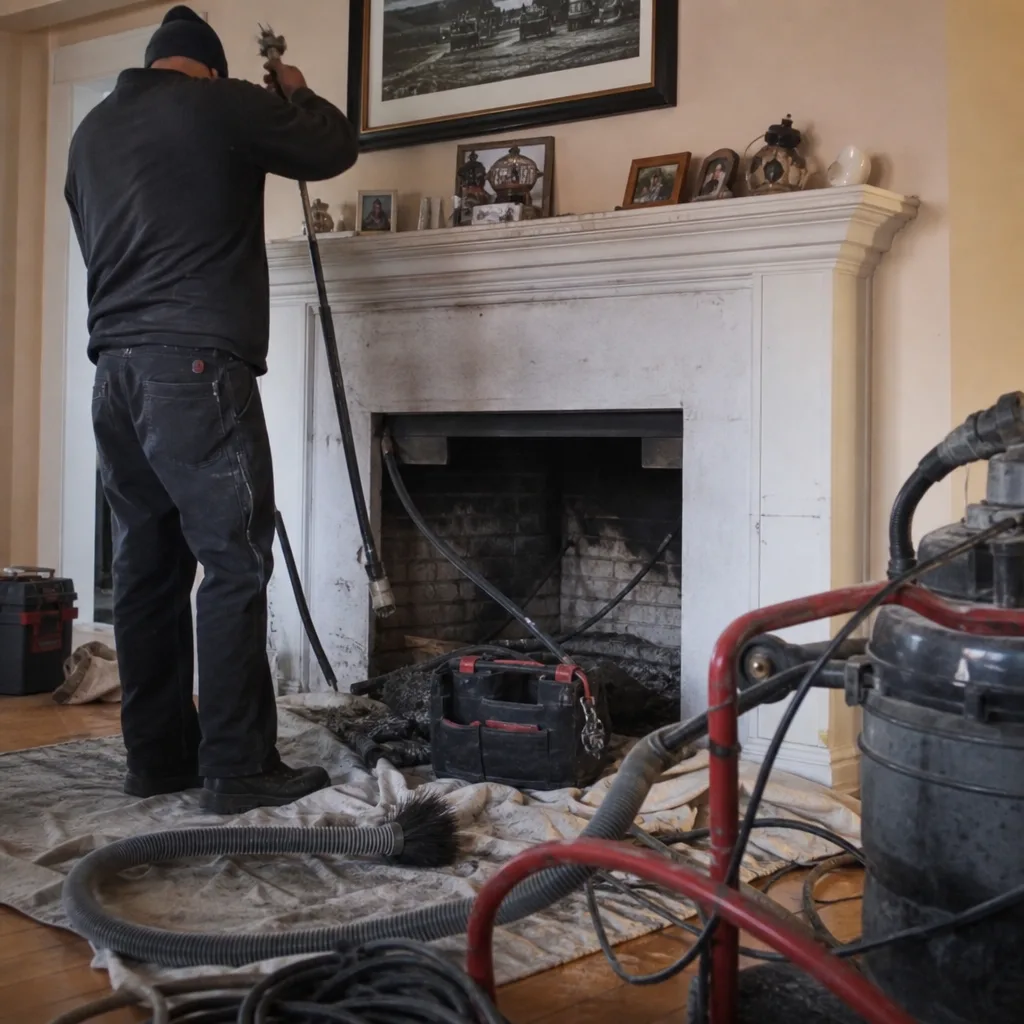 Before
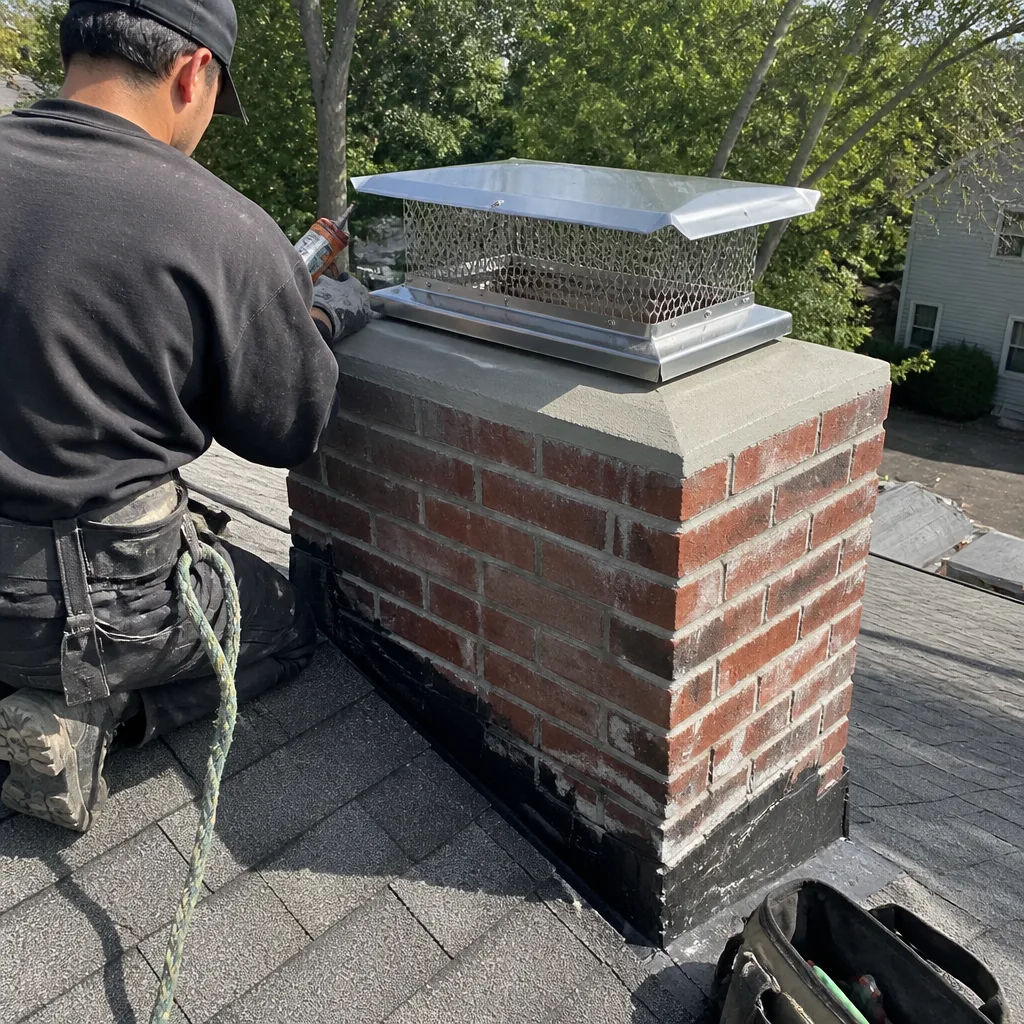 After
After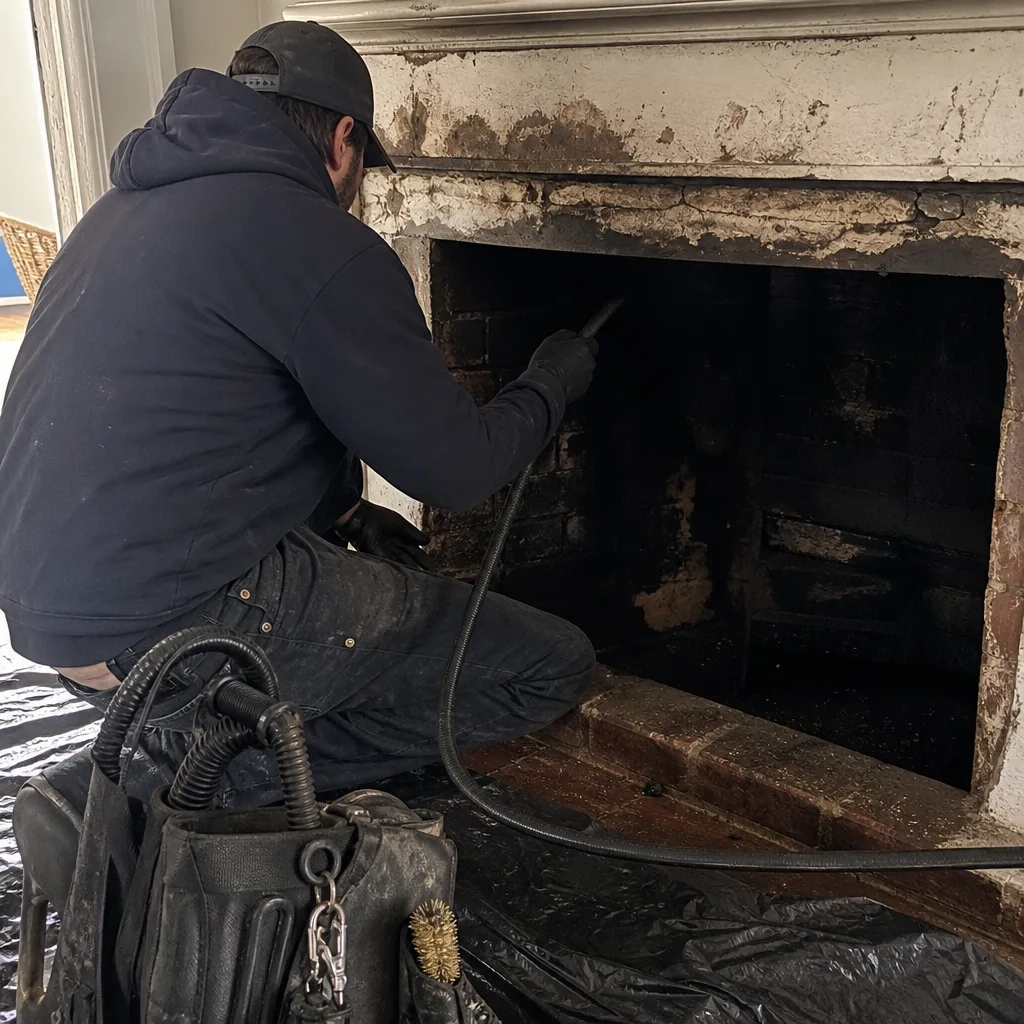 Before
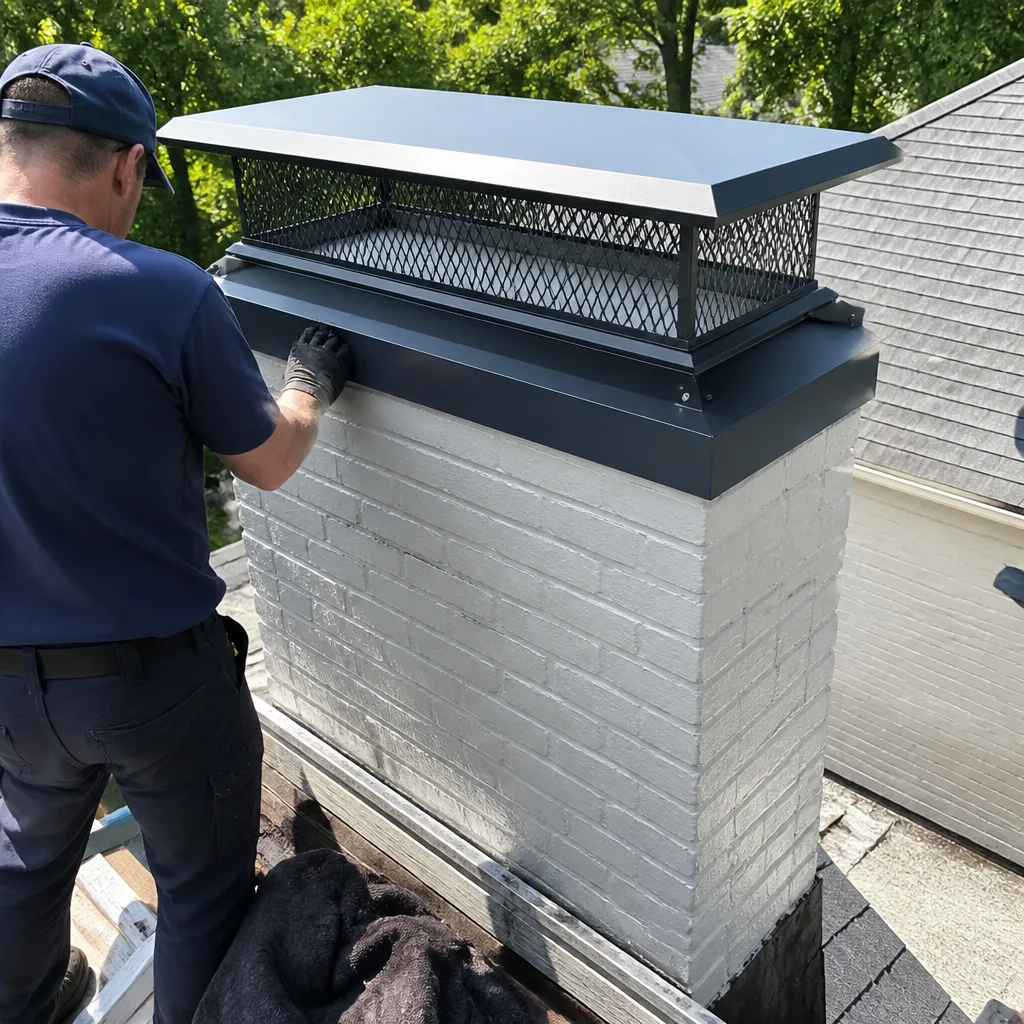 After
AfterSeasonal Chimney Cleaning Care for New York: Year-Round Homeowner’s Guide
August is when New York chimney companies are least busy. It’s also when the most accelerated liner deterioration from summer humidity goes completely undetected, because homeowners don’t call until they smell something in October. The damage that causes fall chimney fires frequently starts in the humid stretch between July and September, not during the heating season itself. This guide and our Chimney Cleaning & Sweep Maintenance Checklist for New York Homeowners break the year into four maintenance windows, each tied to a specific New York weather condition rather than a calendar date. You’ll learn what to check after a nor’easter, why the first fall fire deserves a camera scan before it happens, and which seasonal tasks you can handle yourself versus which ones need a credentialed technician.
Quick Answer
Seasonal chimney care in New York works best when it follows the weather, not the calendar. A chimney sweep in New York should be scheduled based on what your flue has just been through: freeze-thaw cycling in March, summer humidity in August, pre-season preparation in September, and burn-season monitoring from November through February. The most protective schedule is a post-winter inspection focused on spalling and mortar joints, plus a pre-burn camera scan before the first fall fire, with a cleaning only when the camera shows creosote buildup that actually needs removal.
Table of Contents
- Why Winter in New York Is Harder on Chimneys Than the Cold Itself
- Post-Winter Inspection (March-April): Freeze-Thaw Spalling, Not Creosote
- Summer Humidity (July-September): The Silent Liner Killer
- The Fall Pre-Season Window (September-October): Document Before You Burn
- Burn-Season Monitoring (November-February): What Changes When You Actually Use the Fireplace
- What a Homeowner Can Do vs. What Requires a Camera
- What Seasonal Chimney Care Costs in New York
- Common Mistakes to Avoid
- When to Call a Professional
- Frequently Asked Questions
- The Bottom Line
BeforeAfterWhy Winter in New York Is Harder on Chimneys Than the Cold Itself
New York’s winter isn’t a single freeze. It’s a cycle. A nor’easter drops a foot of wet snow, the temperature swings from 18°F overnight to 41°F by afternoon, and the snowmelt works its way into hairline cracks in the crown and upper liner joints. Then the temperature drops again, the water freezes and expands by roughly 9%, and those hairline cracks become structural gaps. This freeze-thaw cycling is the single most aggressive chimney destroyer in the New York metro climate, and it’s almost entirely absent from seasonal guides written for Southern or Midwestern markets.
What Actually Happens to a Chimney During a New York Winter
- Water penetrates the crown. The crown is the concrete slab at the top of the chimney. When it develops micro-cracks, water enters and freezes, causing spalling, which means the concrete surface flakes off in pieces.
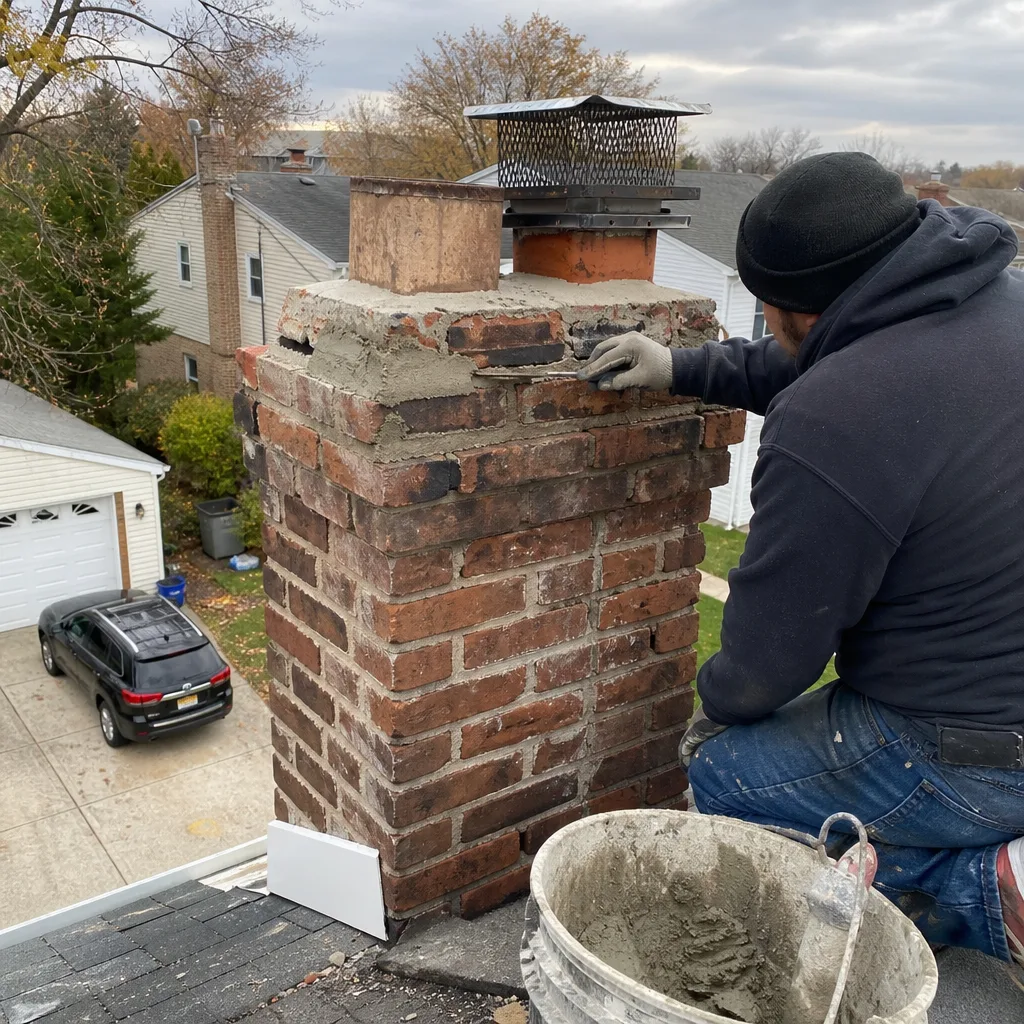
- Mortar joints erode from the top down. The upper courses of brick take the brunt of wind-driven rain and snow. Joints in the top three feet of a chimney typically show erosion first, long before anything at roofline height or below.
- The flue liner expands and contracts. Clay tile liners crack under repeated thermal shock. Stainless steel liners handle it better, but their joints can loosen if the surrounding masonry shifts.
- Chimney caps take wind loads. Nor’easter gusts regularly hit 50-60 mph in exposed areas of Brooklyn, Queens, and Long Island. A poorly attached cap can loosen or tear off entirely, leaving the flue exposed to snow and rain.
This is why Chimney Repair in New York calls peak in March, not January. The damage happens all winter, but it declares itself in spring when the ice leaves the masonry and homeowners can finally see what the freeze-thaw cycles did.
Post-Winter Inspection (March-April): Freeze-Thaw Spalling, Not Creosote
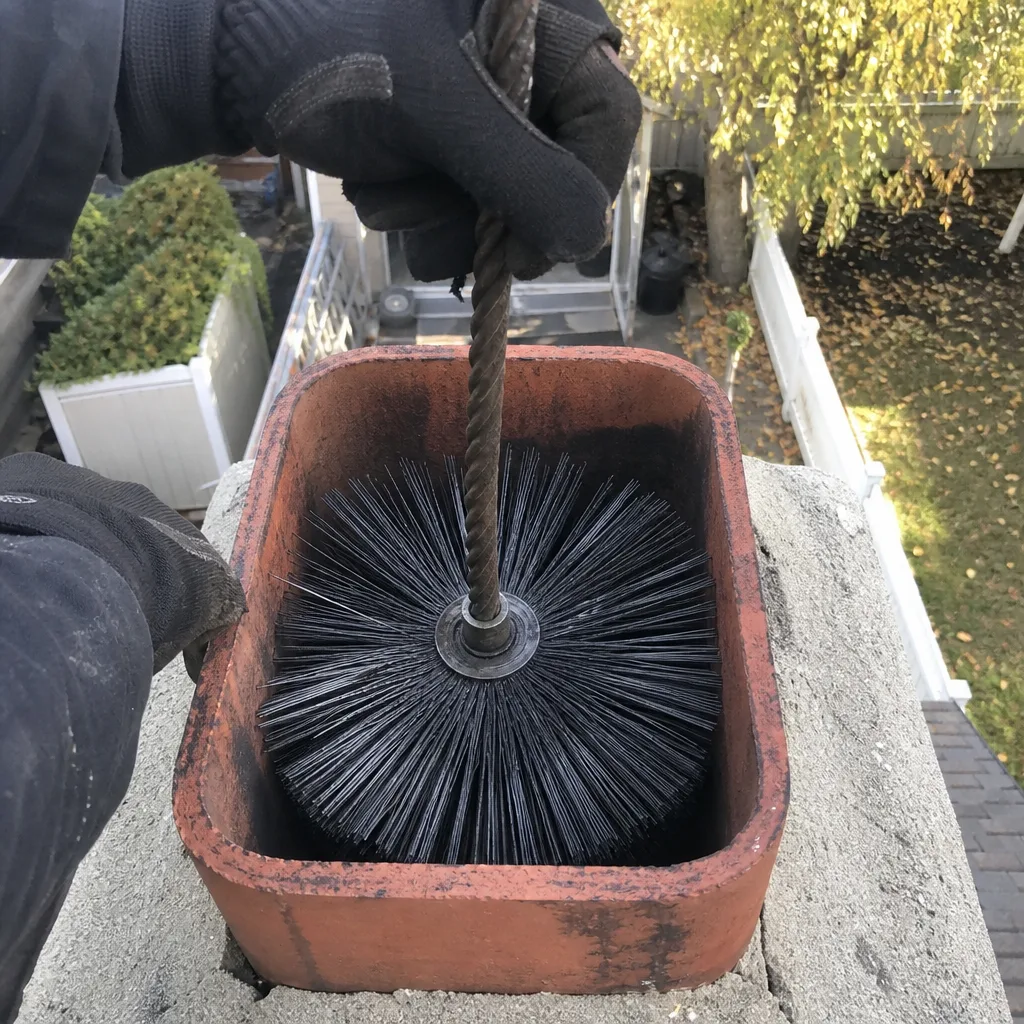
Most seasonal guides tell you to clean your chimney in spring because creosote built up over the winter. That’s sound logic for a cabin in Vermont that burned 40 cords. It’s the wrong focus for a New York homeowner who used a fireplace a dozen times between Thanksgiving and Valentine’s Day. What your chimney actually needs after a New York winter is a damage assessment, not a creosote removal.
Creosote accumulation is a function of burn hours and wood quality. A typical New York homeowner who burns weekends and holidays from November to February produces a small fraction of the creosote that a full-season, wood-heated home produces. But every homeowner gets the same winter weather. So the post-winter inspection should focus on what winter did to the structure, not what burning left inside it.
What a Post-Winter Inspection Should Cover
- Spalling on the crown. Look for concrete flakes on the roof below the crown, or a crown surface that looks pitted or sandy. Spalling is the first visible sign that freeze-thaw water intrusion has started.
- Upper mortar joint erosion. The top courses of brick take the worst of wind-driven rain. Sound joints should have a slight recess (a “struck” profile). When the mortar starts to cup inward or crumble, water is dictating the deterioration schedule.
- Flue liner condition at the upper joints. A camera scan reveals cracks in the upper third of a clay liner, which is where freeze-thaw expansion does the most damage. A post-winter scan gives you a baseline for the year.
- Cap attachment and screen condition. Nor’easter winds flex caps, loosen fasteners, and tear screen mesh. A cap that’s shifted a quarter-inch is a cap that will leak.
- Flashing seal check. The flashing around the chimney base takes thermal movement all winter. Seal gaps here before spring rain finds them.
- Converts stage-one creosote into a denser residue. What was dusty and brushable becomes harder to remove, and more corrosive while it sits.
- Accelerates clay liner corrosion. Creosote’s acidic content, combined with sustained moisture, etches the interior glazing on clay tiles. The longer it sits in humidity, the more the tile surface degrades.
- Creatures find the flue. Birds, squirrels, and raccoons enter through damaged caps. Nests in the flue are a fire hazard and an airflow obstruction.
- Odors travel down into the home. The musty, smoky smell that appears in August is creosote releasing absorbed moisture. Homeowners often mistake it for a damp basement. It’s usually the flue.
- Camera pass of the entire flue, top to bottom. Every joint, every liner section, every offset. This is the baseline.
- Creosote classification. Stage one, two, or three, and where. Class III creosote (glazed, tar-like) is a fire hazard and needs chemical or mechanical removal, not a brush.
- Stainless liner joint verification. If you have a steel liner, every joint should be verified intact. A separated joint in an offset section is invisible without a camera.
- Smoke chamber condition. The smoke chamber sits above the firebox and below the flue. Its corbeled brick design traps debris and creosote, and it’s the most commonly skipped area in a basic sweep.
- Damper operation test. Opens fully, closes fully, and seals. A damper that doesn’t seat properly drafts conditioned air out of the house 12 months a year.
- Cap and screen check. Physically verified, not visually guessed from the ground. The cap should be dogged down and the screen intact.
- Written scope and price. Clause 1 of the Haven Standard requires a written price, written scope, and written warranty delivered before any work starts. This isn’t an option. It’s the default. If a company can’t write the price down before they start, that’s a signal to find one that will.
- Smoke backing into the room. Any smoke that enters the house instead of going up the flue is a draft problem. It means the flue isn’t drawing properly, and it can be caused by liner obstruction, a partial damper failure, or air pressure issues in the house.
- A crackle or tick sound inside the flue while burning. This is thermal expansion of creosote. It’s a sign the deposits are thick enough to react to heat, and a signal to stop burning and get a camera scan.
- A strong smoke smell in the house even when the fireplace isn’t in use. This is often creosote off-gassing through the damper gap. It’s particularly common in New York brownstones and pre-war buildings where the chimney stack serves multiple units and negative air pressure pulls flue gases back in.
- Exterior staining on the chimney breast. Brown or black stains on interior walls around the fireplace indicate moisture carrying creosote through the masonry. It means water is already inside the structure.
- Persistent draft issues on windy days. New York’s tall buildings create complex wind patterns. Rooftop stacks and brownstone chimneys in dense neighborhoods like the Upper West Side or Park Slope face downwash and turbulence that a properly sized cap can help mitigate, but only if installed and verified.
- Cap screen clearing in fall. If your cap is accessible from a low-pitch roof and you’re comfortable on a ladder, you can brush leaves and twigs off the screen. This is a ground-ladder task on many New York homes with simple roof pitches. Do not do this on a steep roof or any roof you’re not 100% comfortable working on. Falls from roofs and ladders are the most common cause of chimney-related homeowner injury.
- Damper operation check. Open, close, visually verify the blade seats. If the handle is stiff, or the blade doesn’t move freely, stop and document it. Don’t force it.
- Exterior crown visual from the ground. Binoculars or a phone camera on zoom can reveal cracked or missing pieces. Spalling shows up as lighter-colored patches where the concrete face is gone. You’re looking for evidence, not making a repair.
- Firebox inspection. Check the firebrick for loose or missing sections, and look for signs that the metal firebox panels are warping. These are visual indicators a problem exists further up.
- Keeping a burn log. Date, wood type, approximate burn duration, and any unusual smell, sound, or smoke behavior. This is genuinely useful when a technician later needs to correlate symptoms with burn history.
- Anything inside the flue. If you can’t physically see a surface, you can’t assess it. A camera scan is the only way to document liner condition, creosote classification, and joint integrity.
- Any roof-level work on a steep or tall structure. New York brownstones and multi-story homes are not DIY roof territory. Falls from roof height are fatal or permanently disabling with grim regularity. This is not a task to attempt without proper equipment and training.
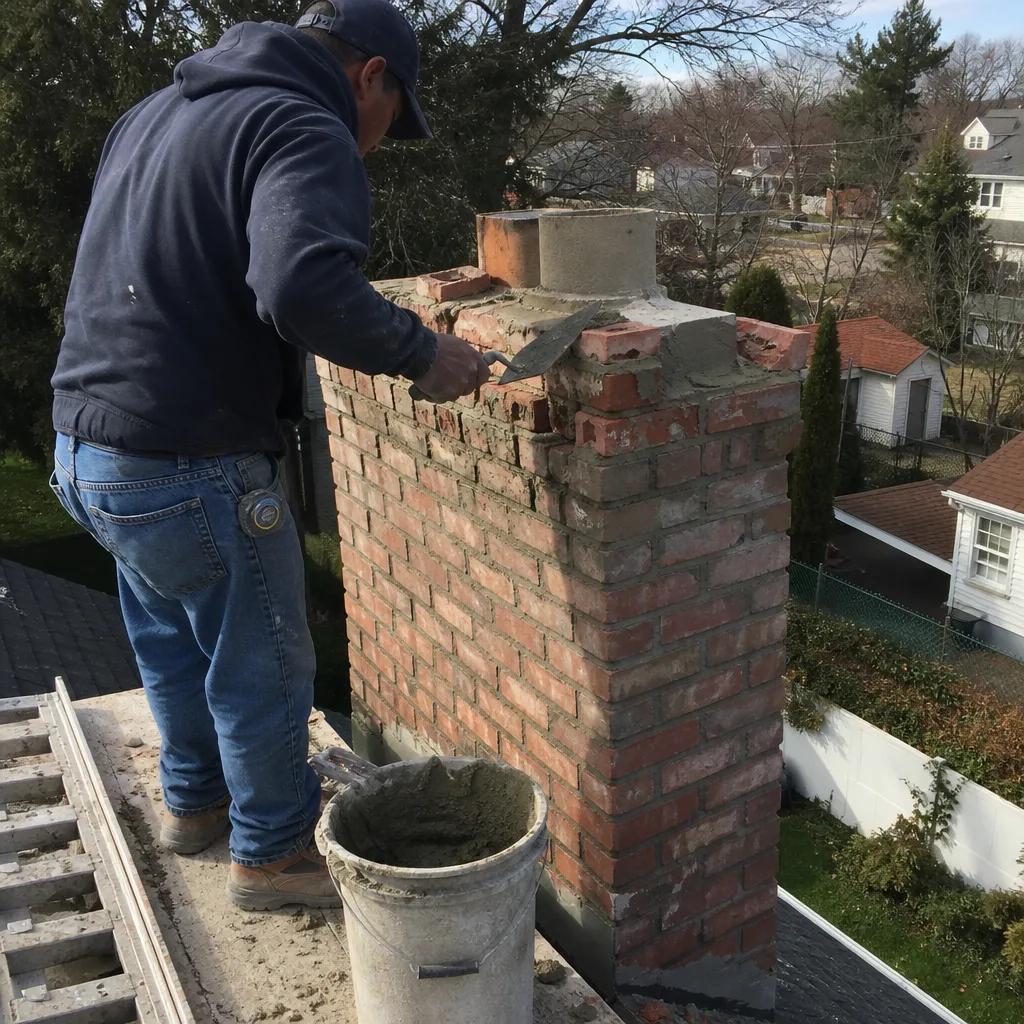
- Crown repair or replacement. Filling a hairline crack with the wrong material makes it worse. Crown work requires proper expansion joints and material selection.
- Liner inspection and replacement. This is structural, interior work. It’s also a code compliance issue when replacement is required. No homeowner should attempt a liner installation.
- Any work involving the smoke chamber or damper assembly. The smoke chamber is a confined, hard-to-access space that requires specialized tools. Damper replacement involves precise fitment and often custom parts. We source damper assemblies and chimney caps from Famco and Copperfield specifically because they’re designed for the conditions New York chimneys face from nor’easters and humidity cycling, not just standard weather.
- Scheduling on the calendar instead of the condition. A March clean after a light winter of weekend fires serves no purpose if the real problem is freeze-thaw spalling that needs repair, not sweeping. Schedule based on what the weather did, not what the month says.
- Skipping the pre-season camera scan. You can’t see inside your flue from the ground, and no homeowner can assess liner condition by looking at the firebox. A fall camera pass is the only way to know what summer humidity did to your flue.
- Cleaning without documenting. A sweep that doesn’t produce a photo record is a tech’s memory, not evidence. You should walk away with images that show the condition before and after. That’s been our practice since 2009, and it’s written into Haven Standard Clause 4.
- Waiting for a smell. By the time you smell creosote or smoke in the house, the problem is already measurable. The smell is a late-stage signal, not an early warning. August odor reports in New York are pouring in about problems that have been developing since July.
- Burning to “burn off” creosote. You cannot remove creosote by burning hotter. This is a dangerous myth. A hot fire can ignite existing creosote, which is a chimney fire. Creosote removal is a mechanical or chemical process, not a combustion process.
- Ignoring cap damage because “it still works.” A cap that’s tilted, torn, or detached from one side is letting water and humid air into the flue. Water is the enemy. In New York’s freeze-thaw climate, a small cap problem in October is a masonry problem by March.
- Assuming the previous owner maintained the chimney. You closed on the house. The chimney’s condition is whatever it is. A pre-purchase home inspection doesn’t include a camera scan of the flue, and most home inspectors are not chimney specialists. Get your own baseline.
In our experience, about 40% of the New York chimneys we inspect in March and April show some degree of freeze-thaw damage that the homeowner had no way to see from the ground. That’s why Chimney Cleaning & Sweep in New York should always include a camera pass after winter, even if no cleaning is needed. The cleaning decision should be made based on what the camera shows, not a calendar month.
Summer Humidity (July-September): The Silent Liner Killer
New York summers are humid. July and August regularly hold 65-75% relative humidity for weeks at a stretch. That moisture doesn’t stay outside. It moves into the flue through the cap and the upper liner section, and it interacts with whatever the heating season left behind.
Here’s the sequence most homeowners never see. During the burn season, your fires deposit a thin layer of stage-one creosote on the flue walls. Stage one is dusty and flaky, and in dry conditions it’s relatively low risk. But creosote is hygroscopic: it absorbs moisture from humid air. When New York summer humidity sits in an inactive flue for eight to ten weeks, that thin, dusty deposit turns into something denser and more adhesive. The moisture bonds the creosote to the liner surface and accelerates the corrosive reaction between creosote acids and the liner material itself.
What Summer Humidity Actually Does
A camera scan before the first fall fire is more protective than a scan after the last spring fire, for exactly this reason. The spring scan tells you what winter did. The fall scan tells you what summer humidity did on top of it. If there’s any measurable creosote accumulation, you want that removed before the first burn, not after it’s had all summer to chemically mature in the flue.
Materials matter here. When liners are replaced, we source from DuraFlex and Olympia Chimney, because stainless and heat-resistant materials hold up better against New York’s humidity-accelerated corrosion than old clay tile. But even the best liner can’t fix a cap that’s letting humid air and rain in year-round.
The Fall Pre-Season Window (September-October): Document Before You Burn
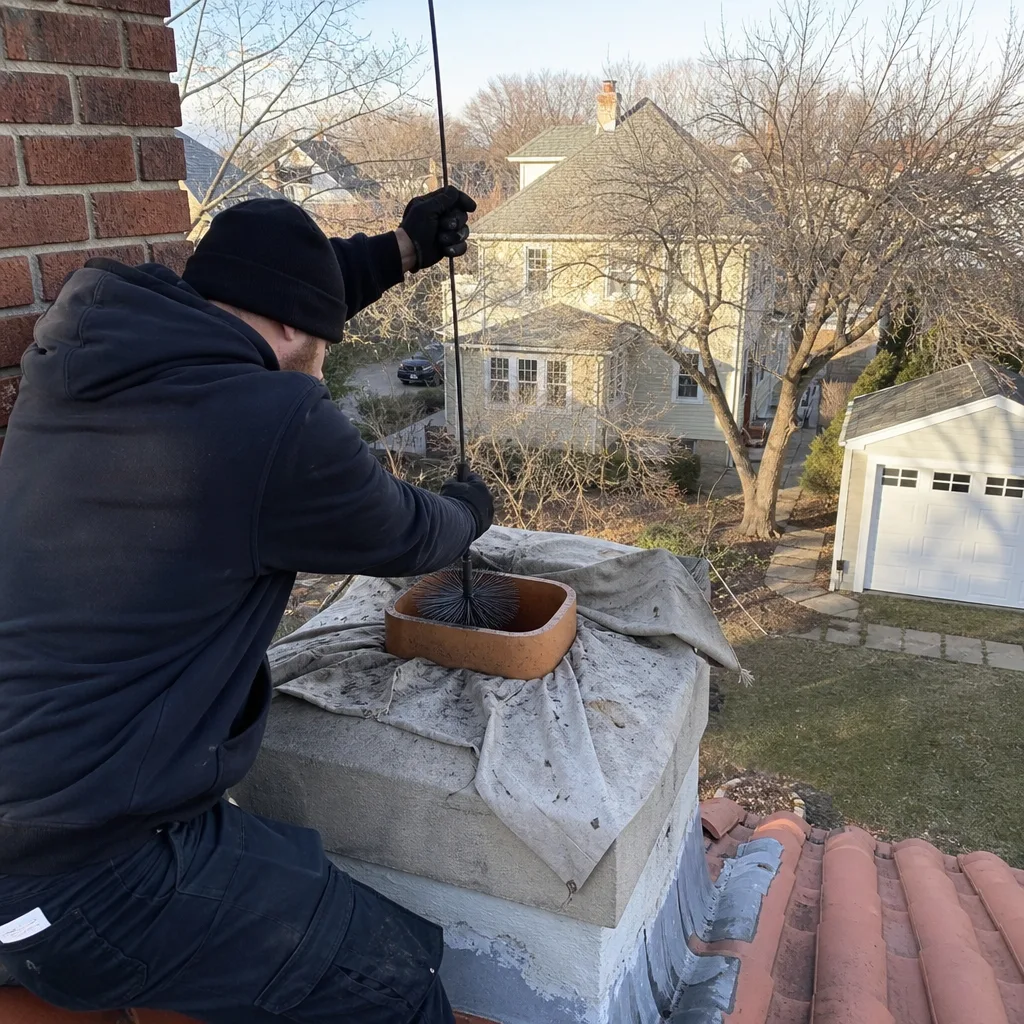
The September-to-October window in New York is the single most important seasonal maintenance period. This is before the first fire, not after. The goal is to document what the flue looks like before anything hot goes up it, so that any deterioration that occurs during the burn season can be measured against a known baseline. A good pre-season visit is a record-keeping exercise as much as a cleaning.
Exactly What a Technician Should Document Before the First Fire
Level Two Chimney New York has operated under the Haven Standard since 2009. Clause 4 of the Haven Standard requires a documented photo record on every job, and that practice has been running continuously across more than 38,000 chimney inspections and cleanings. The photo record is your evidence of what was found, what was done, and what should be watched. It’s not an add-on.
Burn-Season Monitoring (November-February): What Changes When You Actually Use the Fireplace
Once you’re burning, the chimney becomes a working system, and the variables shift from weather to combustion. The burn season in New York is when you discover whether the pre-season work held up, and whether your burning habits are creating a problem.
The key variable is creosote accumulation rate. It varies by wood type, burn temperature, and how often you use the fireplace. A homeowner who burns kiln-dried hardwoods at a good temperature a few nights a week might produce minimal creosote all season. A homeowner who burns unseasoned wood, or smolders fires overnight, can produce a Stage III glazed creosote layer in six weeks. Glazed creosote is a heavily concentrated fuel source, and it can’t be brushed out. It requires chemical treatment or mechanical removal.
What You Should Watch During the Burn Season
Any one of these is a reason to stop burning and call a chimney professional. None of them resolves on its own. A chimney fire starts when accumulated creosote reaches ignition temperature, and if you hear it or smell it, you’re already on the edge of that condition. Fireplace Services in New York includes camera verification of combustion-condition problems, because guessing at a flue problem is not a service.
What a Homeowner Can Do vs. What Requires a Camera
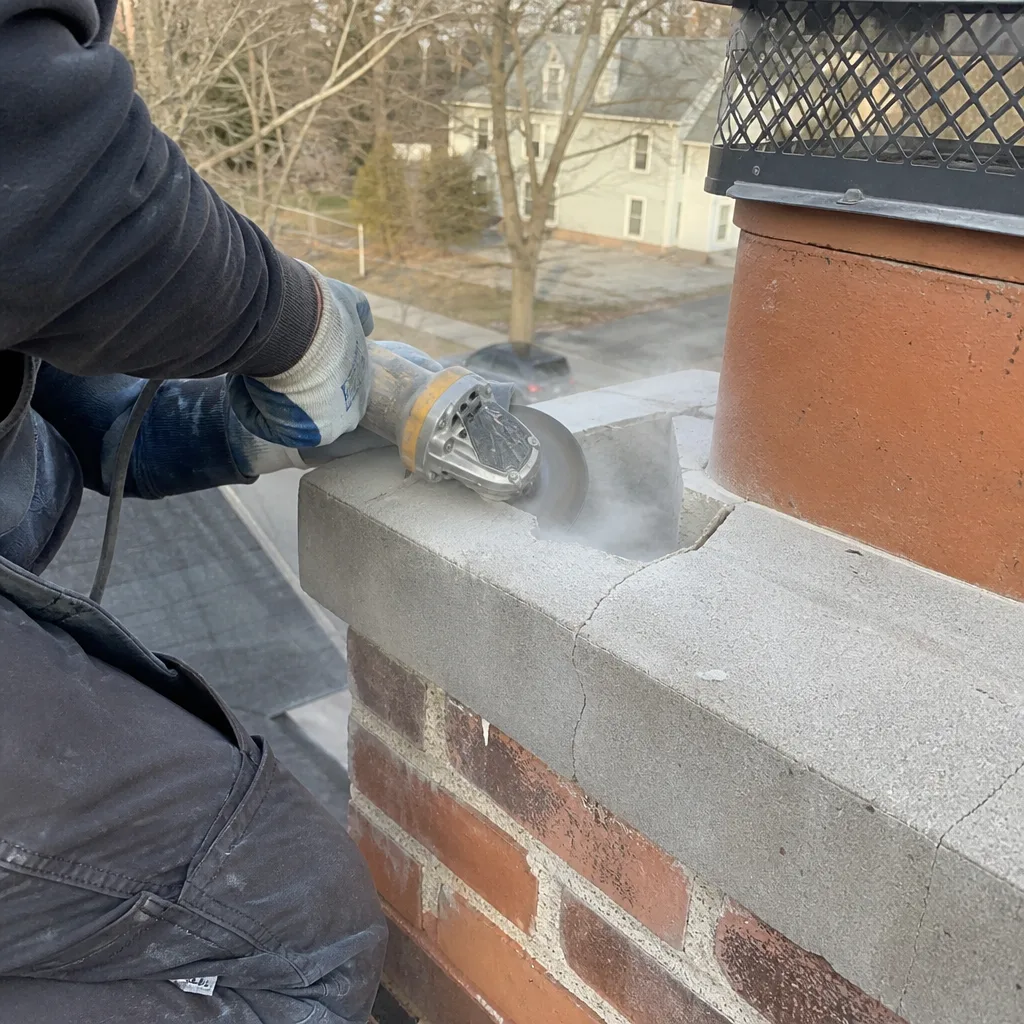
Some seasonal maintenance is within a careful homeowner’s reach. Some is absolutely not. The dividing line is access and verifiability. If you can see it from a ladder against the house and confirm it with your own eyes, you can probably handle it. If it requires being on the roof, or seeing inside the flue, or touching high-tension components, it requires a credentialed technician.
Homeowner-Appropriate Seasonal Tasks
What Requires a Credentialed Technician with Camera Equipment
The honest rule: if the task requires you to be on a roof you’re not comfortable walking on, or to see something you can’t visually reach, it’s technician work. The cost of the repair is less than the cost of the fall.
What Seasonal Chimney Care Costs in New York
New York pricing runs higher than national averages because access is harder, roof pitches are steeper, and many chimneys are in buildings where rooftop access requires coordination. But the price should always be written down before work starts, and the scope should be specific. Here’s what a seasonal service typically runs in the New York metro.
| Service | Typical New York Price Range | What It Includes |
|---|---|---|
| Camera-scan inspection (NFPA 211 Level 2) | $195-$350 | Full flue video, photo record, written condition report |
| Chimney cleaning (standard sweep) | $225-$375 | Brush and vacuum, smoke chamber, firebox, cap check |
| Combined inspection + cleaning | $350-$550 | Camera scan, cleaning, photo record, written report |
| Crown repair (minor, spalling or cracks) | $400-$900 | Surface prep, crown material, expansion joint |
| Cap replacement (standard stainless) | $350-$700 | Cap, screen, mounting hardware, installation |
| Stainless liner installation | $3,500-$7,000 | Full liner, insulation, connections, permit-spec work |
These are ranges, not quotes. The actual number depends on roof pitch, access, liner diameter, existing condition, and what the camera shows. But a written price should be deliverable before work starts, not after the tech is already on your roof. Clause 1 of the Haven Standard requires it. If a company can’t or won’t put the price in writing before arriving, that’s a signal to find one that will.
For a quicker reference on what’s included in a standard sweep versus what’s extra, the Level Two Chimney New York home page lays out the service scope in plain terms.
Common Mistakes to Avoid
When to Call a Professional
Call a chimney professional when you can’t see the condition, when the condition you can see is changing, or when the problem involves anything inside the flue. Specific triggers: visible spalling on the crown from the ground, water stains on interior walls around the fireplace, any smoke in the house during normal operation, a smell you can’t locate, a crackle or pop from the flue, or the first time your chimney hasn’t been inspected in two or more years. Also call if you’re about to ignite the first fire of the season and you have no documented record of the flue’s condition from within the last twelve months. Level Two Chimney New York offers free estimates in New York. Call (551) 213-5548 for a camera-scan inspection, a written scope, and a written price. Every visit includes a documented photo record.
Frequently Asked Questions
Most New York chimneys need cleaning every 30 to 50 burns, which for a typical weekend fireplace user means every one to three seasons, not every year. The clean decision should be driven by camera evidence of creosote accumulation, not a calendar date. A chimney that burned ten times last winter and shows minimal creosote on camera doesn’t need a sweep. A chimney that burned twenty times with unseasoned wood might need one after a single season. Call (551) 213-5548 for an exact assessment, and we’ll show you the camera condition before recommending a clean.
The most protective schedule for New York is two visits: a post-winter inspection in March or April focused on freeze-thaw damage, and a pre-season camera scan and cleaning in September or October before the first fire. The March visit catches structural damage, and the September visit catches what summer humidity did to any creosote left behind. If you’re only doing one, make it the September-to-October window.
You need a camera scan if the goal is to know what’s inside your flue. A visual sweep with a brush and flashlight cleans what it can reach, but it cannot document liner condition, joint integrity, or the smoke chamber with any reliability. A camera scan shows the actual condition on screen, and you keep the photo record. That documentation is included on every visit under Haven Standard Clause 4.
New York’s July-through-September humidity absorbs into creosote residue left in the flue from winter burning. The creosote densifies, becomes more corrosive to the liner, and can release a musty smoke smell into the house. That’s why a pre-fall camera scan before the first fire is more protective than a post-spring scan. Get this checked before October, and the fix is usually simpler and cheaper.
A standard chimney sweeping in New York typically costs between $225 and $375, while a combined camera-scan inspection and cleaning runs $350 to $550. The final number depends on roof pitch, access difficulty, liner condition, and the scope of work. Written pricing is delivered before work starts, always. Call (551) 213-5548 for the exact number after a camera assessment.
You can, in theory, run a brush up or down a straight flue from the rooftop, but the risk-to-reward is terrible. Roof work on New York homes, especially brownstones and steep-pitch roofs, is the most dangerous part of chimney maintenance. A brush kit cannot assess liner cracks, cannot verify the smoke chamber, and cannot produce a documented record of the flue’s condition. The brush is the easy part. The roof, the camera, and the written report are why professionals exist.
The Bottom Line
New York chimneys fail on the weather’s schedule, not the calendar’s. Freeze-thaw cycling in winter spalls crowns and erodes mortar joints. Summer humidity matures creosote deposits into corrosive compounds while the flue sits inactive. The fall pre-season window is when you document a baseline with a camera scan and clean only what the camera shows needs cleaning. Two annual touchpoints, one post-winter and one pre-burn, catch the damage that matters before it becomes a fire hazard or a five-figure repair; see our more guides & resources for year-round chimney care. Every visit from Level Two Chimney New York includes a camera-scan inspection, a written price and scope, and a documented photo record. That’s the standard, and it’s been the standard since 2009.
Written by Corrine Halstead, Owner at Level Two Chimney New York, serving New York since 2009.