
Last updated September 19, 2026
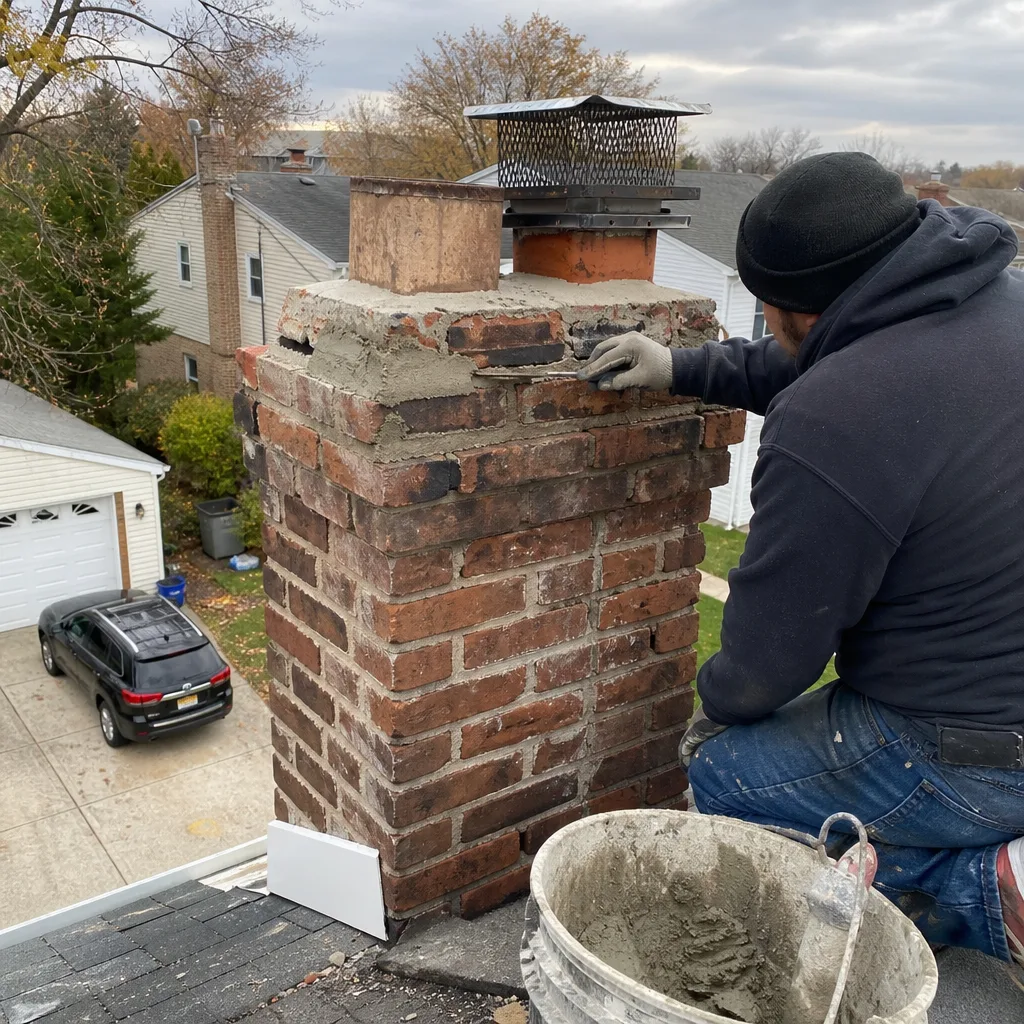
Level 1 sweep and inspection to the NFPA 211 annual standard - flue, crown, cap, and flashing checked and photographed
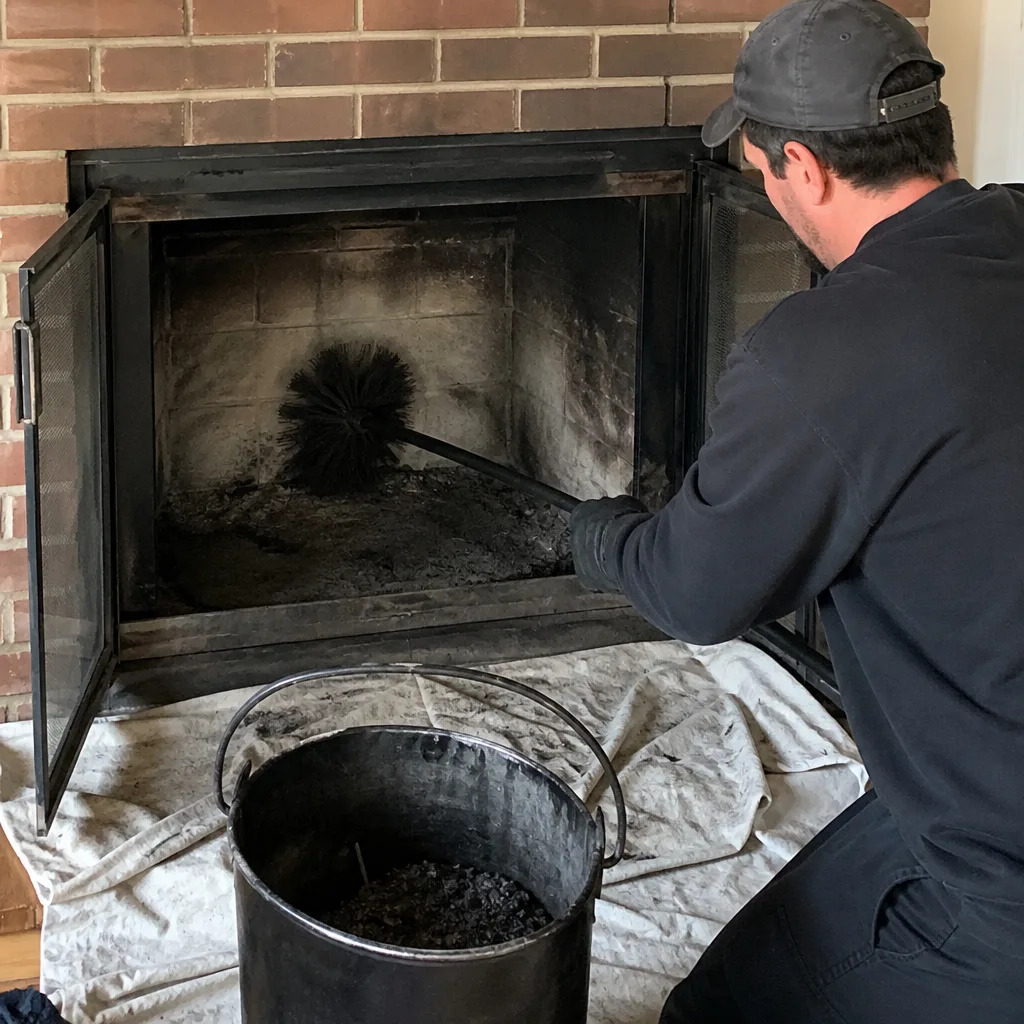
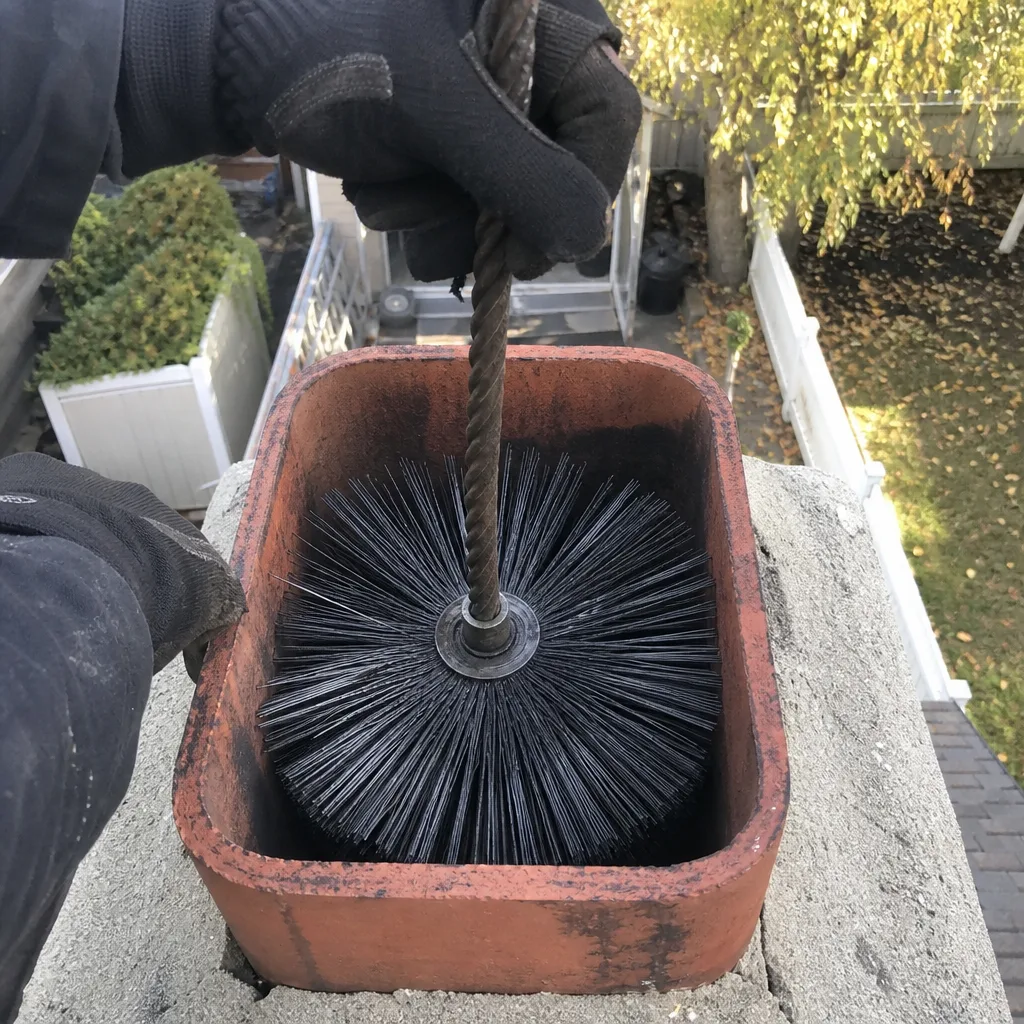
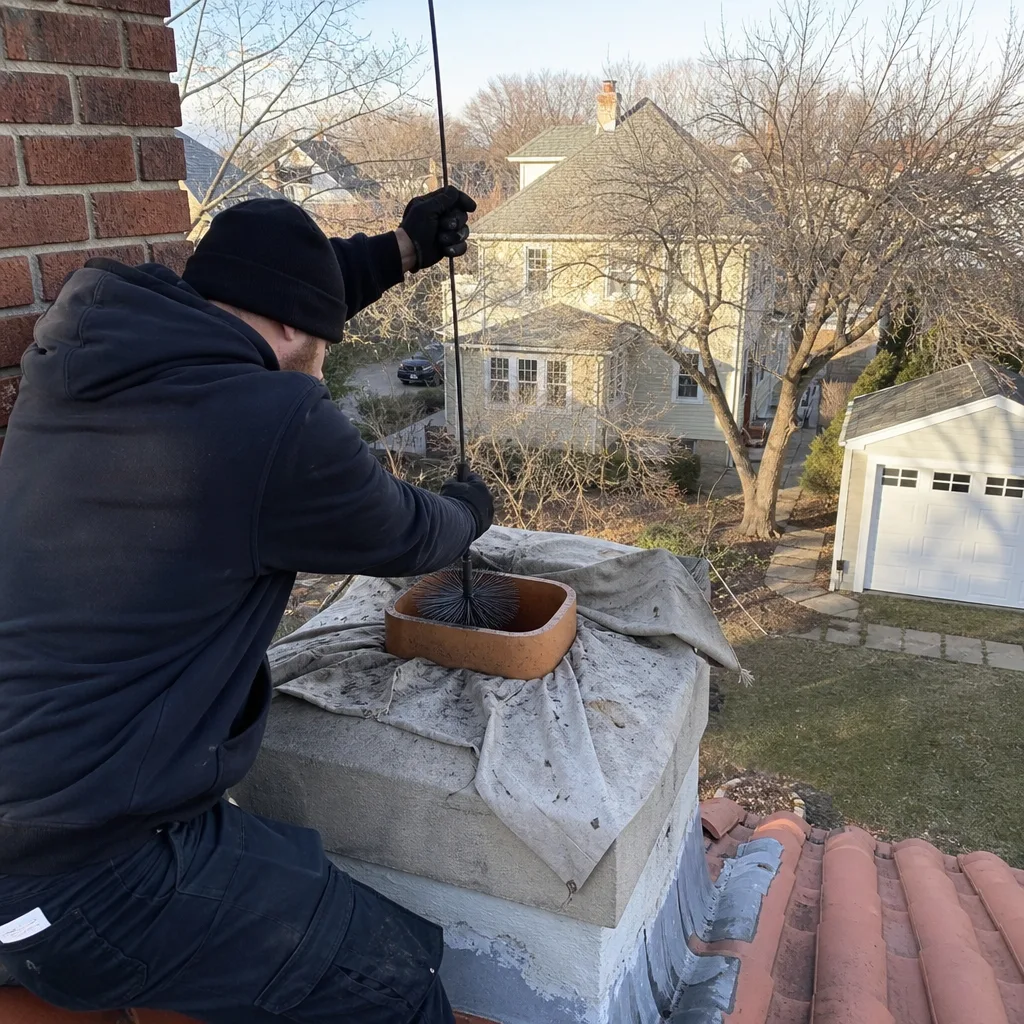
Chimney sweep logs do not sweep chimneys. They loosen some creosote - which then falls where a brush and vacuum still have to collect it.
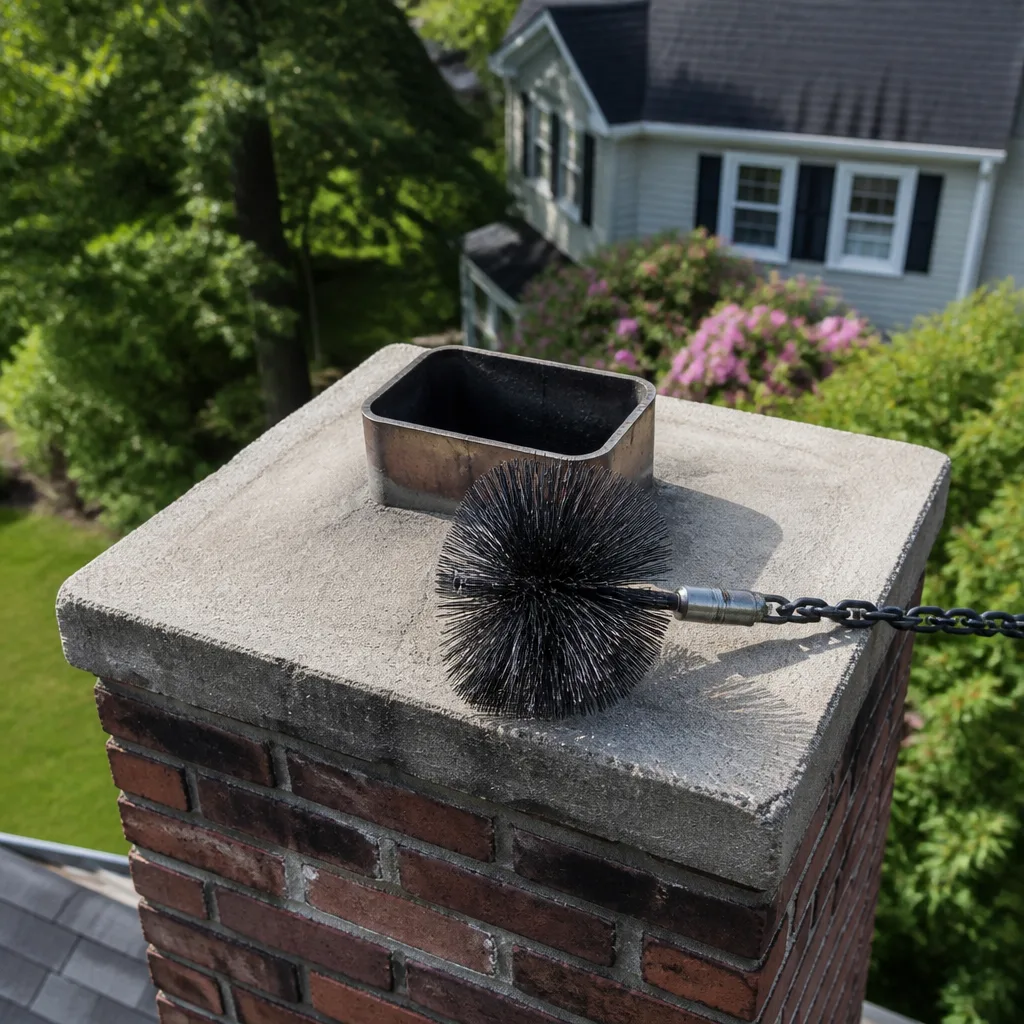
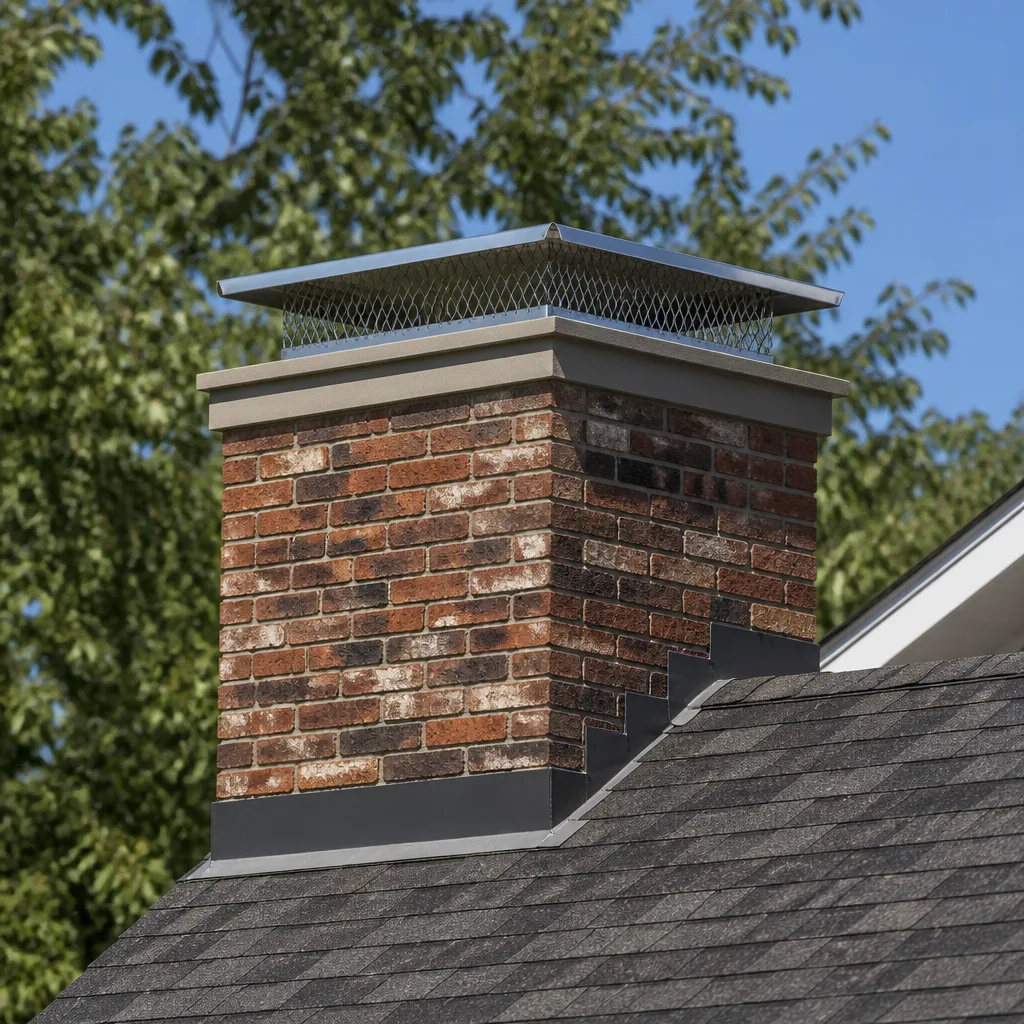
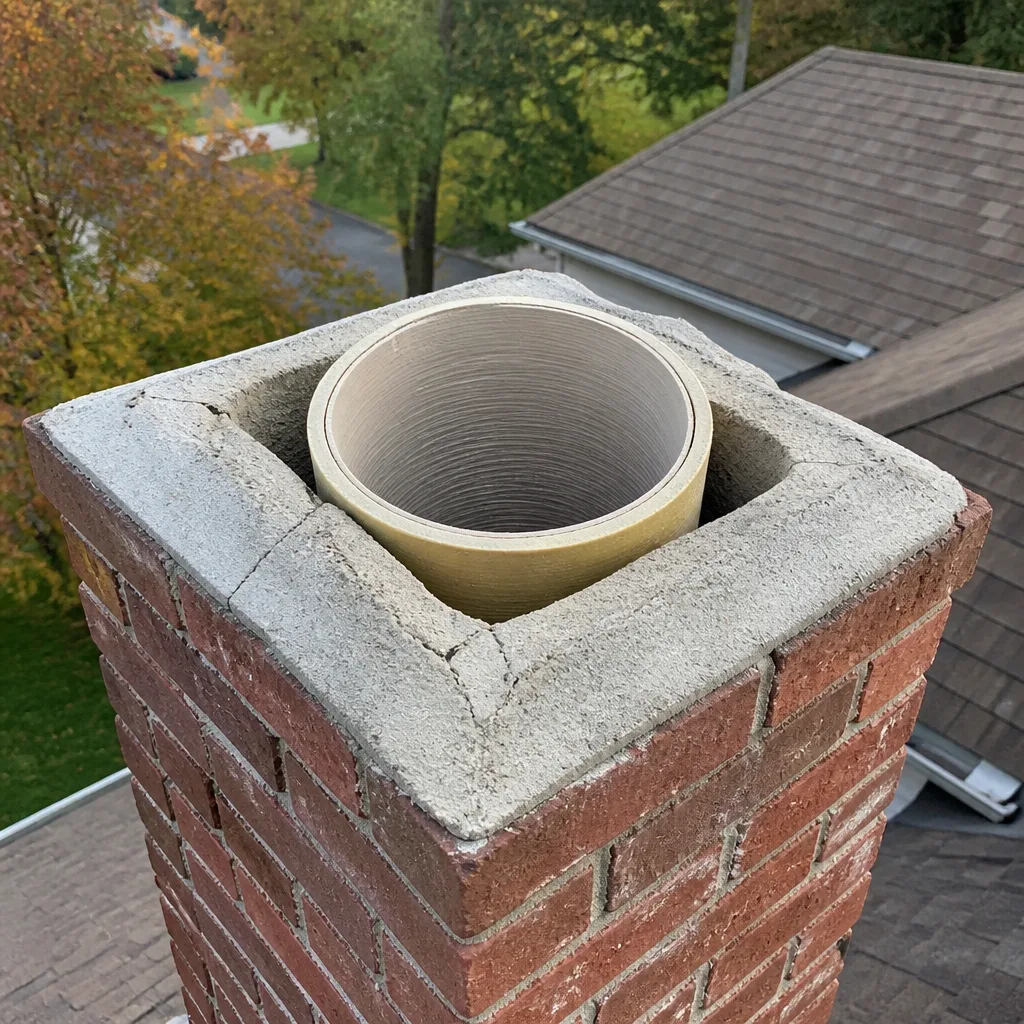
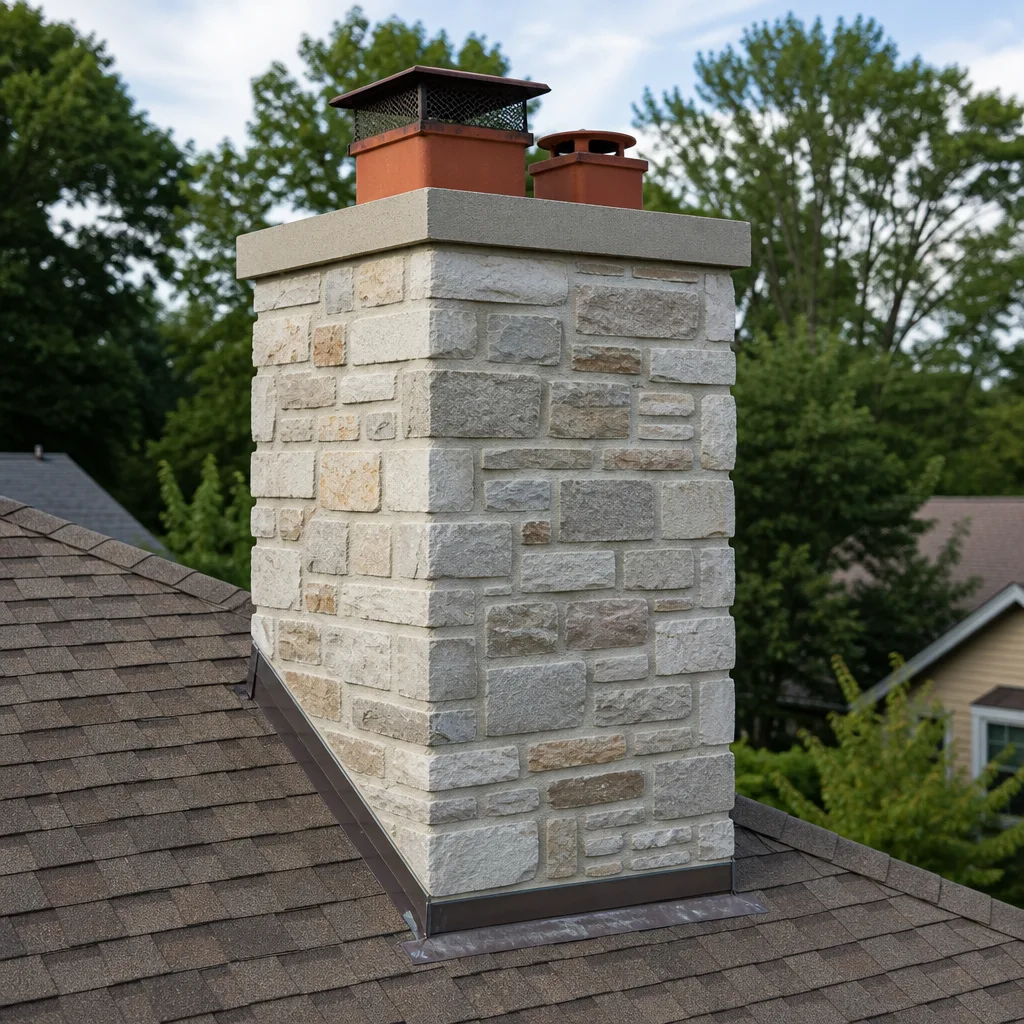
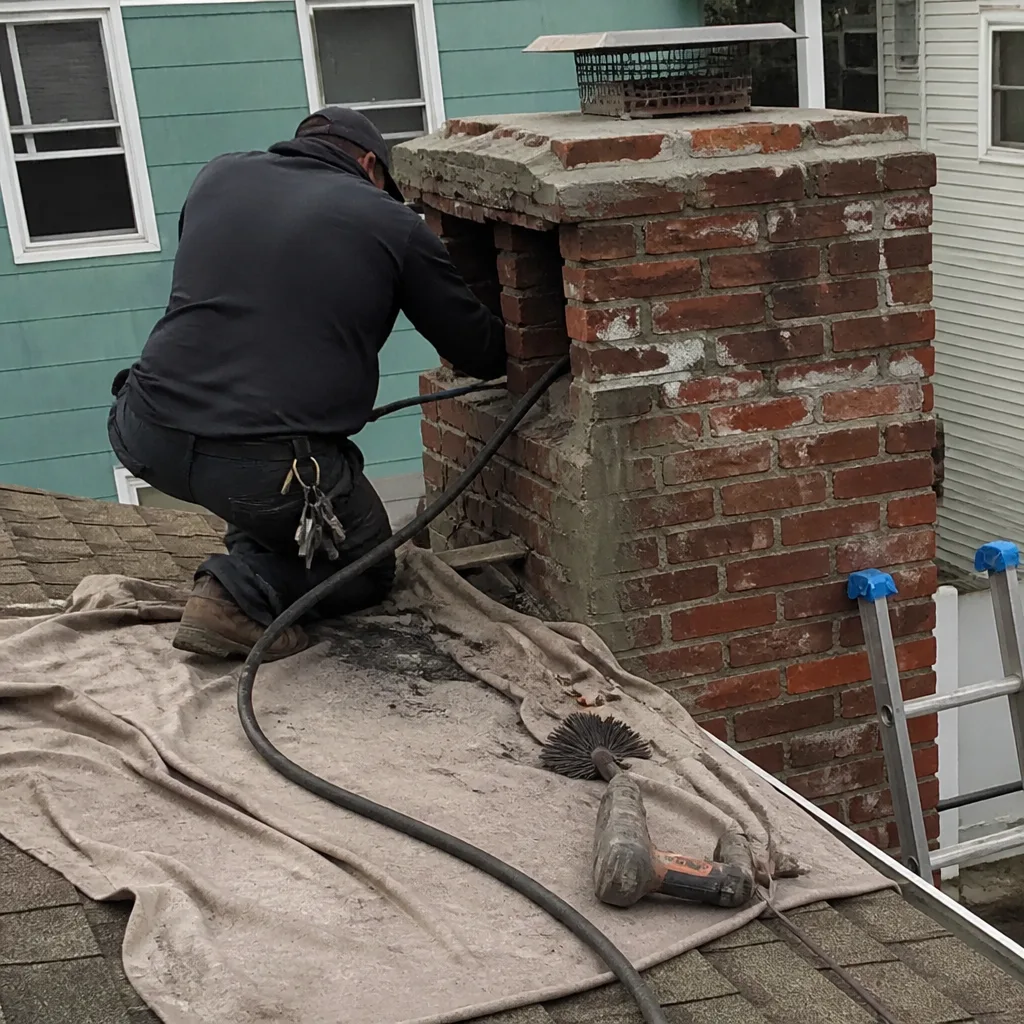 Before
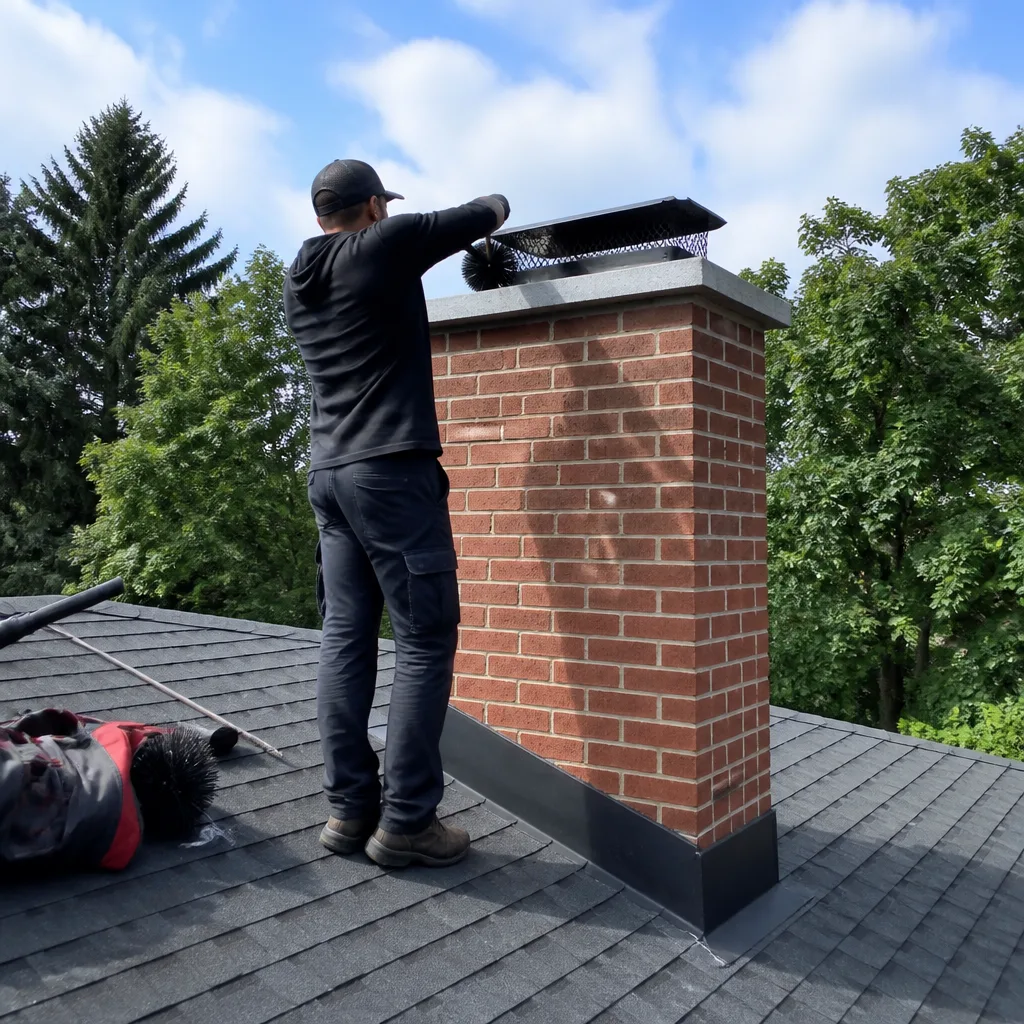 After
After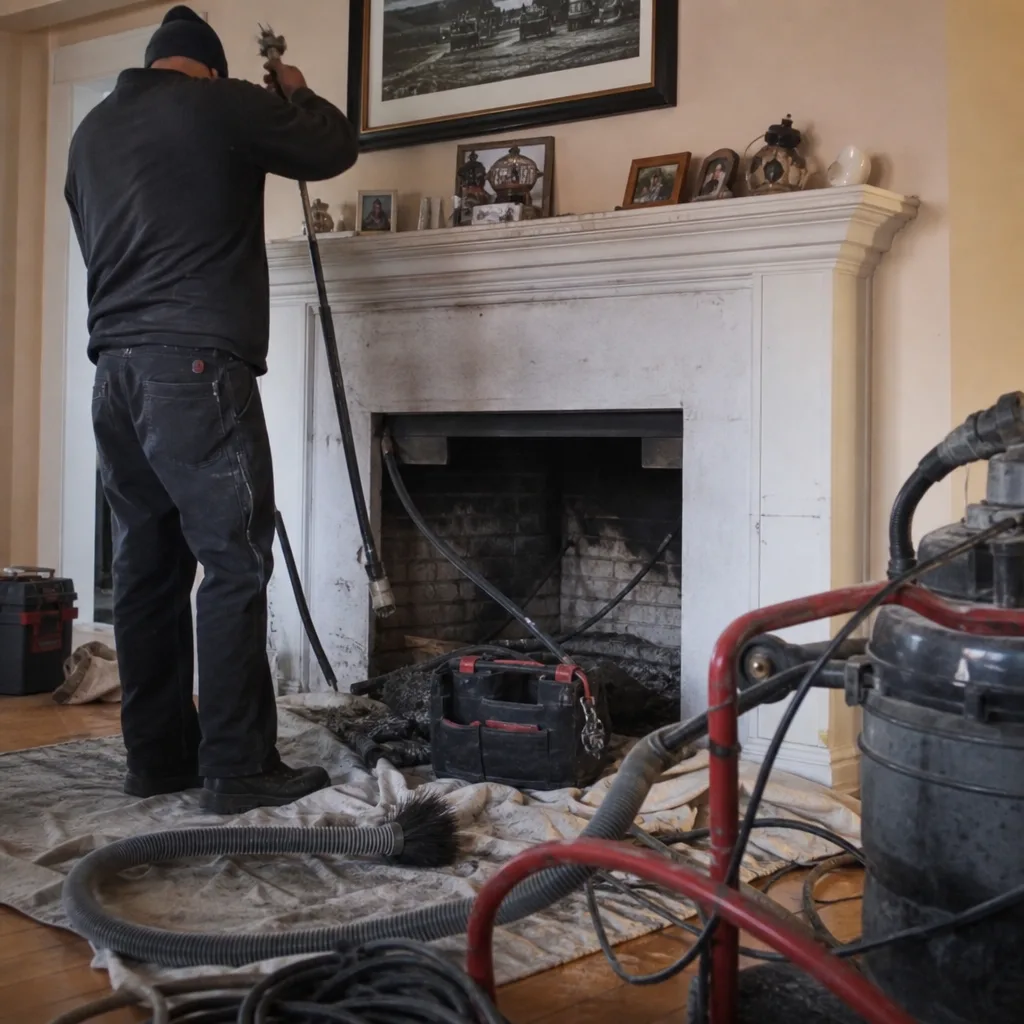 Before
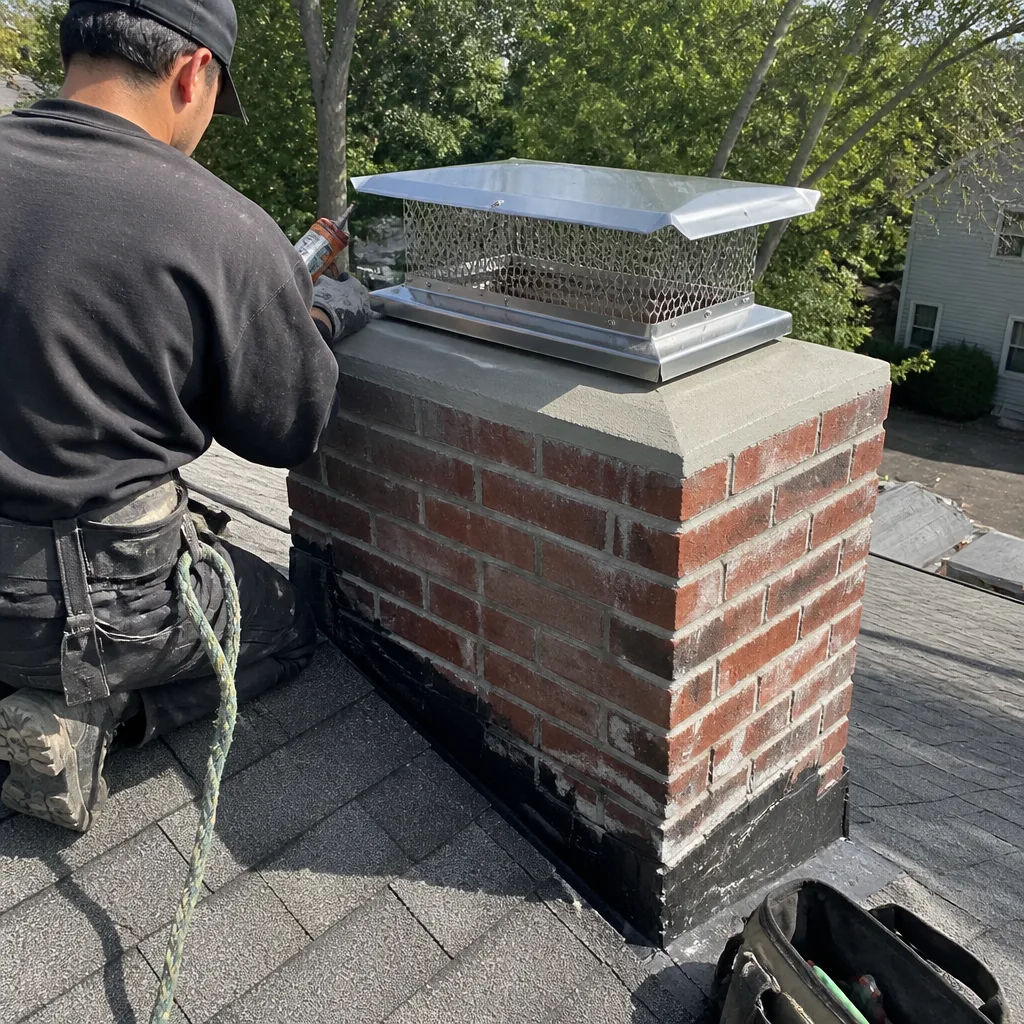 After
After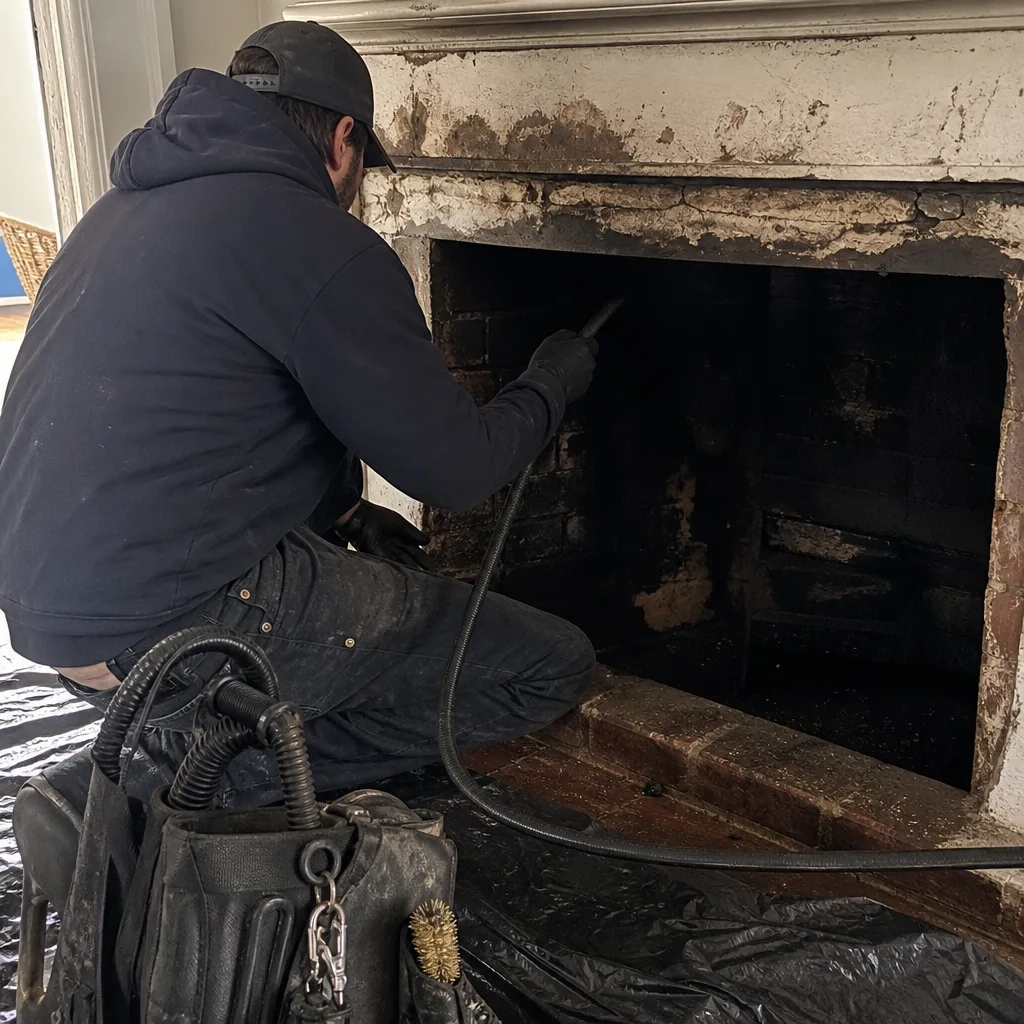 Before
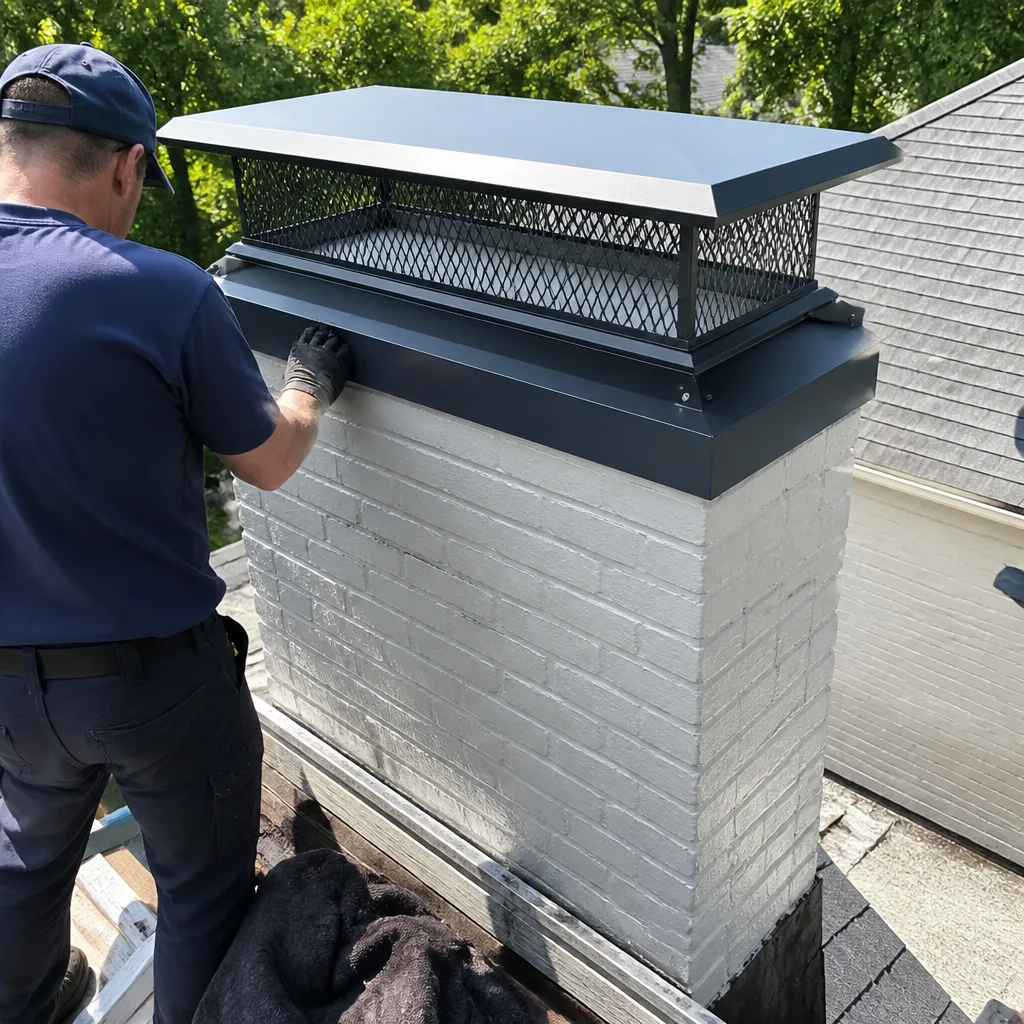 After
AfterChimney Cleaning Warning Signs: A New York Homeowner’s Reference Guide
Here’s a counterintuitive fact about chimneys in New York: the most serious warning sign usually appears when the fireplace hasn’t been used in days. A faint smoke smell in an upstairs bedroom in July, a persistent mustiness in the room adjacent to the chimney chase, white mineral staining blooming across the brick face above the roofline. These symptoms don’t announce themselves during a winter fire. They linger quietly, and by the time they’re obvious enough to notice casually, the underlying condition has often been progressing for two or three seasons. What follows is a reference guide built from 38,000 chimney inspections and cleanings across New York since 2009, pairing each warning sign with the camera finding that confirms it and the written documentation that should accompany any repair estimate. For more guides & resources on chimney maintenance, see our blog. If you understand what a symptom actually indicates, you can evaluate whether a proposed repair is real before you pay for it.
Quick Answer
The three warning signs that warrant immediate attention in a New York chimney are a smoke smell when the fireplace is cold, white staining (efflorescence) on the exterior brick face, and a strong chemical-organic odor from the firebox in summer heat. A cold-flue smoke smell typically indicates a liner breach, not a damper problem, and should be confirmed with a camera scan before any repair is proposed. Stage-two or stage-three creosote can smell distinctly different in summer humidity than during winter use, and the summer version is the more urgent of the two because it signals advanced glazing that ordinary brushing won’t remove. See The Complete Guide to Chimney Cleaning in New York for a full breakdown of creosote stages and removal methods.
Table of Contents
- The Cold-Flue Smoke Smell: Why It’s Not Your Damper
- Efflorescence on the Exterior Chimney Face: What New York’s Freeze-Thaw Cycle Does to Mortar
- Creosote Odors in Summer vs. Winter: Which One Is More Urgent
- Popping, Ticking, and Creaking: Auditory Signs of Thermal Stress
- Draft Symptoms vs. Liner-Breach Symptoms: Two Different Diagnostic Paths
- How to Request and Read a Camera-Documented Finding Report
- The Written Documentation That Should Accompany Any Repair Estimate
- Common Mistakes to Avoid
- When to Call a Professional
- Frequently Asked Questions
- The Bottom Line
BeforeAfterThe Cold-Flue Smoke Smell: Why It’s Not Your Damper
A strong smoke smell in a room adjacent to the fireplace, not from the fireplace itself, is one of the least understood chimney warning signs in New York rowhouses. It typically indicates a breach in the flue liner that is venting combustion gases into wall cavities, not a damper problem. Replacing the damper, the most common fix offered for this symptom, does nothing to address it.
Here’s the diagnostic distinction. A damper that doesn’t seal properly lets air move between the living space and the chimney cavity, but the air moving through that path has already been diluted by the room air it mixes with. The smell is faint, intermittent, and usually noticeable only right around the fireplace opening. A liner breach is different. Combustion gases move through the gap between the liner and the surrounding masonry, then find their way into wall cavities, floor assemblies, or adjacent rooms through much smaller openings. The smell appears in rooms you wouldn’t associate with the fireplace, and it persists when the fire is long cold.
In New York rowhouse construction especially, where party walls and stacked floor plates create channels between units, a breached liner in one apartment can produce odor complaints two floors up. Our camera scans across Level Two Chimney New York home service areas routinely find clay tile liners with vertical cracks behind the smoke chamber, exactly where the sight line from the firebox can’t reach. A flashlight inspection from the roof or the firebox sees nothing. The camera does.
What a camera finding should confirm: a visible crack, spalled tile face, or missing mortar joint in the flue liner at a specific depth, documented with a timestamped photo or video still. If a technician proposes a liner repair for a cold-flue smell and can’t show you the breach on camera, ask them to come back with one. The diagnosis doesn’t count until it’s documented.
Efflorescence on the Exterior Chimney Face: What New York’s Freeze-Thaw Cycle Does to Mortar
White staining on the exterior chimney face, called efflorescence, is often dismissed as cosmetic aging. In New York specifically, it’s a reliable signal of water infiltration at the mortar joints, and it should be read as a structural warning, not a patina.
New York’s climate does something specific to brick chimneys. Winter temperatures cycle across the freezing point dozens of times per season. Water absorbed into porous mortar freezes and expands, which widens micro-cracks. The next rain drives water deeper. By the time enough moisture has moved through the masonry to carry dissolved salts to the brick face and leave a white deposit when it evaporates, the joints that allowed that water through are already compromised. The staining is the evidence of a process that has been underway for years, not the beginning of one.
A camera scan of the corresponding interior section should show one or more of these: dark, saturated mortar joints in the flue wall; missing or deteriorated mortar between clay tile sections; water staining on the smoke chamber walls; or, in more advanced cases, spalled brick faces inside the flue itself. When we document efflorescence on a New York chimney, the interior camera typically confirms water entry at the crown, the flashing, or the mortar joints directly above the water line. The exterior stain is just the visible edge of a larger water path.
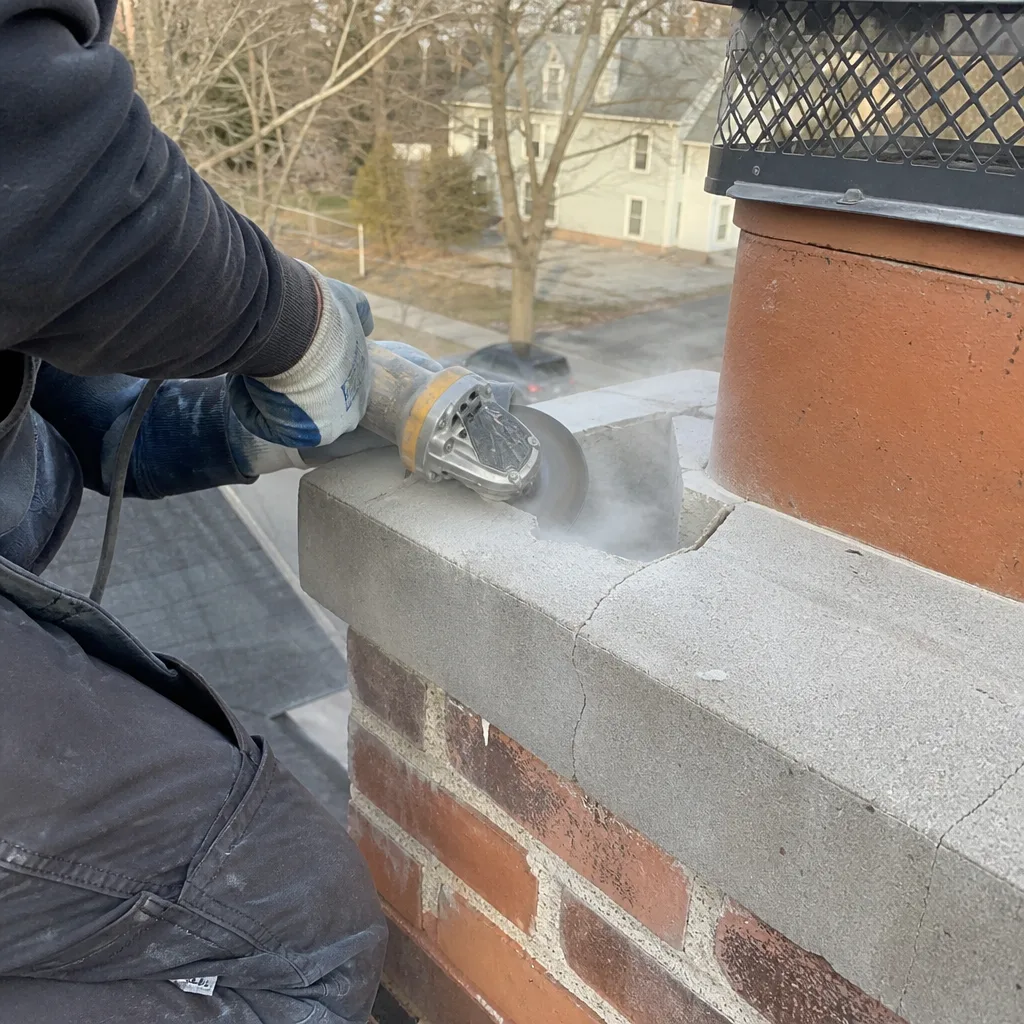
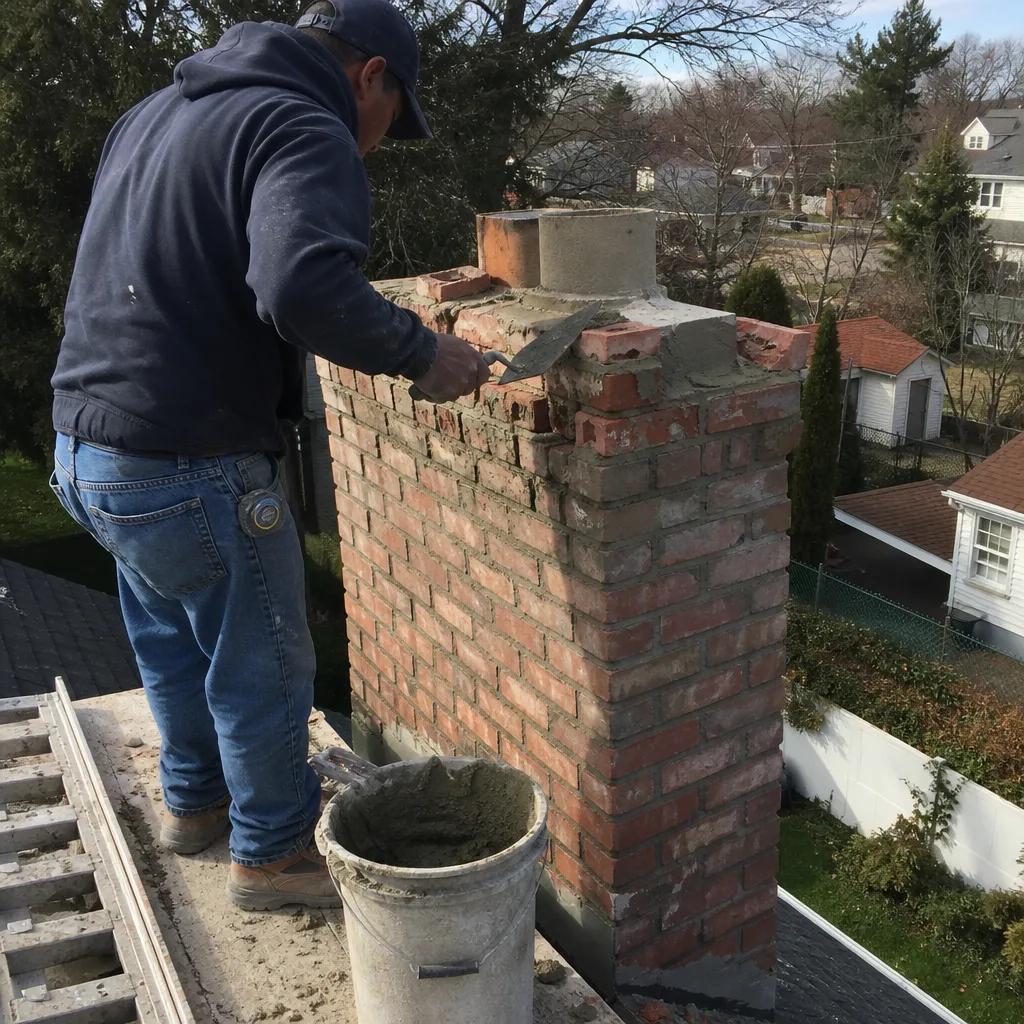
The repair conversation should be specific. If the crown is intact and the flashing is sound, repointing the affected exterior joints and sealing the brick may resolve the issue. If the interior camera shows saturated flue walls, the repair scope expands to include liner conditioning or replacement. Either way, a written price and a written scope, with photos, comes before any work starts. No exceptions, on every job we do.
Creosote Odors in Summer vs. Winter: Which One Is More Urgent
Creosote has a smell, and it changes with the weather. During winter use, a heavy creosote buildup produces the familiar campfire-and-barbecue odor, sometimes with an acrid edge when the fire is burning hot. It’s unpleasant but most homeowners expect it. In summer heat and humidity, that same buildup smells different: more chemical, more like asphalt or tar, and it travels farther through the house. That summer smell is the more urgent of the two.
The reason is chemistry. Stage-one creosote is flaky and dusty, and it smells mildly smoky. Stage-two creosote is a thick granular crust, and when humidity rises in a New York summer, it releases volatile organic compounds more readily. Stage-three creosote, also called glazed creosote, is a tar-like coating that has baked onto the flue walls. In summer heat, it can give off a distinctly chemical odor, and that means the buildup is dense enough to support a chimney fire with a single spark or a hot ember.
We use the NFPA 211 classification, which divides creosote into stages based on thickness and consistency. A camera scan shows the stage directly. If the technician can’t tell you the stage, the inspection wasn’t complete. For a Chimney Cleaning & Sweep in New York, the stage determines the cleaning method and the urgency. Stage one can often wait until fall. Stage two should be addressed before the next burn season. Stage three requires a different approach entirely: chemical treatment, mechanical removal, or a combination, and it shouldn’t be postponed. Summer heat accelerating VOC off-gassing is the warning sign that pushes many New York homeowners to get the camera scan they’d been deferring.
Popping, Ticking, and Creaking: Auditory Signs of Thermal Stress
Chimneys make noise, and most of it is normal. But there are two specific sounds that should trigger a camera inspection in New York sooner rather than later: a sharp pop or crack during the first half hour of a fire, and a rhythmic ticking that continues as the flue cools after the fire is out.
A sharp pop early in the fire cycle is the sound of a liner section expanding against resistance. Clay tile liners, the standard in most pre-1990 New York construction, expand at a different rate than the surrounding masonry. When a tile section is already cracked, that expansion can snap the crack wider in a single event. The sound is brief, but it indicates that thermal stress is moving through the flue wall at a specific point. Popping during cool-down, often described as ticking, suggests the opposite movement: the liner is contracting and settling back against a shifted or misaligned section. Both sounds warrant a camera scan of the flue joints to document what’s happening at the pressure points.
What the camera should document at those joints: vertical or horizontal cracks in a clay tile section, offset tiles, gaps in the mortar between sections, or missing tile entirely. For stainless steel liners, which we install regularly using materials sourced from DuraFlex and Olympia Chimney, the camera should document intact welds, secure coupling bands, and no signs of thermal fatigue at the connection points. A documented photo record of each joint, taken during the scan, is the standard we work to on every visit, and it’s been our default since 2009.
Draft Symptoms vs. Liner-Breach Symptoms: Two Different Diagnostic Paths
Most warning-sign guides lump all chimney symptoms together. That’s a mistake, because draft problems and liner breaches require different diagnostic approaches, and confusing the two leads to misdiagnosis and unnecessary repairs.
Draft-related symptoms appear during use. Smoke rolls into the room when the fire is lit. The fireplace is hard to light. The smoke detector goes off only when the fire is actively burning. These symptoms point to an airflow problem: a cold flue, a negative pressure condition in the house, a damper that’s not fully open, or a chimney cap that’s clogged at the top. The diagnostic path is about air movement. A smoke test, a draft reading with a manometer, and a camera view of the top and bottom of the flue usually identify the cause. These problems generally resolve with cleaning, cap replacement, or adjustments to the home’s ventilation, and they don’t indicate structural failure by themselves.
Liner-breach symptoms often appear when the fireplace is cold. The smell of old smoke in a room away from the fireplace. Efflorescence on the exterior brick. The chemical odor we described earlier. These symptoms point to combustion gases or moisture moving through the flue wall, not through the flue opening. The diagnostic path is about containment. A camera scan is essential, not optional. The scan should cover the full flue length, the smoke chamber, and the topmost section of the liner, with timestamped stills at each point of interest. Where one path ends in cleaning and cap work, the other may end in liner replacement, and the repair scope is unforgiving: if the liner is breached, the fix is not a damper, and it’s not a patch.
How to Request and Read a Camera-Documented Finding Report
Not all camera inspections produce documentation you can actually use. Some companies run the camera, narrate what they see, and write a one-line summary on the invoice. That’s not a finding report. A real finding report lets you see what the technician saw, and it lets you verify the diagnosis independently. Here’s how to request and read one, step by step.
- Ask for timestamped stills before the visit, not after. A finding report should include photos at each point of interest: the flue top, the cap, each liner section joint, the smoke chamber, and the firebox. If the company’s standard practice doesn’t include stills, find one that does. Under Haven Standard Clause 4, a photo record on every job has been our default since 2009.
- Request the depth or height measurement for each finding. A crack at 14 feet above the firebox floor is actionable. A crack somewhere in the flue is not. Depth references let you confirm that the finding is structurally real, not a guess.
- Look for the three confirming images. Any structural finding should have at least three stills: one wide shot establishing the location, one close-up showing the condition, and one post-clean or post-preparation shot showing the same area so you can see the defect without soot obscuring the surface.
- Read the finding description in plain terms. The report should say what was found, where it was found, and what it means in one clause: “Vertical crack in right clay tile wall at 12 feet, likely allowing gas movement during fires, recommended repair: stainless steel liner.” If the description is vague, the report isn’t finished.
- Compare the finding to the repair recommendation. A real structural finding supports a specific repair. A minor condition should produce a watch-and-wait recommendation, not a $6,000 liner job. If the camera shows stage-one creosote and the proposal is a complete liner replacement, the recommendation doesn’t match the evidence. Bring us a competitor’s written estimate and we’ll give you a free second opinion, with our own camera scan, so you can compare documented findings side by side.
The Written Documentation That Should Accompany Any Repair Estimate
New York homeowners are used to getting estimates verbally, with a handshake or a texted number. That’s a liability. A legitimate repair estimate for chimney work should arrive as a written scope with a written price and a written warranty, delivered before work starts, not after the tech is in your home. Our How to Hire a Chimney Cleaning Contractor in New York: A Step-by-Step Guide explains what to look for in a written estimate. If it’s not in writing, it didn’t happen.
Here’s what the documentation package should include, and what each piece tells you:
- A written scope of work. Specific tasks, not general categories. The materials should be named: a DuraFlex stainless liner, a HeatShield resurfacing treatment, a Gelco crown repair. Generic language like chimney repair or liner fix is a signal that the scope hasn’t been thought through.
- A written price. Flat rate, not an estimate, not a time-and-materials open ended number. The price should be fixed before work starts and invariable unless the homeowner changes the scope.
- A written warranty. Named duration and named coverage. Our 365-Day Done Right Promise is stamped on every job under the Haven Standard: if it’s not done right, we make it right.
- A documented photo record from the inspection. The same stills from the finding report become the baseline for the warranty. If something changes, you have before and after documentation.
- A written completion report after the work. Photos of the finished job, including the camera pass after the repair or cleaning. This is the documented record that closes the loop.
This documentation package is the difference between trusting someone’s word and being able to verify it. It’s the reason we built it into the Haven Standard, clause by clause, starting in 2009. It’s also the reason a Chimney Repair in New York quote from us always includes a written price, written scope, and written warranty before anyone starts. No call for a quote, ever. The price is on the page, in dollars.
Common Mistakes to Avoid
- Replacing the damper for a cold-flue smoke smell. This is the single most common misdiagnosis in New York rowhouses. The damper is rarely the source of a persistent room-adjacent odor, and replacing it solves nothing. A camera scan shows whether the liner is breached, and until that’s done, the repair is a guess.
- Treating efflorescence as a cosmetic issue. White staining on a New York chimney face is moisture evidence, not aging. If you paint over it or power-wash it off, you’ve hidden the sign without addressing the water path inside the flue wall.
- Waiting for fall to check a summer creosote smell. The chemical tar odor in humid summer weather signals stage-three glazing in many cases. That buildup needs professional removal before the burn season, not a DIY brush kit from a hardware store.
- Accepting a verbal quote. If a company won’t put the price and scope in writing before starting, the deal is structured to change. A written price is the only kind that protects you.
- Skipping the camera scan on a chimney inspection. A flashlight from the roof sees about 10 percent of what matters. The fireplace and smoke chamber side of the flue, where most liner breaches develop, is invisible without a camera. Demand the scan and the stills.
- Confusing draft symptoms with structural symptoms. Smoke during use is an airflow problem most of the time. Smell when cold is containment. Mixing the two leads to unnecessary liner replacements or, worse, a real liner breach left unaddressed.
When to Call a Professional
Call a professional if you notice a smoke smell when the fireplace is cold, white staining on the exterior chimney brick, a chemical or tar-like odor from the firebox in summer, or popping and ticking sounds from the flue during and after fires. These are signs of structural or heavy creosote conditions that need a camera-documented diagnosis before any repair is proposed. If you have a written estimate from another company and want a verified second opinion, we’ll run our own camera scan and give you documented findings side by side. Level Two Chimney New York offers free estimates in New York, call (551) 213-5548 to schedule. Our Fireplace Services in New York include camera-scan inspection as a standard part of every visit, not an add-on. Background-checked, uniformed technicians with a named tech assigned, a text when they’re on the way, and a live person answering the phone 24/7. Written price, written scope, written warranty, before anyone starts. That’s the standard.
Frequently Asked Questions
A standard chimney cleaning and camera-scan inspection in New York typically runs between $250 and $450 depending on flue configuration, creosote stage, and whether the chimney is clay tile or stainless lined. Stage-three glazed creosote removal can push the price higher because it requires chemical treatment or mechanical removal beyond standard brushing. Call (551) 213-5548 for an exact quote, the price is written and fixed before work starts, and it never changes because of a conversation in your living room.
Not always. A hairline vertical crack in a clay tile section that is not offset and not actively spalling may be a watch-and-wait condition if the flue is otherwise sound and the home’s fireplace use is occasional. The deciding factors are crack width, tile displacement, and whether moisture or gas movement is actively occurring. The camera stills should show all three. If the recommendation is liner replacement, the documentation should show why, in images, not adjectives. We source stainless liners from DuraFlex and Olympia Chimney, and the price is on the page before the work is proposed.
NFPA 211 recommends an annual inspection, with cleaning whenever creosote buildup reaches stage two or visible soot accumulation reduces flue clearance. For New York homes that burn frequently through the winter, an annual cleaning is the practical standard. Homes that burn occasionally may extend to every two years, but the camera scan is the non-negotiable part. It catches the conditions that only develop with time and moisture, regardless of how often you burn.
Skipped cleanings allow creosote to advance through stages, and stage three can support a flue fire with a single spark. On the structural side, skipped inspections allow a minor liner crack to widen progressively through freeze-thaw cycles, until gas movement through the flue wall becomes measurable. By then the repair scope has grown from a liner to a full rebuild in some cases. The cost difference between annual maintenance and deferred structural repair is routinely thousands of dollars. Call (551) 213-5548 for a camera-scan inspection and get documented findings before deciding anything.
You can buy a brush kit at a hardware store and rent a roof ladder, but the risk-reward calculation is poor. Before deciding, read our DIY vs Professional Chimney Cleaning: The New York Homeowner’s Decision Guide. The real value of a professional cleaning in New York isn’t the brushing, it’s the camera documentation that shows the condition of the flue walls, the smoke chamber, and the liner joints. Any danger in chimney work is also compounded at height, and a fall from a roof in winter conditions is not a risk worth taking. If you’re committed to DIY, at minimum have a professional camera scan done annually and use that report to guide your work. But the cleaning itself is the easiest part to justify professionally: a written price, a written record, and a warranty on the work.
You should receive timestamped camera stills showing each point of interest in the flue, a written finding report with specific depths or heights for any defect, a written price and scope for any recommended repair, and a written warranty on any work performed. A verbal summary or a one-line invoice note is not documentation. We’ve made the photo record a standard part of every visit since 2009 under Haven Standard Clause 4, and we deliver the archive on every job. If a company can’t produce these documents, the inspection didn’t happen at a professional standard.
The Bottom Line
Chimney warning signs are only useful if you know what they indicate and what evidence should confirm the diagnosis. A smoke smell when the fireplace is cold points to a liner breach, not a damper. Efflorescence on New York brick points to water infiltration, not aging. A chemical creosote odor in summer points to stage-three glazing, not a seasonal nuisance. Popping and ticking during thermal cycling point to liner stress at specific joints. Each of these signs has a corresponding camera finding, and each camera finding should arrive with a written scope, a written price, and a written warranty. Ask for the documentation. Compare the evidence to the recommendation. And if a company can’t show you what they found, find one that will.
Written by Corrine Halstead, Owner at Level Two Chimney New York, serving New York since 2009.