
Last updated September 19, 2026
Level 1 sweep and inspection to the NFPA 211 annual standard - flue, crown, cap, and flashing checked and photographed
Chimney sweep logs do not sweep chimneys. They loosen some creosote - which then falls where a brush and vacuum still have to collect it.
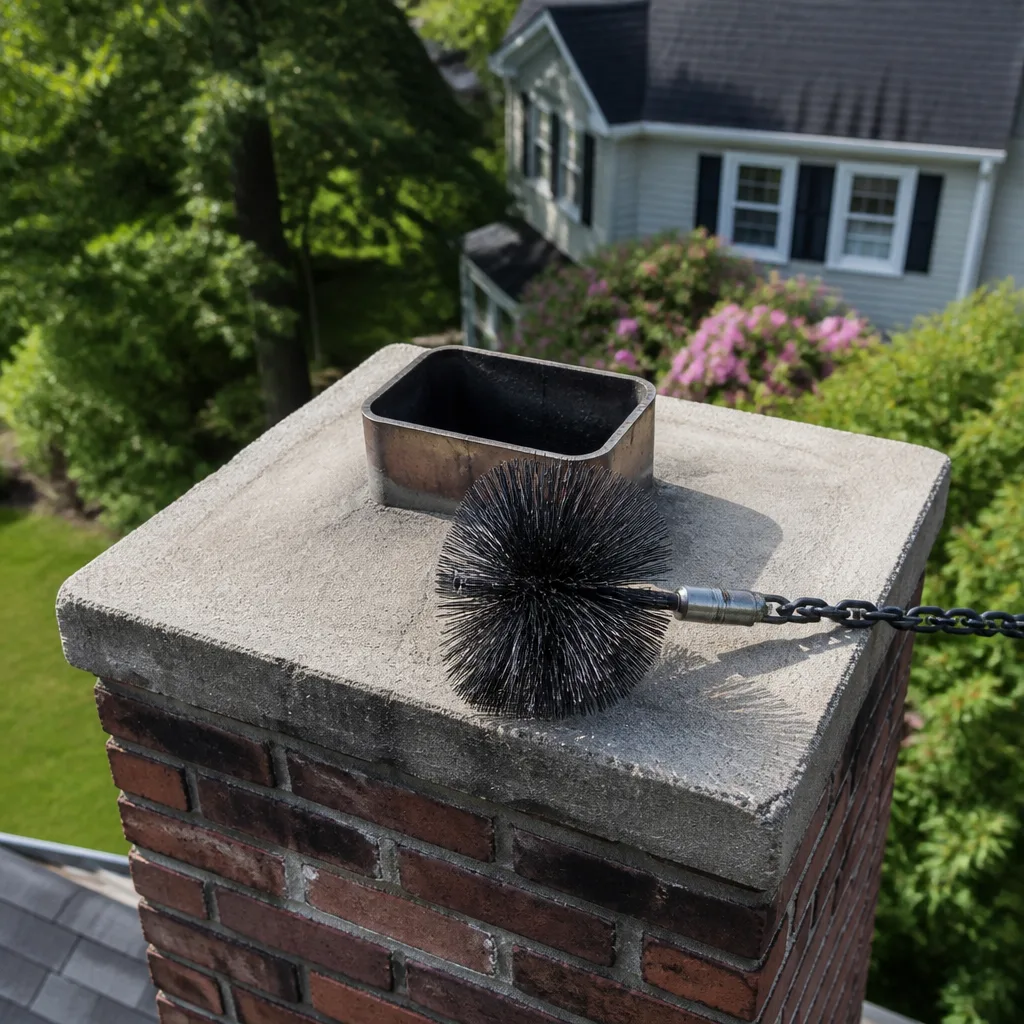
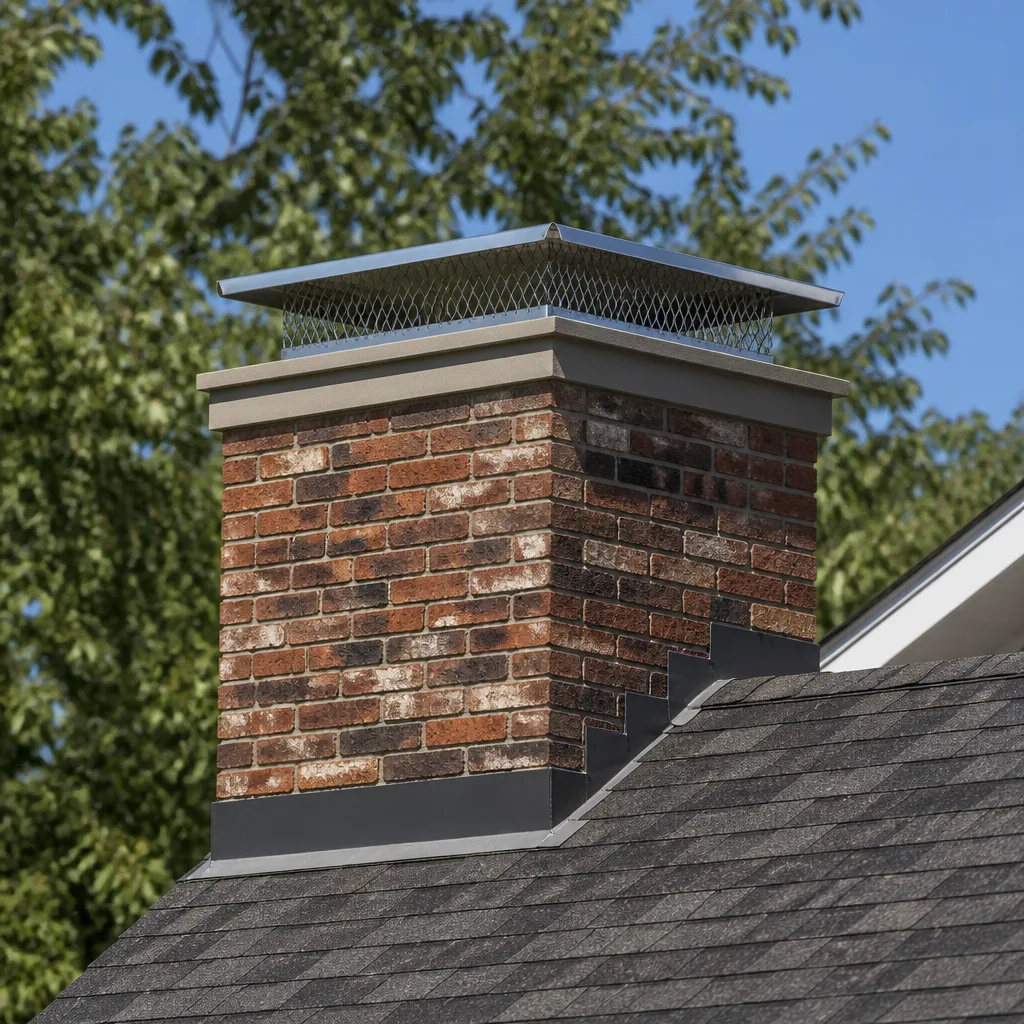
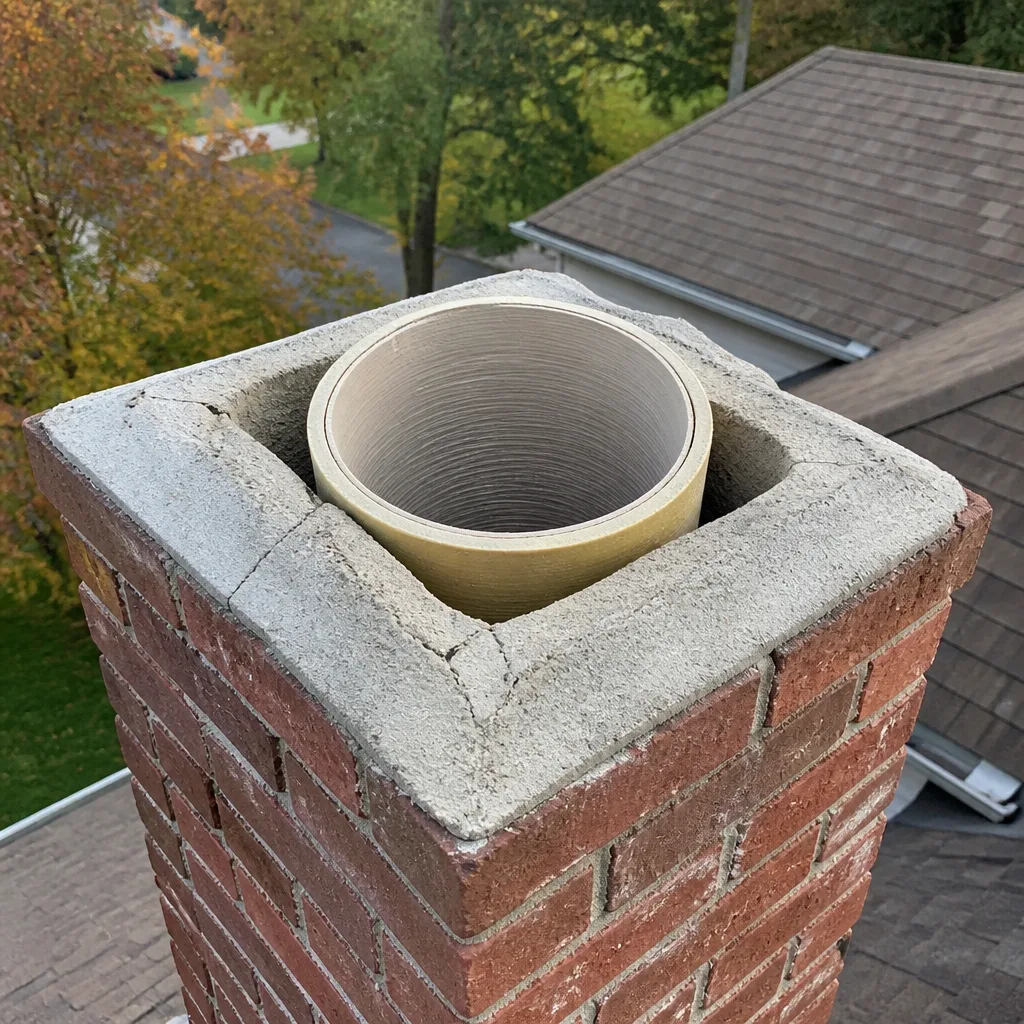
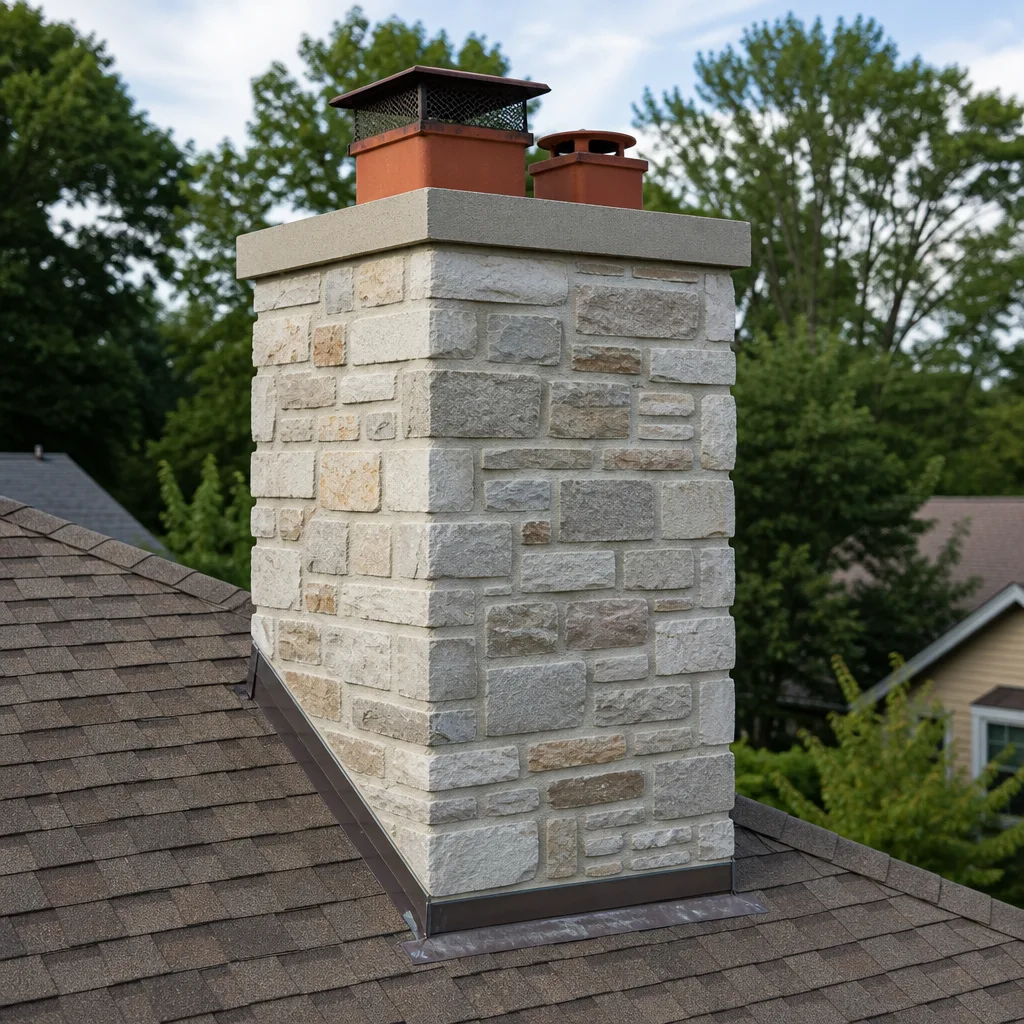
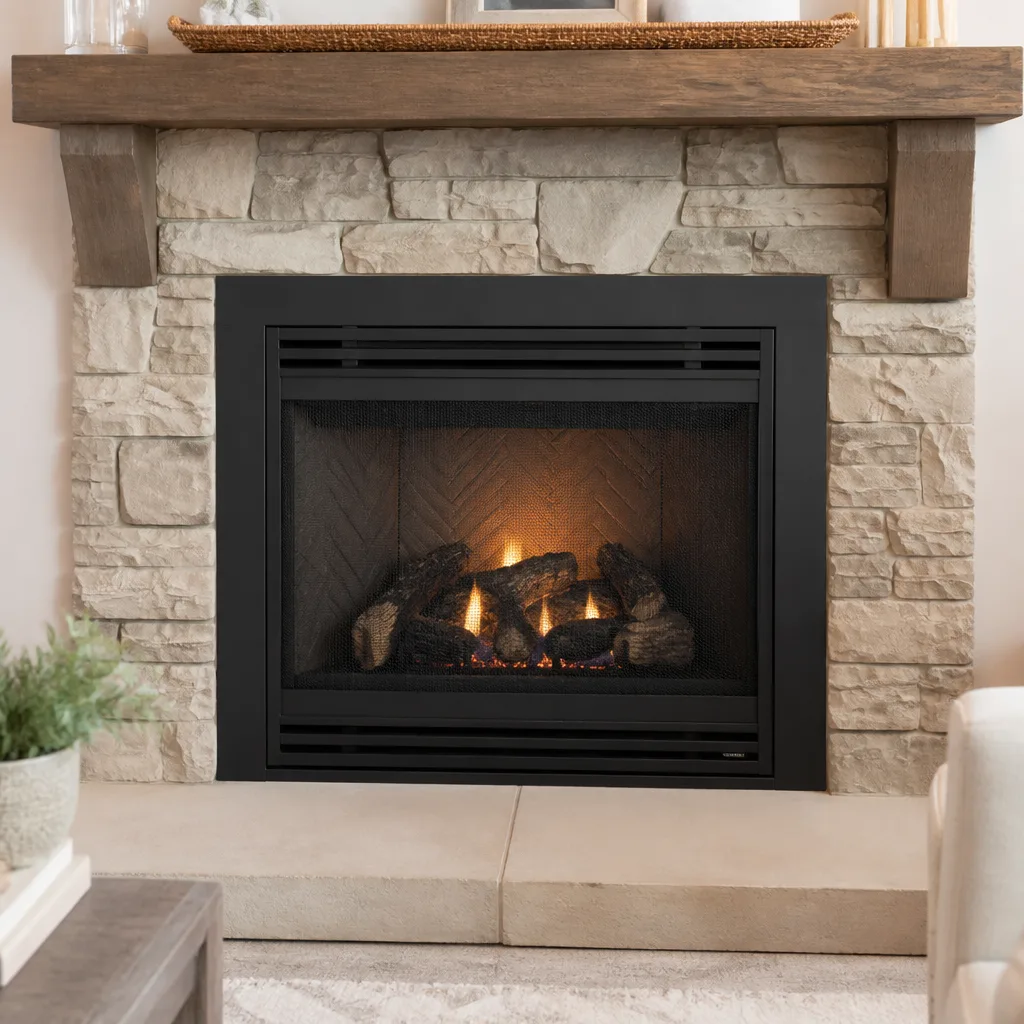
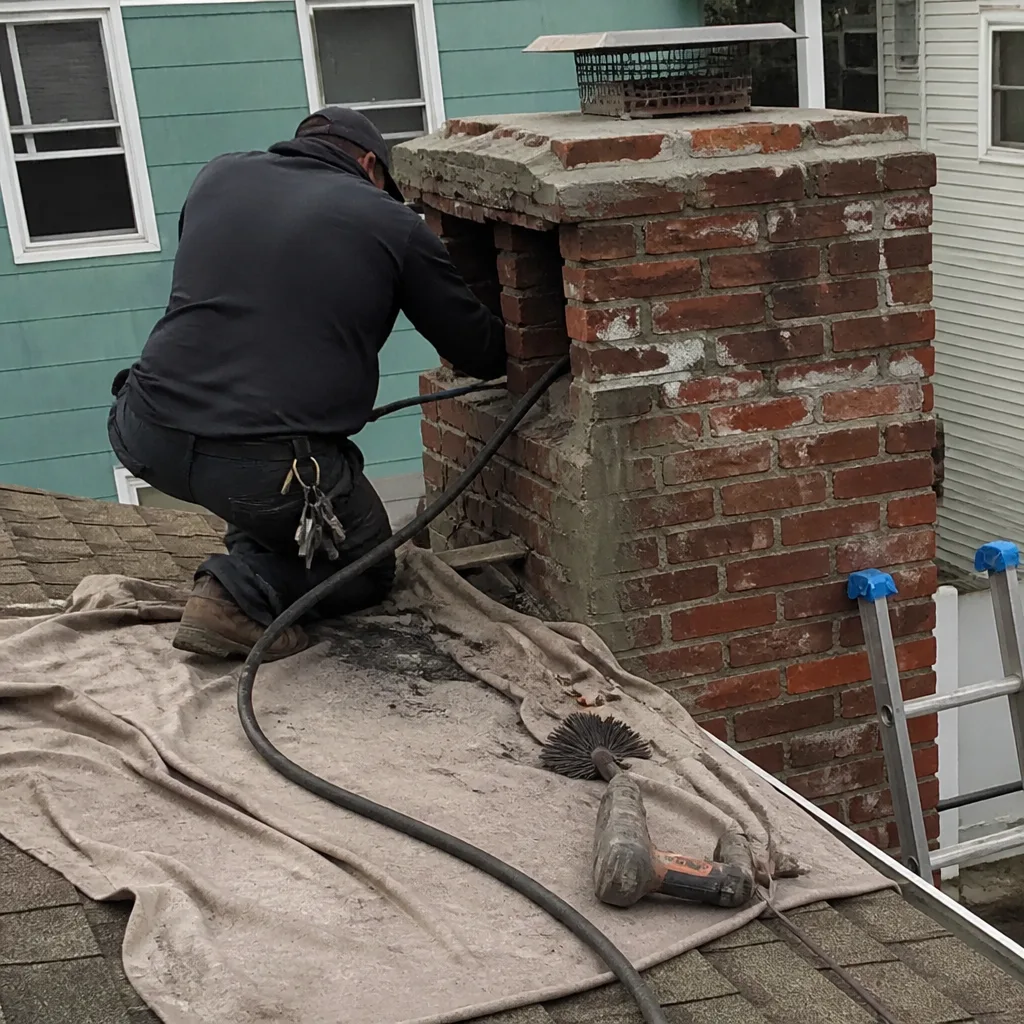 Before
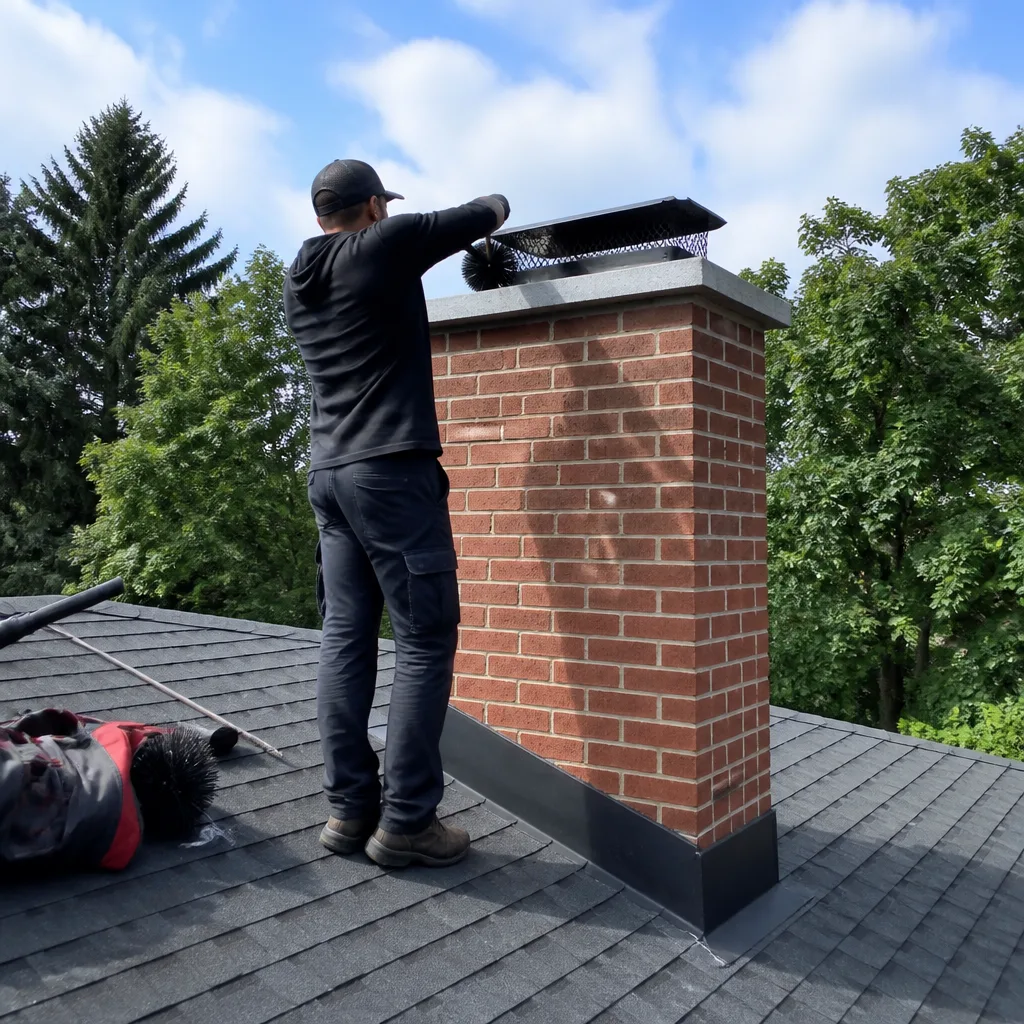 After
After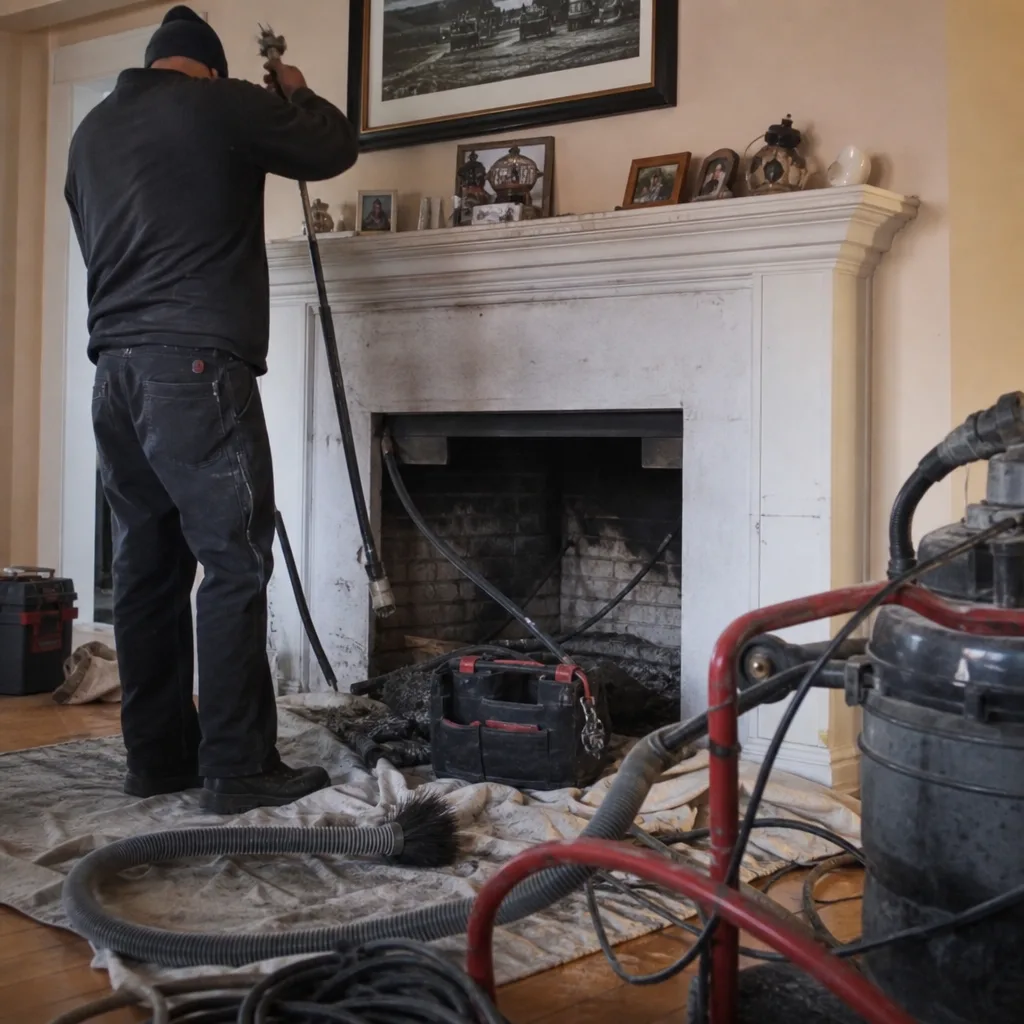 Before
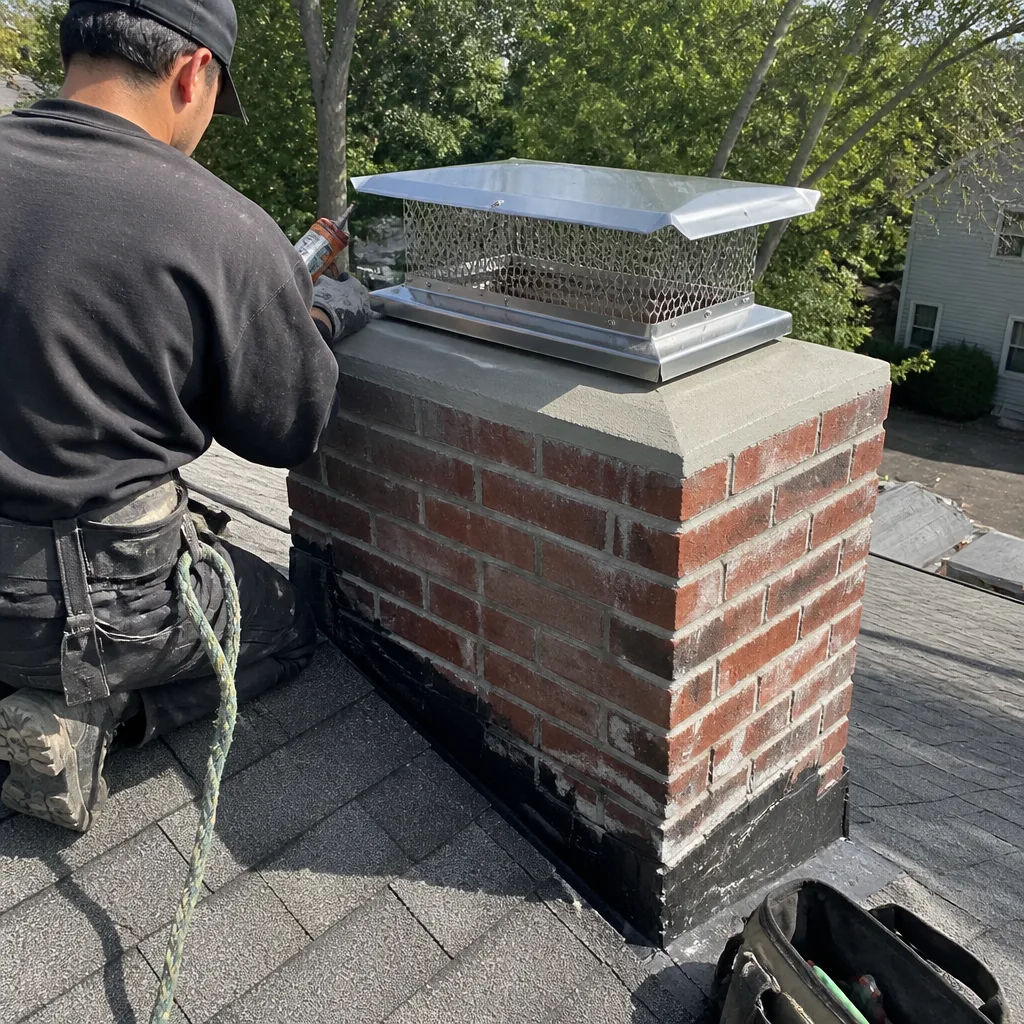 After
After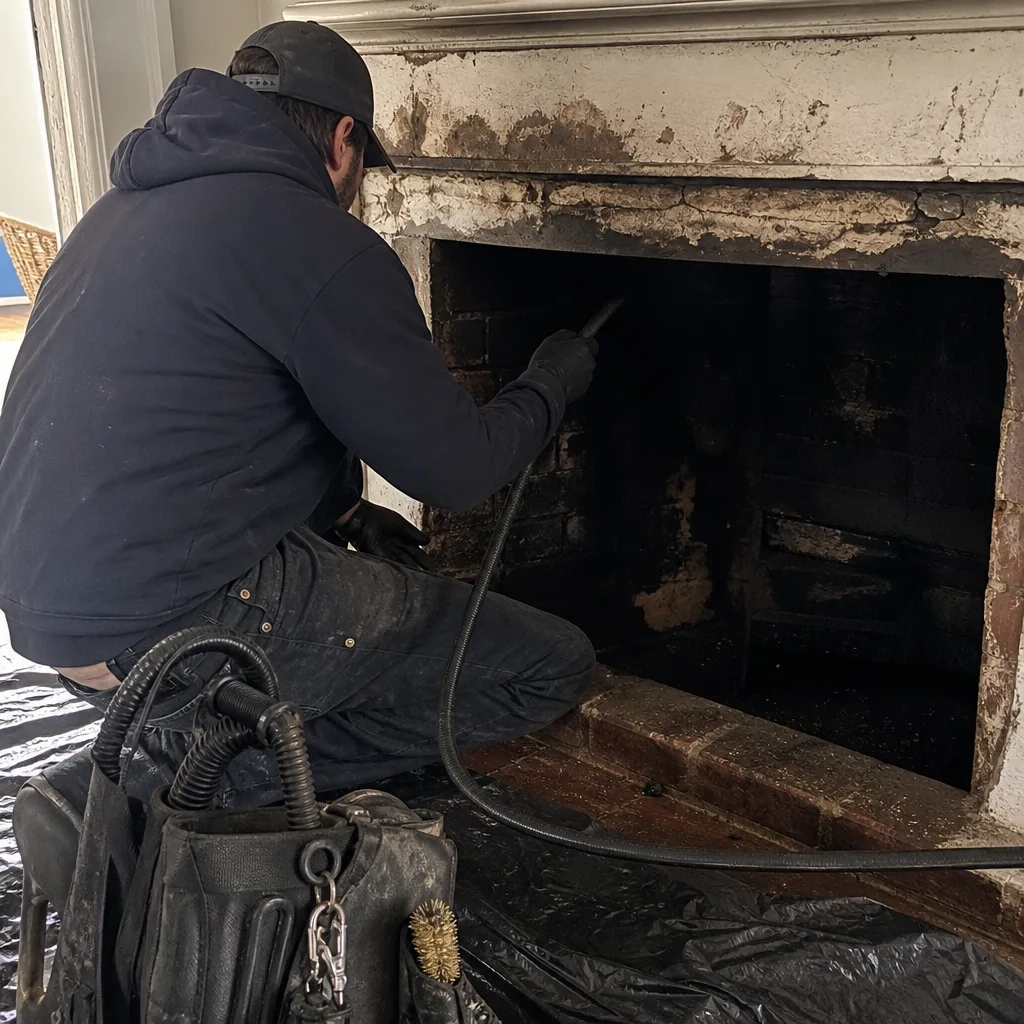 Before
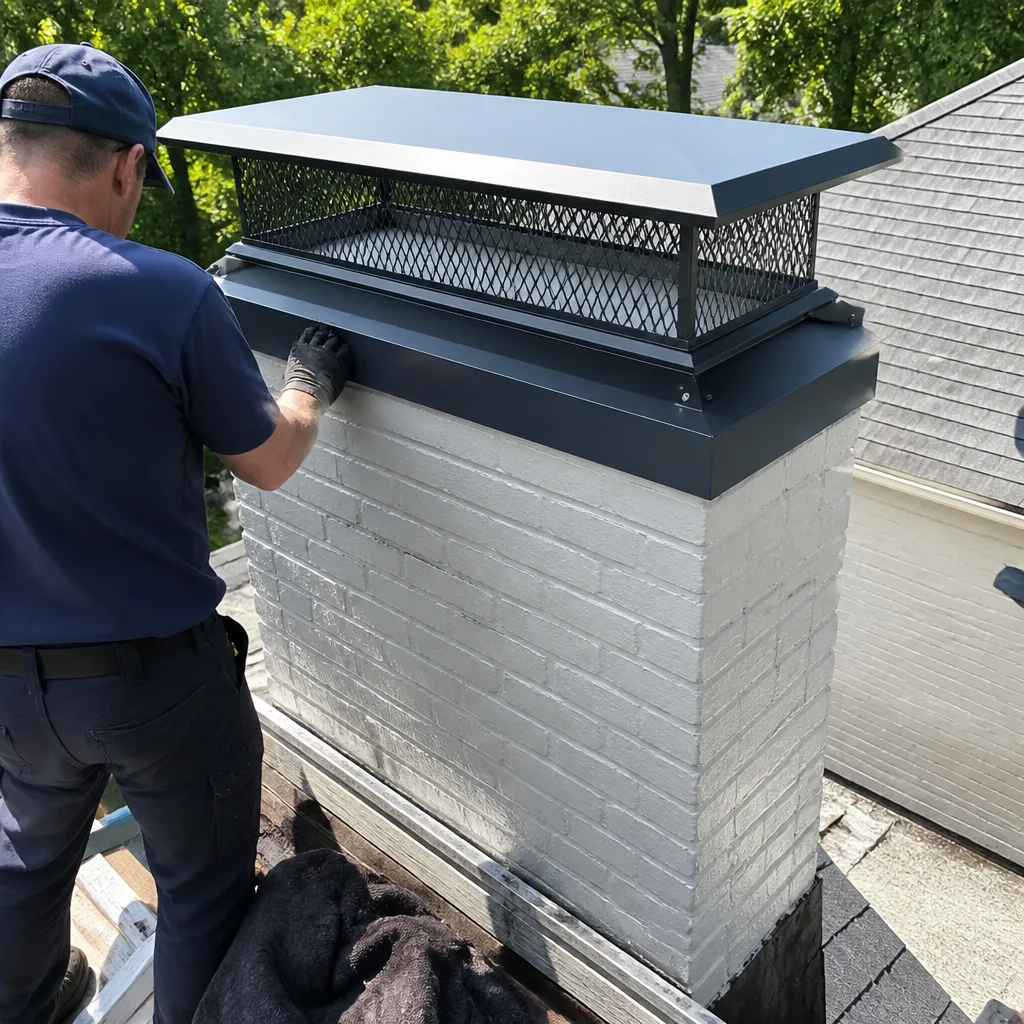 After
AfterThe Complete Guide to Chimney Cleaning in New York
New York City holds roughly 900,000 residential chimneys, many still original to pre-war brick construction. Yet the city’s own fire data shows nearly 40% of chimney-related fires occur in buildings cleaned within the prior 18 months. The reason is rarely neglect. It’s that the cleaning addressed soot but not the underlying liner condition. This guide explains what actually happens inside a New York flue, what a proper inspection should document, and what co-op boards, insurance carriers, and the fire code expect before anyone lights a fire. For more guides & resources, see our blog.
Quick Answer
A proper chimney cleaning in New York should include a mechanical sweep of the flue and a camera-scan inspection (NFPA 211 Level 2) that documents the condition of the liner, mortar joints, and smoke chamber before and after the work. Standard sweep-and-brush pricing in the five boroughs runs $199-$399 for a single-flue fireplace; a camera-documented Level 2 sweep runs $349-$599 depending on flue height, access, and creosote class. If your sweep does not produce a photo record, you have not been told what was actually found.
Table of Contents
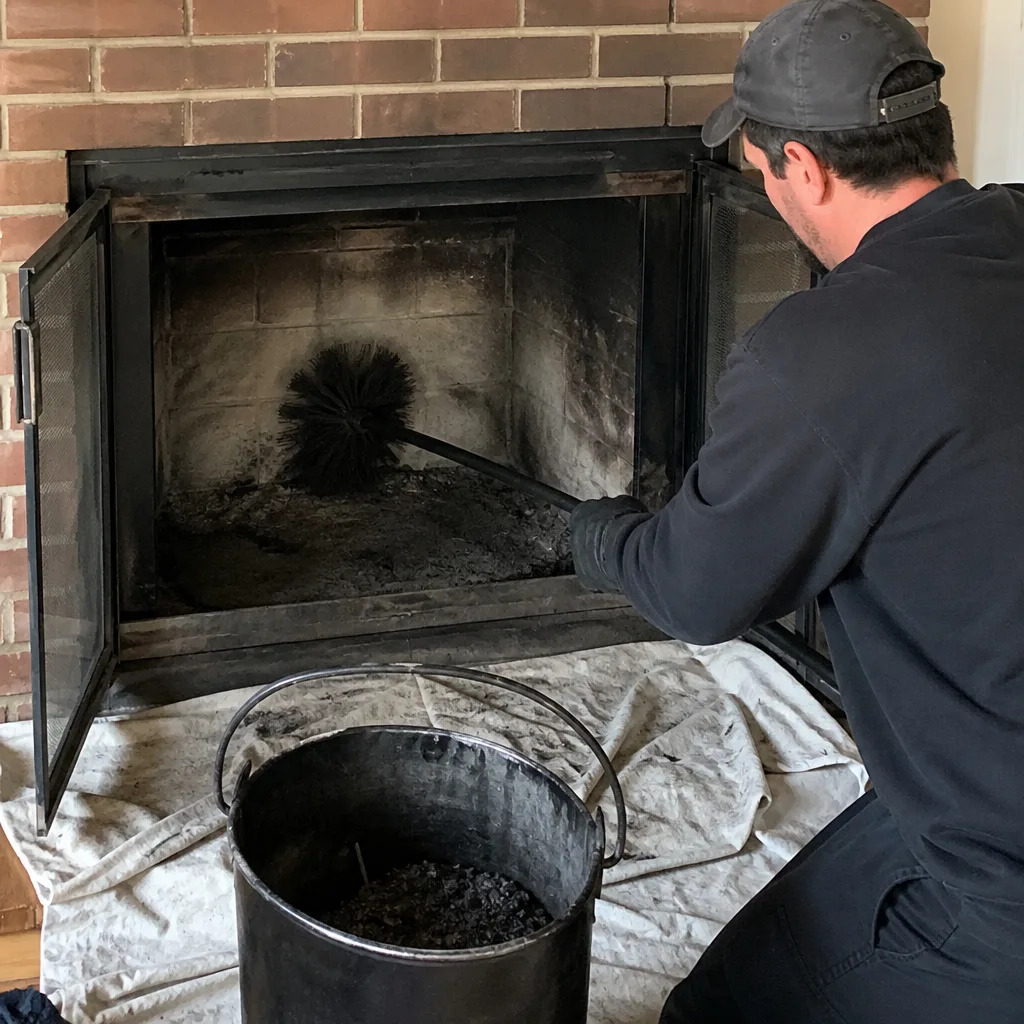
- What Chimney Cleaning Actually Involves
- Why New York Chimneys Are Structurally Different
- The Camera Scan: Why Pre-War Brick Flues Need More Than a Flashlight
- Oil-to-Gas Conversions and the Sulfur Deposit Problem
- What Co-op and Condo Boards Require in Writing
- Local Law 11 vs. a Flue-Interior Inspection
- How to Read a Level 2 Camera Report
- Pricing in New York: What You Should Expect to Pay
BeforeAfterWhat Chimney Cleaning Actually Involves
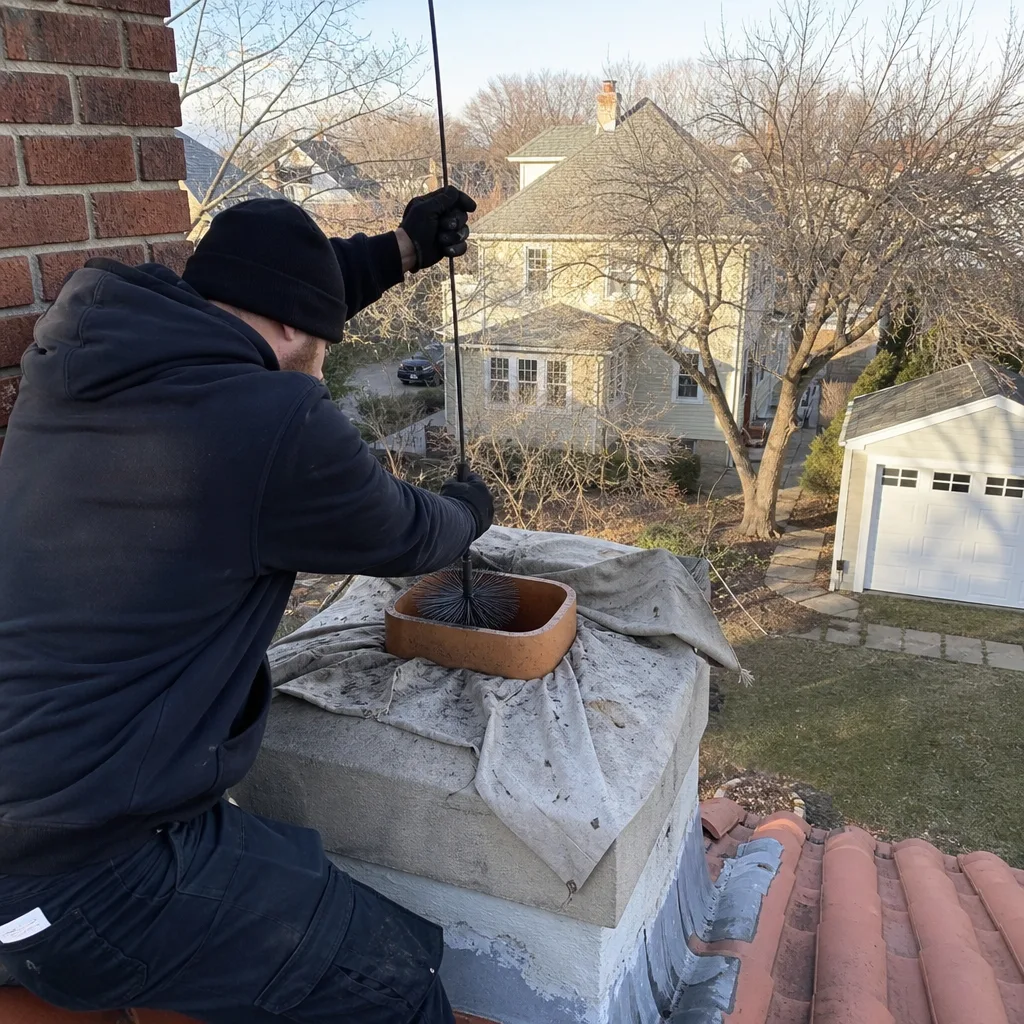
A chimney cleaning, done properly, is two jobs. The first is mechanical: wire brushes sized to the flue diameter run top-down or bottom-up to dislodge creosote, soot, and any nesting debris. The second is verification: a camera pushed through the full length of the flue to confirm the walls are clean and to inspect for cracks, gaps, spalling brick, or a damaged flue liner. In New York, many companies still do only the first job and call it a day. That is why so many homeowners pay for a cleaning and still end up with a chimney fire or a carbon monoxide leak eighteen months later.
Creosote is the byproduct of incomplete wood combustion. It condenses on the cooler walls of the flue as a tar-like residue and builds in stages. The National Fire Protection Association defines three classes. Class I is a light soot, mostly removable by brushing. Class II is a granular, flaky deposit the consistency of coffee grounds. Class III is a hard, glazed tar layer that often requires chemical treatment or mechanical removal. A routine sweep handles Class I and most Class II. Class III is a different job and should be documented before and after.
We think of a cleaning as the moment the flue becomes visible. The brushes remove what is hiding the wall. The camera then shows what the wall actually looks like. That is the part of the service that protects you.
Why New York Chimneys Are Structurally Different
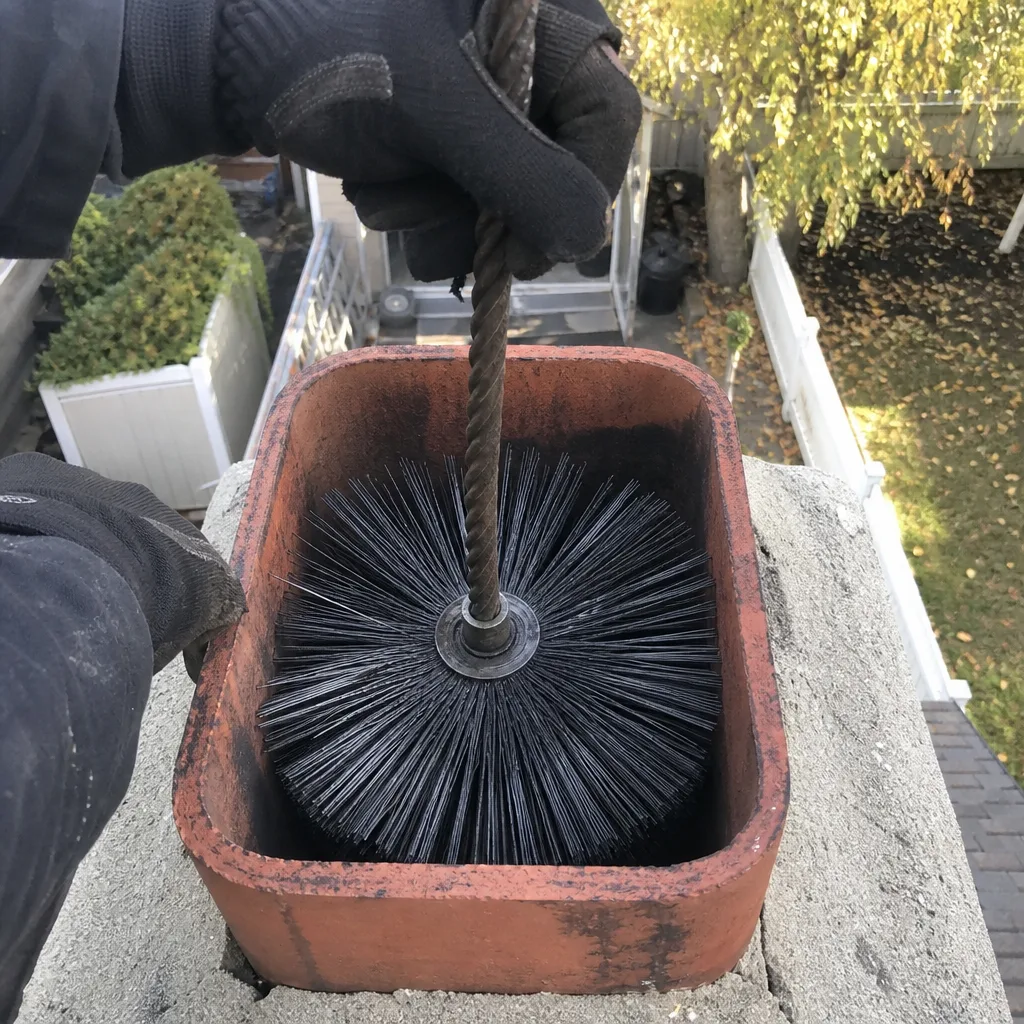
Most published chimney advice assumes a suburban house built after 1980, with a single appliance, a straight flue, and an accessible roofline. New York is none of those things. A typical brownstone or pre-war co-op has a masonry chimney that runs five to seven stories, shared by multiple fireplaces or appliances on different floors. The flue may be unlined originally, or lined with terra cotta tiles that have cracked and shifted over decades. Access means a roof hatch, a fire escape, or a parapet ladder. These are not conditions a national guide book covers, because they are not conditions most of the country has.
The practical consequences are real. A multi-story flue with a bend or offset will hold more creosote in the turns. A shared chimney with an abandoned fireplace on one floor and an active furnace vent on another creates cross-contamination risks. A roof in midtown Manhattan or Park Slope requires an FDNY-compliant access route and a crew that knows how to rig lines legally. None of this changes the physics of the cleaning, but it changes the method, the equipment, and the reporting.
When we inspect a pre-war chimney in New York, we are looking at a structure that has held exhaust gas for anywhere from 80 to 140 years. Bricks and mortar do not improve with that kind of exposure. They erode. The question is how much, and whether it matters yet. A camera answers that. A flashlight doesn’t.
The Camera Scan: Why Pre-War Brick Flues Need More Than a Flashlight
The standard mirror-and-flashlight check has a hard physical limit. It shows the first three or four feet of the flue from the damper up. Most of a New York chimney is above that line. A mortar joint can be completely eroded at the fifth-floor level while the flue looks fine from the fireplace. The fire doesn’t start where the flashlight was. It starts where the gap is.
A Level 2 camera inspection, as defined in NFPA 211, pushes a waterproof camera through the entire length of the flue, from the firebox or appliance connection up to the termination cap. The technician records video and stills, then reviews them with you. Clause 4 of the Haven Standard requires a documented photo record on every job, and that practice has been continuous at Level Two Chimney New York since 2009.
What the camera finds in a New York pre-war flue, more often than not, is mortar joint erosion. Rain, freeze-thaw cycles, and decades of acidic flue gas eat the lime out of the mortar. The joints open. Once a joint opens between flue tiles, heat and gas can reach the surrounding masonry. In a party-wall chimney, that means the neighbor’s lintel, joist pocket, or framing is now part of the exhaust path. You won’t see that with a flashlight. You will see it on the camera.
The second thing the camera finds is previous work. New York chimneys have been patched, parged, relined, and sealed by a century of contractors. Some of that work is excellent. Some is failing. The camera tells you which is which before you spend another dollar on the wrong repair.
Oil-to-Gas Conversions and the Sulfur Deposit Problem
Between roughly 2011 and 2020, tens of thousands of New York buildings converted their heating systems from No. 2 heating oil to natural gas. The conversion was driven by city policy and fuel economics. It also created a chimney condition that almost no one discusses.
Oil combustion produces sulfur. Over years of oil firing, sulfur compounds deposit on the flue walls. Natural gas, by contrast, exhausts at a lower temperature and with higher moisture content. When the new gas appliance vents into the old oil chimney, that moisture activates the sulfur residue and begins converting it into a mild sulfuric acid. The acid attacks the mortar joints and liner from the inside. The flue may look sooty but sound. It isn’t.
A routine brushing removes the surface soot and does nothing to the sulfur-laden deposits bonded into the masonry pores. The camera scan documents the difference. In our experience across Brooklyn, Queens, and Manhattan, converted oil-to-gas flues are the single most common location for hidden liner failure. The conversion was good for the city. It was not good for the chimneys.
If your building converted from oil to gas and the chimney was never inspected with a camera after the change, that inspection is overdue. The cleaning that follows is straightforward. The inspection that precedes it is what actually matters.
What Co-op and Condo Boards Require in Writing
In New York, the customer is often a board. Co-op and condo buildings require documentation before they approve chimney work, before they release funds, and after the job is done. A verbal “clean bill” will not satisfy them. Our How to Hire a Chimney Cleaning Contractor in New York: A Step-by-Step Guide covers what a New York board typically expects.
- A written scope of work before the job begins. The board wants to see what will be cleaned, how, from where, and with what equipment. This is Haven Standard Clause 1: a written price, written scope, and written warranty delivered before anyone starts.
- A written price, fixed. Boards do not approve open-ended estimates. The quote must name a dollar figure. That is the entire point of a written price before work starts.
- Proof of insurance. The building’s managing agent will request the contractor’s certificate of insurance naming the co-op or condo as an additional insured. Background-checked, uniformed technicians and license information on every page is the standard we work to.
- A documented photo record after the job. The board wants to see the before and after images from the camera scan. A photo record on every visit is standard under Haven Standard Clause 4, not an add-on.
- A written warranty. The board files it. If a follow-up issue arises, the warranty says what happens next. The 365-Day Done Right Promise is stamped on every job under the Haven Standard: if it’s not done right, we make it right.
Boards have a fiduciary duty to unit owners. They will not accept a receipt from a sweep that says “cleaned” with no evidence. The documentation is the deliverable, as much as the cleaning itself.
Local Law 11 vs. a Flue-Interior Inspection
This is one of the most common confusions in New York City building maintenance. Local Law 11, formally the Facade Inspection and Safety Program, requires buildings over six stories to inspect exterior walls and appurtenances, including chimneys and parapets, every five years. A licensed architect or engineer examines the facade, files a report with the Department of Buildings, and classifies conditions as safe, safe with a repair and maintenance program, or unsafe.
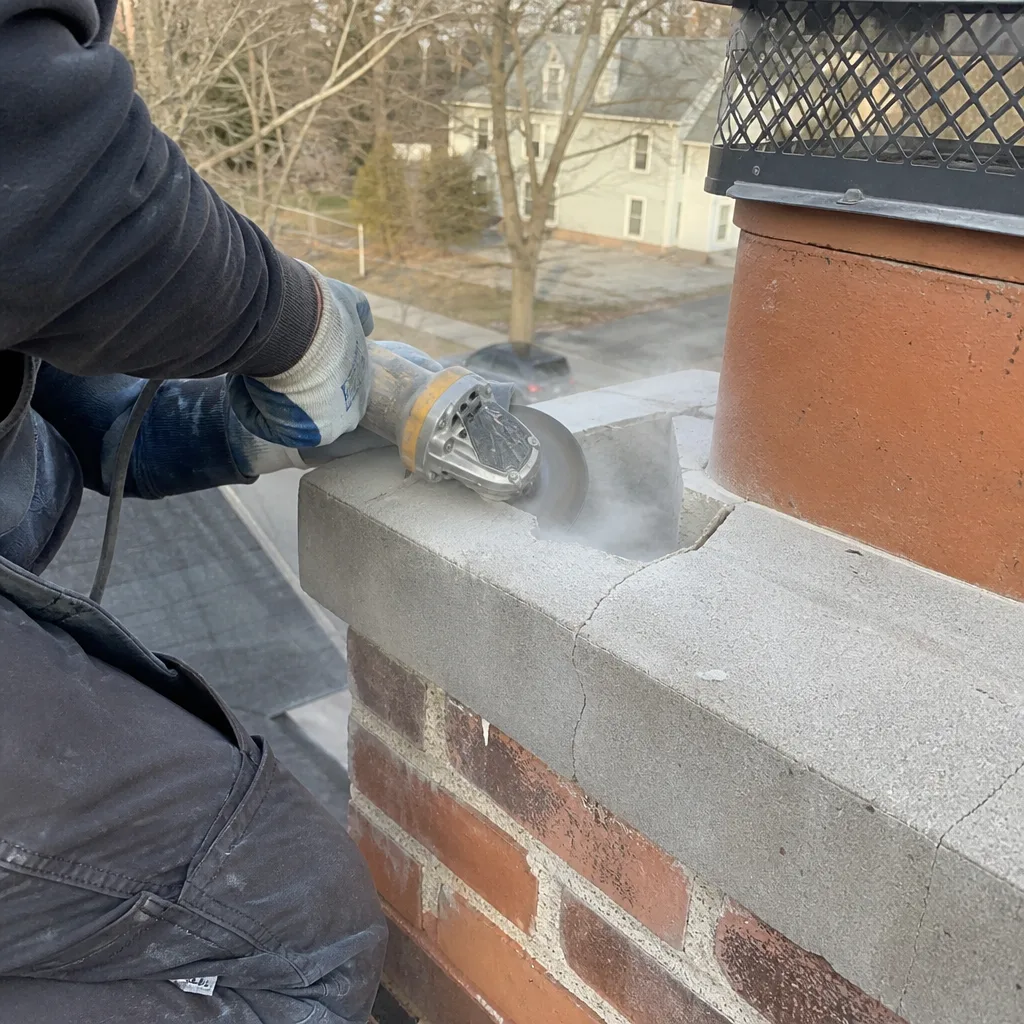
What Local Law 11 does not do is look inside the flue. The facade inspector examines the chimney from the outside: is the brick spalling, is the crown cracked, is the structure leaning or loose? Nothing about Local Law 11 requires a camera scan of the flue interior. A building can pass its Local Law 11 cycle with flying colors and still have a flue liner that failed ten years ago.
Owners confuse the two because the file says “chimney inspected.” But the scope of inspection is entirely different. If your building filed a Local Law 11 report and you assume the flues are safe, you are making an assumption the law does not support. A flue-interior inspection is a separate job with separate documentation, and it is the only way to know whether the cavity carrying exhaust gas is intact.
We see this regularly in Manhattan co-ops. The building has a fresh facade report on file, the board assumes the chimneys are covered, and the camera finds a Class III creosote buildup or a disconnected liner segment that has been out of sight for years. The two inspections are not substitutes for each other.
How to Read a Level 2 Camera Report
A Level 2 camera report is only as good as your ability to verify what it claims. Here is how to read one so you are not signing off on a repair you cannot see for yourself.
- Look for the before and after images, not just the after. The report should show the flue walls before cleaning, the flue walls after cleaning, and any defects found in between. If the report only shows the defect and not the surrounding clean flue, ask for the full run.
- Check the depth markers. A professional camera system records the camera’s distance from the top or bottom of the flue. This tells you where the defect is, how long a crack is, and whether a gap is at the third-floor level or the roof level. A report without depth markers is not a documentation record; it’s a highlight reel.
- Read the defect description in plain terms. “Spalling” means the brick face is flaking off. “Compromised mortar joint” means the joint has opened to a usable gap. “Disconnected flue tile” means the segments have separated and the exhaust path is broken. Each of these should be defined in one plain clause on the report.
- Ask what the defect means. A cracked crown at the top is a roof-level repair. A spalled liner at the third floor is a full-length reline or a partial replacement. The report should say what the recommended fix is and what happens if it is not done.
- Verify the recommendation is written, not verbal. If a technician says you need a new liner but won’t put it in writing with the camera images, you do not have a recommendation. You have an opinion. Haven Standard Clause 1 requires a written price, written scope, and written warranty before any work starts.
Being able to read the report is what makes you an informed owner. You can see what was found, ask why it matters, and decide with evidence in front of you whether the repair is urgent or can wait. Our team at Level Two Chimney New York has found that owners who review their camera footage make better decisions than those who take a verbal summary on faith.
Pricing in New York: What You Should Expect to Pay
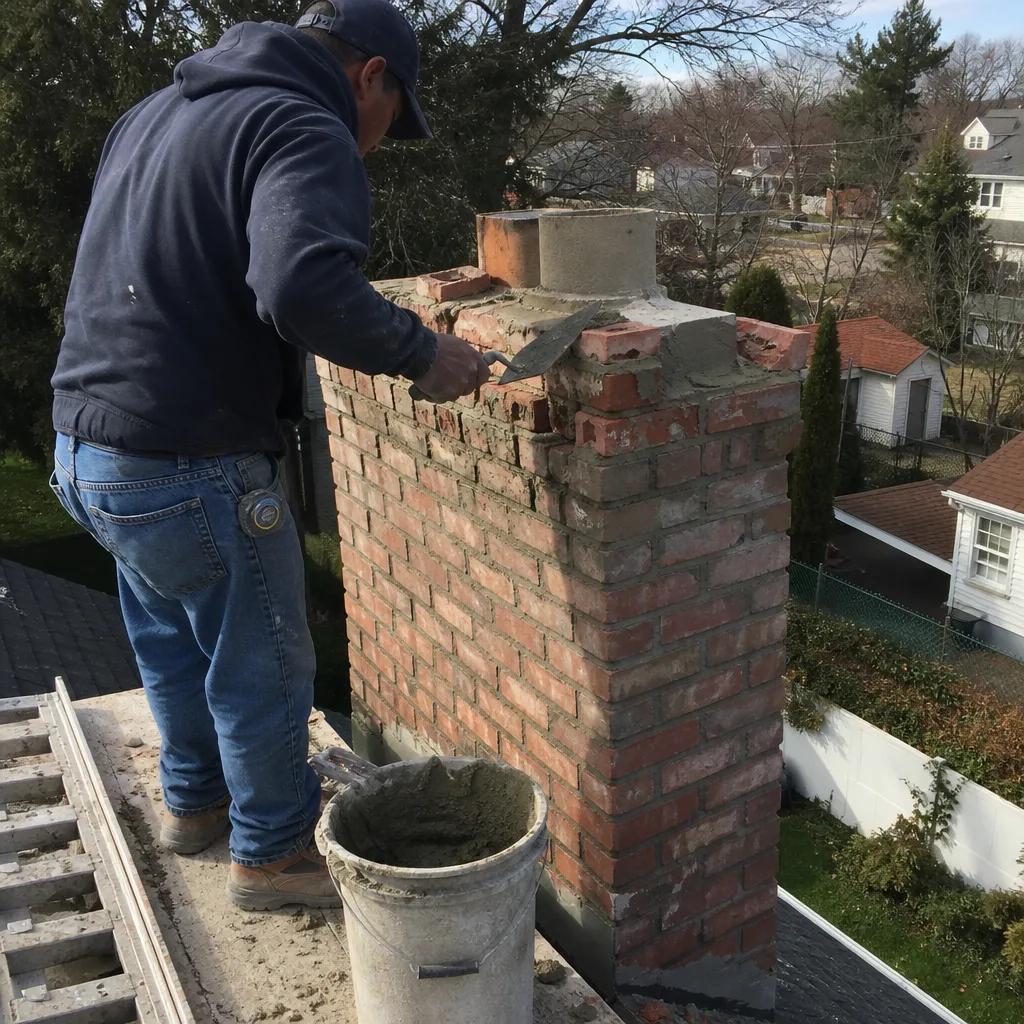
Chimney cleaning prices in New York have a wide range, largely because the service definition varies. Here is what we see in the current market across the five boroughs.
- Basic sweep, no camera: $149-$249 for a single-flue fireplace. This is the price most commonly advertised. It includes mechanical brushing and a visual check of the first few feet. No photo record.
- Camera-documented Level 2 sweep: $349-$599 depending on flue height, access, and creosote class. This is the standard we perform on every job, with a photo record included under Haven Standard Clause 4.
- Class III creosote removal: $150-$400 added to the sweep, depending on severity and which chemical or mechanical method is required. This is a separate line item on the written price.
- Oil-to-gas conversion flue inspection: typically priced as a Level 2 inspection, $349-$499 for a single flue, with the camera footage and written findings included.
- Co-op or condo multi-flue inspection: $100-$250 per additional flue, depending on access and whether the building requires a single combined report.
Every job is quoted in writing before work begins. We do not use “call for a quote” as a pricing policy. A written price, written scope, and written warranty are delivered before anyone starts. If a previous contractor gave you a written estimate from another company, our Free Second Opinion on any written estimate is always available.
Materials for repairs come from brands we trust: Gelco sealants for crown and joint repair, HeatShield for resurfacing systems where a liner can be saved rather than replaced, Olympia Chimney for caps and terminations, and Famco for venting components. We source these through Haven’s buying network to keep customer prices honest. The materials list is part of the written scope, not a surprise later.
Common Mistakes to Avoid
- Accepting a sweep with no photo record. If there are no before and after images from a camera, you have paid for a service you cannot verify. A photo record on every visit is the standard, not the upgrade.
- Assuming a Local Law 11 facade report covers the flue interior. It doesn’t. Facade inspections are external only. A separate flue-interior inspection is the only way to document liner condition.
- Converting from oil to gas without a follow-up camera scan. The moisture-byproduct reaction with old sulfur deposits is slow, corrosive, and invisible from the firebox. If your building converted, the flue needs a camera look.
- Using the fireplace when the damper clamps shut or sticks. A damper that won’t open fully is a ventilation problem. Exhaust gas backs into the living space. The damper needs to be repaired or replaced before the next fire.
- Choosing a roof-access sweep without checking the roofline method. New York rooflines vary widely. Make sure the company explains how they will access the chimney, what equipment they will use, and how it protects the roof membrane and parapet.
- Approving liner replacement without seeing the camera images. If the recommendation is a full reline, the camera footage should show the defect, depth-marked. Never approve a four-figure repair on a verbal report.
- Ignoring the smoke chamber. The smoke chamber sits between the firebox and the flue. Creosote accumulates there, and older masonry smoke chambers often lack parging. A proper cleaning includes the smoke chamber, and the camera shows whether it was done.
When to Call a Professional
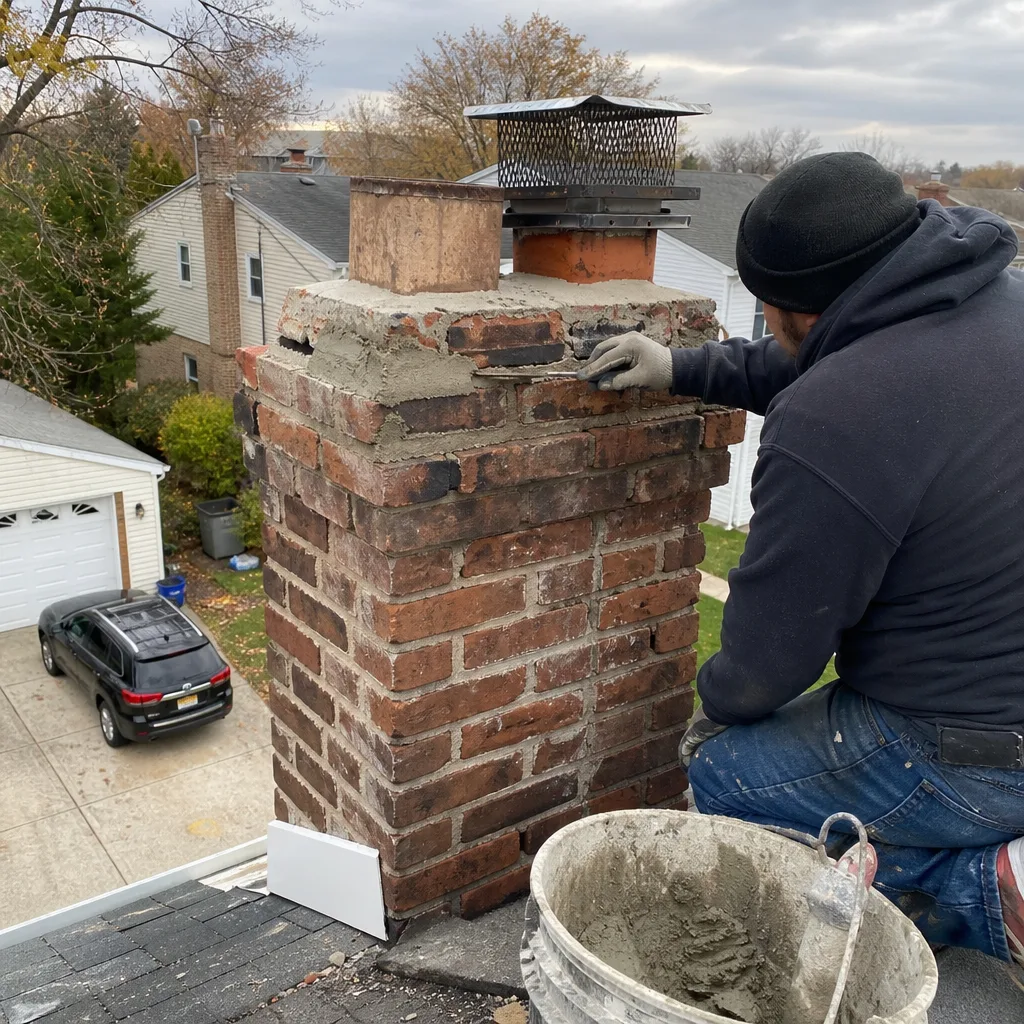
Call a professional chimney company when you see white or dark staining on the interior walls around the fireplace, when the room smells of campfire days after the last fire, when smoke rolls back into the room instead of drafting up, or when the fireplace has not been used in over a year and you plan to burn again. Call after any appliance conversion, after any significant roof or masonry work, and before closing on a home purchase in New York. A pre-purchase Level 2 inspection is one of the least expensive ways to avoid inheriting a four-figure liner problem. Level Two Chimney New York offers free estimates in New York. Call (551) 213-5548 to schedule.
Frequently Asked Questions
A camera-documented Level 2 chimney sweep in New York typically costs $349-$599 for a single flue, depending on flue height, roofline access, and creosote class. A basic brush-only sweep runs $149-$249, but it does not include the camera scan that shows whether the flue is actually safe. Call (551) 213-5548 for a written, fixed quote.
The NFPA standard is at least once per year for wood-burning fireplaces that are used regularly, and we recommend the same interval for New York flues because pre-war masonry is far less tolerant of creosote buildup than modern stainless liners. If you burn more than three fires a week during the season, or if you have an older unlined flue, schedule a camera-documented sweep every fall before heavy use.
Not always. A hairline crack in a terra cotta tile may be stable and safe for another decade; a dislodged or shifted tile segment means the exhaust path is broken and needs repair. The camera report should show the depth-marked images and a written recommendation. If the liner can be saved, a resurfacing system from HeatShield may be an option instead of a full replacement. Get the written finding before agreeing to anything. Call (551) 213-5548 for a free second opinion on any written estimate.
Creosote accumulates with every fire. Once it reaches Class III, it is a hard glaze that can ignite at around 1,000 degrees Fahrenheit. A chimney fire can crack the flue liner, damage the masonry, and in a New York rowhouse or co-op, spread heat into the walls of an attached neighbor. Carbon monoxide risk also rises when a clogged flue prevents proper drafting. The cost of a sweep is a fraction of the cost of a reline or a fire response.
Yes. New York co-op and condo boards want a written scope, a fixed price, a certificate of insurance, a photo record from the camera scan, and a written warranty. A verbal clean bill will not satisfy a board’s documentation requirement. We provide all of that on every job, with a documented record under Haven Standard Clause 4.
A Level 1 inspection is a visual check of the accessible portions of the chimney, without a camera, intended for a chimney that has been regularly maintained and has seen no changes. A Level 2 inspection is required by NFPA 211 whenever there has been a change to the system: a new appliance, a sale, a reline, or a fire. In New York, with pre-war flues and frequent oil-to-gas conversions, we recommend a Level 2 camera scan as the default, because a Level 1 misses the defects behind the visible surfaces.
The Bottom Line
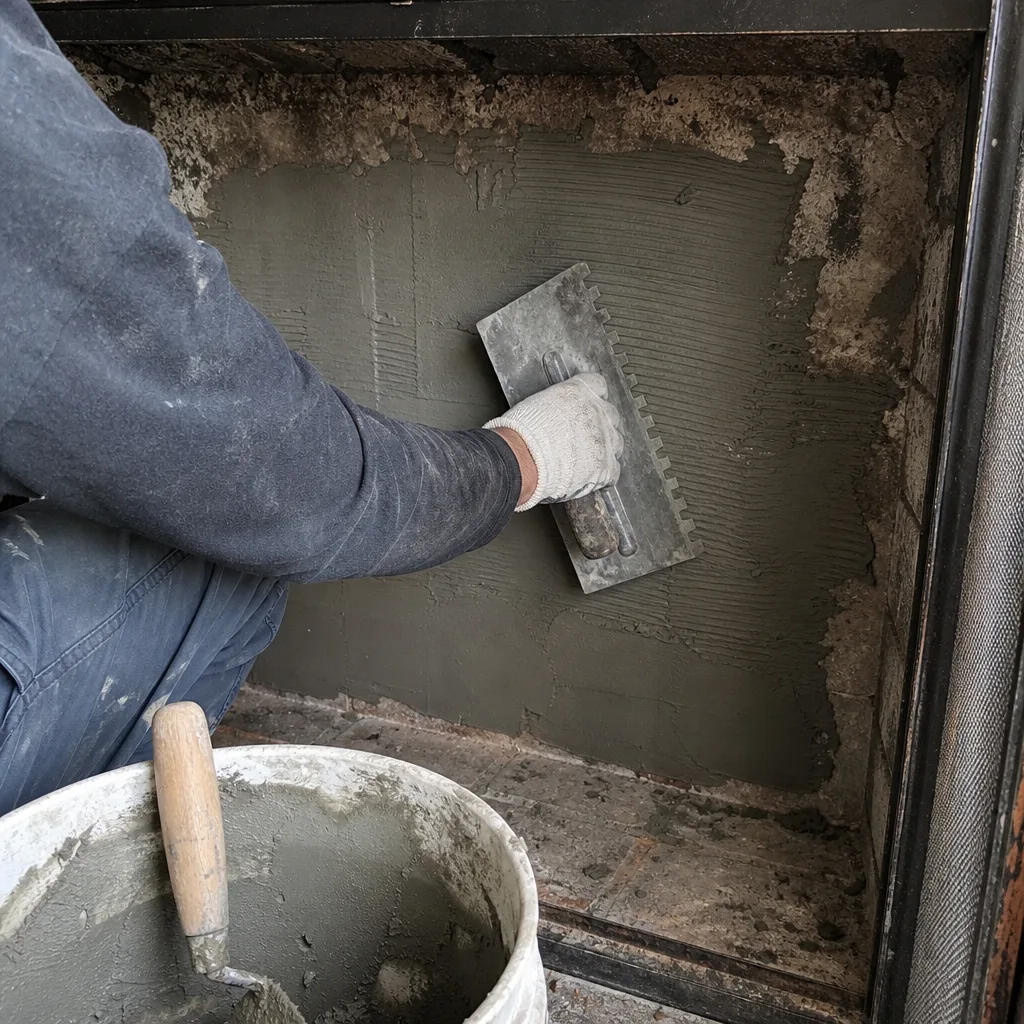
Chimney cleaning in New York is not a commodity service, and the difference between a brush-only sweep and a camera-documented Level 2 cleaning is the difference between knowing your flue is safe and assuming it. Pre-war brick, oil-to-gas conversions, and board documentation requirements make the city’s chimneys structurally distinct. The right standard is a written price before work starts, a camera down the flue, and a photo record when the job is done. That standard exists. It has been the working practice at Level Two Chimney New York home since 2009. For a Chimney Cleaning & Sweep in New York, call (551) 213-5548. If you need Chimney Repair in New York or Fireplace Services in New York, the same standard applies: evidence first, price in writing, and a record when it’s done.
Written by Corrine Halstead, Owner at Level Two Chimney New York, serving New York since 2009.